
The “Peak Season” Illusion: Why Crowds Ruin Your Trekking
Where Everyone Goes To Feel Like They’re Adventuring
You want proof you hiked the “right” trail at the “right” time. That’s the real draw of peak season. But here’s the mechanism: peak season operates like demand-side inflation in economics. Trail capacity stays fixed. Visitor volume spikes. Prices rise to match demand. Lodges charge 40-60% premiums in July and August across Colorado, the Swiss Alps, and Patagonia. You’re not paying for better weather or better trails. You’re paying because everyone else decided the same month.
The experience collapses first. Parking fills at dawn. Trail congestion means single-file hiking for hours. You photograph the same vista as 500 people that week. Alpine meadows get trampled into dust. Backcountry campsites disappear by noon. Peak season doesn’t give you the best hiking. It gives you the most crowded version of good hiking.
When Solitude Becomes The Actual Goal

Everyone talks about good weather. Nobody talks about why solitude matters for your nervous system during a hike. A trail in September moves differently than the same trail in August. You encounter humans every 10 minutes in August. You encounter three in September. That’s not a minor difference. Your cortisol stays lower. Your attention spans longer. You process the landscape instead of managing social navigation.
The practical move: shift one month earlier or later than consensus. June in the Rockies beats July. September in New Zealand beats December. October in Turkey beats August. You get 70-80% of the weather quality with 20% of the people. The mechanism is simple: off-peak months have fewer tourists because work calendars and school schedules trap most people into specific windows. Break that pattern and the trail opens.
The Dynamic Weather Algorithm: Beyond Static Forecasts
How Elevation Reshapes Your Season
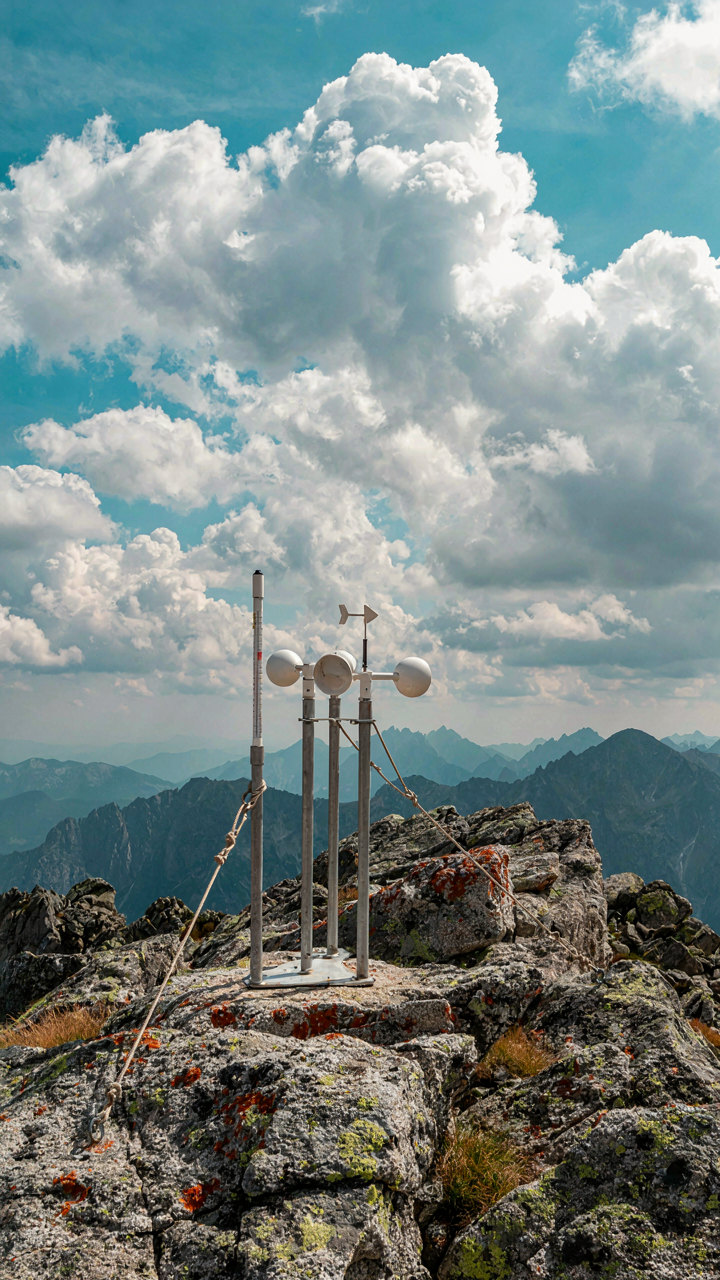
You want a simple answer because planning feels uncertain, and uncertainty threatens your trip budget. Stop looking for one. Elevation forces the real mechanism: temperature drops roughly 3.5 degrees Fahrenheit per 1,000 feet of altitude gain. This means your “best month” shifts dramatically based on vertical feet, not just geography.
A trail in Colorado at 8,000 feet stays snow-covered into June while lower foothills clear by April. Summer peaks at different times at different elevations on the same mountain. Microclimates compound this further. North-facing slopes stay colder longer. South-facing aspects dry faster. Wind exposure at ridges can make August feel like October. Check the specific elevation and aspect of your trail, not just the region name.
Data Points Over Intuition
Common advice says “use a weather app.” That misses the mechanism entirely. Real decision-making requires historical weather data, not forecasts. You need to see what actually happened in previous years on your exact date range, not what models guess will happen in two weeks.
Services like Weather Underground and NOAA maintain historical temperature, precipitation, and snow depth records by location. Cross-reference your target trail’s elevation against these records for your target month in years past. Build a three-year average of conditions. This replaces guessing with pattern recognition. Before booking, lock your dates against hard data from the same calendar weeks in the previous three years.
Off Season Mastery: Unlocking Hidden Outdoor Adventure
The Solitude Advantage
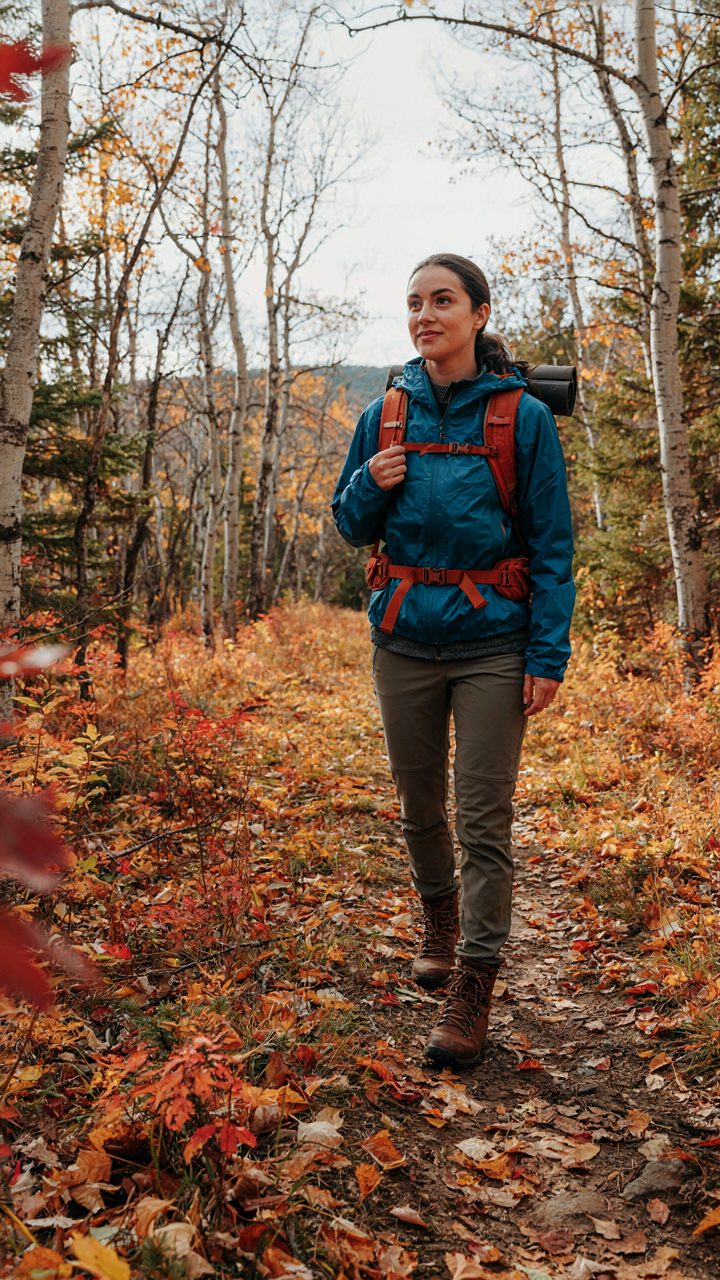
You want to hike without crowds because you’re running from the weekend Instagram masses, not because solitude makes you spiritually evolved. The mechanism is simple: off-season hiking means fewer people competing for trail space, parking, and shelter. Winter, spring shoulder months, and late fall operate like economic dead zones for casual hikers. This creates a tactical advantage: better trail conditions, available permits, and zero wait times at trailheads that suffocate during peak season.
Off-season months vary by region, but the principle holds everywhere. Spring shoulder months (April in lower elevations, May in higher terrain) offer mild temperatures before summer heat peaks. Fall shoulder months (September through October) reverse the pattern: cooling temperatures without winter’s hazards. Winter hiking demands different thinking but rewards solitude aggressively in regions that stay navigable. The trade-off is weather unpredictability, not crowds. Fewer people means you control when and how you experience the trail.
Equipment Calibration For Season Shifts
Most hiking gear advice treats seasons as binary: summer versus winter. That’s incomplete. The real mechanism comes from materials science: different conditions demand different friction coefficients, insulation values, and moisture management. Spring mud requires sole patterns engineered for grip, not summer’s rock scrambling. Fall rain needs shell fabric that handles temperature swings, not stable summer heat. Winter demands base layers that retain warmth when wet, solving a problem summer gear never encounters.
Adjust your pack contents methodically rather than swapping entire kits. Spring requires gaiters, microspikes for unpredictable ice, and waterproof boot treatment. Fall needs layering flexibility: merino wool base layers work across temperature ranges that cotton fails. Winter adds insulated jacket and chemical heat sources if you’re exposed above treeline. Summer strips down to breathable layers and sun protection. The protocol: consult historical weather data for your target month and region, match your gear to the specific threat that month presents, then test one system before committing to a full expedition.
Regional Realities: Dissecting North American Trails
The Coast Split Nobody Mentions
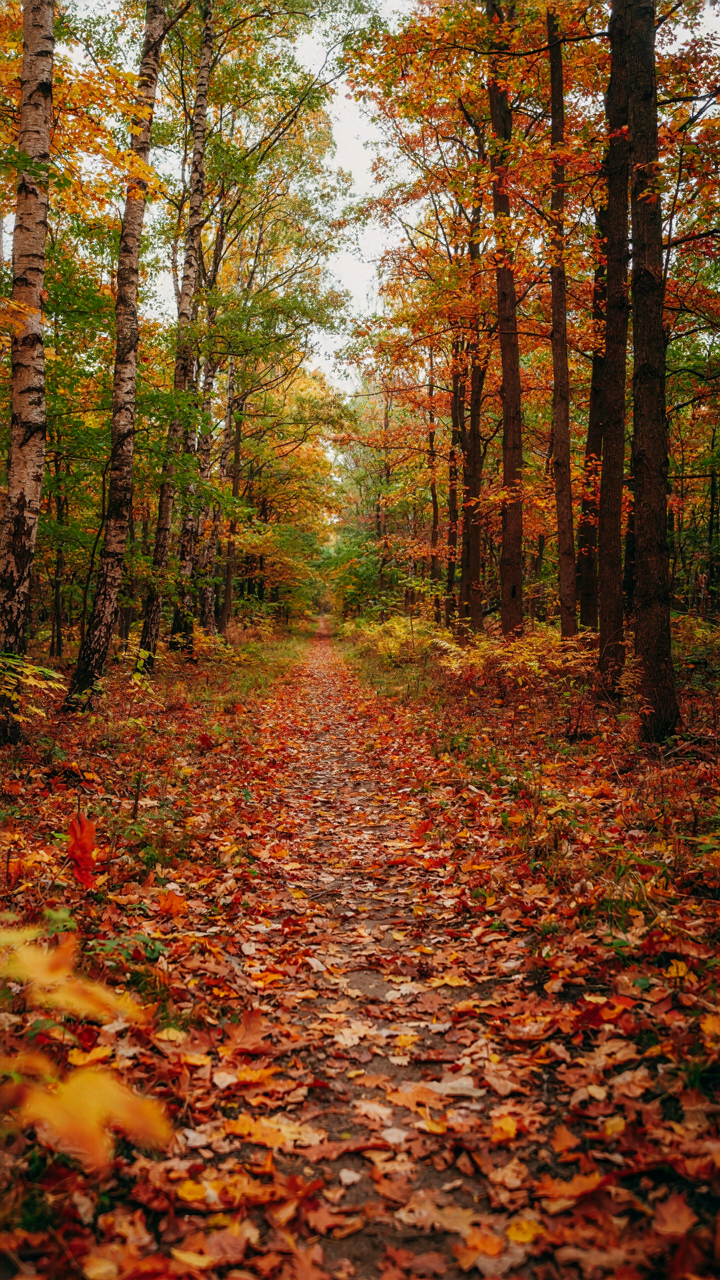
You want to know the “best” time because you’re afraid of wasting a vacation day on bad weather. The real mechanism is that the East and West coasts operate on opposite wet cycles. The East Coast’s peak hiking window is fall—September through October—when humidity finally drops and summer thunderstorms stop daily. Spring works too, but it’s unpredictable: mud lingers, trails flood without warning. Winter is brutal and often impassable.
The West Coast flips this entirely. Summer is the safe bet—July through September—because the dry season is genuine and sustained. Spring hiking on West Coast trails often means navigating snowmelt runoff. Fall can work in lower elevations, but higher trails still carry snow risk by October. Your best move is committing to opposite seasons based on geography, not chasing a universal timeline.
Mountain Trails Need Elevation Math
Mountain hiking requires reading altitude like an economist reads interest rates—small changes compound into different outcomes. A 2,000-foot elevation gain doesn’t just mean a harder hike; it means a different climate window entirely. At 8,000 feet, snow lingers through June in most North American ranges. At 10,000 feet and above, July and August are often the only viable months.
Don’t follow generic “summer hiking” advice. Your actual protocol: check current snow reports for your specific trailhead by elevation band, not by calendar month. Call ranger stations three weeks before your planned date. High country seasons shift yearly based on snowpack, so the “best month” changes. Plan flexibility into your trips or accept that some mountains simply aren’t accessible when you want them to be.
The Southern Hemisphere Strategy: Inverting Your Hiking Calendar
When Winter Becomes Your Best Window
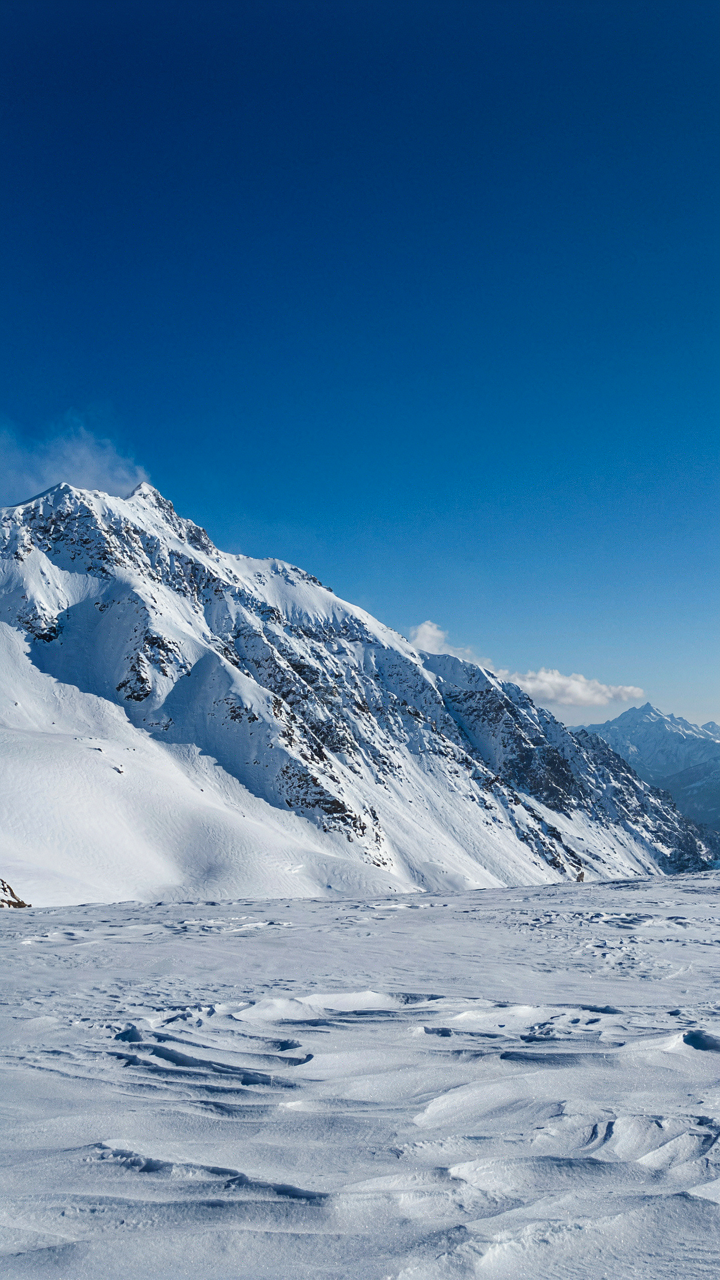
You want to believe hiking is universal, that the same months work everywhere. They don’t. The mechanism is simple: the Southern Hemisphere sits inverted on the calendar, which means your peak season is someone else’s liability. June through August brings winter to Australia, New Zealand, and Patagonia—the exact months Northern Hemisphere hikers are fighting crowds and heat. You get emptier trails, stable weather patterns, and access to regions that close during their opposite season.
The real play isn’t escaping crowds. It’s accessing terrain that doesn’t exist for you otherwise. New Zealand’s South Island peaks demand stable snow and clear sight lines, which arrive during their winter months of June and July. Patagonia’s hiking window shrinks to December through February when conditions align. The inversion forces you to rethink entirely—your mental calendar of “hiking season” is a local artifact, not a law.
Reverse Seasonality Demands Different Prep
This isn’t just flipping a calendar. Reverse seasonality in mountaineering demands you understand microclimates at latitude. Southern Hemisphere winter means longer nights and stronger UV exposure at altitude—not because the region is harsher, but because the seasonal mechanics operate differently. Tasmania’s hiking peaks in their summer (January to March) when daylight extends and temperatures allow it. Their winter closes mountains, period. You cannot fight inversion logic.
The trap is assuming Southern Hemisphere summer matches Northern summer conditions. It doesn’t. January in New Zealand brings heat and crowds to lowland trails while alpine routes remain unstable from recent snow melt. Your preparation calendar needs to shift: research the specific region’s wet season, snow melt patterns, and daylight hours independently. Then book your travel three to four months ahead to secure guides and accommodations, because other hikers have finally learned the same truth you’re learning now.
The Day Hike Toolkit: What To Pack For Any Month

Layers And Emergency Backup
You’re reading this because you don’t want to look unprepared in front of others, but the real mechanism is that most hikers pack either too much or too little because they don’t understand how temperature drops with elevation. You gain roughly 3.5 degrees of cooling per 1,000 feet gained, which means a 70-degree base can become 50 degrees at summit. This is why layering beats single heavy garments: you control microclimate directly without carrying dead weight down the trail.
The best practice across all months is the three-layer system: a moisture-wicking base layer, an insulating mid-layer, and a windproof outer shell. Don’t treat these as seasonal suggestions. A lightweight base layer works January or July because it manages sweat before it kills you. Bring your mid-layer and shell even on warm-month hikes because conditions change faster than you can descend.
- Moisture-wicking base layer: Synthetic or merino wool pulls sweat away from skin. Cotton traps moisture and causes dangerous heat loss. Works year-round because the mechanism is sweat management, not temperature.
- Insulating mid-layer: Fleece or down provides warmth without bulk. Down compresses smaller but fails when wet. Fleece dries faster and works better in spring and fall when dampness is common.
- Windproof outer shell: Rain shell doubles as wind barrier. Weight under 10 ounces. Non-negotiable every month because wind accelerates heat loss regardless of season.
- Emergency space blanket: Metallized polyester reflects body heat in crisis scenarios. Weighs ounces. Protects against hypothermia when a hike extends past dark or injury immobilizes you.
- First aid essentials: Blister treatment, pain relief, and adhesive bandages address 80 percent of day-hike emergencies. Carries your safety margin when you’re two miles from trailhead.
Pack your layers in a dedicated compression sack so they stay dry and accessible without digging through your main bag. This system prevents the trap where you’re overheated early but too stubborn to stop and adjust, then hypothermic at hour four because you ditched your shell at mile two.
Navigation And Communication Must Haves
Most hikers navigate by phone GPS and skip offline backup entirely, then panic when clouds or dead battery hit. Download offline maps to your phone before you leave cell service—this takes thirty seconds and eliminates the failure mode. Pair this with a printed map and compass. You don’t need to be a navigation expert; you need a backup the moment your primary tool fails.
Communication works differently across months because weather severity varies, but the principle stays constant: leave a trip plan with someone who knows your route and expected return time. This isn’t overcautious. Search and rescue teams use this information to narrow search zones fast. A satellite communicator like an inReach device transmits your location and sends messages from anywhere with clear sky. Monthly conditions don’t change the value—they only change whether rescue helicopters can operate safely.
Biomechanics Of Trekking: Optimizing Your Body

How Your Ancestors Moved
You want to know this because you’re terrified your body will fail you on the trail, and you’re looking for permission to skip training. Here’s the mechanism: evolutionary biology shows that human movement patterns optimize for distance over load, not speed or power. Your ancestors covered ground during spring and fall migrations when temperature regulation was easiest and food sources were migrating. Apply this to hiking season selection: spring and fall aren’t just pleasant. They’re when your metabolic system operates at peak efficiency for sustained aerobic work. Your body evolved to move during shoulder seasons.
The common advice says summer hiking is best because it’s convenient. Wrong. Summer forces your cardiovascular system to work harder managing heat dissipation while moving. Your core temperature rises faster, your sweat rate climbs, and your efficiency drops. Spring and fall hiking aligns your physiology with ancestral movement patterns—lower ambient temperature means less thermoregulatory load, more oxygen available for actual locomotion. This is why experienced hikers target May through June and September through October across most US regions: these months demand less metabolic overhead for the same vertical gain.
Training Cycles Match Seasonal Reality
Pre-hike conditioning is not a generic eight-week program. It’s a periodized protocol built around the specific month you’re hiking. If you’re planning a technical scramble in August, you start conditioning in May, accounting for heat adaptation. If you’re tackling a 20-mile alpine loop in October, conditioning starts in July when temperatures are still high enough to build aerobic base, then drops into the actual season. Recovery timing flips after the hike. Spring hiking allows aggressive recovery protocols because you have months before summer heat arrives. Fall hiking demands immediate recovery focus because winter protocols change your available training stimulus within weeks.
The actual mechanism is simple: align your peak training load with the season you’re hiking, then taper into it. Schedule your longest weekend trips and steepest elevation gain during pre-season conditioning, not during your target hiking month. This prevents you from arriving at the trailhead already fatigued. Post-hike recovery should match your next hiking window. A October hike followed by winter means prioritizing strength maintenance and injury prevention. A May hike followed by summer means maintaining aerobic capacity before heat stress rises. Build your calendar backward from your target month, not forward from today.
The “Adaptive Hiker” Protocol: Your Personal Hiking Guide
Flexibility Beats The Calendar
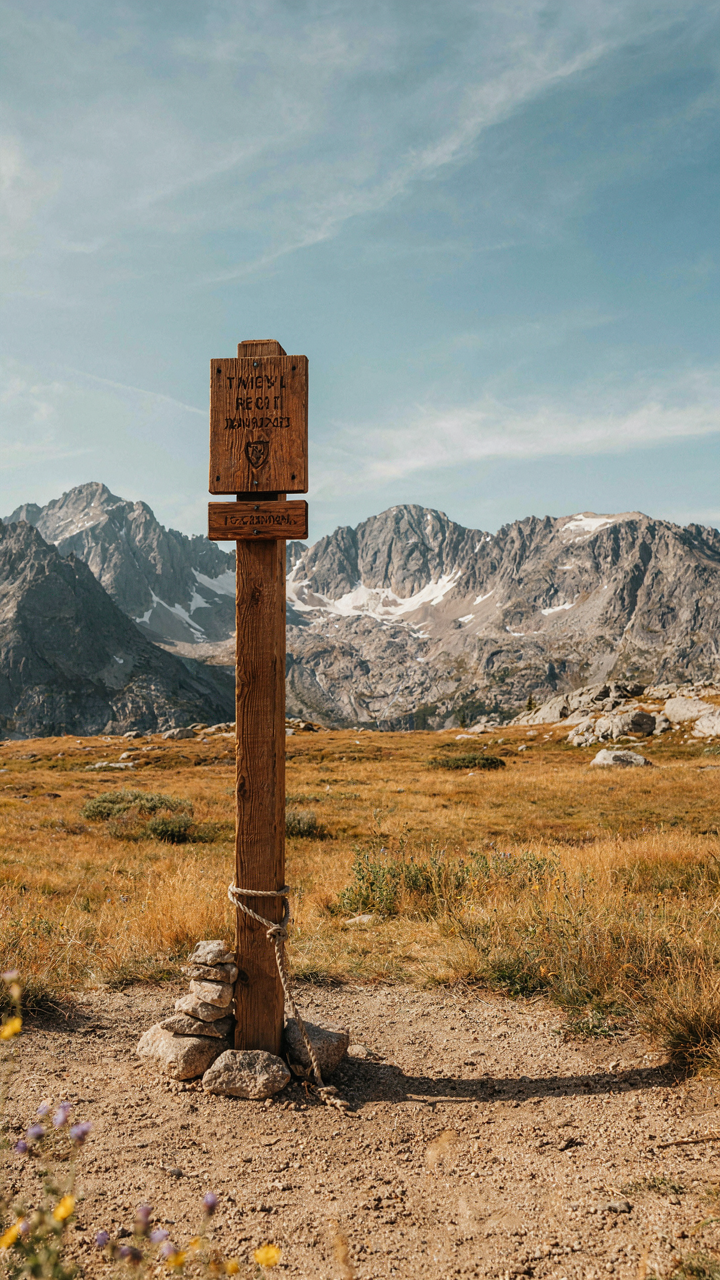
You want the calendar to do the thinking for you because committing to a rigid plan feels safer than making judgment calls in real conditions. But hiking doesn’t work that way. The best month for your hike depends on what you’re actually willing to tolerate on the day you go, not what generic advice says the season should deliver.
Weather operates on probability, not guarantees. A “perfect” month in your region still produces bad days. May in the Rocky Mountains can mean snow at 10,000 feet or seventy degrees and clear. The mechanism is simple: treat the calendar as a probability map, not a prescription. Your job is checking current forecasts and trail reports one week out, then deciding if the odds favor your specific route and fitness level.
Read The Ground, Not The Guide
Most hikers obsess over seasonal dates they find online, then show up shocked when conditions don’t match the description. The real signal lives in what you can observe directly: snow line elevation, water flow, vegetation state, and trail reports from people who hiked last week, not last year.
Start with regional weather patterns and historical temperature data, but end with current ground truth. Check webcams if trails have them. Call ranger stations. Read reports from the past two weeks, not generic “best months” articles. The elevation you’re hiking determines what month matters most. A three-thousand-foot trail in Tennessee peaks in October and April. A fourteen-thousand-foot peak in Colorado has a narrow window in July and August. Your protocol: identify your elevation band, cross-reference it against current conditions, then move.
Beyond Best: Cultivating Your Hiking Checklist And Mindset
Discomfort Is The Only Honest Feedback
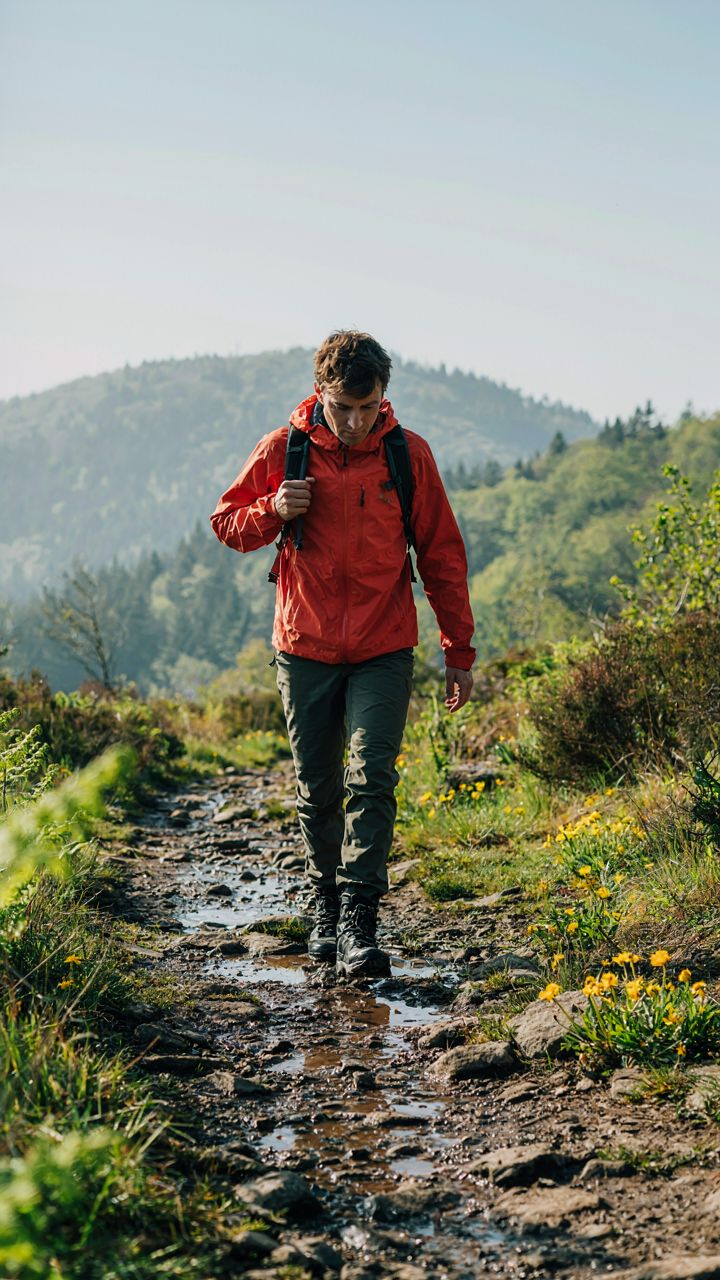
You want this section because you think optimal timing solves the problem. It doesn’t. The real mechanism is this: your body adapts fastest when conditions actively stress it, not when they’re perfect. Spring mud, summer heat, winter wind, fall rain—these aren’t obstacles to wait out. They’re the feedback loop that builds actual hiking capacity.
Most advice treats seasons like a comfort dial. Wrong. Physiology doesn’t care about comfort. Early season hiking in March, when trails are wet and footing is uncertain, forces your stabilizer muscles to fire. Summer heat at altitude demands aerobic adaptation your lungs won’t develop on a pleasant May morning. The month that feels worst often builds the most resilience because your nervous system has to solve real problems instead of coasting.
The Math Of Distance And Mental Fatigue
Long-distance trekking borrows from military strategy: pacing doctrine. The principle is load management over time. Your brain fatigues faster than your legs on month-long treks, and timing matters more than you think. October and early November hiking, when daylight shrinks noticeably each day, trains your mind to execute under reducing time pressure. This is the skill that matters on extended treks.
Every ten miles per day compounds mental fatigue differently depending on season. Summer daylight hours mask how slow you’re actually moving. Winter’s early darkness forces you to make mileage decisions by 3 PM. That constraint builds decision-making speed. Before attempting a long trek, do your prep hikes in the season that matches your trek’s timeline. If you’re hiking the John Muir Trail in September, train in September conditions, not July. Timing your training to your goal eliminates the gap between preparation and execution.
The Real Obstacle Isn’t The Calendar, It’s Your Rigid Expectation Of “perfect” Conditions
You don’t need perfect weather. You need to move. Every region has hiking seasons that work, but you’re waiting for a mythical month that doesn’t exist. Pick a month, pick a trail, go this week. The conditions won’t improve from overthinking. You’ll only improve from doing. Your boots don’t care if it’s ideal—they just care that you wear them.