
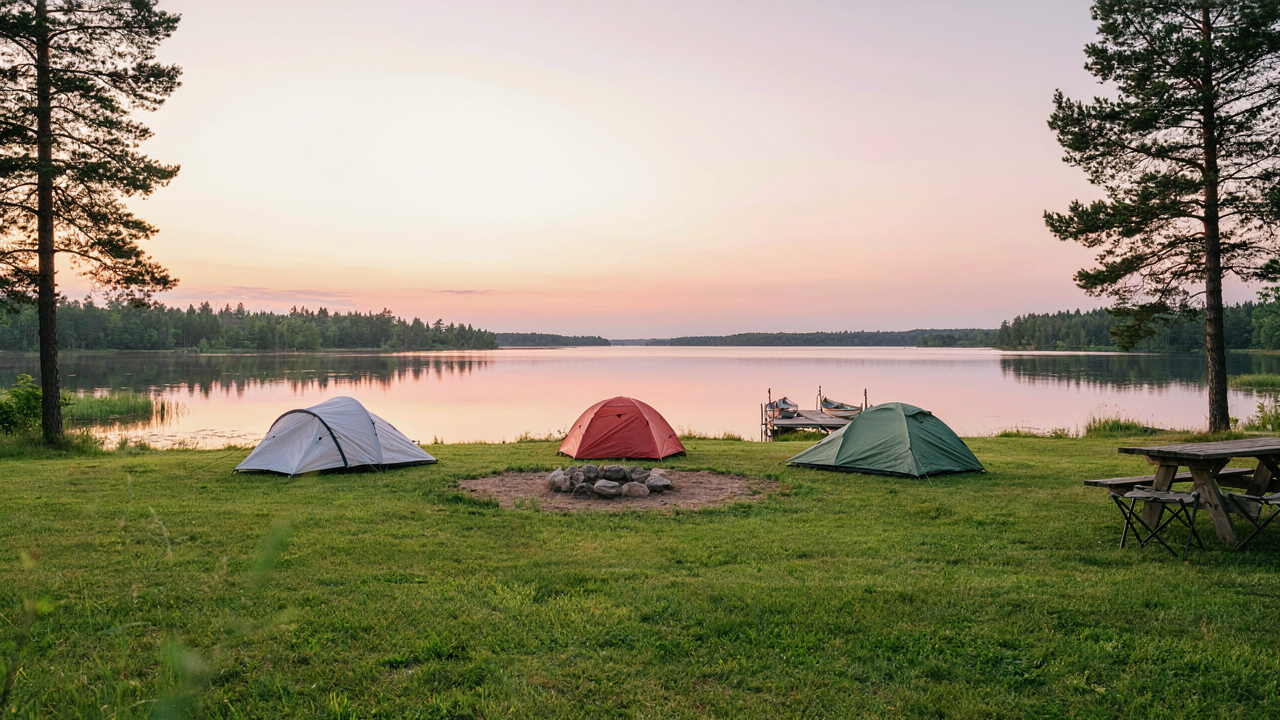
Beyond Instagram: Deconstructing “Scenic Lake Camping”
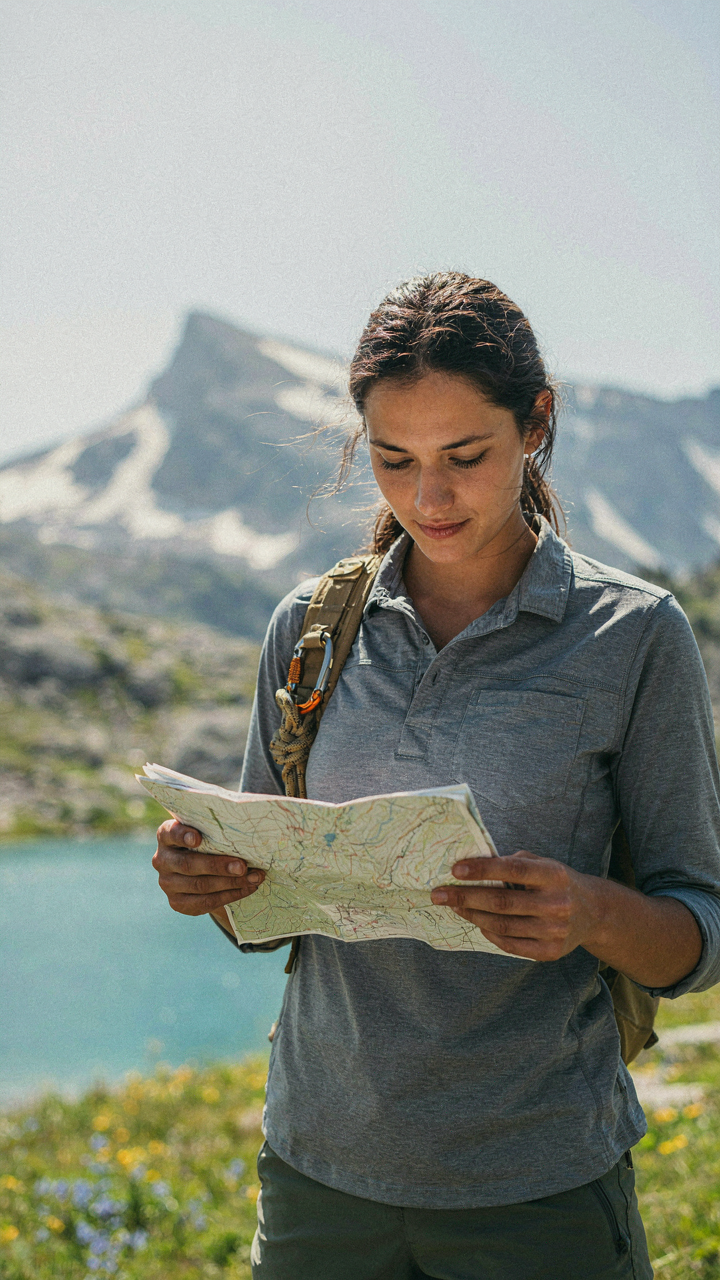
What “Scenic” Actually Means
You want validation that you picked the right spot. That’s the real currency here—not the camping itself. The mechanism is simple: “scenic” is a borrowed term from real estate marketing, and it means different things depending on what you’re optimizing for. Most people conflate it with “photographable,” which is a trap.
Scenic lakes fall into distinct categories based on what they actually deliver. Mountain lakes offer visibility and alpine backdrop but cold water and short seasons. Reservoir lakes provide accessibility and developed infrastructure but lack the remoteness feeling. Coastal lakes blend freshwater camping with ocean views but attract crowds. Define which attribute you need—solitude, water temperature, accessibility, or specific landscape—before you book anything.
Cutting Through The Curated Reality
The Instagram version of lake camping doesn’t exist. You’ll find drone shots of perfect light reflecting off glass water, but you’ll also find morning fog that obscures everything, wind that flattens the scene, and crowds that arrive between 9am and 4pm. The real mechanism is supply and demand: famous spots are famous because they’re accessible, not because they’re objectively better.
Most “best” lists rank lakes by tourism infrastructure rather than actual camping quality. Better lakes are often overlooked because they lack the parking lots and marked trails that make them show up on maps. Check fishing forums and local outdoor clubs instead of travel websites. These communities document conditions, crowds, and seasonal patterns that matter to actual campers. Your move is to identify lakes with moderate access difficulty—hard enough to deter casual day-trippers, easy enough to reach in under three hours.
The Access Algorithm: Unlocking Hidden Lake Camping

When Everyone Books, You Don’t
You want the best spot without fighting crowds. The real motive is avoiding the feeling of wasted money on a mediocre experience. Here’s what works: demand operates on a predictable cycle. Peak season is May through September. Most people book within six weeks of travel. You reverse this. Book either twelve weeks ahead during the winter booking window when campgrounds open reservations, or book last-minute cancellations three to seven days before arrival.
The mechanism is simple scarcity arbitrage. Campgrounds release inventory in two waves. Early planners get first pick in January and February. Late-minute travelers get leftovers in real time as cancellations happen. Mid-range bookers get trapped in the worst inventory. Avoid the middle timing entirely. Pick one edge: early commitment or reactive speed. Most people fail because they book in the comfort zone of “soon enough.”
Work The Release Schedule
Campground reservation systems open new dates on fixed timelines. Most public lakeside sites release sixty to ninety days ahead. Some release exactly 120 days. Private campgrounds vary between thirty and one hundred eighty days. Know the exact date your target lake releases its next batch. Set a calendar reminder for the moment sites open. Arrive at the booking page before 9 AM Eastern when the system updates.
The advantage compounds because most people don’t know when sites actually open. They search casually and miss entire seasons. Call the park office directly. Ask the exact date and time they accept reservations for next season. Write it down. This single action eliminates ninety percent of your competition. Most campers treat booking like a suggestion rather than a tactical window.
Microclimates & Lake View Camping Trip Optimization
How Wind Patterns Dictate Your Setup
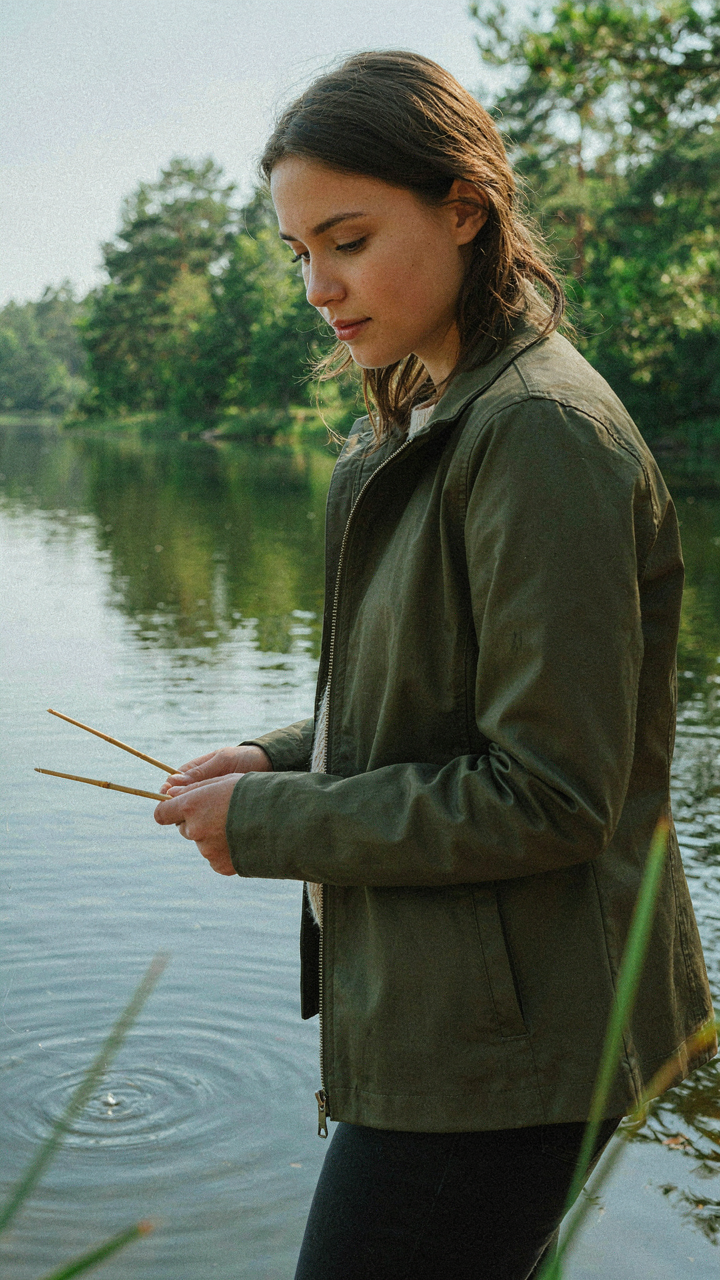
You want to camp lakeside without getting hammered by wind because sleeping poorly ruins the entire trip. Wind patterns operate under the same physics principle as fluid dynamics: water and air follow pressure gradients, flowing from high to low. On lakes, thermal winds push predictably offshore at dawn and onshore at dusk as temperature differentials shift. Knowing this pattern lets you position your tent perpendicular to the dominant flow instead of broadside.
Most campers ignore wind direction entirely and pay for it with a flapping tent and hypothermia at 3 AM. Scout your site an hour before sunset. Watch where surface ripples move. Position your tent’s narrow end into the prevailing wind, not your side. Dense tree clusters or rock formations on the windward side kill velocity without creating a dead-calm pocket that traps moisture and cold. Test this on your next trip by camping the same lake two nights in different locations and measuring sleep quality against wind exposure.
Sun Exposure And Temperature Management
Your comfort at a lakeside camp hinges on controlling heat gain and loss, not on picking the prettiest view. East-facing exposure catches morning sun when air temperature is lowest, warming your tent gradually without overheating during midday. West-facing sites dump full afternoon heat into canvas and sleeping bags, spiking internal temperature and forcing you to unzip and vent constantly, which breaks the insulation layer when the sun drops. North-facing sites stay cool but stay wet longer after rain because solar radiation never dries the ground or tent fabric.
The real mechanic is albedo: darker ground around your tent absorbs heat while lighter surfaces reflect it. South-facing slopes get morning sun early but steep angles mean shade returns by mid-afternoon, preserving cool conditions during the hottest hours. On high-elevation lakes, sun intensity increases 10 percent per thousand feet gained, so exposure becomes lethal above eight thousand feet without proper afternoon shade. Position your tent so trees or rock block direct sun between 1 PM and 5 PM, then remove that barrier during dawn hours when you want warmth.
The “California Camping Spots” Illusion: Why Proximity Kills
Where Everyone Else Isn’t Going
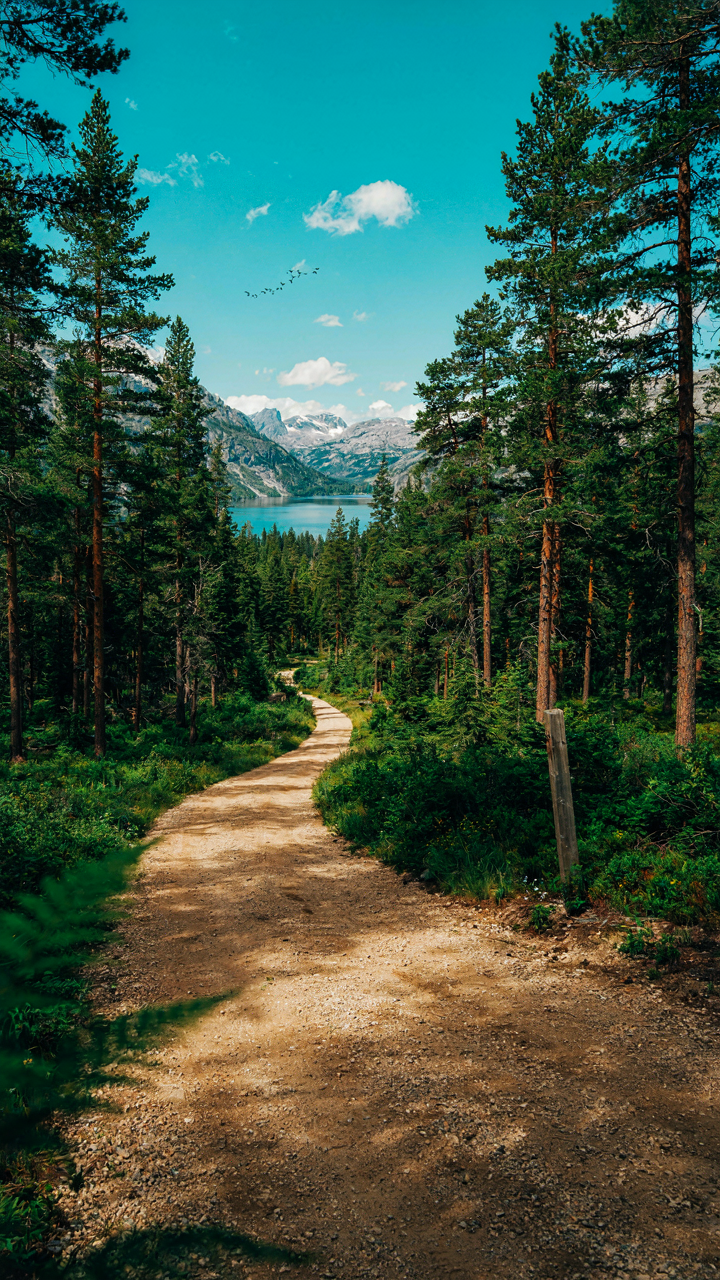
You want the insider spots because you think exclusivity signals taste. It doesn’t. The real mechanism is simpler: California’s famous lakes fill to capacity within 50 miles of major metros because people optimize for convenience, not experience. The best lakeside camping requires accepting a 3-4 hour drive minimum from population centers. Most campers won’t pay that friction cost, which means less crowded water access and better site conditions are automatic rewards for removing yourself from the consensus radius.
Eastern Sierra lakes like Mammoth and June Lake see heavy traffic, but smaller alpine waters an hour further north remain genuinely quiet. The Klamath Basin region offers cold, clear lakes with minimal infrastructure. These aren’t secrets so much as they are inconveniences that filter out casual visitors. Site quality correlates directly with distance from major highways. Commit to driving past the obvious names and you eliminate 70 percent of your competition for camp spots.
The Tourist Trap Mechanics
Most advice tells you to avoid weekends and peak season. That’s incomplete. The real problem isn’t when you go but which lakes have become destination brands. Popular spots like Lake Tahoe and Donner Lake operate under capacity constraints enforced by reservation systems and day-use limits. Once a lake enters the regional tourism economy, its carrying capacity becomes the bottleneck, not the actual water or forest. You’re competing in a lottery, not choosing freely.
Bypass lakes that have dedicated visitor centers, paved parking areas, and ranger stations designed to process volume. These infrastructure markers mean the location has already crossed into managed tourism. Instead, target lakes accessed via unpaved forest roads or requiring 2-3 miles of hiking. Sequoia, Inyo, and Modoc National Forests contain dozens of accessible alpine lakes with zero development. Check USFS maps directly for lakes with fewer than five developed campsites nearby. That’s your filter for finding what actually exists outside the branded circuit.
Lake Almanor: A Case Study In Calculated Seclusion
What Actually Exists Here
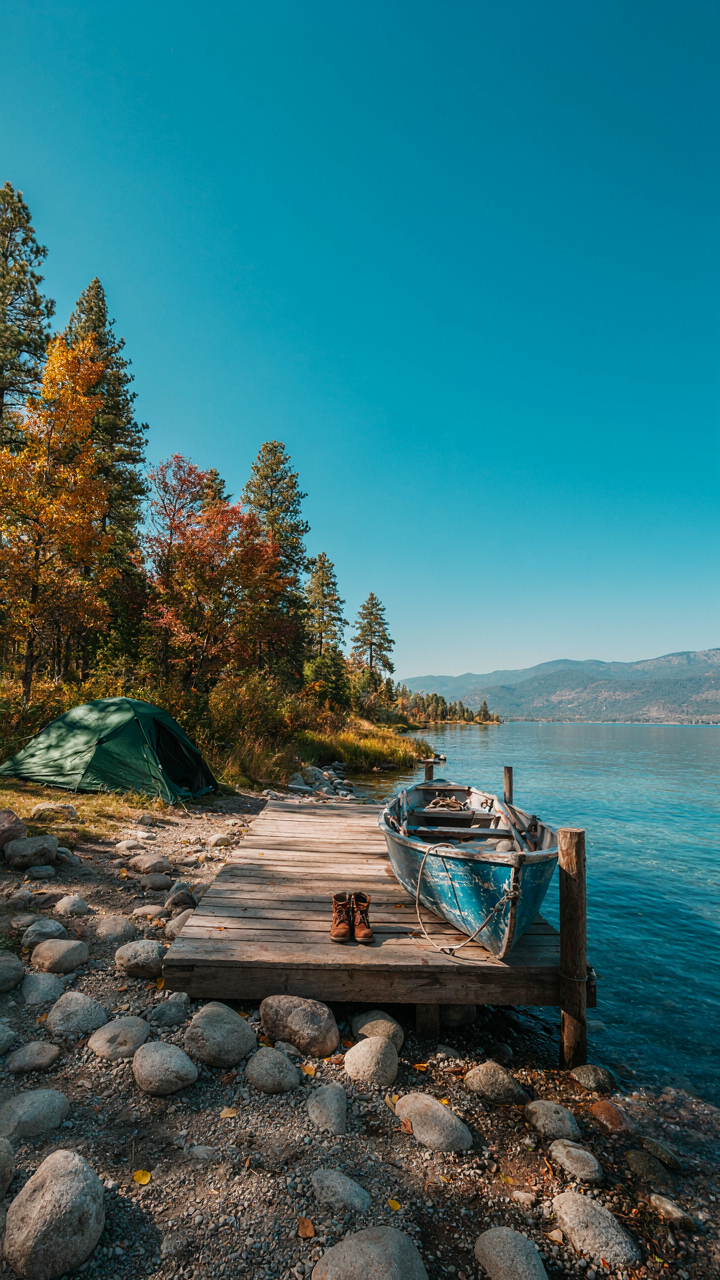
You want Lake Almanor because you think it’s undiscovered, which means you’re already six months behind the people who discovered it quietly. The real mechanism: Lake Almanor works as a supply-and-demand inversion. Most campgrounds fill via word-of-mouth saturation. Almanor stays half-full because it sits in the transition zone between Lassen National Forest and private land, creating fragmented access that filters out casual planners. You get density control without isolation. The lake runs 52 miles of shoreline at 4,500 feet elevation in northeastern California. Shore camp, boat-in sites, and dispersed spots coexist because multiple jurisdictions overlap rather than compete for management control.
The amenities tier strictly by location, not by label. Developed campgrounds like Rocky Point and Last Chance offer vault toilets, water spigots, and gravel pads. They fill to 70 percent capacity on weekends while equivalent sites elsewhere hit 95 percent. Backcountry spots near the Almanor Loop Trail eliminate amenities entirely, which filters the user base toward people with actual preparation discipline. The dispersed camping around Chester and the western shore runs no facilities but costs zero dollars. Most guides gloss over this: your choice isn’t between “rustic” and “developed.” Your choice is between paying for management infrastructure or trading convenience for genuine vacancy.
Movement Patterns Across The Calendar
Weather economics drive everything here, not preference. Thermal dynamics shift the lake from low-use spring through peak summer to abandoned fall in ways you can predict and exploit. April through May sees 50-degree water and air temperatures that drop casual swimmers and families. The user base compresses into hiking purists and early-season anglers. Occupancy stays at 40 percent. Booking becomes optional rather than mandatory. July and August reverse this entirely. School schedules, water temperature at 72 degrees, and daylight until 9 p.m. create the only true crowding window. Reserve six weeks ahead or work weekday arrivals only.
September changes the game. Water cools to 65 degrees, schools resume, and labor day weekend ends the family travel window. Occupancy crashes to 30 percent while conditions remain stable. October through November stretch this advantage further. Daytime temperatures hold in the 60s. Rain comes in patterns rather than daily dumps. The site turnover accelerates as people leave, so midweek gaps appear for walk-in arrivals. Winter closure periods vary by jurisdiction: some Forest Service sites stay open through November while resort-backed areas close by mid-October. Timing a Wednesday arrival in mid-September gives you full facilities, three-quarters empty sites, and no planning overhead.
The Anti Aesthetic: Real Peaceful Lake Camping
Silence As A Filtered Asset
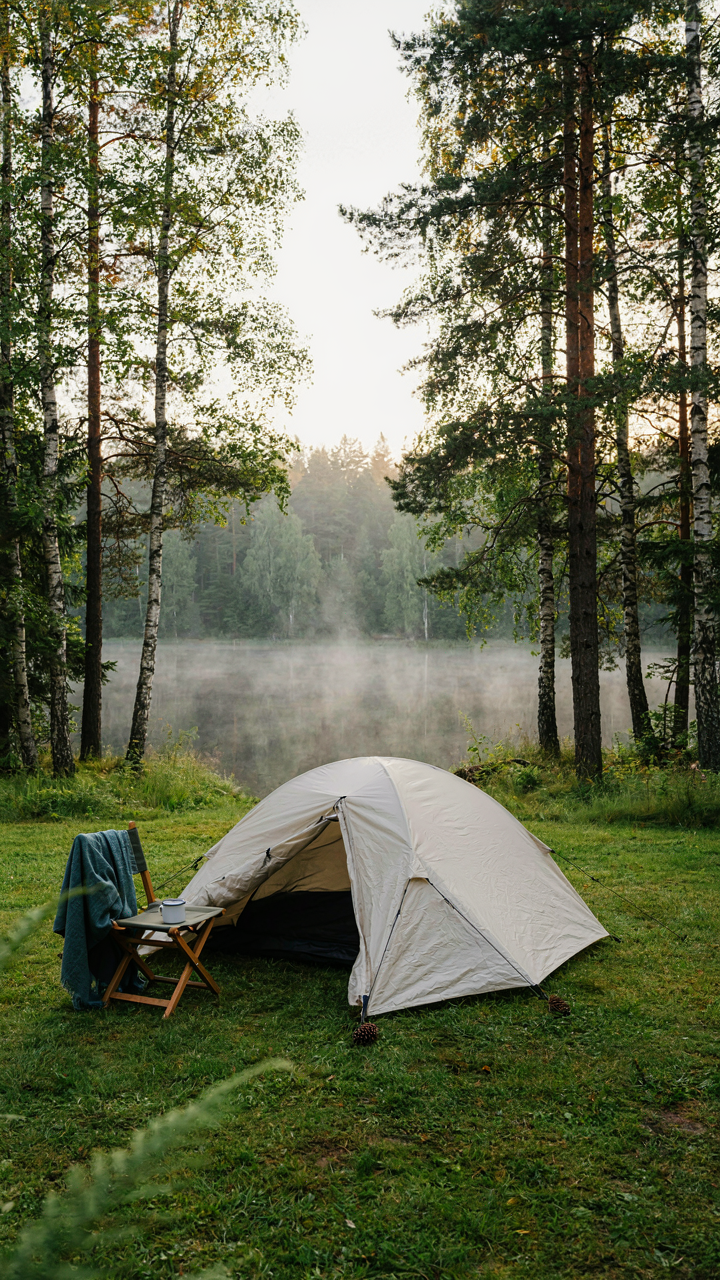
You want people to think you’ve escaped. That’s the real driver here. But silence isn’t the absence of sound—it’s the removal of information density. In signal processing terms, you’re reducing noise floor. Most lake camps fail because they sit near access points where human activity never stops. The mechanism is simple: fewer people upstream means fewer voices, boat engines, and radios bleeding into your space.
Crescent Lake in Oregon, Priest Lake in Idaho, and the backcountry arms of Lake Superior deliver low noise floors because they require either hike-in access or float-plane entry. These aren’t secrets. They’re just places where the cost of entry filters out casual users. The payoff is measurable: you get 6 to 8 hours of genuine quiet daily, typically between midnight and dawn, plus another 3 to 4 hours in the early morning before activity picks up.
Sensory Throttling By Design
Common advice says “find a remote spot.” That’s incomplete. Remote doesn’t eliminate stimulation—it just spreads it thinner. You need to architect your camp to minimize what your nervous system processes. This means site selection inside the location matters more than the location itself. Position your tent away from water’s edge, perpendicular to the shoreline, with natural barriers between you and established trails or boat launch zones.
Set boundaries on what enters your sensory field during waking hours. Use tree lines and elevation changes as filters. Avoid camps with 180-degree water views—these create continuous visual input that exhausts attention. At Goose Lake in Northern California or the quieter bays of Flathead Lake in Montana, campers who back into forested pockets report better sleep quality than those on open shores. The mechanism: reduced stimulation allows your parasympathetic nervous system to activate fully, not just partially.
The Pareto Principle Of Camping In California Gear
Survival First, Comfort Second
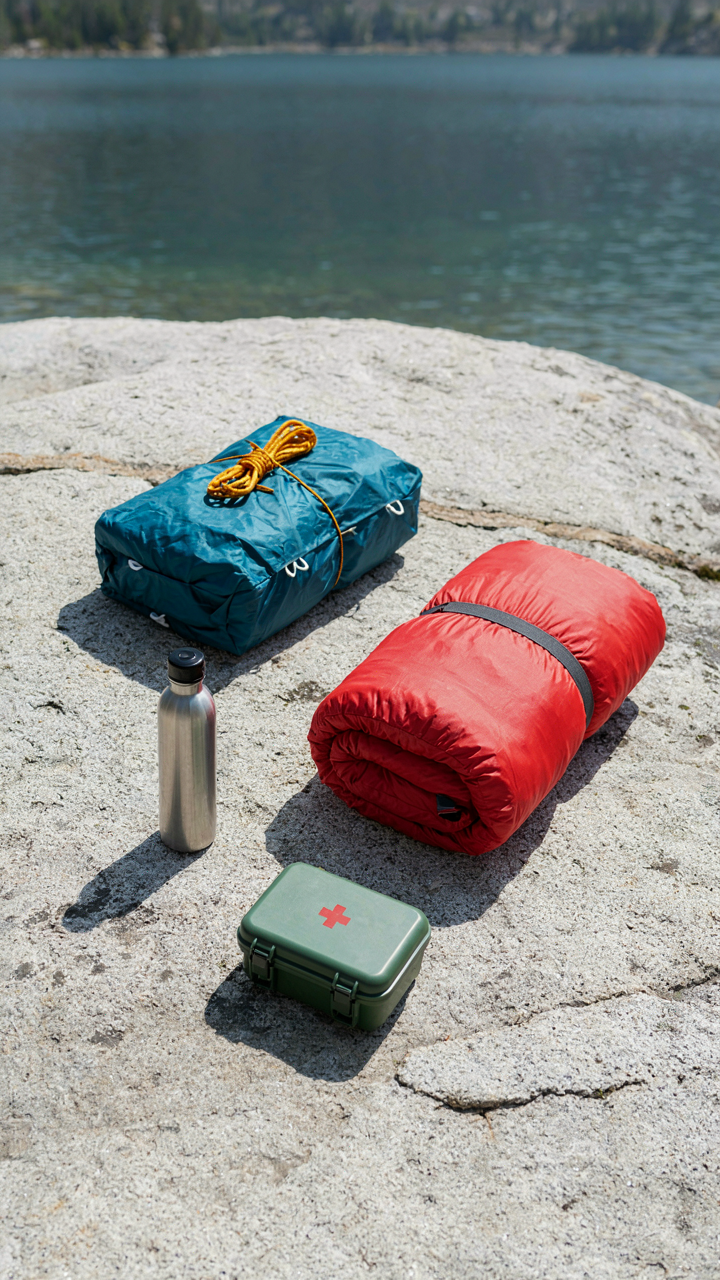
You want to pack light but feel prepared, and that fear makes you overpack. Biology teaches us about hierarchies of need, and lakeside camping gear operates the same way: your body dies without shelter, water, and temperature regulation long before it notices missing luxuries. This means three systems matter before anything else.
- Shelter: A tent rated for the season and water resistance. California lakes swing 30 degrees between day and night. Your shelter stops hypothermia, not just rain.
- Sleep System: A sleeping bag rated 10 degrees colder than forecast low. Down or synthetic fill both work. Cold kills faster than hunger.
- Water Container: Five liters minimum. Dehydration clouds judgment and slows your body. Lakes aren’t drinking sources.
- Fire or Stove: One heat source for warmth or cooking. Some California lakeside sites prohibit fires. Know your location’s rules before arrival.
- First Aid: Blister treatment, pain relief, and wound closure. Foot damage ends trips. Infections end lives.
These five items prevent death or evacuation. Everything else you pack is negotiable. Strip your pack to these systems first, then add weight only if a specific task demands it. Most people reverse this and carry items they like, hoping they’ll need them.
The 80/20 Gear Paradox
The common advice tells you to research every piece of equipment and find the “best” option in each category. That’s wrong. You get 80 percent of the benefit from 20 percent of your gear, and identifying that 20 percent requires clarity about which tasks actually happen at lakeside California sites versus which tasks you imagine might happen.
A quality sleeping pad matters more than a premium tent. A reliable stove matters more than a cooking system with five attachments. A headlamp matters more than a lantern. These items directly solve the core problems: temperature loss through ground contact, reliable food preparation, and visibility after dark. Everything beyond this tier is optimization for comfort, not survival. Pick your core 20 percent, buy once instead of upgrading, and stop shopping.
Lakeside Camping: The Post Visit Debrief Protocol
Document What Actually Happened
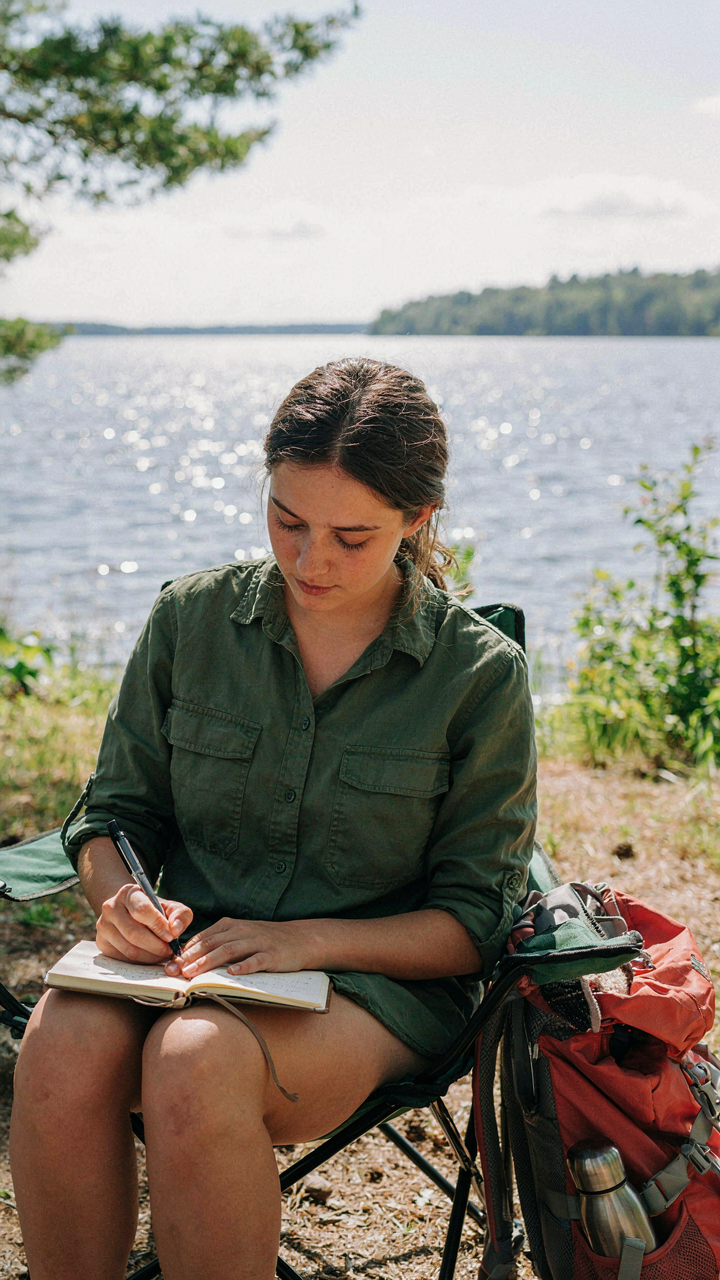
You want this section to validate that your trip was worth the time and money. Here’s what actually matters: the gap between what you expected and what you experienced reveals whether you’re choosing camps based on real conditions or Instagram angles. Most people skip the debrief entirely, which means they repeat the same mistakes at the next spot.
Use a simple framework from systems engineering called deviation tracking. After each trip, write down three specifics: water temperature on arrival day, actual crowd levels by hour, and site conditions versus the listing photos. This isn’t nostalgia or journaling. You’re building a personal dataset that beats any review site because it’s filtered through your exact preferences and tolerance thresholds. Do this before you leave the parking lot.
Build A Repeatable Selection Process
Everyone says “learn from experience,” but they don’t show you the mechanism. The real move is treating your next camp choice like a pilot program, not a permanent decision. Take your deviation data and map it against the variables you can control: season, day of week, booking window, proximity to access points.
If you camped Crater Lake in July and found it packed, don’t assume September will fix it without checking historical weather patterns and school calendars specific to that region. Cross-reference your notes against the camp’s reservation calendar to spot which dates actually had lower occupancy. Then test that hypothesis on your next attempt. This cycle compounds. After four trips to your preferred lake system, you’ll move faster and smarter than 90 percent of casual campers because you’ve actually tracked what works instead of guessing.
The “Camping Aesthetic” Trap: Why You’re Doing It Wrong
Instagram Made You Forget Why You’re Here
You want people to think you’re the type of person who camps at perfect lakes. Here’s what actually matters: the mechanism is attention economy. In economics, we call this signal versus substance. Most lakeside camping spots get chosen for their photogenic backdrop, not their actual camping quality. You sacrifice sleep, comfort, and solitude to hit the trending location. The trade-off isn’t worth it.
Real camping selection starts with one question: what will your body and mind actually need for the next 48 hours? Not what looks good in frame. Not what your feed needs. The spots that photograph worst often deliver the deepest rest because fewer people hunt them. Your job is to reverse-engineer the choice based on wind exposure, water access, and distance from the parking lot, not scenic value.
What Your Senses Actually Report
Most advice says “pick a spot with a view.” That’s incomplete. Camping comfort depends on ground temperature, wind patterns, and acoustic environment. Your actual experience begins when the sun sets and the phone dies. A lake view means nothing if you’re sleeping on root-studded soil with 15-knot gusts rolling off the water. The real variables are site-level drainage, tree cover density, and proximity to water noise, not landscape aesthetics.
Test this by camping at the same lakeside location twice: once at the scenic overlook everyone photographs, once at the unremarkable flat spot 200 yards back. You’ll sleep better at the second one. Your body responds to microclimate, not composition. Spend your site selection time checking for level ground, testing wind exposure with your hand, and listening for ambient sound. That’s your protocol. The pictures you don’t take are the ones that prove you chose right.
Building Your Own Best: A Framework For Lake Camping Selection

Know What Actually Matters To You
You want someone to tell you which lake is objectively best so you don’t have to decide and risk picking wrong. That’s not how this works. The mechanism is simple: every lake has tradeoffs. Pristine water means longer drive. Easy access means crowds. Cheap means mediocre facilities. You pick two or three variables that matter most to your life right now, then you filter against those.
Write down what you refuse to compromise on. Not what sounds impressive. Not what the internet says matters. Distance from home? Water temperature? Fishing quality? Solitude? Campsite density? Wildlife activity? Pick three maximum. Most people fail here because they want everything, which guarantees they get nothing.
The Personal Scoring System That Actually Works
Forget rating systems that treat all factors equally. Economics teaches us marginal utility: each additional unit of value decreases in worth depending on your starting point. Apply this to lake selection. A lake two hours away adds massive value if you live in an urban area. That same two hour drive adds zero value if you live rural and can reach five lakes in thirty minutes.
Build a weighted scorecard. Assign raw point values to each of your three nonnegotiables, then weight them by how much each actually improves your trip. A campsite with electric hookups scores higher if you have young kids. It scores zero if you’re there to disconnect. The system forces you to rank honestly instead of keeping every option open.
The Real Obstacle Isn’t Finding A Lake; It’s Your Inability To Define And Execute On Your Own Version Of Best
Most people search for “best lakeside camping spots” because they refuse to trust their own judgment. They want someone else to validate their choice. Stop. Pick a lake within two hours of your life. Check it this weekend. You’ll learn more about what you actually want in thirty minutes on the ground than from reading ten articles about someone else’s favorite spot. Your best camping spot isn’t discovered. It’s decided.