
The Illusion Of Idyllic: Why Your “Scenic Trip” Falls Short

Instagram Versus Ground Level
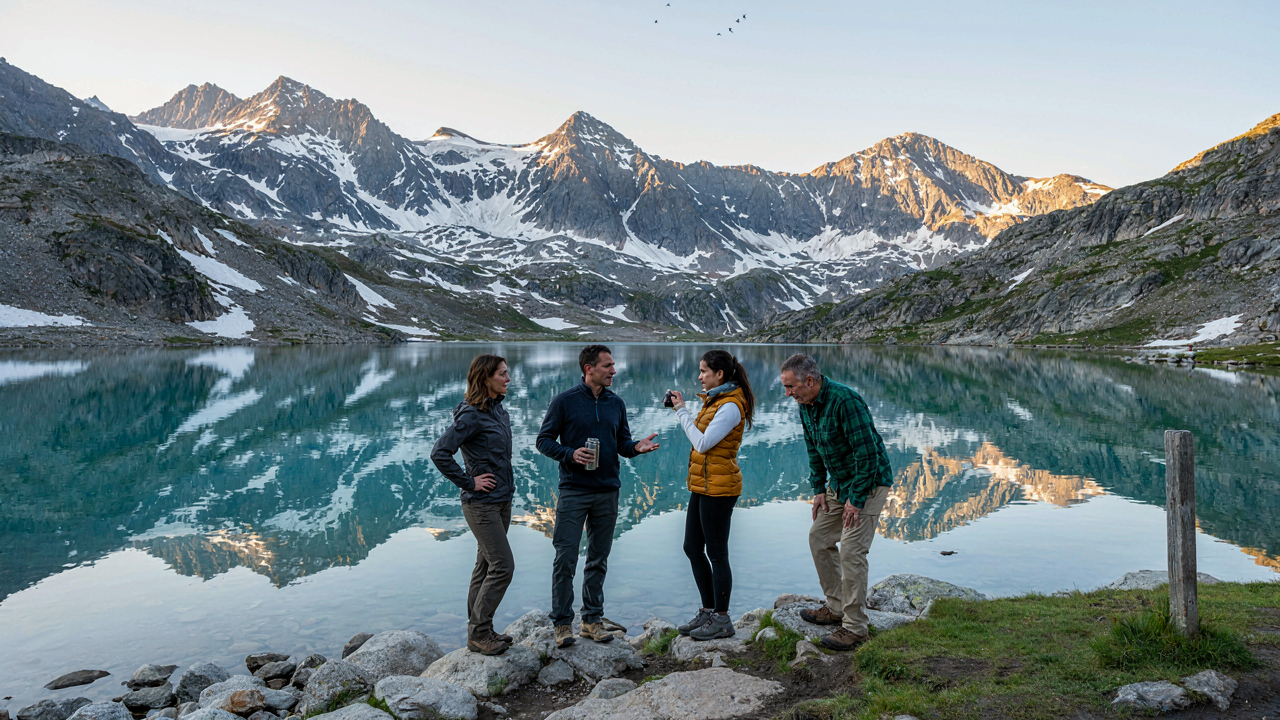
You want proof that you picked right, that your trip choice signals taste. The mechanism is simple: Instagram flattens depth. A photo of Lake Tahoe’s turquoise water eliminates the 8,000-foot altitude, the cold that hits your chest, the crowds shoulder-to-shoulder at famous overlooks. You see the curated fantasy because everyone posts the one angle where it works. Reality includes parking lots, noise, and the specific day’s weather destroying your expectation.
The gap widens because popular lake destinations get photographed at their exact peak conditions, usually during off-peak hours that you won’t experience. Summer weekends at Crater Lake draw thousands. The postcard moment happened at dawn on a Tuesday in September. You arrive Saturday afternoon to haze, lines, and the realization that the “best time” already passed. Your brain expected the photo. Your eyes see something else.
The True Cost Nobody Calculates

Popular lake destinations extract payment in ways beyond the entry fee. Economics calls this “hidden cost.” In lakes, it manifests as time wasted in traffic, accommodation prices that double during peak season, and the actual distance from parking to the view. Lake Tahoe charges nothing to visit, but gas, lodging, and meals cost 3x more during summer than winter. You also pay in disappointment when crowds eliminate solitude, which is often the actual product you wanted.
The real protocol: Visit less famous lakes. Crater Lake still works in May before the surge. The Finger Lakes in New York offer depth without the West Coast prices. Look at lakes that are difficult to reach by car. This removes the casual tourist layer and the cost explosion that follows. Calculate drive time plus accommodation plus food, not just entry. The cheapest lake trip usually isn’t the most photographed one.

Beyond Postcards: What Truly Defines A Best Lake Destination
Water Quality And Ecosystem Health
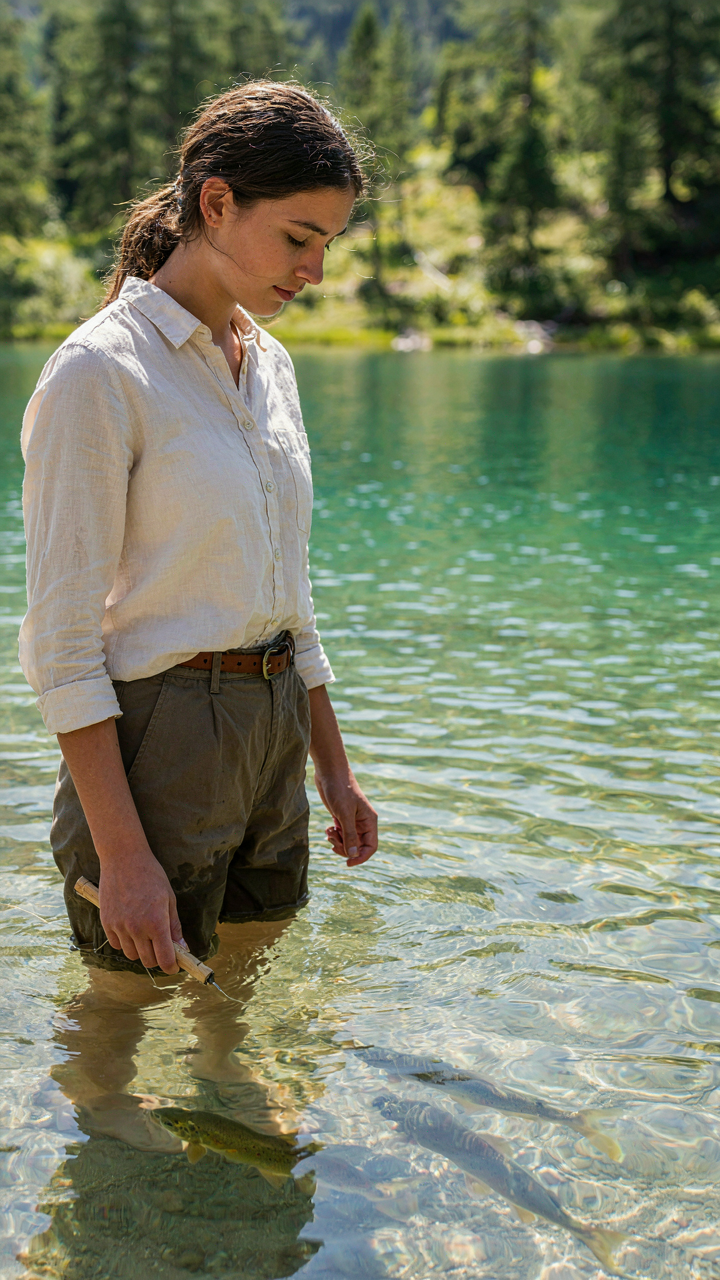
You want to feel like you made the right choice, not like you wasted a vacation day at a murky dead zone. Ecology uses the term “carrying capacity” to describe the maximum population an environment can sustain. Most lakes hit their carrying capacity when tourism dollars start flowing in, and the ecosystem collapses quietly beneath Instagram photos. A lake with ecological integrity maintains stable oxygen levels, native fish populations, and water clarity year-round because the watershed isn’t being strip-mined for development or agricultural runoff.
Check water quality reports before booking. Lakes like Crater Lake in Oregon stay pristine because the basin is federally protected and has zero agricultural or industrial input upstream. Tahoe, by contrast, has fought algal blooms for decades because the surrounding area built out. The difference isn’t scenery—it’s management. Visit during off-season months when visitor load drops and you’ll see the lake’s actual condition, not its staged version.
Local Economy And Cultural Continuity
The travel industry sells you “authentic local experience” as a commodity, which instantly makes it inauthentic. What actually matters is whether the community controlling the lake sees tourism as one revenue stream among many, or as their only lifeline. When locals depend entirely on visitors, they stop being themselves and start performing what they think tourists want. Lake Como in Italy maintains character because wealthy Italian families own homes there and the region has diversified economy. By contrast, some Southwestern lakes became tourist-dependent after mining dried up, and now their character is whatever maximizes bookings.
Talk to people who live there year-round, not seasonal workers. Ask about property ownership patterns—are locals still buying land, or has it all converted to rentals and corporate holdings? The presence of multi-generational family businesses, local-owned restaurants, and schools where kids still enroll indicates a stable community. When a town’s schools are closing and storefronts are empty except for vacation rental signs, the lake’s cultural integrity is already gone.
The Accessibility Paradox: Reclaiming Solitude At Popular Lakes

Timing Beats Location
You want the Instagram version of solitude without admitting you’re chasing status. The real mechanism comes from supply and demand economics: peak lakes hit capacity during specific windows, but most people don’t adjust their schedule to exploit the off-peak arbitrage. Lake Tahoe, for example, draws 60 million visitors annually, yet Tuesday mornings in September host a fraction of that traffic. The same shoreline exists. The same water. The difference is timing creates temporary scarcity reversal.
Weather-triggered timing shifts work best. Rain deters casual visitors for 24 to 48 hours, but lake conditions remain stable. Early weekday mornings, especially Tuesday through Thursday, show measurable visitor drops at major lakes like Lake Michigan and Lake Powell. Your access doesn’t change. Your competition does. The protocol is simple: check weather patterns and book around rain events or work compressed schedules into off-peak days rather than fighting weekend crowds.
Secondary Trailheads And Hidden Parking
Everyone uses the main parking lot because they follow the same information source. Alternative access points to major lakes rarely appear on tourism websites because they lack amenities, signage, or obvious infrastructure. Lake Superior’s North Shore has dozens of secondary access points between Duluth and Grand Portage that locals use, largely because they require navigation skills rather than GPS. The mechanism is information scarcity, not location scarcity.
Scout your target lake by studying topographic maps and county road systems instead of Google Maps directions. Many lakes have fire roads, boat launches, or property boundaries that create alternative entry routes. The secondary access point protocol: identify the lake’s full perimeter on a map, cross-reference public access regulations through state DNR databases, and physically verify one backup route before your trip. This removes the crowding bottleneck entirely because you operate outside the main tourist funnel.
The “Immersion Index” Method For Lake Selection

What Actually Determines Local Access
You’re looking for this method because you suspect that Instagram-famous lakes aren’t where the real experience lives. You’re right. Borrowing from supply chain logistics, a lake’s “throughput” determines whether you’ll encounter genuine local culture or processing lines of tourists. High throughput lakes funnel visitors through predictable nodes: parking areas, designated beaches, rental shops. Low throughput lakes require navigation, local knowledge, or seasonal timing to access.
The mechanism is simple: accessibility barriers create scarcity of human presence. Measure this by checking permit requirements, seasonal closures, trailhead difficulty ratings, and whether a lake has commercial rental infrastructure. Lakes requiring four-wheel-drive access, high elevation hiking, or winter-only boat launches naturally filter for committed visitors. This isn’t about elitism. It’s about the mathematical relationship between friction and crowd density. More friction equals fewer people equals higher probability of encountering locals who actually live there.
Spotting Engineered Versus Wild Systems
Most lake guides miss the distinction between managed reservoirs and naturally formed lakes. Managed reservoirs have visible infrastructure: dams, boat ramps, visitor centers, manicured shorelines. Natural lakes show ecological markers: unstable shorelines, native vegetation reaching water’s edge, irregular bathymetry that frustrates dock construction. Wild lakes resist human standardization. That resistance is your signal.
Check USGS data for whether the lake is listed as a reservoir or natural formation. Natural lakes in the Rockies and Pacific Northwest tend toward genuine untamed conditions. If you can find satellite imagery showing the same shoreline and vegetation for decades, the lake hasn’t been heavily engineered. Visit during shoulder seasons when recreational infrastructure closes. This reveals the lake’s actual baseline state and connects you with locals who use the lake year-round rather than seasonally.
Uncharted Waters: Best Lake Vacations In Us Beyond The Usual Suspects

Where The Great Lakes Hide Their Best Secrets
You want to tell people you went somewhere nobody else goes. That’s the real reason you’re reading this. The mechanism is simple: the Great Lakes operate like a supply and demand inversion. Everyone floods the same three spots while entire regions sit empty with identical water quality and infrastructure.
- Torch Lake, Michigan: Crystal freshwater lake in the northern Lower Peninsula. Twenty-three miles long with sandy bottom and minimal commercial development. Summer temperatures hit 70 degrees, winter ice thickness supports vehicles.
- Seneca Lake, New York: The deepest of the Finger Lakes at 618 feet. Moderate temperatures year-round. Wine country surrounds the eastern shore, but the west side remains quiet with public boat access.
- Door County Waters, Wisconsin: Sits between Lake Michigan and Green Bay. Protected coves provide calmer conditions than open Great Lakes. Cherry orchards and small towns fill the peninsula without tourist saturation.
- Mackinac Island Periphery, Michigan: Most visitors cluster around the island itself. Surrounding lakes like Burt Lake and Mullett Lake offer identical scenery with zero crowds and full motor access.
- Champlain Lake, Vermont: Borders New York state with 120 miles of shoreline. Mountain views from the water. Fewer than half the visitors compared to equivalent-sized New England lakes.
The crowding pattern follows a predictable path: national parks overflow, then state parks, then regional lakes become destinations. Great Lakes locations never hit mainstream radar because they lack the “name recognition” that sells magazine covers. You book directly instead of through travel agents. You find campsites weeks instead of months ahead.
Cypress Swamps And Hidden Southern Basins
The common advice says southern lakes lack the drama of mountain water. That’s incomplete. Southern lakes operate on a different system: they reward seasonal timing and ecological knowledge rather than raw scenery. Temperature stability and biological richness create a completely different experience.
Atchafalaya Basin in Louisiana sprawls across 1.4 million acres of swamp and bayou. You navigate by boat through cypress stands and tupelo groves. The ecosystem stays active year-round, but late fall and early spring offer the clearest water and least insect pressure. Caddo Lake spans the Texas-Louisiana border with a unique appearance: bald cypress trees rise from dark water creating a landscape distinct from anything in the northern lakes. The water moves slowly, staying shallow across most of the lake. Summer heat makes November through March the practical window for extended trips. Reelfoot Lake in Tennessee formed after the 1811 earthquake. It remains shallow and heavily timbered, attracting eagles and waterfowl. Winter populations of migrating birds create measurable viewing value. The lake basin shape prevents deep water formation, so temperature swings happen faster than in deeper systems. Plan visits around bird migration cycles rather than summer vacation dates for maximum engagement and minimal tourist overlap.
The Antifragile Traveler: Navigating Unpredictable Lakefront Vacation Spots

Weather Patterns Beat Your Planning
You want to feel in control of your vacation. The real mechanism nobody states: lakes operate on biological cycles you don’t control. Temperature swings, algal blooms, wind patterns, and seasonal fish migrations follow predictable rhythms within narrow ranges, but only if you understand which lakes follow which patterns. Lake Tahoe stays cold year-round due to depth and elevation. Crater Lake in Oregon maintains similar behavior. Florida’s lakes warm rapidly in summer and support entirely different ecosystems than alpine lakes.
Your planning fails because you treat all lakes identically. Each lake has a specific thermal mass, turnover cycle, and nutrient load that determines what conditions you’ll actually encounter on your travel dates. Check the lake’s historical temperature data for your exact month, not generic season descriptions. Research whether the lake undergoes spring or fall turnover, which causes temporary water clarity issues. This isn’t optional detail—it’s the difference between clear water and green water at your destination.
Flexibility Replaces Rigid Itineraries
The standard advice says book everything in advance and stick to your plan. That’s wrong for lake destinations because conditions shift faster than your deposit refunds allow. When you arrive at Crater Lake and the caldera rim road remains closed from early-season snow, your inflexible itinerary collapses. When algal blooms close beaches at Flathead Lake in Montana, no amount of prior booking matters.
Build redundancy into your lake trip by identifying three viable alternatives within driving range before you book flights. If your primary lake becomes inaccessible, you execute a pre-planned pivot to a secondary destination within the same region instead of losing travel time. This requires knowing the specific factors that cause closures at each lake: road conditions, water quality alerts, permit availability. Call the lake management office two weeks before travel to confirm current conditions, then again three days before arrival. Update your accommodation bookings only after confirming access.
Beyond Instagram: Truly Most Beautiful Lakes In The World

Geology Makes The View, Not The Hashtag Count
You want a lake that stops you cold because you need proof you’ve seen something rare. Here’s what actually matters: geological formation determines whether a lake stays visually compelling or bores you within an hour. Think of it like structural engineering applied to landscapes. The load-bearing walls are the tectonic and glacial forces that carved the basin. Lake Baikal in Siberia exists because of a rift valley, not because it’s deep. That rift generates the visual drama you’re actually chasing.
Glacial lakes hold their shape through repeated freeze-thaw cycles over millennia. Lakes Tahoe, Louise, and Moraine showcase this principle: glaciers carved U-shaped valleys that water fills, creating the angular clarity and color saturation you can’t manufacture with filters. The granite walls surrounding these lakes don’t soften or erode quickly, so the geometry remains sharp. Crater lakes like Oregon’s Crater Lake form when a volcano collapses inward, trapping water in a nearly perfect bowl. Tectonic lakes like Tanganyika stay geologically active, which means the water clarity and mineral composition shift slowly. Visit these lakes in their geologically stable phase, not during seasonal runoff when sediment clouds the basin.
Where Indigenous Knowledge Still Controls Access
The common move is treating indigenous heritage as cultural flavor, background music to your visit. Wrong. Indigenous groups still hold legal and practical control over many of the world’s clearest, most pristine lakes because their land claims predate modern nation-states. That’s not sentiment, it’s mechanism. Lake Titicaca straddles Peru and Bolivia, but Aymara and Quechua communities maintain water rights and fishing authority that tourists don’t override. Kluane Lake in Yukon remains accessible only through agreements with Champagne and Aishihik First Nations.
These lakes preserve their character because indigenous management restricts extraction and prevents the industrial-scale tourism that degrades water clarity and ecosystem health. You don’t see the resort sprawl because those communities say no. When you visit lakes under indigenous stewardship, you’re not getting authentic culture as a paid experience; you’re operating within boundaries they’ve set for survival. Research who holds jurisdiction before booking. Contact local bands or community councils directly rather than booking through tourism operators that erase that relationship. The clearest, least visited lakes you’ll find aren’t undiscovered, they’re protected.
Travel Inspiration For Lake Towns: The Entrepreneurial Edge

Where Your Money Actually Goes
You want to feel good about spending money on vacation. That’s the real reason this section matters to you. Here’s the mechanism: most lake towns have two economies running parallel. One serves tourists with inflated prices and corporate chains. The other serves locals with authentic value. The difference isn’t moral posturing. It’s economics. When you spend at a family-owned dock restaurant instead of a resort, capital stays in the community instead of flowing to a distant shareholder. The money cycles back into local wages, property taxes, and the next generation staying put.
Most travel advice skips this entirely because it requires you to do basic research instead of following a guidebook. Visit a lake town’s chamber of commerce website or call a local tourism board. Ask directly: who owns the restaurants, rental companies, and guides? Which businesses employ year-round staff versus seasonal workers? The owners will tell you. This isn’t about charity. It’s about getting better value. Local businesses survive on repeat customers and reputation, so their service and quality standards stay high. Chain operations survive on volume and marketing spend.
The Transaction Vs The Memory Gap
Buying a postcard view is not the same as buying an experience. Most people reverse this relationship. They pay for accommodation with a view, then wonder why the trip felt hollow. The view is what you consume passively. The experience is what you actively participate in. Take a kayaking lesson from a local guide on Lake Tahoe versus renting a kayak alone. The instructor teaches you current patterns, where wildlife appears, how to read water conditions. You learn something. You’re invested. Your nervous system is engaged. That’s where the memory anchors.
The protocol is simple: before booking, identify three activities led by local experts that require skill or knowledge transfer. Not tours. Not scenic drives. Activities where someone teaches you something concrete about that specific lake ecosystem. A fishing charter where the captain explains spawning seasons and depth mapping. A conservation volunteer day. A historical walk led by a resident who lived through the lake’s development. These cost less than resort packages and produce disproportionately strong recall. You return home with competence, not just photos.
The Minimalist Lake Trip: Maximizing Impact, Minimizing Fuss

Pack Only What Breaks Your Connection
You want the gear checklist that makes you look prepared, not the one that actually works. The mechanism is simple: every item you carry creates maintenance overhead that pulls attention from the lake itself. Information theory applies here—noise is anything competing for your cognitive bandwidth. A five-pound backpack with purpose beats a thirty-pound pack of options every time.
Start with water, shelter from sun, and one layer for temperature shift. Bring a notebook instead of your phone. A real camera works better than a smartphone because it forces intention—you frame shots rather than reflexively document. Comfortable shoes matter more than trendy ones. Skip the portable speaker, the drone, the inflatable raft. Each addition doesn’t enhance the trip; it fragments your attention into managing objects instead of experiencing the lake.
Stillness Over The Activity Treadmill
The common advice tells you to “try everything” at a lake destination. That’s wrong. Activity stacking creates the illusion of a full trip while delivering the opposite—surface-level engagement with nothing. One focused activity done slowly produces more memory and insight than six activities rushed through. Sit at the same spot for two hours. Notice how the light changes the water’s color. Observe what animals appear at different times. This is how genuine connection forms.
Real presence means staying long enough to feel bored, then pushing through it. Boredom is where observation begins. Most people flee it by switching to the next planned activity. Instead, commit to one lake walk at dawn, one afternoon by the shore, one evening meal with a view. The protocol is simple: choose one thing per day and do it without distraction or scheduled endpoint.
The Real Obstacle Isn’t Finding A Lake; It’s Escaping The Herd Mentality That Dictates Your Definition Of Scenic
Most people chase the same five lakes because Instagram told them to. You don’t need another postcard view. You need to ask yourself what actually moves you, then hunt for that feeling in places tourists haven’t colonized yet. Stop scrolling curated lists. Open a map today, pick a lake nobody mentions, and spend three hours there alone. The best lake destinations aren’t destinations at all—they’re the ones you stumble into when you stop looking for what everyone else already found.