
The “Luxury” Illusion: What Glamping Actually Is (And Isn’t)
What Actually Separates Luxury Glamping
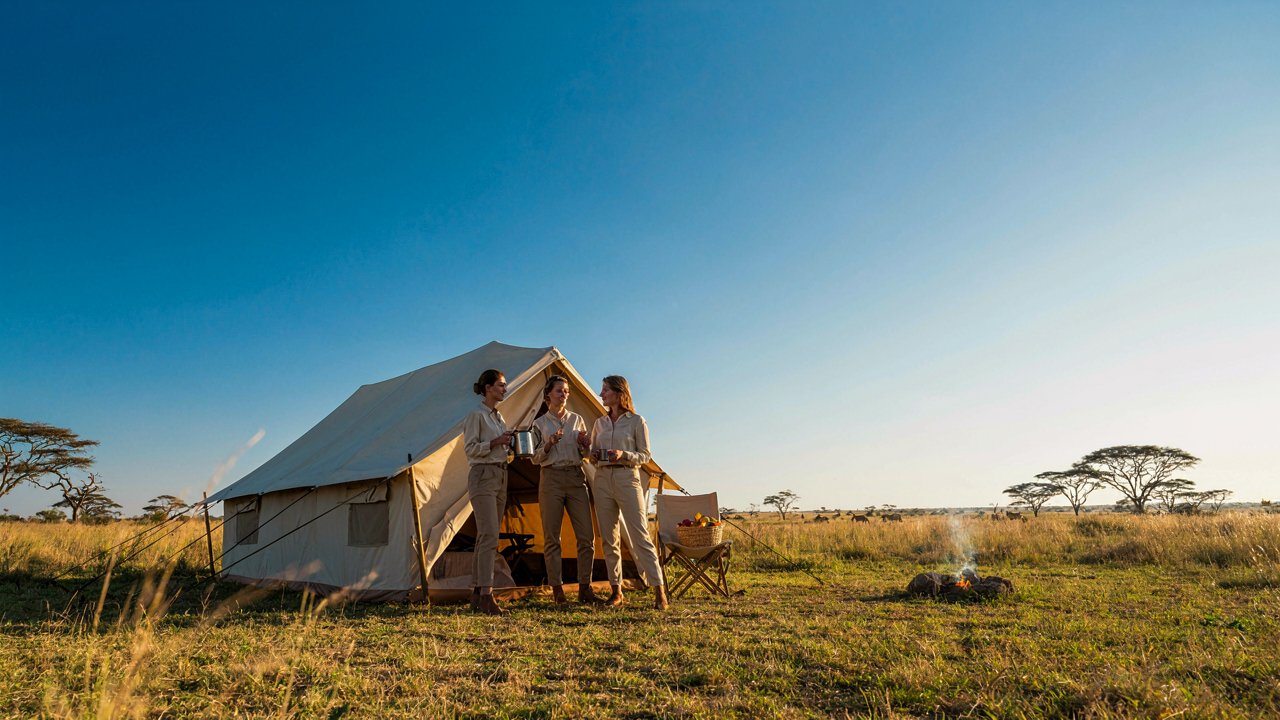
You’re reading this because you want to know if glamping justifies the price tag without feeling like you’re sleeping in an expensive tent. The mechanism separating true luxury glamping from the mediocre version operates on scarcity economics: real luxury properties control one finite resource—location—and build everything else around it. A glamping site on private land overlooking a canyon or coastline owns something no competitor can replicate. Everything from the bed to the bathroom becomes secondary to that irreplaceable vantage point. The best glamping destinations don’t add luxury to camping. They remove friction from the location itself. You’re paying for proximity to something remarkable, with comfort engineered so the location stays the focus, not a distraction.
The difference between a luxury glamping property and a basic one isn’t thread count or whether your shower has rain nozzles. It’s operational discipline: premium properties maintain infrastructure consistently, employ trained staff year-round, and manage guest flow so you never share your view with strangers. They control timing, access, and experience density. A property that hosts twenty guests a night on ten acres operates under completely different constraints than one hosting six guests on fifty acres. Luxury glamping requires fewer bodies per experience unit. That ratio isn’t negotiable.
Glamping Versus Upscale Camping Upgrades
Most advice conflates glamping with “camping but nicer,” which misses the point entirely. Glamping eliminates the camping part. Upscale camping upgrades assume you still want to camp, just with better gear. You bring a premium tent instead of a standard one. You add a heater. You buy an inflatable mattress that doesn’t deflate. This is iterative improvement on the camping model, not a different category. Real glamping removes the baseline camping assumption: you’re not pitching your own shelter, managing fire, or solving logistical problems that define a camping trip.
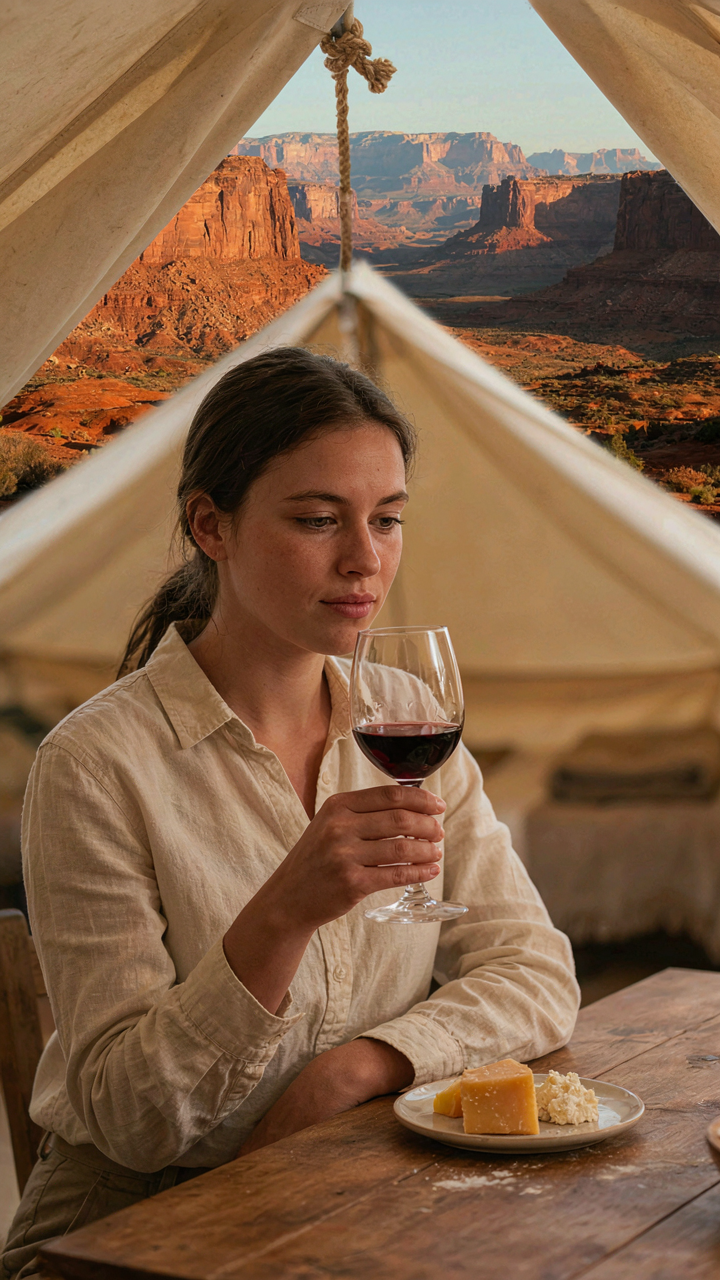
The operational model changes completely. Glamping properties provide staffed hospitality. Someone else maintains your accommodation, prepares meals, manages water and waste, and handles emergencies. You arrive at a pre-set location with built-out infrastructure. Upscale camping still requires you to show up prepared and self-sufficient, just with nicer equipment. The friction level separates them. If you’re problem-solving how to stay warm or cook efficiently, you’re camping. If you’re deciding whether to order wine with dinner, you’re glamping. The transition point isn’t subtle.
Beyond Instagram: Selecting Glamping Spots For Real Impact

Geography Shapes Experience, Not Amenities
You want the story you can tell at dinner, the one that proves you went somewhere real. Here’s what nobody admits: geography is the only amenity that matters because it’s the one thing the property owner cannot fake or upgrade. In site selection theory borrowed from retail and hospitality, “location elasticity” measures how much a site’s value depends on its surroundings versus its internal features. For glamping, this inverts entirely. A mediocre tent in Patagonia beats a luxury pod in suburban New Jersey.
The mechanism is simple. Unique geographical advantages do two things simultaneously: they create natural barriers to competition and they generate genuine novelty that cameras actually capture. Coastal cliffs, desert proximity, mountain access, and wildlife corridors aren’t marketing angles. They’re the infrastructure that makes the experience distinct. Before evaluating any glamping property, identify what geographical asset exists within a two-mile radius that cannot be replicated elsewhere. If the answer is “nothing specific,” the location is competing on amenities alone, which means it will become commoditized the moment a better-funded operator opens nearby.
Isolation Sells More Than Thread Count
The conventional play is to maximize beds, hot tubs, and restaurant options. That’s exactly backwards. Solitude is the actual premium product because it’s the one constraint money cannot instantly remove from a crowded market. A glamping site surrounded by other development faces a hard ceiling on perceived exclusivity. Distance from population centers is a fixed asset; you either have it or you don’t.
Properties that prioritize remoteness understand a buried truth: guests don’t optimize for convenience in glamping contexts. They optimize for a clean break from accessibility. The site selection protocol is straightforward. Measure drive time to the nearest town, nearest neighboring property, and nearest major highway. Properties with 30 plus minute drives to towns and no visible neighbors within one mile command higher perceived value and generate stronger word-of-mouth because the experience itself becomes harder to replicate casually. That’s not luxury marketing. That’s scarcity economics.
The Unseen Value: Glamping As A Strategic Retreat

Nature Resets Your Processing Power
You want this to feel like self-care so you don’t have to admit you’re burned out. The real mechanism is neurobiological: sustained attention in controlled environments depletes your prefrontal cortex. Natural settings restore it. Glamping works because it removes digital noise while keeping you comfortable enough to actually think. You’re not meditating in a tent. You’re removing interference.
Destinations like the Sonoma Coast in California or the Swiss Alps force your nervous system into a different operating mode. No emails. No notifications. No decisions about where to eat. The environment handles that. Your brain redirects that freed-up processing capacity toward actual problems. Three days in a well-designed glamping site produces clarity that weeks of office work cannot touch.
Deep Work Demands Environmental Architecture
Cal Newport’s framework applies directly here: deep work requires removing distractions and creating friction against shallow tasks. A glamping retreat builds that friction intentionally. You can’t answer Slack messages in a safari tent in Kenya’s Maasai Mara. You can’t pretend to be productive on your phone when there’s no cell signal.
The best glamping destinations for strategic retreat eliminate the default options that kill focus. Locations like Patagonia’s luxury camps or the Cotswolds’ shepherd’s huts structure your time around single pursuits: writing, planning, strategy sessions, or honest thinking about where you’re headed. You book the time. You remove the escape routes. You do the work that matters.
The 3 Day Recalibration Protocol For Peak Performance Glamping

Structure Your Days Around Circadian Alignment
You want permission to waste three days without guilt. Here’s the mechanism: circadian biology operates on light exposure and routine, not motivation. Glamping works because it resets your sleep-wake cycle faster than your home does. Most glamping itineraries fail because they treat days as identical blank canvases. They’re not. Your nervous system needs predictable anchors to recalibrate.
Day one: arrive by noon, settle into your accommodation, and spend afternoon outdoors in direct sunlight without sunglasses. This signals your body that the day is beginning. Day two: wake at sunrise, move deliberately for three hours, rest from noon to three, then engage in low-intensity activity until sunset. Day three: reverse it slightly, compress your active windows, let your nervous system anticipate departure without shock. The list below maps a real three-day glamping itinerary:
- Day One Afternoon: Two hour ground exposure outdoors, no screens, direct sunlight. Establish circadian anchor before accommodation settles you into passive recovery mode.
- Day One Evening: Meal preparation or consumption outdoors. Leverage social engagement and natural light proximity to reinforce your body’s transition from travel stress to stillness.
- Day Two Morning: Activity window from sunrise through late morning. Hiking, foraging, or structural exploration of the property. Movement consolidates sleep quality for the following night.
- Day Two Afternoon: Complete rest period, three hours minimum in shaded accommodation. This is non-negotiable. Your parasympathetic nervous system needs compressed recovery to complete the reset.
- Day Three Morning: Light activity only. Short walk, journaling, or observation from a fixed location. Your body is primed for departure and needs gradual wind-down, not stimulation.
Timing matters more than activity choice. A glamping destination’s value depends on how quickly it enforces this rhythm through environment, not on how many amenities it packages. Sonoma wine country, Sedona red rock sites, and Airstream communities in California all compress this cycle identically because they force outdoor navigation and remove urban stimulation completely. The mechanism is enforced absence, not luxurious additions.
Disconnect By Architecture, Not Willpower
Telling yourself to put your phone down fails. Your brain treats it like any other dopamine sink that’s always accessible. The only working strategy is environmental design: choose accommodations where connectivity is physically limited, not merely discouraged. Most glamping sites claim digital detox appeal but wire every structure with reliable service. That defeats the purpose entirely.
Real disconnection happens through friction. A canvas bell tent in the Utah desert with no cell signal creates forced attention. A luxury Airbnb with Netflix and high-speed internet creates the illusion of disconnection while guaranteeing you’ll eventually cave. Notice the difference: one makes staying connected impossible; the other makes it optional and therefore inevitable. The first three hours without signal feel uncomfortable. By hour twelve, your attention span recalibrates. By hour thirty-six, you stop checking your phone reflexively. Your accommodation must make reconnection inconvenient, whether that’s through genuine dead zones or restricted charging infrastructure that forces you to choose between power and presence.
Uncommon Glamping Ideas: Leveraging “Friction” For Growth

Embrace Minimalist Glamping Setups
You want reassurance that less stuff still equals luxury, so you feel smart about your choice. The real mechanism is constraint. In design, constraint forces intention. Every object in a minimalist glamping setup earns its place or it gets removed. This is the opposite of how most resorts operate—they stack amenities to justify price. Minimalist glamping charges more by removing noise.
Properties like those in the Atacama Desert or Japanese countryside prove this works. A canvas tent with a wood stove, quality bedding, and nothing else creates mental clarity most people pay therapists to achieve. The friction of having fewer distractions makes the environment itself the experience. When you remove the mini bar, the spa menu, and the entertainment system, guests stop consuming and start noticing. That shift is where pricing power lives.
Seek Locations With Mild Environmental Challenges
Common advice says glamping needs perfect weather and easy access. Wrong. Mild friction—not hardship—creates memorability. Take physics terminology: resistance. In physics, resistance generates energy. Apply this to location selection: mild environmental pushback generates guest engagement. A glamping site that requires a 20-minute hike, sits at altitude, or demands seasonal timing creates a psychological investment before arrival.
Properties in Patagonia, the Scottish Highlands, or high-altitude South African reserves demonstrate this principle. Guests who drive two hours off-road or navigate seasonal access windows don’t complain about basic amenities. They’re already committed to the challenge. They expect simplicity because they chose difficulty first. Build your site in a location where mild environmental resistance is the entry fee, then the comfort becomes the contrast. That contrast is what converts into word-of-mouth and repeat bookings.
The Antifragile Glamping Mindset: What Doesn’t Kill You
Variability Is The Teacher Money Can’t Hire
You want this section because you’re afraid of wasting money on a glamping trip that doesn’t deliver. You’re searching for a guarantee. That’s the real problem. Nassim Taleb’s antifragility principle from risk management applies directly here: systems that gain from disorder outperform those designed for stability. Glamping properties that embrace seasonal variation, weather unpredictability, and guest mix volatility don’t just survive disruption. They improve from it. Properties locked into rigid perfection crumble the moment conditions shift.
The best glamping destinations stop chasing consistency and instead build redundancy. They operate multiple revenue models. They design structures that handle heat swings, heavy rain, wind. They rotate staff and guest types intentionally. A safari lodge in the Serengeti that only caters to peak season dies fast. One that runs year-round, adjusts pricing by season, and designs tents that handle monsoons becomes antifragile. The variability becomes information, not threat.
Small Friction Creates Durable Guests
The industry consensus says eliminate friction. Offer heated paths. Provide constant WiFi. Stock fridges. Wrong. Low-level friction builds investment and retention because it forces minor adaptation. You notice the stars when the tent isn’t climate-controlled to 72 degrees. You taste food differently when you walk to a communal dinner. You bond with other guests through shared minor inconvenience.
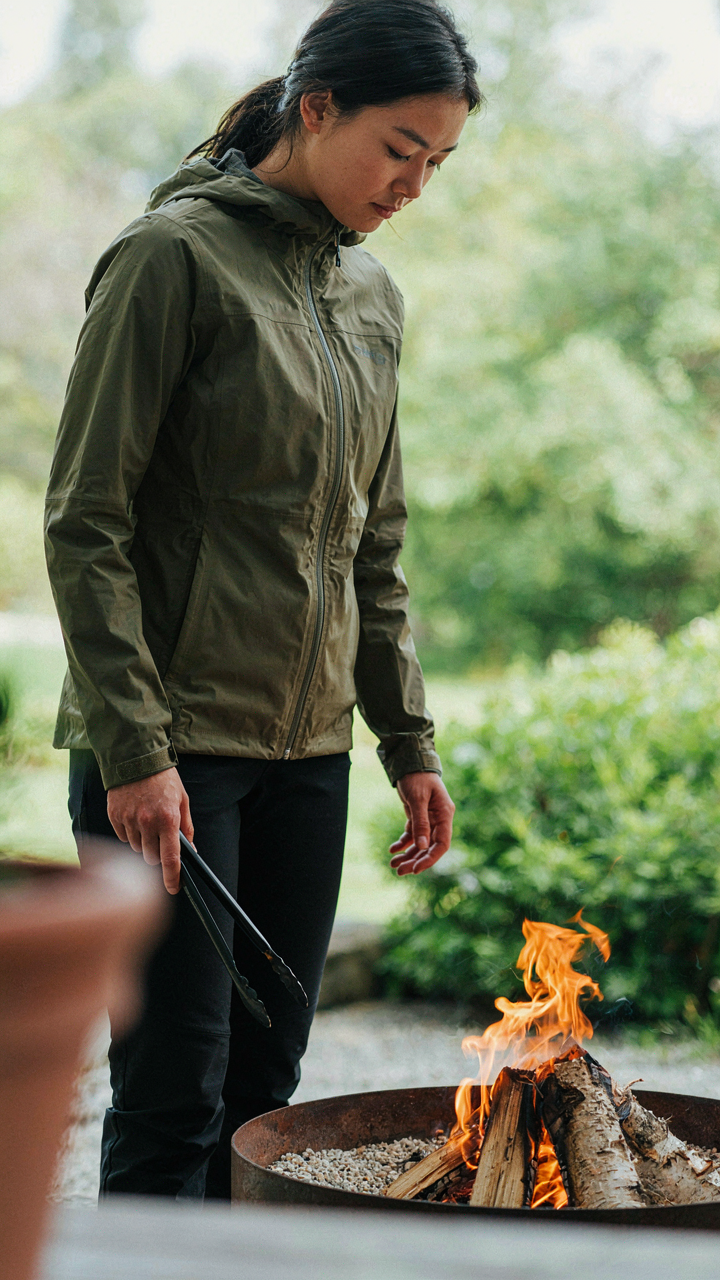
Glamping destinations that survive guest expectations create a protocol: introduce one manageable stressor per stay that serves a purpose. That stressor must be removable by direct effort, not luck. Canvas bell tents that require you to adjust ventilation. Solar showers that need manual heating. Fire pits that demand attention. Guests who overcome these small challenges report higher satisfaction and return rates than those coddled through polished, frictionless stays. The mechanism is simple: effort creates meaning.
Glamping Resorts: When “Convenience” Is A Trap

The All Inclusive Illusion
You want the promise of zero decisions so you can feel like you’re actually relaxing. That’s the real hook. But all-inclusive glamping resorts use economics from the cruise industry: bundle fixed costs, hide variable ones, then monetize every deviation. The base rate covers basics. Everything distinctive costs extra. Activities, premium meals, transfers, spa time, late checkout. The convenience trap locks you into paying per amenity instead of once upfront.
Most glamping properties bundle this way because it lets them advertise a lower entry price while capturing 30 to 50 percent more from guests through ancillaries. You arrive thinking the stay is covered, then face constant micro-decisions that feel optional but function as psychological pressure. The math flips when you calculate total spend against a property that charges higher nightly rates but includes everything worth doing.
Bespoke Beats Bundled
True value in glamping isn’t the number of amenities. It’s alignment between what you want and what the property actually designed for. Boutique glamping operations, typically under 20 units, build around specific experiences: stargazing setups with astronomy guides, farming partnerships, or proximity to actual adventure rather than resort activities. You pay for intentional curation, not a menu of options.
The mechanism is specialization. A resort optimizing for volume spreads resources thin across generic offerings. A bespoke property concentrates resources on one thing done right. Check what the owner personally uses. Do they guide hikes themselves? Do they source from local producers? Do they limit guest count to maintain experience quality? These aren’t marketing angles—they’re operating constraints that protect value. Book properties where the owner’s constraints match your actual interests, then you stop paying for features you won’t use.
Yurt Glamping & Other Spartan Luxe Options In US

What Actually Matters When You Strip Everything Away
You want to know if you can feel rich without looking desperate. That’s the real question. The mechanism is constraint: when you remove unnecessary options, the remaining details become louder. A yurt has no closet, no minibar, no useless furniture. This forces intentionality. You bring what matters. The aesthetics work because they’re honest, not because someone hired a designer to make “rustic” feel expensive.
Yurts originated in Central Asia as functional shelters. Modern glamping versions keep that DNA but add what actually serves: a real bed, heating, water access. The difference between a yurt and camping is the difference between choosing simplicity and suffering through discomfort. One is a statement. One is punishment. Most glamping destinations miss this distinction entirely by adding fake rustic touches that clutter the space.
Where The Landscape Does The Work
Amenities matter less when the land speaks for itself. Geography is not negotiable. A yurt in the Tetons doesn’t need a hot tub because the view replaces it. A yurt in a featureless field fails because no amount of thread count fixes absence. Site selection determines 70 percent of the experience. The remaining 30 percent is execution: working plumbing, insulation that holds, a bed frame that doesn’t creak.
The best US yurt operations sit on land with non-negotiable visual weight. Oregon’s Wallowa Lake region offers alpine meadows and granite peaks. Utah’s Henry Mountains provide isolation and geological drama. Wyoming’s Wind River Range delivers actual wilderness adjacency without the tent penalty. Pick locations where you’re paying for placement, not decorative framing. Once you occupy the right geography, minimal furnishing becomes a feature rather than a compromise.
Beyond The Hype: Crafting Your Own Luxury Glamping Ideas

The Experience You Actually Want
You’re reading this section because you’re tired of copying what Instagram told you to want. The mechanism is simple: the best glamping destinations aren’t destinations at all, they’re reflections of how you actually spend time. Most people default to whatever place ranks highest or has the best photos. That’s backwards. Start with the activity or environment you genuinely prefer, then find the location that supports it without compromise.
The distinction matters because glamping operators design for the median customer, not you. A luxury bell tent in the Serengeti works perfectly if you want safari game drives at dawn. It’s wasted money if you actually want solitude and reading. Your personalized experience begins with naming what you’ll actually do for five consecutive days, then working backward to find the property that enables that, not the one that looks best in reviews.
Gear Selection Separates Amateurs From Serious People
The common advice is wrong here. Everyone says “invest in quality,” which means nothing. Quality at what. Investment in gear only matters if you own the specific pieces that eliminate friction between you and the experience you want. A four-season tent is useless for summer desert glamping. A high-end sleeping bag rated for extreme cold wastes money in tropical locations. Functional gear means the exact specifications match your location’s temperature range, humidity, and seasonal conditions.
Start by reverse engineering what the destination requires. If you’re glamping in regions with significant temperature swings between day and night, you need insulation and ventilation control. If you’re in humid environments like rainforest sites, you need moisture management built into fabrics and bedding. Purchase or upgrade one category at a time: sleeping system first, then shelter, then site comfort items. This prevents buying luxury gear that solves the wrong problem.
Stop Chasing Curated Comfort. Your True Obstacle Is A Fear Of Genuine, Productive Solitude

You don’t need the best glamping destination. You need permission to disconnect without guilt. Most people book luxury tents and cabins to escape work, then spend three days checking emails in a hot tub. The real luxury isn’t the amenities. It’s the enforced silence. Pick a location tomorrow, anywhere on this list, and commit to 48 hours with your phone on airplane mode. Your mind will fight you. Do it anyway. Discomfort disguised as comfort is just another trap.