
The Effortless Escape Fallacy
What Easy Lists Actually Sell You
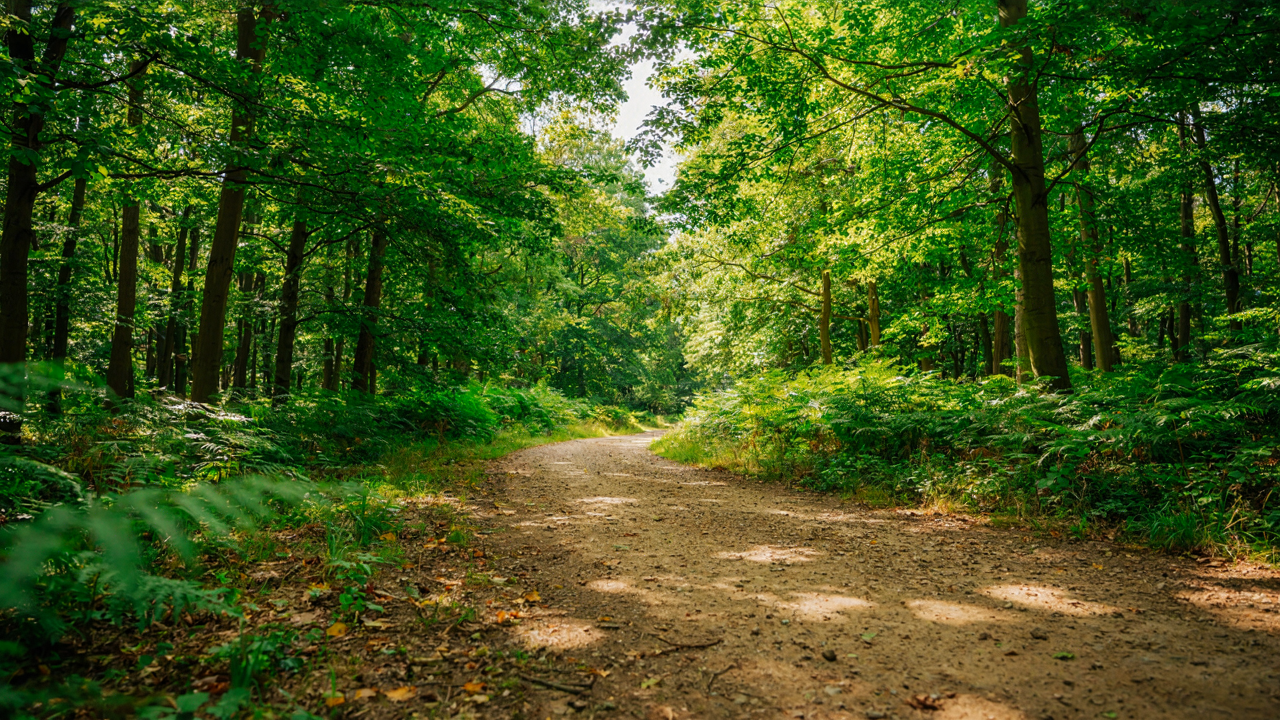
You’re looking for permission to feel like you’re doing something without actually doing much. Most “easy” nature walk lists exist to solve that, not to solve your problem. They slap mileage numbers and elevation gain on trails, then call it done. The mechanism is simple: low friction sells better than honesty. A five-mile trail marked “easy” doesn’t tell you the surface is loose gravel, that sun exposure is unrelenting, or that water access is zero. You get a false contract with the landscape.
The real issue is that “easy” has no standard. One guide’s easy is another person’s slog. Trail maintenance varies by season and region. A well-groomed path in a state park differs completely from an unmaintained route in a national forest. Marketing copy ignores this variance because specificity doesn’t scale. You need actual variables, not a difficulty rating that means nothing.
Recalibrate Easy To Match Your Body

Easy should mean: a walk where the effort stays below the threshold where your body enters stress mode. That’s not a philosophy. That’s physiology. Your aerobic capacity, joint resilience, and heat tolerance determine what’s easy for you, not what some hiking website claims. The walk that works is one where you can talk in full sentences, your breathing stays steady, and you don’t need ice afterward. That’s your baseline.
Start by testing a single known variable instead of trusting aggregated lists. Pick a real local trail you can repeat. Walk it at a conversational pace. Note what happened to your joints, your breathing, your energy the next day. That data point beats any algorithm. From there, you add difficulty in one direction only: distance, elevation, or terrain quality. This builds your actual fitness curve, not someone else’s assumption.

Your Environment Is Your Mirror: Choosing The Right Nature’s Path

Match Your Terrain To Your State
You want the walk to fix you. That’s the real reason you’re reading this. Here’s what actually happens: your nervous system doesn’t care about scenery—it responds to gradient, surface, and cognitive load. This is biomechanics, not inspiration. A flat paved path taxes your brain differently than a rocky trail. Choose based on what your body needs to regulate, not what looks good on Instagram.
When you’re depleted, flat terrain with minimal decision-making works. Your prefrontal cortex is already offline. A path that requires constant foot placement or route-finding adds stress instead of relieving it. When you’re restless, technical terrain forces present-moment attention—your mind can’t wander to your inbox. The mechanism is simple: match surface friction to your current cognitive capacity.
Avoid The Picture Frame Problem
Every beginners’ guide tells you to seek “stunning vistas” and “Instagram-worthy moments.” This is terrible advice. The moment you start hunting shots, you stop walking. You become a hunter, not a mover. The mechanism is attention capture: once your brain locks onto an aesthetic goal, your nervous system stays in achievement mode instead of recovery mode.
Easy nature walks work because they’re boring enough to let your mind settle. A trail nobody photographs is often more restorative than a famous overlook crowded with people staging content. The real win isn’t a good photo—it’s reaching a point where you forgot to check your phone. Pick routes locals use, not routes with hashtags. That’s where the actual rest lives.
The “Unplug & Observe” Protocol
Leave Your Phone In The Car
You want to feel like you’re doing something meaningful without the friction of actually being bored. Here’s the mechanism: your phone is a variable reward schedule. It fires dopamine unpredictably. Your brain adapts to constant micro-stimulation, which means a quiet forest registers as nothing. You need dopamine withdrawal, not willpower. Leave the device behind entirely. Not in your pocket on silent. In the vehicle.
The first fifteen minutes feel like deprivation. This is accurate. Your nervous system is recalibrating. By minute twenty, you stop reaching for a phantom pocket. By thirty, you notice sounds you haven’t heard in months. This isn’t mystical. It’s neurological recovery. Your prefrontal cortex regains bandwidth when the reward prediction error stops firing.
Notice One Thing At A Time
Most beginner advice says “observe nature” as if your attention works like a camera. It doesn’t. Attention operates like a spotlight. You can point it precisely or scatter it uselessly. Pick a single element: a specific tree, a bird species, insect behavior, soil composition, water movement. Study it for five minutes minimum. Not glancing. Sustained focus.
This counterintuitively makes walks longer and more rewarding. Your brain stops treating the walk as a checkbox activity and starts pattern-matching. You see the same species of lichen on different trees. You notice which insects appear in shade versus sun. You build mental models. Observation accelerates learning, which creates the engagement your phone used to fake.
Beyond Just Walking: Nature Walk Activities That Matter
Attention Without The Phone
You want permission to feel productive while moving your body without training for a marathon. Here’s the mechanism: mindful movement hijacks the same neural pathways that make scrolling addictive, but directs them toward actual recovery instead of dopamine depletion. Your nervous system doesn’t distinguish between “focused attention on a screen” and “focused attention on a leaf.” It only reads the signal: sustained concentration rebuilds baseline attention span.
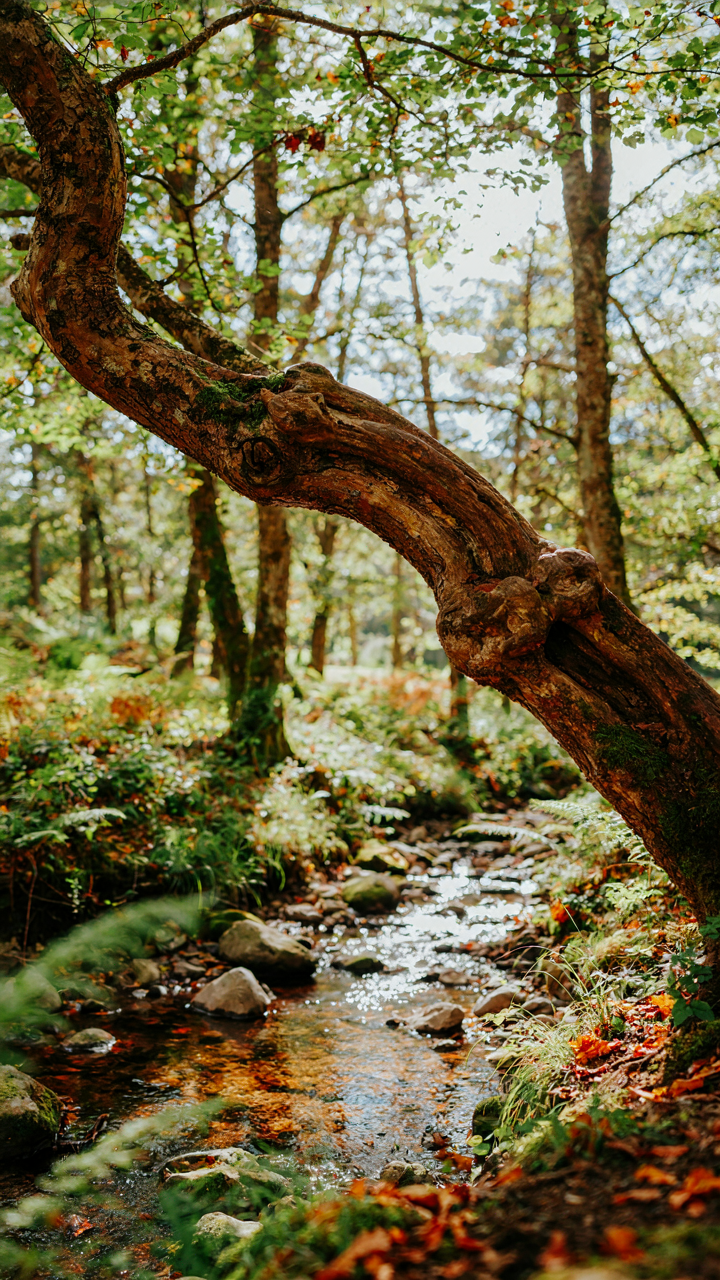
Walking without a destination or pace goal forces your brain into a different mode than exercise does. You’re not chasing a heart rate or step count. Instead, you’re deliberately slowing your visual processing. Notice the light hitting bark texture. Track a single bird’s movement. This shift from goal-driven to observation-driven rewires how your prefrontal cortex allocates resources during rest.
Sensory Anchors Beat Scenery
Most nature walk advice says “find a beautiful place and walk there.” That’s incomplete. Beauty is passive. Engagement is active. Neurobiology demonstrates that multisensory integration creates stronger memory formation and faster nervous system regulation than visual input alone. You’re not trying to see nature. You’re trying to integrate it through every available channel.
- Sound mapping: Identify three distinct sounds per minute. Wind, rustling leaves, insects, distant water. Silence your internal monologue by naming each source. This trains auditory attention and pulls you out of rumination cycles.
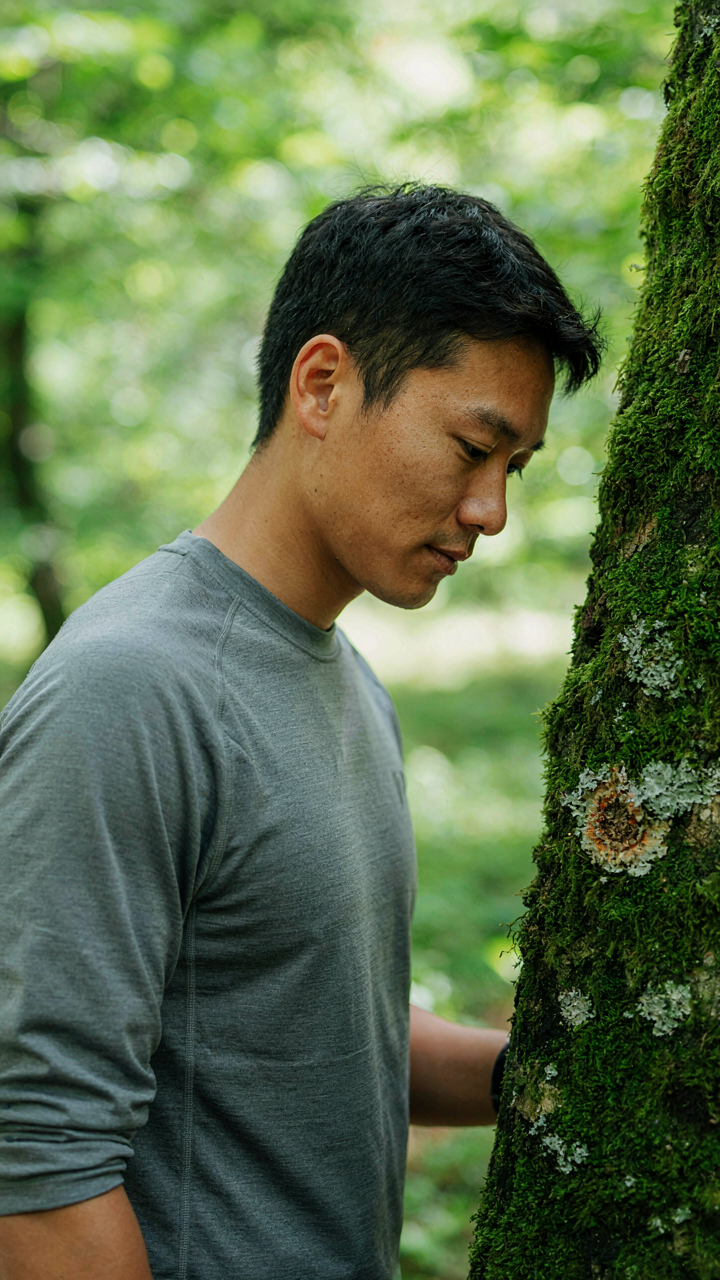
- Touch variation: Place your hand on tree bark, moss, soil, grass during each walk. Note temperature, texture, moisture. Your skin has more sensory receptors than your eyes. This rebalances your sensory hierarchy away from vision dominance.
- Scent logging: Pause to smell after rain, near conifers, in shaded areas, on sunny patches. Your olfactory system connects directly to the limbic system. Deliberate scent attention shifts emotional regulation faster than any breathing exercise.
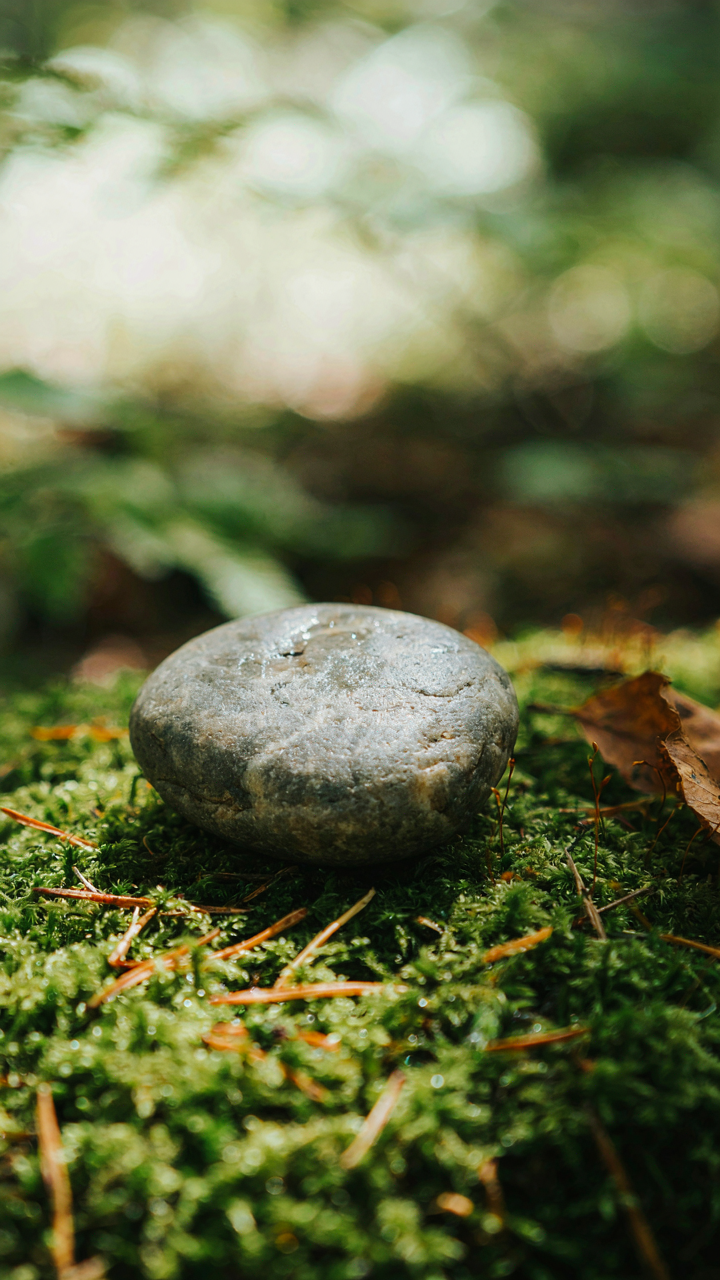
- Micro-touch experiments: Pick up objects you find. Feel their weight, surface irregularities, temperature change in your palm. This grounds abstract awareness into concrete sensation and anchors your nervous system to the present moment.
- Seasonal smell shifts: Visit the same trail across months and document how scent changes. Spring has different volatile compounds than autumn. This trains your brain to detect subtle environmental shifts instead of tuning them out.
Beginners typically walk the same route and expect different results. The walk stays identical. Only your attention changes. Rotate your sensory focus between visits: sound-dominant one day, touch-dominant the next. This prevents your nervous system from habituating to the same input pattern and losing the regulatory benefit.
The “Micro Adventure” Method: Short Nature Walks, Big Impact

Your Backyard Is Already A Trail
You want permission to stop feeling guilty about not hiking four hours every weekend. Here’s the mechanism: proximity kills friction. Urban ecology research shows people who access green space within a five-minute walk use it three times more often than those requiring a car trip. Your backyard, a nearby park, or the tree-lined street you ignore every day contains everything a beginner needs. The walk doesn’t get harder because you walked it before. Repetition deepens observation, not boredom.
Most advice tells you to “find new trails” or “explore different parks.” That’s wrong. Consistency beats novelty for building a walking habit. Pick one small zone—a neighborhood block, a local park loop, a backyard path—and walk it weekly for a month. You’ll notice birds you missed. Seasonal shifts become visible. The route becomes yours. This removes the decision tax of constantly sourcing new locations. Your body also adapts faster to familiar terrain, which matters for beginners managing fatigue or joint stress.
Dense Observation Beats Long Distance
Biomechanics teaches us that efficiency is about load per unit time, not total load. A thirty-minute focused walk covers less ground but lands more actual experience than a two-hour distracted march. Walk slowly. Stop twice. Sit for five minutes. Notice what your pace misses: insects, bark texture, how light hits water, soil color changes. Beginners often confuse “nature walk” with “cardio that happens outside.” They’re different things.
The protocol: Walk for fifteen minutes at normal speed. Then spend the remaining time stationary or moving at half-pace while observing one thing deeply. Photograph it. Name it. Research it later. This transforms a forgettable outing into information your brain retains. You don’t need a long walk to feel its effect. You need attention and a mechanism to hold what you find.
Nature Walk Ideas For Families: Beyond The Playground
When Itineraries Kill Wonder
You want your kids to love nature so they’ll be outdoors instead of inside, which means you look good as a parent. Here’s what kills that: over-planning. The moment you schedule a “nature experience” with predetermined stops and photo ops, you’ve swapped discovery for compliance. Kids don’t explore when they’re following a checklist. They explore when they’re bored enough to notice things.
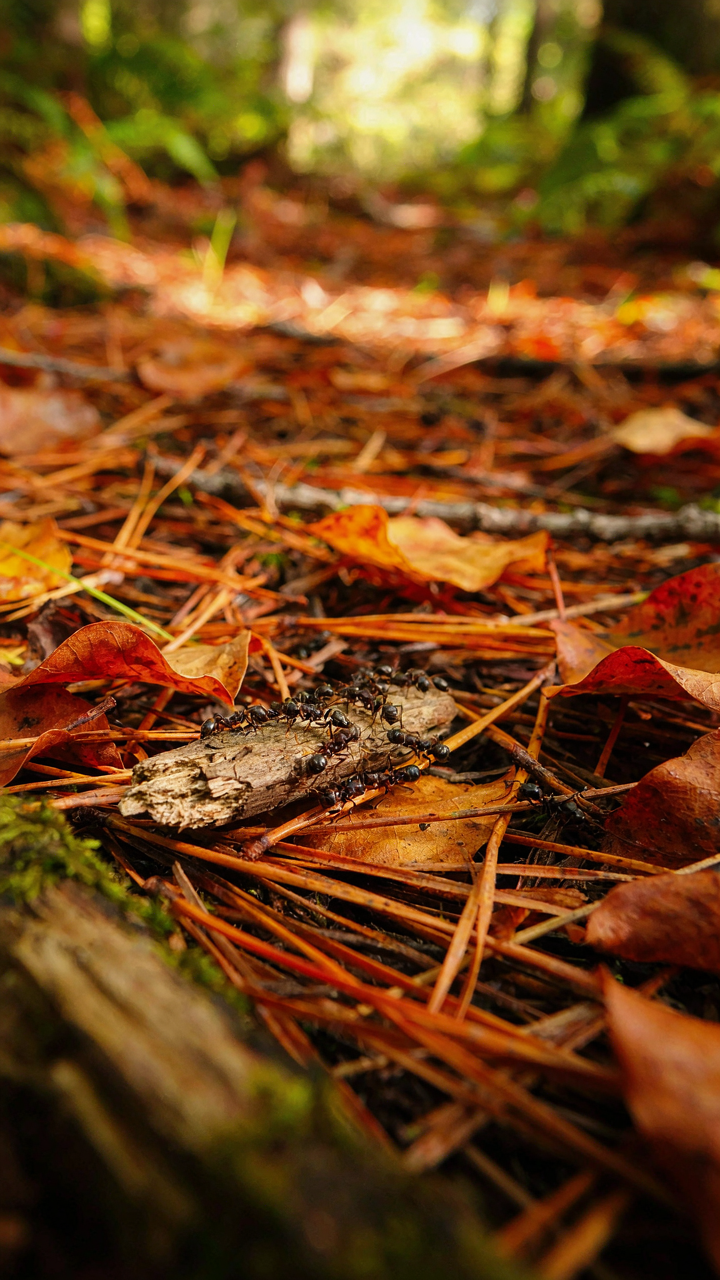
The mechanism is attention scarcity. When you give a child a map, a planned route, or a list of “things to find,” their brain outsources curiosity to your structure. They follow the path instead of asking why the path exists. Real discovery happens in the unplanned thirty seconds when they stop to watch an ant colony or flip a log. That’s not a detour from the walk. That’s the walk.
Holding Space Without Gripping Control
This isn’t about letting kids run wild or abandoning supervision. It’s about the difference between steering and dictating. You choose the trailhead. You set the boundary of how far you’ll go. You handle safety. Then you vanish as a director. Ask questions instead of giving answers. “What do you think made that hole?” beats “That’s a woodpecker hole.” Watch without narrating. Your silence is permission.
Kids navigate by curiosity when they know the rails are there but invisible. The walk becomes theirs instead of yours. Set a return time, not a route. Let them choose which fork to take. If they want to spend twenty minutes at one spot, that’s not wasted time, that’s the entire point. The mechanism is autonomy within constraint: they feel in control because you’re controlling only what matters.
Nature Based Learning: Lessons The Classroom Misses
How Ecosystems Actually Function
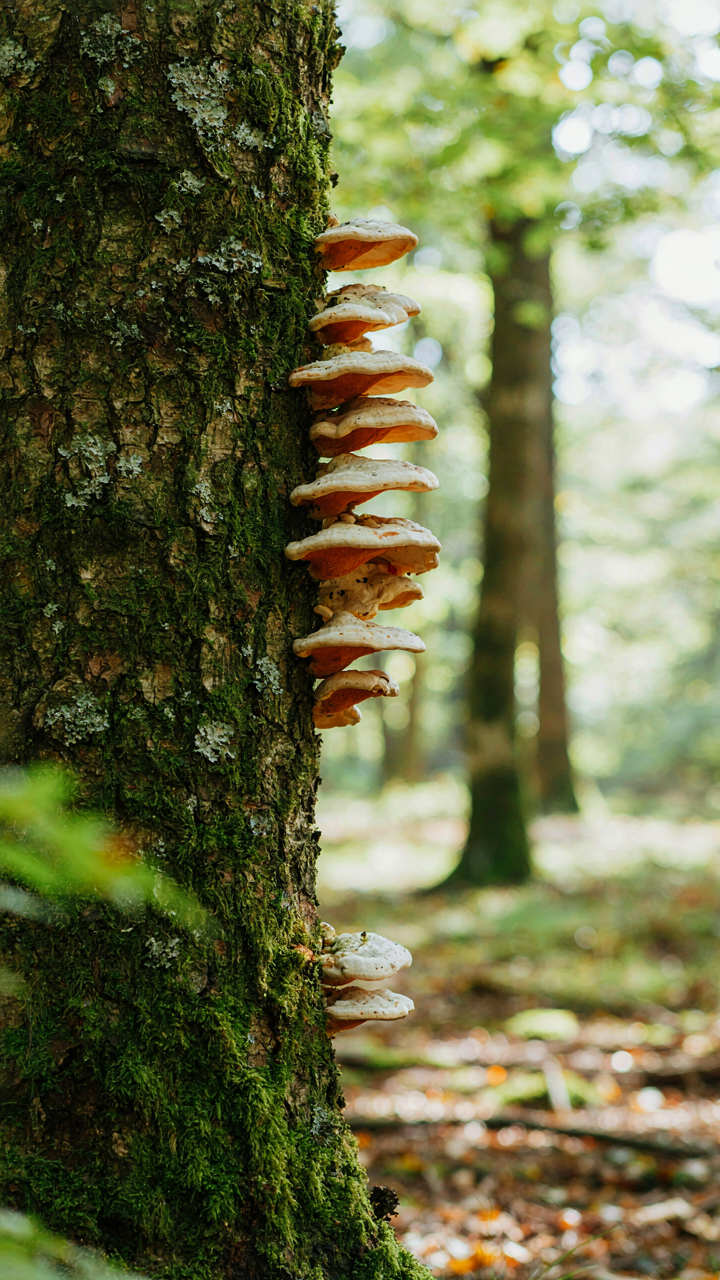
You want this section because you’re tired of feeling like you don’t understand nature, and understanding it makes you feel less helpless. Here’s the mechanism: biology frames ecosystems through relationships, not isolated objects. On an easy walk, you see predator and prey coexist in the same square meter. You observe decomposition, competition for light, and resource scarcity all at once. The classroom teaches these as separate concepts. Reality shows them as simultaneous pressures that shape every living thing present.
A walk through a mature forest reveals what textbooks compress into chapters. You notice certain trees dominate because they shade competitors. Fungi beneath your feet process dead matter into soil nutrients. Bird populations concentrate where specific insects peak. These aren’t separate lessons—they’re one system operating simultaneously. When you walk an easy trail and actually stop to observe, you decode how energy flows, how populations check each other, and why certain organisms thrive in particular spots. This direct observation builds pattern recognition that classroom diagrams cannot install.
How Physical Forces Shape The Land
Physics doesn’t study nature walks—it studies forces, and erosion is one force that rewrites terrain over time. Most people see hills and assume they’re permanent. They’re not. Water, freeze-thaw cycles, and root systems constantly reshape the ground. On a beginner trail, you walk evidence of these mechanisms directly. Exposed roots indicate soil loss. Gullies mark water channels. Exposed rock faces show where vegetation failed to hold the slope.
The common advice about nature walks frames them as peaceful retreats. Wrong. They’re demonstrations of competing physical forces in real time. Tree roots crack pavement and break rocks. Water freezes in cracks and splits stone. Plants stabilize soil while their death accelerates its collapse. Walking an easy path lets you see this directly: where roots grip the earth, the ground holds firm; where they don’t, erosion accelerates. Notice the mechanisms, not the scenery. Observe where water flows during rain, where soil compacts, where plants prevent or accelerate breakdown. This is how you read the physical system.
The “Minimalist Gear” Mindset For Walking In Nature
What Actually Works On The Trail
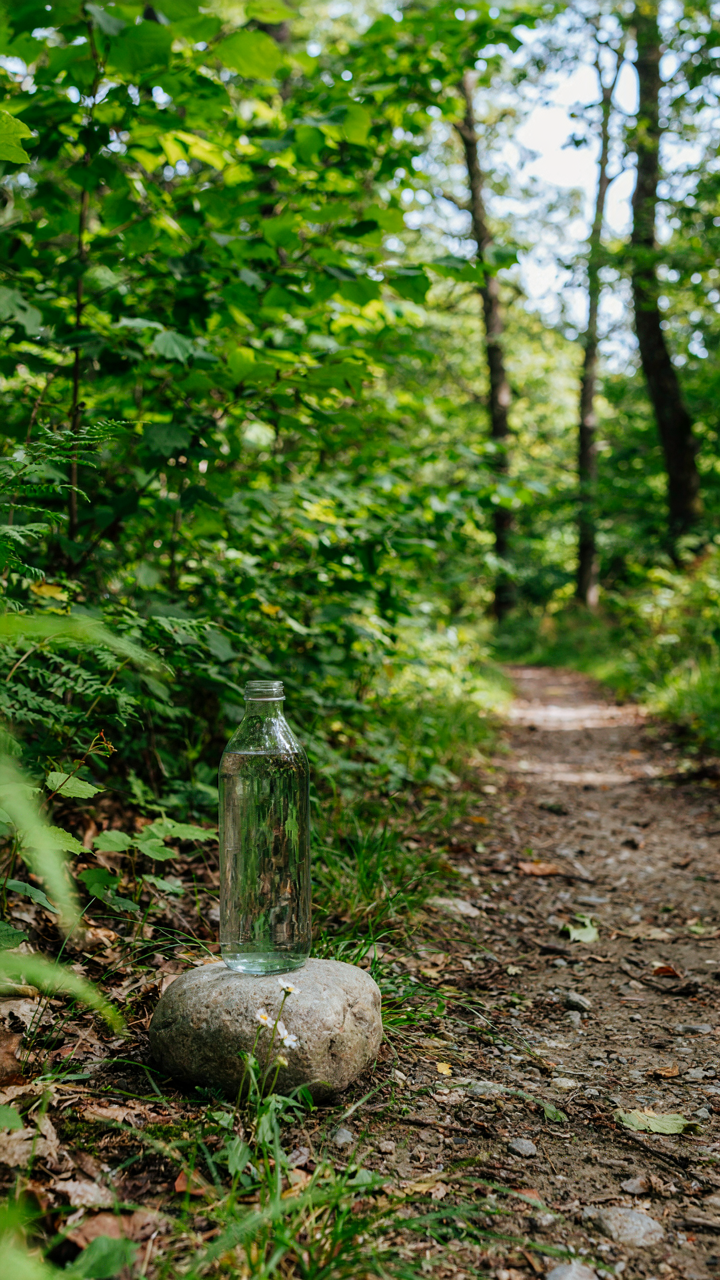
You want the gear list to validate your purchase history and prove you’re serious. Stop. The mechanism is simple: every item you carry is friction against movement, and friction kills consistency. A beginner on an easy walk needs water, a phone, and shoes that fit. That’s the entire non-negotiable list. Everything else is either solving a problem that doesn’t exist yet or feeding someone else’s margin.
The outdoor industry has weaponized FOMO into equipment philosophy. You don’t need technical socks, a fitness watch, a hydration pack, trekking poles, or a branded jacket for a two-mile walk on a maintained trail. The gear doesn’t make you a walker. Walking does. Start with what you own. If the walk breaks it, then buy the upgrade.
Freedom Moves When You Drop The Load
Psychology calls this “cognitive load,” but physics explains it better: every gram you carry requires energy your body could spend on distance or enjoyment. Beginners quit nature walks not because the terrain is hard but because they’re exhausted from hauling unnecessary weight before they even reach the trailhead. The best early walks feel easy because you move without thinking about your kit.
Strip to the essentials and you’ll walk further, return faster, and actually want to do it again. Your second walk builds on momentum from the first. Your tenth walk becomes a habit. The person who walks with minimal gear gets to the payoff faster than the person who researches hydration systems for six months. Start moving now with nothing. Add only what breaks.
Turning A Walk Idea Into A Habit, Not A Chore
The Friction Between Starting And Repeating
You want to believe one perfect walk will change your routine. It won’t. The real problem is inertia, and physics tells us moving objects stay in motion while stationary ones resist movement. A nature walk sits dormant until the activation energy required to start exceeds your willingness to act. Most people design walks that are too special, too optimized, too far away. The mechanism is backwards: friction kills habit formation faster than boredom ever will.
Remove decision-making from the equation entirely. The same route, same time, same trigger beats novelty hunting. Your brain doesn’t need a new trail each week. It needs a predictable cue that makes the walk automatic. Start with a fifteen-minute loop within half a mile of your home. The walk must be boring enough to repeat without negotiation. Friction disappears when the walk costs almost nothing to execute.
Nature As Default Mode, Not Event
Most people slot nature walks between other priorities. That’s the mistake. Nature walks don’t integrate into routine. They replace something else entirely. Pick a time slot you already own, anchor it to an existing behavior, and swap the contents.
- Morning coffee timing: Walk before coffee instead of drinking it at home. Sixty percent of habit success comes from consistent time cues, not motivation.
- Lunch break replacement: Use your existing midday break to walk a nearby trail instead of scrolling at your desk. Same time block, different action.
- Post-work decompression: Walk immediately after work ends, before you enter your home. This creates a boundary between work and rest that the walk fills.
- Weekend anchor ritual: Attach the walk to Saturday or Sunday breakfast completion, not as something you fit in later. Completion triggers the walk automatically.
- Evening wind-down slot: Replace evening screen time with a thirty-minute walk at dusk if daylight hours shrink during seasons.
The walk becomes automatic when it replaces an existing slot rather than competing for new time. You’re not adding a task. You’re redirecting energy already allocated elsewhere. Track only completion for the first month, not distance or pace. The metric that matters is showing up on schedule, nothing more.
The Real Purpose Of Walking: Not Just Exercise
Clarity Emerges Through Sustained Movement
You’re reading this section because you want permission to stop feeling guilty about walking instead of running or lifting. Here’s the mechanism: your brain doesn’t process information the same way when you’re moving at two miles per hour versus sitting still. Neuroscience calls this state-dependent cognition. Walking at an easy pace activates your default mode network, the brain system responsible for internal dialogue and pattern recognition. Sitting locks you into a different cognitive mode. Easy nature walks don’t just clear your head because fresh air exists. They work because the consistent, rhythmic motion combined with low cognitive demand on navigation creates the exact conditions where buried thoughts surface.
The signal you’re looking for isn’t mystical. It’s the moment when a decision you’ve been avoiding suddenly seems obvious, or when you notice a contradiction in something you believed. This happens reliably on walks because your brain has processing capacity freed up. You’re not managing stairs, traffic, or performance metrics. The path is simple. The pace is sustainable. Your unconscious mind fills the vacuum with the work it actually needs to do. Most people chase this clarity through meditation or journaling, tools that require you to sit with discomfort. Walking gets you there without the friction.
Reorientation Happens When Stakes Drop
Perspective shifts aren’t philosophical occurrences. They’re perceptual recalibrations that happen when your body moves through different terrain and your eye level changes relative to your surroundings. A steep overlook you approach on foot registers differently than the same view from a parking lot. The effort of getting there encodes the memory stronger and changes how you weigh what you see. Easy nature walks exploit this by forcing slow observation. You notice the texture of bark, the depth of a forest, the way light hits water. Your problems, which felt all-consuming in an office chair, suddenly occupy less mental real estate because your visual field expanded and your body entered a different physical context.
The mechanism is straightforward: environment recalibration resets emotional weight. When you return to the thing you were stressed about, it hasn’t changed, but your nervous system’s baseline has shifted. The walk didn’t solve the problem. It depressurized you enough to see it clearly. Start with a walk where the first mile is familiar terrain to settle your nervous system, then route the second half through something new. This two-phase structure gives you both the calming effect and the perceptual reset. Most beginners make the mistake of treating easy walks as time to think through problems harder. Do the opposite. Walk, notice what’s around you, and let the thinking happen in the background without forcing it.
The Real Obstacle Isn’t The Trail; It’s Your Resistance To Genuine Presence

You don’t need the perfect walk. You need to stop scrolling and pick one today. The gap between knowing about easy nature walks and actually taking one grows wider every day you wait. Your phone will still be there when you return. The trail won’t. Go walk for thirty minutes without your phone. That’s it. Your mind doesn’t heal from information. It heals from dirt under your feet.