
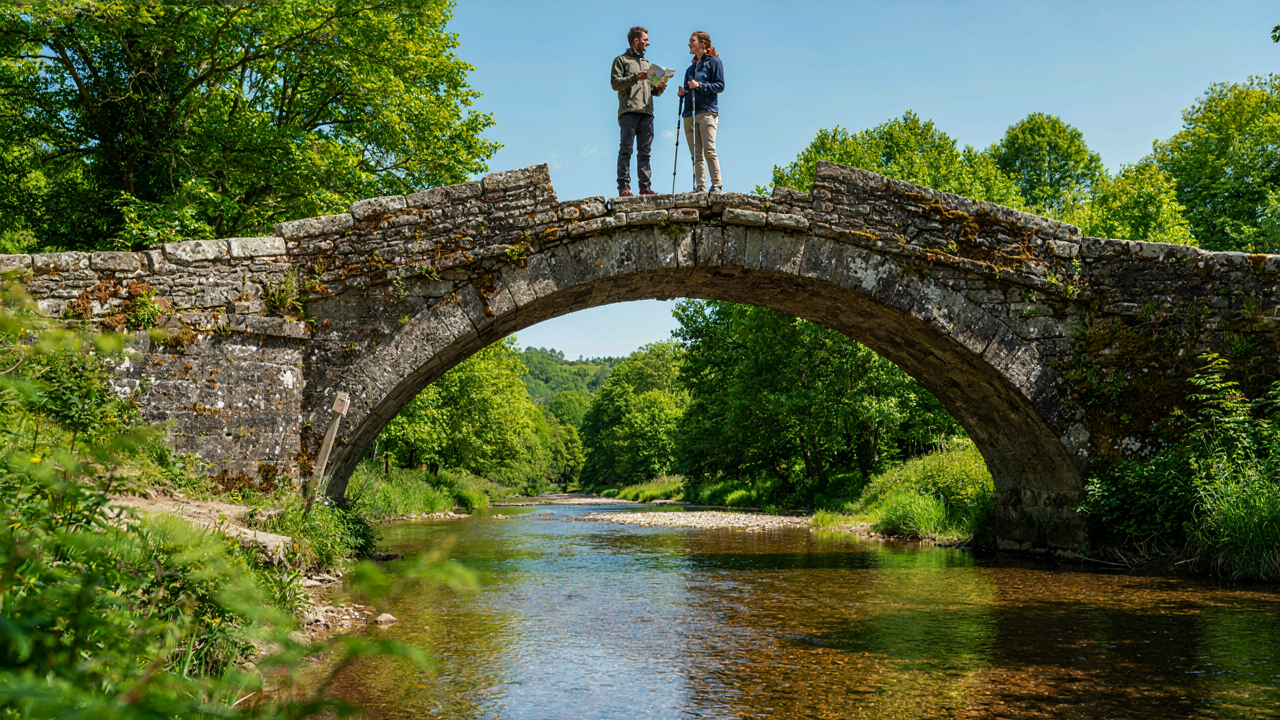
The Myth Of The “Perfect” Photography Destination

When Instagram Becomes Your Shot List
You want someone to tell you the destination that will finally make your work matter. That’s the real driver here. The mechanism is simple: popular destinations have already been photographed to exhaustion, which means you’re competing against ten thousand identical frames instead of building a distinct visual voice. You arrive at Machu Picchu or Santorini and see the exact same compositions in real time—the same angle, the same golden hour timing, the same foreground-to-background rule that everyone learned from the same three YouTube tutorials. The destination doesn’t make your work better. Execution and seeing differently does. When everyone shoots the same location, the destination becomes noise, not signal.
The consensus advice tells you to visit famous places because they’re “photogenic.” That’s incomplete. What actually happens is you inherit the visual constraints of a thousand prior photographers. Your brain defaults to what you’ve already seen online. The location stops being a problem to solve and becomes a checkbox to mark. You’re not developing judgment—you’re collecting stamps. The real cost isn’t money or time. It’s the atrophy of your ability to find angles that nobody else has found.
The Advantage Of Friction And Obscurity

Take industrial photography as a framework: systems generate value through constraint, not abundance. A destination with fewer photographers creates information scarcity—your unique perspective has actual market value because nobody’s already saturated the visual catalog. Towns with fading infrastructure, abandoned factories, working-class neighborhoods, and off-season beach towns offer raw material that requires problem-solving rather than duplication. You must read light differently. You must understand the location’s specific geometry instead of copying a preset composition. Friction forces better work.
The places that will build your reputation are the ones that currently have zero aesthetic consensus. A warehouse district in a mid-size Eastern European city. A fishing village in Portugal during winter. A manufacturing region that hasn’t been Instagram-optimized. You won’t find these in “best destinations” listicles because they don’t match the beauty standard. That’s exactly why shooting them builds skill. Before you book your next destination, audit your recent work and identify which frames came from copying someone else’s angle versus solving a unique visual problem on location.

Deconstructing The Exotic Fetish: Real Beauty Vs. Instagram Hype
Where Mystique Gets Manufactured
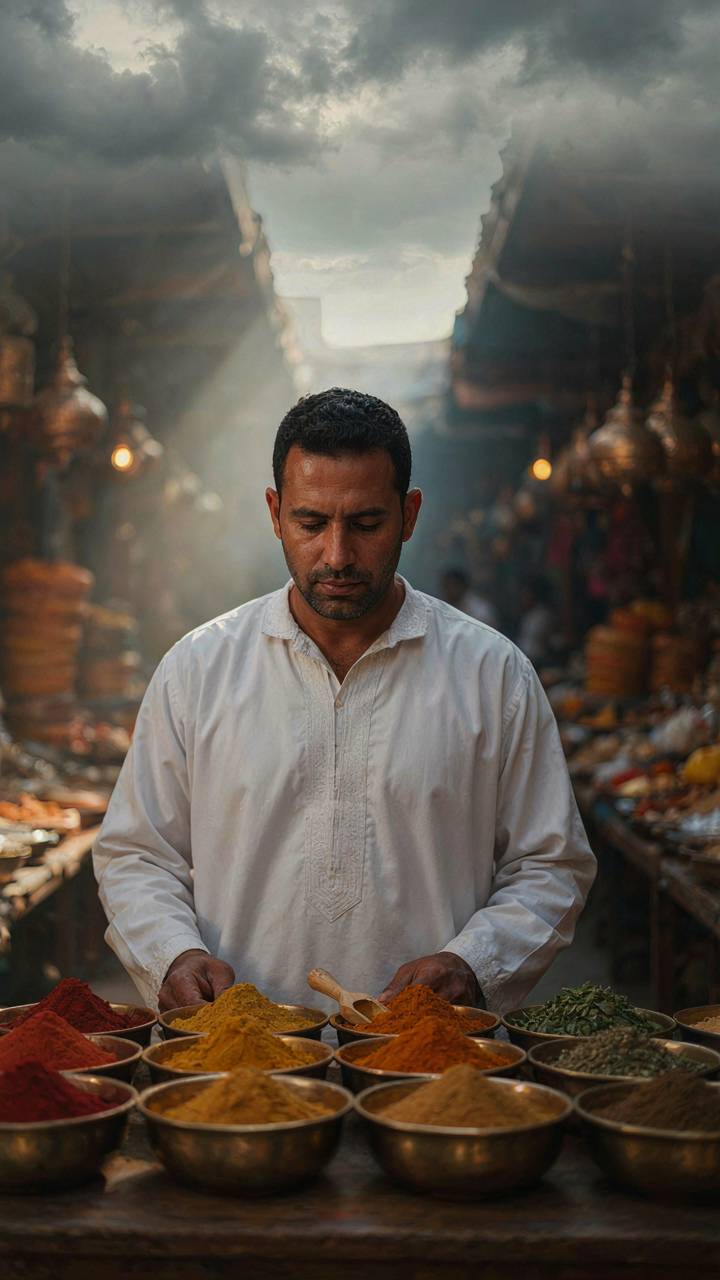
You want proof you’ve been somewhere real. That’s the actual reason you’re reading this section. The mechanism is simple: Instagram flattened the world, so exotic now means “looks different in a feed.” Most travel advice mistakes this for authenticity. Bali, Morocco, Iceland—these places became caricatures of themselves because photographers chased the consensus image instead of finding what actually moved them there. The mystique was manufactured by repetition, not by the place itself.
The problem compounds when you arrive expecting the postcard version. You’ll waste days hunting angles someone else already shot, standing where others stood, capturing what’s already been captured a million times. The manufactured mystique doesn’t survive contact with reality. What remains is either the real thing—a place with genuine visual depth—or disappointment. The difference between the two depends entirely on whether you can recognize authenticity when it contradicts the hype. Most photographers can’t, so they reshoot the consensus image and call it travel.
Scarcity Makes The Lens Work
Economics teaches scarcity—the principle that value increases when supply is limited. In photography destinations, the same rule applies but inverted: the moment a location becomes widely accessible, its visual scarcity dies and value collapses. Places like Marrakech’s Jemaa el-Fnaa have been photographed so thoroughly that finding an original angle requires either waiting for unique conditions or working technically harder than the tourist next to you.
What actually holds value in photography is temporal scarcity, not geographic rarity. A location photographed 10,000 times in daylight has zero scarcity there, but the same location at 4 AM with monsoon clouds carries genuine visual scarcity. Your competitive advantage isn’t finding a new place—it’s finding a real condition within a known place that others skip because it requires discipline or timing they lack. Stop hunting for undiscovered destinations and start hunting for undiscovered moments in places everyone knows.
The Visual Abundance Protocol: Unlocking Everyday Locations

Train Your Eye Where Others See Nothing
You want permission to stop chasing exotic locations because you already live somewhere with light and shadow. Here’s the mechanism: your eye atrophies without deliberate constraint. The best photographers don’t see more—they’ve trained themselves to see differently in the same places everyone ignores. Most advice tells you to “find beauty in the mundane.” That’s useless. The real work is pattern recognition. You need to shoot the same street corner at different times until you decode how light moves through it, how pedestrians occupy space, where geometry repeats itself. A parking garage becomes a study in brutalist architecture and reflected light. A coffee shop window becomes a frame within a frame. The shift happens when you stop looking for photogenic subjects and start noticing compositional relationships that recur everywhere. Your camera is just the tool for documenting what your trained eye already sees.
Consistency beats novelty here. Shoot one location for thirty days. Revisit it in different seasons. Map the light patterns. This is how Vivian Maier built her archive—she walked the same neighborhoods for decades and extracted infinite variation from repetition. The destinations that produce the best work aren’t always the famous ones. They’re the places you access frequently enough to truly understand their visual rules. When you master the protocol in one ordinary location, you’ve learned to decode visual abundance everywhere. That skill transfers. That’s portable.
Mastering Light And Shadow In Familiar Settings
Light doesn’t change—your awareness of it does. The principle comes from physics: contrast requires a gradient between light and dark values, and every location contains unlimited gradients if you position yourself to see them. Most photographers chase dramatic light (golden hour, blue hour) because it’s obvious. Harder and more valuable is learning to work with the light that’s actually available during ordinary hours. Fluorescent indoor light, overcast skies, harsh noon sun—these teach you more than perfect sunset light because they force problem-solving. You learn to compensate, to position subjects strategically, to use negative space. The real skill is exposure control: knowing exactly how much dynamic range your camera can hold and where to place your subject within that range. This isn’t about settings. It’s about seeing the relationship between light source, subject, and background before you raise the camera.
Pick one location and shoot it under every weather condition. Document how overcast diffuses shadows compared to clear days. Notice how reflective surfaces (puddles, windows, wet pavement) become secondary light sources. Watch how building architecture redirects light at specific times. This knowledge compounds. Within weeks, you’ll stop fumbling with exposure compensation because you’ll predict how the camera will render a scene before you shoot. That’s the protocol: observe first, shoot second. Your familiar locations become a laboratory where light becomes legible.
Italy Photography: Beyond Venice The Forgotten Corners

Where Light Meets Decay
You want Venice because everyone says so, and that feels safe. But the mechanism is simple: consensus destinations strip light of meaning. Matera, Modica, and Civita di Bagnoregio offer something Venice lost decades ago—uncontested angles and architectural textures that haven’t been processed through ten thousand Instagram feeds. These towns sit on limestone plateaus or carved into ravines. The stone holds light differently than Venetian canal water. You get directional shadows that actually define form instead of flattening it into postcard geometry.
Matera’s sassi district stacks white-washed caves vertically. Shoot from the opposite ridge at golden hour and you see the canyon walls catch fire without a single tourist blocking your frame. Modica rises on a hilltop in southeastern Sicily with a baroque staircase that photographs like a geometric progression of light and shadow. Civita di Bagnoregio erodes daily, accessible only by footbridge—the isolation means you shoot during peak light without competing for position. These locations work because they solve a real problem: you need drama and you need solitude. They deliver both.
Rhythm Over Aesthetics
The travel writing sells Italy on beauty. That’s incomplete. The real advantage is behavioral—Italians maintain daily rituals that visitors miss because they’re not scheduled or marketed. This is operant conditioning from an economics lens: repeated behaviors in specific environments create predictable patterns. You photograph the pattern, not the moment.
Visit a market town on market day, not when it’s closed. Montepulciano on Thursday morning, Cortona on Saturday. Vendors arrange produce in ways that have nothing to do with Instagram composition. A woman arranges tomatoes by ripeness, not color harmony. An old man stacks cheese wheels in a hierarchy that serves function, not aesthetics. You photograph that stack, that arrangement, that unguarded decision-making. The light hits differently when you’re not posing. The gesture matters more than the setting. Show up early, stay late, and shoot the work being done, not the finished scene.
France Images: The Paris Paradox And Rural Realities

Where Paris Stops Being Useful
You want Paris in your portfolio because you think it signals taste. The mechanism is different: Paris is so photographed that your images compete against centuries of better work shot in better light by people with more time. The Eiffel Tower at golden hour looks like every other Eiffel Tower at golden hour. You’re not making photographs. You’re collecting proof you were there.
The real advantage France offers isn’t the landmarks. It’s the absence of tourists in places that still have texture. The Marais district has been gentrified into Instagram bait. The Latin Quarter is a theme park. But the 11th arrondissement still has working-class density, actual light on actual buildings, and people who aren’t posing. You need neighborhoods where locals outnumber cameras.
Light On Stone That Nobody Photographs
The French countryside holds light differently than anywhere else because of specific geology and agricultural patterns that create clear sight lines and minimal light pollution. This isn’t romantic thinking, it’s optics: limestone buildings reflect warm light in late afternoon, and open farmland doesn’t scatter it. The Dordogne region, Provence, and Brittany have this consistently.
But here’s what gets left out of travel guides: timing matters more than location. Shoot the countryside in May or September when the light sits lower and longer, and when fields have actual crops instead of bare dirt or stubble. Autumn in Normandy gives you golden hour that lasts two hours. A specific protocol works: arrive in a region three days early, scout at sunrise and sunset only, then shoot the fourth day when you know where the light hits. Don’t wander hoping for good light. Map it first.
Travel Aesthetic USA: Beyond The Iconic The Unseen America
Where The Real Shots Live
You want to photograph America without looking like everyone else who visited the same five spots. That’s the real motivation here—not tourism, but differentiation. The mechanism is simple: iconic landmarks are photographed from the same angles by millions, so your image becomes invisible the moment you post it. The counterintuitive move is seeking places with existing visual language but zero tourist infrastructure.
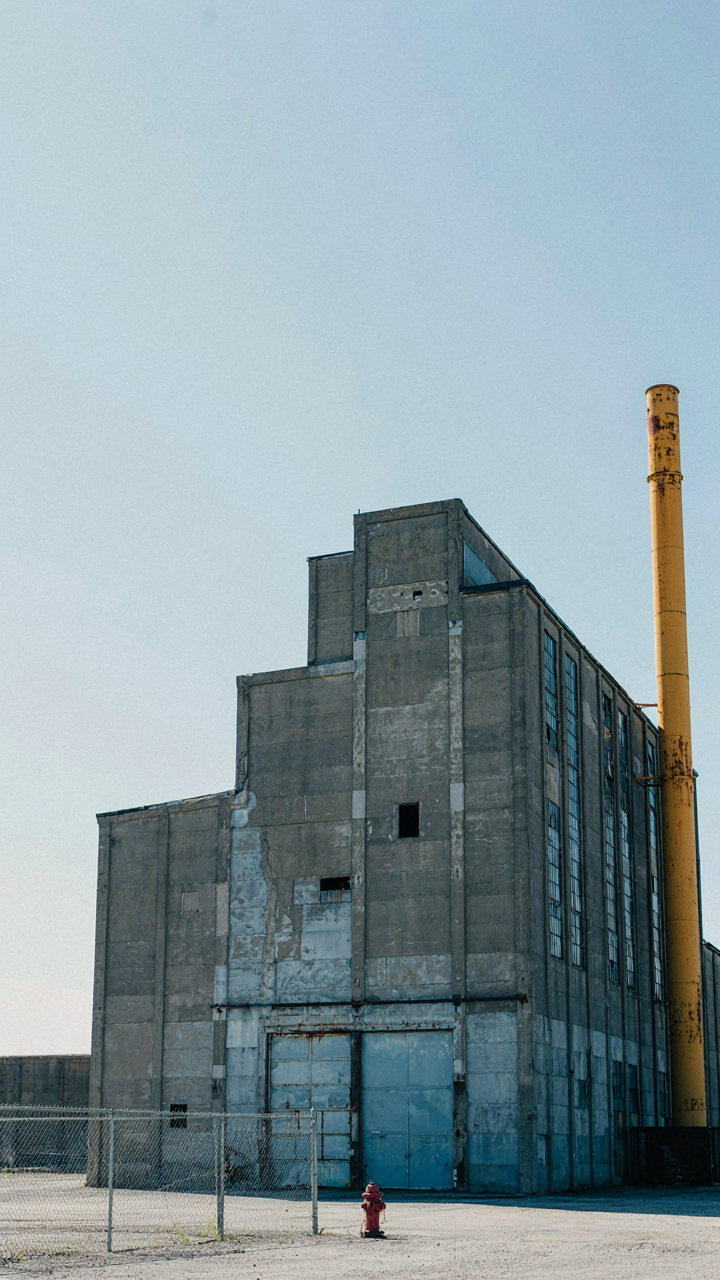
The American South, Rust Belt corridors, and high desert towns offer this. Marfa, Texas has the Donald Judd minimalist art context that shapes light differently than natural landscapes. Abandoned industrial zones in Gary, Indiana or Gary, Pennsylvania present raw geometry without the crowds of Moab. The Northeast’s post-industrial waterfronts—places like Bethlehem Steel in Pennsylvania—have visual density that demands specificity. You’re not hunting for new places; you’re recognizing that regions other photographers skip contain stronger compositional elements than they chase.
The Work, Not The Destination
Most photography advice tells you to chase light and weather. That’s incomplete. The real variable is access to authentic human activity, not staged moments for the camera. A fishing village in Beaufort, North Carolina gives you recurring daily structures: boat departures, net work, market rhythms. You photograph the same location across weeks and build a narrative. Compare this to hiking to a waterfall once and calling it done.
Local stories require time investment photographers typically won’t make. You spend three days in a single town, return to the same locations at different hours, and recognize patterns outsiders miss. The protocol: identify a town with an active working economy (fishing, farming, manufacturing), commit to five to seven days minimum, shoot the same subject across different conditions, and let repetition reveal the story. This builds a coherent body of work instead of a scrapbook.
Bosnia Travel: A Masterclass In Human Storytelling

Where Conflict Becomes Visual Currency
You want to photograph something that matters, something that separates your work from the endless scroll of postcard imagery. Bosnia delivers that, but not because it’s exotic. The mechanism is simple: contested spaces force complexity into every frame. You can’t photograph a bombed building without confronting the weight of what happened there. That weight translates into narrative density that prettier destinations simply don’t offer. The country’s architecture, scarred and rebuilt, becomes a visual record of human decision-making at scale.
Bosnia operates like a document of cause and effect. The Austro-Hungarian facades in Sarajevo’s old town stand alongside 1990s bullet holes and modern reconstruction. A single street corner contains three competing historical claims made physical. This compression of context into visible space is what separates compelling documentary work from tourism photography. You’re not inventing meaning. The meaning is already embedded in the urban landscape, waiting for a photographer with the clarity to see it.
The Business Of Bearing Witness
Most advice on conflict photography misses the central point: you’re not there to rescue narratives or expose injustice for social credit. You’re there because the visual information is unavoidably honest. The resilience framing is lazy. What matters is that Sarajevo’s neighborhoods, Mostar’s reconstruction, and rural village economies operate despite structural damage that most places never recover from. Documenting how people function within constraint produces stronger work than chasing emotional moments.
Practical execution: shoot the ordinary. A butcher shop operating in a building with shrapnel scars. A wedding photo studio in a Sarajevo basement. School playgrounds where children navigate both rubble and development. These mundane scenes, anchored in real conditions, generate the visual tension that stops viewers cold. The mechanism is contrast without sentimentality. You capture the system of daily life reasserting itself against permanent reminders of disruption. That’s where the story actually lives.
Places To See In Europe: The “Ecosystem Of Vision” Method

How Locations Interact Photographically
You want to know which European cities will make your portfolio look credible without admitting you’re chasing the same shots everyone else posts. The real mechanism is ecological succession—borrowed from biology, it describes how environments evolve through predictable stages. European destinations don’t work in isolation. They function as visual systems where light patterns, architectural density, and seasonal rhythms create conditions that either amplify or kill your best work.
Most photography guides treat cities as image vending machines: hit the Eiffel Tower, shoot Venice’s canals, move on. That misses the actual value. The destinations that produce your strongest images aren’t the ones with the most famous landmarks. They’re the ones where visual elements compound—where morning light in one district connects to architectural texture in another, where your lens can move through a coherent visual argument instead of jumping between unrelated scenes.
Shooting Across Connected Visual Patterns
The common advice is to maximize time in one city. Wrong. Your constraint isn’t time in a location—it’s depth of visual connection. Barcelona’s Gothic Quarter connects to its modernista districts through color and material progression. Prague’s medieval core relates to its art nouveau blocks through proportion and shadow quality. When you move between these zones, you’re not switching subjects. You’re exploring how a single visual system expresses itself across scale and era.
This requires planning around visual ecology, not tourist infrastructure. Identify the dominant light direction in your chosen region, then map which districts capture that light at different times of day. Shoot interconnected visual elements, not isolated shots. Your portfolio gains coherence not from polishing individual frames but from proving you understand how one environment feeds another. Before booking, research how a city’s neighborhoods physically relate—proximity, material shifts, light patterns—then plan shoot sequences that cross those thresholds deliberately.
Travel Destinations With Old Bridges: Architectural Echoes Of Time
Why Old Bridges Matter More Than You Think
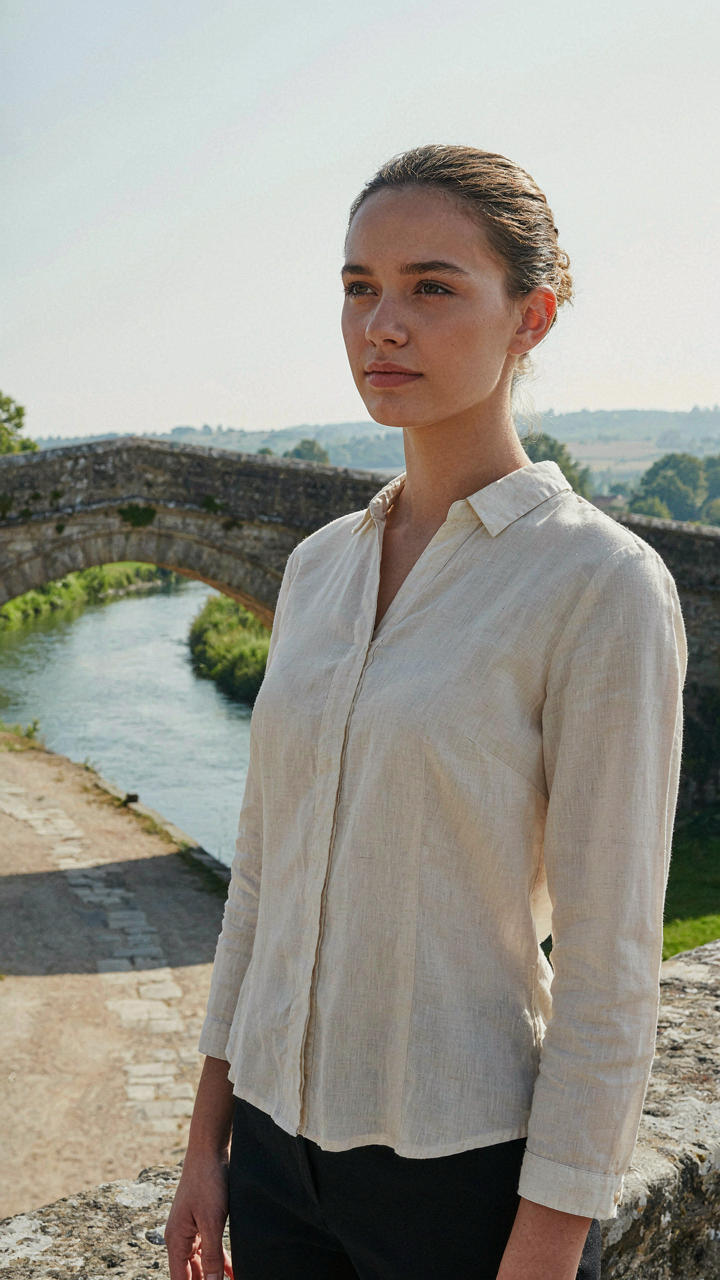
You want to photograph something nobody else has figured out how to see yet. That’s the real reason bridges interest you—not nostalgia, but competitive advantage in a saturated market. Historical bridges work because they compress time visually. A single frame contains material decisions made centuries ago: stone versus iron, load-bearing versus suspension, the engineer’s actual constraints versus modern shortcuts. The mechanism is simple: old bridges force you to think about why they exist, not just how they look.
Bridges are narrative architecture. They solve problems that mattered enough to build for permanence. Stone bridges in Europe carry the weight of geology and labor costs. Iron bridges carry the Industrial Revolution’s confidence in calculation. Suspension bridges carry the ego of their era. When you photograph a bridge, you’re not documenting a structure—you’re capturing the problem it solved and the solution the builder chose. That’s the material difference between a snapshot and an image with depth.
Composition Through Structural Lines
Borrowing from engineering, every bridge operates on the principle of load path: force travels through the structure along specific routes, and those routes become your visual framework. Your lens follows the same principle. The voussoirs of a stone arch create radial lines that pull the viewer’s eye inward. The cables of a suspension bridge create tension lines that generate motion even in a still image. The parallel rails of an iron bridge create repetition that either strengthens depth or flattens the plane depending on your angle.
- Stone Arches (Roman, Medieval): Concentric lines create natural depth. Shoot from downstream or at oblique angles to emphasize the arch’s weight and the water’s relationship to the structure. Low light reveals mortar patterns and surface texture.
- Iron Lattice Bridges (19th Century): Geometric patterns dominate. Position yourself to capture the grid against negative space or sky. Cross-lighting emphasizes joint connections and material thickness. Detail shots of rivets and connections tell stories of assembly.
- Suspension Bridges (20th Century): Cables create leading lines. Shoot cables converging toward towers rather than running parallel to the deck. Dawn or dusk lighting separates cables from sky. Include the bridge’s scale by framing pedestrians or vehicles below.
- Cantilever Bridges: Asymmetrical balance creates visual tension. Frame the offset support arms to emphasize the engineering innovation. Side angles show how weight transfers outward before being anchored back. Morning light from the side reveals structural depth.
- Truss Bridges (Covered or Open): Interior triangulation creates rhythm and pattern. Shoot through the structure rather than at it. Converging lines of timber or metal members push depth into the frame. Reflections in water below multiply geometric interest.
Execution matters more than location. Most photographers shoot bridges from the same approaches: head-on from a distance, or walking the length and shooting the span. The real images happen when you shoot the bridge’s relationship to its surroundings—the water’s flow, the approach roads converging, the human scale against the arch. Scout the location at different times to see how light moves across the structure’s faces. Build your shot list around structural elements first, then light conditions second.
Beautiful Cities: The “Psychogeography” Lens
How Cities Trigger Different Eyes
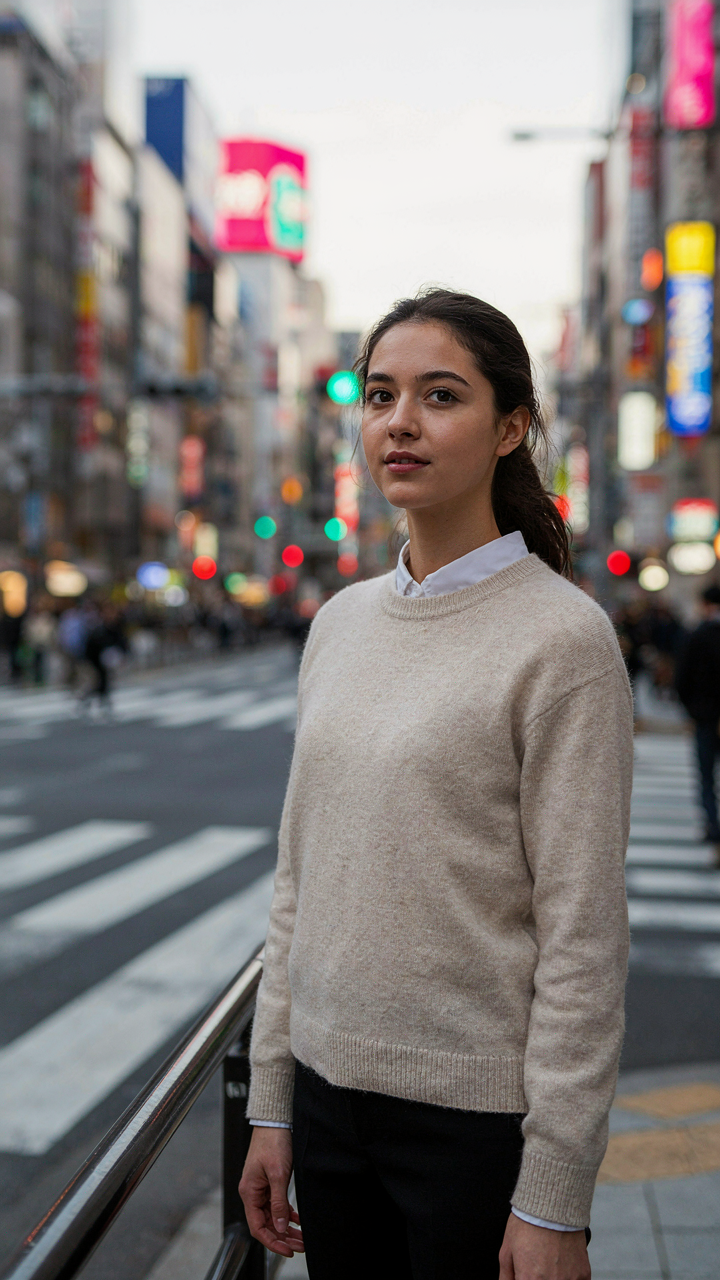
You want permission to photograph places without guilt, without the pressure of finding the “right” angle everyone else already shot. That’s the real motive here. Psychogeography—borrowed from urban theory—maps emotional response onto physical space. A city isn’t neutral terrain. It’s a system of emotional triggers. Barcelona’s Gothic Quarter triggers differently than Tokyo’s Shibuya because the architecture, density, and historical weight activate different visual instincts in your eye.
The mechanism is simple: cities with layered history give you more emotional coordinates to shoot from. Berlin’s divided architecture, Prague’s medieval compression, Istanbul’s collision of continents—these aren’t prettier than generic modern cities. They’re denser in meaning. Your camera responds to constraint and contrast, not beauty. When a city forces you to navigate visual contradiction, you make sharper decisions about what to photograph and why.
Mapping Your Subjective Route Through Space
Most photography advice tells you to “get lost” in a city and “follow your instincts.” That’s incomplete. You don’t randomly wander. You identify a specific emotional or visual tension first, then use the city as a testing ground for that tension. Paris’s consistent Haussmann geometry creates one psychological state; Naples’s chaotic density creates another. Neither is objectively better. One matches your visual thesis, the other doesn’t.
The protocol: pick a city based on one specific visual or emotional contrast you want to explore, not because it’s famous for photography. Research what that tension looks like in practice. Then spend time in one neighborhood, not bouncing between landmarks. You’ll photograph deeper when you’re solving a specific visual problem the place presents, rather than collecting generic shots of famous buildings.
The Real Obstacle Isn’t The Location, It’s Your Lens; Master The Seeing, Not The Seeking

You don’t need Iceland or Japan to become a real photographer. You need to stop waiting for the perfect backdrop to justify picking up the camera. Most photographers chase locations when they should chase problems to solve with light. Pick one neighborhood you know well. Shoot it for thirty days straight. Watch how your eye sharpens. Watch how ordinary becomes extraordinary when you actually pay attention. The best destination for photography lovers isn’t a place. It’s the moment you stop looking for permission and start looking at what’s already in front of you.