
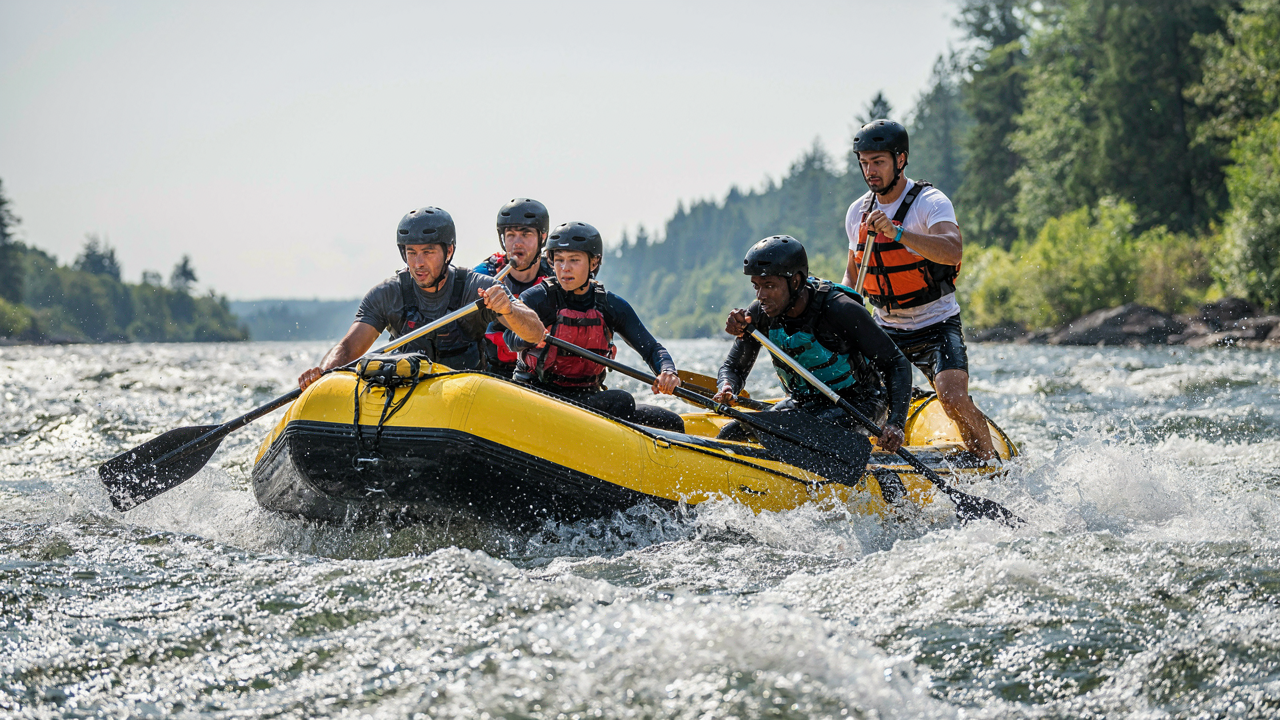
The Compatibility Crucible: Why Shared Struggle Trumps Shared Thrills
When Pressure Reveals Who They Actually Are
You want to know if this person is actually compatible with you without wasting another year finding out they panic under stress or blame you when things go wrong. That’s the real question hiding beneath the romantic notion of “adventure together.” Here’s the mechanism: psychology calls it stress inoculation, and adventure sports compress months of normal relationship friction into hours. When your partner is tired, scared, or failing at something difficult, their defense systems drop. You see their actual decision-making, not their performed self.
Rock climbing, whitewater kayaking, and mountaineering force real-time communication under load. There’s no time for ego or passive aggression when one person controls whether the other gets hurt. A climbing partner must give clear instructions, listen precisely, and admit when they’re wrong or out of their depth. These aren’t soft skills that sound good in conversation. They’re observable, repeatable behaviors that predict how someone will handle actual conflict at home.
How Pressure Changes What You Know

Attraction and compatibility are different things, and most couples never test the gap between them. Under pressure, you stop performing. Your partner stops performing. You both see the baseline version of each other, without the effort or pretense. Whitewater rafting, tandem skydiving, and backcountry skiing all strip away the persona quickly because the stakes are real and immediate.
The mechanism isn’t psychological warmth or shared adrenaline highs. It’s the loss of plausible deniability. When someone freezes during a difficult rappel, you learn whether they respond to panic with humor, blame, logic, or shutdown. When someone struggles with their breathing during a high-altitude hike, you learn whether they ask for help or hide it. When someone makes a mistake that nearly costs you both, you see if they own it or rewrite the story. These patterns don’t change once you’re back home.

The “Stress Test” Protocol: Selecting Activities That Reveal Character
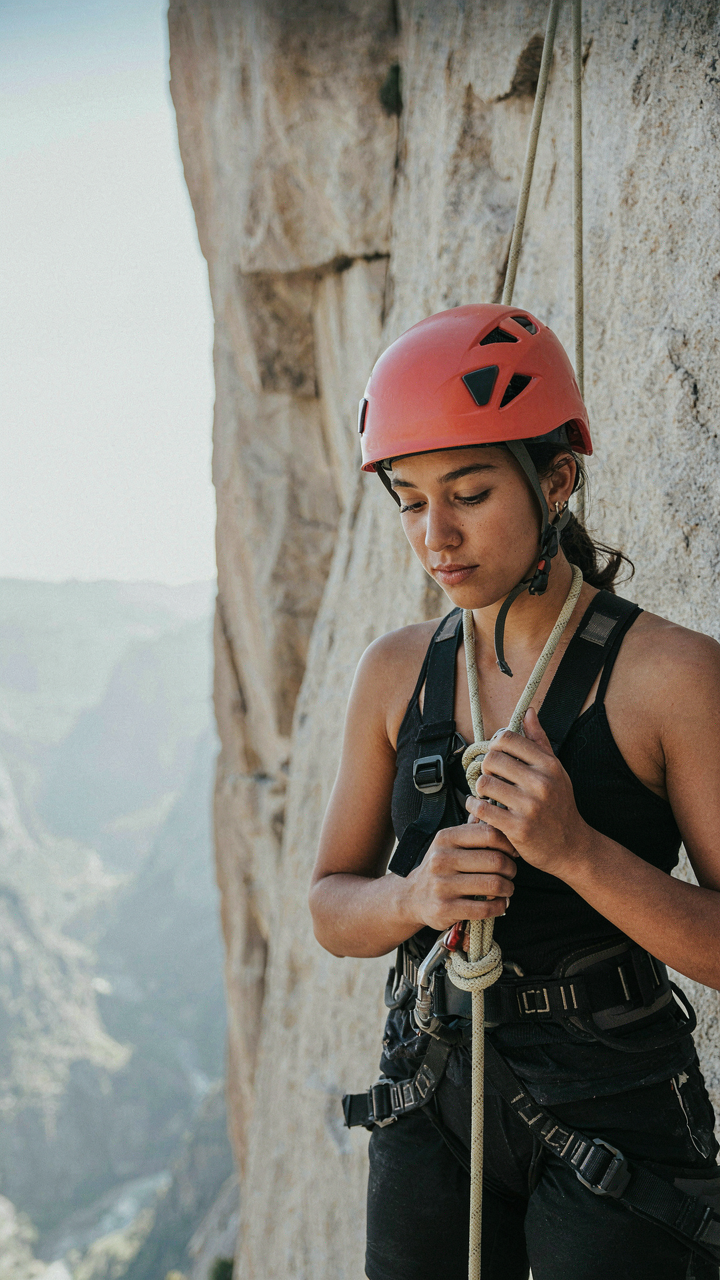
Physical And Mental Thresholds Aren’t The Same Thing
You want to know if your partner will stay calm when things go wrong. That’s the real reason you’re reading this section. The mechanism is simple: shared physical capacity tells you nothing about how someone behaves under pressure. Two people can summit a mountain together and learn completely different things about each other depending on what breaks first—their legs or their patience.
Most couples pick activities based on what sounds fun or impressive. Wrong move. You need to stress-test the gap between your partner’s fitness level and their mental resilience. Rock climbing exposes this gap fast. One person might have the grip strength to climb but panic on a 60-foot wall. The other might be weaker but mentally composed. These aren’t problems to solve before the trip—they’re data points to collect. Know the difference between “can’t do it” and “won’t do it without support,” because one means you need a different activity and the other means you’ve found your actual partnership dynamic.
Joint Problem Solving Under Load
Pressurized environments demand decisions, not just execution. Take the framework from mountaineering: load-bearing capacity applies to communication too. When you’re rope-partnered on a via ferrata or navigating a rapid in a tandem kayak, one person’s freeze becomes both people’s problem. The activity forces a real-time feedback loop that your normal life doesn’t create.
Whitewater kayaking in tandem boats, climbing with belay systems, or canyoneering all require micro-decisions that impact both parties immediately. Your partner can’t disappear into their phone or check out mentally—the river, the rock, the canyon requires active participation from both of you simultaneously. Run this test before committing to shared long-term projects. After a two-hour whitewater trip together, you’ll know more about how your partner handles disagreement under stress than six months of normal conversation would teach you. Pick the activity, observe the decisions, adjust your expectations.
Navigating The Unknown: A Military Strategy For Couple Adventures
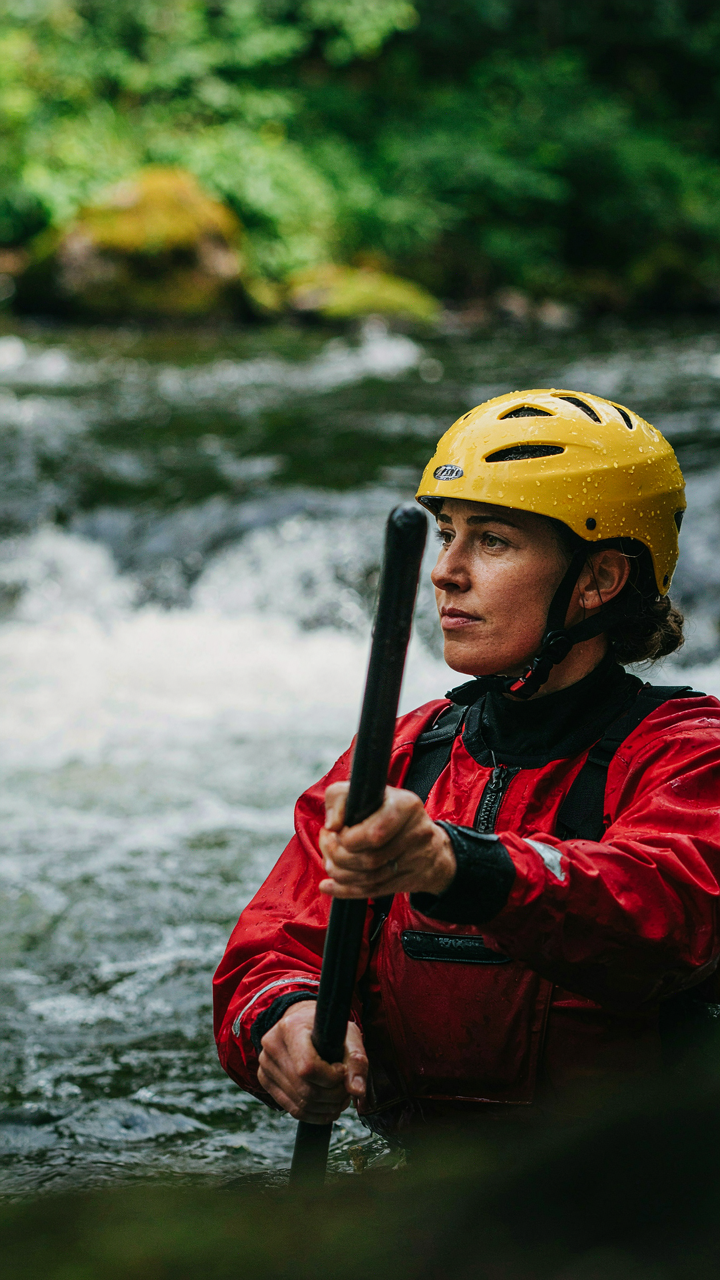
Pre Mission Briefing
You want this section because you’re afraid one of you will get hurt and you’ll blame yourself. The military borrowed a term from medicine: triage. In couples adventure sports, triage means deciding in advance which problems you can solve together and which ones require external help. Most couples skip this step and improvise when adrenaline is high, which is exactly when judgment fails.
Map out three things before you leave: injury severity thresholds that trigger a rescue call, who takes point in different scenarios, and what each person carries. Kayaking and rock climbing demand different emergency protocols. Kayaking needs swift water rescue knowledge and a communication plan for separated paddlers. Rock climbing needs anchor redundancy checks and a spotter who knows when to call for help versus when to manage a minor slip. Write these down. Do not rely on discussing it once.
Adaptive Leadership In The Field
Leadership isn’t a fixed role. It’s a function that transfers based on immediate demands. When your partner panics on a via ferrata, the logical person leads. When exhaustion hits on a backcountry ski tour, the fresher person takes navigation. Common advice says “one person leads the whole trip.” That’s incomplete thinking. The person best suited for each micro decision should make it.
Establish a signal system before emergencies. A specific word or hand gesture means “I need to lead this moment.” No ego. No negotiation. Couples fail at this because they confuse leadership with control. Kite surfing and mountaineering both punish slow decision making. The mechanism is simple: pre agree on role switching, practice it during low stress moments, then execute it when the situation demands a change.
The Myth Of Equal Skill: Leveraging Asymmetry For Stronger Bonds

When One Partner Carries The Load
You want to believe you and your partner are matched. That’s the fear talking. In economics, this is called comparative advantage: two agents with different capabilities produce more value together than separately. Rock climbing exposes this immediately. One partner has grip strength. The other has footwork. One belays while the other climbs. The asymmetry isn’t a problem to solve—it’s the entire mechanism that forces communication and dependency.
Most couples advice says find activities where you’re equally skilled. That’s backwards. Equal skill breeds complacency and invisible resentment when one person plateaus faster. Unequal skill forces explicit negotiation. The stronger climber learns to pace. The weaker one learns to lead. You can’t pretend the gap doesn’t exist, so you address it directly instead of letting it corrode you over five years.
Building Trust Through Calculated Vulnerability
Vulnerability without structure is just whining. In adventure sports, vulnerability has guardrails. You’re literally dependent on your partner’s technical competence—not their feelings about you. Whitewater kayaking forces this. The lead paddler navigates. The support paddler catches you if you flip. You trust the mechanics, not the sentiment. That distinction matters.
The reciprocal support protocol works because it rotates pressure. Today you’re weak on a certain climb section. Tomorrow your partner struggles on a different route. You both experience being held and being the holder. This builds asymmetrical dependency that reverses regularly. After six months, you’ve swapped roles enough times that you stop keeping score. The partnership becomes the unit, not the individuals within it.
Beyond The Photo Op: Documenting Growth, Not Just Scenery

The Obstacle, Not The Summit
You want proof the trip mattered. That’s the real driver here. The summit photo feels hollow because it doesn’t show what you actually did together. Here’s the mechanism: your brain doesn’t encode static moments as relationship capital. It encodes difficulty overcome. Rock climbing, whitewater kayaking, mountaineering—these sports create natural obstacle sequences. The camera should follow the struggle: the failed attempt, the coaching moment, the breakthrough. That’s the footage your memory actually files under “we grew closer.”
The distinction matters in sports like backcountry skiing or ice climbing where progression is visible across single sessions. You’re not chasing the edited highlight. You’re capturing the micro-moment where one partner talks the other through fear, or where coordination actually improves mid-adventure. Neurologically, this becomes shared adversity data. Your brain categorizes it differently than vacation scenery. That’s the mechanism you can leverage.
Tallying Wins Together
Common advice says “just reminisce about it later.” That’s incomplete. Reflection requires structure, or it dissolves into generic nostalgia within weeks. Think of it like a financial ledger: without itemization, you can’t see where actual value accumulated. After rock climbing sessions, kayaking trips, or mountaineering outings, do a deliberate audit. Identify the specific moment where one partner demonstrated capability the other hadn’t seen before. Name the technical skill you both improved. These become relationship compound interest entries.
Document one win per adventure session in writing, not just memory. A shared notes app works. “Sarah led the crux pitch without hesitation today” or “We read the whitewater together and made the right line call.” This isn’t journaling. It’s inventory. Over months, couples reviewing this list see a pattern of mutual growth they’d otherwise miss. The mechanism isn’t sentimental. It’s evidence building. That evidence becomes the foundation for trust in future challenges, both on and off the mountain.
Adventure Honeymoon Destinations: More Than Just Romance, It’s Resilience
Locations That Force Real Collaboration
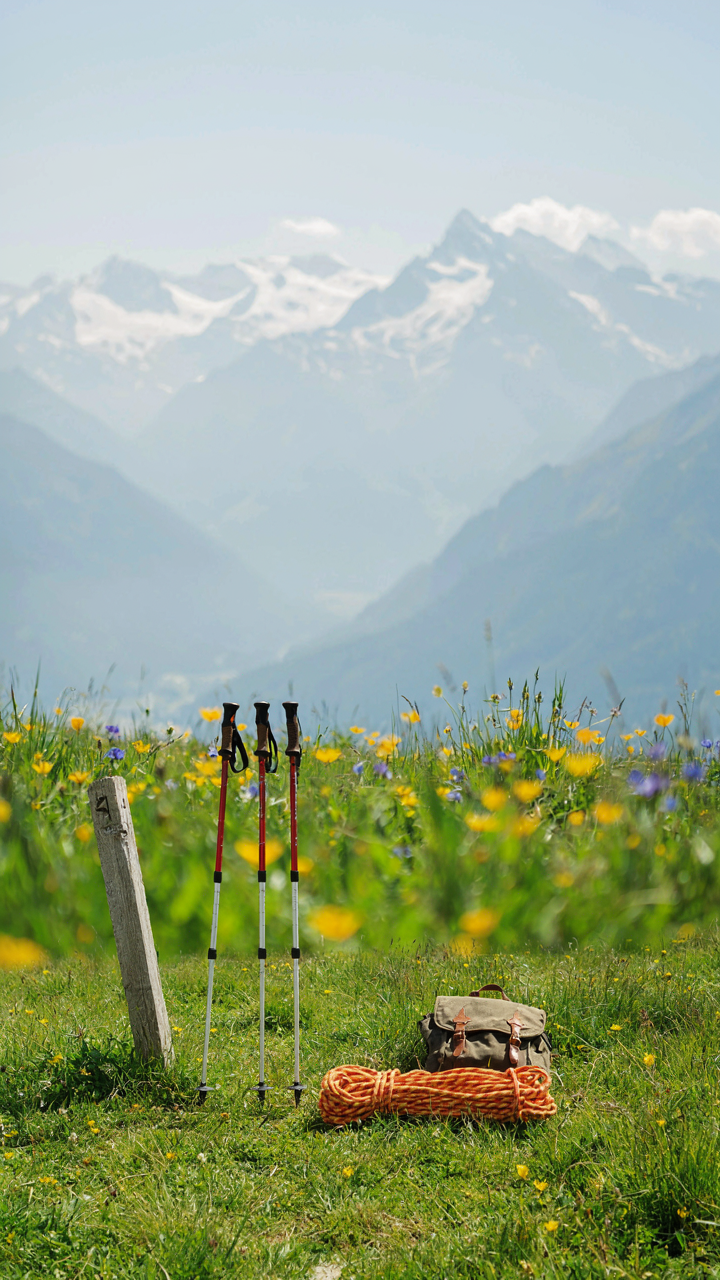
You want the Instagram moment where you both look capable. But what you actually need is a place where you can’t fake it. The mechanism is constraint. When your environment removes the option to coast or defer, couples either synchronize or expose their friction early. Choose destinations where the sport itself demands constant communication, weight distribution, and real-time problem solving. Whitewater rivers, alpine climbing routes, and multi-pitch rock formations do this naturally. The location isn’t the reward. The location is the filter that reveals whether you two actually work.
Terrain matters more than scenery. A granite wall in Moab forces you to read your partner’s body position and adjust. A calm lake with kayaks doesn’t. Seek places where the technical demand is high enough that you can’t autopilot through conversation. Iceland’s glacier hiking, the Alps for climbing, New Zealand’s canyoning regions, and Peru’s climbing zones all have one thing in common: they’re geographically designed to punish inattention. The partner who leads on pitch one learns to follow on pitch two. Asymmetry becomes visible, discussable, and fixable before you’re back at base camp.
Itineraries That Build Shared Wins
Most couples plan days around activities and call it done. That’s lazy design. Structure your itinerary like a progression system in a game: difficulty escalates, but early wins compound. Day one should be demanding but achievable. You both summit, you both recover, you both talk about what worked. Day two goes harder. By day four, you’re not thinking about whether you can do it. You’re thinking about how you two function under stress together.
The concrete move is this: plan three separate days of sport, each one escalating in technical or physical demand, with full recovery days between them. On the high-demand day, you’ll discover how you communicate when exhausted. On the recovery day, you’ll talk about it without adrenaline clouding judgment. Do this sequence in the same location to remove logistical variables. A climber who learns their partner’s fear response on day one modulates their own risk tolerance by day three. That’s not romance. That’s data you can build a life on.
Adventure Trips For Couples: The Post Trip Integration

When You Return Home, The Real Work Starts
You want the trip to “change everything” without actually changing anything. That’s the real problem here. The mechanism is simple: adrenaline creates neural plasticity, meaning your brain is temporarily rewired during intense shared experience. But that rewiring decays within weeks if you don’t encode it into actual behavior. Most couples treat the trip like a vacation—compartmentalized, then forgotten. Instead, you need to extract the specific communication patterns that emerged under pressure and deliberately repeat them in low-stakes contexts.
During rock climbing or whitewater rafting, you communicated without ego because survival demanded it. You gave feedback directly. You admitted fear. You celebrated small wins. These aren’t magical trip behaviors—they’re just what happens when stakes are real and distraction is impossible. The work after the trip is identifying which of these patterns transfer to your regular environment, then building systems to repeat them. Pick one pattern from the trip. Document it. Schedule a weekly 20-minute conversation where you practice that one thing in a controlled setting.
Building Rituals From What You Learned
The common advice here is to “stay connected to the experience” or “relive the memories together.” That’s vague and useless. What actually works is translating specific moments into repeatable protocols. Did you solve a navigation problem together while hiking? Create a monthly planning session where you approach a household or life decision using the same framework you used on the trail. Did you push past fear while paragliding? Schedule a quarterly “fear audit” where you each name one thing you’re avoiding, then commit to addressing it together.
The pattern matters more than the activity. If your trip forced you to communicate under time pressure, replicate that constraint at home through structured check-ins with a timer. If it required you to trust each other’s competence, find opportunities outside the trip to rely on each other’s expertise and acknowledge it explicitly. Your Couples Vision Board should reflect not just where you want to go next, but which relational skills you’re actively strengthening. This isn’t about nostalgia—it’s about deliberately engineering the conditions that made the trip work, then maintaining them year-round through systematic repetition.
Your Couples Vision Board: Translating Experiences Into Quarterly Goals
You’ve now gathered data. A couples vision board isn’t a mood board. It’s a tracker that maps adventure experience directly onto relationship development and future trips. This is where you operationalize what you learned. Use these categories to structure your board.
- Communication Breakthroughs: Document specific moments when you communicated better than usual. Example: efficient problem-solving during a climbing route change. Add this to your board as a skill to practice monthly.
- Vulnerabilities You Revealed: List fears or doubts that emerged during the trip. Use your board to track quarterly progress on addressing one vulnerability per quarter together.
- Trust Moments: Identify specific instances when one partner relied on the other’s judgment or skill. Assign these as monthly exercises where you replicate that dynamic in different contexts.
- Physical Capacity Gains: Track improvements in fitness or skill level you achieved during training and the trip. Set quarterly benchmarks for maintaining or advancing these capabilities.
- Next Adventure Criteria: Based on what worked this trip, define specific conditions your next trip must meet. Include location type, difficulty level, and duration rather than vague aspirations.
The board forces specificity. Instead of “we want to be closer,” you write “we communicated under pressure better when we established roles beforehand, so we’ll practice role-clarity in one household decision monthly.” Your next adventure isn’t selected randomly—it’s chosen because it will develop a particular skill or dynamic you identified as needing work. Review the board quarterly. Replace completed items. Add new ones based on what hasn’t been addressed yet. This keeps the trip alive as an ongoing investment rather than a memory that fades.
Beyond The Buzzwords: Real Couples Adventures
Activities That Crack Your Actual Limits
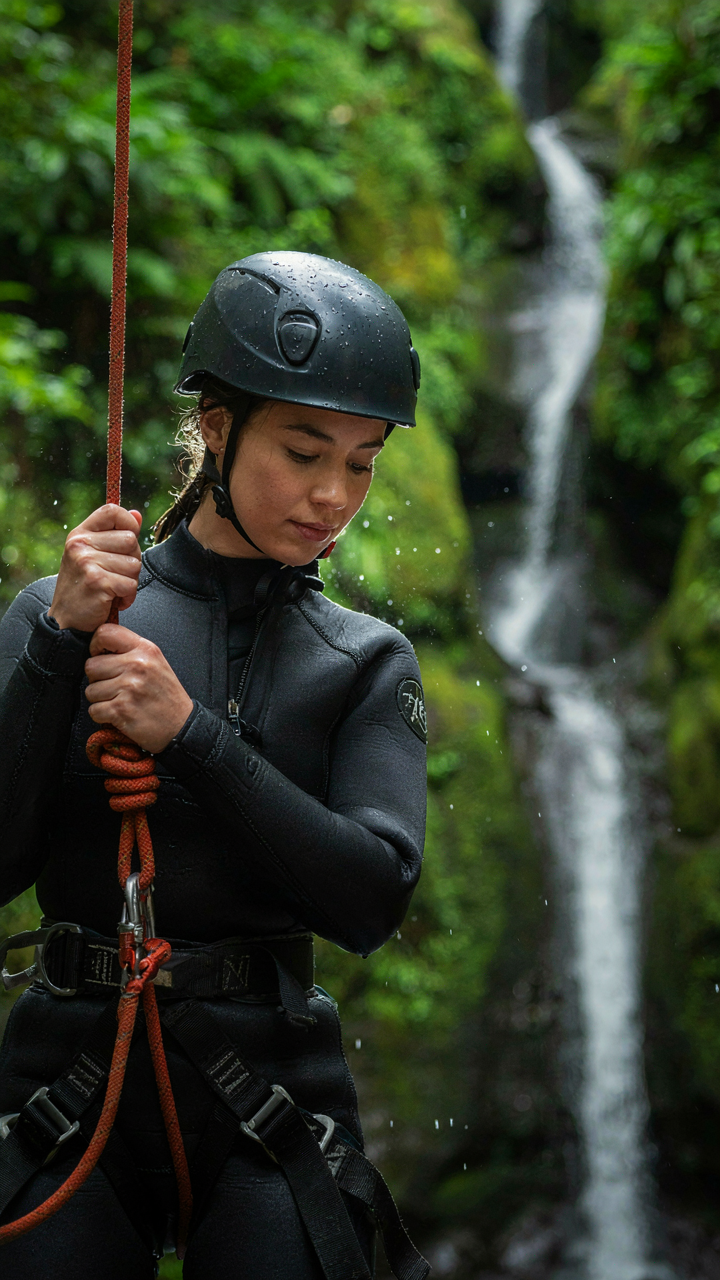
You want to feel like the couple who does hard things. That status hunger is real, but it’s also useless unless you pick activities that actually force you past your current operating system. Most couples pick adventures based on Instagram optics, not on what genuinely expands their capability. The mechanism is simple: growth only happens at the edge of your competence, not at the edge of the postcard. Whitewater rafting class III feels epic until you realize you’re paddling in formation with forty other people. Rock climbing, skydiving, backcountry skiing, mountaineering, and multi-day kayaking trips demand real skill acquisition and create real vulnerability. You can’t fake your way through a belay or a rappel with your partner watching. That’s the point.
Picking the right activity means identifying what scares you both individually, then finding the sport where that fear becomes fuel rather than paralysis. If heights terrify one of you, alpine climbing forces a genuine reckoning. If water makes you anxious, multi-day sea kayaking in exposed conditions demands you build competence incrementally. Don’t pick something trendy. Pick something that requires both of you to develop new neural pathways under stress. That’s where couples actually connect beyond surface talk. The activity becomes the forcing function for honesty, trust, and mutual respect.
The Engagement Matters More Than The Summit
Climbers summit and forget the climb. Couples who chase summits miss the actual architecture of the experience. Process obsession beats outcome chasing because the process is where two people either synchronize or fracture. Kayaking a remote river corridor forces constant micro-decisions about line selection, paddle timing, and communication. Climbing a multi-pitch rock face requires repeated vulnerability checks and trust recalibration on every rope length. The summit or finish line is thirty seconds. The engagement is five hours or five days. Most adventure marketing sells you the destination. The real value lives in the decision-making pressure that forces you and your partner to operate as a functional unit.
Engagement deepens when both of you commit to mastering the technical and psychological demands of the activity itself. This means training together before the trip, not showing up cold. This means establishing shared decision-making protocols on the water or mountain so you’re not learning communication patterns during high-stress moments. Multi-day backpacking trips test this harder than day hikes because fatigue compounds every disagreement. The couple that practices route-finding decisions, load management, and pace negotiation before they’re exhausted will have fundamentally different experiences than the couple that wings it. Before you book the adventure, commit to the unglamorous skill-building that makes the adventure itself less about survival and more about genuine partnership. Build the discipline first. The adventure validates it.
Your Greatest Adventure Isn’t A Destination; It’s The Person Beside You Navigating The Unexpected

Most couples pick activities based on Instagram potential. That’s backwards. Pick sports that force you to trust each other under pressure. Rock climbing, whitewater rafting, surfing together, paragliding as a tandem. These aren’t about the view. They’re about communicating when your heart rate spikes and fear tries to take the wheel. Text your partner right now with one sport you’ve both secretly wanted to try. Then book it before your brain talks you out of it. The couples who survive the biggest obstacles together don’t do it on flat terrain.