
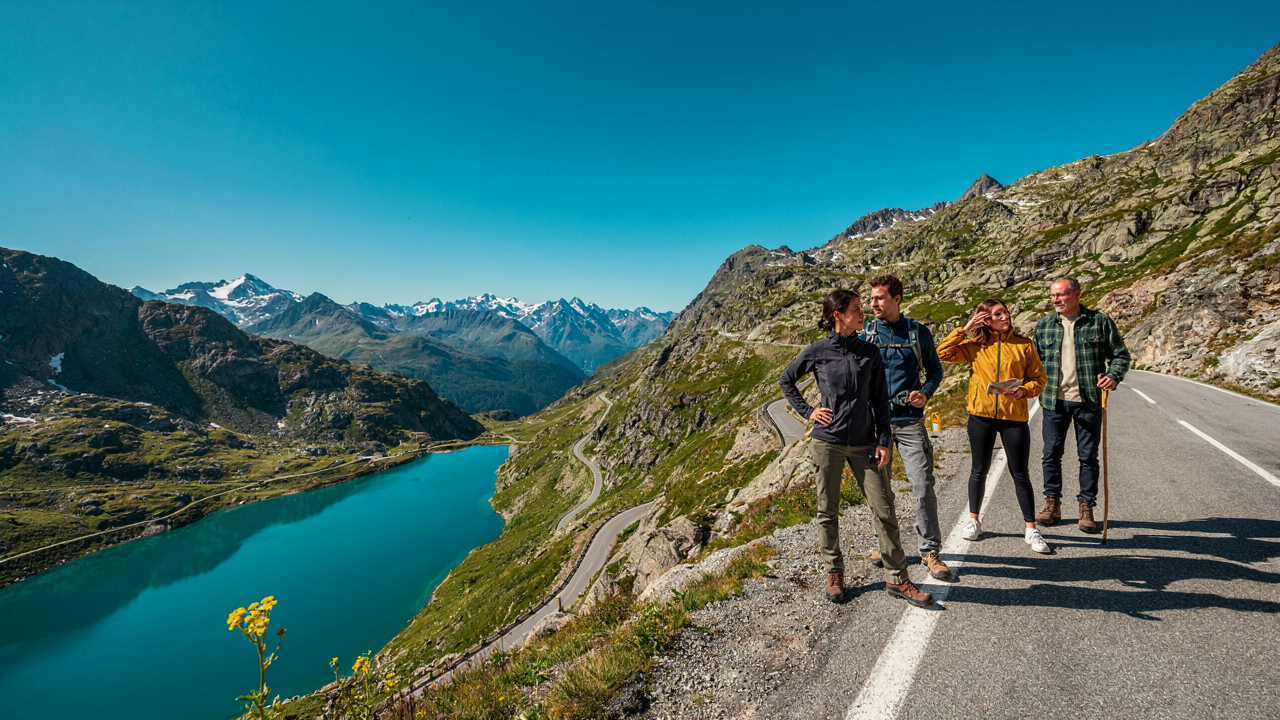
The Myth Of The “Best” Destination: Why Your Instagram Is Lying
The Algorithm Filters Reality
You want permission to go somewhere that matters, somewhere people will recognize as legitimate. That’s the real question underneath this one. Instagram and TikTok don’t show you destinations. They show you the 3% of moments that compress into six seconds. The algorithm rewards visual density, not actual experience. A cliff jump in Acapulco gets 500k views. The unglamorous six-month progression that makes you competent at rock climbing gets none. Platforms systematize what’s filmable, not what’s valuable.
This creates a feedback loop where destinations get selected based on aesthetic intensity rather than conditions or progression logic. Interlaken trends because it photographs like a movie set. The conditions there are good, but they’re not unique. What’s unique is that every influencer already filmed there, so the algorithm learned to boost it. You’re not choosing based on merit. You’re choosing based on what won already.
Intensity As Currency For External Validation

Marketing psychology calls this “signal value” – the concept that you pick an action because others will recognize and judge it. You don’t actually want to base jump. You want the story of having base jumped. The jump itself is just the proof. This mechanism transforms every destination into a status instrument rather than a place to develop a skill.
The real cost of chasing extreme for optics is invisible until you’re injured or broke. A heli-skiing trip to the Bugaboos costs twelve thousand dollars. Scoring good snow there improves your skiing marginally compared to a season pass somewhere accessible. The difference is the narrative density. You can film it. You can name-drop it. You can build identity around it. That’s the product you’re actually buying, not the powder.

Adventure As A Skill, Not A Location: The Competence Imperative

Know Your Current Ceiling
You want to believe a plane ticket solves the problem. It doesn’t. The real issue is that most people confuse destination prestige with personal readiness, then wonder why they hate themselves on day three of a trip they overpaid for. Skill matching works like load bearing in structural engineering: exceed the limit and the system fails catastrophically, not gracefully. Your current ability determines which environments will test you productively versus which will humiliate or kill you.
Chamonix demands Alpine rock and ice experience before you summit. Interlaken’s via ferrata routes scale from beginner to expert. You pick the wrong one, and you’re either bored or buried. The destination doesn’t care about your Instagram followers. Map your actual competence first: rock grades, water rapids, altitude tolerance, technical certifications. Then match destinations to that ceiling, not the ceiling you want people to think you have.
Pushing Without Breaking
Progressive overload isn’t trendy advice for gyms. It’s the only framework that keeps you alive in adventure sports. You add five percent difficulty each outing, not fifty. The Dolomites’ climbing progression exists for reason: grades build systematically from Via Ferrata routes into serious rock. Ignore the progression and you skip straight to a funeral.
Real advancement tracks measurable increments: one grade harder on rock, one class higher on water, one thousand meters more altitude. Keep a log of what you completed and what broke you. The next destination gets selected from that data, not from what your friends posted. This is how expeditions to places like Patagonia or the Himalayas actually get completed by people who live to tell it.
The Cognitive Mapping Protocol: Calibrating Risk And Reward

Where Tourist Infrastructure Masks Real Danger
You want reassurance that you’re picking a destination where you won’t die. That’s the real reason you’re reading this. The mechanism underneath is that tourist traps commodify risk by layering commercial infrastructure over genuinely hazardous terrain, creating the illusion of safety without delivering it. A climbing wall bolted into limestone near Interlaken with a gift shop nearby feels controlled. It isn’t the same as alpine climbing in the same region where conditions shift hourly and rescue takes days.
The common advice says “check certifications and guides.” That’s incomplete. What you actually need is to separate infrastructure density from actual risk mitigation. Crowded destinations like Queenstown, New Zealand, or Chamonix, France, have excellent guides and equipment, but they also have crowds amplifying objective hazards: avalanche paths don’t care about your guide’s credentials, and rockfall doesn’t wait for a permit. The distinction that matters is whether the infrastructure addresses the specific hazard or just manages liability. A certified whitewater guide on the Zambezi River means something different than a certified guide on a resort’s managed rapid section.
Depth Versus Consumption Speed
Experience design in adventure sports splits two ways: you can chase novelty or build mastery. Novelty destinations optimize for throughput. Mastery destinations force repetition. The economics of adventure tourism heavily favor novelty, so most marketed destinations are built around it. You fly in, do the activity once or twice, consume the story, leave. That’s efficient for operators and cameras but it’s shallow for you.
Real reward optimization looks like this: identify one terrain type or discipline, then stack your visits across seasons and years at the same location. Rock climbers who return to Patagonia five times develop relationship with specific formations. Mountain bikers who session the same trails in Whistler or Moab for weeks build skills that don’t transfer from a resort day pass. The protocol is this: before booking, decide whether you’re there to consume or to learn. If you’re learning, book longer, book fewer destinations, and book the same place twice. That’s where the actual advantage compounds.
Beyond The Bungy Jump: Curating True Thrill Experiences And Activities
What Actually Triggers Peak Experience
You want to feel alive again because your normal life doesn’t demand anything from you. Peak experience isn’t about the activity itself—it’s about operating at the edge of your capability. Psychology calls this flow state: the point where challenge matches skill exactly. Too easy and you’re bored. Too hard and you panic. Adventure destinations work because they force this calibration. Chamonix demands rope skills. The Amazon demands navigation under uncertainty. Interlaken demands commitment. You can’t fake the stakes.
The mechanism is simple: your brain only generates the neurochemical cocktail of fulfillment when you’re genuinely uncertain of the outcome. This is why Instagram videos of other people’s climbs don’t satisfy. You’re not risking anything. Real thrill requires real uncertainty. The best destinations don’t sell experiences—they sell conditions where you can’t coast. Your nervous system knows the difference immediately.
Build Your Story, Not Their Script
Most adventure travelers follow the predetermined route because it’s marketed to them. That’s not curation—that’s consumption. Real narrative building means identifying what skill gap you want to close and choosing the destination that forces closure. Patagonia’s ice climbing teaches vertical movement in unpredictable terrain. Morocco’s Atlas trekking teaches navigation at altitude. Norway’s fjord kayaking teaches water management under exposure. The story isn’t “I went there”—it’s “I became someone who can do this.”
Start by naming the specific fear or limitation you’re addressing, then reverse-engineer the destination from that. Don’t pick Nepal because everyone goes. Pick it because you need to test yourself at 6000 meters. Don’t pick Costa Rica because the marketing is slick. Pick it because you need to move through canopy or learn rope work. The destination becomes a tool for identity construction, not a checkbox.
Logistics As Leverage: The Expeditionary Mindset
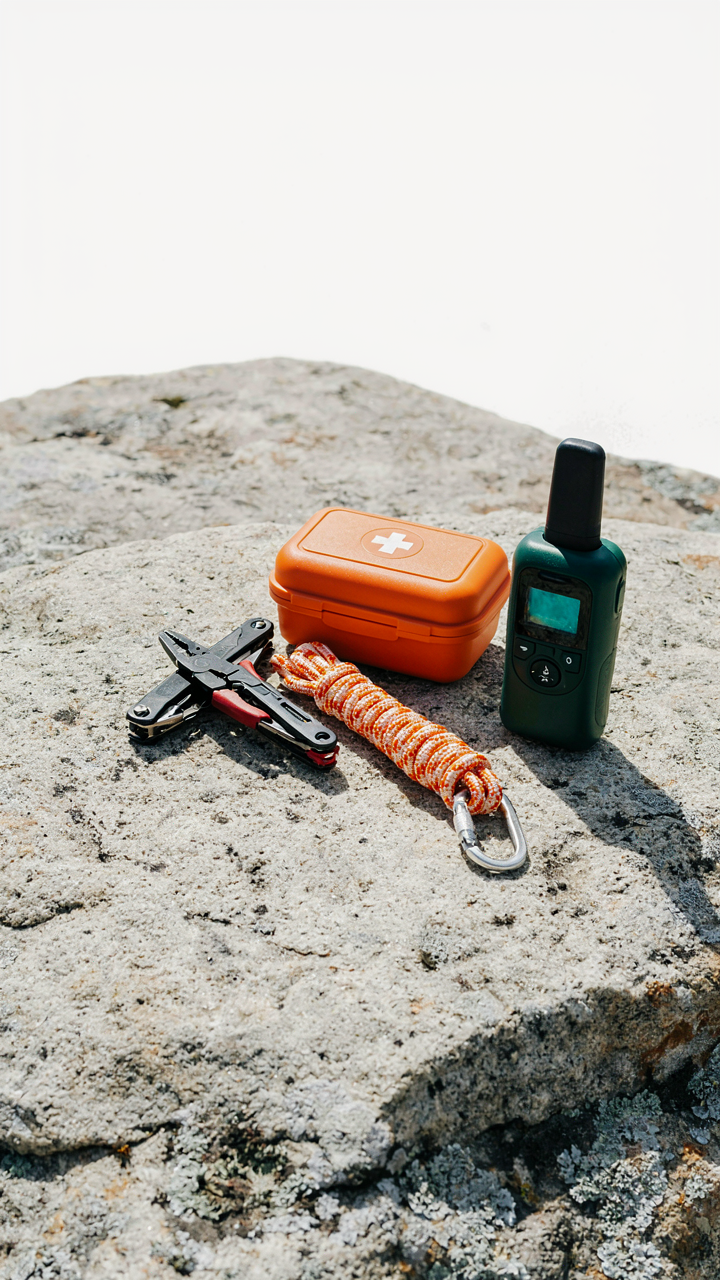
Planning For Contingencies
You want to feel like you’ve got control before you step into chaos. Here’s the mechanism: military logistics doctrine treats contingency planning as the difference between a mission abort and mission success. Apply this to adventure sports destinations—your “supply line” is everything between you and a rescue scenario.
The common advice is to pack a first aid kit and check the weather. That’s surface level. Real contingency planning means mapping three failure points specific to each destination. At Chamonix, altitude sickness and whiteout conditions aren’t equal threats—one kills slow, one kills fast. At Interlaken, weather windows for jumping compress to hours. At Moab, dehydration compounds injury response. Identify which failure mode dominates your chosen sport and location, then build your contingency around it.
Resource Allocation And Adaptability
Adaptability means spending resources where they have the highest failure prevention return. You don’t carry the same gear to the Atacama as you do to the Black Forest because the failure modes differ. This is resource allocation thinking from economics—capital flows to the constraint, not to comfort.
Most climbers bring identical packs to every destination. The mistake: treating gear as fixed rather than fluid. At high-altitude destinations like Denali or Elbrus, you frontload oxygen and communication redundancy. At technical rock destinations like Railay or El Capitan, you allocate for precision hardware and rope systems. At sea-level destinations like the Mentawai Islands, your contingency budget shifts to fast evacuation capacity and backup boards. Map your specific constraint first, then build your gear and timeline around it.
Unpacking “Bucket List Activities”: The Shallow Pursuit Of Novelty

The Reason Your Bucket List Dies
You want proof you lived. That’s the real reason you care about checking boxes at famous destinations, and the mechanism behind why most bucket lists fail is simple: novelty wears off the moment you arrive. You fly to Chamonix, hike Mont Blanc, post the photo, and move to the next destination. The activity itself becomes secondary to the story you tell afterward. This isn’t adventuring. It’s collecting evidence of adventure without doing the work that makes adventure meaningful.
The problem compounds because bucket lists treat all experiences as interchangeable. You can skydive in Dubai, New Zealand, or Switzerland, and the sensation is identical. The location becomes decoration. Real adventurers skip the checklist entirely and spend six months in one place mastering a discipline. They base camp in Moab for extended rock climbing seasons, not weekend trips. They live in Chamonix for a winter, not visit it twice. The depth of engagement determines what you retain and become, not the number of stamps in your passport.
From Consumption To Competence
Applying a concept from skill acquisition, adventure destinations function like training grounds, not tourist sites. You build competence through repetition and progressive challenge, not exposure. Someone who climbs the same rock face monthly gains practical knowledge that translates across terrain. Someone who climbs a different face in a different country monthly gains stories that fade. The mechanism is straightforward: repeated practice in a specific environment creates neural adaptation and confidence. One-off experiences create memories and nothing else.
Transform novelty into mastery by committing to a single discipline in a single location for at least one season. Pick Interlaken for ice climbing and spend a winter there. Pick Oahu’s North Shore for big wave surfing and live there through the season. Pick Squamish for sport climbing and base yourself there for months. You stop being a tourist collecting experiences and start being a practitioner building skill. The destination becomes your gymnasium, not your photo backdrop. This is where adventure becomes real and where destinations reveal what they’re actually good for teaching.
The Global Playground: Unconventional Spots For True Explorers
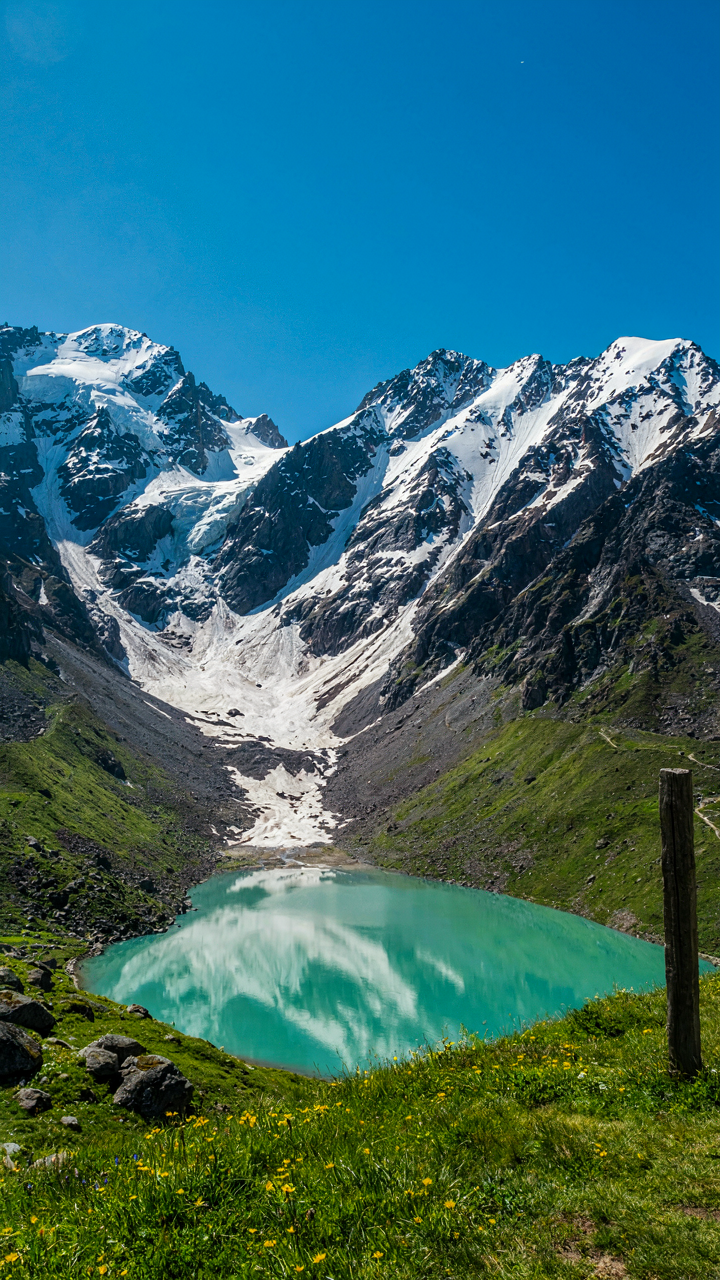
Places Most Tourists Miss
You want to tell people you’ve been somewhere they haven’t, which means you’re actually just chasing the inverse of the crowd instead of real adventure. The mechanism is simple: popularity in adventure sports follows a lag. Mainstream destinations get saturated five to ten years after their infrastructure peaks. The smart move is identifying regions where conditions are objectively superior but logistics haven’t caught up yet.
Most guides point to the same five countries on repeat. The real advantage lives in places with world-class terrain, established local guides, and zero Instagram saturation. These destinations offer better conditions, lower costs, and actual solitude. You need to research regional geography, not travel blogs.
- Georgia (Caucasus): Combines steep ski terrain, alpine climbing, and technical rock within 50 miles. Soviet-era infrastructure means cheap lodging near high-grade routes. Winter access is short, which keeps crowds minimal.
- Northern Pakistan (Karakoram): Home to K2 and dozens of technical peaks under 7,000 meters. Porter costs and logistics remain a fraction of Nepal. Mountain roads are rough, which filters casual tourists entirely.
- Tajikistan (Panj River Corridor): Afghan border trek with minimal regulations and pristine high-altitude terrain. Few Western operators work here, so you negotiate directly with local guides. Political stability has improved; infrastructure hasn’t followed.
- Mongolia (Khangai Mountains): Rock climbing, mountaineering, and horseback trekking without permits or quotas. Cold climbing season (late August through September) draws serious athletes only. Western booking infrastructure is nearly nonexistent.
- Albania (Accursed Mountains): Alpine climbing and technical trekking in the Balkans. Routes rival the Dolomites with zero lift infrastructure. Local guides work for 40 percent of European rates.
The pattern across all five is identical: proven terrain, available local expertise, and zero tourism machinery. You book directly with guides or small operators, not tour companies. Your advantage expires the moment a major outfitter opens an office.
The Real Reason Obscure Beats Obvious
Most advice tells you to “research local conditions” and “talk to guides,” which is true but useless. The actual mechanism is supply and demand applied to experience density. When a destination becomes famous, operators multiply, which means guide quality fragments. Beginners pay the same price as advanced climbers, so operators staff for the median client, not the expert.
Unconventional destinations operate the opposite way. Fewer guides means tighter selection and higher baseline competence. A climber running a small operation in Georgia knows rock at 4,000 meters better than a guide coordinator at a major company who staffs fifty routes across three countries. You get matched with specialists instead of shuffled into a group. Start by finding where locals climb or ski, not where foreigners go. That single data point eliminates ninety percent of tourist traps.
Investing In Your Edge: Gear, Training, And Mental Fortitude
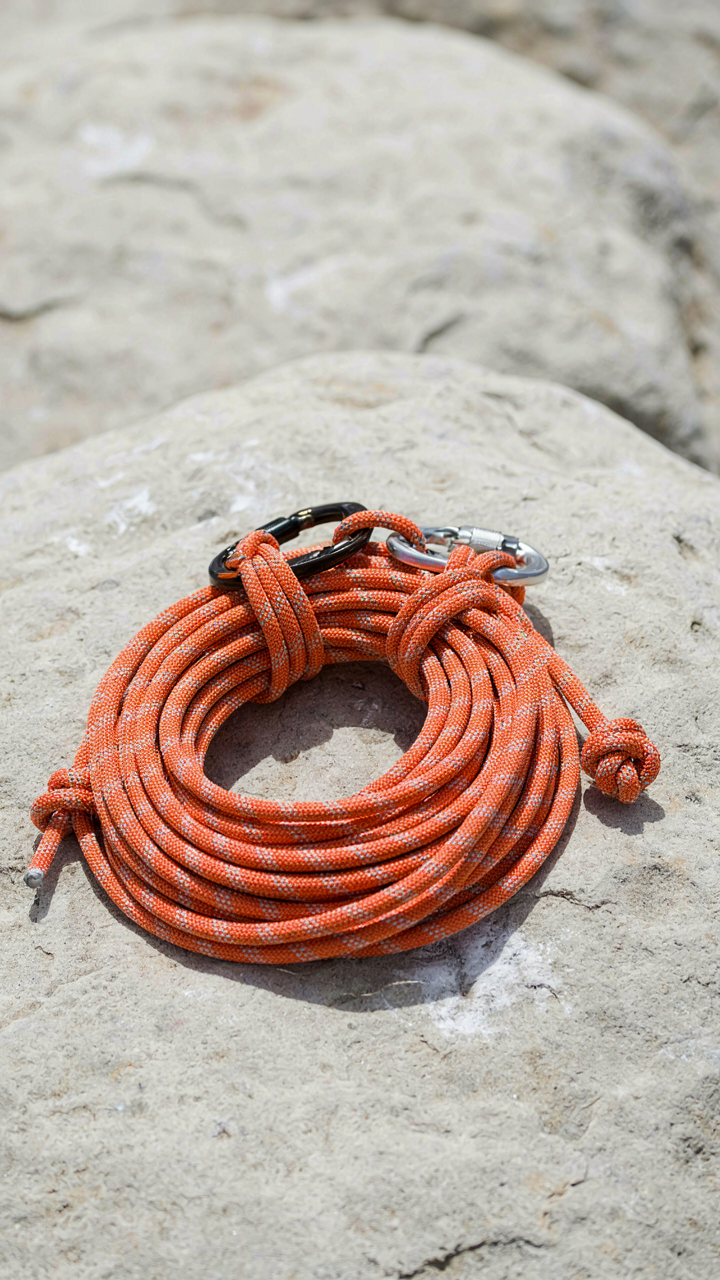
Cheap Gear Costs More Than Money
You’re hoping gear doesn’t matter so you can start cheap and upgrade later. It does matter, and that math is backwards. Climbing ropes degrade under UV exposure and repeated falls. Kayak hulls crack. Bike frames fail. At destinations like Chamonix or the Dolomites, equipment failure isn’t a setback—it’s a rescue operation. One helicopter extraction costs more than a decade of quality gear.
The false economy assumes you’ll outgrow beginner equipment. You won’t. You’ll develop bad habits around its limitations, then spend months unlearning them. Buy gear rated for conditions beyond what you’ll face. A harness rated for 22 kN still works for recreational climbing at 8 kN, but one rated for 8 kN fails when you actually need it. The cost premium between entry-level and professional-grade equipment at most destinations runs 30 to 50 percent. One accident erases that savings immediately.
Resilience Is Trained, Not Discovered
Adapting to thin air or cold water follows the same principle as stress inoculation in military training: expose yourself to manageable doses of the stressor before facing the real environment. Your nervous system needs rehearsal. Climbers who train in gyms for months still panic their first time on real rock because the stimulus is unfamiliar, not because they lack strength.
Mental fortitude at places like Everest Base Camp or Moab’s desert heat isn’t about willpower. It’s about protocol. Pre-acclimatization routines, sleep schedules that counter jet lag, and caloric intake that prevents bonking all reduce the cognitive load on decision-making when fatigue hits. Document your baseline performance at sea level, then measure the same metrics after 48 hours in altitude. When you see the data shift, you know the environment is working. Adjust your schedule accordingly. Your mind stays clearer because your body isn’t fighting invisible battles.
Post Adventure Integration: Extracting Value, Not Just Photos

What You Actually Learned
You want proof the trip mattered. You need to justify the expense and time to yourself because part of you suspects you wasted both on experience rather than outcome. Here’s the mechanism: adventure destinations force decision-making under real constraints. Unlike controlled environments, climbing in Patagonia or navigating whitewater in New Zealand demands you process incomplete information, manage fear response, and commit to irreversible actions. That’s a skill. The rock doesn’t care about your hesitation. You either climb or you don’t.
Document what changed in your decision process during the trip, not the scenery. Did you notice when you defaulted to comfort versus when you pushed past it? Did you recognize the exact moment fear became a data point instead of a stop sign? These aren’t metaphors. They’re neurological shifts that transferred from the mountain to your actual life. Write them down within 48 hours of returning. Memory degrades fast. Specificity matters more than volume.
Translating Risk Assessment To Real Problems
Economics uses the term “risk premium” to describe what you demand in return for uncertainty. Adventure destinations teach you to price risk correctly because the stakes are immediate and visible. Climbing a pitch you’ve never done before in Moab teaches risk calibration better than any business case study because you feel the difference between calculated and reckless in your nervous system.
The transfer mechanism is simple: you now recognize when you’re overestimating risk in low-stakes environments. Email confrontation feels manageable after you’ve rappelled down a canyon. Salary negotiation looks like a problem you can solve when you’ve managed rope systems and technical decisions under pressure. The specific skill isn’t climbing or kayaking. It’s accurate threat assessment under incomplete information. Apply this framework to your next three major decisions and document what changes in your choice and timing.
The Adventure Dividend: Compounding Experiences For A Richer Life
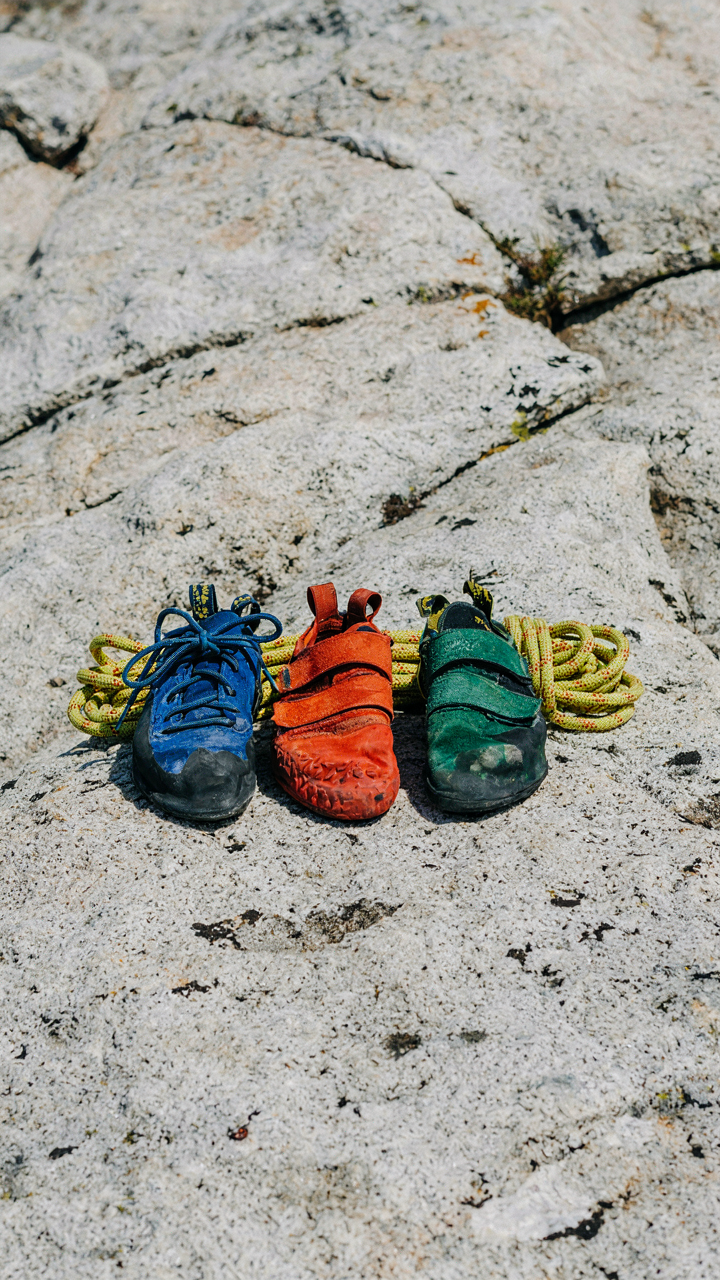
Skills Stack Faster Than You Think
You’re reading this because you want permission to feel like your life means something. Here’s the mechanism: every adventure sport teaches you a transferable skill that compounds into the next one. Climbing teaches risk assessment. Mountaineering teaches decision-making under fatigue. Kayaking teaches reading systems. Each destination forces you to internalize something permanent about how you operate under pressure. This isn’t motivational fluff. It’s how expertise actually builds.
Think of it through the lens of economics: diminishing returns. First trip to Chamonix costs you enormous mental energy to manage fear and logistics. Fifth trip costs less because you’ve already learned the pattern. You move faster through the learning curve each time. The real payoff happens when you stack destinations strategically. Go to Peru for altitude training, then Thailand for heat and humidity training, then Iceland for cold and wind. You’re not collecting passport stamps. You’re building a repertoire of responses your nervous system can access under stress.
Friction Becomes Your Filter
The common advice says “travel more, try everything, stay flexible.” That’s how you end up scattered and broke. Real progression requires friction. You pick a destination type and go back until the place stops teaching you. Patagonia’s wind patterns. The Dolomites’ rock quality. Moab’s heat cycles. When you know the variables, you can stop reacting and start optimizing. You’ve moved from tourist to practitioner. That shift is invisible to people who chase novelty.
The mechanism is simple: repetition reveals the system. First time in a location, you’re fighting logistics and novelty. Second time, you can focus on technique. Third time, you start solving hard problems instead of basic ones. This is why elite climbers, skiers, and kayakers have home terrain they return to obsessively. They’ve already paid the friction tax. Now they collect the dividend. Pick one destination type per year and commit to two trips. Watch what changes between visit one and visit two.
The Real Obstacle Isn’t The Map; It’s Your Underdeveloped Internal Compass
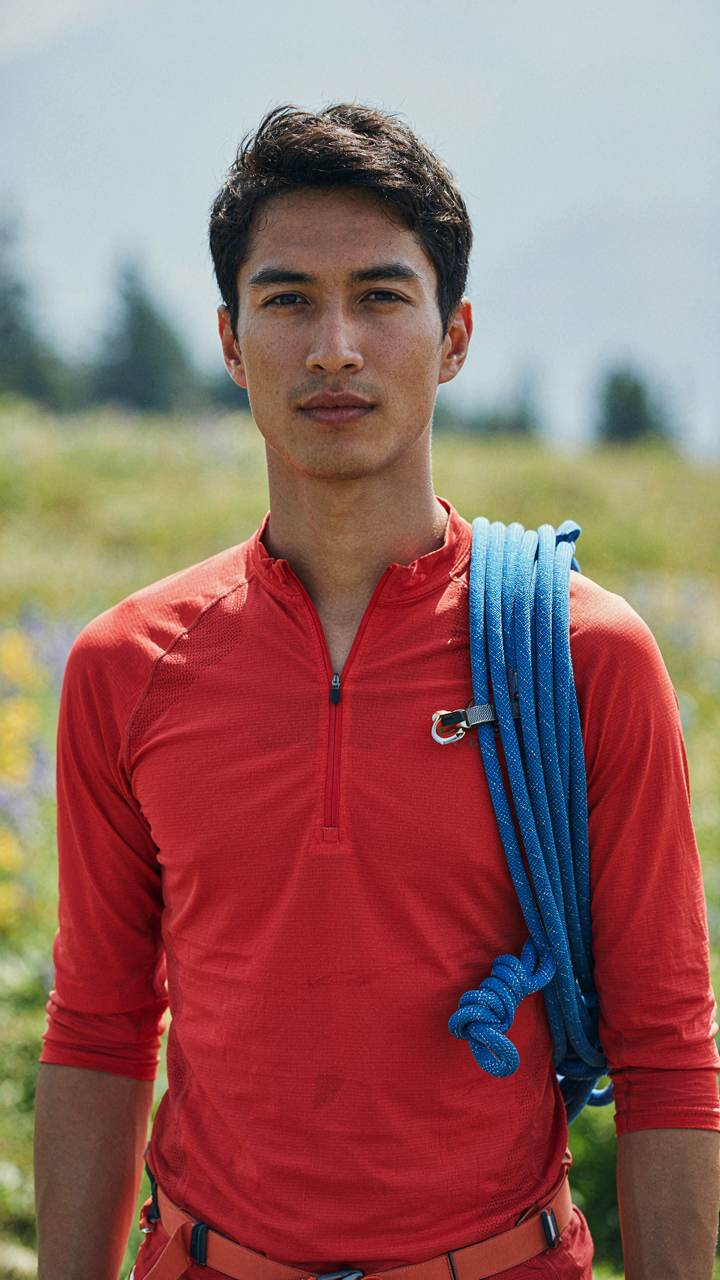
You’ve read about Chamonix, Moab, and the Philippines. You know where to go. What you don’t know is why you’re hesitating. The best adventure sports destinations don’t transform you. You do. Stop researching and book a trip for sixty days from now. Non-negotiable. The only destination that matters is the one you actually show up to.