
Introduction
Choosing between beach yoga retreats and studio classes requires understanding their differences in cost, experience, and benefits. Each offers distinct environments that can shape your yoga journey. Beach yoga retreats immerse you in nature, while studio classes offer controlled settings and structured programs.
This article compares the costs and advantages of both options. We explore what to expect, how each can impact your practice, and how to decide which suits your needs and budget. Let’s start by looking at the unique features and benefits that beach yoga brings to your practice.
Benefits of Beach Yoga


What Makes Beach Yoga Unique
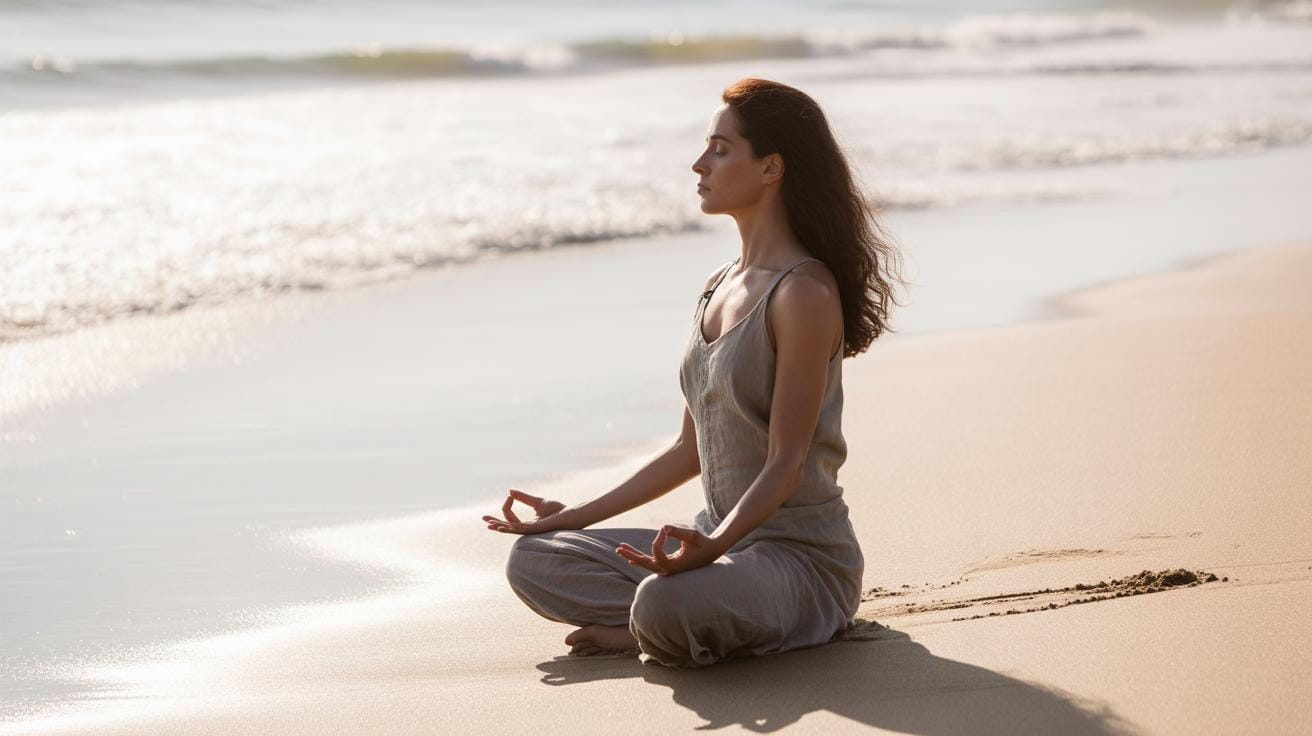
Yoga on the beach feels different—almost like it’s alive in a way studio classes can’t quite match. The sand under your feet isn’t just a surface; it shifts and moves, forcing subtle adjustments with every pose. This unevenness challenges your muscles and balance more than the flat, predictable studio floor. It’s a bit frustrating at times, but also rewarding when you find your footing.

The natural environment adds layers too. Feel the sun’s warmth and catch its occasional cool sea breeze—it’s a constant dance of temperature and texture. Then there’s the sound of waves breaking nearby. It’s not just background noise; it seems to set the pace for your breath, almost pulling you into a deeper rhythm.
All these elements combined create a sensory experience that’s hard to replicate indoors. It’s a setting where your body and mind are subtly pushed to respond differently. You might notice small shifts in how poses feel, and sometimes that unpredictability sparks moments of genuine connection. Does that make it inherently better? Maybe not for everyone, but it adds a unique dimension.
Health Benefits of Yoga by the Sea
Practicing yoga by the ocean brings distinct benefits. The cleaner, salt-tinged air can help open your lungs in ways room air might not. Many find their breathing deepens naturally, almost without effort, during a beach session. It’s not just the fresh air—it’s the way it mixes with the calming sound of water, nudging your nervous system toward relaxation.
Stress reduction is frequently mentioned by those who try beach yoga. There’s something about being surrounded by vast open space and natural elements that encourages a mental reset. Sometimes, mid-pose, a gentle gust or the ebb of the tide can distract you—but rather than breaking focus, it often brings a new kind of mindfulness.
Physically, practicing on sand can improve muscle engagement, especially in your feet, ankles, and core, because your body compensates for the shifting ground beneath you. The extra challenge can enhance stability and proprioception over time. You might leave a class feeling more grounded, even if your legs are a bit more tired than usual.
Comparing Retreats and Studio Classes
Retreat Experience Overview
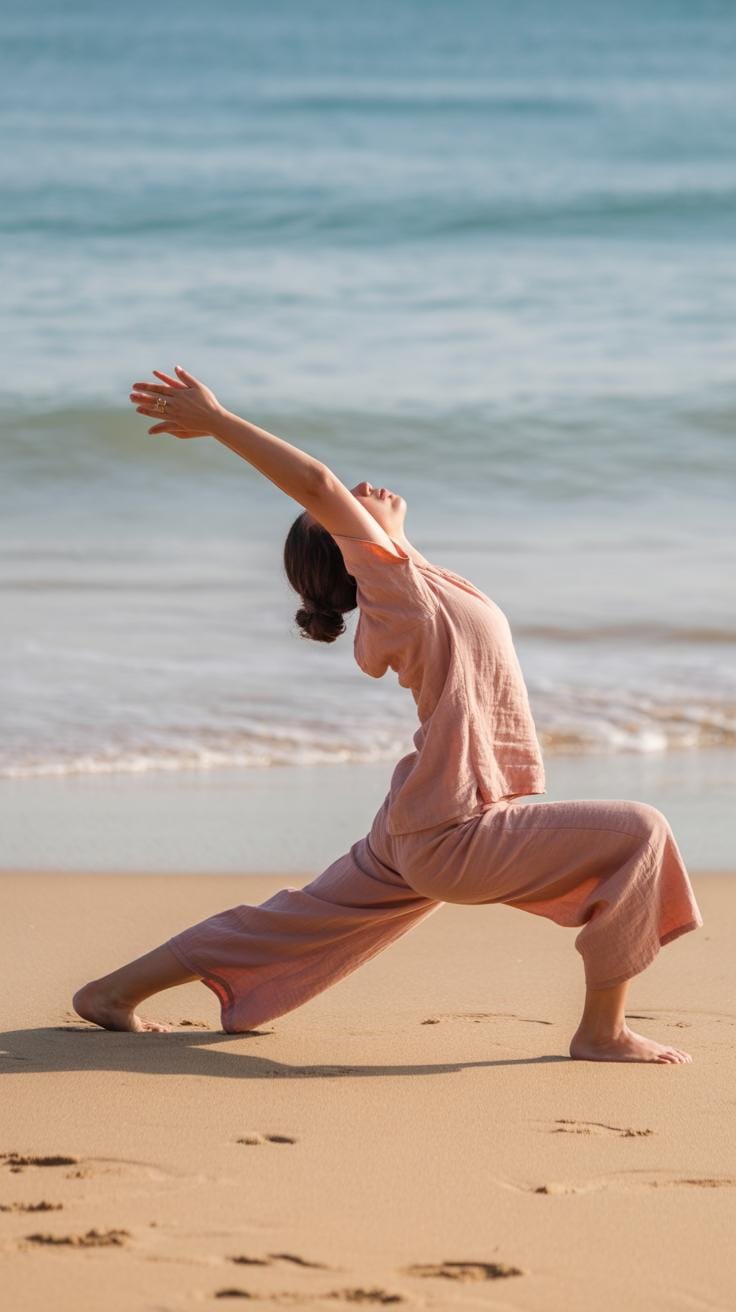
Beach yoga retreats tend to offer a more immersive experience than studio classes. You can expect a blend of yoga sessions with other activities like meditation, nature walks, or workshops focusing on wellness. The schedule is usually full but flexible enough to enjoy the surroundings without feeling rushed. Group sizes are often kept small, which helps build a sense of community and allows for more personalized attention from instructors. Many participants find this combination refreshes both body and mind in ways that regular classes might not.
Of course, not every retreat is the same—some lean more toward luxury, others focus on simplicity. But generally, you’re signing up for a few days of intentional living, away from daily distractions.
Studio Class Structure
Studio classes usually follow a fixed schedule—say, 60 to 90 minutes per session, once or twice a week. The variety of yoga styles in studios can be broad, ranging from beginner-friendly hatha to faster-paced vinyasa or even specialized forms like yin or prenatal yoga. Typically, instructors guide the group through a planned sequence, paying attention to alignment and offering modifications.
Because studios cater to local communities, classes often feel more like a regular routine. You can drop in as needed or sign up for a series, but the environment might lack the novelty or deeper connection a retreat offers. Still, studios are more accessible for most people and usually more affordable.
Cost Breakdown for Beach Retreats

Accommodation and Travel Expenses
When you think about attending a beach yoga retreat, lodging usually takes up a big chunk of the budget. Prices vary widely depending on the location and type of accommodation—simple shared rooms might cost anywhere from $50 to $150 per night, while private bungalows or boutique hotels can push that well over $300. Sometimes, those pricier places include meals and amenities that could save you money later, but not always.
Travel expenses are another piece of the puzzle. Flights to popular beach destinations might be affordable if you book early, but last-minute tickets can surprise you with higher costs. Don’t forget transportation from the airport to your retreat; taxis or shuttles often add $20 to $60 each way. Driving your own car might seem cheaper but parking fees and fuel add up too. It’s worth thinking about the timing—traveling off-season can lower costs, but the weather might not cooperate.
Instruction and Program Fees
The actual retreat program usually charges a fee covering yoga instruction, workshops, and sometimes extra activities like meditation sessions or excursions. These fees often range from $300 to $1000 for a several-day retreat, depending on how intensive the schedule is and the reputation of the instructors. Sometimes, you’re paying just for the core classes, but some retreats bundle in meals, gear rentals, or spa treatments, which can make comparing prices tricky.
Occasionally, there might be hidden costs—like paying extra for private sessions or special classes outside the main schedule. It’s a good idea to check what’s included upfront. You might find that a retreat seeming expensive actually gives you a lot for your money, or conversely, a cheap one might end up costing more when you add in everything. Sorting through program details before booking usually saves headaches later.
Studio Class Cost Considerations

Membership and Drop-In Prices
Yoga studios often have a variety of pricing options, which can feel overwhelming at first. Drop-in classes might range anywhere from $15 to $25 per session, depending on location and the instructor’s experience. For someone who only practices occasionally, this might make sense—pay for one class, show up, done.
Then there are memberships and class packages. Monthly memberships can cost between $80 and $150, offering unlimited classes. If you attend more than two or three times a week, memberships might save money. But if your schedule’s unpredictable, you could miss out on that value. Packages—like 5 or 10 classes bought upfront—often reduce the per-class cost but require some commitment.
It can be tricky to estimate your total monthly spend since prices vary. Are you sure you’ll go enough to justify a membership? Sometimes people buy packages and end up rarely attending, which feels like wasted money.
Additional Expenses at Studios
Studio classes often come with extra costs you might not immediately think about. For example, some studios expect you to bring your own mat; good quality mats can run $30 to $80. If you don’t have proper yoga attire, you might feel tempted to buy clothes designed specifically for yoga, which can add up quickly.
Also, many studios host special workshops or events that cost extra. These can be enriching but might push your budget. And don’t forget class cancellations or rescheduling fees some studios impose.
So, while studio classes can feel straightforward at first, the total costs can creep up. Planning your attendance and needs carefully might help avoid surprises, but it’s easy to get carried away with additional purchases and commitments you didn’t expect.
How to Choose Your Yoga Option

Assessing Your Needs and Budget
Choosing between beach yoga retreats and studio classes often comes down to what you want and can afford. If your budget is tight, regular studio classes might feel more doable since retreats usually involve extra costs—travel, accommodation, meals—all adding up. But if you’re craving a break from routine and can stretch your budget, a beach retreat might offer something you can’t get indoors.
Think about what you’re after beyond just poses. Do you want quiet reflection, community, or maybe some extra wellness activities? Your personal goals will shape what’s worth spending on. And don’t forget your fitness level—some beach retreats cater to all levels, but more immersive settings might expect you to keep up with longer sessions or varied intensity.
Location and Scheduling Factors
Travel time matters a lot, though we don’t always admit it right away. If you need to plan around work or family, frequent studio visits might fit better. But if you can carve out a few uninterrupted days or a weekend, then a beach retreat could be refreshing. Still, consider the logistics: flights, car rides, and adjusting to new time zones can add stress that offsets the relaxation.
Also, studios often offer flexible schedules—morning, afternoon, evening—so you can slide sessions into your day more easily. Retreats follow fixed timetables, which might feel restricting if your free time is unpredictable. Balancing convenience with what feels meaningful for you is tricky but crucial. Sometimes the best pick isn’t obvious until you try each option.
Sample Day at a Beach Yoga Retreat
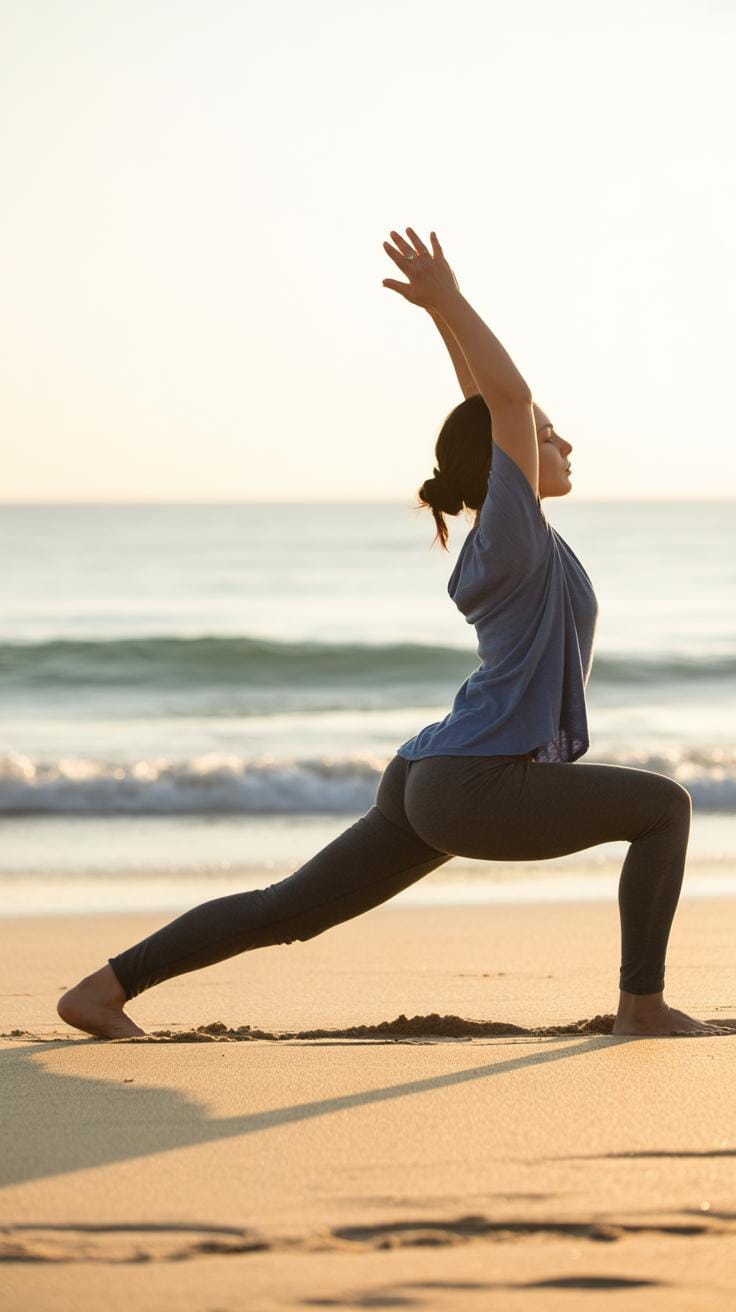
A typical day at a beach yoga retreat often begins early, usually around 6 or 7 AM. You’ll find yourself drawn out of bed by the sound of waves, ready for the first yoga session. These morning classes tend to focus on gentle, flowing styles like Vinyasa or Hatha, aimed at waking up the body and mind. It’s quiet and peaceful—though sometimes the seabirds or an early jogger can interrupt the calm.
Evening sessions usually come around sunset, when the light softens and the temperature cools. These classes might be slower, incorporating restorative poses or yin yoga, designed to help you unwind after the day. The contrast between the active morning and calming evening practices is quite noticeable, and I think it adds a natural rhythm that studio classes can miss.
Between yoga times, your day is filled with other activities that aren’t mandatory but often encourage connection and relaxation:
- Group meditation sessions or breathing exercises to center yourself.
- Shared meals, often featuring fresh, local ingredients—sometimes vegan or vegetarian, sometimes not, depending on the retreat’s style.
- Leisurely walks along the beach, or just time to lounge with a book and listen to the ocean.
- Occasional workshops on topics like mindfulness, nutrition, or Ayurveda.
- Optional excursions, like snorkeling or hikes nearby, which offer a break from structured time but keep the wellness vibe going.
Retreat days can feel full but never hurried. You have moments to be social and others to be alone with your thoughts. It’s a balance that stretches beyond just the yoga itself.
Benefits of Beach Yoga
Practicing yoga on the beach brings a different kind of experience compared to a studio setting. The natural surroundings invite a sense of calm that’s hard to find indoors. The sound of waves often drowns out distractions, helping you focus better on your breath and movement—even if you normally struggle with concentration.
The uneven surface of sand challenges your balance more than a flat floor does. This can improve your stability and engage muscles that might not get worked as much in a studio. You might find yourself wobbling a bit at first, which is awkward but also a good reminder that yoga is about progress, not perfection.
Sunlight and fresh air add physical benefits too. Exposure to natural light can boost your mood and energy levels, while the salty sea breeze might feel refreshing and even help clear your sinuses during deep breathing exercises.
There’s also a distinct social vibe on the beach. The informal setting makes it easier to connect casually with others, without the usual studio etiquette that can sometimes feel intimidating to newcomers.
But on the flip side, weather and noise can be unpredictable. Wind might interfere with some poses, and curious passersby may interrupt your concentration. So, is the trade-off worth it? That depends on what you’re seeking from your practice.
Ultimately, beach yoga offers a sensory experience blending movement with nature. It gently pushes you out of your comfort zone—to try balancing on shifting sand, to breathe with the ocean, to accept imperfections in a new way. And maybe that’s exactly why some people find it so rewarding.
Benefits of Beach Yoga
Practicing yoga on the beach offers a unique experience that studio classes can rarely match. The natural surroundings—the sound of waves, the scent of salt air, the feel of sand beneath your feet—create a setting that can deepen your connection to the moment. You might find it easier to focus when your senses are gently engaged rather than isolated by walls and artificial lighting.
There’s something about the uneven surface of the sand that challenges your balance differently than a flat studio floor. This can improve your strength and stability over time, though it might feel awkward the first few sessions. Some people even say it makes poses feel more natural, almost like returning to how our bodies were meant to move outdoors.
Besides the physical, the mental benefits can be significant. Being outdoors seems to reduce stress and anxiety more effectively for many. The expansive horizon can foster a sense of space—not just physically, but mentally—inviting a broader awareness than you might get indoors. Yet, on windy or busy days, that openness might distract you instead.
Another aspect is social. Retreats on the beach often bring together like-minded people in a relaxed setting, where conversations flow easily after sessions. In contrast, studios can feel a bit more formal or individual-focused. This sense of community can add another layer of benefit that supports both motivation and well-being.
Still, beach yoga isn’t perfect. Weather, bugs, or unpredictable crowds can interfere with your practice. But if you ask me, those very imperfections can make your practice feel more alive, more connected to reality at large.
Conclusions
Beach yoga retreats provide a chance to connect deeply with nature and refresh your mind, though they might come with higher upfront costs compared to studio classes. Studio classes, meanwhile, offer convenience, consistency, and tailored instruction at often lower prices.
Both have valuable benefits depending on your personal goals, budget, and lifestyle. Considering the distinct experiences and costs will help you choose the best yoga practice for your needs. Whether on the beach or in a studio, your commitment to yoga will bring positive results.