
Introduction
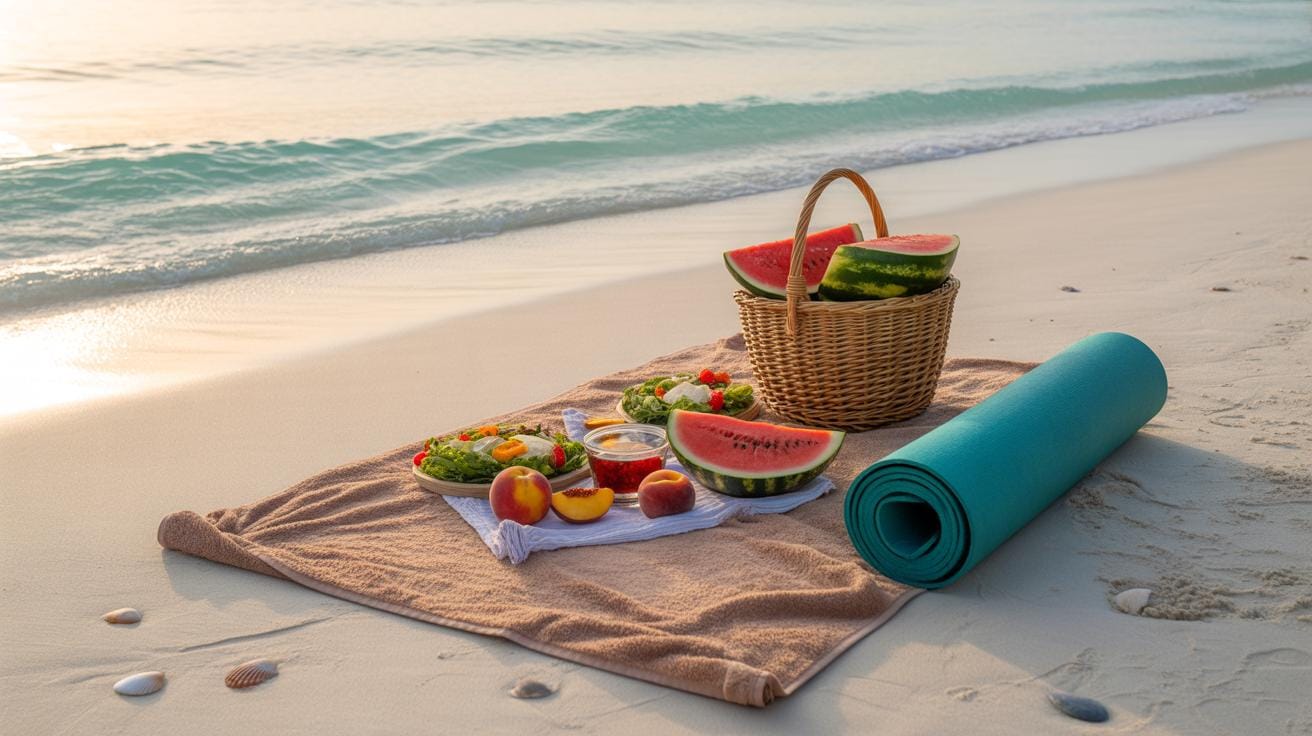
Beach holidays offer a perfect chance to enjoy the sun, sand, and sea. But staying fit and energized while indulging in vacation treats can be challenging. This article will help you balance your meals and workouts effectively so you can enjoy your beach holiday without losing your healthy habits.
You will find practical advice on nutritious meals to fuel your beach fun and workouts that fit into your holiday schedule. Whether you want to maintain your energy or get more active, these tips focus on simple, doable strategies that support your well-being during your beach stay.
Choosing Nutritious Beach Holiday Meals

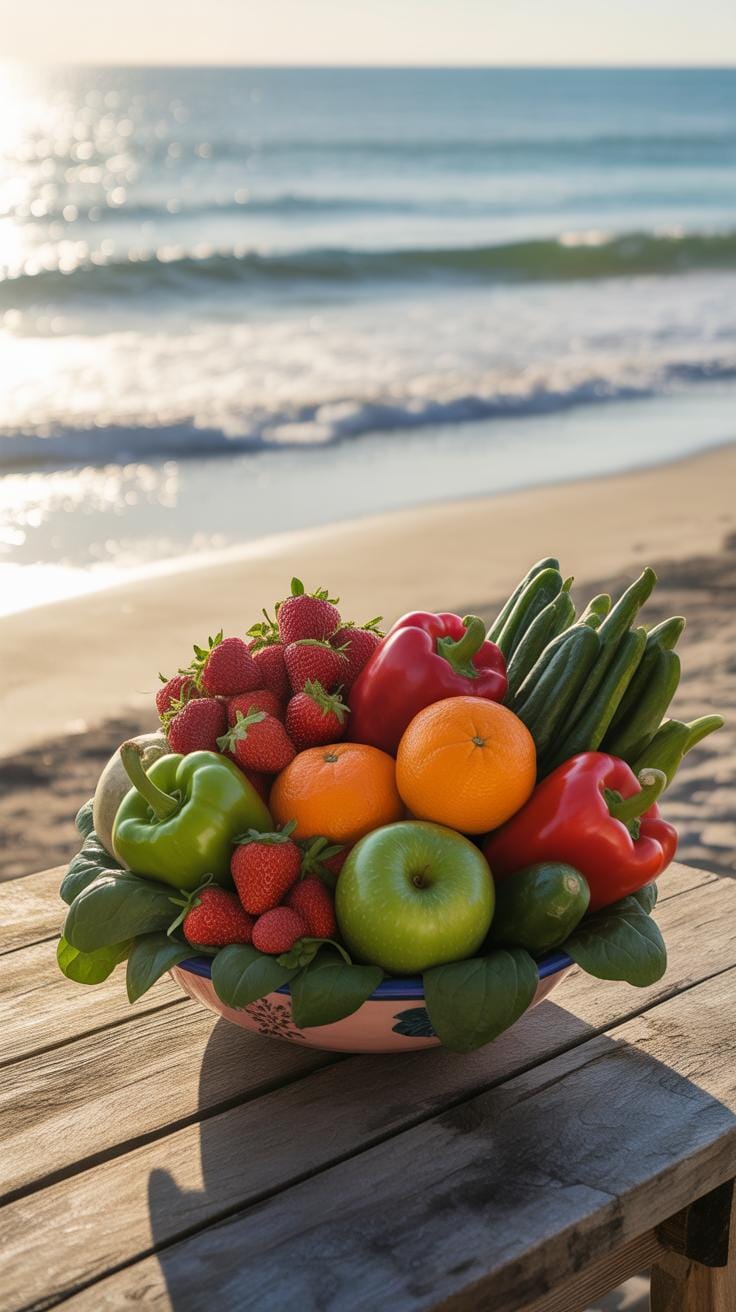
Picking meals for a beach holiday isn’t just about what tastes good—though that matters too. You want a balance of food groups that keeps your energy steady without weighing you down. Think protein, carbs, fats, and plenty of fruits and vegetables. But I find hydration often gets overlooked. Water is key, obviously, but don’t forget about foods with high water content like cucumbers or watermelon.

It’s tempting to go for full-on grills or seafood platters, but simplicity works better for beach days. Easy-to-prepare options cut down on fuss and let you spend more time enjoying the sun. Sometimes, a basic sandwich loaded with lean protein and veggies beats complicated meals. You don’t want to be stuck near a hot stove or fishing items out of an icebox all day.
Key Nutrients for Energy and Recovery
Energy during a day on the beach feels like a moving target. You need carbs for quick picks—think whole grains or fruit—to keep you going. Proteins matter too, especially if you’re swimming or walking a lot. They help muscles repair, which you might not realize unless you’re sore afterward. Some fats are necessary too, like those from nuts or avocados, to keep things balanced.
Vitamins and minerals often sneak under the radar but can make a noticeable difference. Potassium and magnesium, for instance, help avoid cramps, while vitamins C and E support your immune system in the hot sun. If you’re not sure you’re getting enough, a multivitamin might help, but real food packed with nutrients should be the go-to.
Easy Meal Ideas for Beach Days
Meals at the beach need to be straightforward and fuss-free. I’ve found that simple wraps with hummus, grilled chicken, and spinach roll well and taste fresh. Another favorite is yogurt mixed with fresh berries and a handful of nuts—no cooking needed, just assemble.
Don’t underestimate fruit bowls. They hydrate, satisfy cravings, and provide essential nutrients. Hard-boiled eggs come in handy too, portable and protein-rich. If you have a cooler, salads with quinoa, beans, and chopped veggies keep well and are filling enough to keep you moving.
Have you ever noticed how much easier it is to eat well when your meals don’t require much prep? Sometimes it’s just about picking what’s practical without sacrificing nutrition.
Balancing Indulgence and Health
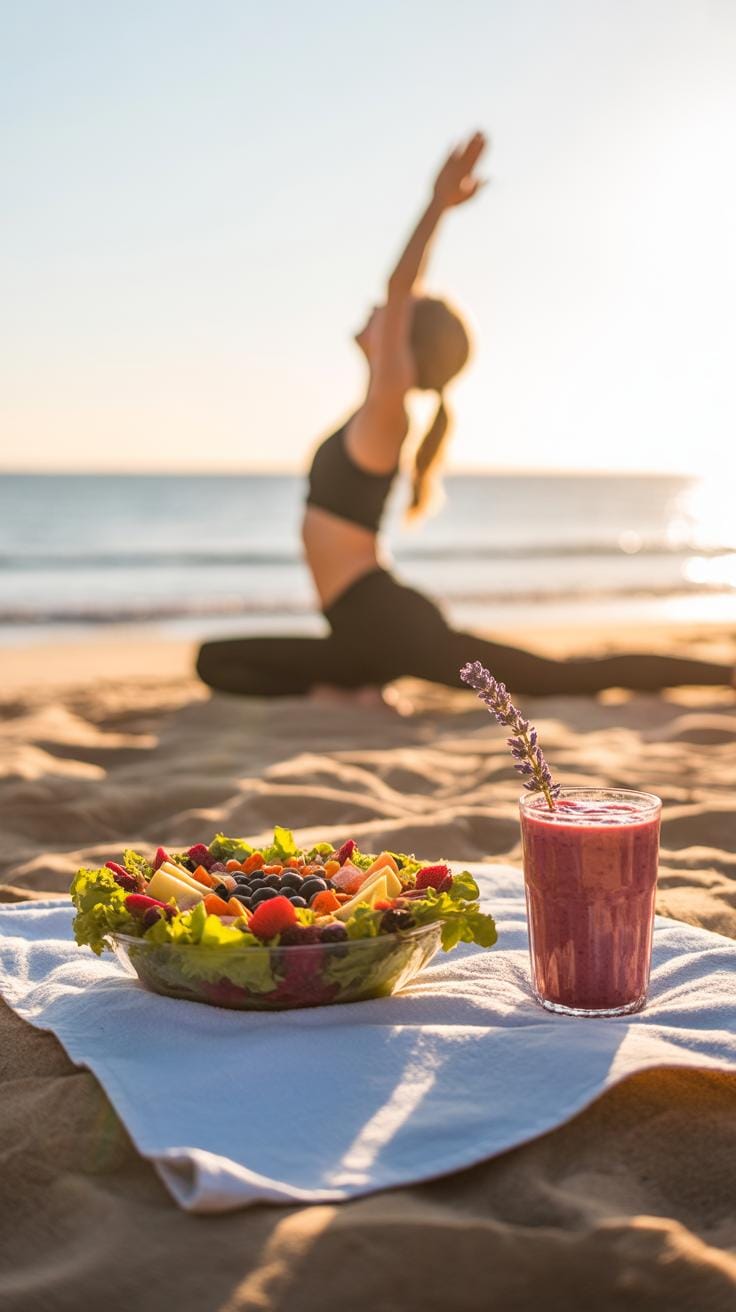
You’re on a beach holiday, the sun is shining, and suddenly, those tempting treats seem impossible to resist. How do you enjoy those delicious moments without throwing your fitness goals out the window? The trick is really about balance—allowing yourself to savor, but not overdo it.
Try to eat slowly and really pay attention to what you’re eating. Mindful eating can make a small portion feel quite satisfying. Maybe you grab a fresh fruit smoothie instead of a sugary soda; the sweetness is there, but with extra nutrients and less empty calories.
Moderation isn’t about depriving yourself, but about a conscious choice—like sharing a portion of fries instead of eating the whole basket or having one cold drink instead of a round. You might find it easier to stay on track if you plan ahead a little: for example, having a light, protein-packed breakfast can keep afternoon cravings in check.
Some healthier swaps that still feel like indulgence include grilled fish tacos over fried versions, or swapping creamy dips for salsa or guacamole. These satisfy that need for flavor without overwhelming your system.
Have you noticed how walking along the shore before or after a snack can help? It doesn’t erase the calories, but it feels like a small balance—an active choice to complement the indulgence.
Ultimately, it’s about tuning into your body and mood. Sometimes a treat is just the right thing, but other times a fresh cucumber salad might be more satisfying. That subtle awareness keeps your holiday enjoyable and your energy steady.
Designing Your Beach Workout Routine
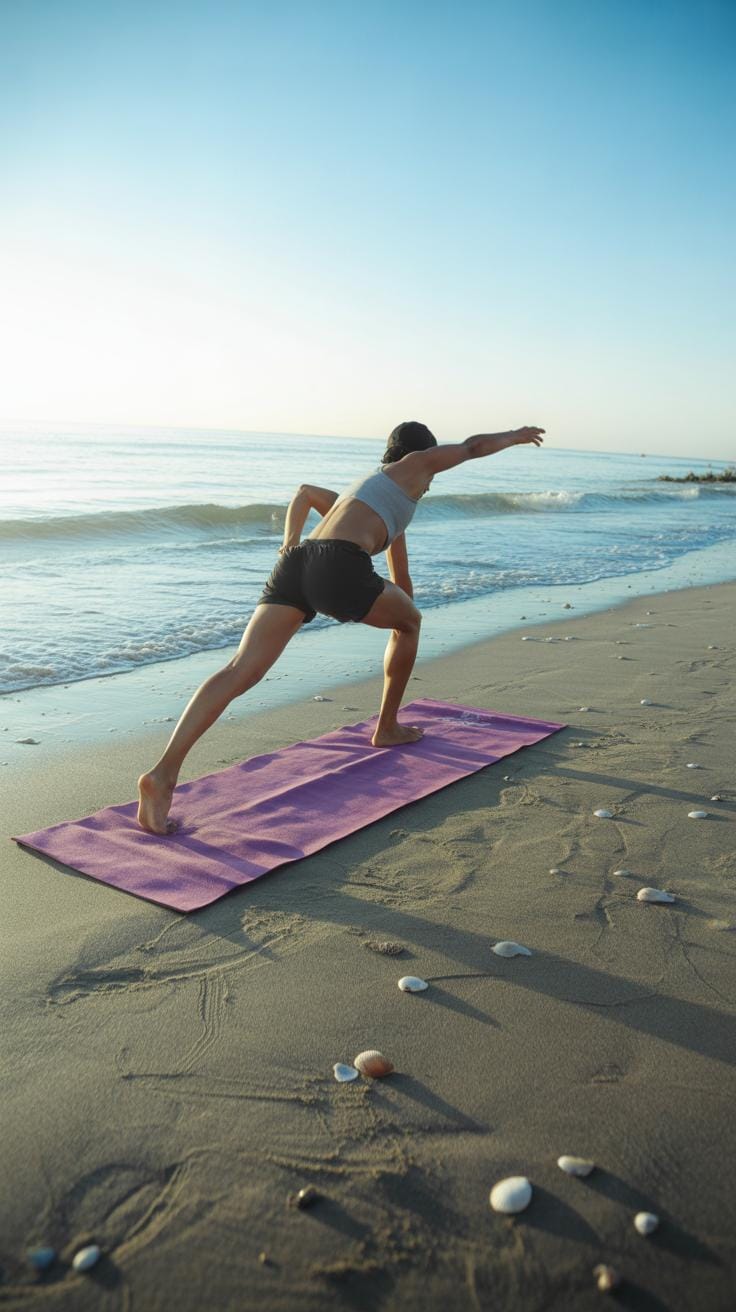
Creating a workout plan that fits the beach environment takes a little thought, but it can be quite straightforward. You don’t need long sessions—about 20 to 40 minutes is often enough, especially if you’re mixing strength and cardio exercises. A good routine three to four times a week can keep you active without feeling like a chore. The tricky part? Matching exercises to the uneven sand beneath your feet.
Focus on activities that complement the beach vibe. Walking or jogging on sand, bodyweight movements like planks and squats, and even some gentle yoga stretches work well. These are low-impact but still challenge your muscles because sand adds instability. It’s strange how something so soft can make your legs shake a bit more than usual. You might find some exercises easier while others harder—adjust as you go.
Simple Workouts to Do on Sand
Sand is more than just a surface; it’s a tool that can boost your workout. Try these:
- Sand sprints: Sprint for 10-20 seconds, then rest. The softness slows you down, so focus on short bursts.
- Bodyweight squats: Keep your feet wide, sink low, and feel how the sand shifts under you. It works stabilizer muscles you didn’t know you had.
- Bear crawls: Crawl hands and feet forward, low to the ground. It’s tougher on sand and good for full-body strength.
- Side lunges: Step sideways, bending one knee, then push back. Sand catches your foot sometimes, making balance tricky.
Don’t rush. The sand can be unforgiving if you misstep. Take your time to find stable footing, especially when changing direction quickly.
Using Beach Accessories for Fitness
Bring a few simple things with you, and your workout variety rises instantly. Resistance bands are light and effective. Loop one around your ankles to do lateral walks or arm presses against its stretch.
A beach ball isn’t just for play. Hold it overhead or between your knees during squats for extra challenge. Towels can mimic sliders when placed under hands or feet on wet sand—try mountain climbers or plank slides. It can feel awkward, but it works well.
These props break up monotony and keep muscles guessing. Plus, they’re easy to carry, so you don’t have to rely entirely on bodyweight moves. It’s surprising how a simple towel can make all the difference.
Morning Versus Evening Workouts at the Beach

Benefits of Morning Exercise Outdoors
Morning workouts on the beach come with a few practical perks. For starters, temperatures tend to be cooler before the sun climbs high, which can make moving around feel less draining. I remember jogging along the shore just as the day started—the air was fresh, almost crisp, which helped me breathe easier. Plus, there’s something about starting your day with exercise that seems to nudge your metabolism awake, keeping it elevated for hours.
You’ll also catch natural light early, which might improve your mood and help regulate your internal clock. Though, honestly, not everyone feels their best the moment they open their eyes, so morning workouts can feel like a stretch if you’re not naturally an early riser. Still, for those who do push through, the quietness and solitude of early beach hours can be refreshing.
Why Evening Workouts Might Suit You Better
Evening workouts, on the other hand, often fit the holiday rhythm better. After a day of exploring or lounging, a session by the water can act as a gentle cooldown for your mind and body. The temperature usually drops again, but the sun is still out enough to keep things bright without the harsh midday glare.
Some people find their energy peaks later, making evening exercise easier or more enjoyable. Plus, it might help with relaxation and sleep once the day’s bustle slows. Scheduling workouts late also frees up your mornings for other things—like breakfast or a swim—without feeling like you’re squeezing exercise in. Of course, staying active twice in one day might seem ideal, but sometimes it’s really about what feels sustainable. So, are you a morning mover or an evening energizer? The beach might just nudge you toward one or the other, based on how your body reacts to rhythm and light.
Hydration Strategies for Beach Fitness
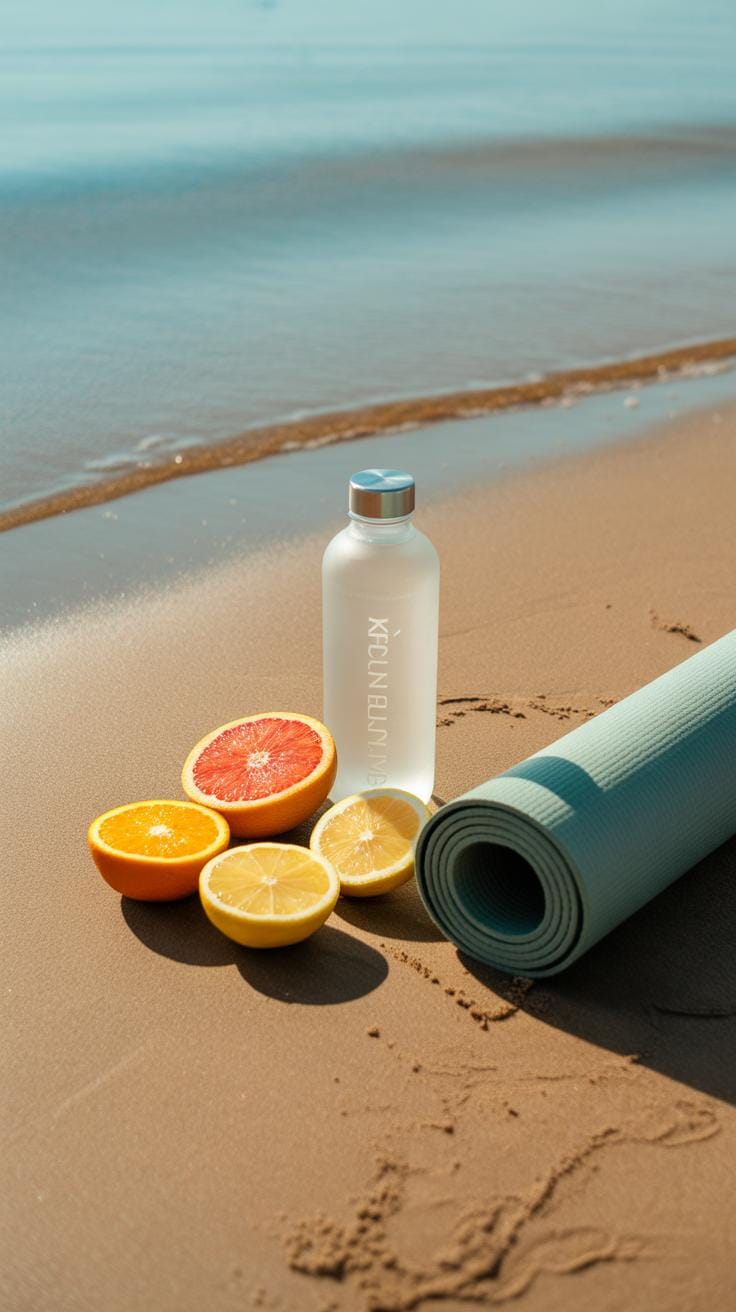
When you’re out in the sun, working out on the beach or just moving around, your body loses water fast. The heat pushes your sweat glands to work overtime. I’ve noticed that even short bursts of activity can make me feel drained unless I’m sipping water regularly. It’s not just about quenching thirst; staying hydrated helps your muscles function and keeps your energy steady throughout the day. Without enough fluids, you might feel sluggish or dizzy, which is the last thing you want when you’re trying to enjoy your beach holiday.
To keep fluid levels balanced, try carrying a reusable water bottle with you. Taking small sips often can work better than gulping down a lot at once. Sometimes, adding a pinch of salt or drinking coconut water can help replace lost electrolytes, especially after intense exercise. Don’t wait until you’re thirsty—that’s a sign you might already be behind.
How Much Water You Need Daily
There’s no one-size-fits-all number because it depends on your activity and the weather. But, as a rough guide, about 3 to 4 liters a day works for most people moving a lot on a hot beach. If you’ve been running, swimming, or doing yoga in the heat, you’ll probably need to drink more.
Some days, I find myself drinking more simply because the sun is relentless; other days, when it’s overcast, I don’t feel as thirsty. It’s tricky because your body’s needs shift with temperature, humidity, and how hard you’re pushing yourself. Listen to your body but be mindful that thirst might come too late.
Signs of Dehydration and Prevention Tips
Look out for headaches, dry mouth, dizziness, or unusual fatigue—these can hint that you’re losing too much fluid. Sometimes, your skin might feel clammy or your urine turns dark yellow, signaling a need for more water.
To avoid dehydration:
- Drink water before, during, and after workouts—even if you don’t feel thirsty.
- Include hydrating foods like watermelon or cucumber in your meals.
- Limit caffeine and alcohol—they speed up fluid loss.
- Take breaks in the shade periodically to cool down and reduce excessive sweating.
Have you ever pushed through a beach workout only to feel wiped out later? Chances are dehydration played a role. Paying careful attention to hydration can make your beach fitness both safer and more enjoyable.
Meal Timing to Support Your Workouts
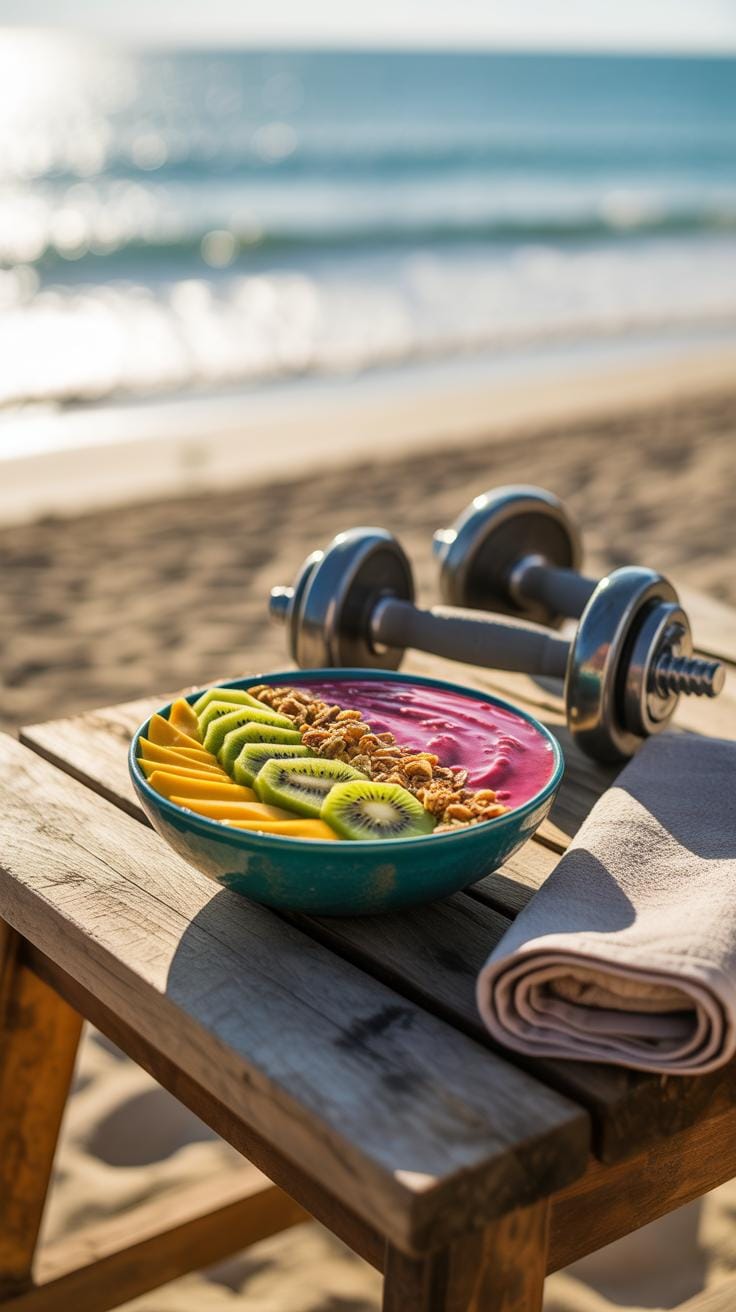
When you’re on a beach holiday, your workout routine might shift a bit from your usual schedule. So timing your meals around exercise can be tricky, but it definitely plays a role in how you feel during and after your sessions. Eating too close to a workout might leave you feeling sluggish or uncomfortable, especially in warmer weather. Yet, waiting too long without fuel can zap your energy, leaving you less motivated to move.
Try to have a light meal or snack about 60 to 90 minutes before you start your workout. This gives your body a chance to digest and turn food into fuel. After you finish exercising, aim to eat within 30 to 60 minutes to help your muscles recover―though sometimes it’s okay if it’s closer to an hour, depending on your schedule or appetites. The key is listening to your body; some days you might need a bit more time, other days less.
What to Eat Before Exercise
Finding that sweet spot for pre-workout food can feel like a guessing game, especially on a beach break where options might be limited. You want something that gives energy but isn’t heavy. I usually grab a banana or a small peanut butter toast before heading out for a run or swim—something simple and quick.
Some good choices are:
- A piece of fruit like an apple, peach, or a handful of berries
- Yogurt with a sprinkle of granola
- A small smoothie with a mix of fruit and a bit of protein powder
- Whole grain crackers with hummus
Just keep portions moderate—too much and you risk feeling weighed down. And try to avoid anything too fatty or overly fibrous right before activity to dodge stomach issues.
Recovery Meals After Beach Workouts
After your exercise, your body needs two things mainly: protein to repair muscle and carbs to restore energy. Without this combo, you might drag through the rest of your day, or find your next workout a real struggle.
Good recovery meals don’t have to be complicated. Think grilled chicken with couscous and veggies, or a tuna salad sandwich. Sometimes just a yogurt with honey and fruit hits the spot. Even a simple smoothie with whey protein, banana, and almond milk can do wonders.
If you’re at the beach and feel like something light, cottage cheese with pineapple or a boiled egg with toast can help too. Sometimes it’s not just about nutrients but what you actually want to eat after exerting yourself. That appetite shift during holidays can surprise you.
Tracking Your Fitness Progress on Holiday
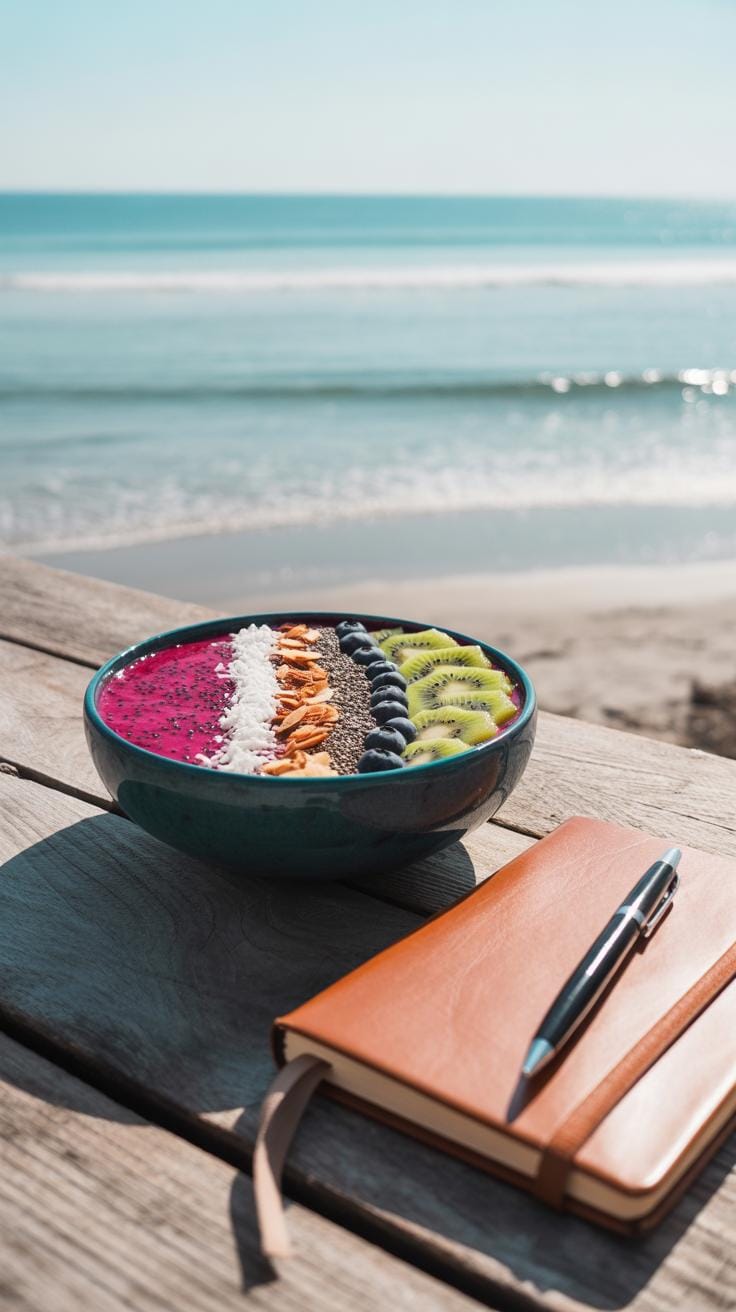
Keeping tabs on your workouts and meals during a beach holiday can feel tricky. You’re away from your usual routine, surrounded by temptations and distractions. Still, a simple method can work without making you obsessed. Maybe jotting down quick notes or snapping a photo of your meals helps you remember what you ate. When it comes to exercise, even a few minutes of logging sets or steps can make a difference. It doesn’t have to be perfect; just enough to give you a sense of how you’re doing.
Best Apps for Tracking Activity and Diet
There are plenty of apps that don’t demand much time but give decent tracking. Some favorites include:
- MyFitnessPal: Easy to use, with a big database for foods worldwide. You can scan barcodes or input meals quickly.
- Strava: Great if you enjoy running or cycling along the beach. It tracks routes, pace, and distance with minimal fuss.
- Fitbit App: Even without the device, you can log workouts and food, plus check your daily steps.
- Lose It! Simple calorie tracker that’s more forgiving when you want to enjoy seafood or local treats.
Try a couple before your trip and pick what feels natural. The goal is not accuracy obsession but having a general feel for your energy in and out.
Setting Realistic Beach Holiday Goals
Holidays aren’t for punishing yourself. It’s okay if your goals look different than usual. Instead of aiming to drop pounds, maybe hope to maintain energy and feel active. If workouts feel hard to schedule, aim for walks on the sand or short swims. Maybe try to eat a decent amount of veggies, even if not every meal. It’s more about balance than perfection.
Ask yourself: what can you enjoy without stress? Can you move your body in a way you like, even if it’s shorter or lighter than normal? Setting achievable goals avoids frustration and keeps things flexible. That’s the key—fit enough discipline to keep you feeling good but loose enough to let vacation vibes take over when they should.
Tips for Staying Motivated on Vacation
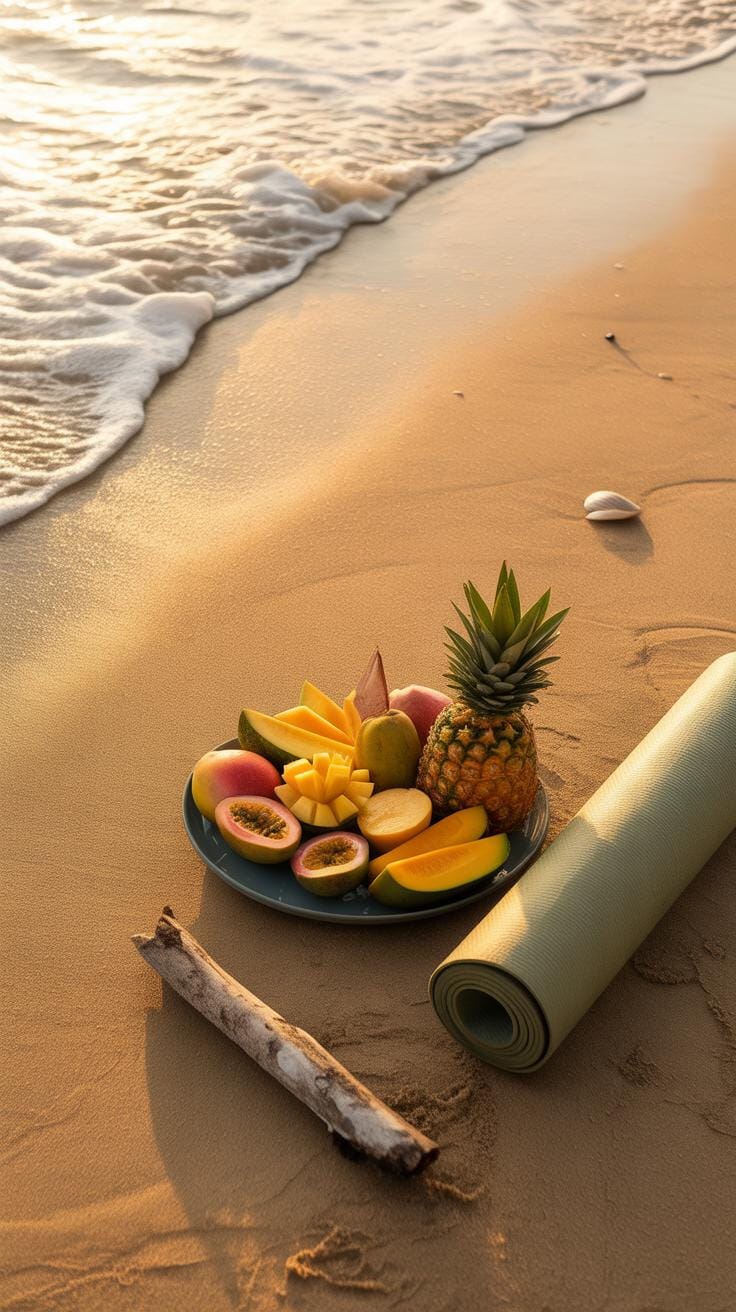
Keeping up with healthy habits on a beach holiday isn’t always easy. The mindset of vacation often leans towards indulgence or complete rest, and staying active or mindful about eating can fall by the wayside. Still, a few simple motivation techniques can make a difference. You might try setting small, realistic goals each day—nothing too strict, like a 15-minute morning walk or swimming a few laps before breakfast. It’s surprising how those little achievements build momentum.
Sometimes, motivation can come from mixing things up. If you feel bored with exercise, change your routine or experiment with new activities that fit your mood. And it’s okay to give yourself a break if you really want to lounge one afternoon. The key is balance, not perfection.
Using Vacation Activities as Workouts
Beach days naturally offer plenty of ways to move without it feeling like a chore. Swimming laps in the ocean works your whole body and even your mind—it’s both calming and energizing. Walking along the shoreline, especially with sand underfoot, adds resistance for your legs and core.
Joining a casual game of beach volleyball or frisbee can sneak in cardio and agility exercises, while actually being fun. These activities don’t require special skills or equipment, so you can fit them in whenever you want. Have you ever noticed how time flies when you’re focused on something enjoyable? That’s exercise done right.
Planning Social Support for Healthy Choices
Vacation often brings people together, which can be a blessing or a challenge for sticking to health goals. But leaning on friends or family can boost your chances of success. Try suggesting group activities like morning yoga stretches, evening beach walks, or even cooking meals together. When everyone shares the same intention, it’s easier to stay on track.
Sometimes a gentle reminder or a shared goal creates a sense of accountability without pressure. And if one person wants to snack less or drink more water, everyone can benefit. You might find that these shared moments become the best part of the trip, even more than the scenery itself.
Preparing Before Your Beach Holiday
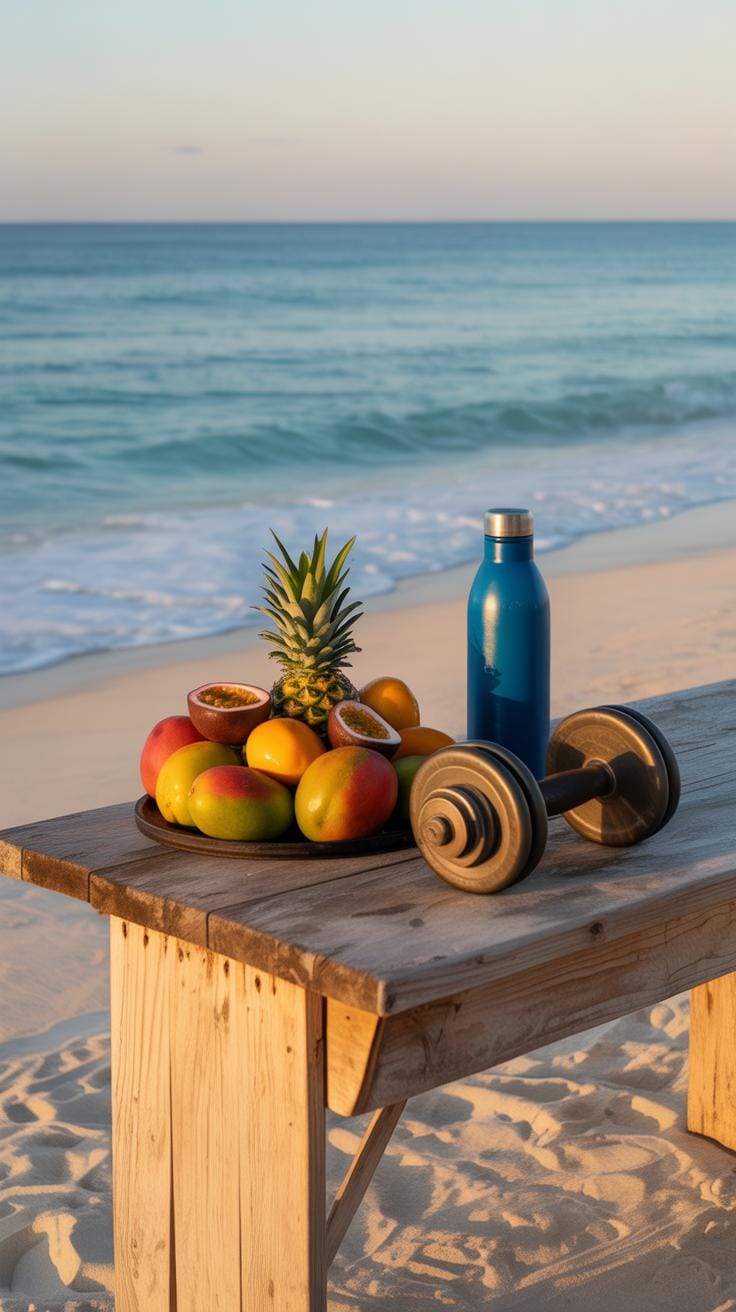
When you’re gearing up for a beach holiday, preparing meals ahead can save a lot of hassle later. Think about simple recipes that travel well—like grain salads or wraps with lean protein and plenty of veggies. These won’t spoil quickly and keep you energized. Sometimes I’ve brought cooked quinoa mixed with beans and fresh herbs, and it really held up even in the heat.
Packing workout gear means more than just tossing in your sneakers. You want breathable clothing that dries fast and, if you’re picky about comfort, a light jacket or something to block the early morning breeze. Don’t forget a wide-brim hat or sunglasses if you’ll be outside exercising. Planning your fitness schedule before you go can be tricky; some days you might want to run at dawn, others, maybe just a casual swim. It’s fine to remain flexible here.
Overall, organizing a rough plan and packing thoughtfully makes it way easier to stick to your routines once you arrive. Have you ever started a trip without sorting these basics only to find you end up lounging too much? That’s why I try to prep the night before departure, even if I’m not 100% sure how each day will go.
Packing a Healthy Snack List
Bringing snacks you can trust in warm weather takes some trial and error. Things like raw nuts, dried fruit without added sugar, and energy bars made from whole ingredients are usually safe bets. I’ve found roasted chickpeas surprisingly satisfying and they don’t get mushy in the heat.
Fresh fruit can work if you choose dense ones like apples or oranges that won’t bruise easily. Small portions of nut butter, packed in single-serve sachets, keep your energy up without needing refrigeration. It’s tempting to buy snacks once you get there, but often you’ll find the usual beach fare is too sugary or processed.
Think also about convenience: will you be near a trash bin? What about places to store cooler bags? Planning these little details helps avoid turning snacks into a burden. Do you find yourself reaching for food more often on vacation? Having your reliable snacks close can change that.
Essential Fitness Gear for the Beach
Certain things just make exercising at the beach easier. A reusable water bottle is number one—you’ll want to drink plenty, and some bottles keep things cool longer, which is a bonus. A lightweight mat or towel can create a clean spot to stretch or do yoga, and even a jump rope fits neatly in a bag and lets you switch up workouts.
Regarding clothing, pack moisture-wicking items you don’t mind getting sandy or salty. Quick-dry shorts and tops that protect from the sun can make a huge difference for comfort. Also, a pair of sturdy flip-flops or sandals is helpful for walking on hot sand or rocks without hurting your feet.
Don’t forget a fitness tracker or your phone with your workout app preloaded. It’s easy to underestimate how motivation dips on holiday—and sometimes just seeing your step count nudges you to move a little more. Have you brought gear you ended up not using? I guess that happens to most of us, but packing a little planning ensures you use most of it.
Conclusions
Planning your meals and workouts carefully makes your beach holiday both enjoyable and healthy. Small changes in what you eat and how you move can help you keep your energy levels high. Enjoy fresh, light meals and mix in simple exercises to feel good throughout your vacation.
Remember, the goal is to balance relaxation with some activity. Use these meal ideas and workout tips to stay fit and energized, making your beach holiday a time to refresh your body and mind. You will come home feeling better than when you arrived.