
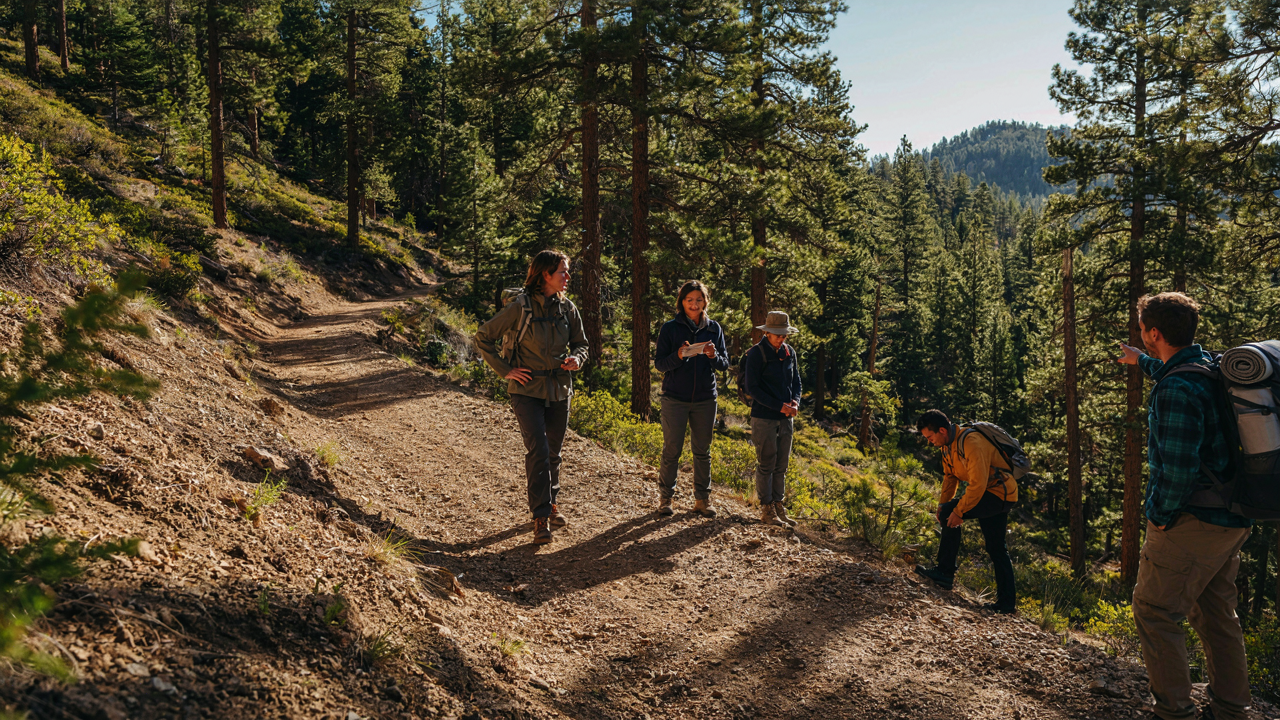
The Unspoken Truth About Backcountry Camping For Beginners

Most Beginner Guides Set You Up To Fail
You want the beginner guide because you think it’ll make you feel ready. It won’t. Most beginner advice optimizes for looking prepared, not for surviving the actual variables that kill trips. They tell you what to bring, never why you’ll abandon half of it or why the wrong why gets you hurt. The real mechanism: beginners conflate completeness with competence. You read a list, check boxes, and believe you’ve reduced risk when you’ve only reduced your ignorance temporarily.
The gap between knowing gear names and knowing when gear fails is where people get into trouble. A tent specification tells you nothing about how wind load works on your specific site selection. A water filter manual doesn’t teach you why your water source freezes at 3 AM in late season. Beginners treat checklists as immunity. They treat preparation as a one-time event instead of a decision-making practice you repeat every trip.
The Mental Architecture Most People Skip Entirely
Backcountry camping demands what military strategists call “command presence” in hostile terrain: the ability to make clear decisions under discomfort and uncertainty. This isn’t motivation or courage. It’s the trained response to recognize when a situation is degrading and take action before it becomes critical. Your body will be tired, your judgment will be clouded by cold, and your instinct will be to stay in the tent instead of fixing the water source problem now. The people who don’t quit trips are the ones who separate their emotional state from their operational state.
Physical preparation gets talked about. Mental protocol doesn’t. You need to predecide your non-negotiables: at what weather threshold do you turn back? How bad does an injury have to be before you exit? What’s your caloric deficit before morale collapses? Write these down before you go. When doubt hits at mile eight, you don’t negotiate with yourself. You execute the protocol you already decided. This is what separates a bad night from a dangerous situation.

The Minimalist Backcountry Camping Packing List Fallacy

What Actually Separates Essential From Optional
You want a packing list that makes you look like you’ve got this figured out. That’s the real draw here. But the mechanism is simpler: essential gear prevents death or injury. Optional gear prevents discomfort. Most people confuse the two, then carry dead weight for days.
The line between them is physical, not philosophical. Essential items address immediate threats to your core temperature, hydration, navigation, or shelter. A sleeping bag is essential because hypothermia kills fast in the backcountry. A camp pillow is optional because you survive without it. The confusion happens when people rationalize comfort items as safety items. They’re not the same category.
Survival Requires Strategic Load, Not Wishful Thinking
Military logistics uses the concept of “critical path” to identify what actually matters for mission success. In backcountry camping, your critical path is staying alive and mobile for the duration of your trip. Everything else is negotiable. The standard advice here is weak: “pack light and only bring what you need.” That’s circular reasoning. You need clarity on what “need” actually means in the field.
- Water treatment method: Filtration or chemical tablets prevent waterborne illness. Dehydration compounds all other problems. Choose one reliable system you’ve tested before the trip.
- Navigation tools: Map and compass or GPS unit with fresh batteries. Getting lost burns calories, creates panic, and extends exposure time.
- Fire-starting capability: Lighter, matches, or ferro rod. Fire management is non-negotiable in cold or wet conditions for warmth and morale.
- First aid basics: Blister treatment, bandages, pain relief, and any personal medications. Small injuries become trip-enders without intervention.
- Shelter and insulation: Tent or bivy, sleeping bag rated for expected low temperature. Temperature drops fast once the sun sets. Your body heat alone is insufficient in most backcountry zones.
Pack only what addresses these categories, then add nothing else until you’ve field tested without it and failed. The mechanism is simple: every ounce you carry above critical mass is energy you burn on the trail instead of using for elevation gain or distance.
The Cognitive Load Protocol: Back Country Camping Planning

Eliminate Decisions Before The Trail
You want to feel prepared so you stop worrying about whether you’ll survive. The real mechanism is this: every decision you make in the field drains mental resources, and mental resources are finite. Cognitive psychology calls this ego depletion. In backcountry camping, it means deciding which water source to use, how to hang your bear bag, or what route to take when you’re already tired will cost you clarity you need for actual problems. Pre-planning doesn’t eliminate risk. It eliminates the low-stakes choices that steal focus from high-stakes ones.
The standard advice says “make a plan.” That’s incomplete. You need to lock down specifics before you leave your house: exact campsite location, water collection method, bear bag hanging system, cooking schedule, sleep system configuration. Write these down. Not in your head. On paper or device. This converts decisions into checklists. Checklists execute without thought. Your brain stays sharp for weather changes, injuries, or navigation adjustments that actually demand attention.
The Pre Mortem Before Departure
Military strategy calls this approach a “pre-mortem” and it’s the single most effective risk mitigation tool most people never use. Instead of optimism, assume your trip failed. Ask: What went wrong? What killed the mission? Work backward from failure. Don’t speculate. Use the specifics of your planned route, your gear, your fitness level, your group’s experience.
For backcountry camping, this means: What if a water source is frozen solid? What if someone turns an ankle on mile two? What if your stove doesn’t ignite at altitude? What if bear activity shuts down your planned camp zone? For each scenario, you script the response now. Not on the trail. This isn’t pessimism. It’s the difference between reacting poorly under stress and executing a pre-decided protocol. Write the contingency next to each risk. This single document prevents most emergencies before they become emergencies.
Beyond The Instagram Shot: Real Backcountry Camping Setup
Where You Camp Determines If You Wake Up
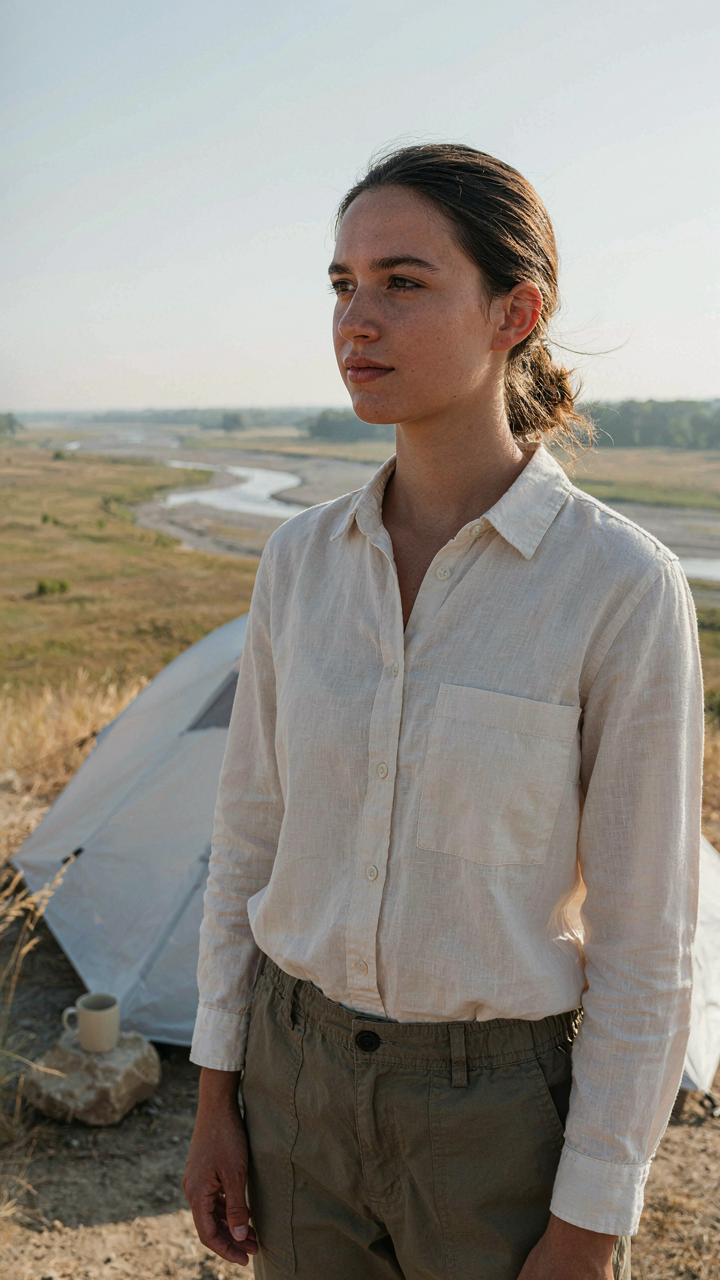
You want the perfect photo location. The real question is whether you survive the night without problems you didn’t see coming. Shelter placement isn’t aesthetic. It’s about reading terrain for water flow, wind tunnels, and thermal pockets. Hydrology beats everything else. Water moves downhill. Cold air pools in valleys at night. Wind accelerates through saddles and ridgelines. Camp in the obvious flat spot at the base of a drainage and you’re sleeping in a creek bed when rain hits upstream.
The mechanism from geography: aspect exposure. South-facing slopes warm faster than north-facing ones. East-facing sites catch morning sun and dry quickly. West-facing sites trap afternoon heat but cook your tent at 3pm. In high elevation or winter camping, aspect matters for core body temperature maintenance. North-facing slopes stay colder longer and hold snow. Choose your shelter position by first identifying water drainage patterns, then wind direction relative to ridge features, then solar aspect for your season. Scout the camp on arrival. Walk uphill to see what’s above you. That determines everything that flows downward.
Camp Layout Is Supply Chain Architecture
Most guides tell you to organize gear neatly. Wrong framework. Think in terms of supply chains and friction points. In operations management, throughput depends on reducing steps between inputs and outputs. Your camp needs the same logic. Cooking area should sit downwind from sleeping area. Water source is your primary input. Locate it closest to cooking. Sleeping setup is your end node. Everything moves from water to cook to storage to sleep. Unnecessary distance kills efficiency and creates fatigue on the second and third day.
The hidden cost is cognitive load, not steps. Your brain tracks locations in darkness. Multiple mental checkpoints slow decisions during weather changes or emergencies. Consolidate your camp into zones. Sleeping zone separate from cooking zone by at least thirty feet. Storage zone downwind from both. Mark water source with a bright stuff sack so you find it at dawn without searching. The principle is fixed: minimize the number of distinct locations you visit repeatedly, and establish clear sight lines between zones for safety and speed.
The Kinetic Energy Method: Movement & Navigation

Burn Rate Economics On The Trail
You want to know how to hike farther without falling apart. The real mechanism is this: your body has a caloric budget, and you’re either spending it efficiently or hemorrhaging it on terrain choices you didn’t think through. Biomechanics—the study of how bodies move—has a term called “metabolic cost.” It’s the energy your muscles burn per unit of distance. On flat ground, you move efficiently. Uphill, that cost spikes. Understanding this isn’t about willpower. It’s about math.
Most backcountry advice tells you to “pace yourself” or “listen to your body.” That’s incomplete. The actual lever is route selection before you leave. Switchbacks aren’t scenic design—they’re metabolic efficiency. A steep straight line burns 40-50% more calories than the same elevation gain spread across a longer switchback route. You choose your path before the trek starts, not during it. Calculate total elevation gain, not just distance. A 12-mile flat route and a 10-mile route with 3,000 feet of elevation gain are not equivalent efforts. Your fuel runs out at different points.
Terrain Reading As Navigation Strategy
Military strategists call this “terrain analysis.” They read landscape to predict movement, identify choke points, and spot high-ground advantage. Backcountry navigation works the same way. Most people follow GPS or a marked trail and call it done. That’s passive. Active terrain reading means you predict what the land will demand before you step into it.
Ridgelines channel wind and exposure. Gullies collect water and tend to be boggy. Dense tree coverage slows pace and kills navigation accuracy. Scree slopes demand deliberate foot placement—no rhythm, no speed. Read a topo map the way a strategist reads a battle map: where will energy drain fastest? Where can you maintain steady output? Once you spot these zones, you alter your departure time or caloric intake to match the actual demand. Don’t hike terrain as it comes. Plan movement around what terrain costs.
Food As Fuel: Debunking Back Country Camping Meal Myths

Calorie Density Over Taste
You want your meals to feel normal because eating freeze-dried slop feels like deprivation, and deprivation feels like failure. Here’s what matters: calories per ounce. This is pure thermodynamics. Your body burns energy at a fixed rate based on exertion and temperature. You either pack enough density to meet that demand or you bonk. Gourmet taste ranks below keeping your engine running.
Most backcountry meals are built backward. People start with “what tastes good” then dehydrate it. Fats deliver nine calories per gram versus four for carbs and protein. Oil, nuts, and nut butter should anchor your menu. A pound of peanut butter delivers 1,500 calories. A pound of instant oatmeal delivers half that. The math doesn’t care about your preferences.
The True Arithmetic Of Pack Weight
Food weight compounds over days because you carry yesterday’s decisions forward. This isn’t philosophy, it’s logistics. One pound of food today costs you one pound of pack weight today plus the energy to carry it for five more days. That’s why ultralight hikers obsess over ounces while casual campers ignore pounds.
Calculate your caloric burn first. Assume three to four thousand calories daily depending on terrain and temperature. Then work backward to ounces. Fourteen ounces of food per thousand calories is a working target. That gets you through a day without carrying dead weight or running empty. Weigh what you pack. Don’t estimate. The scale tells you if you’re actually hitting your numbers or just guessing.
Water Sourcing & Purification: Your Lifeblood Strategy

Where To Find Water That Won’t Kill You
You want to believe water is everywhere in the backcountry, so you won’t have to plan. The mechanism is simple: moving water is safer than stagnant water because flow disrupts the conditions parasites and bacteria need to concentrate. A stream flowing over rocks beats a pond every time.
Elevation matters less than flow rate. High alpine lakes get hammered by giardia from beaver and muskrat populations. Look for moving water with visible current, springs where water emerges from rock, and areas without livestock or animal scat nearby. Collect from the fastest part of the stream, not the edges where debris collects. Distance from the source is irrelevant if the water moves.
Backup Systems That Actually Work
Military supply chains call this “defense in depth.” You’re building redundancy into your purification strategy the same way: multiple layers so one failure doesn’t end the mission. Most people carry one method and hope it works. That’s not strategy, that’s luck.
- Boiling: The baseline. Rolling boil for one minute kills everything. Takes fuel and time, but works without equipment failure. Essential as your primary backup.
- Gravity filtration: Squeeze bags or hang systems that use ceramic or hollow-fiber membranes. No moving parts. Works when tablets fail or pumps freeze.
- Chemical tablets: Iodine or chlorine dioxide. Lightweight, cheap, lasts years. Doesn’t remove particulates, so filter first. Works in cold water unlike older iodine methods.
- UV purifiers: Battery-dependent but fast. Kills pathogens instantly. Useless if batteries die or water is too cloudy. Never your only method.
- Pump filters: Reliable in normal conditions. Clogging risk in silty water. Requires maintenance in the field. Carry replacement cartridges or a backup filter type.
Carry two methods minimum. Boiling plus tablets costs almost nothing and covers every scenario. If one fails, you filter first to remove particles, then use your backup method. You execute this protocol the moment you reach camp before thirst becomes desperation.
Backcountry Camping Ideas: The Art Of Unforeseen Contingencies

Improvisation As Problem Solving
You want to feel competent in wild spaces, which means you’re secretly afraid of looking helpless when something breaks. The real mechanism is this: improvisation isn’t creativity, it’s systematic problem decomposition under pressure. You break the failed system into its function, then find what’s available that serves that function. A torn shelter fabric becomes a wind block. A broken stove becomes a fire reflector. This only works if you’ve internalized what each piece of gear actually does, separate from its intended purpose.
Most backcountry advice treats improvisation as a bonus skill. It’s not. It’s mandatory. Gear fails in the field regularly. Straps snap. Poles crack. Filters clog. You either have the cognitive habit of asking “what does this component need to accomplish” or you don’t. Build it by deliberately breaking gear at home and solving for it, not by hoping you’ll figure it out under stress with a headlamp and cold hands.
Learning From Failure Patterns
Military strategists call this pattern recognition across scenarios. You need to study not just what went wrong, but why the person didn’t see it coming. Most accident reports skip the setup: why was the hiker in that exposed ridge during storm hour? Why did they run out of water? The pattern often precedes the crisis by hours or days. Search rescue records, trip reports, and forums show you the decision points where people diverged from survival and didn’t realize it until too late.
Read failure stories specifically for the mundane decisions, not the dramatic moment. Someone died on a three-day trip because they packed once and didn’t verify their stove was actually in the pack. Another group got lost because they trusted a GPS without learning the terrain first. These aren’t tragic anomalies. They’re predictable outcomes of skipped verification steps. Before every trip, you execute a specific checklist. Not a vague review. An item-by-item physical confirmation of what’s in your pack and what you know about the route.
Waste Management & The Illusion Of Leave No Trace
What You’re Actually Solving For
You care about this section because you want permission to camp without guilt. Here’s the mechanism: Leave No Trace is a principles framework, not a rulebook. It shifts responsibility onto individual behavior while ignoring carrying capacity. The real problem isn’t your footprint—it’s how many footprints the land can absorb before degradation becomes irreversible. You need to understand what you’re actually managing.
Most backcountry campers follow the checklist: pack out what you pack in, use established sites, stay on trails. This is performative compliance. The actual impact comes from repeated use concentration and soil compaction in popular zones. Your personal waste management matters less than whether you’re camping in an area that can sustain human presence at current visitation levels. The ethical move is knowing when not to go.
The Economics Of Ecological Debt
Wilderness economics works like carbon offsets: you assume your impact can be neutralized through proper technique. This is false. Soil regeneration takes decades. Vegetation recovery in alpine zones can exceed fifty years. When you camp in a pristine basin, you create an attractive site for the next group. They improve the site. The site becomes a destination. Now it’s degraded, and your “leave no trace” practice didn’t prevent the outcome. You triggered the cascade.
The real waste management protocol starts before you leave home. Research your destination’s capacity status. Contact the land manager directly. Ask if your trip adds pressure to a fragile zone during peak season. If the answer is unclear or the area shows stress, change locations. This isn’t about feeling virtuous. It’s about recognizing that some wilderness areas are already at or past their carrying capacity, and showing up anyway—even cleanly—is the problem you’re solving for, not solving.
The True Cost Of Convenience: Backcountry Camping Tips You Ignore

Your Phone Is A Crutch Disguised As Insurance
You want your GPS and satellite messenger because you’re afraid of getting lost and looking incompetent. Here’s the mechanism: technology transfers decision-making from your brain to a device. In economics, this is called moral hazard. You take worse risks because you feel protected. The backcountry doesn’t care about your insurance policy.
Navigation without instruments forces you to read terrain. You learn how ridgelines funnel water. You notice how vegetation changes with elevation. You develop the spatial reasoning that keeps you alive when your battery dies at mile eight. The skill compounds over seasons. Most people never build it because their phone works until it doesn’t.
The Discomfort You Avoid Is The Competence You Never Gain
Suffering isn’t romantic. It’s the signal that adaptation is happening. Your body learns to function on less sleep in cold. Your mind learns to problem-solve when your first plan fails. Your judgment sharpens when consequences matter.
The common advice says “train hard, camp easy.” Wrong. Camp hard repeatedly. Sleep poorly in rain. Wake up at three in the morning because your setup was sloppy. Fix it in darkness. Do this five times and you stop making those mistakes. Do it fifteen times and you stop panicking when conditions deteriorate. The person who has suffered through genuine setbacks makes better decisions under pressure than the person who has only read about them. Your worst night in the backcountry is your best teacher.
Your Biggest Obstacle Isn’t The Wilderness; It’s Your Addiction To Comfort And External Validation

Every backcountry camping tips guide tells you what to pack. None tell you why most people never go. You won’t venture into the wild because you’ve outsourced your survival instincts to apps and algorithms. The real skill isn’t knot-tying or fire-building. It’s choosing discomfort when comfort is one click away. Stop researching and book a trip for next month. Your nervous system needs the reset more than your gear needs optimization. The wilderness doesn’t care about your Instagram followers or your perfect itinerary, and neither should you.