
The Instagram Illusion: Why Your “Best Color” Expectations Are Broken
The Curated Lie Behind Peak Season Photos
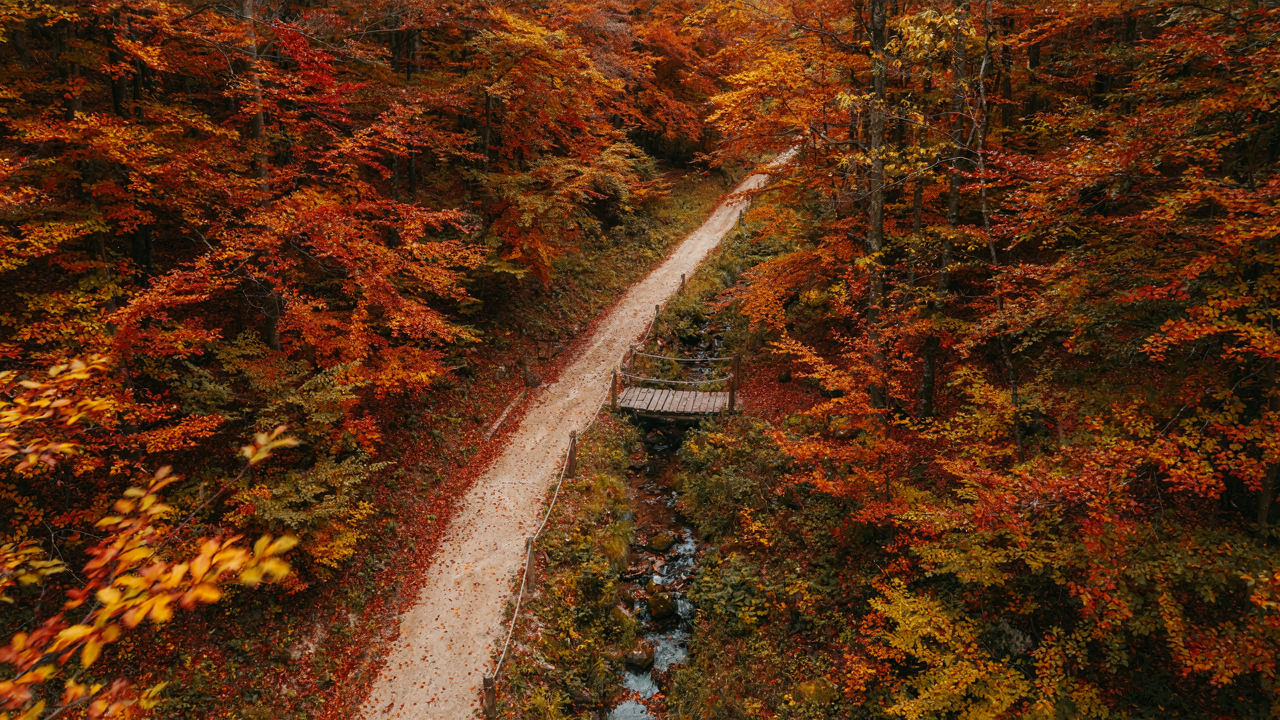
You’re looking for proof that the hype is real because you don’t want to waste a weekend driving six hours to find dead leaves. Here’s the mechanism: Instagram compresses time. A single trail gets photographed across three weeks of optimal conditions, then those images get distributed as if they all happened on the same day. The algorithm serves you the single best 90 minutes of color from a location, not the typical experience.
Peak foliage forecasts from state tourism boards and hiking apps create false precision. They claim “peak color” hits specific dates, but autumn doesn’t work on a calendar. A cold snap accelerates color. Warm rain delays it. The photos that go viral were often shot during that narrow window when weather aligned perfectly with camera angle and lighting. You’re comparing your real-time experience to a filtered highlight reel compressed across weeks.
When The Crowds Kill What You Came For

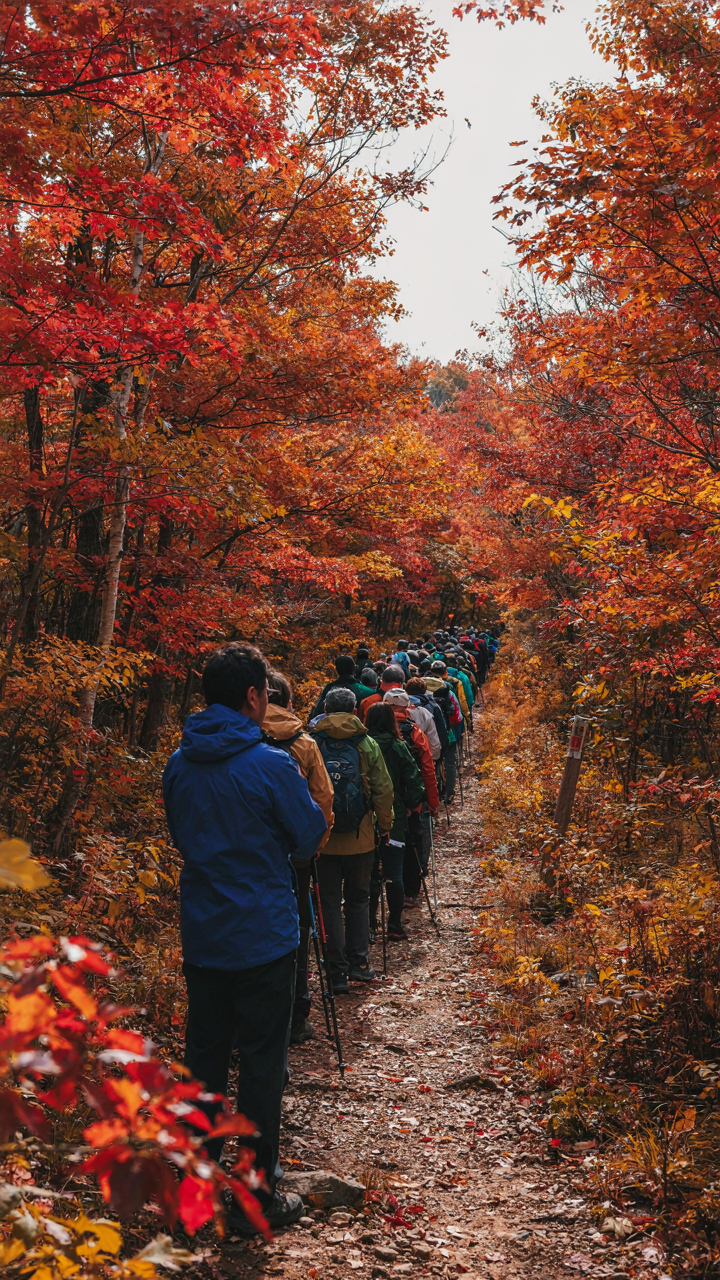
Visitor economics teaches us about carrying capacity, and autumn foliage trails operate at two to three times their sustainable load during peak weeks. More people means more trampling of understory plants, more soil compaction that stresses root systems, and more damage to the forest floor that affects next year’s color intensity. The trails you see in October photos were often shot before 7 AM or during weekdays to avoid the crowds that destroy the aesthetic.
Popular trailheads in Vermont, New Hampshire, and the Smoky Mountains see parking lots fill by 9 AM on weekends. This congestion doesn’t just ruin your photos—it degrades the ecosystem that produces the color. Trees stressed by foot traffic produce weaker pigments. The mechanism is direct: more visitors equal duller foliage for everyone the following season. Visit midweek or during the shoulder weeks before peak color hits, when the forest is still intact and the light hits differently anyway.

The Chlorophyll Collapse Protocol: Decoding Nature’s Schedule
When Day Length Matters More Than Temperature
You think timing peak foliage means checking the weather forecast. That’s not how this works. The mechanism controlling autumn foliage trails operates on photoperiod, not thermometer readings. Decreasing day length triggers the biological shutdown. A tree measures light duration through phytochrome, a protein that detects the ratio of red to far-red light. This signal tells the tree when to stop feeding the leaves and start retreating resources to the roots.
Temperature acts as a modifier, not the primary trigger. An unseasonably warm October doesn’t delay peak color if the day length has already dropped below the tree’s threshold. This is why foliage timing remains relatively consistent year to year on the same trails. A hard frost accelerates the visual transition once the biochemical process is already underway, but it doesn’t initiate it. Understanding this means you can predict color peaks more accurately than the tourist masses checking weather apps.
The Pigment Hierarchy You Never Heard About
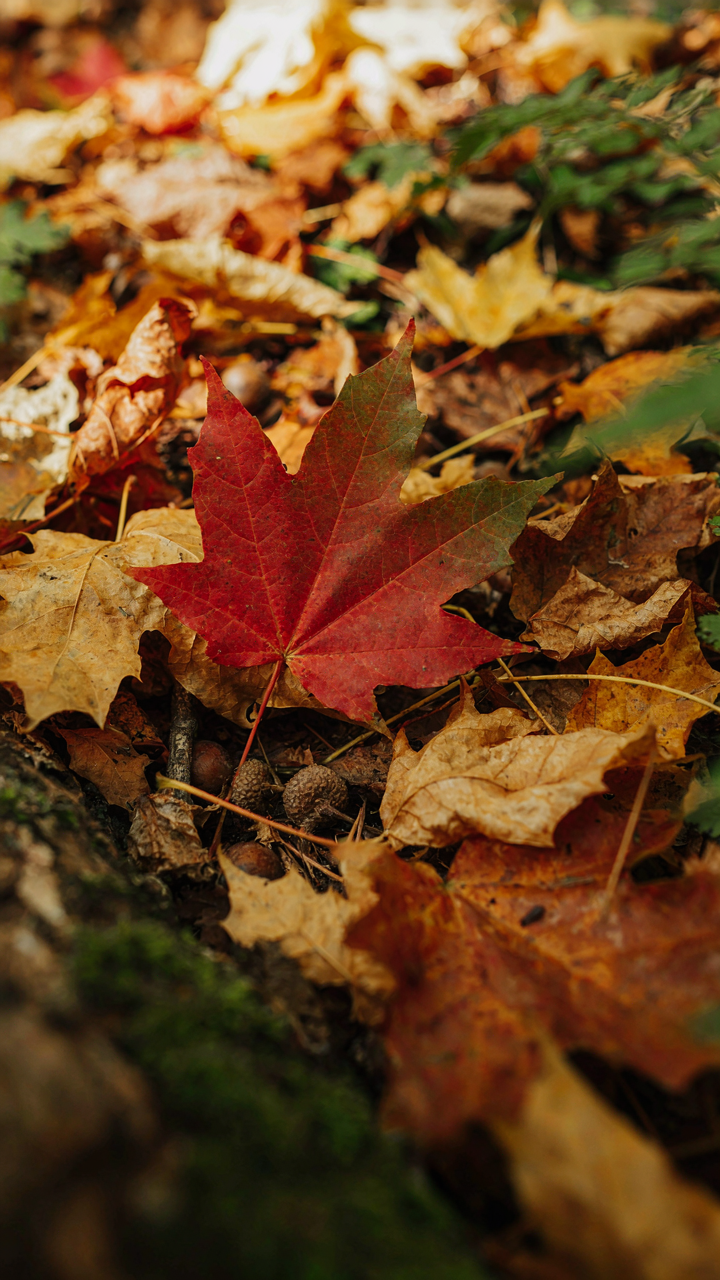
Everyone mentions chlorophyll breaking down to reveal hidden colors. That’s incomplete thinking. The real story involves two competing pigment systems that operate on different timelines. Carotenoids, which produce yellows and oranges, are present all season but masked by chlorophyll’s dominance. Anthocyanins, which create reds and purples, are actively synthesized in the fall in response to the photoperiod signal and bright sunlight.
The conflict matters because it determines which trees peak first on your trail. Species producing primarily carotenoids peak early and fade quickly. Maples, which synthesize anthocyanins through active biochemical work, sustain intense color longer but require cold nights and sunny days to produce the deepest reds. This pigment hierarchy directly controls the window when each species reaches maximum saturation. Knowing which pigments dominate your target trail’s tree species tells you when to actually show up, not when the calendar says foliage should happen.
Microclimates & Elevation: Uncovering Hidden Autumn Scenes
How Elevation Shifts Color Timing
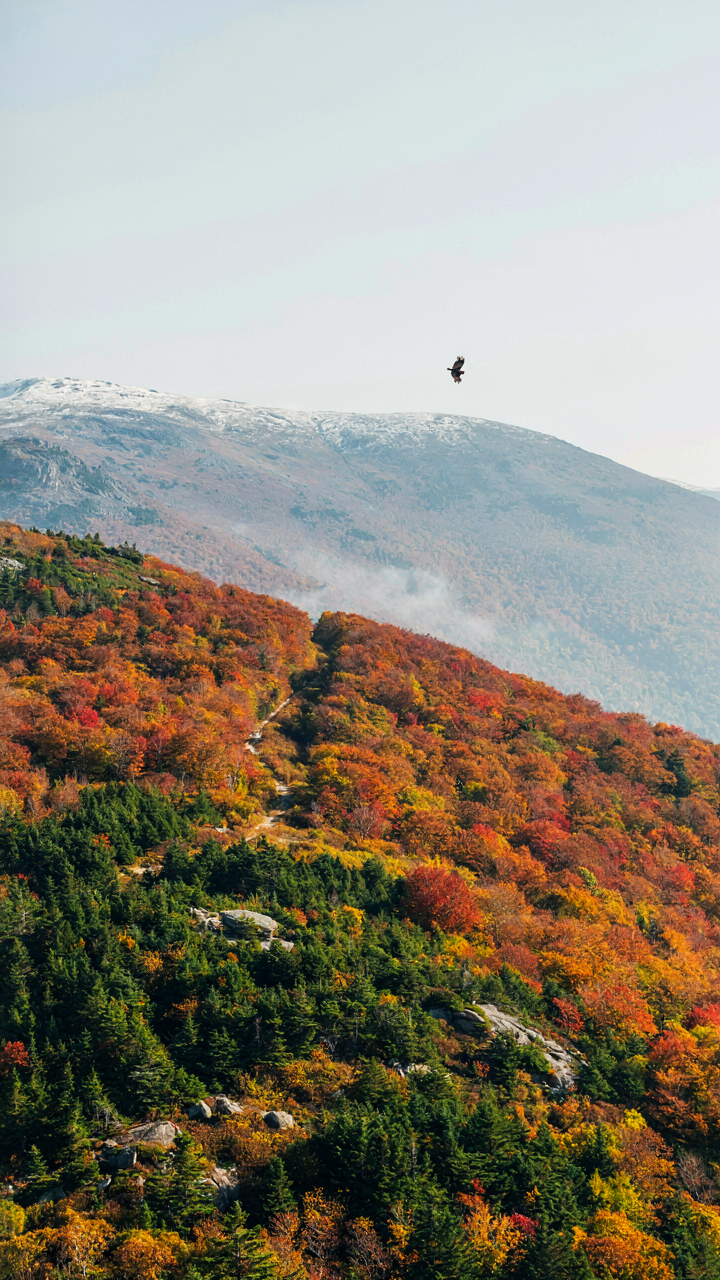
You want to beat the crowds to peak color, which means you need predictable information instead of guessing. Here’s the mechanism: temperature drops roughly 3.5 degrees Fahrenheit per 1,000 feet of elevation gain. Trees at higher elevations experience colder nights sooner, triggering senescence earlier in the season. This stacks the deck. Higher trails peak two to four weeks before lower valleys in the same region.
The real advantage isn’t just timing. Elevation creates vertical color gradients you can actually exploit. Drive up a mountain and watch the foliage progression unfold beneath you like a timeline. Mid-elevation zones (3,000 to 5,000 feet) often hit their window when lower trails are still green and higher peaks are already past. This layering effect extends your season. One trail system becomes three separate peak windows if you understand the elevation bands.
Exposed Ridges Against Protected Valleys
Exposure shapes color differently than most people notice. Exposed ridges get hammered by wind and sun, which accelerates leaf breakdown and moisture loss. Trees there display more muted reds and browns. Protected valleys hold moisture longer and get less direct wind stress, which deepens reds and preserves pigmentation longer. The same species shows different color intensity based on its shelter level.
This isn’t just aesthetic preference. It’s a scouting mechanism. If you hike an exposed ridge and see faded color, drop into the sheltered valley running parallel to it. The same trees there will still be vibrant. Wind-protected north-facing slopes hold peak color longest because they receive less direct sun and evaporate moisture slowly. Time your visit for the valley, not the ridge, and you’ll hit the window when the ridge has already turned dull.
The Dynamic Trail System: How To Predict Peak Color
When Cold Nights Matter Most
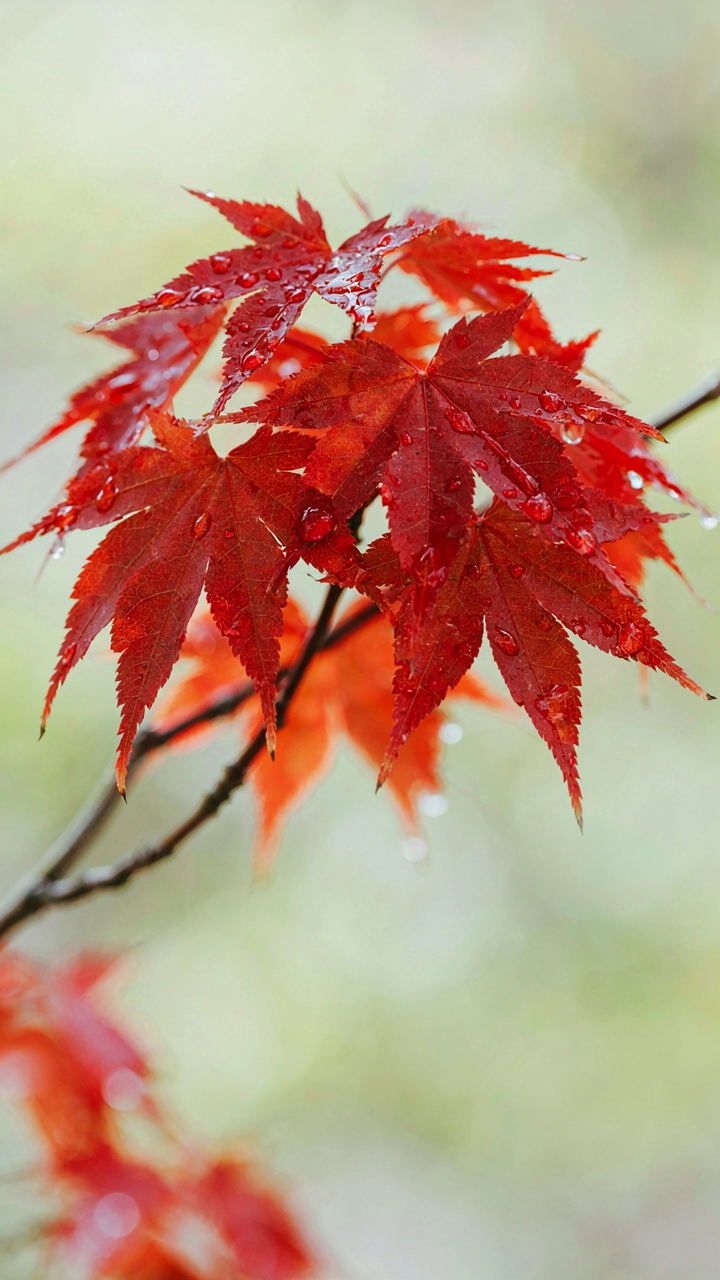
You want certainty about timing so you don’t waste a weekend driving to a trail that’s already past peak. The mechanism is biological, not mystical. Borrow from thermodynamics: temperature differential is the engine. Cool nights (below 45°F) paired with warm days (above 60°F) trigger anthocyanin production, the red and purple pigments. Chlorophyll breaks down faster under this stress. Without the temperature swing, leaves stay green or turn dull brown. Most hiking sites ignore this. They talk about “crisp autumn days” like poetry matters. It doesn’t. The differential matters.
Rainy periods interrupt this mechanism entirely. Rain keeps nights warmer and reduces the stress signal that tells trees to produce pigments. A warm, wet autumn produces weak color. Conversely, an early hard frost locks in the signal prematurely, concentrating pigment production into a narrow window. You don’t predict peak color by guessing. You track nighttime lows two to three weeks before your planned hike and look for consistent dips below 45°F paired with daytime highs in the 60s. That’s when to move.
Species Sequence Reveals The Timeline
Certain tree species respond to temperature and photoperiod in predictable order. This is not random. Sugar maples shift color before red maples. Birches turn before aspens in most regions. Black tupelo breaks first almost everywhere. If you see peak color in tupelos and early red maples on your target trail, you have maybe two weeks before the main canopy follows. This species-based sequencing acts as a biological indicator system. Scout the trail ten days before your target date and photograph the current state of dominant trees. Compare to your baseline.
Different regions have different dominant species, which changes the timeline. In Vermont, sugar maples drive the spectacle. In the Southeast, black gum and sourwood deliver the initial signal. In the Midwest, ash and oak species follow different schedules. You must know what trees dominate your chosen trail before you plan the hike. Check the trail’s ecological profile or ask the managing organization what species comprise the canopy. Then track those specific species online through regional foliage reports. Peak color isn’t one moment. It’s a wave you learn to read by watching the species that move first.
The Autumn Trees Photography Advantage: Capturing Ephemeral Beauty
Golden Hour Light Works Because Of Physics, Not Luck
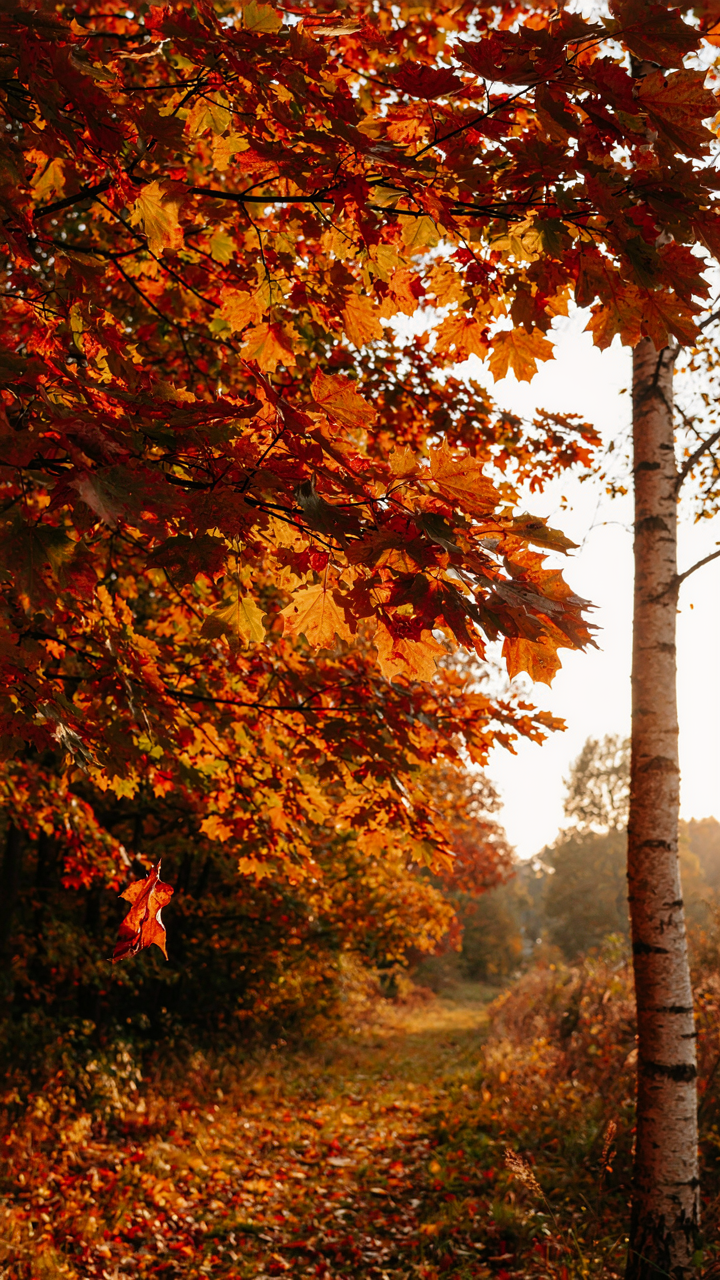
You want the shot that makes people ask where you took it. That’s the real driver here—not the art, but the social proof. The mechanism is directional light, and it’s pure physics: low-angle sunlight during golden hour refracts through chlorophyll breakdown products at oblique angles, creating specular highlights on leaf surfaces while backlighting intensifies reds and yellows. Side-lit trees show dimensional color separation that flat overhead light cannot produce. Shoot within two hours of sunrise or sunset on clear days to lock this in consistently.
Morning light from the east reveals color before shadow steals definition. Evening light from the west amplifies warm tones but compresses depth. Choose based on your trail’s orientation and which trees you’re targeting. Midday shooting wastes the peak foliage window entirely—the sun flattens color saturation and erases texture. Position yourself so trees sit between you and the light source rather than behind you, and watch shadow placement deliberately to preserve foreground detail without crushing blacks into noise.
Composition Separates Signal From Noise
Most foliage photography advice is incomplete: people tell you to include water or layers but skip the actual visual hierarchy that makes a scene readable. Rule of thirds feels organic until you realize strong autumn frames work because they isolate a color gradient or textural contrast against visual weight. The real rule is asymmetry with purpose—place your dominant color mass off-center, anchor it with a contrasting element, and let negative space breathe.
- Leading lines through tree rows: Position yourself so trunks or paths create diagonal movement into the frame. This pulls the viewer’s eye toward your intended focal point rather than letting it wander across uniform color.
- Foreground framing with branches: Overhanging limbs in sharp focus create depth separation. Slightly out-of-focus foreground trees frame distant color, making the background pop without feeling flat.
- Color blocking against neutrals: Place warm foliage clusters against gray sky or dark evergreens. The contrast amplifies perceived saturation more than any single saturated pixel could alone.
- Vertical compression for density: Shoot with longer focal lengths to compress atmospheric perspective. This stacks color layers and eliminates the white space that makes autumn feel thin or sparse.
- Repetition with variation: Multiple trees in graduated color stages create visual rhythm. This feels intentional rather than random, which separates strong frames from casual snapshots.
Test composition by shooting the same scene at different apertures and focal lengths, then comparing how your eye moves through each frame. The frame that makes you look longest first is the one that works. Nail this before you worry about color grading or post-processing.
Beyond The Postcard: Finding Your Own Beautiful Roads
The Crowd Avoidance Equation
You want the view without the parking lot because validation through scarcity beats validation through numbers. The mechanism is simple: popular trails reach peak color on the same three weekends, driven by weather patterns and social media timing. Most people follow the same 5 to 7 published routes in any region. The gaps exist in the marginal roads nobody photographs.
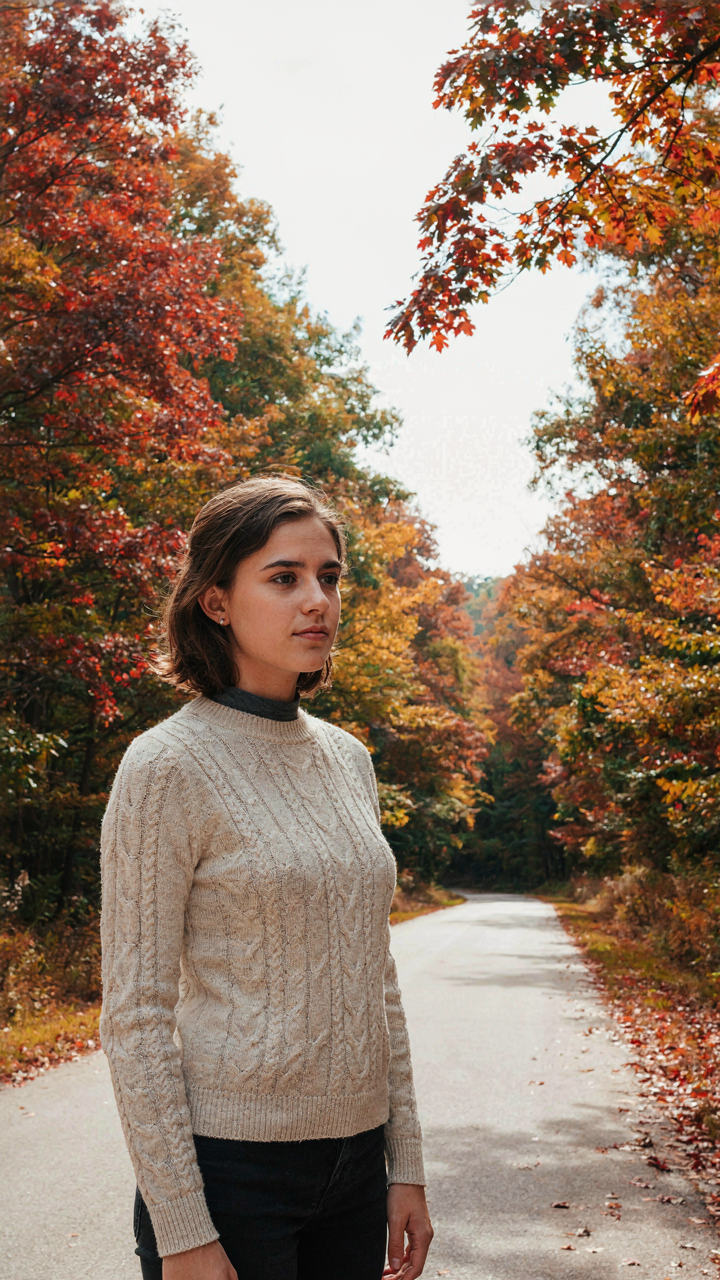
Secondary state routes and county roads parallel the famous trails but see a fraction of the traffic. These roads often climb the same elevations and pass through identical forest compositions, hitting peak color within days of their famous neighbors. The difference is logistics: they lack parking infrastructure, trailhead signage, and Instagram geotags. That’s your advantage. Reconnaissance takes an hour. Execution happens on a Tuesday when the crowds chase the viral route.
Mining For Real Intel
The common advice here is garbage: people tell you to call ranger stations and check tourism websites, both of which funnel you toward the already-crowded answers. Real intelligence comes from economic layers nobody thinks to tap. Contact the maintenance departments of county highway systems, not parks departments. These crews drive every road weekly during fall and know color progression better than anyone. They’ll tell you which secondary roads hit peak exactly when and why.
Local hardware stores, agricultural supply shops, and gas stations in small towns adjacent to foliage regions carry the actual pattern knowledge. Staff there see which roads locals drive versus which ones tourists clog. Forest service workers who manage timber and fuel mitigation have detailed maps of canopy composition by road segment. Start with a specific question: “Which roads in your county have the highest concentration of sugar maple and red maple?” Then cross-reference against elevation gain and northern exposure. Execute this reconnaissance two weeks before your planned trip.
The Game Theory Of Autumn Walk: Navigating Crowds

When Peak Color Becomes A Prisoner’s Dilemma
You want to see the best foliage without fighting crowds. That’s the real tension you’re hiding behind “timing questions.” Game theory exposes the mechanism: everyone makes the same rational choice simultaneously, which destroys the outcome everyone wanted. When the National Weather Service forecasts peak color in a region, thousands of people book the same weekend. The trail becomes worthless because you came to be alone in beauty, not stand in a parking lot.
The prisoner’s dilemma applies directly here. Your dominant strategy is to go when conditions peak. Everyone else’s dominant strategy is identical. The collective result is congestion that makes the experience mediocre for all players. The only way to win is to defect from the obvious choice. You go off-peak intentionally, accepting slightly less color saturation to gain the actual benefit you’re after: solitude and unobstructed viewing.
The Counterintuitive Timing Play
Conventional advice says check foliage forecasts and go when they predict peak. This is lazy and backwards. Peak color forecasts are public information. Public information drives public behavior. You need private information or contrarian timing instead. Many trails in the Northeast and Midwest hit 80 percent color three to five days before forecasters declare peak. The crowds won’t arrive until the forecast drops. You go early, when the color is still excellent but the parking lots are half full.
Weather volatility works in your favor if you plan differently. A frost or warm spell shifts color timing by days or even a week across regions. Most people wait for official confirmation. You monitor temperature patterns ten days out and move before the consensus catches up. The second mechanism is weekday access. A Wednesday in mid-October on a New England trail draws 70 percent fewer people than the same trail on Saturday. Check your calendar, take the day off, and move. That’s the protocol.
The Subjectivity Of Autumn Scenery: Redefining “Best”
What You Actually Want From Color
You’re chasing validation that you picked the right trail. That’s the real motive here. But “best” doesn’t exist in foliage because color perception is physiological, not objective. Your eye processes wavelengths differently than someone else’s based on cone cell density, age, and what you’ve looked at recently. A scarlet maple looks different to you in October than it will in November because your visual system adapts to ambient light. The “best” trail isn’t the one with the most vivid colors. It’s the one where the light, texture, and palette align with how your specific visual system processes information that day.
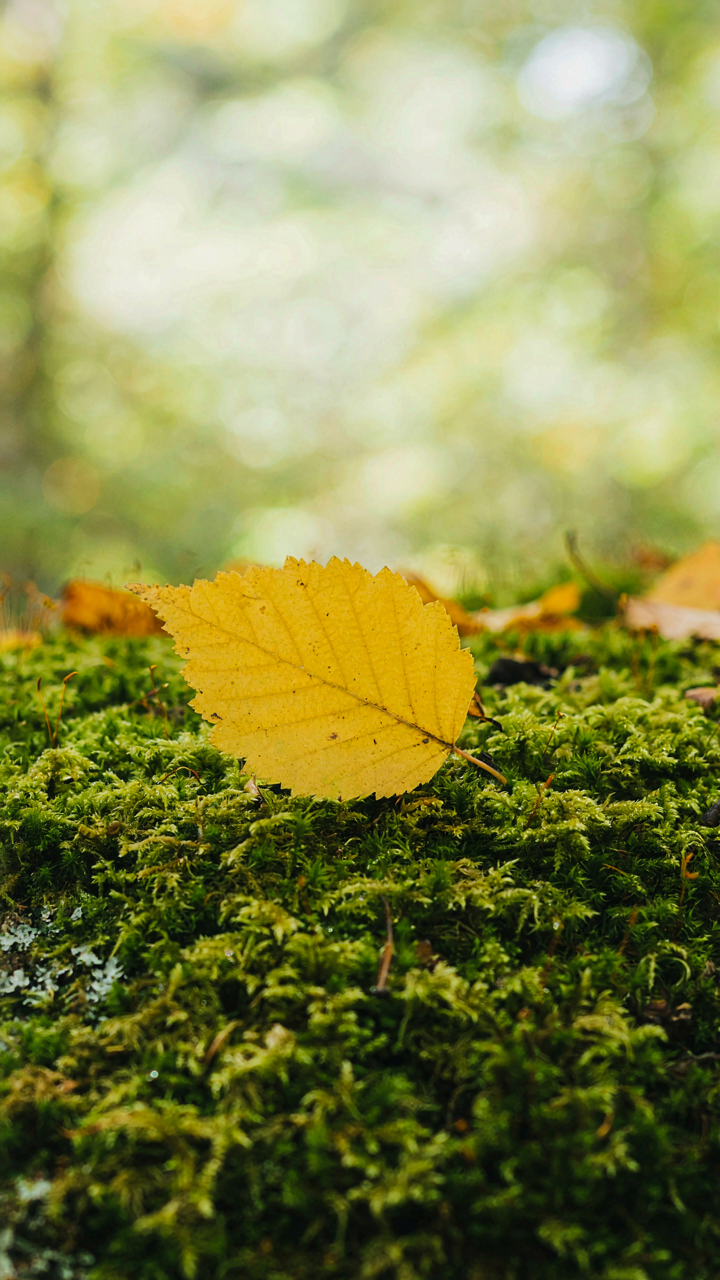
Your preference for deep reds versus golden yellows isn’t taste. It’s biology meeting context. Maples with anthocyanins produce reds that require high sugar content and cool nights. Birches with carotenoids stay gold longer because they’re chemically stable. If you respond more to reds, you’re responding to a narrower peak in the visible spectrum. If you prefer golds, you’re drawn to a broader wavelength range. Neither is superior. The mechanism is this: stop comparing your trail to someone else’s photos and instead notice which color range your eye settles on without strain. That’s your answer.
Presence Over The Perpetual Hunt
The real advice out there says chase peak foliage dates and drive between regions for maximum color saturation. That’s consumption logic dressed as optimization. It’s a trap. The actual cost is fragmentation. You spend so much mental energy hunting the theoretical best moment that you never actually see what’s in front of you. Attention is scarce. Divided attention produces no memory. You need a protocol: pick one trail within driving distance, commit to visiting it three times across October or November, and notice what changes instead of what stays the same. The first visit, you see peak color and miss the texture. The second visit, color fades but the light shifts and the crowd thins. The third visit reveals the skeleton of the forest. Each version is complete.
This isn’t spiritual advice. It’s a practical mechanism for building actual visual knowledge instead of collecting photographs. Novelty is the enemy of depth here. When you stop hunting and start observing a single location across time, you develop prediction skills. You learn why certain trees turn before others. You notice microclimates. You can anticipate what will happen next. That knowledge is worth infinitely more than finding the theoretically perfect day at a famous trail you’ll never visit again. Your task: identify your trail, block three dates on your calendar, and show up regardless of what the forecast says.
The Real Obstacle Isn’t The Trail, It’s Your Expectation Of A Curated, Effortless Spectacle
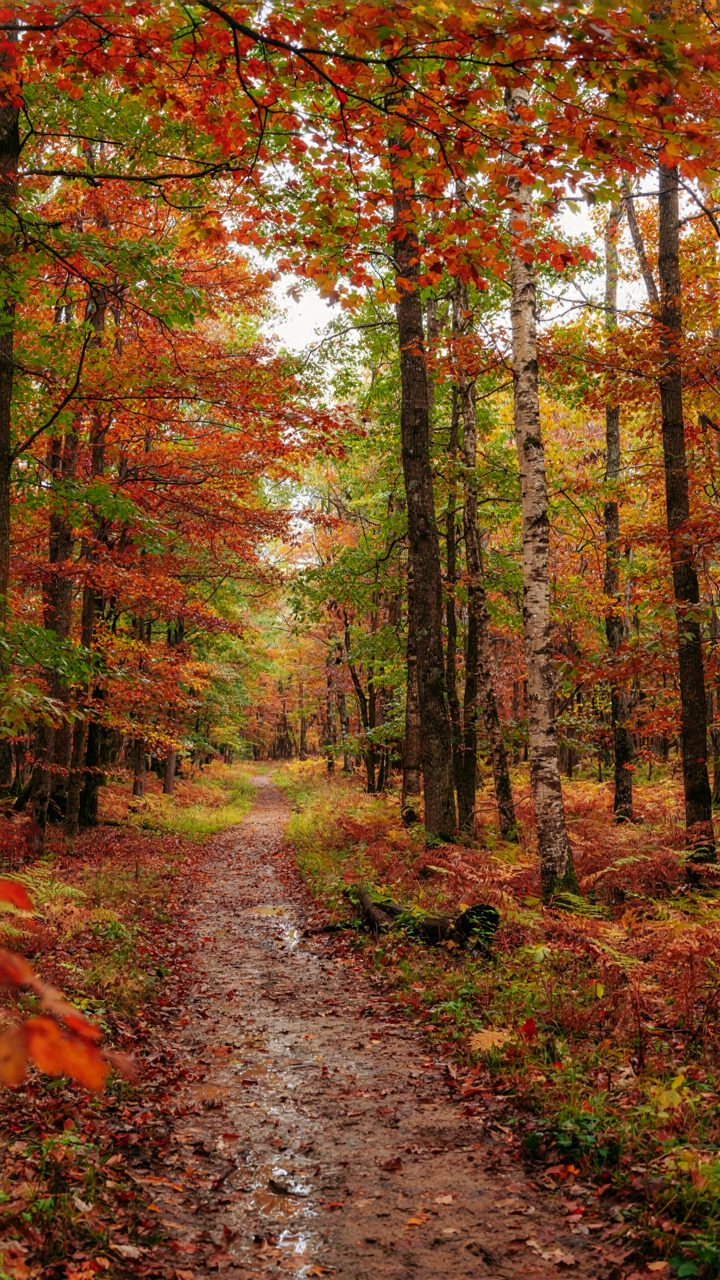
You chase autumn foliage trails because Instagram promises peak color on command. It doesn’t work that way. The best trails demand you show up unprepared, uncomfortable, willing to find beauty in patchy trees and muddy switchbacks. Most people won’t. They’ll wait for the perfect weekend, check the forecast obsessively, then complain the colors faded. Stop waiting. Pick a trail within two hours of you and drive there this week, regardless of conditions. The difference between a mediocre memory and a real one isn’t the foliage. It’s whether you showed up when it mattered least to everyone else.