
Introduction
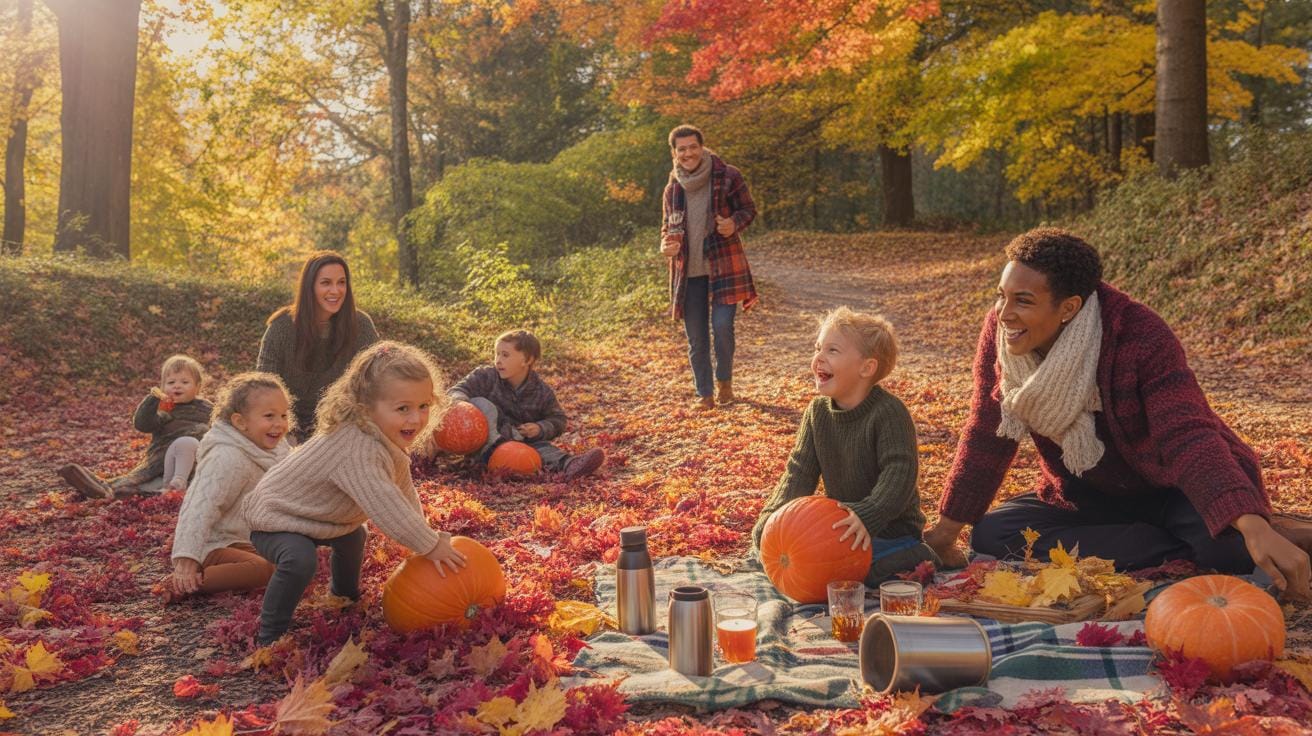
Fun Autumn Activities And Cozy Activities For Outdoor Travel offer a perfect way to enjoy the change in seasons. Autumn marks the transition from summer to winter, with cooler temperatures and striking changes in nature. It invites you to explore outdoor activities that match this season’s unique vibe. This article presents practical ideas to maximize your autumn days outdoors, focusing on fun, relaxation, and ease of preparation.
You will find chapters that cover what activities suit the crisp, cool air, how to prepare for them effectively, and ways to stay cozy while you travel outside. Whether you want to try adventurous activities or calm outdoor relaxation, this guide shows you simple and enjoyable options for autumn travel and leisure.
Seasonal Outdoor Activity Checklist
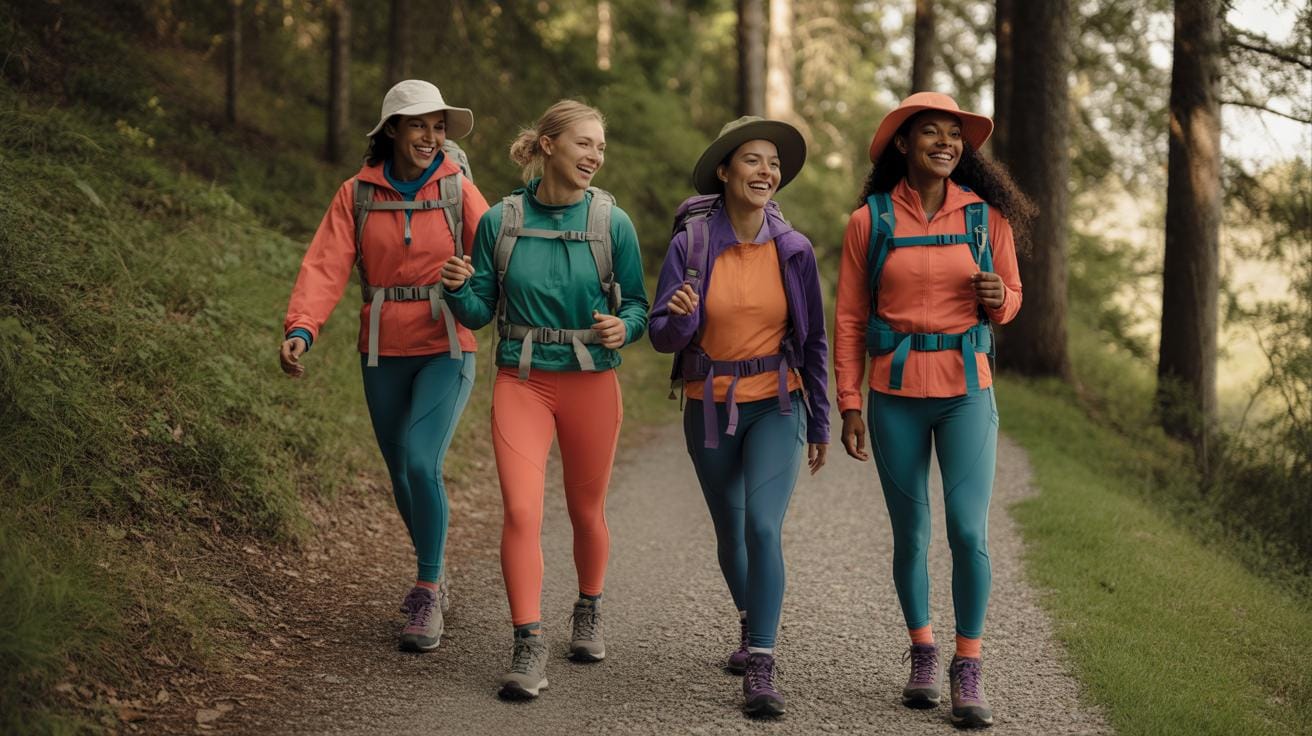
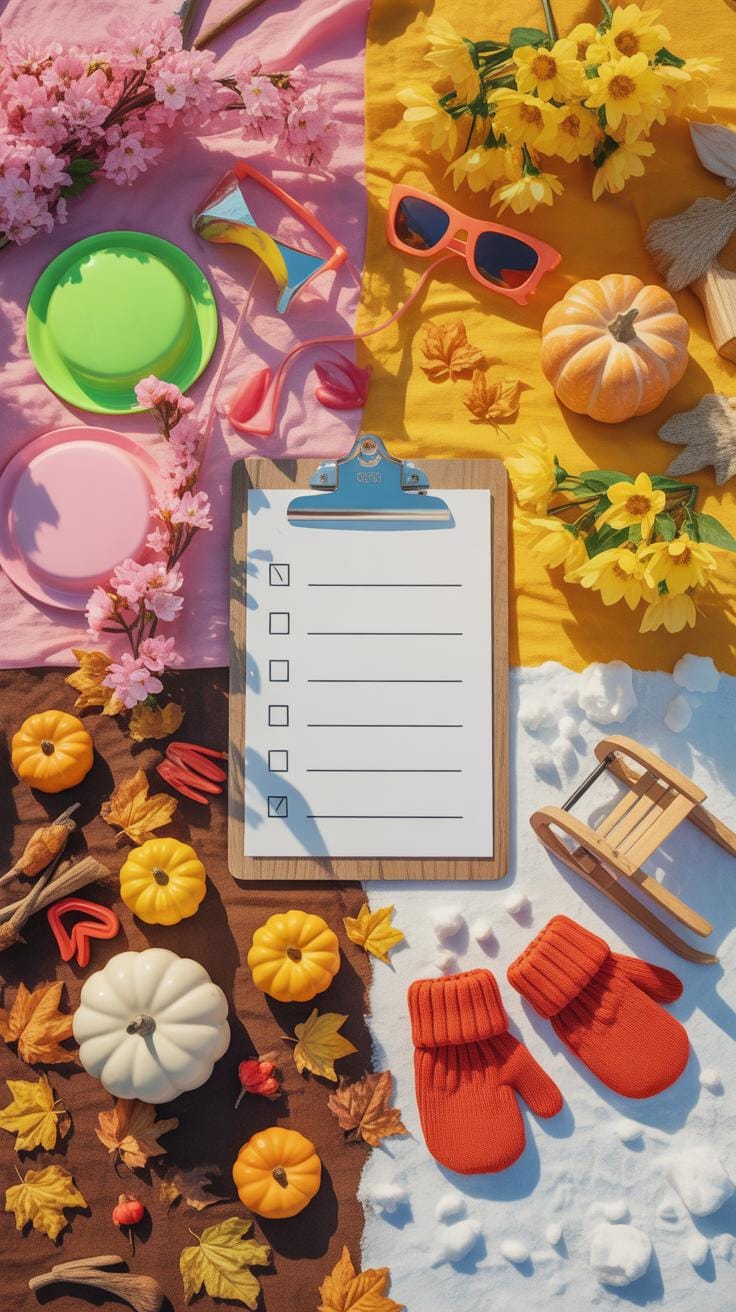
Autumn invites a unique mix of outdoor activities that embrace the cool air and vibrant foliage. Here’s a practical checklist you might consider:
- Leaf-peeping walks to admire changing tree colors.
- Picnics layered with cozy blankets and warm drinks.
- Apple picking at local orchards, a timeless fall pleasure.
- Photography excursions capturing misty mornings or golden afternoons.
- Light hiking on trails scattered with crunchy leaves.
- Packing a thermos for a refreshing but chilled lakeside visit.
- Outdoor yoga sessions with a brisk but refreshing breeze.

Some activities deliberately balance fun and comfort, reflecting autumn’s mild chill without rushing into winter’s cold. It’s about enjoying the outdoors without feeling frozen, which is why layering clothing is key.
Choosing Activities Based On Weather
Picking the right activity depends heavily on daily weather. Watch the temperature and sky. If mornings are crisp but afternoons warm up, try timing your activity accordingly. Light fog invites quiet strolls, but if a windy day looms, more vigorous activities might keep you warm. Rainy spells? Perhaps save narrow window periods between showers for brief ventures. It’s a bit of a guess at times, so checking a weather app close to your outing helps, though local microclimates can surprise you.
Activities For Different Energy Levels
Everyone’s energy varies, especially outdoors in changing seasons. For low energy days, stick with gentle walks or bird watching—pleasant but easy. Medium effort options include bike rides through leafy parks or moderate hikes where you can pause frequently. When you feel more ambitious, consider trail runs or more challenging hikes, but keep in mind, uneven terrain with wet leaves can test your balance more than expected. Giving yourself permission to switch intensity keeps the experience enjoyable rather than a chore.
How To Dress For Autumn Outdoors

Autumn weather can be tricky to navigate when dressing for outdoor activities. Mornings might feel chilly, only for the sun to warm things up by noon. So, preparing for shifting temperatures is crucial. I usually start with a simple base layer—something breathable like a cotton or moisture-wicking shirt. It keeps sweat away and won’t stick uncomfortably when you’re active.
Then, adding a mid-layer such as a fleece or a light insulated jacket helps trap heat without being too bulky. Top it off with a windbreaker or waterproof shell, especially if rain or wind is in the forecast. This top layer shields you from sudden weather changes and is easy to remove if you overheat.
Layering Clothes For Warmth
Layering is more than just piling on clothes. It’s about combining materials and thicknesses that work together. Think of it like a sandwich—each layer plays a role. The base controls moisture, the middle insulates, and the outer protects. Too many thick layers can restrict movement and cause sweating, which ironically cools you down as moisture evaporates. So, it’s better to have thin, adaptable layers than one heavy jacket.
Also, consider where you’ll be most active. If hiking uphill, you’ll likely heat up faster. In contrast, sitting to admire fall foliage calls for more insulation. It’s a bit of a balancing act that only experience teaches you.
Choosing Footwear For Autumn Terrain
Footwear is another key piece often overlooked. Autumn trails can be wet, muddy, and covered in slippery leaves. A good pair of boots or sturdy shoes with solid grip makes a big difference. Waterproof or water-resistant materials keep your feet dry, while good ankle support helps prevent injuries on uneven paths.
Some prefer hiking boots with deeper treads, but if the plan is just a casual walk, trail shoes or sturdy sneakers with grip can be enough. I remember one crisp October when I thought my regular tennis shoes would do; ended up slipping on wet leaves more times than I care to admit. That day, I learned to pick shoes with more traction for tricky terrain.
Choosing footwear that balances protection, comfort, and grip not only improves your experience but keeps you safer outdoors.
Setting Up A Cozy Campsite
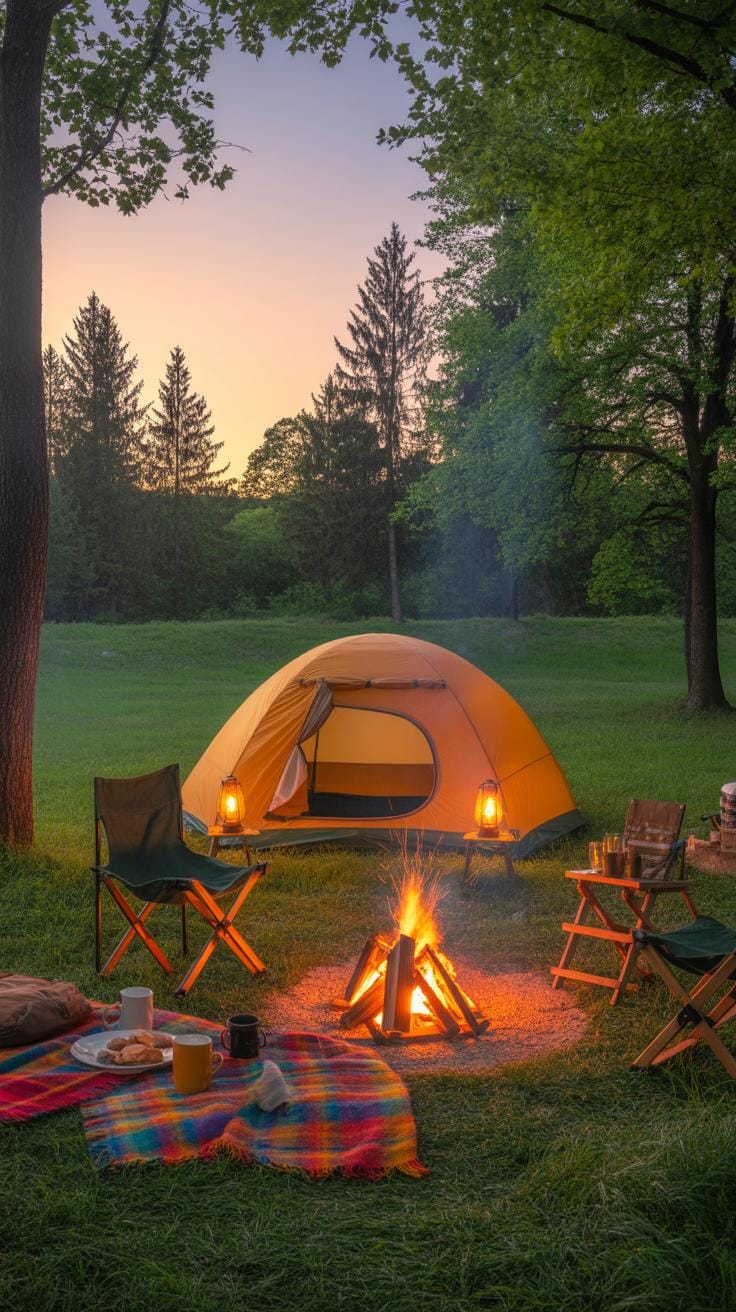
Setting up camp in autumn requires a bit more attention to warmth and comfort than other seasons. First, pick a spot that naturally shields you from chilly winds. Look for areas near dense trees or natural land formations like hills or large rocks that can block gusts. This helps you preserve heat and feel more tucked in.
Sunlight is a friend here. Find a location that enjoys good sun exposure during the day—morning sun especially can warm you up and dry out any dampness from the night. It’s not just about staying warm, but staying dry and comfortable.
Once you find the spot, think about your shelter. A good tent with a rainfly can keep the autumn dampness out and trap heat. Lining the tent floor with a thick pad or blankets adds insulation and comfort beneath you. Don’t just stop there—layer your sleeping bag with an extra blanket, because autumn nights can get surprisingly cold.
Now, about the campfire. Building and managing a fire safely is key. Clear your fire area of leaves and twigs to prevent stray sparks from igniting a larger blaze. Keep your fire small and manageable, adding wood gradually rather than piling it on all at once.
Keep a bucket of water or dirt nearby to extinguish the fire quickly if needed. When the day winds down, position your seating so you can soak in the fire’s heat comfortably without being too close to smoke or sparks. Think about reflective surfaces like rocks placed behind the fire—they bounce warmth back to you, which feels nice on a crisp night.
Setting up a cozy campsite in autumn means careful choices, but the reward is a comfortable, inviting outdoor space to enjoy the season’s charm. It’s almost like creating a small, warm retreat right in nature. You might find it’s worth a bit of extra effort for the comfort you gain.
Simple Autumn Hikes For Beginners
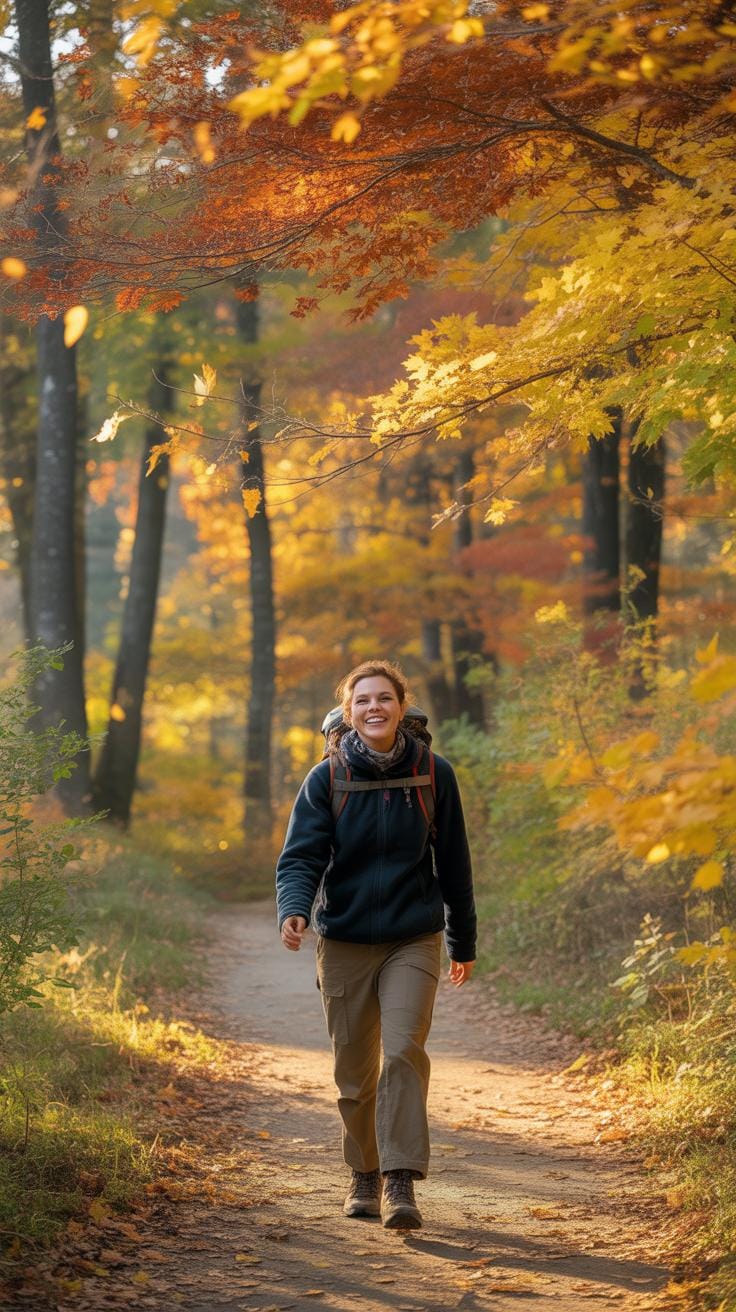
If you want to catch the best of autumn colors without trekking too hard, some trails are quite approachable. For instance, Lake Winfield Scott in Georgia offers a gentle loop around an 18-acre lake. The area’s forests glow with rich autumn hues—oak and hickory trees in lower areas, plus leafy coves and pines. It’s a calming spot where the trail is mostly even, ideal if you’re new to hiking or just don’t feel like pushing too much.
Other beginner-friendly trails often stick to lower elevations and avoid steep climbs, letting you savor the scenery without the worry. You might try walking a loop trail that’s under 3 miles or select paths in local state parks well-known for fall foliage displays.
Timing Your Hikes To Enjoy Colors
When do you hike makes a noticeable difference. The light is often best during the early morning or late afternoon, around sunrise and just before sunset. That’s when the sun casts a softer glow, enhancing the reds and golds on the leaves. Midday light? Sure, it’s brighter for visibility, but sometimes it washes out the colors.
Plus, fewer people tend to be on the trail early or late, which can lend a quieter, more personal experience. Of course, weather and cloud cover also impact the visual impact — sometimes an overcast sky brings out the colors in a more muted yet interesting way.
Safety Precautions During Cooler Days
Crisp air often feels refreshing, but cooler autumn days call for a bit of extra care. Layering clothes is always smart to adjust as temperatures shift. Trails can become slippery with fallen leaves covering wet rocks or roots—so sturdy footwear with good grip is important.
Watch out for early frosts that may catch you by surprise, making some paths slick. Carry some basic first aid and let someone know your route if you’re heading out alone. And stay hydrated, even when the air feels cooler than summer. The chill might fool you, but your body still needs water.
Have you ever found yourself slipping on a leafy path? How did you handle it? Sometimes, just slowing down and being more mindful of every step is all it takes to keep safe.
Food And Drink To Bring Outdoors
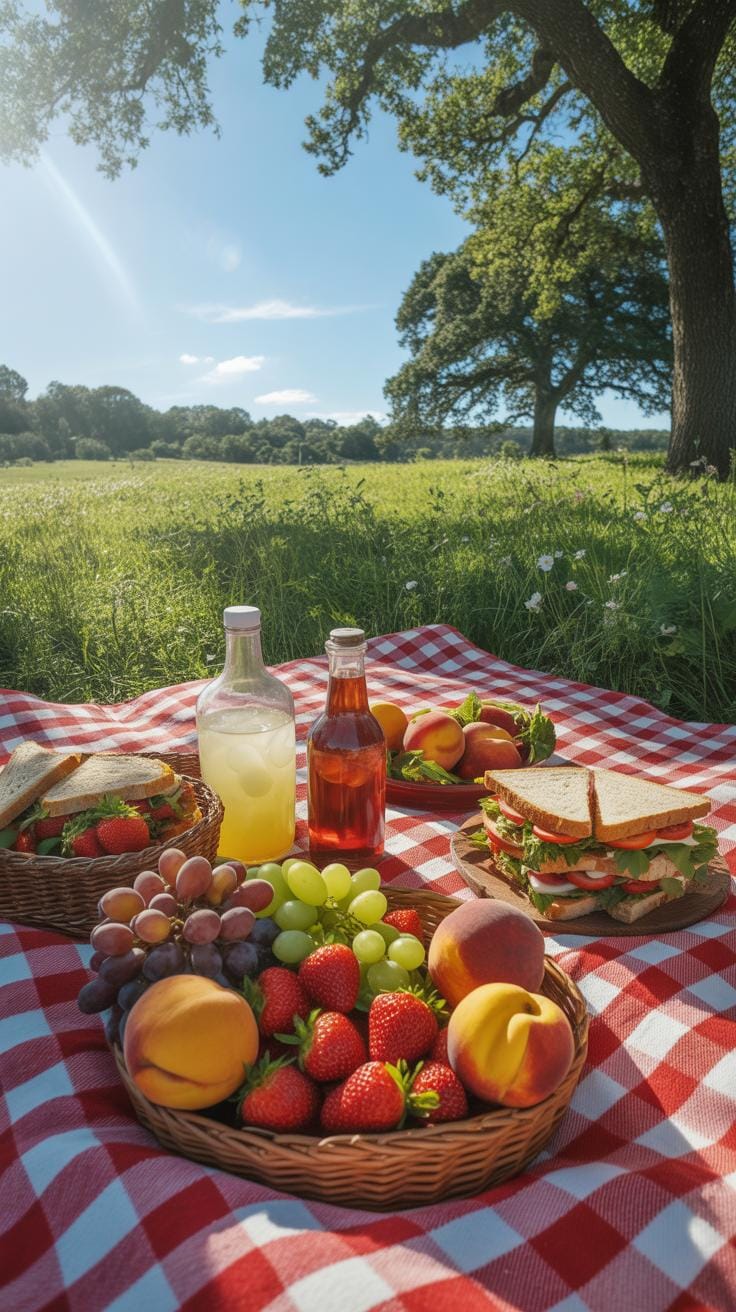
When you’re heading outdoors in autumn, packing food and drink that suit the season really enhances the experience. Autumn days can be chilly, so a mix of warming and nourishing options works best. Think simple, easy-to-carry items that don’t fuss around too much. For instance, sandwiches with hearty fillings—like roasted vegetables or turkey with cranberry—are surprisingly satisfying after a walk through crunchy leaves.
And fruit! Apples and pears fit perfectly with the fall vibe and travel well without any mess. They’re not fancy, but they do the job. Nuts and dried fruits are also great, giving you that quick energy boost without weighing you down.
Warm Drinks To Carry Along
Carrying warm drinks is a kind of small luxury when the air gets crisp. Hot tea is an obvious choice—herbal or spiced teas perk you up and warm you through. Some people swear by thermoses of coffee, though it’s not for everyone outdoors since it cools quickly. Maybe try hot apple cider? It’s sweet, comforting, and kind of feels like autumn in a cup.
And then there’s hot chocolate, which always feels a bit indulgent. If you have kids or just want a treat, it’s a definite win. Just don’t forget to bring something to keep your drinks hot a little longer, because nothing’s worse than lukewarm warmth when you’re shivering.
Easy Snacks For Energy
For snacks, portability is key. Granola bars often get a bad rap for being fake or heavy, but some natural versions are pretty decent. Trail mix, with its blend of seeds, nuts, and a little bit of sweet, gets points for simplicity and energy. I sometimes pack homemade oat cookies or energy bites that don’t crumble all over the place.
Cheese sticks or small cheese wedges also make a nice, protein-rich snack, especially when paired with whole-grain crackers. They’re just enough to keep you going without forcing you to stop and eat a full meal.
Overall, think balance. You want stuff that fuels your activity but doesn’t create any fuss — because in the end, autumn outdoor adventures are about comfort and ease, not battling your backpack.
Comparing Fall Vs Winter Outdoor Fun

Fall and early winter bring distinct kinds of outdoor fun. Autumn suits activities that benefit from milder, often crisp air and an explosion of changing colors. Think of hiking through woods painted in reds, oranges, and yellows—that’s very much a fall thing. In contrast, early winter leans towards snow-based activities like sledding or skiing, if snow arrives early.
What fits autumn best? Perhaps leaf-peeping or visiting pumpkin patches. These don’t usually work well once snow covers the ground. On the other hand, fall evenings might encourage bonfires or stargazing before winter nights grow too long and cold to linger outside comfortably.
Weather Effects On Activity Choices
Autumn’s weather can be unpredictable—one day sunny, the next drizzly or chilly—which directly affects outdoor plans. You might start with a bike ride under bright leaves but swap to a quick nature walk if rain rolls in later. The dropping temperatures invite layers rather than full winter gear, extending outdoor comfort without the bulk.
As temperatures begin teetering near freezing, activities subtly shift. Early frost might halt fishing or picnicking but open doors for brisk walks or mushroom foraging. Rainy days may push some toward indoor or shielded outdoor options. So, weather nudges what you’ll feel like doing outdoors day by day.
Gear Differences For The Seasons
In autumn, your gear often means versatility. Layered clothing is key—you want moisture-wicking base layers, a warm mid-layer, and a windproof jacket. Gloves might come out on chillier days but heavy insulated gear is usually not yet necessary.
Boots for wet or muddy trails are handy in fall, as well as hats that keep warmth without overheating. Interestingly, some essentials carry over into winter, like thermal socks or insulated jackets. But autumn still allows lighter footwear and less bulky scarves or hats, offering more freedom while exploring outdoors before winter fully sets in.
Steps To Plan An Autumn Day Trip

Planning a day trip in autumn is kind of like solving a small puzzle, isn’t it? You want to catch those changing leaves at their best, but also avoid the chill catching you off guard. First, check the weather forecast carefully—autumn days can switch from mild to surprisingly cold in no time. Next, think about the timing. Starting early is smart; you get the crisp morning air and more light to enjoy the scenery.
Make an itinerary that’s flexible. Perhaps a hike through a forest, followed by lunch near a lake or a quiet stream. Take breaks to really soak in those colors, but don’t rush or overpack your schedule. Lastly, inform someone about your plans, especially if heading to remote areas. The days get shorter, and you don’t want to be caught out after dark feeling unprepared.
Choosing The Destination Near Nature
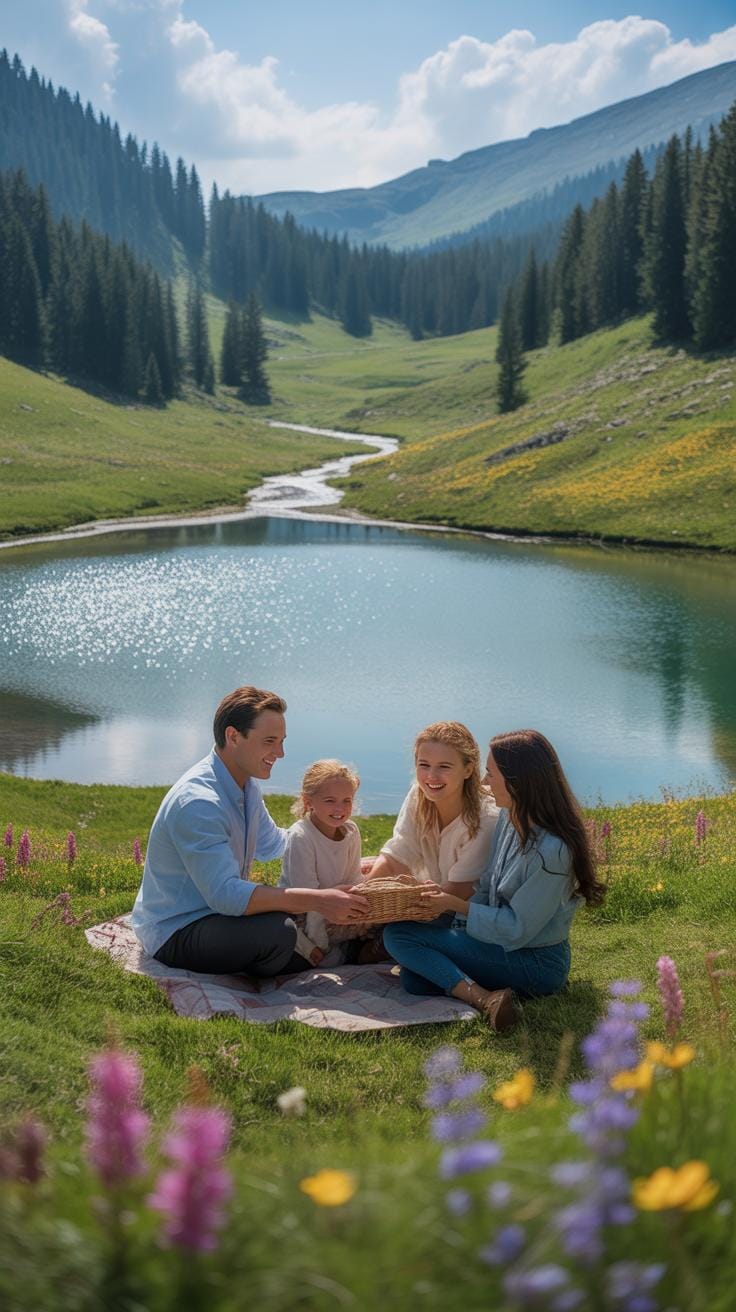
Picking the right spot for your autumn trip matters a lot. You want a place that feels alive with fall but isn’t overly crowded—maybe a lesser-known state park or a hideaway by a lake. Places with deciduous trees are ideal because their leaves turn rich shades of red, orange, and gold. These spots often have walking trails, offering different perspectives of the landscape.
Think about what draws you more: a quiet pond reflecting the colorful canopy, or rolling hills carpeted with fallen leaves? Also, consider accessibility; some locations might require a fair bit of walking on uneven ground, which can be tricky with cooler weather. Picture yourself there—does the thought make you want to pack your bag right away?
Packing Efficiently For Comfort

Packing for autumn outings—there’s an art to it. You want to stay warm but not carry a ton. Layers are your best friends. Start with a moisture-wicking base, add a cozy middle layer, and top with a windproof or waterproof jacket. Don’t forget a hat and gloves; those can make a big difference in comfort without taking up much room.
Snacks? Go for energy-boosting options like nuts, dried fruits, or a hearty sandwich. A thermos with a warm drink can be a real treat midday. Safety-wise, bring a small first aid kit and maybe a flashlight or headlamp—days get short, and it’s better to be ready if you linger too long. Oh, and a reusable water bottle; hydration matters even when it’s cool.
Ways To Capture Autumn Memories

Taking photos during your autumn outings can feel surprisingly rewarding, even if you’re just using a simple phone or camera. You don’t need all the fancy equipment; just focus on good lighting—early morning and late afternoon work best for vibrant colors and soft shadows. Try to find unique angles, maybe get low to the ground to catch the patterns of fallen leaves or shoot through branches for a natural frame. Don’t rush; sometimes waiting a moment gives you a shot with more life, like birds settling or leaves fluttering.
When it comes to keepsakes, nature offers plenty, but the key is to be gentle. Collect leaves, pinecones, or acorns that have already fallen rather than picking from living plants—that way, you leave nature intact. Pressing leaves between heavy books or in a flower press is a classic way to make lasting souvenirs. You could also glue leaves or tiny twigs onto homemade cards or bookmarks, creating personal mementos that retain that crisp autumn feeling.
Have you ever tried tracing the outline of a leaf or using it as a stencil for a painting? These little projects give your memories a new form, something you touch and see often. And sometimes, just collecting small natural items in a jar, then revisiting them later, brings back the scent and atmosphere of that cool autumn day better than any photo can.
Conclusions
Autumn activities combine the beauty of the season with enjoyable outdoor experiences. You learned about the best choices for spending your autumn days in ways that fit the weather and your comfort. From deciding on what to do outside to packing smartly for cozy travel moments, these suggestions help you make the most of autumn’s unique charm.
Now that you have clear ideas and steps, you can plan your outdoor autumn time with confidence. This season brings chances to relax, explore, and connect with nature in practical and fun ways. Use these tips to create your own memorable autumn adventures that fit your style and pace.