
Introduction
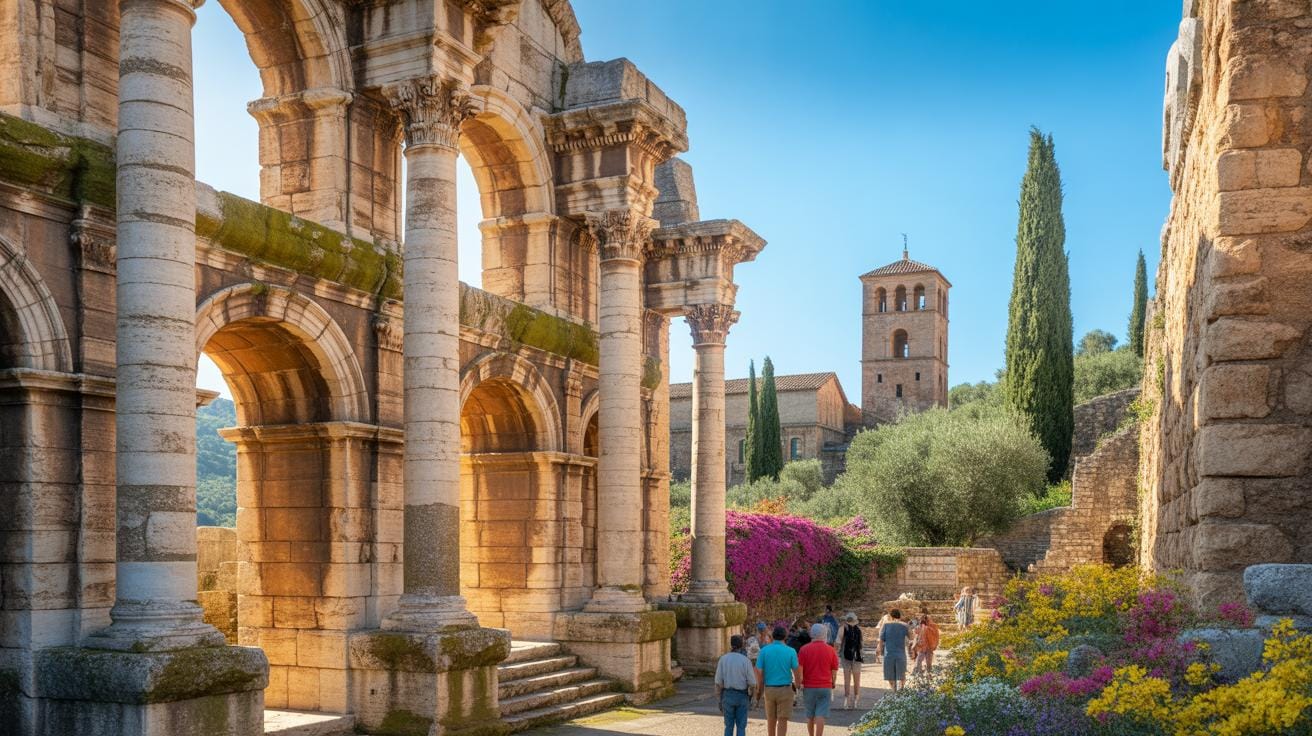
Roman ruins and ancient ruins with church towers tell stories of past civilizations. These structures, once part of bustling cities and sacred sites, now stand as remnants of history. They attract travelers interested in architecture, history, and culture.
This article looks at notable ancient ruins, their causes of decline, and the role of church towers in historic sites. You will learn travel insights that help you better understand and appreciate these ancient wonders.
Identifying Ancient Ruins Worldwide

Ancient ruins are the remnants of structures or cities from long ago, now partially or entirely decayed. They tell stories of past civilizations through crumbled walls and broken columns. You might think these ruins simply fell apart over time, but often their story involves nature, conflict, or neglect. Take Pompeii, for example. A volcanic eruption in 79 CE surprisingly froze the city in time under layers of ash, preserving a tragic moment in detail. On the other hand, Delhi in India has borne the scars of countless wars and reconstructions, its ruins layered like a palimpsest revealing multiple histories.

Worldwide, ruins come in many forms—from grand temples to simple homes—and they arise from various forces acting across centuries. When you visit, you’re not just seeing stones but pages from history written by natural decay, human conflict, and shifting societies.
Common Causes For Ruination
Ruins stem mostly from a few recurring causes. Natural disasters like earthquakes, floods, and volcanic eruptions frequently lay waste to entire settlements—just think of Pompeii’s fate or Lisbon’s devastating 1755 earthquake. Wars and invasions, too, bring destruction. Cities like Delhi have been destroyed multiple times during historical conflicts, only to be rebuilt atop old ruins.
Abandonment is another cause, often less dramatic but just as effective. Once a place loses its population or importance, buildings slowly crumble without upkeep. Economic shifts or environmental changes can lead to this gradual decay. Over centuries, scavengers may take stones for new constructions elsewhere, speeding the process.
Examples Of Famous Ruins
You might wonder which ruins stand out the most. Here are some notable ones:
- Roman ruins like the Colosseum and the Forum in Italy, iconic symbols of an ancient empire.
- Mayan sites in Central America such as Tikal and Chichen Itza, showcasing intricate stonework and astronomy.
- Ancient cities like Machu Picchu in Peru, perched high in the Andes, or Petra in Jordan, carved into cliffs.
- Other World Heritage sites include Angkor Wat in Cambodia and the Acropolis of Athens in Greece.
Each site, with its unique story and condition, invites reflection on how cultures rise and fall, leaving behind these etched scars on the earth.
Role Of Roman Ruins In History
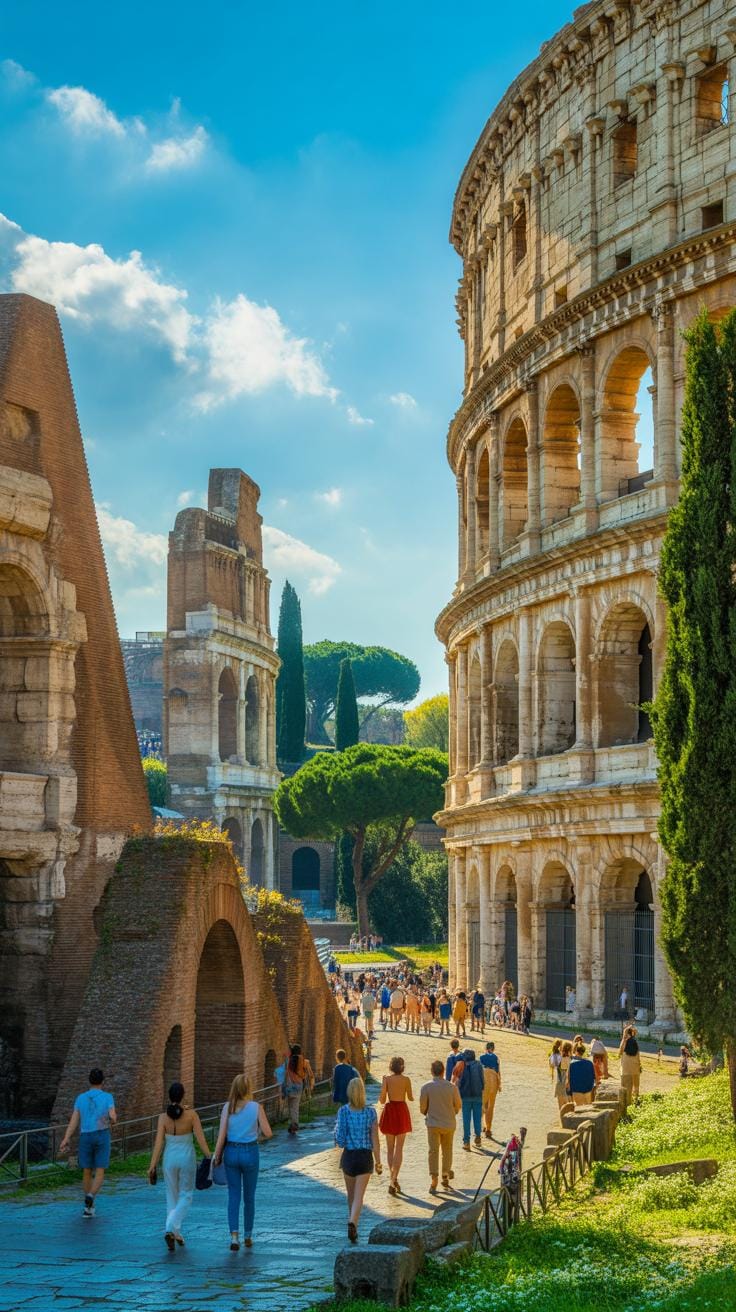
Roman ruins serve as windows into an ancient world that shaped much of modern Western civilization. They reveal the Romans’ advanced engineering and urban planning skills. Sites like the Colosseum, the Roman Forum in Rome, and the city of Pompeii showcase the grandeur and complexity of Roman life, from entertainment to public administration. These ruins aren’t just old stones; they tell stories about Roman political power, social structure, and daily routines. When you stand among these remains, it’s tempting to picture the hustle and bustle of people centuries ago, though there’s always some mystery about how life exactly played out.
Roman Architecture Features
Typical Roman architectural elements stand distinct even after centuries. Amphitheaters, for example, were designed to hold thousands of spectators, combining aesthetics with functionality. The Colosseum in Rome is probably the most famous example. Aqueducts reveal Roman mastery of hydraulics, channeling fresh water across vast distances—think of the Pont du Gard in France. Forums functioned as political, commercial, and social hubs, often surrounded by basilicas and temples. The use of concrete allowed Romans to build larger, sturdier structures, often featuring arches and vaults. These elements mingled utility with an unmistakable Roman flair.
Historical Importance Of Roman Sites
Roman ruins help historians piece together the past, offering clues about social hierarchy, cultural practices, and technological innovation. The sheer scale of infrastructure like roads and aqueducts hints at an empire that prized control and connectivity. These ruins can challenge modern assumptions too: for example, they sometimes show regional variations in Roman culture or reveal how Rome incorporated influences from conquered territories. Visiting these sites invites questions—how did Romans manage such feats without modern technology? The ruins stand as reminders that history isn’t fixed but often invites reinterpretation.
Church Towers And Their Significance

Church towers have played varied roles historically and architecturally. Originally, they served practical purposes — signaling time, calling people to worship, or alerting communities during emergencies. Over time, they also became symbols of power and faith, soaring above towns as landmarks everyone could see. Architecturally, they reflect styles of their eras, from Romanesque solidity to Gothic spikiness. These towers often stood as a town’s point of orientation, a beacon for travelers and the faithful alike.
Communities relied on church towers beyond just spiritual functions. Bells rang out social signals for markets, curfews, or celebrations, which makes you wonder how vital these structures were to daily life—almost like an early communication network. Although primarily religious, they also reinforced local identity. The tower’s height and design could reflect the wealth or importance of the parish, subtly blending divine aspiration with earthly pride.
Types Of Church Towers
Church towers come mainly in two forms: bell towers and steeples. Bell towers, usually square and sturdy, house bells to toll for services or events, often detached or adjoining the main church body. Steeples, by contrast, are taller, spire-like structures that taper elegantly skyward. While steeples sometimes contain bells too, they’re more symbolic—pointing heavenward and creating a striking silhouette against the landscape.
There’s also a practical distinction. Bell towers often emphasize functionality with thick walls to support heavy bells. Steeples prioritize height and visibility, making churches more prominent in the skyline. Some churches even mix these types—a bell tower with a steeple on top. It’s a reminder that these towers serve multiple purposes, both audible and visual, which can vary by region and era.
Tallest Churches And Towers
When you look at the tallest church towers worldwide, they’re stunning feats of engineering and devotion. The Sagrada Família in Barcelona is currently the tallest, with its central tower reaching over 160 meters and plans to top 170 meters. Ulm Minster in Germany holds the record for the tallest completed church building at 161.53 meters, boasting the world’s tallest church spire. Cologne Cathedral, with two towering spires at 157.22 meters, remains a cultural and architectural icon.
These towering structures weren’t just about height for its own sake. They represented city pride and religious zeal. Still, one wonders about the resources and risks involved in building such lofty structures centuries ago. What did it take, physically and socially, to achieve those heights? And how did these tall towers shape the identity of their communities? Visiting them today, you can’t help but feel their historical weight looming as much as their physical height.
Preservation Of Ancient Ruins
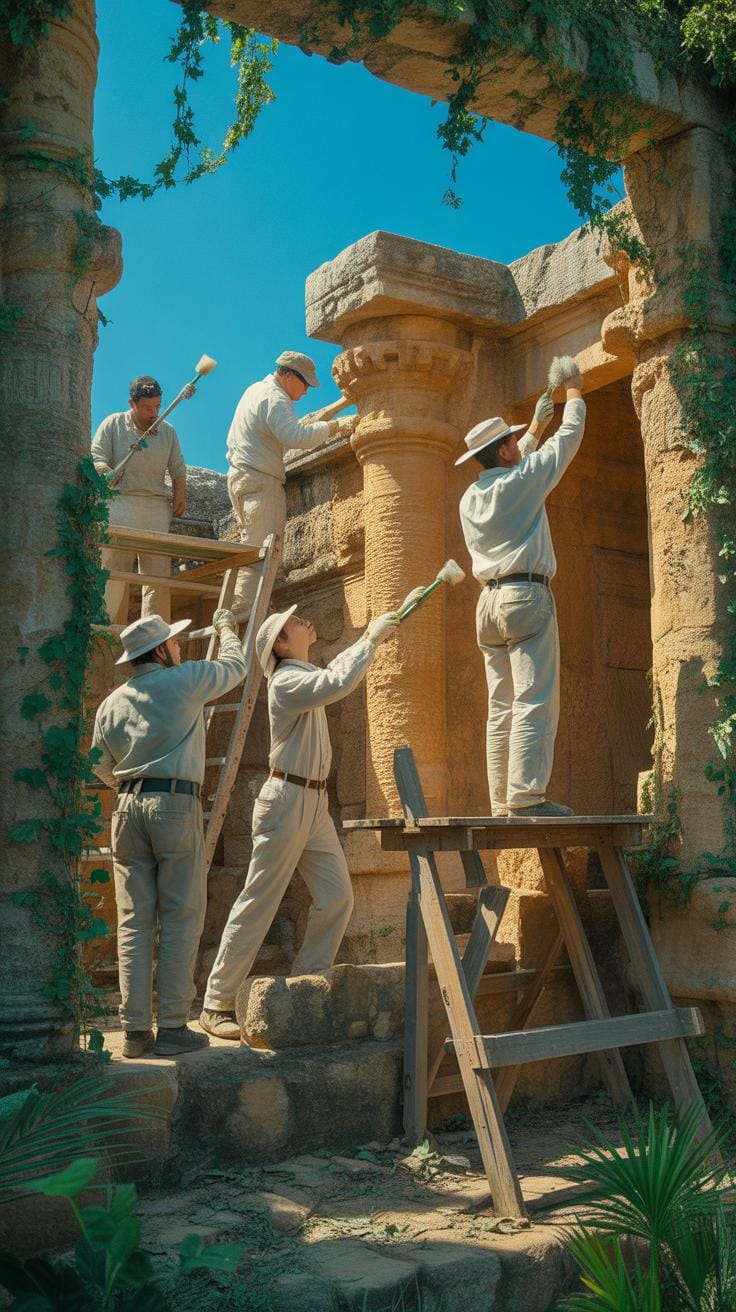
Efforts to preserve ancient ruins span several strategies that aim to protect these fragile sites for future generations. International protections, such as UNESCO World Heritage designation, play a big role in raising awareness and securing funding. These designations bring not only prestige but also responsibilities to maintain the site’s integrity.
Preservation efforts often include physical stabilization, controlled excavation, and monitoring environmental impacts. For example, using modern materials to support weakened structures or limiting visitor access to sensitive areas can help reduce wear and tear. There’s also an emphasis on documentation, digital mapping, and sometimes virtual recreations to keep a record even if the site deteriorates further.
The role of local communities is increasingly recognized, too. Empowering them to be caretakers and involving them in decision-making can make preservation more sustainable. Still, funding and political will are often uncertain, which leaves many ruins vulnerable despite the best efforts.
Challenges In Preservation
Preserving ancient ruins isn’t straightforward. Environmental damage—like erosion caused by rain, wind, and temperature fluctuations—gradually breaks down stone and mortar. Pollution contributes to the decay, accelerating the deterioration process in ways that are hard to anticipate.
Human impact further complicates things. Tourism, while economically beneficial, can cause damage to delicate surfaces and structures if not carefully managed. Vandalism and looting remain persistent threats in many regions, despite legal protections. Also, urban expansion and infrastructure development threaten the integrity of sites located near modern settlements.
Political instability and lack of resources in some countries limit consistent conservation efforts. In regions with conflict or neglect, ruins often fall into disrepair or destruction, posing difficult ethical and logistical questions about restoration priorities.
Successful Preservation Examples
Some initiatives have managed to balance preservation and accessibility effectively. Take Taxila, for instance—an ancient city now within Pakistan’s borders. It faced severe threats from natural wear and looting but benefited greatly from focused excavation and conservation supported by governmental and international involvement. With targeted upkeep, it now draws up to a million visitors yearly without losing its core features.
Other examples include sites like Pompeii in Italy, where ongoing research and restoration have managed to stabilize many structures while keeping large areas open to the public. These successes often rest on continuous monitoring, involving experts from multiple disciplines and adapting techniques to specific site needs.
Looking at these cases makes you wonder: How much can we realistically preserve? And what are we willing to accept as part of a ruin’s natural evolution versus intervention? It’s a balance, surely, with no perfect answers but plenty of lessons.
Planning A Visit To Ancient Ruins

Choosing Destinations and Timing Visits
When planning your trip to ancient ruins, picking the right site can be tricky. Some ruins are embedded deep in history, others might be more accessible yet still hold mysteries to uncover. Consider what fascinates you—Roman engineering, Mayan temples or perhaps the silent stones of ancient Greece. Timing is just as crucial. Visiting during peak tourist seasons can mean heavy crowds and less authentic experiences. But some sites close off during off-peak periods, so checking accessibility ahead of time is wise.
What To Prepare For
Ruins aren’t like modern tourist attractions. Expect uneven paths, limited shade, and sometimes minimal facilities. Pack sturdy shoes, water, and snacks. A hat and sunscreen are good ideas too. There’s a sense of silent respect needed here: these are remains of lives long gone. Stay on paths, don’t touch fragile walls, and follow local rules. Safety is key—some ruins might have restricted areas due to instability, so it’s better to be cautious than sorry.
The Best Travel Seasons
Weather plays a big role. In places like the Mediterranean, spring and autumn often offer pleasant temperatures and fewer visitors. Summer, while tempting for its long days, can be blistering and crowded. In tropical ruins, avoid the rainy season to prevent slippery ruins and closures. If you want to dodge crowds, early mornings or late afternoons on weekdays usually work better, though it might mean rushing through some sites.
Comparing Ancient Cities And Modern Sites

When you look at ancient cities and how they developed into today’s urban spaces, there’s an intriguing tension between old and new. Ancient cities were often compact and centered around key places—temples, markets, or fortifications—whereas modern cities tend to sprawl, shaped by transportation and zoning rules. Take Delhi, for instance. Its ancient core, the old city, contrasts sharply with the planned layout of New Delhi, designed during British colonial times with wide boulevards and administrative buildings.
This difference in planning reflects shifting priorities over time: ancient cities focused on defense, community, and ritual gathering spots. Modern cities prioritize efficiency, mobility, and accommodating growing populations.
Ancient Vs Modern Urban Layout
Ancient cities were often organic—streets winding haphazardly based on natural terrain or historical happenstance. You find narrow alleys and irregular blocks. Modern cities, by contrast, often use grids or planned sectors to streamline transport and development.
Delhi’s old city embodies this, with maze-like lanes that tell stories of centuries past, while New Delhi’s orderly layout exemplifies a more systematic approach to city life.
Integrating Ruins With Cities
What’s striking is how ruins endure within thriving metropolises. Sometimes ruins become parks, green spaces that offer a breath of ancient air among concrete. Other times they’re carefully preserved tourist attractions, like Delhi’s Qutub Minar complex, where ancient stonework stands alive amid the urban rush.
This coexistence isn’t always neat—noise, pollution, and crowds press against fragile relics. But it also offers everyday encounters with history, inviting you to pause and reflect right in the middle of modern hustle. It’s a dynamic, imperfect blend—ancient stones and modern life tangled together.
Discovering Lesser Known Ruins

Lesser known ancient ruins often provide a different angle on history — quieter, less commercialized, and full of surprises. They offer unique travel experiences that let you explore without crowds constantly brushing past. For instance, the Dead Cities in northwest Syria are a fascinating cluster of around 700 abandoned settlements. These places, largely unknown to many travelers, reveal how rural life unfolded in Late Antiquity and Byzantine periods. Imagine wandering among well-preserved houses, pagan temples, and ancient churches without the usual throngs of tourists. It feels like stepping back in time, almost undisturbed.
These sites exist outside typical tourist paths yet vibrate with stories of change and adaptation, surviving for centuries in relative obscurity. The slow, quiet pace allows you to absorb the subtle details — the craftsmanship in stone, the layout of long-abandoned homes, the echoes of lives once lived fully. Sometimes, being off the beaten track allows a more personal connection to history, more reflective moments.
Hidden Gems To Visit
There are many less-visited ruins scattered worldwide. Here are some worth considering:
- Dead Cities, Syria: Unique for their sheer number and the insight they provide into rural Byzantine life.
- Erbil Citadel, Iraq: One of the world’s oldest continuously inhabited settlements, not packed with tourists but rich in history.
- Nan Madol, Micronesia: A mysterious city built on a lagoon of coral islets, rare for its location and construction.
- Leptis Magna, Libya: Roman ruins less frequented due to location but remarkable for their preservation.
- Oxkintok, Mexico: A Maya site less known than Chichen Itza but offering impressive architecture and fewer crowds.
What makes these ruins special often ties to their quiet charm, preservation state, and the chance to explore without typical tourist distractions. You might find your own sense of discovery more profound here.
Benefits Of Offbeat Ruin Visits
Visiting lesser-known ruins offers tangible benefits. For one, fewer tourists mean you don’t have to compete for space or photos. You can move at your own pace, often with more interaction with local guides or communities who tend to welcome visitors who show genuine interest. That local culture preservation is vital; offbeat visits help sustain small communities economically and culturally without overwhelming them.
It also fosters a more respectful tourism form, which can be crucial for fragile archaeological sites. When you visit lesser-known places, your footsteps may leave less wear and your presence creates less pressure on the infrastructure. Plus, you get the satisfaction of discovering something few have seen, lending a personal edge to your trip. But, I wonder, does the calm of these places sometimes make you think about how history repeats, how thriving places get forgotten just as quickly?
Checklist For Responsible Travel To Ruins

Respecting The Site
Visiting ancient ruins and church towers means stepping into places that have stood for centuries or even millennia. It’s more fragile than you might expect. One of the simplest yet most overlooked things is to avoid touching stonework or artifacts. You may think a gentle touch won’t harm, but over time, oils and contact can degrade surfaces.
Don’t remove anything, even small stones or fragments. It might seem harmless, but it strips the site of its context and history. Imagine imagining an ancient city street with pieces missing – it loses meaning.
Remember to stay on designated paths. Sometimes, these ruins are fragile just beneath your feet. Sticking to trails helps prevent erosion or accidental damage. Picture a mosaic floor that’s thousands of years old – a single misstep might crack it.
Supporting Preservation
Supporting ruins goes beyond just not harming them. Many sites depend on visitor donations to fund expert conservation work. Consider donating at entrance fees or special funds provided, even if it’s a small amount.
Tourism can be a double-edged sword. Responsible tourism encourages municipalities to allocate resources for upkeep. Choosing guided tours that prioritize preservation awareness also helps. It’s a bit of a balance: visiting sites to enjoy them while ensuring they outlast us.
Some sites offer volunteer programs for conservation. If you have the time and energy, it could be a rewarding way to contribute personally. Ever thought about how your visit might support not just your curiosity but a ruin’s future?
Conclusions
Ancient ruins, including Roman cities and historic church towers, reveal a lot about past societies. Natural disasters, war, and human actions left lasting marks on these sites. Visiting them offers a unique chance to connect with history.
When planning travel to these areas, consider their historical importance and preservation status. Enjoy exploring these ruins with a mindful approach to conserve them for future generations.