
The Unfiltered Truth About Alpine Lake Allure

Instagram Convinced You These Matter
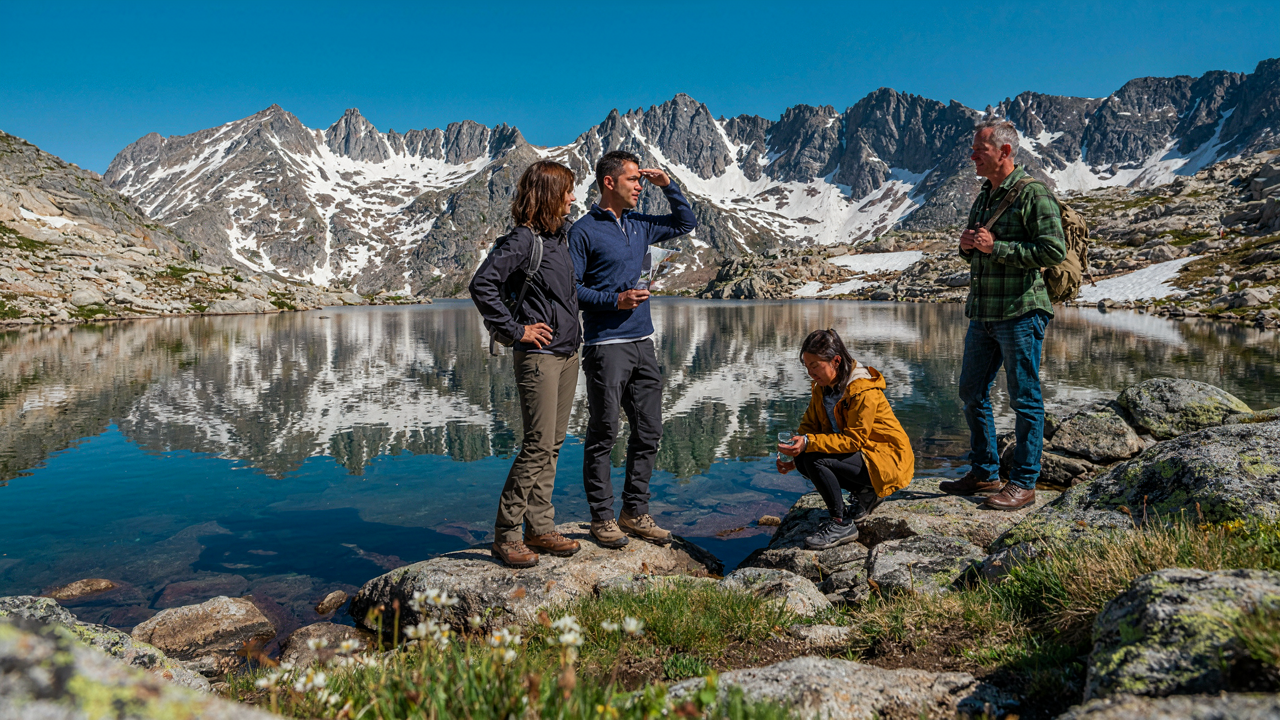
You care because everyone else’s photo got engagement, and you’re wondering if you’re missing something that costs nothing but a drive and a hike. Here’s the mechanism: social media operates on contrast principle borrowed from visual design. Alpine lakes create maximum contrast—deep blue water against rock and snow—which makes the camera work without effort. The algorithm rewards contrast. Your brain rewards novelty. Neither rewards what actually happens when you’re there.
The hike itself isn’t the product anymore. The image is. This split creates a specific trap: you show up expecting the feeling from the photo, not the reality of the elevation gain, the cold water, the hours of exposure. Most people measure success by whether they captured something shareable, not by whether they experienced something true. That’s not a flaw in your thinking. That’s the designed outcome of how these platforms distribute attention.
What The View Actually Demands From You

The common advice is that alpine lakes offer peace and clarity and a break from screens. Ignore that. Alpine lake hikes demand oxygen efficiency, and most hikers arrive unprepared for the metabolic cost. Altitude affects your aerobic capacity directly—the higher you climb, the less oxygen each breath delivers. A hike that feels moderate at sea level becomes genuinely taxing at 10,000 feet.
What you’re actually missing when you underestimate this is the difference between leisure and labor. Alpine lakes aren’t a rest. They’re a performance test disguised as scenery. Prepare for altitude by arriving a day early to acclimate, start early to avoid afternoon weather systems that form predictably in high terrain, and pack water at a ratio most hikers skip—half your body weight in ounces is the baseline at elevation, not the maximum.

The Brutal Physics Of Alpine Ascent: Energy & Efficiency
Where Oxygen Stops Being Free
You want to know the elevation gain breakdown so you can brag about doing it without getting winded. Here’s what actually matters: thermodynamics governs alpine hiking the same way it governs engines. At sea level, your muscles extract oxygen efficiently. Above 8,000 feet, oxygen availability drops measurably, and your body burns fuel at a higher metabolic cost to move the same distance uphill. This isn’t conditioning or grit. It’s physics.
Your heart compensates by working harder. VO2 max becomes irrelevant when the air itself contains less oxygen. The mechanism is straightforward: reduced atmospheric pressure means fewer oxygen molecules per breath. Your body demands more breaths to maintain effort, which accelerates fatigue and depletes glycogen stores faster. Most hikers ignore this and push the same pace they use at lower elevations, then wonder why they bonk at mile four. Pace down, not up.
Minimize What You Carry, Maximize What You Burn
The common advice is to bring light gear. That’s incomplete. You need to calculate mass-to-output ratio for the specific elevation and gain you’re tackling. Every extra pound on a 2,000-foot ascent costs roughly 5 percent more energy at altitude than it does on flat ground. This compounds. Ultralight boots aren’t fashion. They’re thermodynamic math.
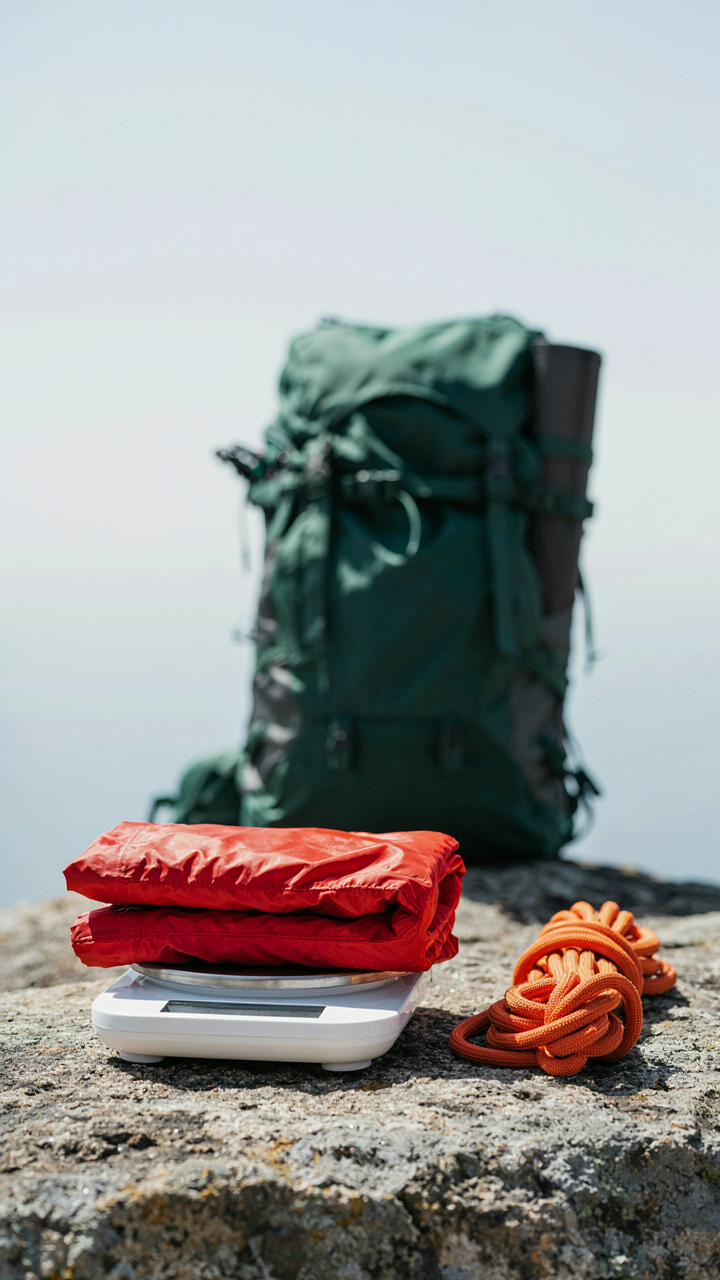
The protocol is ruthless: start with your base layer and water. Add items only if they prevent failure, not discomfort. A 3-pound sleeping bag serves zero purpose on a day hike. A 2-ounce rain shell prevents a descent in hypothermia. Worn-out cushioning in your pack adds 8 ounces and forces your core to work harder stabilizing your spine on technical terrain. Replace it. Strip the pack to under 20 pounds for day hikes under 6,000 vertical feet of gain. Weigh every item before you leave your car.
Beyond The Instagram Shot: Cultivating True Wilderness Resilience

Mental Fortitude Under Shifting Conditions
You want this section because you’re afraid you’ll panic when weather turns. Here’s the mechanism: alpine conditions don’t test your courage—they test your ability to stay operationally functional when your body screams to retreat. Weather in the Alpine Lakes Wilderness shifts in hours, not days. Rain, wind, and temperature drops compound. The hiker who survives isn’t braver. They’ve practiced decision-making under discomfort until it becomes automatic.
Preparation isn’t about becoming fearless. It’s about removing the cognitive load of uncertainty. Know your turnaround time before you leave the trailhead. Know your body’s actual cold tolerance, not your story about it. Know which trails have bailout options. When conditions deteriorate, you execute a predetermined call, not a panicked guess. The mental edge isn’t heroic. It’s boring. It’s a spreadsheet.
Survival Skills That Actually Matter
- Navigation without reliance on phone GPS: Learn map and compass. Alpine Lakes trails lose signal in canyons and dense forest. Terrain familiarity prevents the cascade of bad decisions that follows disorientation.
- Rapid shelter construction: Know how to use your pack, jacket, and terrain to break wind and retain heat. You don’t need a tent. You need to stop heat loss in the first fifteen minutes of crisis.
- Water assessment and purification: Identify water sources before you need them. Carry a lightweight filter or tablets. Dehydration compounds poor decision-making faster than cold.
- Injury stabilization on terrain: Know how to immobilize a twisted ankle with what you carry. Know how to manage a bleeding wound without antibiotics for 24 hours. These skills prevent a minor incident from becoming rescue-dependent.
- Group coordination under stress: Establish a communication protocol with your hiking partners before problems start. Designate a lead decision-maker. Practice calling turnaround decisions without consensus delay.
These skills transform you from a consumer of trail conditions into someone who manages variables. The difference between an alpine lake day trip and an emergency is rarely the event itself. It’s whether you’ve already decided how you’ll respond. Write your protocols now. Execute them later without thinking.
The Alpine Lakes Wilderness Protocol: Strategic Planning For Unpredictable Terrain

Route Reconnaissance: Reading Terrain Before It Reads You
You want the confidence to look prepared. The real mechanism is this: most hikers plan for the route they think exists, not the one that actually does. Borrowed from military reconnaissance, you need to establish your “ground truth” before committing boots to trail. The difference between a contained problem and a crisis is whether you knew the hazard existed before you encountered it.
Start with topographic maps and recent trip reports, but treat them as incomplete. Topo maps show elevation change and water sources, but they don’t show where late-season snow blocks the pass or where a washout has made the trail unmapped. Contact the ranger district managing the trailhead. They see the terrain shift seasonally and know which hazards are current. Check recent photos from hikers on the specific route you’re taking, not generic alpine lake shots. Look for evidence of snow coverage, water crossings, rockfall zones, and trail degradation. This takes thirty minutes and eliminates most surprises.
When Your Plan Becomes Irrelevant
The common advice says “always have a backup route.” That’s incomplete. You need a decision point framework, not just a second option. Contingency planning means defining the exact conditions that trigger your abort threshold before you’re tired and emotional about continuing.
Establish your decision gates before the hike starts. Example: if you haven’t reached the lake by 1 PM, you turn back regardless. If water crossings are impassable or snow coverage exceeds your boot traction capability, you switch to the alternate route immediately, not after testing it. Create a simple written protocol: specific time, specific elevation, specific condition. When you hit that gate, you execute the decision, not debate it. The protocol works because it removes emotion from a moment when your judgment is already compromised by fatigue and sunk cost thinking.
Debunking The “Easy Day Out”: Realities Of Alpine Lake Ecosystems

Where Your Footsteps Actually Go
You want to believe alpine lake hikes are low-impact because it makes you feel like a responsible outdoor person. Here’s the mechanism: alpine soils lack the organic matter and microbial activity that regenerate lowland ecosystems. A single footstep compacts soil that takes years to recover. Trampled vegetation around lake shores doesn’t bounce back the way forest understory does. The cold, short growing season means alpine plants operate on different timelines than what your intuition expects. Most people think “natural recovery” works the same everywhere. It doesn’t. Concentrated foot traffic on established trails is manageable. Spreading out across “pristine” areas around the lake accelerates erosion and plant death exponentially.
The real constraint isn’t moral judgment—it’s finite carrying capacity. Alpine lakes exist in a state of balance between snow melt, soil retention, and plant survival. High elevation means less atmospheric pressure, thinner soils, and vegetation that evolved for extreme scarcity. When you hike off-trail to get the better photo, you’re introducing a variable that system never needed to adapt to. Park services restrict access to certain alpine lakes for quantifiable reasons, not politics. Stay on marked trails. Accept the worn path. That’s the protocol that keeps these places functional.
Reading Conditions Before They Read You
Temperature swings at alpine elevation operate like a forcing function in climate science—small variables trigger outsized effects. A 3,000-foot elevation gain can drop the temperature 18 to 20 degrees Fahrenheit. Wind intensifies exponentially above treeline because nothing breaks it. Morning can be 45 degrees and windless. By noon, conditions shift to 32 degrees with 20-knot gusts. Most hikers prepare for the starting conditions, not the real conditions they’ll experience. Microclimates form where ridgelines funnel wind, where north-facing slopes stay snowbound weeks longer, where certain valleys trap cold air. These aren’t random. They follow predictable patterns tied to exposure, elevation, and water drainage.
The mechanism to exploit here: scout the specific alpine lake basin before you go, not just the general route. Look at NOAA or weather service data for the exact elevation band you’ll reach. Check trip reports from recent weeks—not last year’s conditions. Alpine weather doesn’t trend the same way lower elevations do. Afternoon thunderstorms materialize from nothing at altitude. Gear for the worst-case scenario you actually calculated, not the scenario you assumed would be fine. Bring layers. Bring rain gear even if the forecast says clear. Bring a headlamp. Execute the specific checklist for that specific lake basin, not a generic alpine hike list.
The Discomfort Imperative: Why True Nature Travel Isn’t Pretty

Embracing The Struggle
You’re reading this because you want to feel like you’ve done something real, something that separates you from people scrolling Instagram at home. The mechanism is simple: discomfort is the tax you pay for legitimacy. Alpine lake hiking rewards exactly this trade. The hikes that deliver genuine alpine lake views demand elevation gain, weather exposure, and physical fatigue. Remove the struggle and you remove the signal. Your body knows the difference between earned views and handed ones.
Most alpine lakes sit above treeline for a reason: water seeks lower elevations, and the lakes worth visiting occupy terrain that punishes casual visitors. A six-mile hike with 2,000 feet of elevation gain to reach an alpine lake filters out the photo tourists. Your legs burn during the ascent. Your lungs work harder in thinner air. This isn’t poetic suffering. It’s the necessary cost of access. The discomfort strips away pretense and forces genuine engagement with the environment around you.
Redefining Success In Remote Hiking
Success on an alpine lake hike isn’t reaching the lake. This is where conventional thinking breaks down. Success is the data you collect about your actual capacity, tolerance, and decision-making under fatigue. Most hikers define success as summiting or arriving at the destination. That definition wastes the real value of remote hiking. The actual metric is whether you managed your energy correctly, read conditions accurately, and turned back when conditions demanded it.
Remote alpine terrain teaches you something about yourself that comfortable environments cannot. You make decisions with incomplete information. Weather changes. Your body gives you signals you’ve never felt before. Turning around at three miles because clouds rolled in and temperature dropped isn’t failure. It’s competence. Success means you returned home with the same number of fingers and toes you left with, and you learned something about your limits. That becomes your baseline for the next trip. Each alpine hike is a calibration tool, not a destination checkbox.
Blue Lake Washington And Beyond: Selecting Hikes For Challenge, Not Just Views

When Trail Ratings Lie To You
You want to know you’re picking a hard hike so you can feel like you earned something real. Here’s the mechanism nobody states: trail ratings measure distance and elevation gain, not the actual difficulty you’ll face. A trail marked “moderate” can wreck you if the terrain is loose scree, if water crossings demand balance, or if exposure makes your nervous system work harder than your legs. Standard ratings ignore these factors because they’re not quantifiable on a spreadsheet.
Blue Lake in Washington sits at 4,200 feet with 1,400 feet of elevation gain marked as “moderate.” The rating is correct on paper and completely wrong in practice. The final push scrambles through rock fields where one misstep sends you down a slope. The trail demands technical footwork and mental focus. Elevation gain alone doesn’t capture this. Start checking recent trip reports, not just the official rating, because actual hikers document what ratings skip over.
The Routes Nobody Queues For
Most people hike popular alpine lakes because they appear first in search results, not because they’re the best destination for what you actually want. The mechanism at work is information density: easy accessibility means easy recommendations, which concentrates foot traffic. Colchuck Lake near Enchantments draws crowds because it’s famous. Icicle Creek drainage lakes stay quiet because they require route-finding and creek navigation that doesn’t fit a marked trail.
Finding rewarding less-trafficked lakes means checking USGS topographic maps for cirque basins that don’t have established parking lots. Lakes tucked into narrow valleys with no marked trailhead see hikers measured in dozens per year, not hundreds per day. Call the local ranger district and ask which lakes locals actually visit. Your second source should be hiking blogs from five to ten years ago before social media amplified every destination. The protocol: map plus ranger intel plus outdated blog equals access to what still feels like discovery.
The Anti Tourist Mindset: Mastering Self Reliance In Alpine Lakes

Navigation Without The Crutch
You want the badge of being “experienced” without the actual competence that comes from navigating uncertainty. That’s why you’re drawn to marked trails. Here’s the mechanism: marked trails train dependency. Your brain outsources decision-making to paint blazes and cairns, so when they disappear—and they will—you freeze.
Independent navigation in alpine terrain means reading topography from the land itself. Contour lines on a map correspond to slope angle and terrain shape. Ridgelines funnel you toward passes. Drainage patterns show where water flows, which means where safe descents exist. You learn to identify these features before you need them, not during an emergency. Competence comes from repetition on low-stakes hikes first, not from jumping straight to off-trail routes.
Carry Less, Decide More
First paragraph covering packing strategy before list.
- Map and compass over GPS: Navigation tools work without batteries. You develop actual route-finding judgment instead of following a dot. Alpine lakes shift position on maps due to snowmelt and glacial movement.
- Wool and shell layers over cotton: Moisture management keeps you functional in temperature swings. Alpine conditions change within minutes. Cotton fails when wet; wool insulates when damp.
- Single water container with filtration: One liter capacity forces you to know water sources beforehand. This planning step eliminates poor route choices made from desperation or thirst.
- Navigation redundancy: Carry a physical map plus compass, not just one. If you lose your map, compass alone tells you direction but not terrain context. Both together create actual backup.
- Minimal first aid: Tape, pain relief, and blister prevention. Most alpine lake hikes fail because of preventable friction injuries, not trauma. Treat the small problem before it stops you.
Lightweight doesn’t mean unprepared. It means you’ve eliminated every item that doesn’t solve a specific problem you’ve identified beforehand. Before you pack anything, ask: what failure does this prevent? If you can’t name it, leave it behind. Your pack weight determines how far you can go and how many decisions you can still make clearly when tired.
The Unseen Cost Of Neglect: Preserving Alpine Lakes For Future Endeavors
Your Footprint Never Leaves
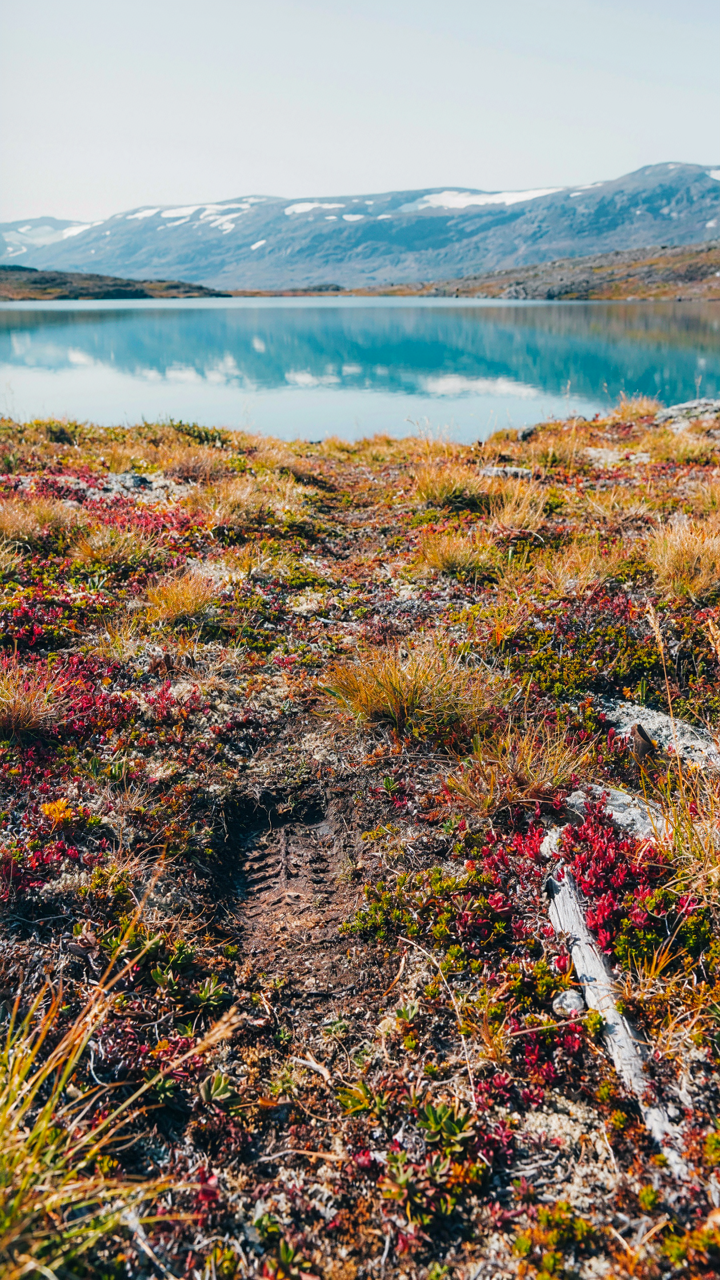
You care about this section because you want permission to keep coming back without guilt. Here’s the mechanism: Leave No Trace isn’t morality—it’s systems engineering applied to fragile ecosystems. Alpine lakes sit in a delicate equilibrium. Soil regenerates slowly above ten thousand feet. Vegetation takes years to recover from a single boot print off-trail. When you remove that equation, the lake degrades faster than your memory of it fades.
Most hikers think Leave No Trace means “don’t litter.” Wrong. It means understanding that every action compounds. Pack out all trash, including micro-debris. Stay on established trails because your own path becomes a scar. Camp only at designated sites—concentrated impact beats dispersed damage. Filter or treat water at source, not at the lake. Fire scars persist for decades. Follow these protocols because the lake’s capacity to absorb human use has a hard limit, and you’re not the only person hiking there.
The Activism Layer
Protection starts with naming who controls access. The Alpine Lakes Wilderness in Washington spans over 400,000 acres, managed by the U.S. Forest Service and National Park Service under specific regulations. You’re not just a visitor—you’re part of the constituency that determines policy. Support organizations that advocate for trail maintenance funding and wilderness protections. Show up at public comment periods for permit systems or access changes. Share accurate trailhead conditions so others don’t create new routes out of ignorance. The mechanism is visibility: when decision-makers see sustained, informed engagement from users, restrictions become informed rather than reactive.
Your individual hike matters only if it scales into collective action. Vote with your attention and your voice. Contact representatives about alpine lake preservation. Donate to groups maintaining trails and monitoring ecological health. Volunteer for restoration work on damaged sites. These aren’t optional gestures—they’re the infrastructure cost of keeping alpine lakes available. Without them, degradation accelerates until access gets revoked entirely, and nobody hikes anywhere. The trade-off is simple: invest in preservation now, or watch gates close later.
The Summit Isn’t The Destination, Your Unpreparedness Is

Most people treat alpine lake hikes like Instagram photo ops. They pack wrong, start late, ignore weather, then wonder why the trail broke them. Stop planning around the destination. Plan around what kills unprepared hikers: elevation gain, temperature swings, distance underestimation. Pick one alpine lake hike this week. Check the weather. Buy one piece of gear you’re missing. Go. The difference between a transcendent day and a miserable one isn’t the view—it’s whether you showed up ready.