
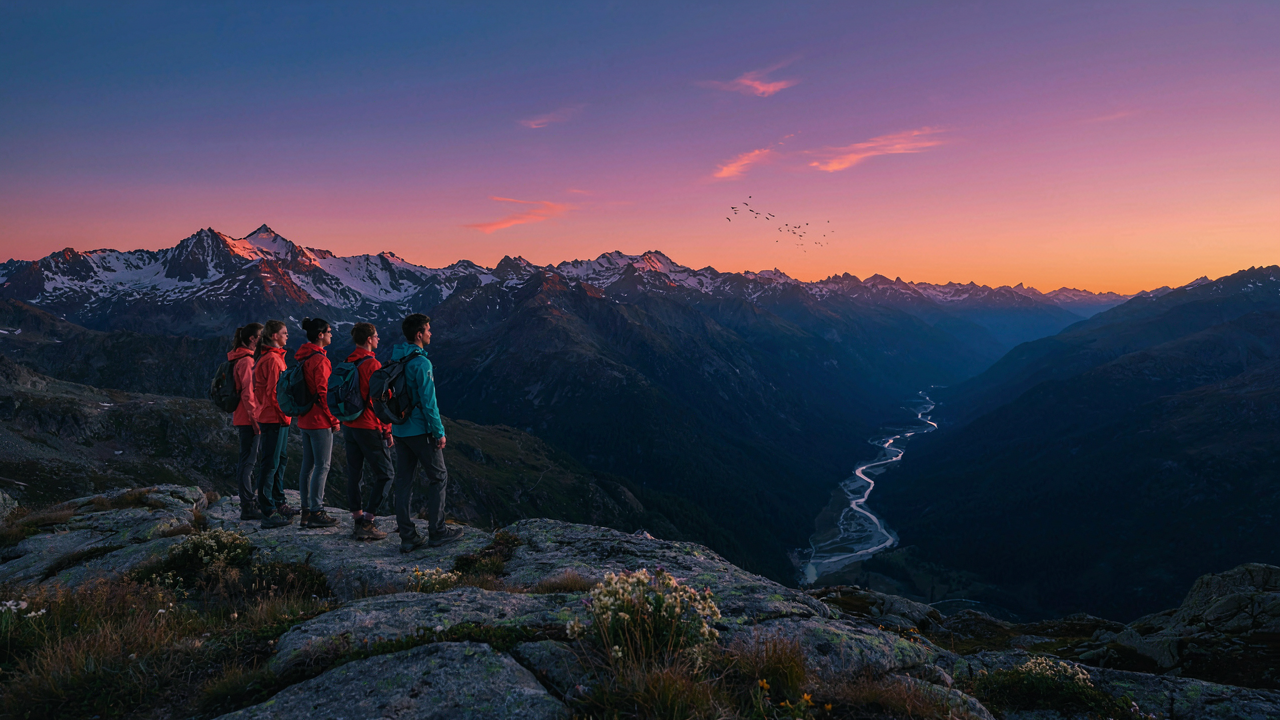
The Competence Illusion: Why Gear Won’t Save You

The Safety Net Gadget Doesn’t Exist
You want to believe a harness, helmet, or beacon will catch you when you fail. It won’t. Gear is a constraint, not a safety net. It reduces damage after you’ve already made the mistake. The mechanism here borrows from engineering: redundancy only works when the primary system—your decision-making—functions first. A parachute doesn’t prevent the jump. It manages the consequence of jumping.
Most beginners buy their way toward safety because buying feels like progress. You can’t buy competence. Gear handles the tail end of a failure chain, but it can’t stop the chain from starting. A rock climbing anchor fails when the climber chooses a bad wall or ignores anchor placement fundamentals. The rope catches the fall, yes. But the fall happened because skill was missing, not because gear was insufficient.
Skill Trumps Equipment Every Time

A climber with a single carabiner and solid fundamentals survives longer than a climber with a full rack and no judgment. This is empirical. Mountain guides operate in objective hazard zones—avalanche terrain, rockfall zones, crevasse fields—where gear becomes almost irrelevant to the outcome. What matters is route selection, weather assessment, and movement efficiency. Those are skills. Equipment is secondary.
Start by identifying what specific skill prevents your particular failure mode, then prioritize that skill over your next gear purchase. If you’re drowning in whitewater kayaking, a better PFD doesn’t teach you wet exit technique. If you’re bombing descents on a mountain bike, a full-face helmet doesn’t teach you brake modulation. Execute the protocol: assess the failure, name the skill gap, train that skill under controlled conditions first, then add gear as reinforcement once competence is established.

The Preparedness Paradox: Beyond Basic Planning Ahead
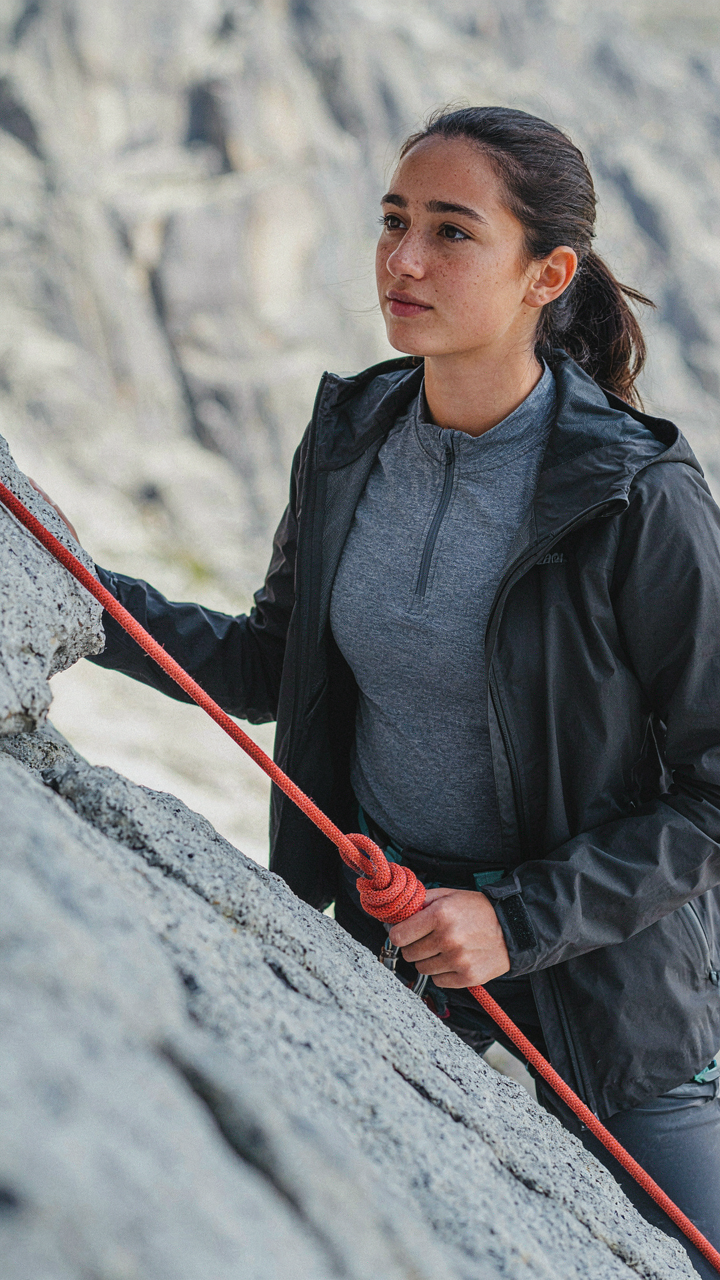
Systems Fail In Chains, Not Isolation
You want to feel safe without actually doing the work. That’s why most beginners plan for single failures instead of sequences. Systems theory calls it cascading failure: one broken component triggers the next. In climbing, a single blown anchor doesn’t kill you. But a blown anchor plus a communication failure plus delayed rescue does. You need to map the domino effect, not the domino.
Most sport involves multiple independent safety layers. Each layer can fail. The real risk emerges when failures stack. A rope degrades from UV exposure. You don’t notice. You climb on it anyway. The rope frays at a sharp edge you missed during inspection. The fraying accelerates under load. The rope snaps. You’re dead. The first failure (degradation) was invisible. The second failure (sharp edge) was preventable. Together they created a fatal sequence nobody planned for individually.
Map The Failure Chain Before It Happens
Consequence mapping isn’t brainstorming worst-case scenarios. It’s asking a single mechanical question repeatedly: if X breaks, what happens next? If your harness buckle fails, does the rope still hold you? If the rope still holds you, can you reach an anchor? If you can’t reach an anchor, can you climb down to safety? If you can’t climb down, how long before rescue finds you? Each answer feeds into the next. This isn’t paranoia. This is how engineers prevent bridges from collapsing.
Most beginners skip this because it feels morbid. It isn’t. It’s the difference between knowing your safety system and understanding it. Write down three failure scenarios specific to your sport and location. For each one, trace what happens next without stopping. Ask yourself if your gear, skills, or environment would prevent that chain from finishing. If the answer is no, you’ve found the weak link. Fix it before you climb, dive, or launch. Your job is to interrupt the sequence before the final domino falls.
The Trust Your Gut Fallacy: Data Driven Risk Assessment
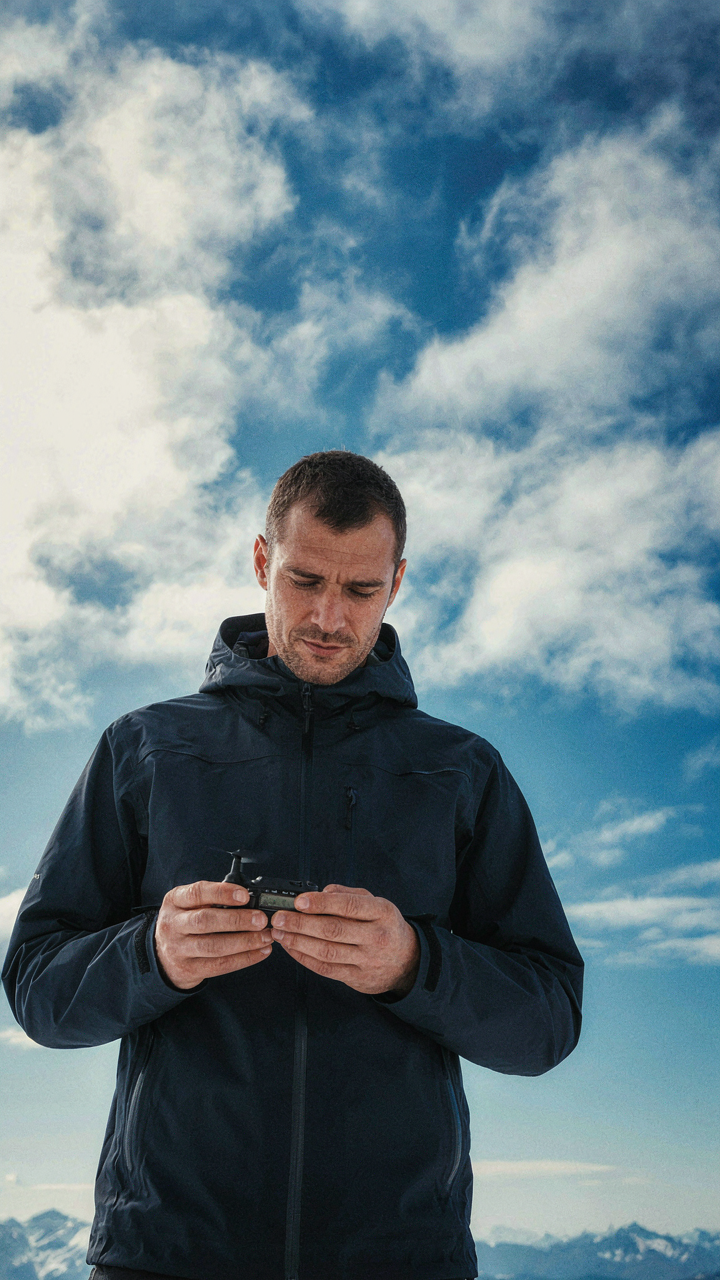
Measuring What Actually Kills You
You want permission to skip the boring safety checks. Your gut tells you the conditions are fine, so risk assessment feels like overthinking. Here’s the mechanism: your intuition evolved for social threats, not environmental hazards. It fails predictably in adventure sports because the danger is silent and incremental until it isn’t.
Borrow from meteorology’s approach to weather systems. Meteorologists don’t trust feel. They measure pressure, temperature, wind speed, and moisture because these variables predict outcomes with precision. You do the same with the environment around you.
- Wind speed and direction: Measure with an anemometer or weather app. Sustained gusts above sport-specific thresholds (rock climbing: 25+ mph; kiteboarding: varies by board size) compromise stability and create unpredictable forces.
- Water temperature and flow rate: Cold water triggers involuntary gasping and incapacitation. Fast current speed creates dynamic forces that exceed grip strength. Check USGS gauges and local water reports before paddling or swimming.
- Visibility distance: Poor visibility removes early warning systems. Measure actual sight lines, not assumptions. Fog, darkness, and spray all compress your reaction window below safe margins.
- Surface conditions and grip coefficient: Wet rock, algae, loose gravel, and ice all reduce friction. Touch test surfaces. Note where previous athletes have worn grooves or where water seepage has created slick zones.
- Temperature and exposure risk: Core body heat loss accelerates in wind and wet conditions. Know the wind chill index and water temperature. These directly determine how long you can function before hypothermia begins.
Record these metrics before every session. Write them down. Compare them against established minimums for your specific sport. This removes emotion from the gate. When conditions fall below the threshold, you don’t debate yourself. You don’t go.
Know Where Your Body Actually Fails
You think you know your limits. You don’t. Physiology has hard stops that don’t negotiate with confidence or experience. Everyone hits them the same way, and usually without warning.
Your cardiovascular system has a lactate threshold. Cross it, and your muscles stop working efficiently. In climbing, this means your forearms pump out mid-route. In trail running, your legs feel like concrete at mile eight. You can’t train around it fast; you can only extend it through structured work. Before attempting a sport at altitude, in cold, or under high intensity, know your baseline VO2 max and lactate threshold. Get tested or use validated field tests. Don’t guess based on how you feel on good days.
Your nervous system has a coordination ceiling tied to fatigue, hydration, and glycogen depletion. When glycogen drops, your fine motor control collapses first. Your balance erodes. Your decision-making slows. In rock climbing, this is when you miss holds you’d normally stick. In surfing, this is when you misjudge wave timing. In mountain biking, this is when you overcorrect on descents. Stop training or competing when you can’t execute basic movement patterns cleanly. That’s not weakness. That’s physiology enforcing a boundary. Measure your actual heart rate recovery time after hard efforts. If it takes longer than your personal baseline, you’re system-depleted. Rest before the next session, or don’t start at all.
The “Beginner’s Luck” Lie: Progressive Skill Stacking
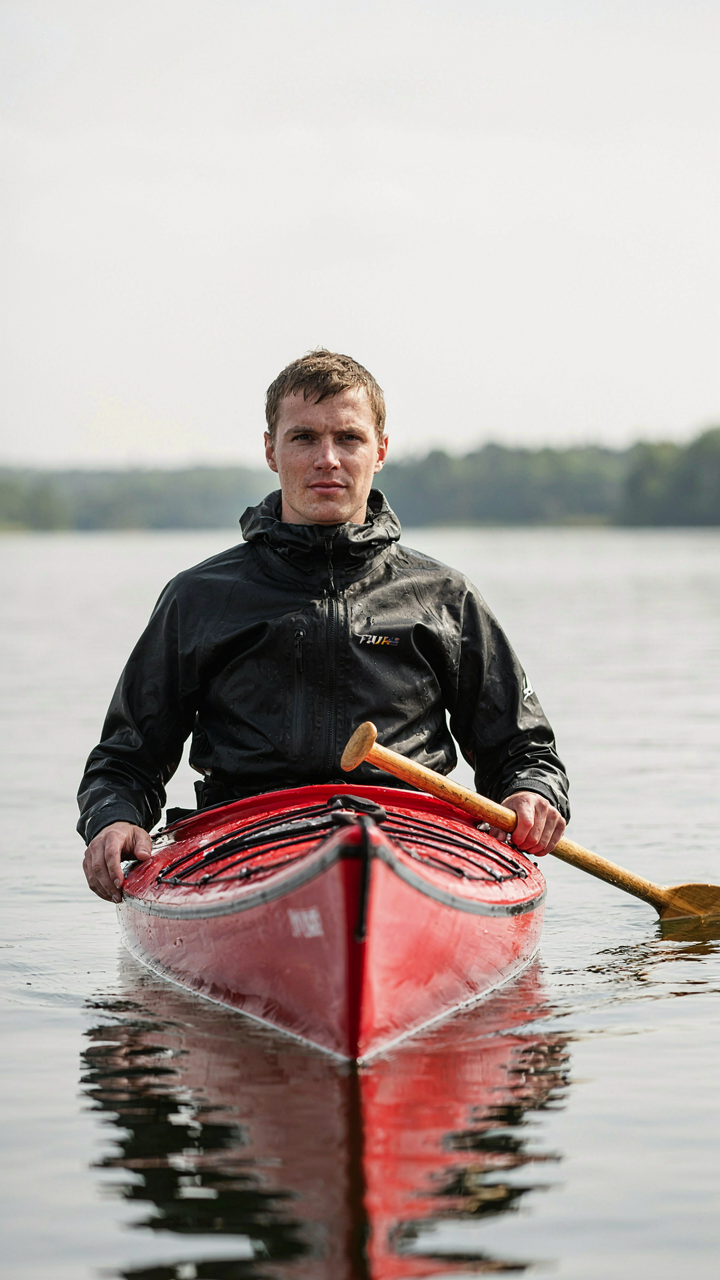
Build Foundation Before Adding Variables
You want to skip ahead because watching others do complex moves makes you feel like you’re wasting time. That’s the real barrier here. The mechanism is simple: your nervous system can only process so much information at once. Add too many variables before mastering the base movement, and you don’t improve faster—you build bad patterns that become harder to fix later.
Most beginners treat fundamentals as a checkbox to hurry through. Wrong. In rock climbing, for example, climbers who drill footwork placement and body positioning for weeks on their first gym routes develop tension control that translates directly to outdoor safety. Those who rush to harder grades without cementing basics plateau faster and inject themselves with higher injury risk because their foundation cracks under load.
Practice With Purpose, Not Just Hours
Deliberate practice means isolating one failure point and repeating it until the pattern changes. Most beginner training is just repetition—climbing the same route ten times, skiing the same slope repeatedly, paddling the same line. That’s volume, not skill stacking. Real progression requires you to identify what breaks under pressure, then design micro-sessions that target only that failure.
A kayaker learning edging and bracing doesn’t improve by paddling for two hours. They improve by spending fifteen minutes practicing the brace in flat water until the muscle memory holds without conscious thought, then adding one variable—moving water—and drilling again. Once that holds, add wind. Stack one layer at a time. This prevents the cascade failure that sends beginners to hospitals.
The OODA Loop Of Outdoor Safety: Decide And Act
Observe, Orient, Decide, Act In Dynamic Environments
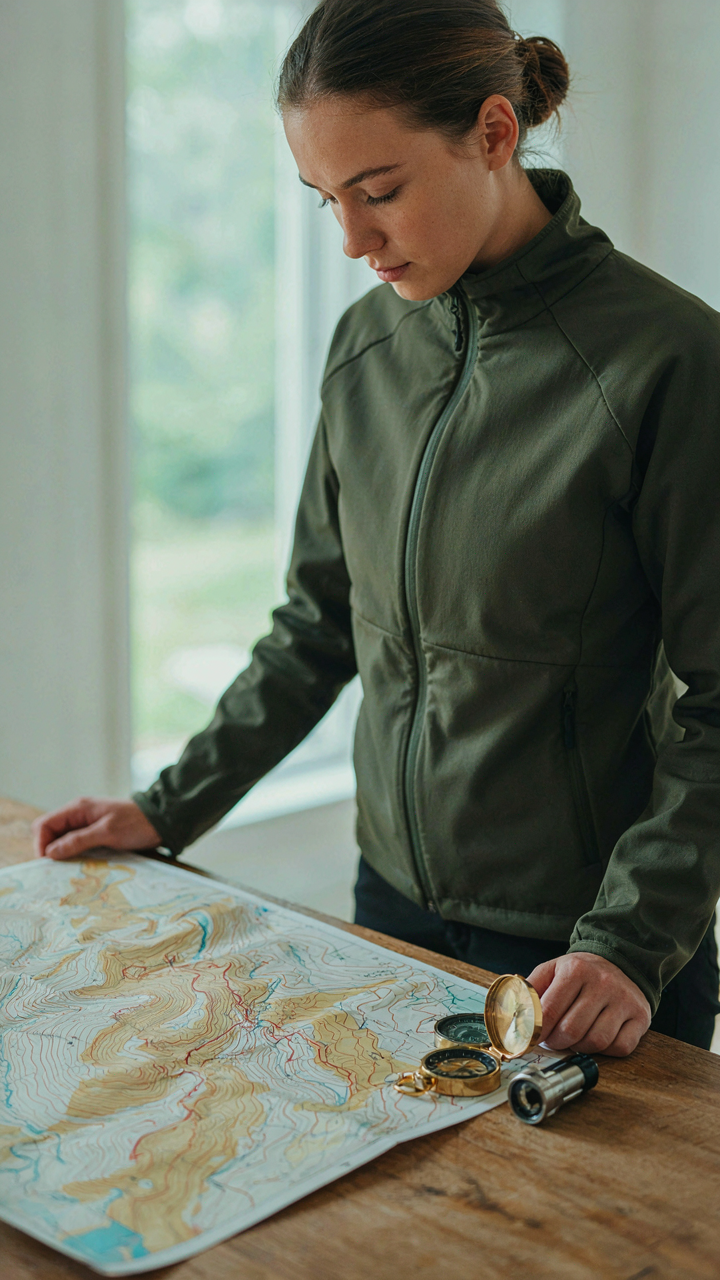
You want to know this because you’re afraid you’ll freeze when it matters. The OODA Loop comes from military strategy, coined by fighter pilot John Boyd. It’s a decision cycle: Observe what’s happening, Orient yourself using your mental models, Decide on action, Act. In climbing or whitewater, your Orientation step determines everything. Your past experience, training, and current fitness level are the filter through which you process danger. Without it, you’re reacting blind.
Most beginners skip Orientation entirely. They observe a steep section or sudden weather shift, then panic-decide without any framework. Real safety means building mental models before you need them. Study route conditions obsessively. Know what grade you can actually climb, not what your ego wants. Train in controlled chaos so your nervous system recognizes patterns instead of treating every variable as a new threat.
Rapid Decision Making Under Duress
Your brain doesn’t think faster under stress. It runs pattern recognition against what you’ve already seen. That’s not motivation or heroism. It’s pure mechanism. When you’re fatigued, cold, or injured, your cognitive load explodes. You have fewer cycles to spend on decision-making. The fix isn’t willpower. It’s pre-deciding before duress arrives.
Build decision trees on the ground before ascending. What if the rope gets stuck? What if someone gets injured at altitude? What if visibility drops to thirty feet? Write these out. Discuss them with your partner. Practice your abort criteria until they’re automatic. When your prefrontal cortex shuts down under stress, your practiced protocols run instead of your panicked instincts. Execute your pre-made decision, not a new one invented under duress.
The Discomfort Imperative: Training For Adversity
Practice Failure Before It Counts
You want the safety net of knowing you won’t die if things go wrong. That’s the real reason you’re reading this section. The mechanism is simple: your nervous system doesn’t distinguish between simulated and real threats. Military and aviation training borrowed this principle decades ago. They call it “stress inoculation.” In adventure sports, it means you run through your emergency protocol before the emergency runs through you.
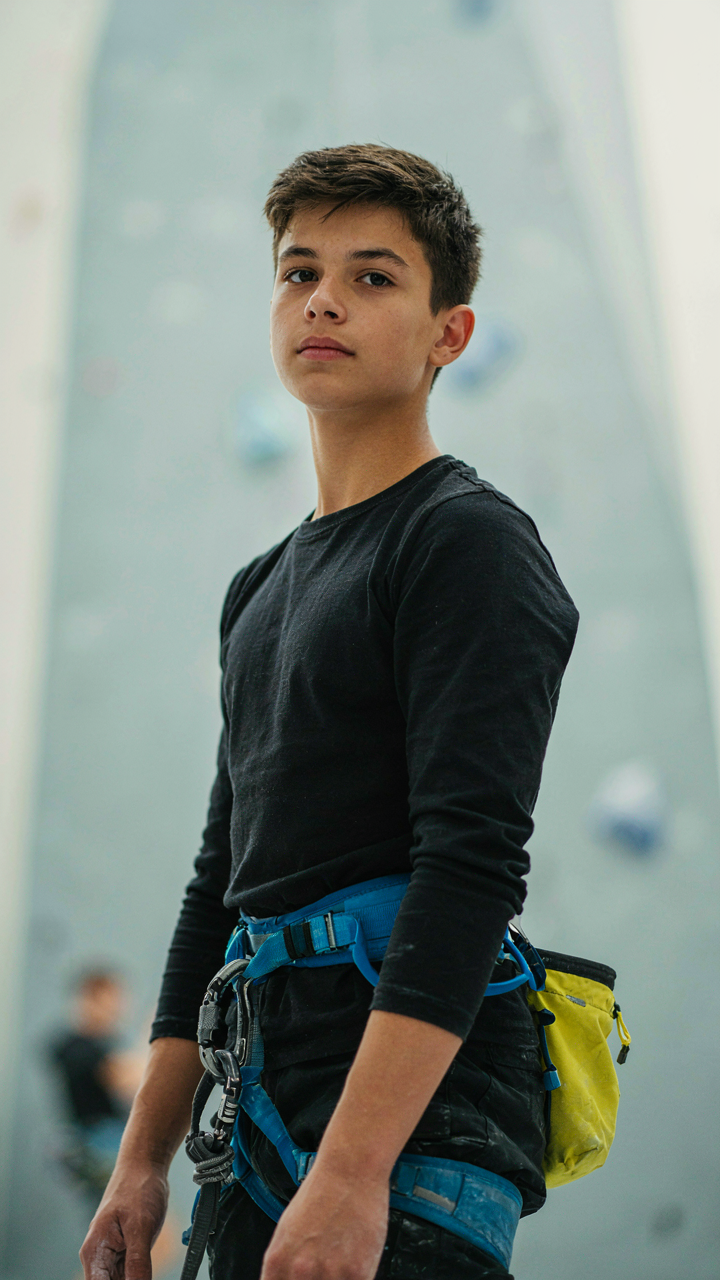
Climbers practice falling on top-rope before they lead. Kayakers practice wet-exits and re-entries on calm water. Skiers practice falls and recovery on bunny slopes. The goal isn’t to become comfortable with failure. It’s to make your response automatic so your conscious mind doesn’t freeze when adrenaline spikes. Your body learns the movement. Your brain learns the sequence. When real pressure arrives, you execute, not panic.
Build Stress Tolerance Systematically
The common advice here is garbage: “Just push yourself harder.” That’s how people get hurt. Real stress tolerance builds through graduated exposure, not through heroics. Start in controlled conditions where failure has low consequences. Then incrementally add one variable of difficulty or risk at a time.
A rock climber doesn’t jump from top-rope directly to outdoor lead climbing on a difficult route. They progress through indoor lead climbing, then outdoor climbing on easier routes, then gradually harder outdoor routes. Each step introduces real stress while keeping consequences manageable. Your body adapts to the stress level. Your skills sharpen under pressure. Your decision-making improves because you’ve rehearsed it under mild duress. When you finally encounter the full-complexity scenario, you’re not learning the mechanics. You’re just executing what your body already knows.
The Accountability Anomaly: Your Life, Your Burden
When You’re Alone, You Can’t Blame The Group
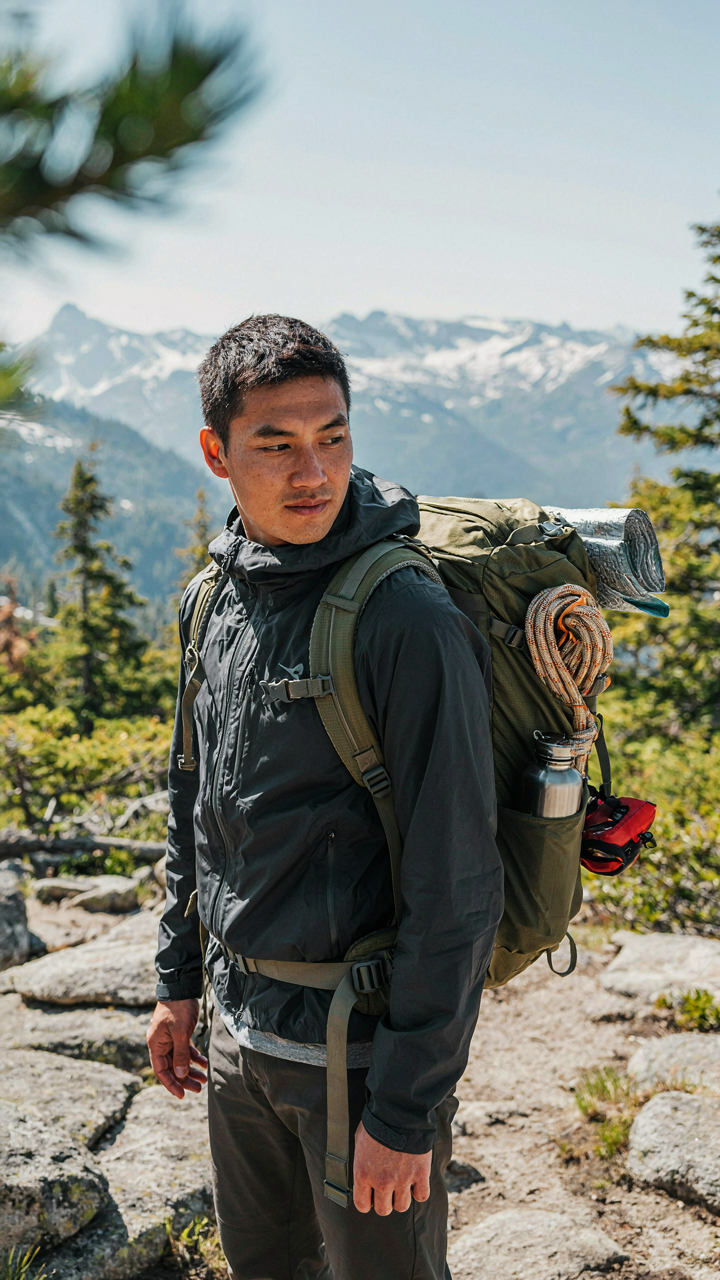
You want someone else responsible if things go wrong. That’s the real reason most beginners fixate on group trips. Solo responsibility scares people because it removes the diffusion of accountability. In climbing, mountaineering, and backcountry skiing, the difference between solo and group risk isn’t about physical danger—it’s about decision-making speed and honesty. When you’re alone, you can’t rationalize a bad call because someone else normalized it.
Solo athletes make faster, sharper safety decisions because they own every outcome immediately. Groups introduce social pressure that delays proper risk assessment. You see this in avalanche accidents where a group member knows the slope is dangerous but doesn’t voice it until after the slide. Establish a personal protocol before you go out: one non-negotiable checkpoint where you reassess conditions and commit to turning back if something feels wrong. Write it down. Follow it whether you’re with people or not.
What Happens When 911 Can’t Reach You
Most beginner safety advice stops at “tell someone where you’re going.” That’s incomplete because cell service doesn’t reach most adventure terrain. Real emergency preparedness means you have a way to call for help that doesn’t depend on network bars. This is a supply chain problem—you need redundant communication tools, not just hope.
- Satellite communicators: Devices like Garmin InReach or Zoleo transmit through satellite networks independent of cell towers. They send two-way messages and SOS signals from remote areas where phones fail.
- Personal locator beacons (PLBs): One-way distress signals that alert search and rescue with your GPS coordinates. Smaller and cheaper than satellite messengers but only useful for emergencies, not communication.
- Offline maps and navigation: Downloaded terrain maps on your phone or a dedicated GPS unit mean you navigate without relying on data coverage. They prevent getting lost before needing rescue.
- First aid capability beyond basics: Carry supplies to stabilize bleeding, fractures, and shock while waiting for extraction. Know how to apply a tourniquet, pack a wound, and treat hypothermia with the gear you have.
- Exit route planning: Identify bailout paths before conditions worsen. Know the fastest route back to road access, cell service, or shelter if an injury happens.
Redundancy isn’t paranoia—it’s the difference between a bad day and a fatal one. Your responsibility doesn’t end when you send an SOS; it continues until rescue arrives. You stabilize yourself, manage pain, prevent further injury, and use every tool you brought to stay alive during extraction.
Why “Tips” Are Useless: Building A Robust System

Checklists Aren’t Strategy
You want a list to memorize because it feels like control. It doesn’t work that way. Adventure sports demand integrated risk management, not checklist compliance. In military strategy, this distinction separates soldiers who follow procedures from commanders who understand intent. Your safety system must do the same: know the rule’s purpose, not just the rule. A checklist fails when conditions change. Integrated management adapts because you understand how each decision connects to others.
Most beginners treat safety tips as discrete facts to collect. They’re not. Each decision cascades. Your gear choice affects how you move. How you move affects fatigue. Fatigue affects judgment. A system captures these relationships. You build one by running scenarios, asking why each step matters, then testing your logic against real conditions. After fifty hours of practice, you stop executing steps and start executing strategy.
Adapting Faster Than Conditions Change
Mindset here means pattern recognition under pressure, not motivation or confidence. Your brain is constantly updating threat models whether you’re conscious of it or not. The adaptive safety mindset weaponizes that process. Instead of freezing when something unfamiliar happens, you’ve trained yourself to ask: what changed, why does it matter, what’s my response. This takes deliberate practice, not more information.
When conditions shift—weather deteriorates, crowd dynamics change, equipment behaves differently than expected—your first instinct should be a diagnostic question, not panic or hesitation. Build this habit by stopping regularly during low-risk sessions and explaining aloud what you’re observing and why it matters. The mechanism is simple: external stimulus triggers your diagnostic question before it triggers emotion. After enough repetition, the question becomes automatic. Your safety improves because you’re gathering real data instead of executing from memory.
The Only Real Danger Is The Delusion That You’re Ready For Anything
Most beginners skip adventure sports safety tips because they think risk management kills the thrill. It doesn’t. It amplifies it. The real danger lives in your head, in that moment when you convince yourself the gear doesn’t matter or the conditions are fine or you’re skilled enough to wing it. You’re not. Stop lying to yourself today. Pick one sport. Find a mentor who actually knows it. Ask them the hard questions you’ve been avoiding. The difference between an adventure and a coffin is the person who admits what they don’t know yet.