
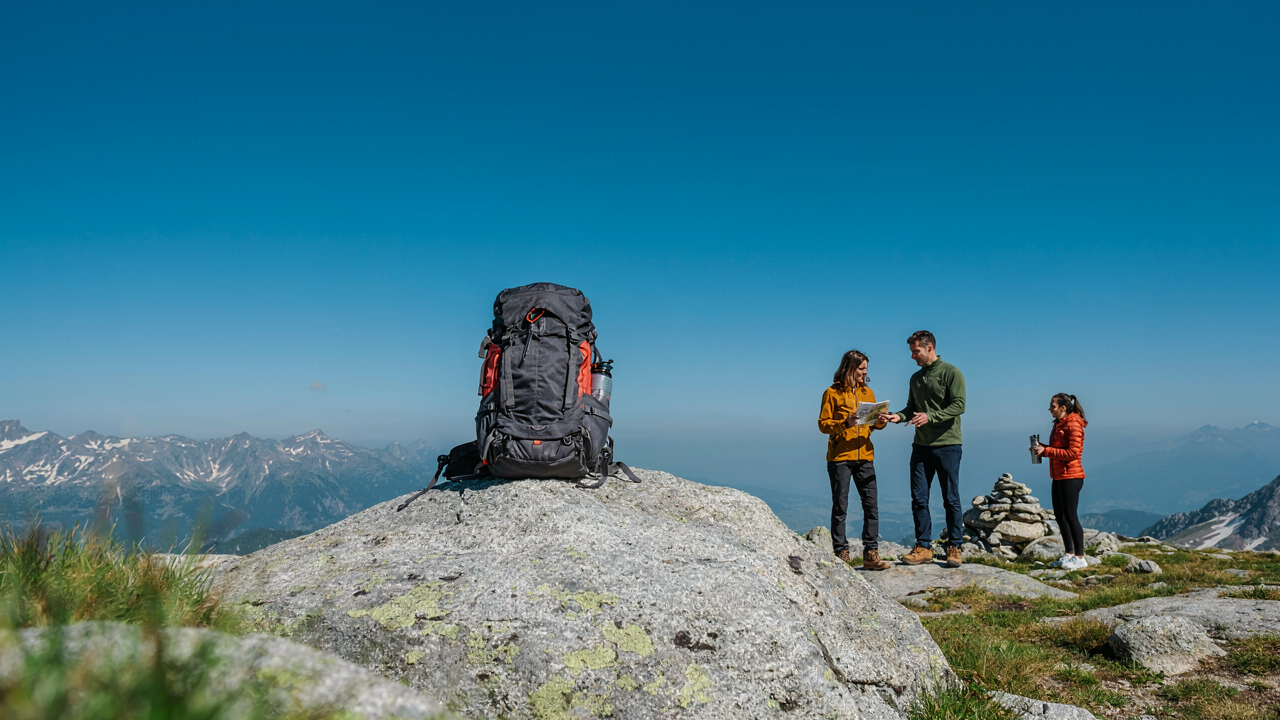
The Illusion Of More: Why Your ‘Essential’ Gear List Is Overkill
The Marketing Machine Behind “Must Have” Gear
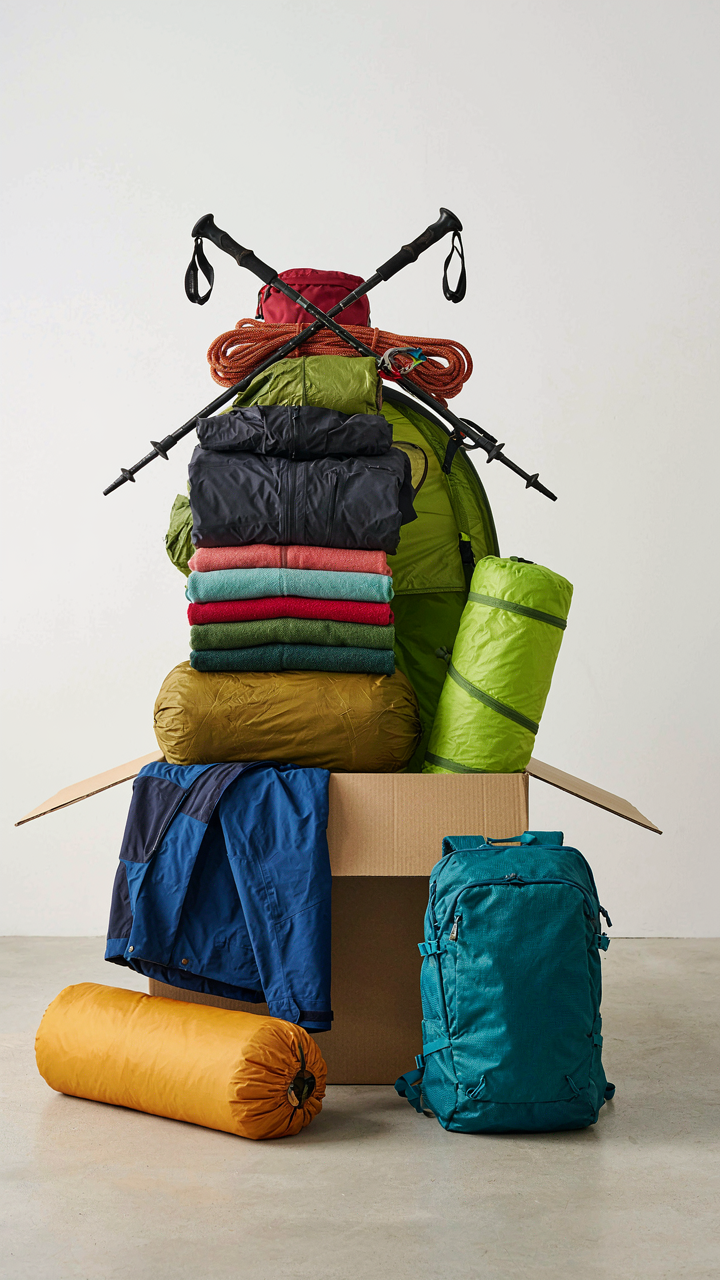
You want people to think you’re prepared, which is why gear lists feel reassuring. The mechanism is simple: outdoor brands profit by expanding what counts as “essential,” and they’ve weaponized social proof to do it. Every YouTube unboxing, every Instagram post, every Reddit thread normalizes one more item as baseline requirement. The hiking gear industry runs on artificial category expansion, not actual need. What you carry signals competence to others, so you carry more to prove it.
This psychological trick mirrors how luxury markets work in any category. Brands don’t sell gear, they sell the anxiety of being underprepared. Most beginner hikers own twice what they’ll ever use on a single trip because manufacturers and influencers have redefined “essential” to mean “everything we sell.” The real cost isn’t money, it’s the mental weight you assign to each item before you even strap the pack.
The Physical Debt Of Dead Weight

Carrying unnecessary gear extracts a measurable price from your body with every mile. Physics treats weight as work: force times distance, and your muscles pay that tax in real time. Most adventurers underestimate how much their pack’s composition matters compared to its total weight. A five-pound item in the wrong location tanks efficiency far more than a five-pound item carried close to your spine. The common advice to “just lighten your pack” misses the real problem, which is that you selected redundant gear to begin with.
Strategic subtraction beats obsessing over marginal weight savings. Remove one category of gear, not one ounce from everything. The psychological burden tracks the physical one: each item you second-guess creates mental drag that compounds across hours. Decision fatigue during a trip stems from carrying options you never use. Start by identifying which items you’ve actually deployed on past trips, then build forward from that verified baseline, not backward from a theoretical worst-case scenario.

The Spartan Protocol: Redefining ‘Essential’ Backpacking Gear

Stop Chasing Gear Completeness
You want the checklist because you think owning everything on it means you’re prepared, and preparation feels like control. The mechanism is simpler: most backpacking gear serves one function, and you’re carrying dead weight. Borrowed from economics, this is the concept of marginal utility—each additional item adds less value than the last, but most people keep adding anyway. A knife cuts. A multi-tool cuts, opens, measures, and pries. The multi-tool wins because it does multiple jobs at acceptable performance, not because it’s clever.
Start by rejecting the false choice between “complete” and “risky.” The real optimization is forcing every item to earn its weight through dual purpose. A stuff sack becomes a pillow. A carabiner becomes a pot handle. Paracord becomes a tent repair kit and an emergency tourniquet. This isn’t minimalism for aesthetic reasons—it’s mathematics. Less total weight means more distance covered, faster recovery, lower injury risk. The items that survive this filter are the ones you actually need.
Audit What You Already Own First
Most people buy new gear before they understand what they’re already carrying. Spend a full day pulling everything from your current pack. Weigh each item. Write down its stated purpose and its actual use over your last five trips. Items you never touched get removed immediately. Items you use once per trip stay. Items you use multiple times per trip or could substitute for something heavier get marked for replacement.
This audit reveals the true pattern: you probably own three items that do what one item could do, and you own one item that does nothing. The gap between what companies recommend and what you actually deploy shows up fast. Once you see it, you stop buying based on gear reviews and start buying based on the holes in your existing system. Test replacements on short trips before committing them to longer adventures. A one-pound weight savings per item compounds across ten items—you’re carrying ten pounds less while doing the exact same activities.
Beyond The Brands: True Value In Hiking Equipment, Not Hype
Where Marketing Disguises Itself As Performance
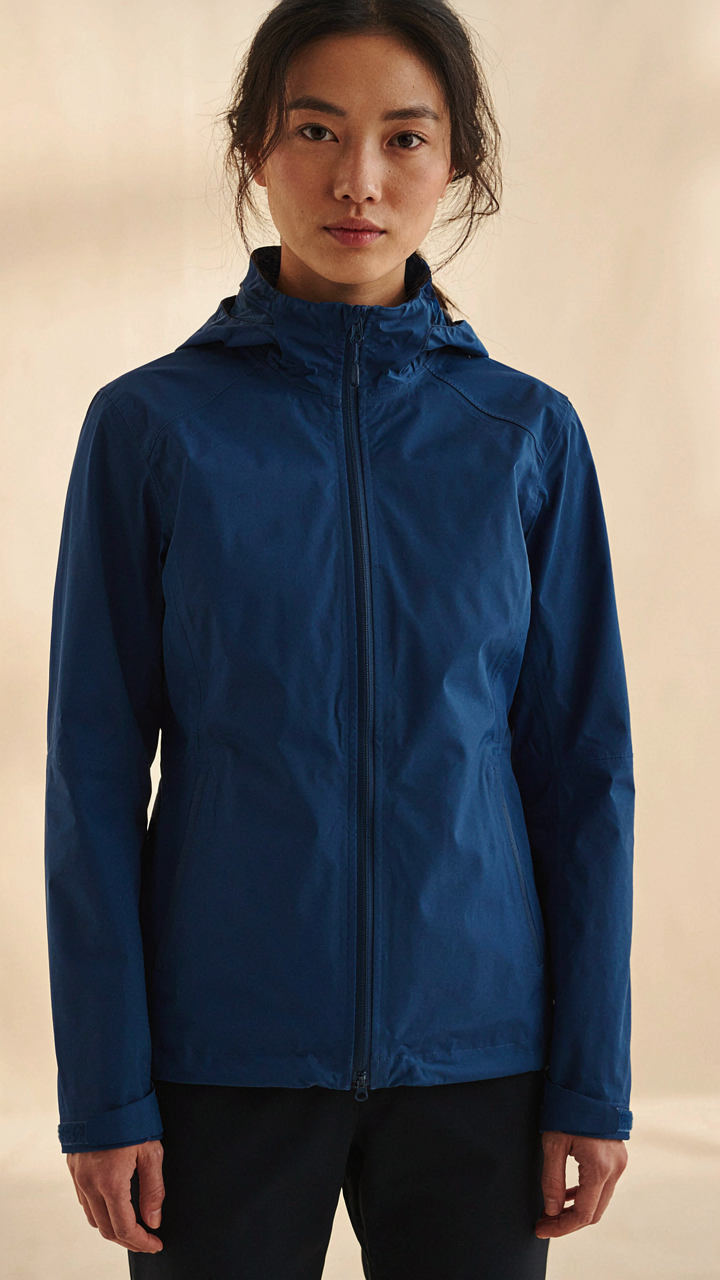
You want the gear that makes you look like you belong in those mountains, not the gear that actually keeps you alive in them. That’s the trap. Marketing in outdoor equipment works through borrowed language from economics: the concept of signaling. A $400 jacket signals membership to a tribe. A $90 jacket signals nothing. Both repel water. One brand spends half its budget on athlete sponsorships and magazine placements. The other doesn’t. The performance difference between them is rarely the reason you choose one.
The mechanism is straightforward. Companies use heritage narratives, athlete endorsements, and color palettes to build emotional association. A logo becomes shorthand for “I understand mountains.” Gear publications—many funded by the same companies—reinforce this by testing products in controlled conditions that never replicate actual use. You read the review, see the sponsorship, and believe the premium price reflects premium engineering. It often reflects premium marketing spend instead.
Function Determines Survival, Not Prestige
Common advice tells you to invest in quality. That’s incomplete. You need to invest in specificity. A $250 down jacket fails if you’re climbing in wet conditions. A $120 synthetic jacket works. Neither is “better”—one matches your actual use case and the other doesn’t. Most hikers buy gear for the conditions they imagine facing, not the conditions they’ll actually face. A backpack with perfect lumbar support on a store fitting means nothing if you never load it past 30 pounds on real terrain.
Durability is measurable. Check seam construction—stitching patterns telegraph manufacturing standard. Examine fabric weight and weave tightness directly. Test zippers under load. Read long-term user reports from people who’ve used gear for seasons, not days. Material science is real: Merino wool’s temperature regulation outperforms synthetics in specific ranges. Gore-Tex’s breathability-to-waterproofing ratio comes from actual chemistry. Strip away the marketing language and evaluate gear against the exact conditions and duration you’ll face, then check durability reports from people who’ve pushed that gear past marketing scenarios.
The OODA Loop Of Gear Selection A Military Strategy Applied To Your Hiking Checklist

Observe, Orient, Decide, Act For Each Piece
You want to feel smart about your gear choices before you go. The real mechanism is this: most people pack based on what they own or what they see others carry, not what their specific conditions demand. Boyd’s OODA loop from military strategy maps directly onto gear selection. Observe means you collect hard data about terrain, weather, distance, and your own physical capacity. Orient means you filter that data through your experience and the actual constraints of your trip, not generic advice.
Decide is where most people fail. They decide based on comfort or completeness rather than trade-offs. A three-season tent in winter hiking is a trade-off between weight and survival. A lightweight stove in a windless canyon is a trade-off between fuel efficiency and reliability. Act means you pack exactly what that decision demands and nothing else. The loop compounds: each trip teaches you what to observe next time, sharpening your orientation for future decisions.
Speed Matters When Conditions Change
Bad weather doesn’t wait for perfect packing. The military’s application of OODA is simple: whoever cycles through Observe-Orient-Decide-Act faster wins. On the trail, this means your gear checklist must let you make gear decisions quickly when conditions shift. A pre-sorted pack organized by function, not weight or size, cuts decision time in half when you need to swap layers or access emergency gear in rain.
This is why generic checklists fail. They treat all conditions as static. Your actual checklist must include a rapid-response protocol: what you grab first if temperature drops, what you deploy if visibility fails, what you access if someone gets injured. Build your checklist with decision nodes, not just items. Each node answers one question: what do I grab next based on what just changed? That’s the difference between a list and a tool.
The Unspoken Cost: Why Your Gear List Drains More Than Your Wallet

The Time Tax Nobody Admits
You want the checklist because you’re afraid you’ll forget something critical and look unprepared. But the real drain happens after you buy the gear. Maintenance kills more hours than the sport itself for most people. Cleaning, drying, storing, replacing worn components, organizing by trip type—this overhead compounds quietly until you’re spending two hours maintaining gear for every one hour using it.
The economics are brutal. A climbing rope needs inspection before every use. Wetsuit seams degrade and need sealing. Bike chains collect dirt that spreads to drivetrain components. You can ignore this work once, twice, maybe three times. Eventually the gear fails or underperforms, forcing replacement cycles that restart the whole clock. Smart athletes build a maintenance protocol into their schedule the moment they acquire gear, not after failure forces the issue.
The Gear Spiral You’re Actually In
Owning a checklist doesn’t stop you from wanting more. It accelerates the want. Psychology calls this “completeness bias”—the brain treats a partial system as broken. You see your climbing rack and notice the missing carabiner size. You see your mountain bike and remember that one trail demands dropper post technology you don’t have. Each item on a checklist becomes a gap, and gaps feel urgent even when they’re not.
The mechanism is simple: a comprehensive list makes you aware of everything you lack. Most people interpret that awareness as instruction to buy. They don’t. A checklist’s job is to eliminate redundancy and catch forgotten essentials, not to become a shopping list. Build one baseline kit, use it until you hit a real limitation during actual sport, then upgrade that specific component. This breaks the spiral by tying purchases to performance friction, not aspirational gaps.
The Anti Checklist: Building Intuition Over Itemization For Hiking Packing List
Situational Awareness Beats Memory
You want a checklist because you’re afraid you’ll forget something critical and look unprepared. The mechanism is this: rote memorization creates a false sense of control. You check boxes and assume you’re ready. But hiking conditions change. Temperature drops twenty degrees. Water sources dry up. Routes close. A static list dies the moment reality shifts. Military strategists call this “operating picture” awareness—the ability to read your actual environment instead of executing a predetermined script. The gear you need isn’t determined by a list. It’s determined by what the terrain, weather, and your physical state demand right now.
Build this by hiking the same route in different seasons. Notice what fails. Notice what you never touch. Notice what conditions throw your assumptions off. Pay attention to how your body responds at altitude, in wind, in heat. After five trips, you stop reading checklists. You pack based on forecast, elevation gain, water availability, and your fitness level that week. You develop pattern recognition. The checklist was the training wheels. Now you ride without them.
Decision Making In The Unknown
Common advice says pack for worst case scenarios. That’s incomplete. Worst case thinking creates bloat. You carry gear for situations that won’t happen, which means you’re heavier when you face situations that will. The real skill is rapid diagnosis under uncertainty. You encounter a creek crossing you didn’t expect. Your knee starts hurting on mile four. Weather moves in three hours early. You make fast decisions because you’ve trained the decision itself, not memorized responses.
Train this by deliberately under-packing for controlled trips. Bring fewer options than you think safe. Then face the constraint. Problem solve on the trail. You’ll discover that most “essential” items sit unused. You’ll also learn which gaps actually matter. Next trip, you pack differently based on data, not fear. Repeat this cycle until packing becomes a conversation with conditions instead of a conversation with a form. Your final pack reflects analysis, not anxiety.
Mastering The Micro Load Ultra Light Tactics For Mountaineering
Pack Weight Architecture Before Redundancy
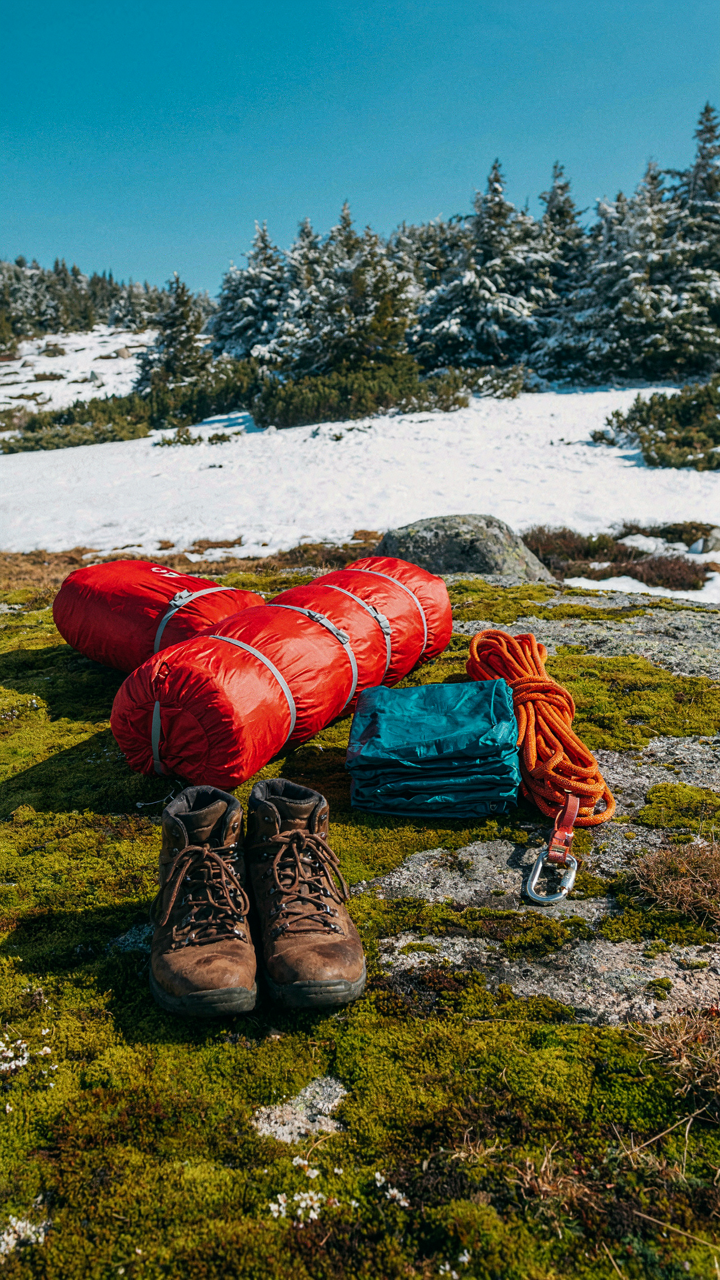
You want to feel like you’re doing something smart by carrying less gear, when the real mechanism is this: you’re trading decision-making complexity for physical burden. The military calls this “load carriage optimization”—systematically cutting everything except what directly prevents death or mission failure. Most climbers pack for comfort first, then convince themselves it’s necessity. The difference is mathematical, not philosophical. A ten-pound pack difference over eight hours of elevation gain is the difference between moving efficiently and moving in deficit.
Start by establishing baseline: what does your specific objective actually demand? Not what looks good on forums. High altitude requires different redundancy than alpine rock. Desert mountaineering requires different water strategy than wet ranges. Strip your pack to the lowest viable weight for that specific terrain and season, then add back only items that solve problems you’ve actually encountered before, not problems you imagine. Every item needs a role. Items with multiple roles weigh the same as single-purpose items but cost less ounces.
The Irreducible Survival Core
Extreme environments kill through specific mechanisms: cold, dehydration, navigation failure, and injury. Your survival core addresses these four and nothing else. Carrying a full first aid kit when a pressure bandage and tourniquet solve ninety percent of field injuries is weight theater. Carrying a two-pound tent when a bivy sack keeps you alive is comfort bias disguised as safety.
The items that prevent death are lightweight when chosen correctly. A quality insulation layer, a weather shell that actually sheds water, a navigation tool that works in your hands without batteries, a fire-starting method that works wet, and a hydration source you can fill from any water. Everything else is optimization. Test your core on smaller objectives first. The mountaineers who survive difficult descents are the ones who rehearsed their survival decisions at lower stakes, not the ones with the heaviest packs.
Beyond Comfort: Gear For Performance, Not Pampering In Climbing
What Actually Separates Climbers From Tourists
You want gear that makes you feel prepared without admitting you’re afraid of looking unprepared. That’s the real motive. But here’s what matters: comfort gear and performance gear operate on different logic. Comfort gear reduces friction between you and the task. Performance gear removes variables that cost you power, focus, or survival margin. Most climbers pack both without knowing the difference, then wonder why their pack weighs forty pounds before they even touch rock.
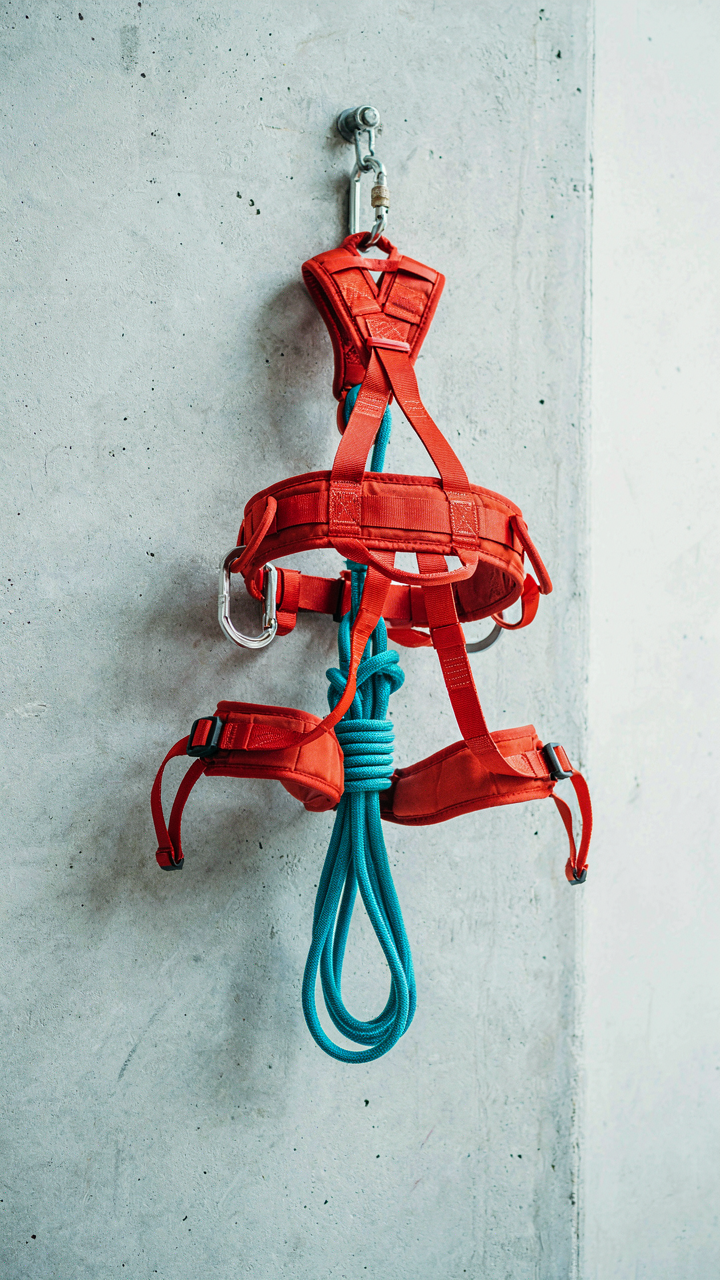
The distinction cuts deep. A padded backpack hip belt feels good at base camp and does nothing for your climb. A harness that fits your specific pelvis shape transfers force efficiently and prevents energy waste. One is pampering. One is physics. Strip your pack to only what changes how your body performs on the wall, not what makes the approach feel pleasant. Everything else stays behind.
Discomfort As A Tool For The Nervous System
Physiology names this stress inoculation: controlled exposure to mild stressors builds adaptive capacity. Apply this directly. A slightly tight chalk bag forces you to manage access deliberately instead of reaching mindlessly. Cold hands on winter rock sharpen your grip sequencing because numbness isn’t an option. A pack that sits high and tight demands better posture, which stabilizes your core on steep terrain. The friction teaches you.
This isn’t ideology. Your nervous system doesn’t distinguish between performance pressure and physical discomfort. Both trigger the same arousal response. Train with deliberate minor friction in training, and your body treats real difficulty as familiar stimulus instead of threat. When you hit the crux cold, your breathing stays controlled because discomfort reads as normal. Pack gear that performs. Leave the padding behind. The climb itself provides enough feedback to sharpen your execution.
- Minimal Chalk Bag Design: Small, tight bags force deliberate hand placement and prevent wasteful powder use during pumped sequences.
- Unpadded Harness Waist Belt: Direct contact with your pelvis improves proprioceptive feedback on your center of gravity during dynamic movement.
- Thin Climbing Gloves: Loss of tactile sensation forces stronger grip engagement and teaches you to read micro-texture on holds.
- Lightweight Backpack Without Hip Support: Demands core stabilization on approach, pre-fatiguing muscles that stabilize you on the wall itself.
- Single Carabiner Attachment Point: Simplifies rigging complexity and removes the option to over-engineer solutions mid-climb.
Performance gear doesn’t apologize for discomfort because discomfort signals information. Your body adapts faster to controlled stress than to padding. The goal isn’t comfort on the approach or comfort on the wall. The goal is a nervous system that reads difficulty as data, not danger, and responds with precision instead of panic.
The Resilient Adventurer’s Mindset: Your Best Gear List Is Within

Self Reliance Over Equipment Dependency
You want this section to convince you that gear doesn’t matter so you can feel spiritually evolved while still buying expensive equipment. The mechanism is simpler: self-reliance means you solve problems with skill and judgment first, then fill gaps with gear. Borrowing from military logistics, your “supply line” is your knowledge. Every item on a proper checklist exists because you’ve already developed the competence to use it correctly under stress. Possessions fail. Weather changes. Straps break. Your ability to assess, adapt, and execute doesn’t.
The adventure sports community conflates gear acquisition with preparedness. Wrong. A climber with five carabiners and zero anchor knowledge is carrying dead weight. A paddler with a dry bag collection but no eddy turn mastery is just organized when things go wrong. Your checklist becomes a safety net only after you’ve built the foundation of skill. This means your gear list should shrink over time as your competence grows, not expand as your income does.
Mental Fortitude As Primary Defense
Most advice frames mental toughness as motivational fluff. It’s not. In survival physiology, your nervous system governs decision-making speed and physical performance during shock. A prepared mind maintains higher parasympathetic tone, meaning clearer choices under pressure. Your checklist only works if you’ve mentally rehearsed failure states before they happen. This isn’t visualization nonsense. It’s systematic preparation of your threat model.
The real work happens before you need gear. Run through scenarios: What happens if your primary light fails? If weather turns sudden? If you sustain a minor injury? When you’ve already solved these problems in your head, your checklist becomes executable muscle memory, not panic shopping. Pre-decision beats in-the-moment decision every time. Build your mental checklist before you finalize your physical one.
The Real Obstacle: Mental Clutter In Your Pack
The Fear Driving Your Decisions
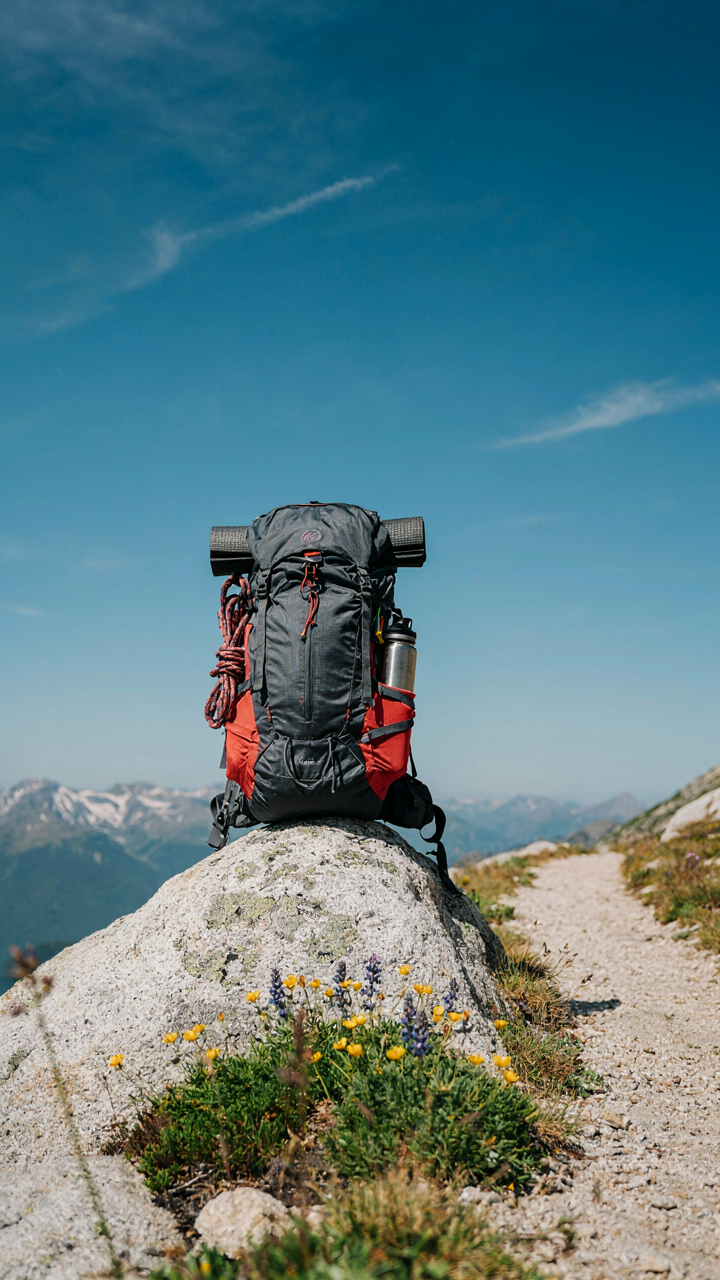
You’re reading this section because you’re afraid of looking unprepared. The real mechanism at work is psychological anchoring: you fixate on worst-case scenarios and pack gear to neutralize them, not to function effectively. Every item becomes insurance against embarrassment or injury. This isn’t about safety. It’s about control.
The moment you name this, the pack lightens itself. You packed a backup compass because you imagined getting lost and being judged. You threw in emergency supplies for a day hike because you catastrophized. The gear wasn’t solving a real problem. It was solving an emotional one. Strip the emotional layer and suddenly half your pack disappears without consequence.
Minimalism That Actually Works
Minimalism in adventure sports isn’t about traveling light for the Instagram aesthetic. Borrow a term from engineering: constraint-based design. Your constraints aren’t budget or weight limits—they’re the specific conditions of your route, duration, and real threat vectors. Everything else is noise.
- Dual-purpose items only: A knife becomes fire-starter, shelter-builder, and food-prep tool. Every ounce performs multiple functions or it stays home.
- Route-specific redundancy: On a day climb with established descent, you don’t carry a headlamp. On a solo alpine push, you do. Let the terrain dictate, not convention.
- Known failure points only: Pack repair items for gear you actually own and have broken before. Not theoretical gear. Not worst-case scenarios.
- Container limits as governors: Use a fixed pack size. When it’s full, you stop. This forces prioritization instead of endless addition.
- Test in low stakes first: Hike the same route twice—once loaded, once stripped. You’ll see what you actually used versus what you carried.
The mechanism that separates minimalists from packers isn’t discipline. It’s data. You need experience on your specific route before you earn the right to subtract. Load the pack, move, and measure what friction actually occurred. Then cut ruthlessly.
The Real Obstacle Isn’t The Mountain; It’s The Mental Clutter In Your Pack

You don’t need a perfect checklist. You need permission to start with what you have and upgrade obsessively based on real failures, not imagined ones. Most people collect gear like they collect fears. They buy equipment for adventures they’ll never take. Right now, open your closet. Grab three items you actually own. That’s your starting point. Build from failure, not fantasy, and you’ll pack smarter than 99 percent of people who overthink their way into paralysis.