
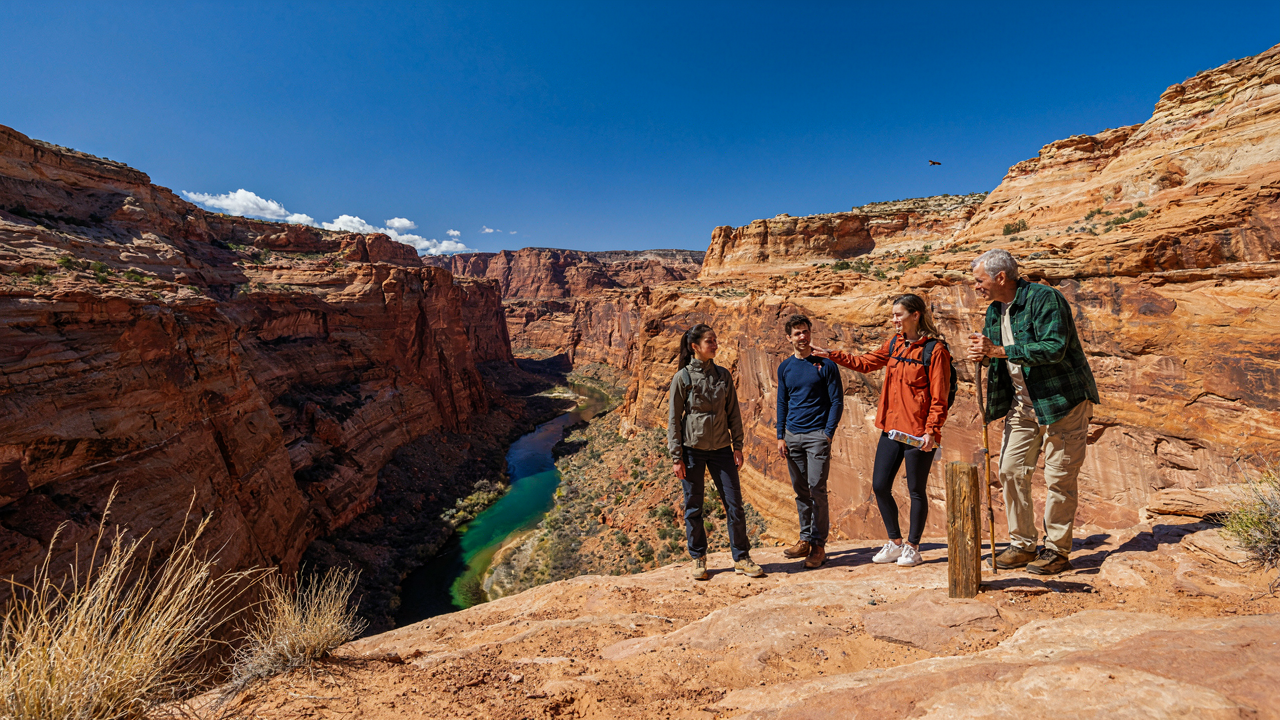
The “Escape Velocity” Protocol: Beyond Dinner And A Movie
Calibrating Your Shared Ceiling
You’re reading this because you’re afraid your relationship has become background noise, and you’re right to be afraid. The mechanism is simple: couples who only do low-stakes activities together never build the neurological bond that comes from facing real consequence side by side. This isn’t philosophy. It’s neurobiology. When you experience genuine risk with another person, your brain releases oxytocin and adrenaline simultaneously, which binds you neurologically in ways dinner cannot replicate.
Your shared thrill tolerance is the floor you both stand on. It’s not about individual bravery. It’s about the lowest comfort threshold between you two. If one partner has rock climbed for five years and the other has never been on a rope, starting at the experienced climber’s level doesn’t calibrate tolerance, it creates resentment. You need to find the activity where both of you feel the same amount of genuine uncertainty, not fear. That baseline becomes your starting protocol.
The Gradient Staircase

Most couples either stay in the kiddie pool or jump into the deep end. Both approaches fail. The real mechanism comes from periodization, borrowed from athletic training: progressive overload. You introduce slightly higher demand each session, allowing your nervous system and your relationship to adapt together without blowing out.
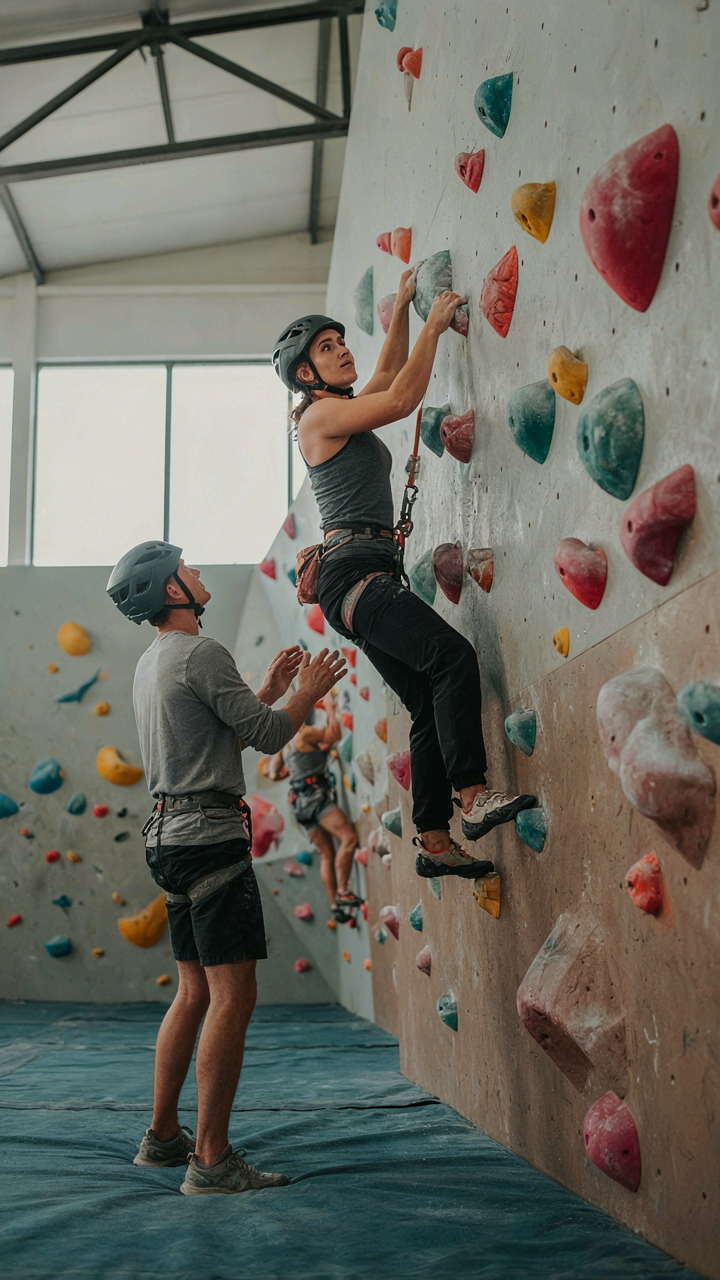
Start with a single exposure to the sport at beginner level. Kayaking flat water. A climbing gym with a top rope. A tandem skydive with instructors. One session. Not a certification course yet. This teaches you both how you each respond to the sport’s core demand: water pressure, height exposure, speed. After one session, you have real data about each other’s actual psychology under stress, not your imagined psychology. Then you make the decision to progress. The next step is deliberate instruction in controlled conditions. Only after that do you increase intensity or duration. This staircase prevents the common failure where couples pick an activity, do one hard trip, never recover psychologically, and never return.

Adventure Aesthetic: Curating Shared Peak Experiences
The Overlap Trap
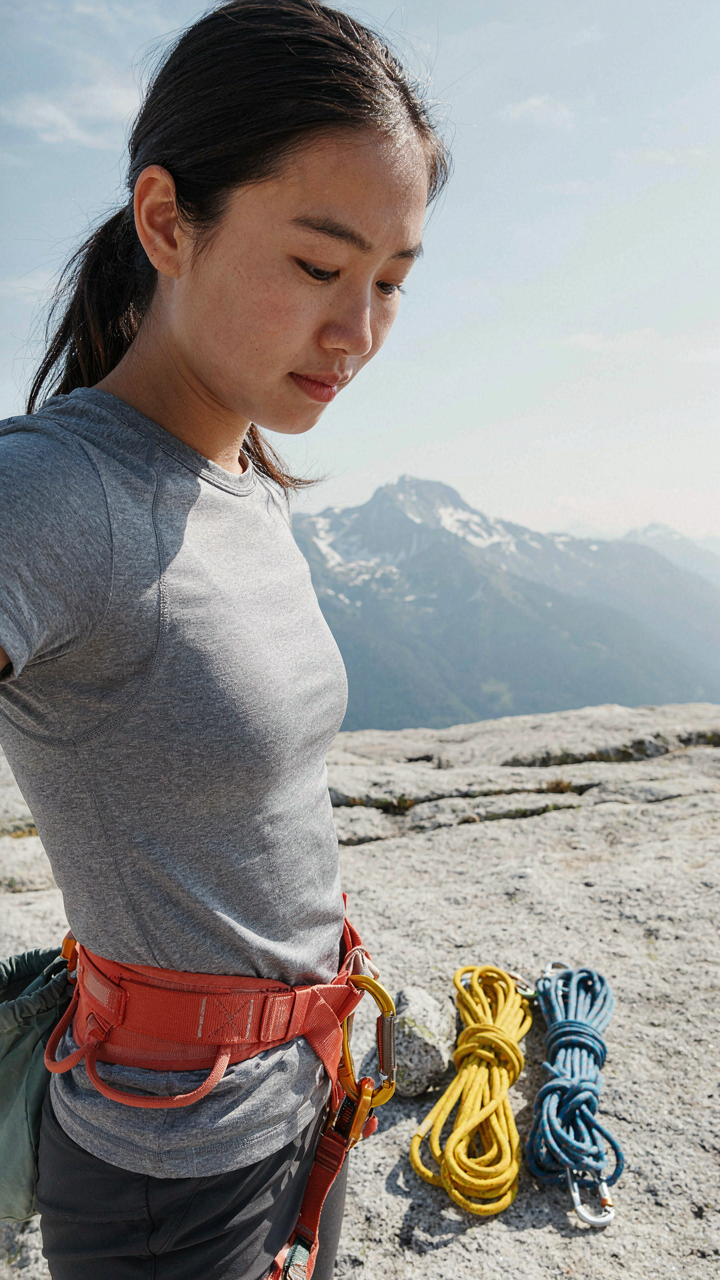
You want to believe you both love the same things. That’s the real fear here—discovering you don’t. Couples often confuse compromise with compatibility, and that gap costs them real experiences together. True mutual interest isn’t about forcing enthusiasm for your partner’s hobby. It’s about finding where your nervous systems actually fire up at the same stimulus. Climbing matters to you because of the problem-solving and exposure. If your partner climbs for social belonging, you’re on different mountains. Name the actual reason each of you wants to do this sport before committing time and money.
The mechanism is simple: interview each other like you’re vetting a business partner. Ask what draws them to rock climbing, not whether they’d try it. Listen for whether they mention the physical challenge, the view, the community, the meditative state, or the status. Then map your own answers against theirs. Misalignment here predicts dropout within three to six months. Alignment predicts the kind of couple that builds a decade of shared stories. Start with a low-risk activity you both genuinely want, not something Instagram-worthy or supposedly good for relationships.
The Evidence Matters More Than The Memory
Documentation kills the romance narrative. That’s what people believe, and it’s wrong. The real problem is couples document poorly—bad angles, no context, forgetting to capture the actual moment because they’re too focused on the camera. In sports psychology, this is called the encoding effect: what you actively encode during an experience shapes how vividly you retrieve it later. A single sharp photo of you both mid-rappel isn’t nostalgia. It’s data. It anchors the memory and lets you rebuild the feeling years later when you need it.
The protocol is tactical. One person focuses on the activity. The other shoots—not constantly, but at five key moments: preparation, the hardest part, you both together at the peak, the moment of relief after, and one genuine moment of rest. Shoot video clips instead of endless photos. Thirty seconds of audio of your breathing and conversation during a kayak paddle tells you more than any still image. After the session, spend fifteen minutes writing three sentences about what surprised you. Review these materials quarterly. This isn’t vanity. It’s the difference between a memory that fades and one that compounds.
Risk Assessment Redefined: The Military Strategy Playbook For Couple Adventures
Scouting Before Commitment
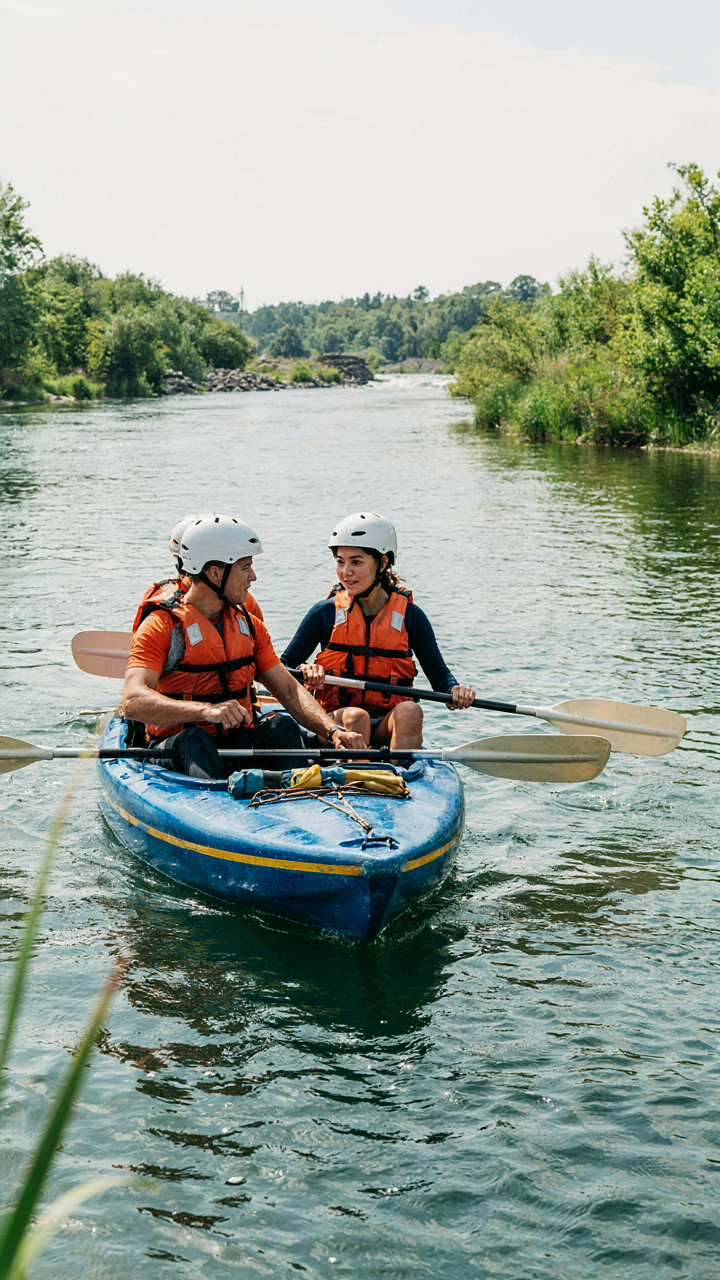
You want to feel prepared without admitting you’re afraid of looking incompetent in front of your partner. Military strategy calls this “reconnaissance in force”—sending a small team ahead to gather intelligence and expose weak points before full deployment. Apply this to adventure trips by running a scaled version first. Take a single-pitch climb before the multi-pitch. Paddle a calm section of river before the technical stretch. This isn’t overcautious. It’s information gathering.
The scout run reveals what actually breaks: your communication under pressure, equipment gaps, fitness misconceptions, decision-making speed. You learn your partner’s real behavior under minor stress, not their ideal behavior. Book a half-day or afternoon trip on a similar terrain before committing to the full expedition. Document what went wrong, what surprised you, what you both handled well. This data prevents the catastrophic mistake of discovering critical incompatibilities on day three of a week-long adventure when extraction is complicated.
Defining The Perimeter
Common advice says “have a backup plan.” That’s useless because it’s too vague. Military operations use “mission parameters”—explicit boundaries, decision thresholds, and trigger points for abort. You need the same structure. Before any adventure, establish: the turnaround time (when you stop and descend or paddle back regardless of progress), the weather threshold (wind speed, lightning proximity, temperature), individual physical limits (heart rate ceiling, injury pain level), and the single go-no-go decision point you both agree to in advance.
Write these down. Not memorize. Write. The act of writing forces specificity and eliminates the in-the-moment argument about what you “kind of agreed to.” Define contingency roles: who leads navigation, who manages safety gear, who calls the abort if conditions shift. Assign these before you’re tired or stressed. When adrenaline peaks, you default to role, not discussion. The couple that dies on a mountain usually died because they never clarified who decides when to turn back. The couple that survives did.
Skydiving And Beyond: The “Calculated Leap” Mentality
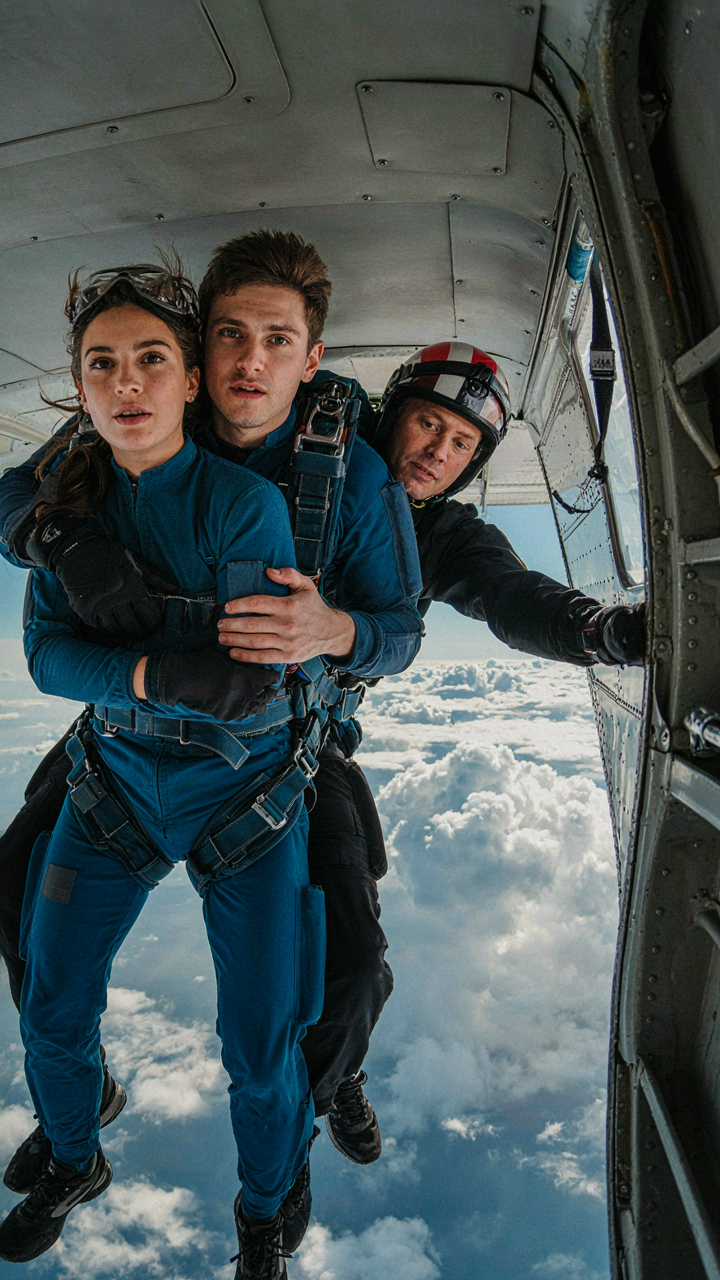
When Fear Stops Being Abstract
You want to know how to do something terrifying together without one of you backing out or resenting the other afterward. That’s the real question buried here. Psychology calls this “distress tolerance”—your actual capacity to sit with discomfort without collapsing or acting out. In skydiving, distress tolerance isn’t metaphorical. You’re strapped to another person at 10,000 feet. Your nervous system either adapts or it doesn’t. Most couples never test this because they assume fear is permanent. It isn’t. It’s a dial you can turn down through exposure and structure.
The mechanism is straightforward: your amygdala fires threat signals, but your prefrontal cortex can override them with enough repetition and safety cues. In tandem skydiving, the jump master becomes the safety cue. You’re not jumping alone into chaos. You’re following a protocol. The first jump is the hardest because your brain has no reference point. By the second, your nervous system recognizes the sequence: gear check, walk to plane, sit in door, exit, freefall, deploy, land. Recognition kills most of the fear. Couples who jump together twice report a measurable shift in how they handle other high-stakes decisions afterward.
Trust Built Through Controlled Exposure
Vulnerability isn’t a feeling—it’s a behavioral pattern you establish through repetition. The common advice says “trust your partner” or “open up emotionally.” That’s incomplete. Real trust forms when your partner proves they’ll execute their part of a dangerous task while you execute yours. There’s no room for abstract reassurance at 3,000 feet during canopy deployment.
Tandem skydiving forces this because you can’t control your partner’s actions once you’re in the air, and your partner can’t control yours. You both have to trust the jump master’s instruction and each other’s body awareness. After landing, couples report a specific shift: they stop needing to verbally confirm trust and start acting on it. When you’ve depended on someone for something genuinely consequential, smaller conflicts dissolve. The protocol is simple: choose a sport where both people have clear, separate responsibilities during execution. Whitewater rafting works similarly—each paddler owns their side. One person’s failure directly impacts the other. This creates earned trust, not assumed trust. Earned trust transfers to every other domain of your relationship.
Traveling Couple: Maximizing “Return On Experience”
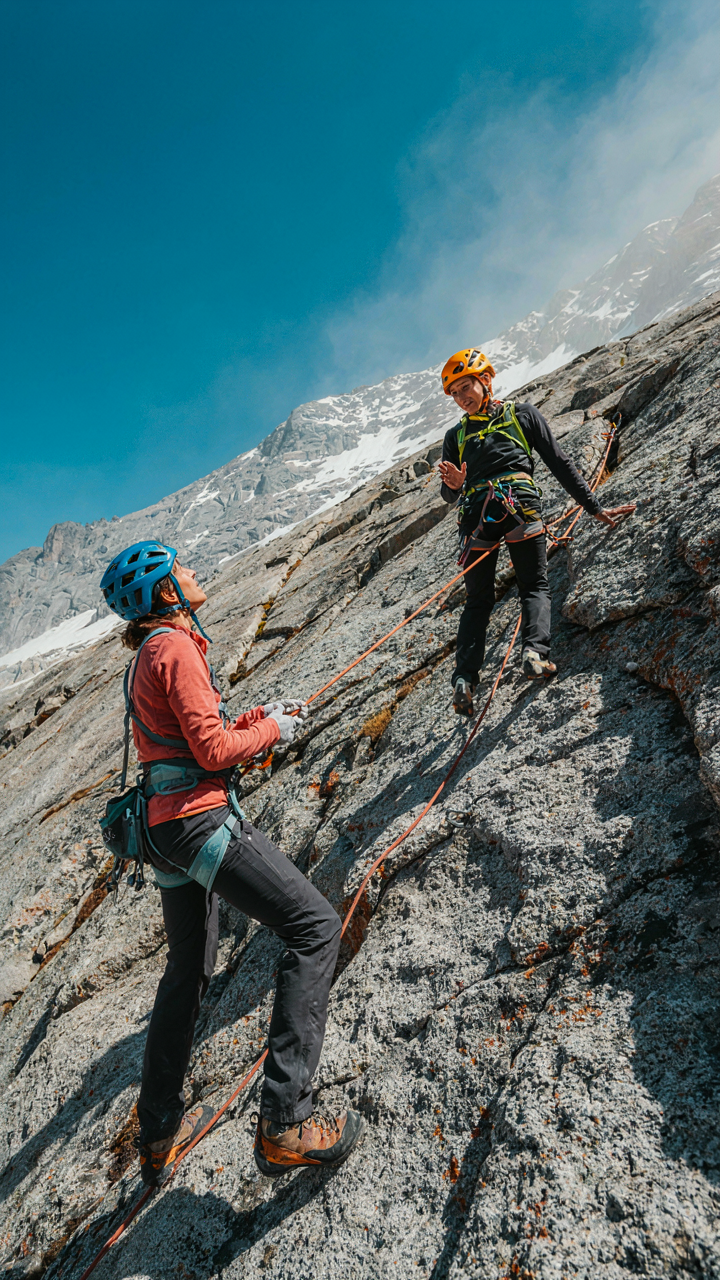
The Money Question Nobody Asks Honestly
You’re worried you’ll waste cash on activities that feel epic in marketing but flat in reality. Here’s the mechanism: most couples budget for adventure sports by comparing price tags across operators, which is backwards. Economics calls this “cost per unit,” but for couples, the real unit isn’t the activity itself—it’s the specific stress point it dissolves between you two. A expensive mountaineering expedition that forces you both to trust each other under genuine pressure delivers higher return than a cheaper zip line where you’re passive observers.
The pricing trap is that adventure sports scale their costs by equipment and liability, not by emotional output. A three-day rock climbing trip costs more than a one-day trip not because three days creates three times the connection—it creates exponential connection because you move through fear cycles together multiple times. When budgeting, calculate backwards: identify the relational problem you’re trying to solve (trust breakdown, parallel living, boredom as a couple), then find the minimum-cost activity that forces you both to solve it together under real stakes. Skip the luxury resort adventure packages entirely.
Connection Happens In Constraint, Not Comfort
The standard advice here is “unplug and be present,” which is useless because presence is the output, not the input. Real connection in adventure happens through shared constraint—both of you face the same limitation simultaneously, which collapses the distance between your internal worlds. Rock climbing, mountaineering, and whitewater kayaking force this more reliably than skydiving because they require ongoing communication and real-time adjustment rather than a single moment of intensity.
The protocol: choose activities where one person’s mistake directly impacts the other person’s safety or success. Not in a dangerous way, but in a way that makes freeloading impossible. Rope belay systems, tandem kayaking, or backcountry navigation demand that you function as a single unit. The conversation you have while problem-solving a rappel or reading river conditions together rewires how you communicate in daily life because the stakes removed the performance layer. Before booking any trip, verify that the activity requires you both to make decisions that matter.
Couple Trip Aesthetic: Crafting Unforgettable Narratives

The Story Nobody Posts
You want proof that the trip mattered. That’s the real reason you care about this section. Most couples document adventures to create evidence of connection, not to remember them. The mechanism is simple: shared risk creates a narrative gap between your old identity and your new one, but only if you name it deliberately.
The mistake everyone makes is confusing documentation with integration. Posting a photo of you both on a cliff doesn’t tell the story of why you chose that cliff, what you negotiated beforehand, or how you handled fear differently. The aesthetic fails because it skips the actual plot. Your couple trip narrative works only when you capture the decision-making, not just the outcome.
Integration: The Real Work After The Climb
The adventure doesn’t stick because you lived it. It sticks because you extract the specific moment where you both changed your behavior or belief about each other. You need a protocol: within three days of returning, identify one decision you made together under pressure that you wouldn’t have made alone. Write it down. Reference it in conversations when friction appears.
Most couples let the trip become a memory instead of a frame. Make it a frame by treating it as a reference point for how you operate. When you argue about risk tolerance later, you return to the canyon descent or the surfing wipeout and say, “Remember when you committed to that even though you were scared?” That’s not nostalgia. That’s operational data about your partnership. Extract it systematically or the trip evaporates into generic vacation talk.
The “Adventure Couple” Blueprint: Sustaining The Edge
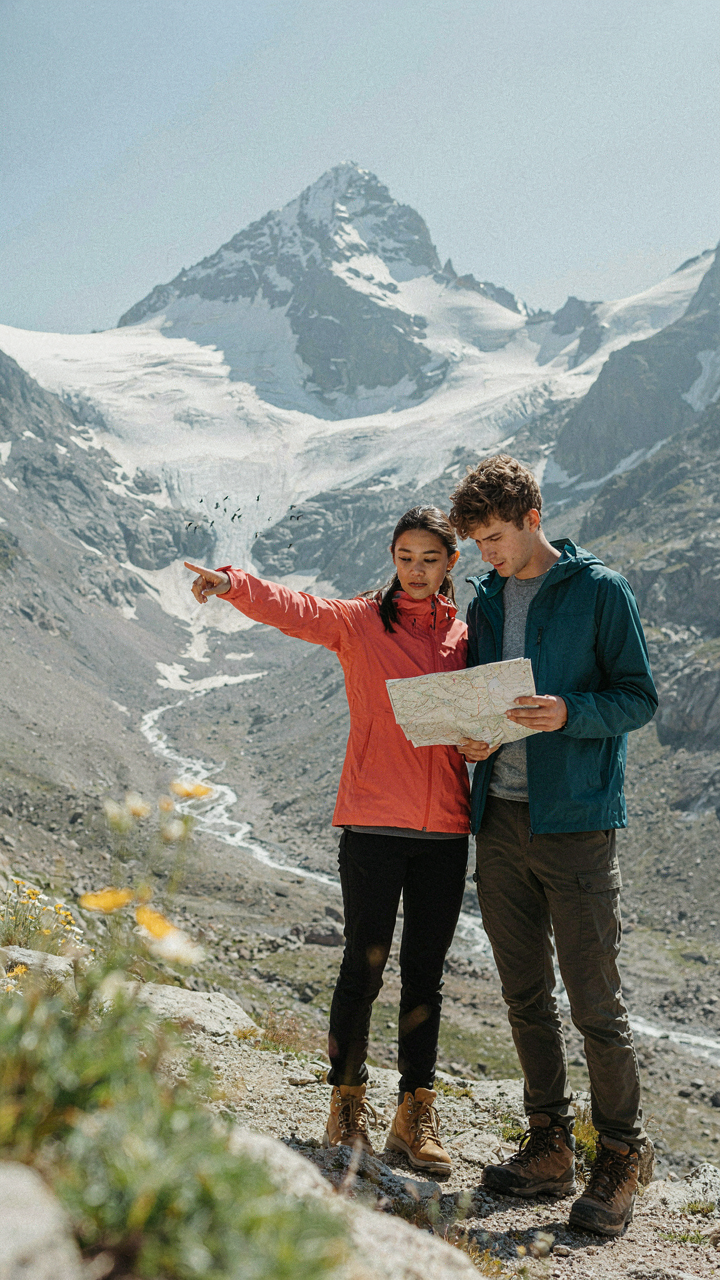
Building Challenge Into Your Cycle
You want proof that you’re still alive. That’s the real reason you care about this—not the Instagram story or the shared memory, but the visceral knowledge that you haven’t calcified into routine. The mechanism is simple: progression requires structured escalation, not spontaneous heroics. Borrow from training periodization in sports science. Athletes don’t jump from base fitness to peak performance randomly. They cycle through phases. Your adventure life needs the same architecture: a planned sequence of difficulty that matches your joint capacity, executed across seasons or years, with built-in plateaus and breakthroughs.
Most couples treat adventure like a shopping spree—they tick boxes and wonder why nothing sticks. The real play is establishing what your baseline currently is, identifying the next genuine threshold, and creating a timeline to reach it. Not “someday we’ll climb Denali,” but “in eighteen months, we’ll have the ice climbing skills and fitness to attempt Denali.” The difference is measurable. You build quarterly micro-goals that feed into annual targets. You track what you’ve learned, not just where you’ve been.
- Baseline assessment: Document your current skills in your primary sport—climbing grade, ski difficulty, paddling classification. This is your starting point for honest progression planning, not your ceiling.
- Skill-specific training blocks: Dedicate seasons to focused improvement in one discipline. Spring for rock climbing technique. Summer for endurance sports. Fall for colder-weather prep. Winter for your main expedition push.
- Quarterly micro-expeditions: Schedule smaller adventures every thirteen weeks that directly prepare you for your annual target. Each one teaches a new variable without full commitment.
- Partner capacity checks: Every six weeks, evaluate where each of you actually stands—physically, mentally, skill-wise. One person’s edge is not the other’s. Misalignment kills momentum fast.
- Deload and recovery windows: Plan three-week breaks after major pushes. This isn’t laziness. Injury, burnout, and relationship tension emerge when you skip this. Recovery is when adaptation happens.
The rhythm isn’t constant upward slope. It’s oscillation—push, recover, adapt, push harder. When you stop treating adventure like a random event and start treating it like a practice, the edge stays sharp and the relationship deepens because you’re building something together instead of consuming experiences.
Teaching Others What You’ve Learned
The fastest way to crystallize what you know is to articulate it to another couple who’s still flailing. You don’t do this because you’re altruistic. You do it because explaining your system forces you to see its gaps. When someone asks “how did you decide what to climb next?” or “how do we know if we’re ready?”, you have to defend your actual process, not the mythology you tell yourself. This tightens everything. Teaching isn’t a side benefit of mastery—it’s a mechanism for deepening it. Your couple becomes the reference point, which means your couple has to stay ahead or lose credibility fast.
Start small. Invite one couple to your pre-expedition training sessions. Show them your progression timeline, your gear setup, what you’ve learned from failures. The conversations that emerge will expose blind spots in your own approach. They’ll ask questions you’ve stopped asking yourselves. This friction forces innovation. After a few seasons, you’ll notice something: the couples you mentor start building their own momentum, and their breakthroughs create new standards you now need to match. The relationship shifts from ego-based (we’re experienced) to growth-based (we’re part of an ecosystem that keeps elevating). Document what you teach—write it down, photograph it, record it—because years later, new couples will find it and your evolution becomes a template others actually use instead of empty inspiration content.
Couples Travelling: Navigating Conflict In High Stakes Settings
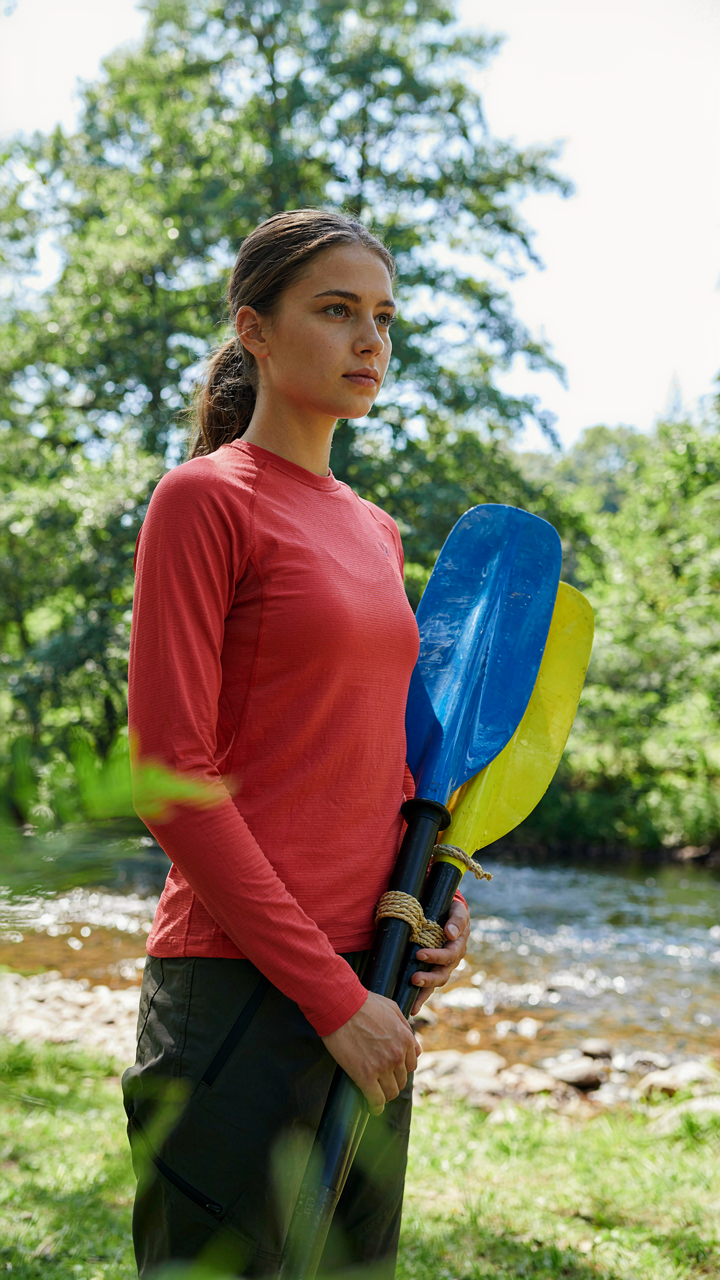
When Stress Strips Away Your Normal Dynamic
You want to know this because you’re afraid your relationship can’t handle real pressure. Here’s what actually happens: adrenaline and fatigue compress your communication bandwidth to almost nothing. Your brain prioritizes survival over nuance. The arguments that erupt aren’t about what you think they’re about. They’re about unspoken expectations colliding with immediate physical demands. Most couples never notice this until they’re halfway up a rock face or paddling into a headwind.
Clear communication under duress requires pre-decision, not in-the-moment negotiation. Before you launch, establish specific protocols for three scenarios: minor disagreement, safety concern, and someone hitting their limit. Use exact words, not feelings. “I’m uncomfortable” means nothing. “My grip is failing and I need to rest now” means you belay immediately. The couple that survives high-stakes travel doesn’t talk better in crisis. They talk less and decide more.
Unified Problem Solving Beats Individual Heroics
This borrows from military doctrine: a unit with conflicting objectives fails faster than a unit with a clear common enemy. In adventure sports, your shared enemy is the mountain, the water, or the weather, not each other. Yet most couples default to blame when something goes wrong. One person decides the other made a bad call. Tension builds. Decisions get slower and worse.
The shift: treat every problem as external. The climb got harder than expected, not because your partner underestimated it. The weather shifted. The gear failed. Now you both own the solution. This isn’t positive thinking. It’s strategic clarity. The moment you start troubleshooting as a team instead of defending individual choices, you move faster and make sharper calls. Assign roles before departure: one person navigates, one manages gear, one tracks energy levels. Rotate roles on day two. Accountability stays distributed.
Travel With Him: The Unspoken Dynamic Of Partnership
Complementary Skill Sets Over Matched Ability
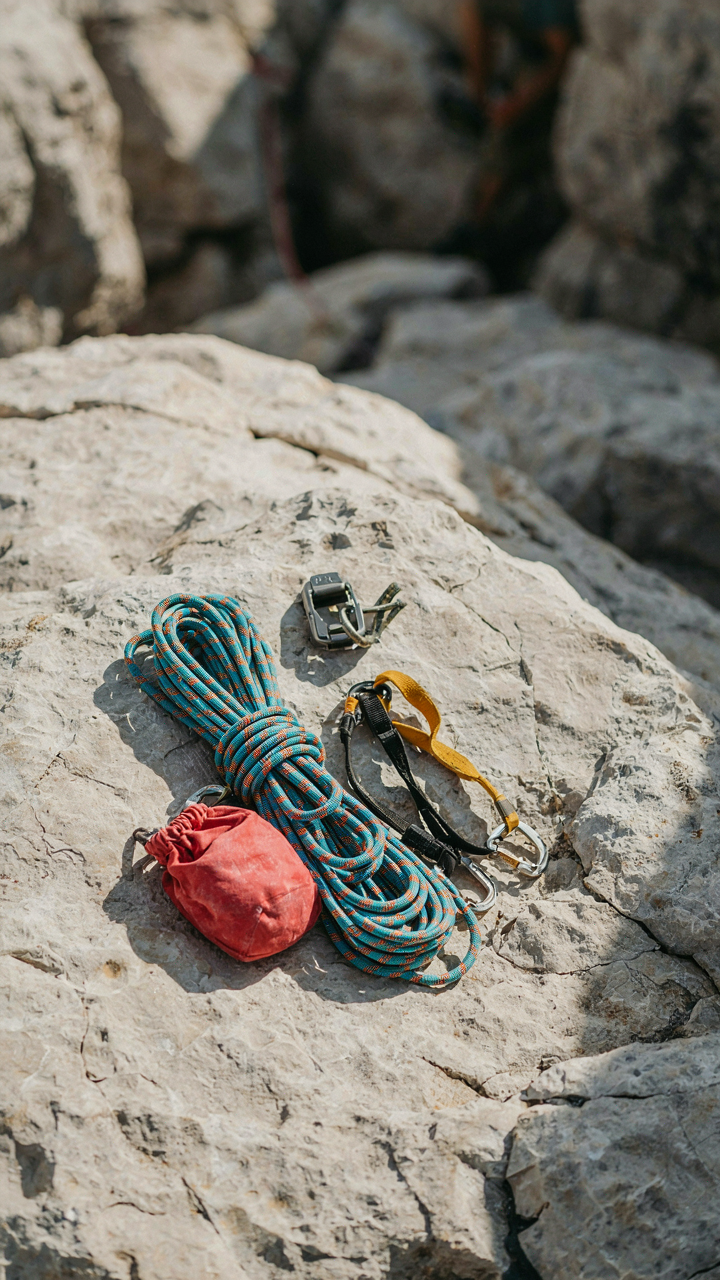
You want to believe that couples who do adventure sports together are perfectly matched because that feels safer, less like one person is dragging the other into risk. The mechanism is actually inverted: mismatched skills force clarity. In climbing, one partner reads protection placement while the other manages rope tension. In whitewater kayaking, one navigates lines while the other manages boat control in current. The sport doesn’t care about ego. It surfaces who does what well.
Stop looking for a partner who’s equally good at everything. That person doesn’t exist, and searching for them wastes years. Instead, map your actual strengths before you go. If one of you has better spatial awareness and the other has better endurance, the sport will demand both. One leads the pitch. The other manages the belay. The asymmetry is the entire point. Couples who pretend they’re equals on every axis crash hard when reality shows otherwise.
Earned Trust Under Pressure
Mutual respect is earned through observable competence, not declarations of love. In adventure sports, you see what people actually do when stakes rise—not what they say they’ll do. A partner who stays calm during a capsized kayak teaches you something marriage counseling never will. One who double-checks knots without being asked builds credibility faster than a year of promises.
The protocol is simple: start small, increase gradually, and never hide mistakes. If you blow a rappel setup, your partner needs to know immediately, not at the next rest stop. If you’re scared, you say it. If you’re tired, you name it. Couples who do this develop a shorthand where trust becomes transactional instead of theoretical. The real test isn’t whether you like each other. It’s whether you can count on each other when something breaks.
The Only Thing Holding Your Partnership Back Isn’t A Lack Of Thrill, But Your Willingness To Consistently Choose True Challenge Over Performative Escapism
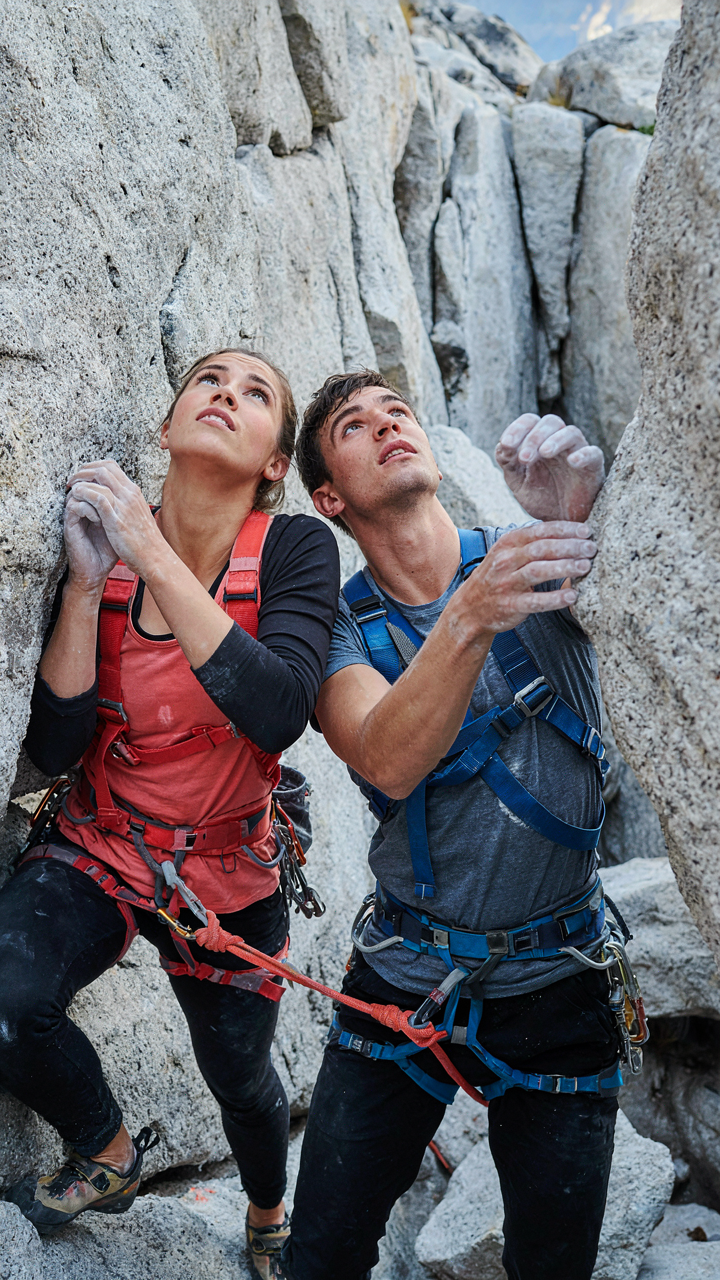
Most couples confuse adventure with Instagram content. They pick sports that look good in photos, not ones that actually test them. Real partnership grows when you both face genuine stakes together, when your palms sweat for the same reason. Text your partner right now with one sport that actually scares you both. Not the safe version. The real one. The couples who build unbreakable bonds aren’t the ones chasing thrills. They’re the ones chasing each other through the kind of difficulty that separates the curious from the committed.