
The “Weekend Warrior” Fallacy: Beyond Hobby Hunting
Status Seeking Disguised As Passion
You want people to know you do adventure sports because it signals something about who you are. Here’s the mechanism: status-driven participation creates a mismatch between your actual capacity and the commitment required. You pick something extreme, post about it twice, then quit when the real work starts. The burnout isn’t from the sport itself. It’s from maintaining an image you never actually wanted to sustain.
Most beginners skip the foundation phase entirely. They jump to the hardest version of a sport because that’s what gets attention. Rock climbing starts at a gym at a V0 problem. Surfing starts in small waves where you can actually stand up. Mountaineering starts with day hikes. The common advice says “start where you are comfortable.” That’s incomplete. Start where you can practice the same motion two hundred times without ego getting in the way. Burnout happens when you’re too tired to show up but too committed to the image to quit honestly.
Intrinsic Motivation Over The Highlight Reel

Motivation in behavioral psychology splits into two categories: intrinsic, driven by internal reward, and extrinsic, driven by external validation. Most beginners enter adventure sports for extrinsic reasons: the photo, the story, the identity marker. Intrinsic motivation is what actually sustains practice. You keep showing up because the movement itself is interesting, not because someone will validate it.
Redefine adventure as the discovery of your own limits, not the announcement of them. An adventure happens when you’re alone in rough water or on a technical trail and you solve a problem with your body and mind. That feeling doesn’t improve by sharing it. Start tracking what makes you want to return to a sport without thinking about how it looks. If you’re scrolling back through your photos more than you’re thinking about your next session, you’re building a persona, not a skill. Shift your metric from impressions to hours logged and problems solved.

Deconstructing Fear: A Thrill Seeker’s Mental Toolkit

Your Body’s Oldest Survival Program
You want this section because you’re afraid the fear will control you. Here’s what actually happens: your nervous system runs a biological protocol designed 300,000 years ago. When you stand on a cliff or drop into whitewater, your amygdala triggers the fight-or-flight response. Adrenaline floods your system. Your pupils dilate. Blood leaves your hands and feet to feed your legs. Your prefrontal cortex, the part that handles complex decisions, goes quiet. This isn’t a flaw. It’s a system that kept your ancestors alive.
The mechanism matters because knowing it removes mystery. Fear isn’t weakness or hesitation. It’s physiology. Your heart rate spikes. Your breathing quickens. Your muscles tense for explosive movement. In adventure sports, this same response that once protected you from predators now sharpens your reaction time and focus. The difference between panic and performance is whether you recognize the signal or misinterpret it as danger. When you can name what’s happening in your body, you stop fighting the response and start working with it.
Focus Over Feelings
Most beginner advice about anxiety is useless because it tells you to “calm down” or “breathe.” Those work for mild stress. They don’t work in real threat situations because your nervous system is designed to override calm in the face of genuine danger. Cognitive reframing isn’t about suppressing fear. It’s about redirecting the neurological energy fear produces. Instead of fighting the adrenaline spike, you interpret it as preparation for performance. Elite athletes don’t eliminate fear. They rebrand it as readiness.
The tactical step is simple: before any activity, name one specific skill you’ll focus on instead of the outcome. Not “I won’t fall.” Instead: “I’ll watch my hand placement on this hold” or “I’ll keep my weight centered over the kayak.” Your brain can’t hold two competing narratives simultaneously. Give it a concrete task and fear becomes background noise. This single protocol shift determines whether your nervous system runs the event or you do.
The Indoor Climbing Protocol: Engineered Progress
Leveraging The Climbing Gym
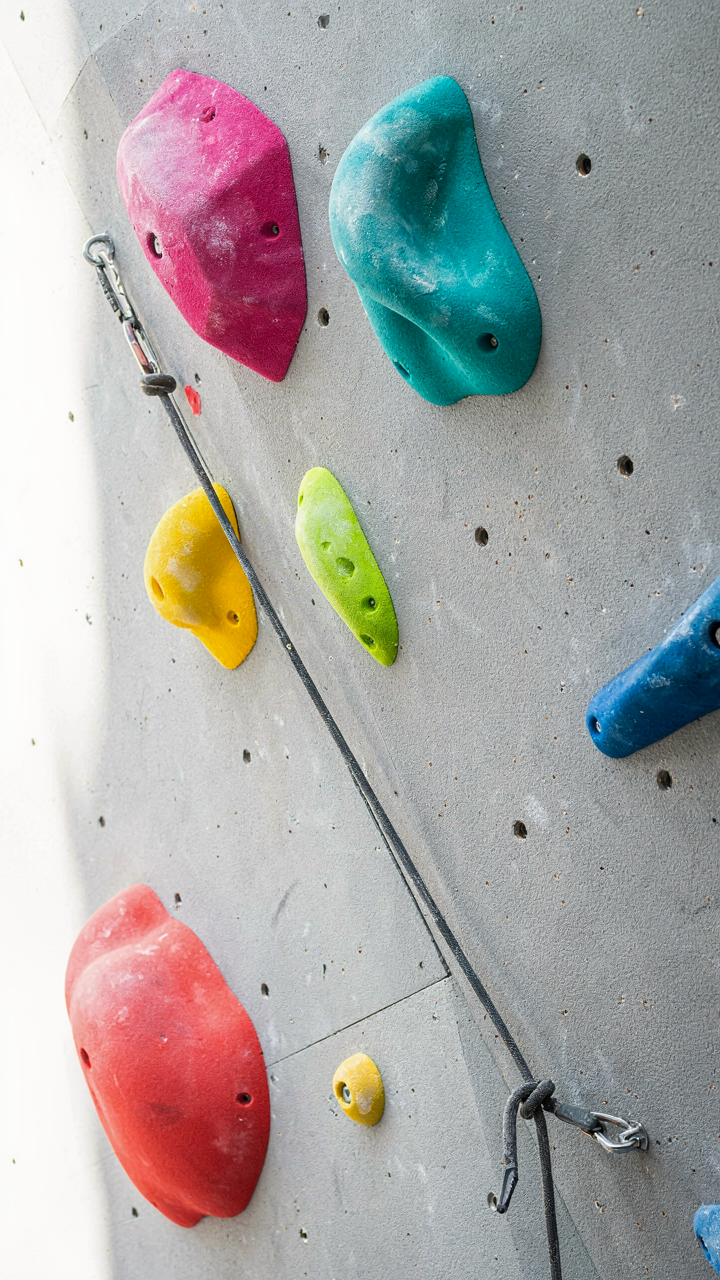
You want to skip the embarrassment of being weak in front of strangers, so you’re hoping the gym will hide you while you build competence. That’s the real draw. The mechanism is this: climbing gyms compress feedback loops. You encounter a problem, fail, adjust immediately, and try again within seconds. This iteration speed is why gyms work for beginners—not because they’re safe, but because they’re efficient teaching tools.
Gyms remove variables that confuse progress. Outdoor rock demands weather judgment, rope management, anchor assessment, and navigation. Indoors, the only variable is your body versus the wall. You climb the same route five times and notice what changed. This controlled environment lets your nervous system encode movement patterns without cognitive overload. Most beginners waste months outdoors learning what they could learn in weeks by starting inside.
Targeting Weakness, Not Volume
The common advice here is garbage: “just climb more and you’ll improve.” Volume without direction produces frustration, not skill. Use the sports psychology principle of deliberate practice—the same framework that separates elite athletes from mediocre ones. In climbing terms, this means identifying the specific movement or hold type that breaks your ascent, then drilling it until your body stops failing.
Map your failures precisely. On your first gym session, you’ll notice patterns: maybe slopers destroy you, maybe your footwork collapses on overhangs, maybe your grip endurance flatlines after six routes. Pick one. Spend 20 minutes per session on that single weakness before climbing for pleasure. Over four weeks, that focused 80 minutes compounds into actual adaptation. The mechanism works because your nervous system learns through repetition of failure at the edge of your current ability, not through casual repetition of what you already do well.
Gear As Amplification, Not Crutch: Minimalist Approach
Start With The Bare Minimum
You want permission to buy expensive stuff. That’s the real reason you’re reading this section. Here’s the mechanism: gear companies engineered a psychological loop where beginners conflate equipment quality with safety and competence. It’s false. Skill precedes gear. A budget kayak with proper technique outperforms an expensive kayak piloted by someone who hasn’t practiced bracing or reading water.
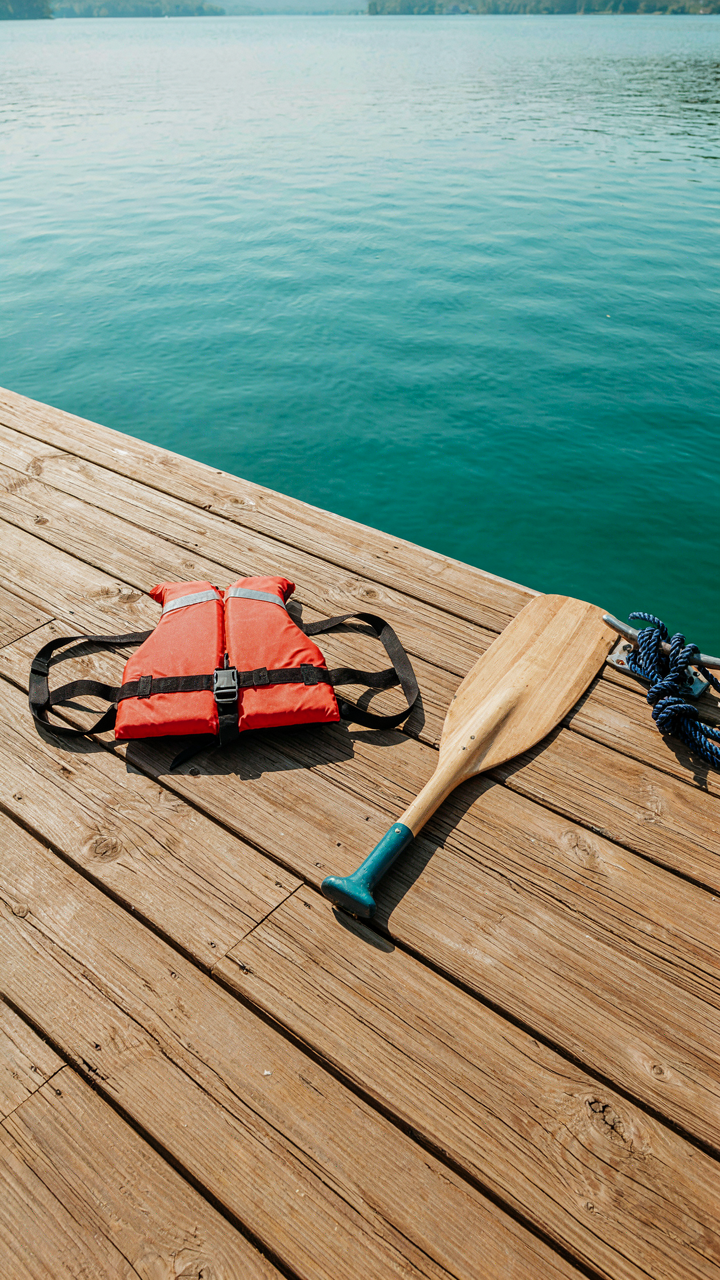
The entry barrier to kayaking is absurdly low. You need a kayak, paddle, personal flotation device, and water. Everything else is optimization. Beginners default to buying gear because it’s easier than drilling fundamentals. You can rent or borrow equipment for your first ten outings. This forces you to focus on what actually matters: body position, paddle mechanics, and reading currents. Rental gear teaches you whether you’ll stick with the sport before you commit capital.
Essential Kit For Beginner Kayak
A personal flotation device is non negotiable. Coast Guard approved devices come in several types; Type III PFDs offer comfort and mobility for recreational paddling and cost thirty to eighty dollars. You need a kayak rated for your weight plus ten to fifteen percent. Recreational kayaks range from four hundred to eight hundred dollars new, but quality used options exist at half that price. A double bladed paddle should match your height and kayak width; budget one hundred to two hundred dollars for an entry level paddle.
- Personal Flotation Device (Coast Guard Type III): Provides buoyancy without restricting movement. Required for all paddling regardless of swimming ability.
- Recreational Kayak (Sit-on-top or Sit-inside): Sit-on-tops forgive balance mistakes and drain faster if you capsize. Sit-insides offer better control for rivers.
- Double Bladed Paddle: Length depends on kayak beam width and your height. Longer paddles suit wider boats; shorter paddles fit narrower hulls.
- Dry Bag or Dry Box: Keeps keys, phone, and documents safe from water damage. Five to twenty dollars for basic versions.
- Spray Skirt (for Sit-inside only): Prevents water from entering the cockpit during rough conditions. Optional for flat water, essential for rivers or ocean.
Ignore the gear blogs promising that fifth paddle or that titanium carabiner. You need what I listed above. Everything else gets added after six months of consistent paddling when you understand what your specific style demands. Most beginners quit before month three. Don’t spend for contingencies that won’t materialize.
Gear Acquisition Syndrome Kills Progress
The common advice here is garbage: “invest in quality from day one.” That’s how manufacturers justify premium pricing. Acquisition syndrome follows predictable economics. You buy expensive gear to reduce perceived risk, but expensive gear creates a different problem: you stop practicing because you’re afraid of damaging your investment. You become conservative. You avoid the scrappy progression that builds actual skill.
This is the real cost of premium equipment at the beginner stage. A three hundred dollar paddle doesn’t make you paddle better. It makes you overthink your strokes. A two thousand dollar kayak doesn’t teach you to read water. It teaches you to worry about scratching the hull. Skip this trap entirely. Master the fundamentals with basic gear. Once your skills plateau and you can identify exactly what limitation you’re hitting, then upgrade that specific piece. This sequence works. The reverse sequence wastes money and stalls your progress for six months while you pretend the gear matters.
The Systems Thinking Method: Preparing For The Unknown
Risk Assessment And Contingency Planning
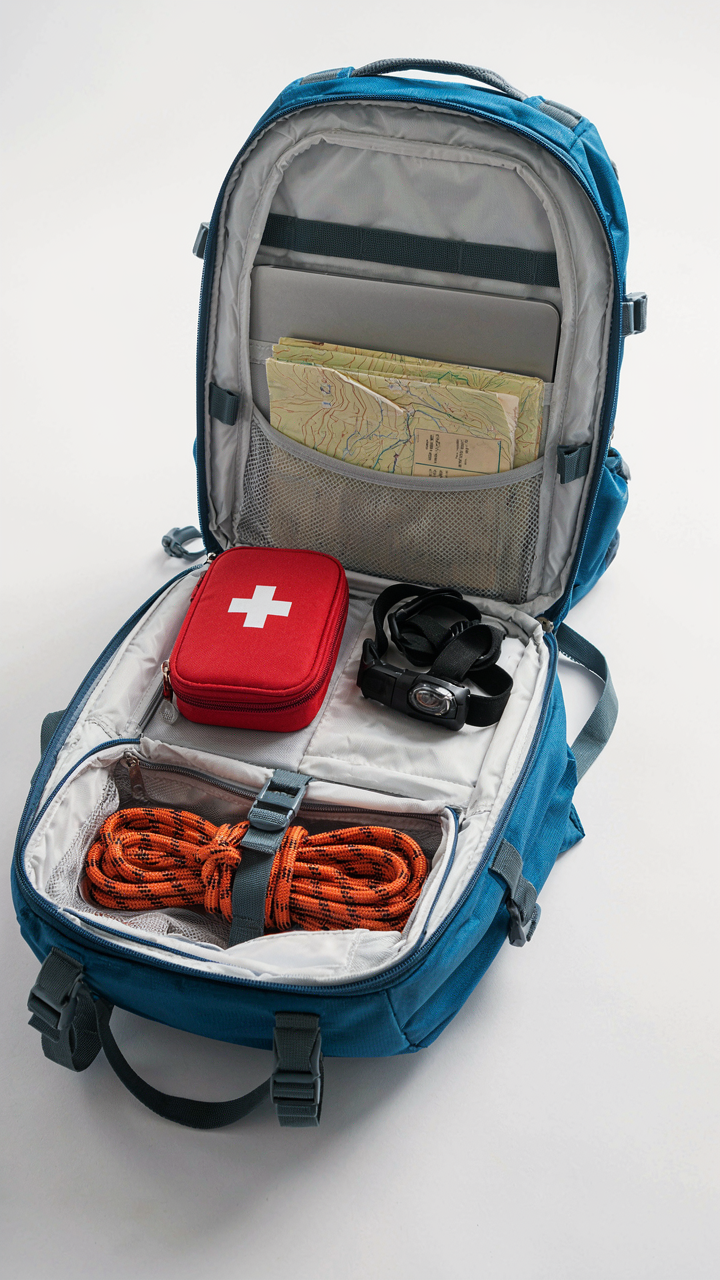
You want to feel like you’ve done your homework before the real test starts. That’s the actual reason this matters. Military logistics teams don’t predict the future—they map failure points and build redundancy at each one. In adventure sports, this translates directly: you identify what breaks, when it breaks, and what you do when it does.
Start by listing every component between you and safety. Your harness fails. Your rope frays. Your anchor point shifts. Your partner gets injured. Weather turns. Your judgment gets clouded by adrenaline. Don’t catastrophize—just name them. Then assign each a probability based on real conditions you’ll face, not worst-case fantasy. Next, write one specific response for each. Not “stay calm.” Something executable: “If anchor slips, immediately transition weight to backup point and signal partner with three tugs.”
Decide Faster In Real Time
The OODA loop from military combat strategy—observe, orient, decide, act—works because it names the actual throttle on performance: decision speed under uncertainty. Most beginners freeze because they try to gather perfect information before acting. That’s the loop collapsing.
In real conditions, you observe fragmented data. Your rope feels different. A hold broke. The weather shifted. You orient by comparing what you see against your pre-planned contingencies, not by thinking from scratch. This cuts your decision time from minutes to seconds. Pre-decision is the mechanism. You decide what you’ll do before the moment arrives. Then you act on that decision the instant conditions trigger it. Build your contingencies in calm, at home, so your brain executes, not deliberates.
Beyond The Brochure: Realities Of Beginner Kayak For Beginners
Pick Your Water First, Not Your Boat
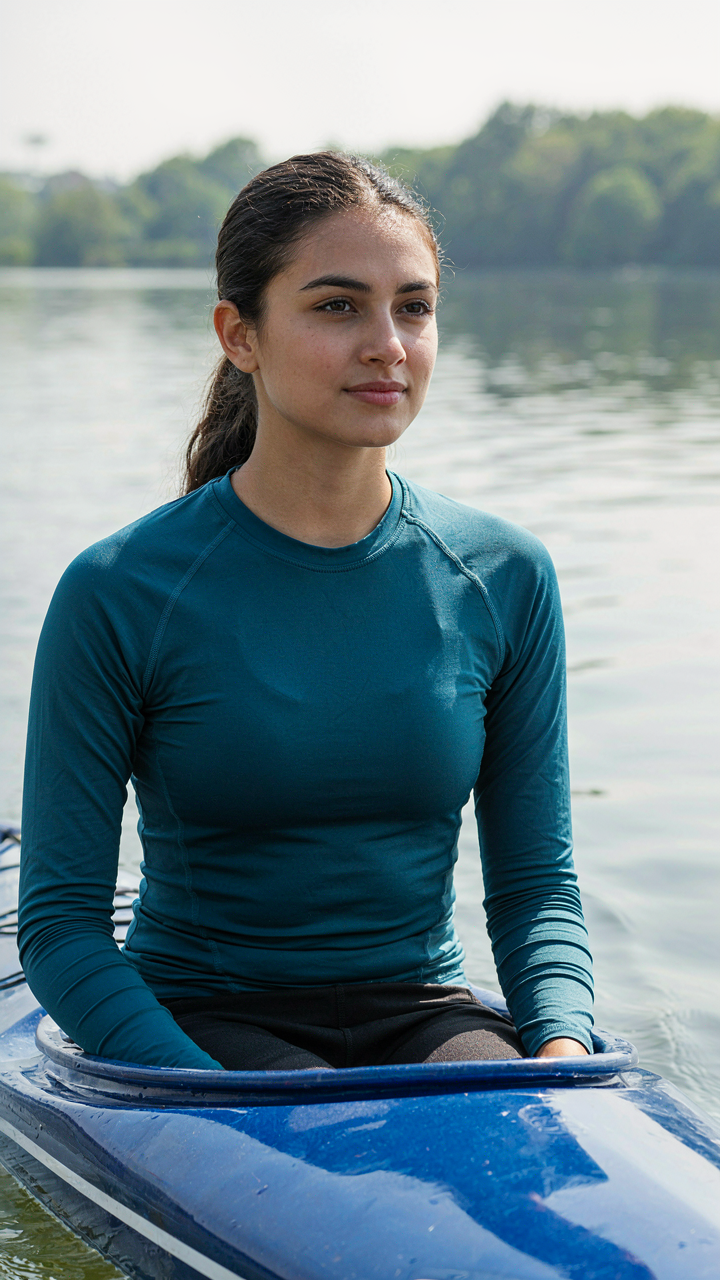
You want the kayak that looks good on Instagram. That’s the real reason you’re reading this. The mechanism underneath is simple: beginners choose boats based on what they see other people paddle, not based on where they’ll actually paddle. This kills your progress immediately.
Kayak design follows a core principle from naval architecture called form stability. Think of it as leverage applied to your body. Recreational kayaks trade speed for stability because they’re wider and sit lower. Touring kayaks sacrifice initial stability for glide and tracking. Whitewater kayaks are short and responsive for immediate directional control. Your environment determines which trade-off matters. Flat lakes demand different hull characteristics than moving rivers. Choose the wrong type and you’re fighting the boat’s design intent, not learning to paddle.
The Two Strokes That Matter, Not Ten
Competence beats complexity in every beginner sport, and kayaking proves it. Most guides list a dozen strokes. You need two: forward stroke and sweep stroke. That’s it. Master those and you control the boat. Everything else is refinement.
The forward stroke is your engine. The sweep stroke is your rudder. These strokes handle ninety percent of beginner paddling. A tight forward stroke means power transfer from core to blade to water, not arm flailing. A clean sweep means turning without losing forward momentum. Spend your first twenty hours perfecting these two movements. Your shoulders and lower back will thank you, and you’ll actually go where you intend.
How To Prepare For Kayaking: The Unsexy Foundations

Build Your Core And Shoulder Stability
You want to look like you know what you’re doing before you even touch a paddle. The real mechanism is this: kayaking demands anti-rotation strength. Your core doesn’t work like a crunch machine. It works like an anchor that prevents your torso from rotating when one side of your body pulls harder than the other—which happens constantly in a boat. Your shoulders stabilize the paddle overhead under load. Without this, you compensate with your lower back and wreck it within two hours.
Spend four weeks doing dead bugs, bird dogs, and half-kneeling chops before you paddle. These movements teach your core to resist rotation instead of create it. Add shoulder external rotation work with a light dumbbell or resistance band three times per week. This isn’t vanity training. This is the difference between paddling pain-free and paddling into an injury you’ll feel for weeks. Do these drills on land before you get in the boat.
Endurance Without Burning Out Fast
Aerobic capacity alone won’t save you. Sports physiology distinguishes between aerobic power and aerobic capacity, and kayakers need both. Capacity is your engine size. Power is how efficiently you use it. Most beginners chase power too early and gas out. You need to build the aerobic base first so your muscles can sustain repeated paddle strokes without lactate flooding your forearms and shoulders.
Row a steady state on an ergometer for twenty to thirty minutes twice per week. Swim easy freestyle for similar durations. Bike at conversational pace. These build aerobic density without taxing your joints. After six weeks of this foundation, add one session per week of interval work: thirty seconds hard, ninety seconds easy, repeat eight times. This trains your body to recover between efforts—exactly what happens when paddling switches from flat water to chop. The aerobic base removes the guesswork from your first real paddle session.
The “Sport Inspiration” Myth: Stop Waiting, Start Doing
Inspiration Follows Action, Not Vice Versa
You’re waiting for inspiration because you think it proves you’re serious. It doesn’t. Inspiration is a feeling that arrives after you’ve already committed to the discomfort. The mechanism is simple: your brain generates motivation as a response to forward momentum, not as its prerequisite. Waiting for the feeling before you act is backwards. You feel motivated once you’ve already moved.
This is how beginners actually start. They book a lesson. They show up tired on Saturday morning. They feel awkward holding equipment for the first time. Somewhere in that third or fourth session, after they’ve already paid the money and invested the time, their brain catches up and generates the feeling they thought they needed at the start. The inspiration you’re chasing now is waiting on the other side of action, not before it.
Build Momentum Through Small Commitments
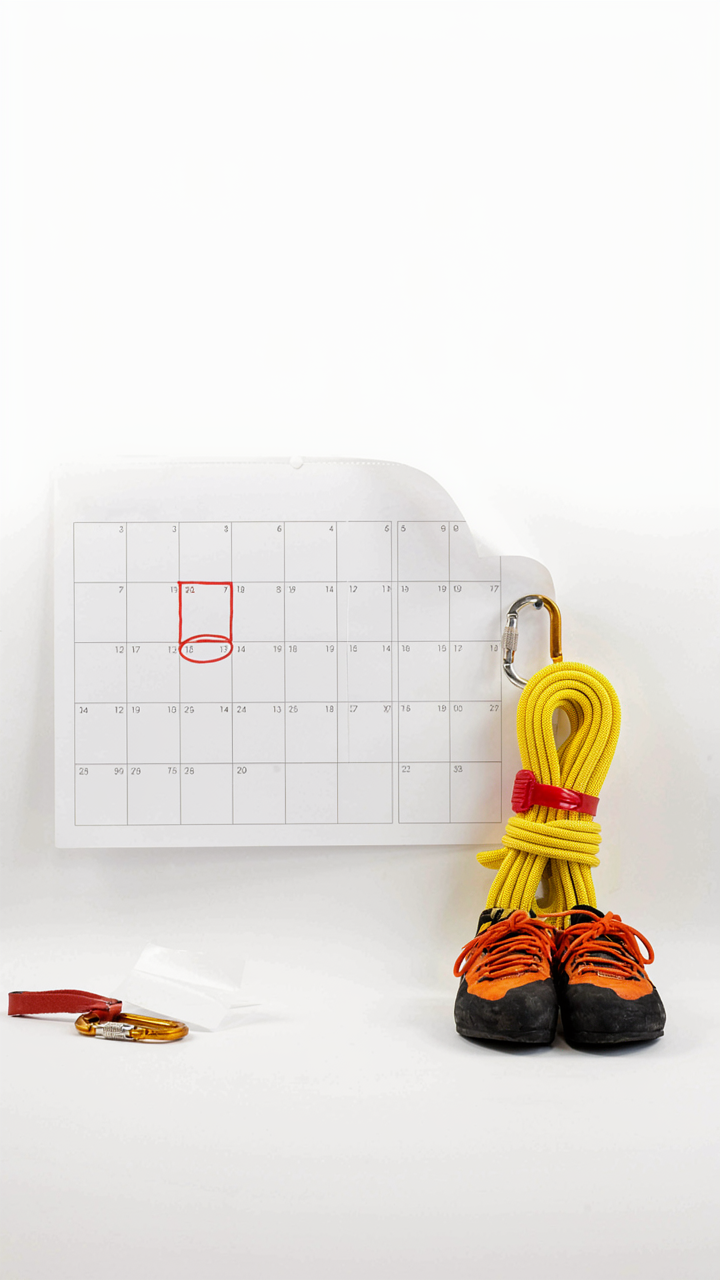
Physics calls it inertia: an object at rest stays at rest until external force moves it. In adventure sports for beginners, that external force is a single, specific commitment you make before you’re ready. Not a vague intention. A booking. A date. A payment. Something that removes the option to reconsider on Tuesday when doubt creeps in.
The real work is making that commitment absurdly low friction. Sign up for one lesson, not a package. Show up once, not every weekend. Bring one friend, not a whole crew. Each small action generates data about whether you actually enjoy this thing, and that data builds real motivation, not the fake kind you manufacture in your head. Momentum compounds on itself only when you stop negotiating with yourself and start showing up to what you’ve already decided.
Mastering The Mental Game: Beyond Physical Limits

Discomfort Is The Only Signal That Matters
You want to know if you’re tough enough. That’s the real question underneath this section. The mechanism is simple: your brain treats physical discomfort as a threat signal, not information. In adventure sports, discomfort separates the people who quit from the people who continue. Pain means you’re hitting your edge. Panic means you’re past it. Learning to read the difference is the only skill that matters.
Most beginners collapse under discomfort because they’ve never been taught that it’s temporary and survivable. Your nervous system doesn’t know the difference between danger and difficulty. You have to teach it. Start small: intentionally sit in cold water for ninety seconds. Climb until your forearms burn. Sprint until your lungs scream. The point isn’t toughness theater. It’s calibration. You’re training your brain to recognize that discomfort ends, and that you don’t die when it does.
Effort Outlasts The Initial Dopamine Hit
Grit isn’t motivation wearing a different hat. It’s the capacity to keep moving when the novelty wears off and the work becomes repetitive. Most people confuse the first three weeks of an activity with aptitude. You show up, everything feels fresh, your brain floods with dopamine. Then week four hits and the real work starts. This is where ninety percent of beginners vanish.
The mechanism borrowed from behavioral psychology is habit stacking: you don’t build grit by white-knuckling through willpower. You build it by removing the decision. Schedule your training sessions like dentist appointments. Same day, same time, non-negotiable. Show up even when motivation is gone, especially then. That’s when you’re actually building the neural pathways that separate people who talk about adventure sports from people who do them. The first month proves you’re interested. Month three proves you have the discipline to get competent.
The Only Real Obstacle Is The Comfort You’re Unwilling To Abandon

Confronting Self Imposed Boundaries
You’re reading this section because you want permission to stay where you are. Not consciously. But the real mechanism at work is this: you’ve built a life around predictability, and adventure threatens that. The discomfort isn’t physical. It’s psychological. Your comfort zone isn’t a place. It’s a set of behaviors you’ve rehearsed so many times they feel like identity.
Borrowing from psychology, we call this the “status quo bias.” In adventure sports, status quo bias is the belief that staying on flat ground is somehow safer or smarter than learning to climb. It isn’t. Your brain just knows the flat ground. The actual risk lives in the gap between what you’ve done and what you haven’t. Closing that gap requires you to feel incompetent for a while. Most people won’t do it. They’ll find reasons not to.
Adventure As Lifestyle Not Event
The standard advice says “start small, build confidence, gradually increase.” That’s incomplete. It treats adventure like a checkbox. Climb once. Surf once. Done. Real change happens when you stop treating adventure as an occasional departure from your normal life and start treating it as the normal life. This means scheduling it weekly, not monthly. It means choosing friends who climb instead of waiting until you feel confident enough to join a group.
The mechanism is habit stacking. You don’t become an adventure athlete through willpower. You become one by making the uncomfortable action the default, not the exception. Schedule your first rock climb for Tuesday at 6 PM every week for three months. Not “when you feel ready.” Not “next month.” This week. Same day. Same time. The comfort you abandon isn’t conquered in big moments. It’s dismantled through repetition.
The Only Real Obstacle Is The Comfort You’re Unwilling To Abandon
Every person who reads this will feel the pull to start. Most won’t. Not because adventure sports are hard. They’re hard because comfort is easy, and your brain fights anything that disrupts it. The mechanism is simple: discomfort builds capacity. Stop waiting for the perfect moment and book one lesson this week. Your future self doesn’t negotiate with your present self. The person who actually starts wins.