
Introduction
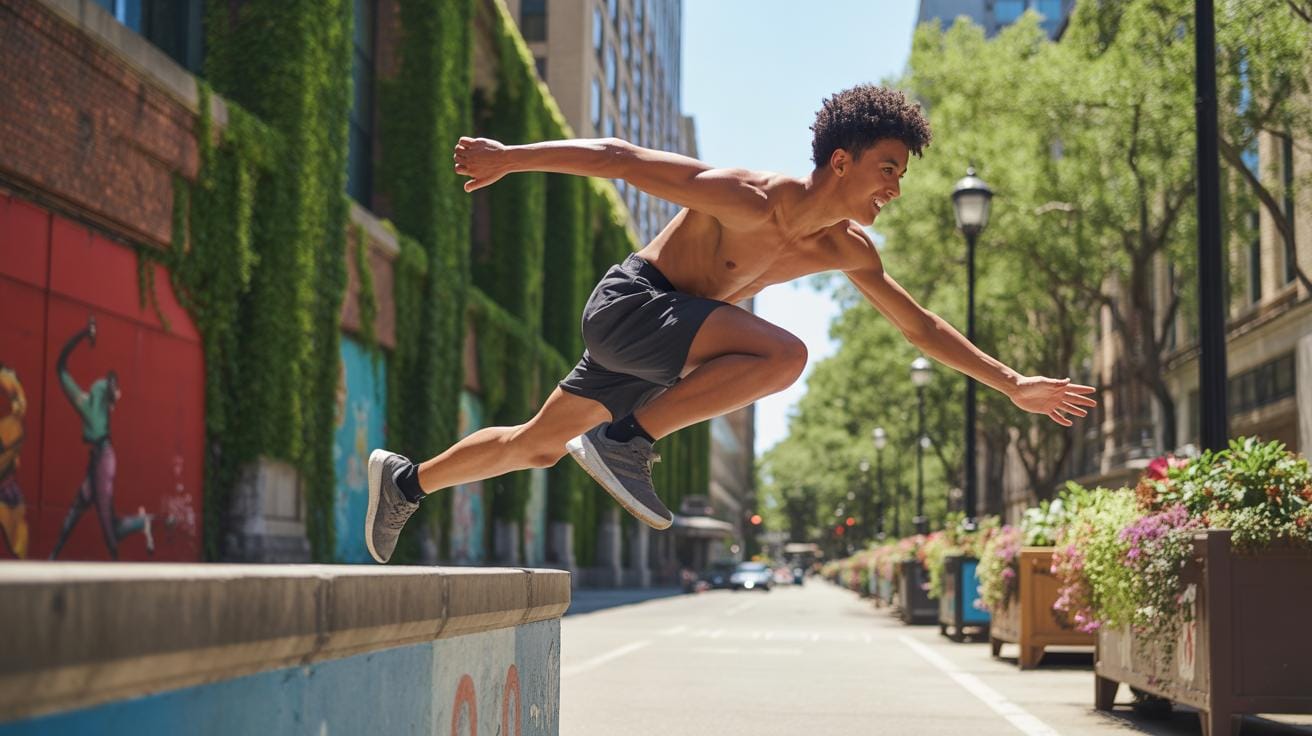
Adrenaline aesthetic inspired parkour blends the thrill of parkour with a focus on health and fitness. This discipline involves fast and creative movements such as running, jumping, climbing, and vaulting. These movements generate adrenaline, the body’s natural response to excitement and challenge. The adrenaline aesthetic here refers to the visual style and physical experience of performing these dynamic moves in an appealing way.
In this article, you will find clear explanations of what adrenaline aesthetic means, why it matters in fitness training, and practical advice on how to safely practice parkour techniques influenced by this aesthetic. The goal is to help you improve your health, agility, and physical strength by using parkour principles combined with the unique adrenaline-driven style.
Adrenaline Aesthetic Basics Explained
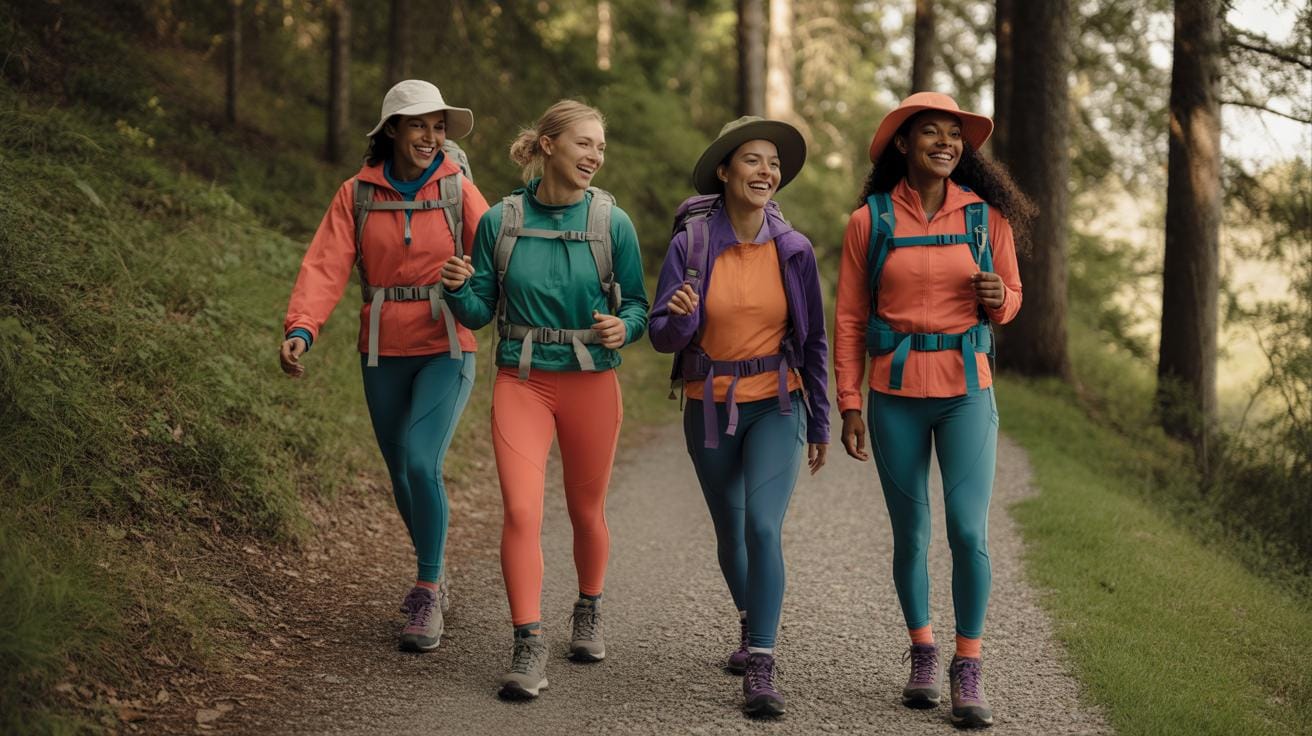
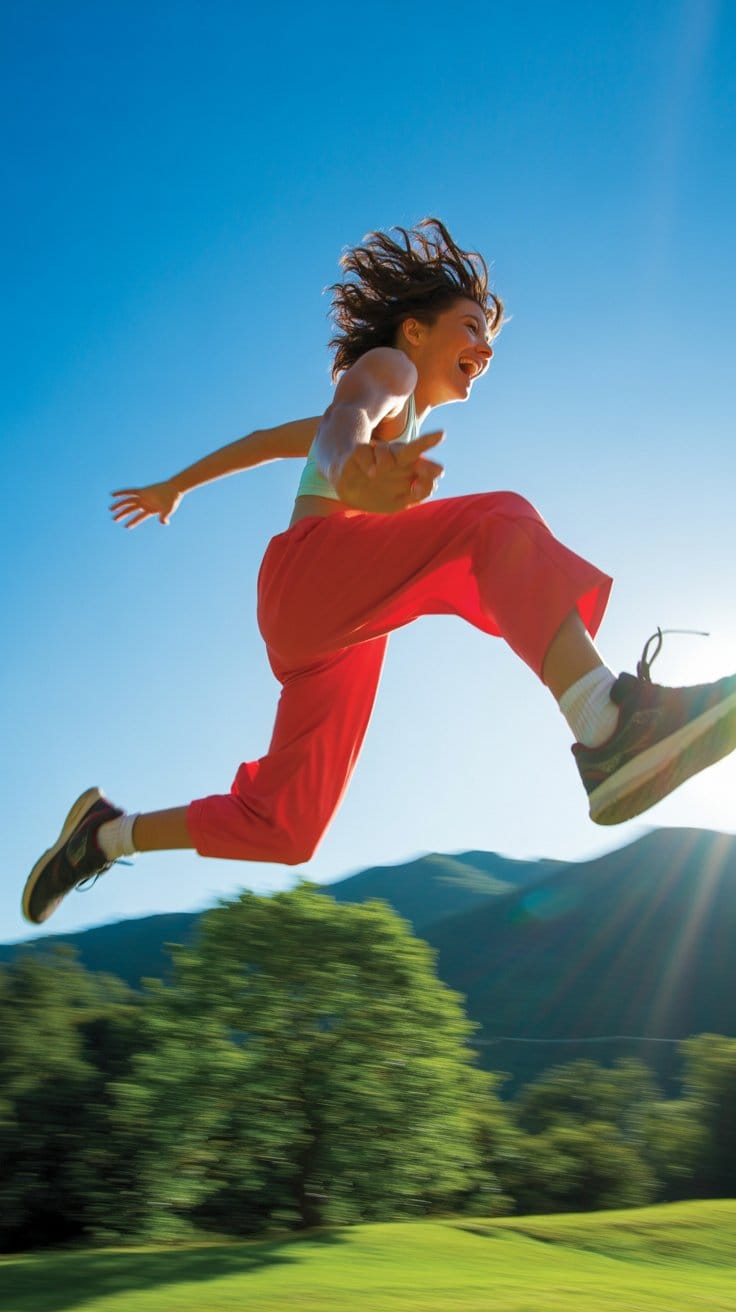
Adrenaline aesthetic is closely tied to parkour and physical performance, though it might seem elusive at first. Simply put, it’s the visual and kinesthetic expression of high-intensity movement where adrenaline plays a critical role. It draws its roots from extreme sports, where the thrill of risk sharpens every motion, but also extends to the way your body moves and appears under such stress. Think of it as the raw, almost electric feel you get watching someone sprint, vault, or flip with a mix of skill and daring—this is adrenaline aesthetic in action.

It’s not just about speed or danger but how those elements combine into a distinctive style. When parkour practitioners move, they’re not only overcoming obstacles but crafting a visual story, a kind of body language that signals both control and wildness. You could say adrenaline aesthetic captures the moment where human performance touches its edge, and that resonates with anyone interested in pushing limits.
What Defines Adrenaline Aesthetic
Several core elements come together to define adrenaline aesthetic:
- Speed: Quick, fluid motion that demands focus and conveys urgency.
- Risk: Movement that involves a degree of uncertainty or danger, heightening the stakes.
- Style: The unique way a person expresses themselves through movement—this can be about grace, aggression, or creativity.
The combination of these factors creates an unmistakable look and feeling in parkour. When you watch a traceur move, you see not just practical athletic ability but a blend of boldness and artistry that’s hard to replicate in other forms of exercise. It’s this mix that gives adrenaline aesthetic its edge, making each movement not just functional but visually impactful.
Adrenaline Aesthetic Role In Fitness
For fitness enthusiasts, the adrenaline aesthetic adds something that’s often missing from traditional workouts: a psychological and emotional kick. It changes how you approach training—suddenly, it’s about more than reps and sets. There’s motivation in the thrill, a draw in the challenge that pushes you not just physically but mentally.
Working out with adrenaline aesthetic in mind fosters improved conditioning. The demands for speed and risk naturally enhance cardiovascular endurance, strength, and coordination. Plus, it raises the bar for your workouts, making them feel more alive and rewarding. It’s a way of training that invites you to equip your body for dynamic action beyond the gym, cultivating fitness that’s both functional and expressive.
Benefits Of Parkour For Your Health
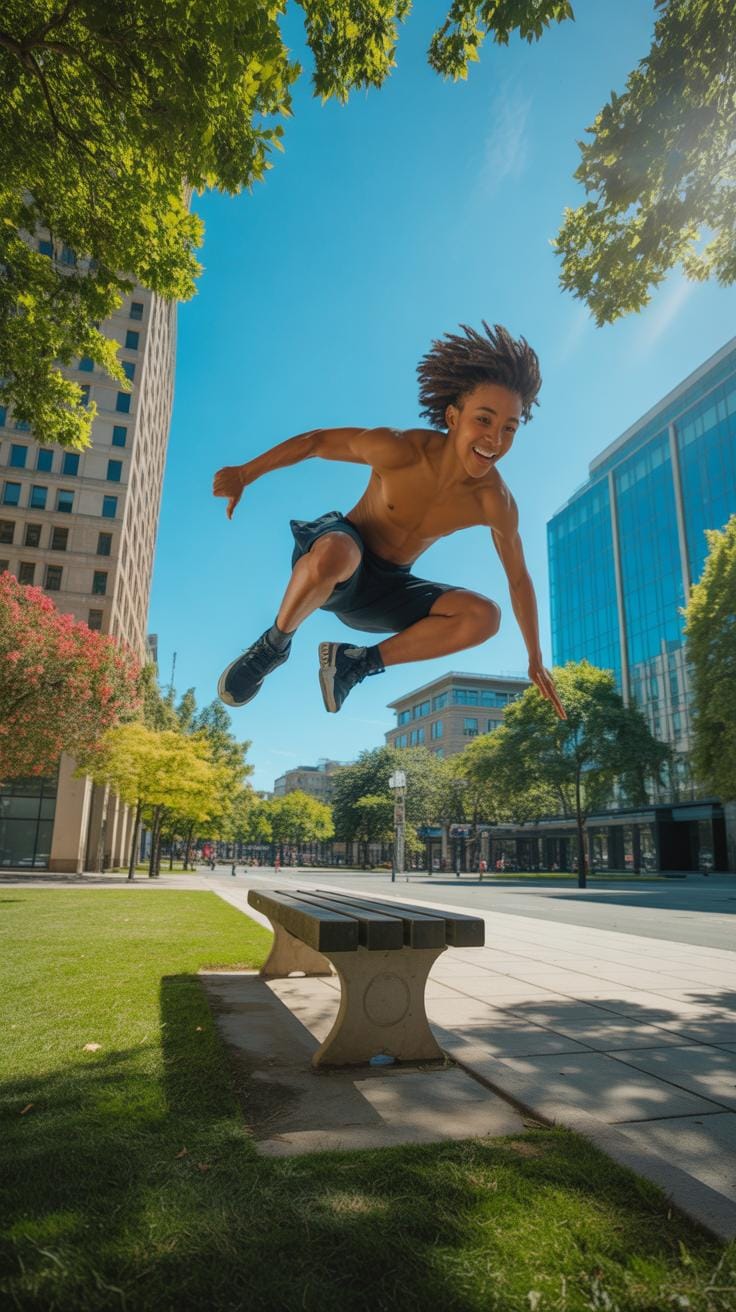
Parkour does more than just look impressive. When you regularly move through its diverse challenges, your heart gets a workout unlike many traditional exercises. Think about it: climbing fences, leaping from wall to wall, and sprinting across uneven terrain all push your cardiovascular system, increasing your heart rate naturally. This variation keeps your heart pumping in bursts, which some say is better than steady-state cardio. But it’s not just the heart that benefits—your muscles are engaged in every move. Pulling yourself up, landing softly, pushing off quickly, each action calls on different muscle groups. It’s a full-body endeavor that strengthens the arms, legs, and core, improving muscle tone and endurance.
Beyond the physical, practicing parkour also offers mental rewards. There’s something about figuring out your path through urban obstacles—it’s problem-solving in motion. This active engagement calms the mind, reducing stress by focusing your attention on the moment. The need to assess risks and make split-second decisions can sharpen your focus outside the practice as well. Sometimes, I find that after a session, my mind feels clearer, less bogged down by daily worries. And while parkour demands concentration, it also builds confidence, as you overcome each obstacle, no matter how small.
Steps To Start Adrenaline Aesthetic Parkour
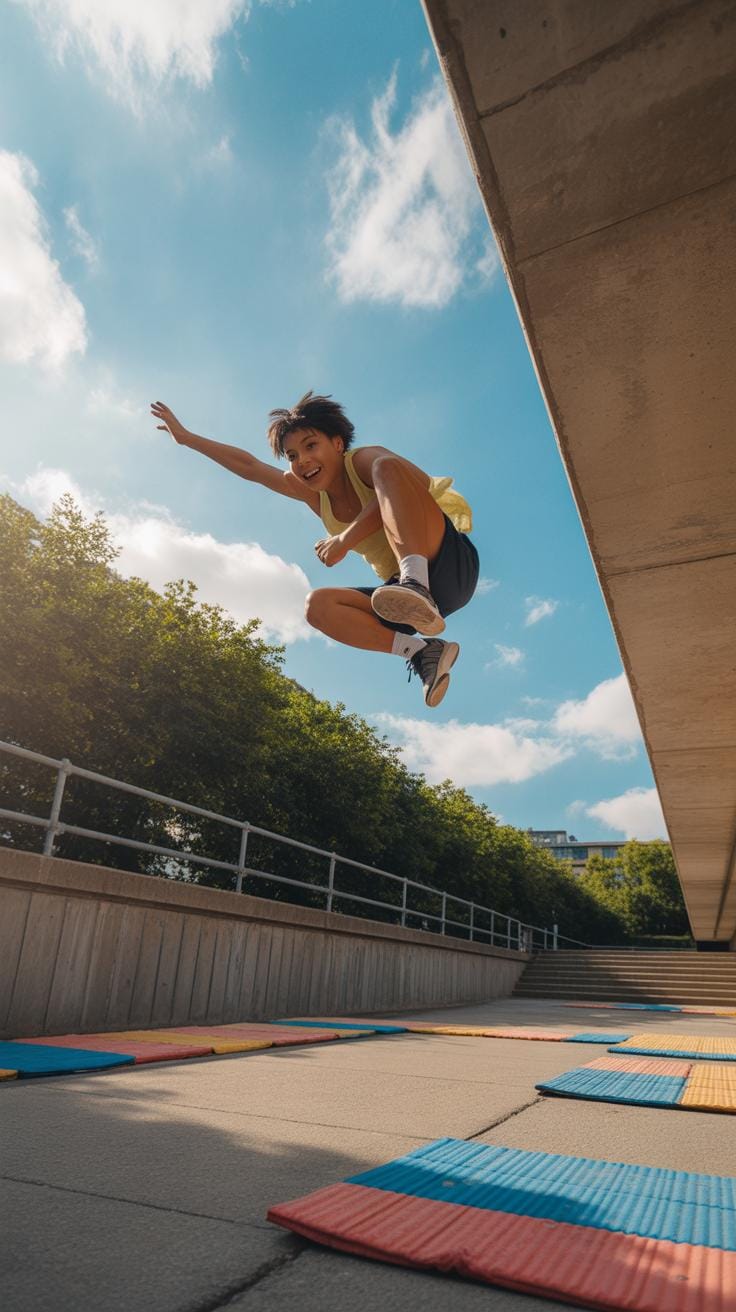
Getting started with adrenaline aesthetic parkour means more than just jumping over walls. It’s about building a foundation safely while embracing that raw, spirited energy. Begin with a proper warm-up to avoid injuries—think jogging lightly, leg swings, arm circles, and joint rotations. These prepare your muscles and joints for movement and sudden bursts of energy.
Next, focus on basic parkour moves. Start small: try precision jumps, basic vaults, and rolls on soft surfaces. These movements build your confidence and teach you how to control your body mid-air. Don’t rush to flashy moves; adrenaline aesthetic parkour encourages grace combined with power, so mastering basics pays off later.
When those feel solid, gradually add complexity. Try combining moves into short sequences. Explore different environments but always assess risks first. Listen to your body: when you feel ready, challenge yourself with higher jumps or faster runs. Progression is personal, and somewhere in the thrill lies a balance between control and letting go—it’s a tricky mix but keeps the practice authentic.
Common Parkour Techniques Compared Vaults Rolls and Wall Climbs in Adrenaline Aesthetic Practice
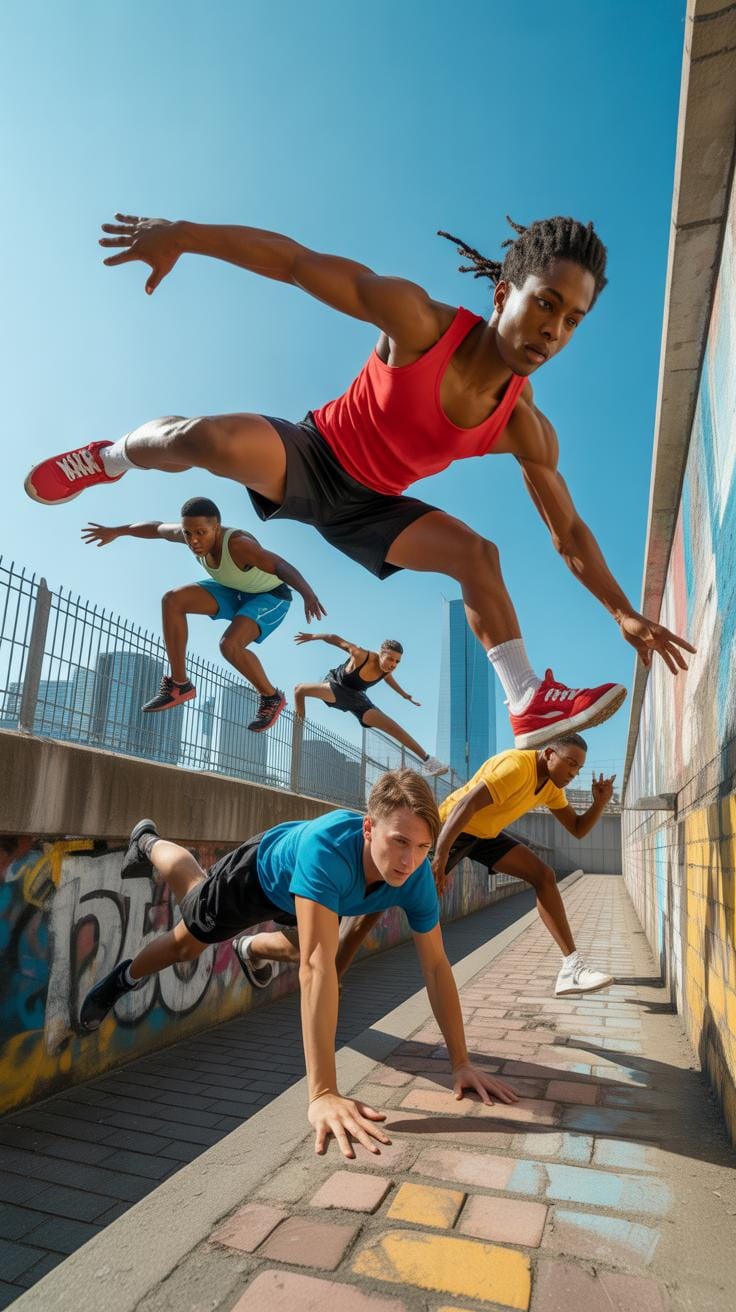
When you look closely at parkour moves like vaults, rolls, and wall climbs, they each carry unique roles in adrenaline aesthetic fitness. Vaults get you over obstacles quickly, building explosive power. Rolls help distribute impact, saving your body during landings and maintaining fluid movement. Wall climbs not only require strength but test your coordination and spatial awareness — key traits in parkour’s challenge to your limits.
In adrenaline aesthetic practice, incorporating vaults is great for boosting speed and upper body explosiveness. Rolls add to endurance and injury prevention, which is, oddly enough, part of the thrill. Wall climbs work your core and grip strength intensively, essential for mastering urban terrain.
Vault Techniques Overview
Vaults come in various types, each suited for different situations:
- Speed Vault: Quick and efficient, helps keep momentum in fast runs.
- Lazy Vault: A controlled move focusing on smooth transitions, slightly less explosive.
- Dash Vault: Uses a low, powerful jump to clear wider obstacles.
Fitness-wise, vaults work your shoulders, arms, and legs dynamically, promoting coordination and reaction speed. These moves demand body control, which increases overall athleticism, though they maybe more accessible once you build basic strength.
Rolls Versus Climbs
Rolling isn’t just a dramatic show of agility; it’s critical for absorbing shocks. Rolls spread the force of a landing and keep you moving without strain, which keeps you loose and ready for the next move. On the other hand, climbing taps different muscles, leaning heavily on grip and upper body strength. Climbs are slower but essential to navigate vertical spaces, often testing your mental focus as much as physical ability.
Both rolls and climbs are often chained together in circuits — you roll to save your joints landing from a vault, then immediately prepare to climb the next obstacle. This flow helps develop endurance, precision, and strength, flavoring the adrenaline aesthetic with very tangible fitness benefits.
You might wonder, which technique is more beneficial overall? It depends on your focus. For explosive cardiorespiratory fitness, vaults edge out. For joint protection and flow, rolls win. Climbs, meanwhile, shape your upper body and mental grit uniquely.
Safety Checklist For Parkour Practice
Equipment And Environment Tips
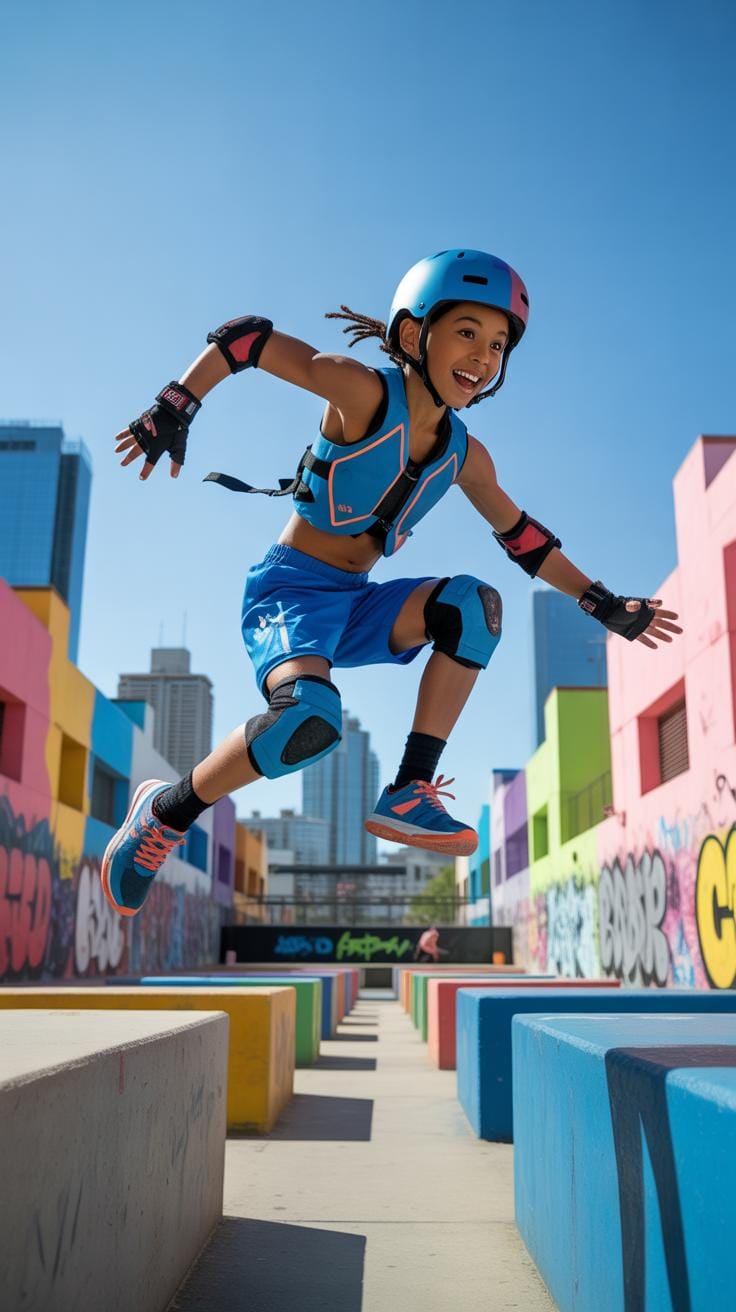
Choosing the right footwear is crucial. Parkour demands shoes with good grip and cushioning but lightweight enough for agility. You want to avoid slipping or, worse, a twisted ankle. Clothing should allow freedom of movement—breathable fabric and flexible materials work best. Resist anything too baggy, as it can snag or catch on obstacles. Safe practice areas matter a lot; flat, clean surfaces with minimal hazards make a huge difference. Concrete spots with obvious landing zones or soft grass patches can work, but stay away from busy or slippery places. I’ve seen folks underestimate this, only to regret it later with bruises or worse.
Personal Preparation Guidelines
Physically, make sure your body is warmed up and ready—focus on mobility, flexibility, and strengthening key muscle groups. You’ll want that burst of energy but also control. Mental readiness? That’s harder. You need confidence but not recklessness. Visualize your moves and stay aware of your limits—even when adrenaline urges you to push harder. A calm mind saves you from poor choices. Don’t jump into high-stake moves when tired or distracted; it’s inviting injury. I’ve had to remind myself of this more than once during training sessions.
Tracking Progress In Parkour Fitness
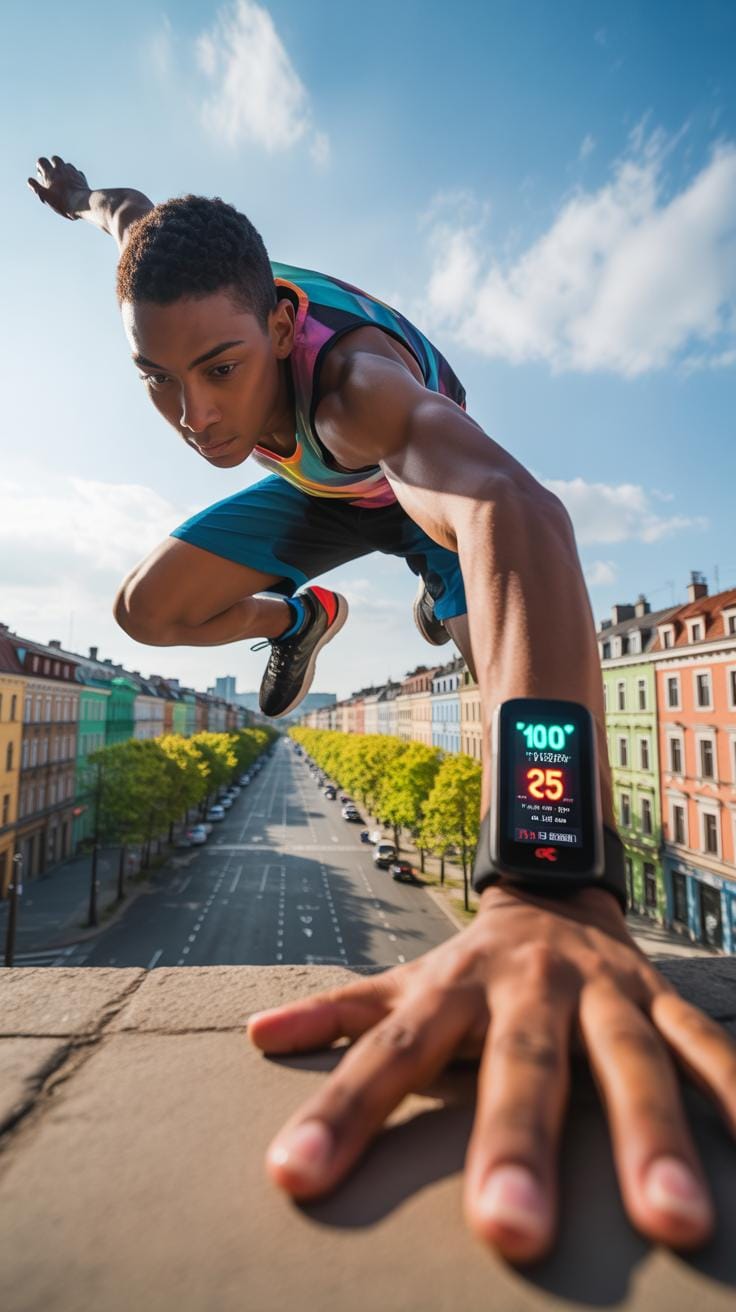
Tracking your progress in parkour isn’t just about counting how many times you can do a certain move. It’s about understanding how your body and skills evolve together. One way to do this is by keeping a workout journal. Jot down what you practiced, how long you trained, and how you felt during the session. Over time, patterns emerge—maybe your jumps feel easier, or your landings smoother.
Strength, speed, and endurance are key components to notice. For example, timing a sprint or measuring how high you jump can give you clear markers of improvement. Don’t forget movement fluidity—sometimes the way a sequence flows is more telling than numbers.
Heart rate can also be a useful metric. Tracking your resting heart rate and response to intense efforts might hint at your cardiovascular gains. Apps or simple wearables can help, but they’re just tools; your own sense of effort matters a lot, too.
Skill milestones mark important moments in your journey. Think of landing a precision jump from one ledge to another or nailing a vault with confidence. Set small goals that challenge you but don’t overwhelm—maybe focus on a new roll or a wall run that seems just a bit out of reach. Achieving these creates motivation and signals real progress.
Have you noticed whether your moves feel more natural or less tiring? That’s often the best sign that parkour is working for your body and mind. Tracking isn’t about perfection but about seeing where you began and where your efforts take you.
Examples Of Adrenaline Aesthetic Workouts
Beginner Workout Example
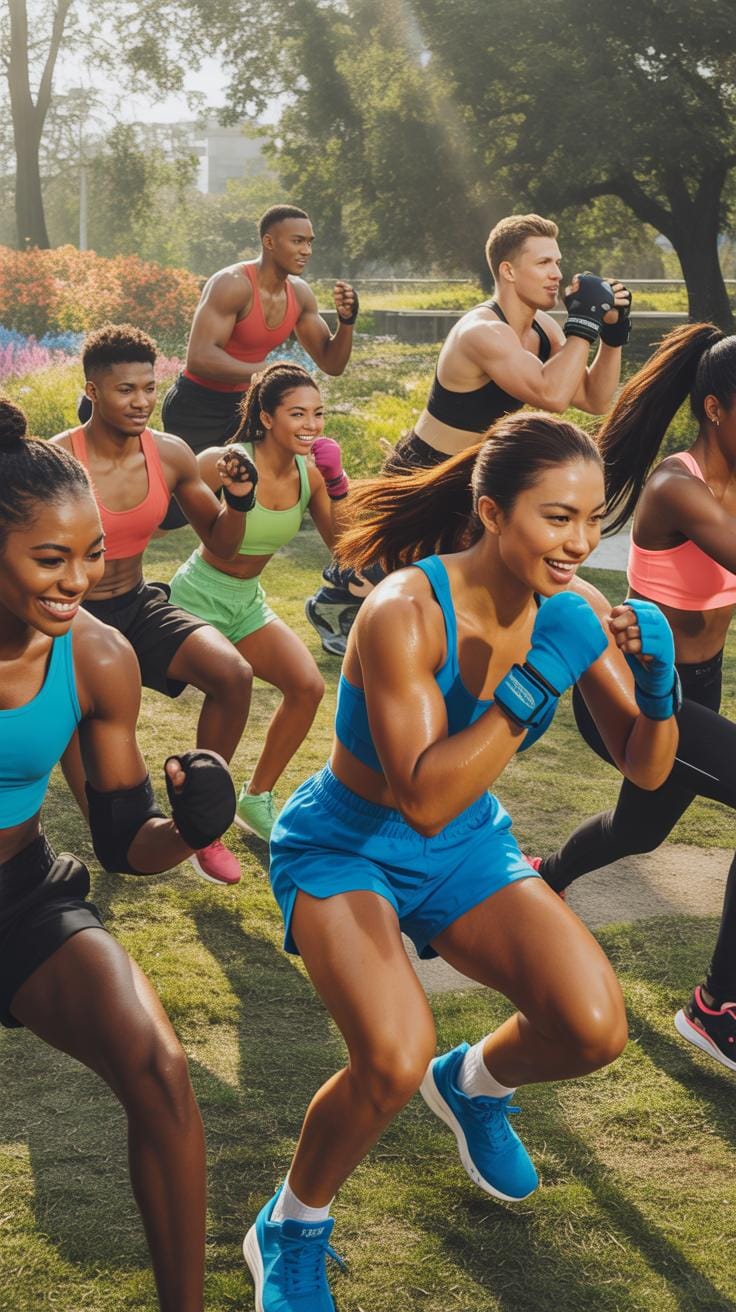
Starting out with adrenaline aesthetic workout routines means focusing on basic moves that build your stamina and coordination without pushing too hard. You might want to try simple parkour elements like precision jumps between two points, basic wall pushes, and balancing exercises on low surfaces.
A sample beginner plan could be:
- 5 minutes warm-up with light jogging and stretching
- 3 sets of 10 precision jumps for foot placement
- 3 sets of 5 wall pushes to practice pushing off surfaces
- 2 sets of 30-second balance holds on a curb or rail
- 5 minutes cool-down with stretching
This approach builds core strength while helping cardiovascular endurance. It’s important to listen to how your body responds since stamina grows in bits and starts might feel slower than expected. But it’s better to be cautious here.
Intermediate To Advanced Routine
Once you’ve nailed the basics and feel confident, an intermediate to advanced adrenaline aesthetic workout can mix parkour moves with strength and agility drills to elevate fitness and skill levels. For example, combining vaults, precision jumps, wall runs, and roll landings adds flow and intensity.
Try this routine:
- 10 minutes warm-up including jogging and mobility drills
- 3 rounds of:
- 10 cat vaults (jumping over an obstacle with hands)
- 8 wall runs (running up a wall putting your feet higher each step)
- 6 precision jumps over distances increasing gradually
- 5 roll landings to absorb impact safely
- 3 rounds of bodyweight exercises like pull-ups, push-ups, and squats to build strength
- 5 minutes cool-down with stretching focused on flexibility
This plan challenges your heart and muscles simultaneously while sharpening coordination. It’s quite tough, so you might need to adjust volume based on how you feel. Overtraining is real—don’t overlook rest days.
Challenges And How To Overcome Them
Physical And Mental Challenges
When you first start with adrenaline aesthetic parkour, fear is a common hurdle. It’s natural to hesitate before attempting a jump or a tricky wall run. Sometimes, the mind races with doubt, and the body freezes. Facing that fear gradually is key—start small and increase difficulty bit by bit. Building endurance also feels like a slow grind at first. Your muscles protest, and fatigue sets in quickly, but consistent practice helps adapt your body over time.
Injuries are another concern. It’s tempting to push limits too fast, but you need to respect your body’s signals. Stretch regularly, warm up thoroughly, and always focus on proper form rather than flashy moves. Avoiding injury isn’t only about physical care; mental caution matters too. Being present and aware can prevent careless mistakes that lead to sprains or worse.
Staying Motivated
Parkour’s learning curve can feel overwhelming, which sometimes saps motivation. One day, you might feel on top of the world; the next, progress seems invisible. Keeping a journal or video log of your sessions can show real growth over time, which helps stay motivated. Regular variation in your training routine also keeps boredom at bay.
Moreover, connecting with a community or training partner can provide encouragement and accountability. When your enthusiasm flickers, sharing challenges and small victories with others makes the journey less solitary. You might ask yourself, what drives you to keep moving when it gets tough? Finding personal reasons beyond fitness — like fun or creativity — can anchor your practice and make the effort worthwhile.
Parkour And Adrenaline Aesthetic For Daily Fitness
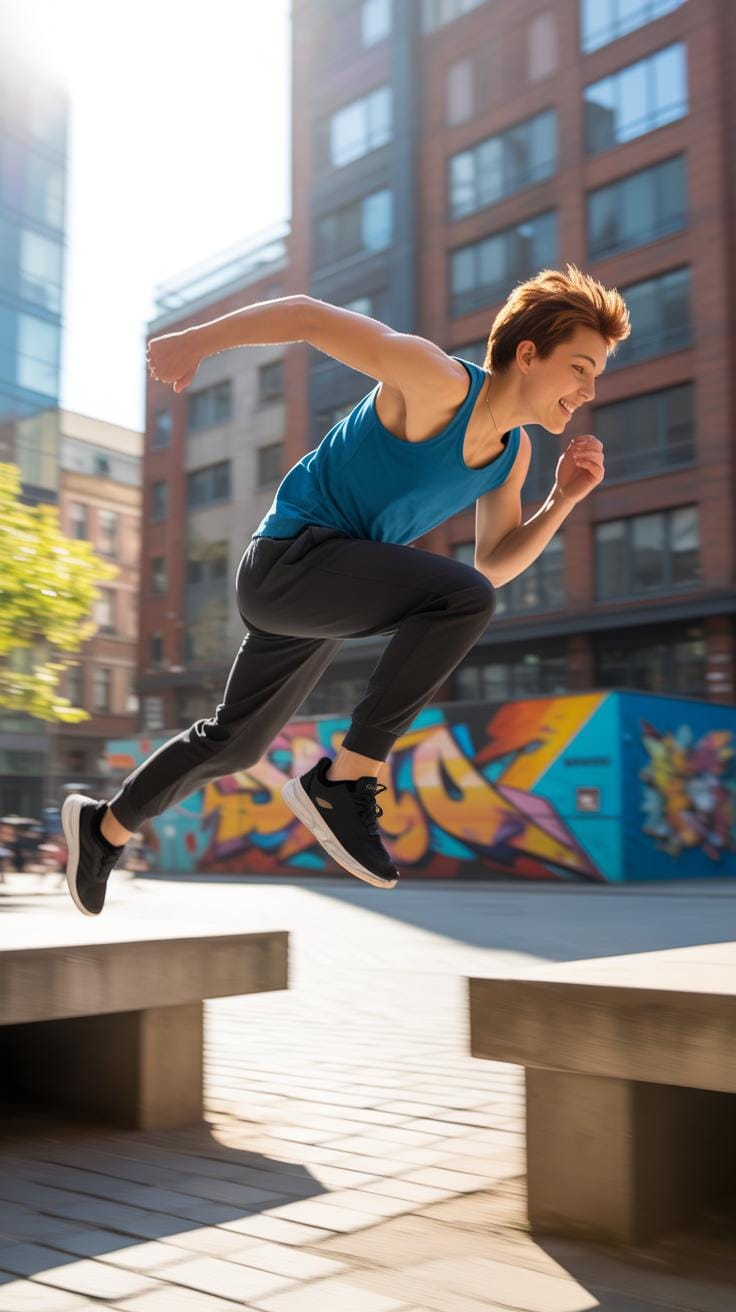
Incorporating adrenaline aesthetic parkour principles into your daily routine doesn’t have to be complicated or require special settings. Think about how you move during routine tasks—walking, climbing stairs, or even reaching for something high up. You can start by bending your knees slightly when stepping off curbs or hopping onto low surfaces instead of just stepping. These small changes mimic parkour’s fluid motions and engage your muscles differently.
Try adding quick bursts of movement, like short sprints or gentle vaults over park benches when you’re out for a walk. Maybe pause to balance on a narrow ledge or rail, even if just for a few seconds. These moments challenge your coordination and balance, key elements in parkour, which can build strength gradually without feeling like a traditional workout.
Practicing these movements regularly not only builds physical resilience but sharpens mental focus too. The unpredictability of parkour-like moves demands presence and adaptability, fostering a mindset that can carry you through stress or fatigue during daily life. It’s not always easy to stay consistent, but once you notice increased energy or confidence, that little doubt might fade. So, why not try turning ordinary movement into something a bit more engaging and healthful?
Conclusions
Adrenaline aesthetic inspired parkour techniques offer a unique way to enhance your fitness by adding excitement and creativity to your workouts. Through varied and dynamic movements, you can build strength, endurance, and coordination. Practicing with attention to safety and gradual progression ensures that you get the most benefit without injury.
By adopting the adrenaline aesthetic in your fitness routine, you engage both your body and mind. This approach can motivate you, making exercise more enjoyable and effective. Use the practical tips and insights shared here to start your journey towards better health with parkour techniques designed to raise your adrenaline while improving your fitness.