
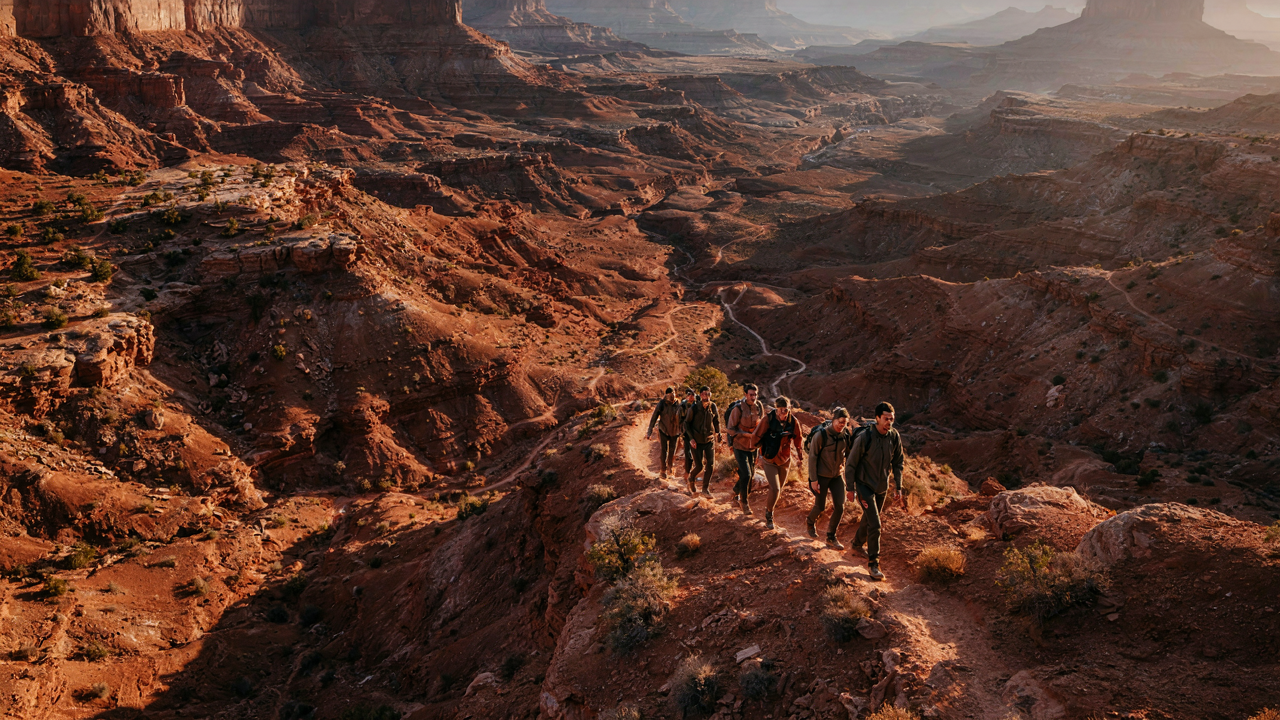
The Illusion Of The Adrenaline Bucket List
Why Lists Actually Make You Safer
You want permission to feel alive without admitting you’re bored. Generic adrenaline lists exploit this by offering a checklist that never demands anything real from you. The mechanism is simple: a list lets you imagine completion. You scroll through skydiving, bungee jumping, white water rafting, and feel like you’ve done the work of living. You haven’t. You’ve just bookmarked the feeling of potential.
Most adrenaline content treats activities as interchangeable currency—collect enough checkmarks and you’ve solved the problem of mediocrity. This misses the actual mechanism at play. A real adrenaline experience isn’t about the activity itself. It’s about the state of consciousness the activity forces you into. That state is only useful if it breaks something inside you that needed breaking. A bucket list prevents that. It’s insurance against change.
The Real Reason You Want This

Mediocrity isn’t a default state you fall into—it’s an active choice you make daily. You choose the familiar route to work, the same conversations, the same boundaries. Your nervous system adapts. It stops firing. You call this stability. It’s actually shutdown. An adrenaline activity on a list feels like rebellion without requiring that you actually rebel.
What you’re searching for beneath the activity is permission to feel your own capacity. Not the capacity to jump out of a plane. The capacity to make decisions that terrify you. To move when comfort says stay still. To act when doubt says wait. The activity is just the translation. Choose one because it genuinely frightens you, not because it looks good. That fear is the entry point to the mechanism you actually need.

Redefining “High Adrenaline Activities” For The Modern Man

The Real Threat Isn’t The Fall
You’re drawn to this section because you suspect ordinary life has made you soft, and you need proof you’re still capable. The mechanism is simple: adrenaline activities force a decision between your animal instinct and your conscious choice. Borrowing from neurobiology, your amygdala is the smoke detector in your brain, and true adrenaline work isn’t about triggering it—it’s about keeping it calm while your prefrontal cortex stays in control. Cliff jumping does the opposite. It floods your system and outsources your thinking to panic.
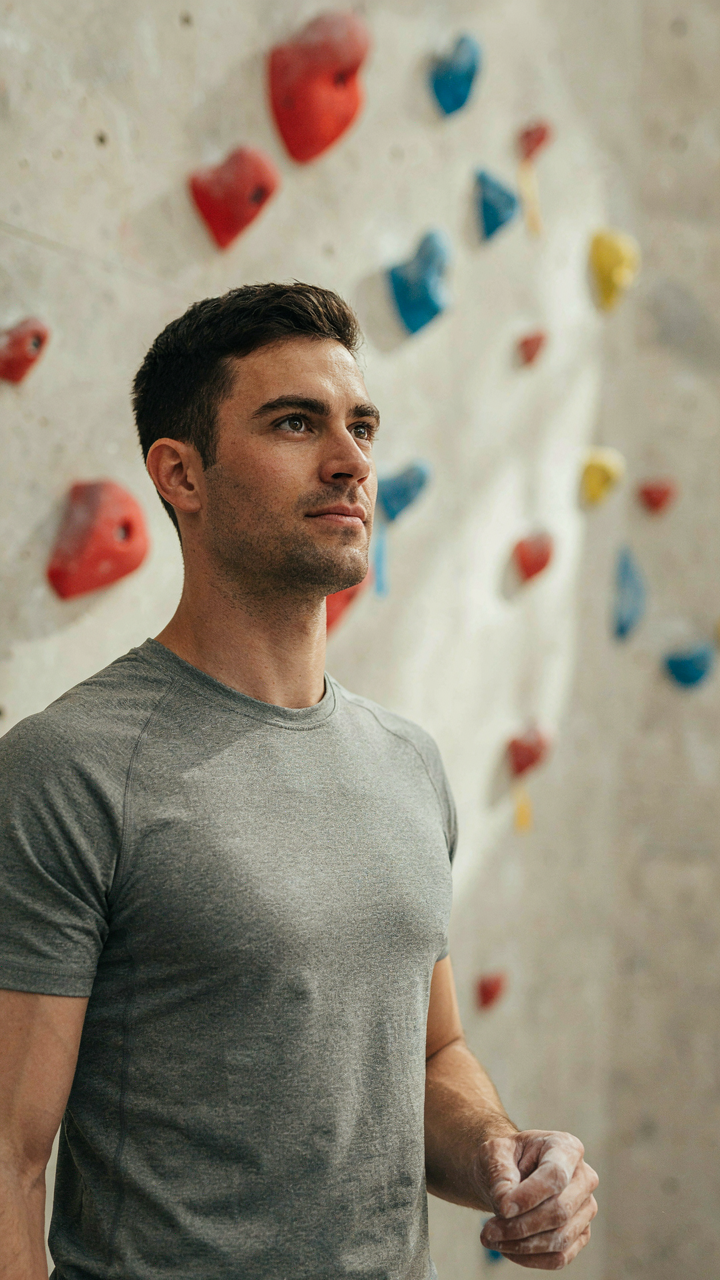
The activities that matter are the ones where you’re sharper under pressure, not more reactive. Rock climbing requires problem-solving while your hands sweat. Cold water immersion demands you regulate your breathing while your nervous system screams. Motorcycle riding on a closed track puts you in genuine danger but demands technical precision. The thrill comes from holding the line when everything tells you to abandon it. That’s the real test.
The Line Between Risk And Stupidity
This is where common advice fails you: people conflate danger with challenge. Bungee jumping is danger without challenge—a computer controls your descent. Sky diving is danger without skill—your parachute deploys automatically. These aren’t adrenaline activities, they’re rides. Risk that produces growth requires three variables: unpredictable outcomes, your direct control over the result, and real consequences for poor execution.
A calculated risk means you’ve mapped the failure modes and built redundancy. You train whitewater kayaking on progressively harder rivers. You practice motorcycle skills on a track before touching public roads. You climb with ropes, backup systems, and expertise, not reputation. The mechanism is accountability: when you own every variable in your survival, your brain sharpens. Remove accountability and you get false adrenaline—the nervous system fire without the mental forge.
The Hormonal Feedback Loop: A Biology Of Bravery

Why Your Body Floods With Stress Chemicals
You want proof that fear is optional. That’s the real reason you’re reading this. Here’s the biology nobody frames correctly: adrenaline activities work because they create a controlled cortisol spike followed by dopamine dominance. Your adrenal gland releases cortisol during perceived threat. The key word is perceived. When you survive the threat, dopamine floods your system as a reward signal. This isn’t motivation. This is your nervous system literally rewiring what “safe” means.
The mechanism is mechanical. Cortisol rises, your heart accelerates, your prefrontal cortex quiets down. You’re in survival mode. When the activity ends and you’re still alive, dopamine hits harder than any drug because your brain updates its threat model. The fear response doesn’t vanish. It recalibrates. Jump from an airplane, survive it, and your brain downgrades ordinary fears because your threat threshold just shifted upward.
Breaking The Fear Circuit Through Repetition
The conventional advice says “push yourself gradually” or “build confidence slowly.” This is incomplete. Neuroscience shows neuroplasticity works faster under acute stress than under comfort. Your neural pathways literally rewire when you experience controlled danger. Skydivers don’t become brave through visualization. They become brave because their amygdala learns that the falling sensation doesn’t predict death.
Repeated exposure to the same adrenaline activity creates myelination around the relevant neural circuits. Your brain insulates these pathways, making the fear response fire faster but weaker each cycle. The protocol is simple: choose one activity, repeat it minimum three times within a month, monitor your heart rate response. Watch your resting heart rate during the activity drop with each attempt. When your nervous system stops treating it as a threat, you’ve successfully rewired that fear response.
Adventure Bucket List Activities: The Unconventional Path
Solo Wilderness Survival: Raw Self Reliance
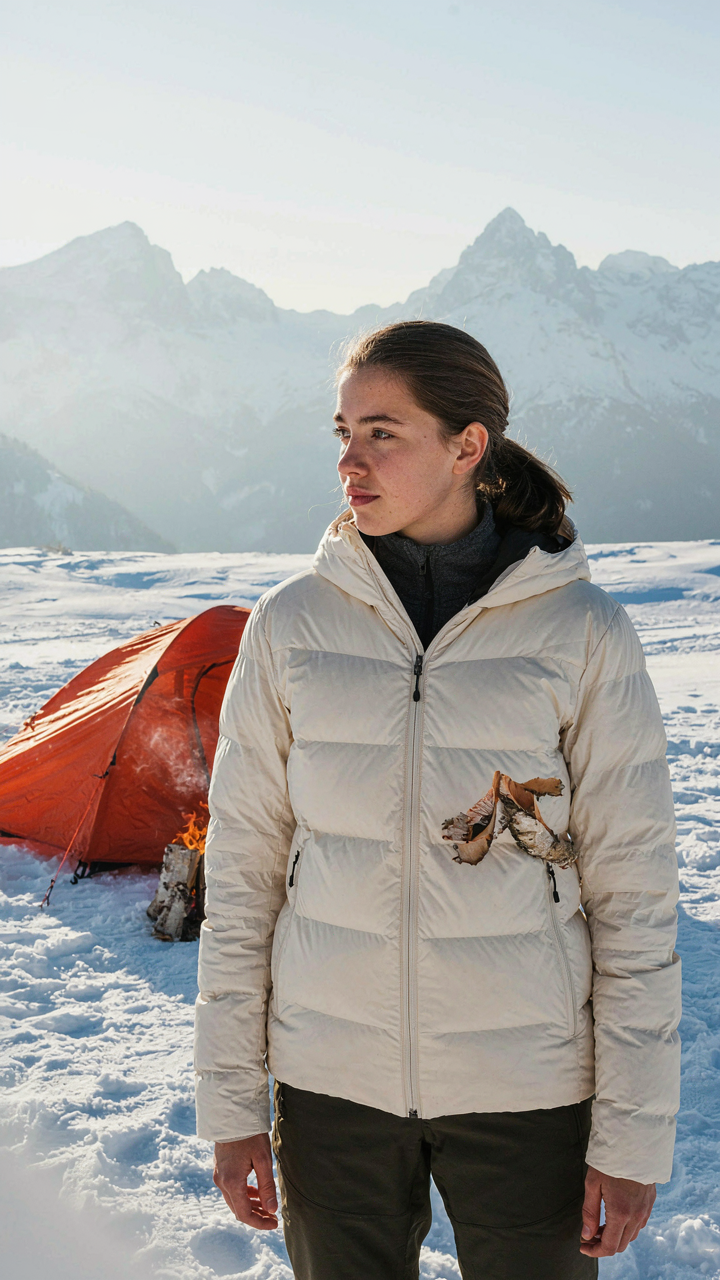
You want proof you’re not soft. That’s the real reason you’re reading this. The mechanism is simple: survival training strips away every identity marker you hide behind. Your job title, your followers, your curated image all become irrelevant when you’re tasked with building shelter in actual conditions. This is why it works. You cannot fake competence in the wilderness. Either you build the fire or you don’t.
- Winter camping solo: Sleep outside in below-freezing temperatures with minimal gear. Forces real problem-solving around insulation, fire management, and psychological resilience. Most people quit before the cold becomes severe.
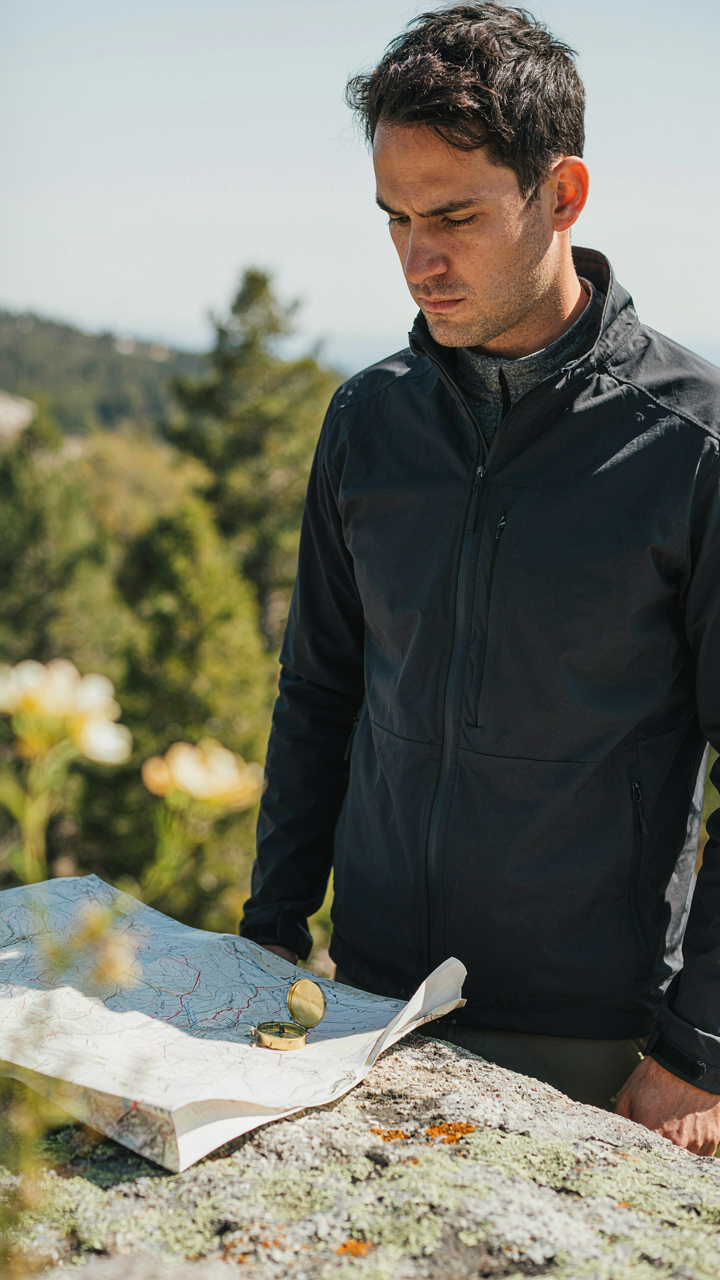
- Multi-day water navigation: Navigate by map and compass through unfamiliar terrain with no GPS. Tests decision-making under uncertainty and teaches you to trust your own judgment instead of outsourcing it.
- Extended backcountry fasting: Spend 3 to 5 days in wilderness with severely limited food. Clarifies the difference between actual hunger and the discomfort of boredom or anxiety.
- Solo night navigation: Navigate terrain in complete darkness using only a compass and topographic map. Eliminates visual crutches and forces you to trust instruments and your spatial reasoning.
- Emergency shelter building: Create functional shelter using only natural materials and basic tools in varied weather. Teaches resourcefulness and removes the illusion that survival requires expensive equipment.
The outcome isn’t enlightenment or spiritual growth. It’s a calibrated sense of what you can actually handle versus what you’ve merely assumed you can handle. Your baseline for acceptable discomfort shifts permanently. Start with a 48-hour solo trip in a known area with a communication device, then escalate when you’ve eliminated the variables you can control.
Deep Sea Free Diving: Confronting Primal Fear
Deep-sea free diving isn’t metaphorical fear management. It’s a direct confrontation with the mammalian dive response, where your body’s oxygen preservation mechanisms kick in involuntarily around 30 meters. Your heart rate drops, your blood vessels constrict, and your brain interprets this as drowning even though it’s survival physiology. Most diving advice glosses over this mechanism and treats the experience as meditative. It’s not. It’s you negotiating with your nervous system’s most primal protocols.
The real shift happens at depth where discomfort becomes visceral and you cannot bargain your way out. Your mind offers ten different reasons to panic. You learn, through repeated exposure with proper training, that the panic itself is information, not a directive. You ascend at measured intervals because you’ve trained the response, not because you’ve overcome it. Work with certified freediving instructors, train in pools first, and respect the depth limits your certification allows. The mechanism you’re accessing isn’t courage. It’s the ability to distinguish between a genuine emergency signal and a false alarm from your own nervous system.
The Adrenaline Calibration Method
Know Your Starting Point
You want proof that you’re not a coward. That’s the real reason you’re reading this. The mechanism is simple: fear has a baseline for each person, and you’ve never actually measured yours. Most people skip this step and jump into activities that don’t match their nervous system, then quit after one attempt and call themselves “not an adrenaline person.”
Your fear threshold isn’t fixed. It’s a measurable range. Start by naming the last time genuine fear stopped you from doing something. Not anxiety or hesitation, but physical fear. Write it down. What was your heart rate? Did you feel it in your chest or stomach? Could you think clearly? This data point becomes your reference line. Everything else calibrates from here.
Progressive Discomfort Builds Competence
The common advice is “just push through fear.” That’s incomplete and creates avoidance. Neuroscience calls this “habituation,” and it only works when you increase stimulus intensity in small steps. Jumping straight to skydiving when you’re afraid of heights doesn’t build mastery, it builds trauma memory.
Structure exposure this way: pick one adrenaline activity. Spend week one at 30 percent intensity. Week two, hit 50 percent. Week three, 70 percent. Week four, go full intensity. Your nervous system learns the activity isn’t lethal. Competence arrives through repetition at manageable difficulty levels, not through white-knuckle survival. Each step trains your body to produce adrenaline on demand instead of in panic.
Adrenaline Things To Do That Build Real Skill
Climbing Mountains Teaches You How To Think Under Load
You want to do this because you think it signals toughness. The real mechanism is different. Mountain climbing forces you to operate under sustained physical stress while making decisions that compound. In military strategy, this is called “commander’s intent”—the ability to maintain clarity when your body is screaming to stop. Every gain in altitude removes oxygen. Every decision gets harder. You learn to separate panic from real threat, which transfers to every domain where stakes exist.
The common advice frames climbing as cardio and grit. That misses the point. Climbing demands route-finding under fatigue, resource management (water, time, energy), and constant recalibration of risk. You hit a point where turning back costs more effort than pushing forward. You must calculate this accurately or you die. This isn’t motivation—it’s probabilistic thinking under incomplete information. Start with established routes on peaks under 15,000 feet with guides who force you to move slowly and make your own navigation calls, not follow a line.
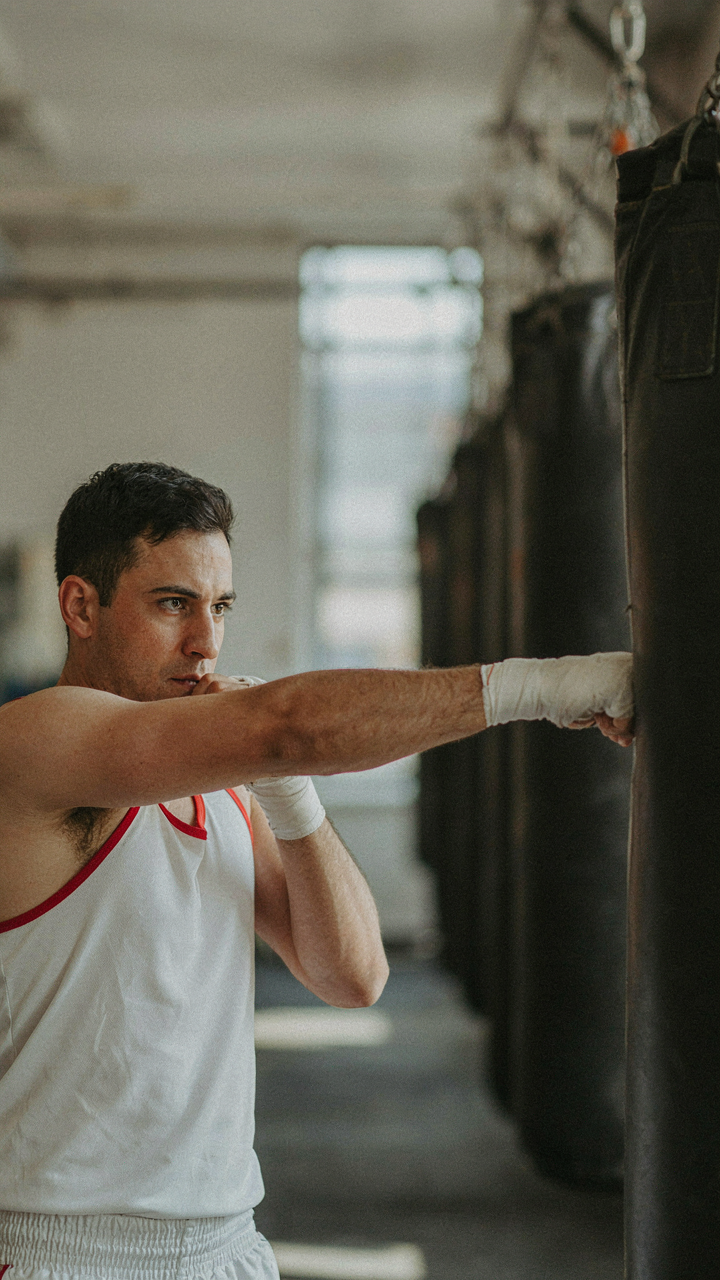
Combat Sports Separate Confidence From Competence
You want this to feel powerful. What actually happens is you get humbled fast and learn to function while humiliated. Combat sports teach controlled aggression because they punish uncontrolled versions immediately. You can’t fake technique. Your opponent finds every gap in your defense within seconds. The discipline builds not from motivation but from the cost of sloppiness being too high to ignore.
Most people think combat training means becoming dangerous. The real output is becoming comfortable with discomfort and feedback. You learn to breathe under pressure, reset after failure mid-action, and execute the same move hundreds of times to build automaticity. Boxing, wrestling, and Brazilian jiu-jitsu all create this. Pick one with a coach who enforces fundamentals obsessively. Train twice weekly for twelve weeks minimum before you know if the adaptation has taken hold.
Adrenaline Rush Travel Ideas: Beyond The Tourist Trap
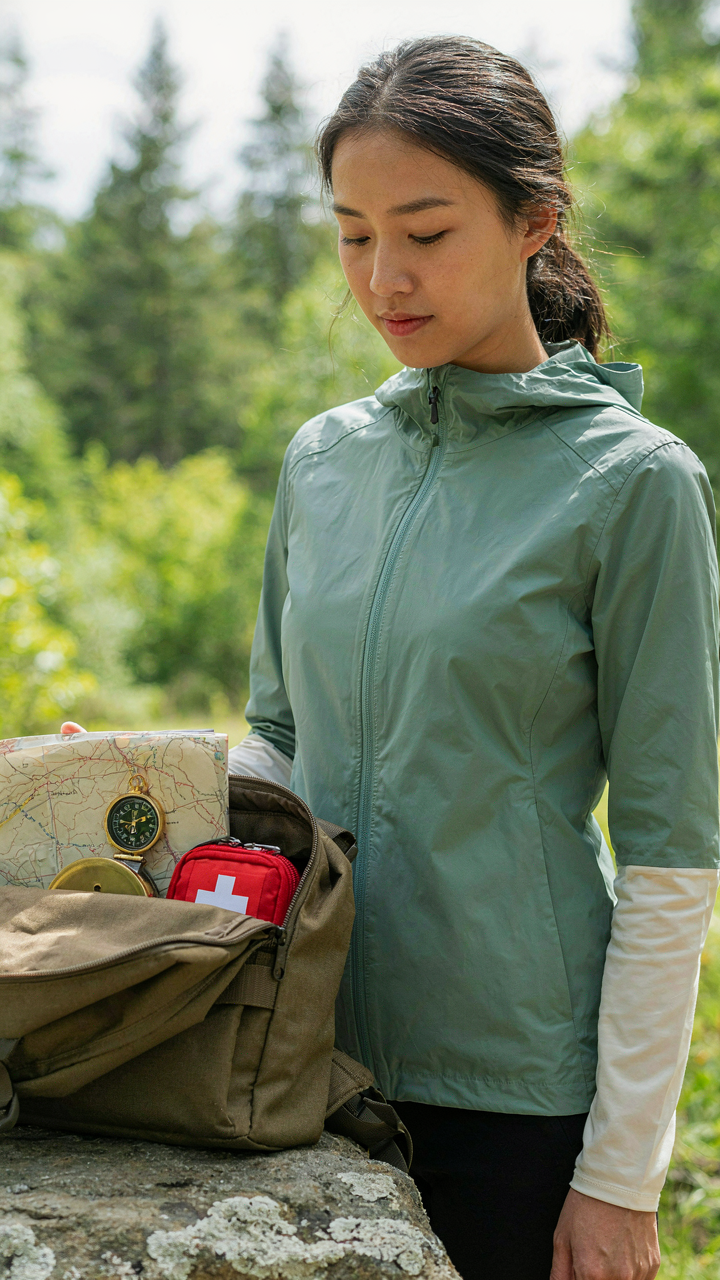
Planning An Expedition With Precision And Mental Clarity
You want proof you’re not wasting your life. That’s why this matters. Here’s the mechanism: military logistics applies directly to expedition planning. In military terms, it’s called “lines of supply.” You need three things stacked before you move: a documented route with contingency branches, equipment redundancy for critical failures, and a communication protocol when plans fracture. Most people skip this and get stranded or injured because they treat expeditions like vacations with harder hiking.
Real preparation means running a pre-expedition checklist twice. Map waypoints and exact distances. Establish who knows where you are and when they should escalate alerts. Test all gear under load before departure. Identify the single point of failure in your plan, then build a backup for it. Your mental grit isn’t inspiration, it’s the boredom of repetition. When fear hits on day three of a multi-day trek, your systems keep you moving when your feelings want to quit.
Immersion In Unstable Territories
Volatile regions aren’t inherently more dangerous than stable ones, but they demand different navigation. The real mechanism is social fluency, not physical toughness. You need a local guide who has skin in the game and legitimacy within the community you’re entering. Pay them well. Listen when they say don’t go somewhere. Research the current political temperature, not the historical narrative. News archives from the last 30 days matter more than a travel blog from 2019.
Understand the rhythm of the place. Some regions have seasonal security shifts tied to rainfall, harvest cycles, or political calendars. Ask your guide about timing, not just safety. Immersion happens when you stop being a spectator collecting experiences and start following local protocols. Eat where locals eat. Stay in neighborhoods where tourists don’t cluster. Hire a driver instead of renting a car. These aren’t precautions, they’re protocols that integrate you into the actual functioning of the place. Document who you contact and where you go daily.
Activities For Adrenaline Junkies: The Long Term Game
Building Pressure Without Burning Out
You want proof that you’re alive, that you’re not wasting time in a beige existence. That’s the real motive here, and adrenaline activities deliver on that promise fast. But the mechanism nobody admits: the nervous system adapts. What triggered a spike last month triggers nothing this month. You chase higher doses. This is tolerance, borrowed from pharmacology, and it operates identically in your body whether you’re taking a drug or throwing yourself off a cliff.
The solution isn’t more intensity. It’s progressive constraint. BASE jumpers don’t stay sharp by jumping higher every time. They add variables: smaller landing zones, worse weather, technical approaches, shorter delays before deploying. The constraint scales the challenge without requiring you to physically risk more. Your nervous system stays engaged because the problem shifts, not because the altitude increases. Build your practice around mastering conditions, not chasing sensation.
The Addiction Trap And What Actually Matters
Everyone warns you about adrenaline addiction like it’s some exotic condition. It’s not. It’s just operant conditioning dressed up in extreme-sports language. You do the activity, you feel good, your brain files it away as rewarding, you repeat. The fix works, so you need the fix more often or in stronger doses. The common advice—”just be aware of it”—is useless. Awareness alone doesn’t rewire reward pathways.
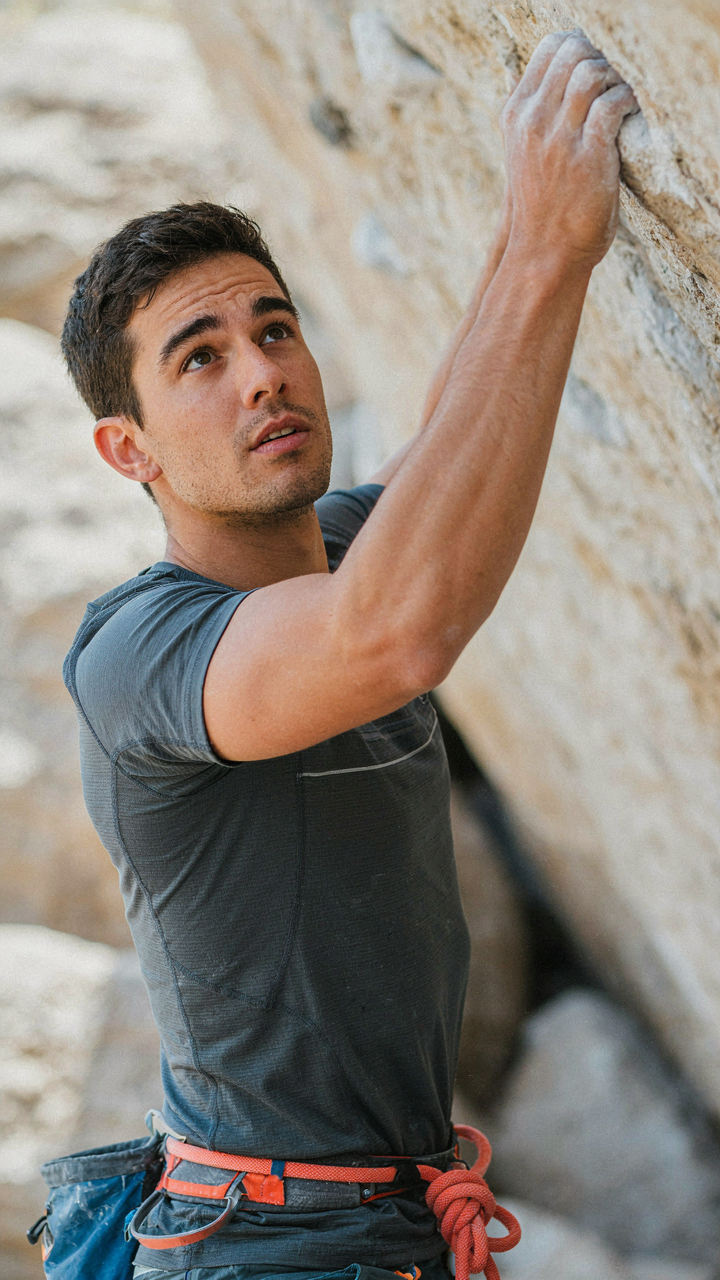
Real protection comes from decoupling the rush from your self-worth. Mastery operates on a different reward system entirely. When you focus on technical improvement, precision, problem-solving, and measurable skill development, you’re activating a completely different neural circuit than the one that craves the high. A rock climber chasing grades or boulder problems for ten years stays engaged without escalating risk. A rock climber chasing the fear sensation needs bigger walls every six months. Track what you actually value: the feeling, or the competence. Build your progression on the latter, and the former becomes secondary noise.
The Real “Adventure Ideas”: Cultivating Inner Edge

The Discomfort You Already Have Access To
You’re hoping this section tells you to book a skydiving trip because travel feels safer than admitting you’re bored in your actual life. The mechanism is simple: your nervous system doesn’t distinguish between artificial danger and real stakes. A cold shower triggers the same sympathetic activation as a cliff jump, except you control the variables and repeat it daily without waiting for vacation.
Everyday challenges rewire your threat response faster than expensive experiences. Cold water exposure activates norepinephrine release within seconds. Public speaking in front of five people creates genuine social risk that your brain treats as real. These aren’t motivational hacks. They’re neural training. Your tolerance for discomfort expands measurably when you face small friction consistently instead of chasing occasional spikes.
Pressure As A Design Tool
Military strategists borrowed from engineering the concept of “load capacity”—the maximum stress a system handles before failure. Self-imposed deadlines function as load testing for your attention and output quality. You’re not building character. You’re calibrating your system’s operating limits so you know exactly where collapse happens and how to operate one notch below it.
The mechanism works because artificial deadlines create real consequences for focus. Your brain doesn’t know the deadline is self-imposed. A two-hour window to finish a project triggers the same cognitive intensity as a client deliverable. Intense focus periods of 90 minutes followed by recovery consolidate this state into your baseline nervous system response. You train adrenaline production to activate on demand instead of waiting for external emergencies to trigger it.
The Only Thing Holding You Back From True Exhilaration Isn’t Fear, It’s Your Predictable Comfort

Your brain craves novelty more than safety. Every adrenaline activity rewires how you see yourself. Stop waiting for the perfect moment or enough money. Book one thing today. Not next month. Not when you feel ready. Right now. The person you become on the other side of that fear makes every version of you before it look like a practice run.