
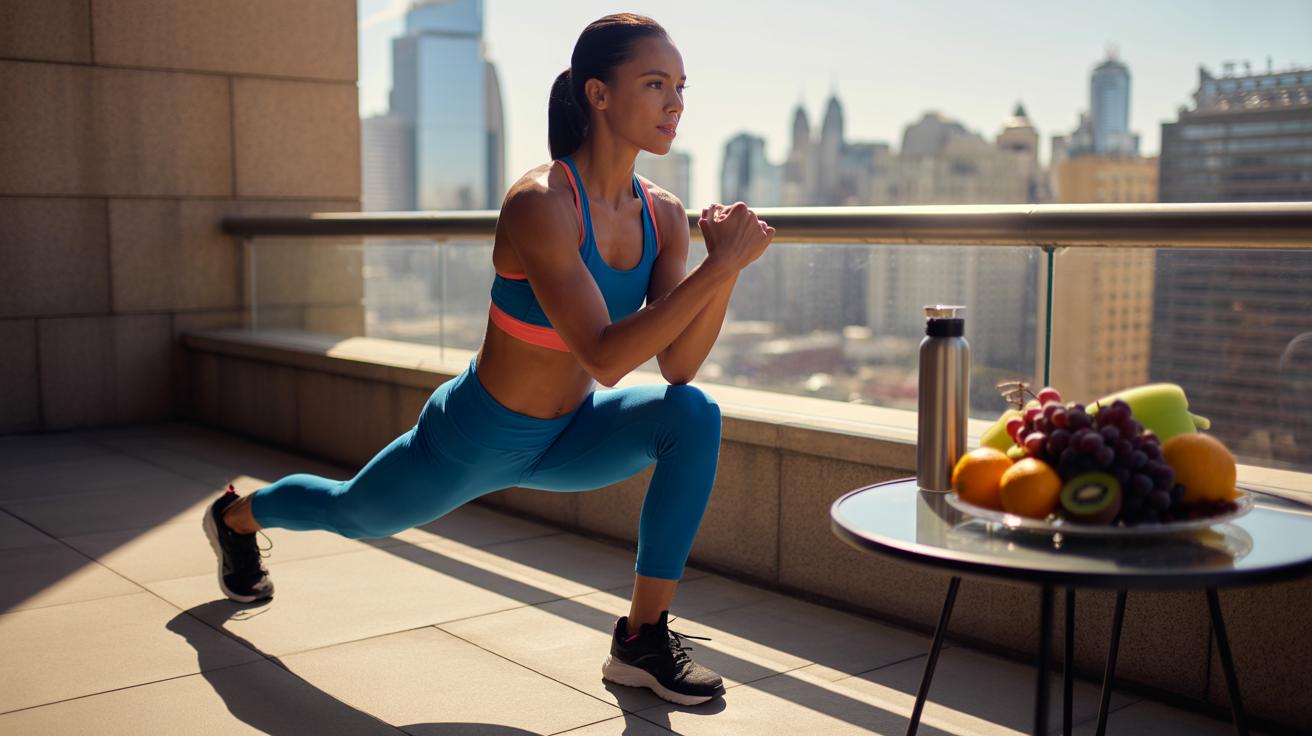
A Quick Workout Checklist for Busy Travelers
Traveling can disrupt your usual fitness and eating habits, making it hard to maintain a balanced lifestyle. This Quick Workout Checklist for Travelers Balancing Food Fitness and Fun guides you in staying fit and healthy without sacrificing the joy of your trip. You’ll find practical advice for quick workouts that fit into tight schedules and tips for choosing the right foods while you travel.
We focus on easy-to-follow routines and meal choices that help you stay energized and active. This article breaks down simple workout plans, best food practices, and how to enjoy your travel experience fully without neglecting your fitness goals.
Essentials of Quick Workouts When Traveling

Quick workouts for travelers focus on short, manageable exercise sessions that fit into tight schedules and confined spaces. They typically last from five to twenty minutes, meaning you don’t need a gym or special equipment to keep moving. Think of exercises you can do in a hotel room, airport lounge, or even a park bench. Maybe a brief circuit of jumping jacks, bodyweight squats, or wall push-ups.

These quick bursts of activity aren’t just simple filler—they help counteract long hours of sitting during travel. Physically, they keep your muscles engaged. Mentally, such movement can reduce that sluggish, foggy feeling you often get after a day on the road. I find that even a small set of stretches or core work can make me feel more awake and ready to enjoy the day, despite jet lag or time zone shifts.
Types of Exercises for Fast Workouts
Bodyweight exercises form the backbone of most fast travel workouts. They’re practical and effective, especially when space and time are limited. Simple moves like:
- Push-ups – adjusting the hand position can target different muscles or make them easier or harder.
- Squats – no weights required, just your body moving up and down.
- Planks – hold your body stiff, work the core, and check your posture.
- Stretching – hamstring stretches, shoulder rolls, or spinal twists can relieve tension from travel stress.
These exercises can be mixed and matched into a quick routine. For example, ten squats, ten push-ups, a 30-second plank, and some stretches. Repeat once or twice. That might not feel like much initially, but it quickly adds up. You don’t need to overthink it or spend hours at a gym to keep active.
Benefits of Keeping Active While Away from Home
Staying active while traveling keeps your body from feeling like it’s on pause. A few minutes of movement can improve your mood—it’s probably linked to the release of those feel-good chemicals, and also the sense of accomplishment in caring for yourself.
Physical benefits include preserving muscle strength and preventing stiffness, which often sneak up after long flights or car rides. Besides, movement helps boost energy levels, so you’re less likely to feel wiped out after exploring new places.
Short workout sessions also seem to cut down travel fatigue surprisingly well. Maybe it’s because these little breaks break up the monotony and get circulation going again. Either way, they can make your entire trip feel less draining and more enjoyable, which is kind of the whole point, isn’t it?
Designing Your Travel Workout Schedule
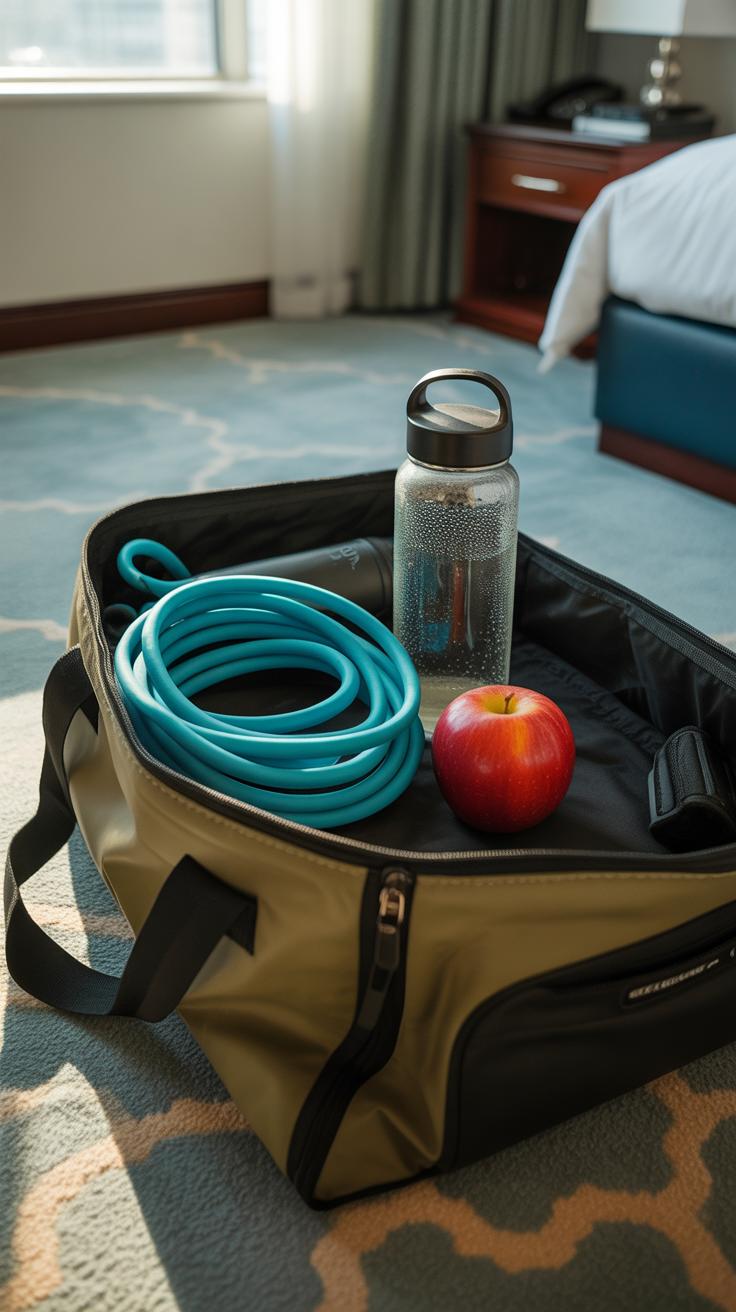
Creating a workout plan while traveling doesn’t have to be complicated. The key is to keep it simple and flexible. Your schedule should fit your travel days, not the other way around. For example, if you have a long flight, maybe opt for lighter movement like stretching or short bodyweight exercises. On days packed with walking tours, a quick core or balance routine might be enough.
Adjust your workout timing based on how you feel. Some mornings you might wake up energized and ready for a brisk session, while other days, a gentle evening stretch suits better. Don’t force a routine that feels rigid; listen to your energy levels and adapt.
Think about intensity too. Sometimes a 10-minute burst of high effort—like jumping jacks or squats—can boost your mood and keep your metabolism active. Other times, a low-intensity walk or simple yoga can help ease travel stress without exhausting you. Brief sessions that prioritize movement over duration often yield better results and keep you willing to stick with it.
To fit workouts into unpredictable schedules, try these options:
- Morning: Before the day’s chaos, a quick routine can set a positive tone.
- Midday: If timing allows, a stretch or bodyweight circuit helps break up long sitting periods.
- Evening: Wind down with light stretches or calming movements after your day’s adventures.
Travel days are varied and so should be your approach. Does a flexible plan feel more doable to you? Trying this adaptive mindset often makes the difference between sticking with fitness goals or skipping entirely while away.
Smart Food Choices for Travelers

Nutrition plays a surprisingly big role when you’re on the move. What you eat influences your energy levels, your ability to stick with workouts, and even how well you recover after travel stress. Sometimes, it’s easy to forget that food isn’t just about fueling your stomach—it’s fueling your whole body for whatever your adventure demands.
When you’re traveling, eating healthy can feel tricky. But a few simple habits can help keep things balanced without overcomplicating your day:
- Prioritize whole, minimally processed foods where possible—you’d be surprised how much better you feel.
- Include a good mix of protein, carbs, and fats to keep energy steady.
- Don’t skip meals; missing meals can lead to overeating later, and that’s rarely helpful.
- Keep portion sizes in check, even when tempted by local specialties or snacks.
It may feel easier to grab whatever’s quick or familiar, but your body often pays for it later. Your fitness goals don’t have to take a hit just because you’re away from home.
Picking Foods That Support Quick Workouts
What you eat before and after short workouts matters, especially when time is tight. Foods that digest quickly and provide real nutrients keep you fueled and ready to move. Here are some easy options you can find almost anywhere:
- Fruits like bananas, apples, or berries—compact energy and vitamins without fuss.
- Raw nuts or trail mix—a decent protein and good fats combo with a long shelf life.
- Greek yogurt or portable cheese sticks, if refrigeration’s available, for that protein boost.
- Boiled eggs, which you can sometimes pick up pre-made or prepare quickly if you have access.
- Water is key — sometimes you just need to hydrate properly to feel energized. Coconut water or electrolyte drinks can help too.
Balancing quick meals around workouts doesn’t have to be a chore. Sometimes, a handful of almonds and a piece of fruit before a session is enough to push you through.
Avoiding Common Food Pitfalls on the Road
Traveling often tempts us into less-than-ideal eating patterns. Fast food or airport snacks can dominate meals when options are limited. It’s easy to overeat or ignore hydration while rushing from place to place.
Here’s what I’ve learned to watch out for:
- Overeating high-calorie, low-nutrient foods feels satisfying short-term but drains your energy later.
- Skipping hydration can quietly sabotage all your workout efforts—sometimes fatigue isn’t just tiredness.
- Snacking out of boredom or stress happens more often than we admit, leading to unnecessary calorie intake.
To counter these pitfalls, keep healthy snacks handy and drink water consistently. Even small efforts in managing your food habits can make the difference between feeling sluggish and feeling ready to tackle the day.
Comparing Home vs Travel Workouts

Equipment and Space Limitations When Traveling
Working out at home usually means you have some routine and space. Maybe you have dumbbells, a yoga mat, or just enough room to move freely. When you travel, though, things get trickier. Space shrinks, gym access disappears, and bulky equipment isn’t an option. It’s not always possible to find a big, quiet spot in your hotel or Airbnb. Sometimes, you might be squeezing in an exercise corner in a cramped room or even outdoors.
To work around this, you can rely on bodyweight movements—push-ups, squats, lunges—anything that doesn’t need gear. Resistance bands? Those are great because they’re lightweight and portable. You can pack them easily and use them in small spaces.
Stretching, mobility drills, or even short bursts of cardio like jumping jacks or high knees help too. The key is flexibility—both physically and mentally. You might have to finish workouts in segments or swap certain moves depending on where you are.
How to Adapt Your Workout Plan Away from Home
When your regular workout isn’t possible, you don’t have to scrap the whole thing. Think about the goal rather than the exact routine. For example, if you usually lift weights, you can focus on bodyweight exercises that target the same muscle groups. Instead of a barbell squat, try jump squats or Bulgarian split squats using a chair.
If cardio’s your thing but there’s no treadmill, try stairs or a quick outdoor run. Even walking briskly with good posture can count. Maybe you shorten your sessions into 10 or 15-minute intervals. Doing less at a time might sound counterproductive, but it keeps you active consistently.
Some days, you might want to mix in flexibility or yoga to reset and relax. Traveling stresses the body differently, and a gentle routine can make a difference in energy and mood.
Have you ever felt stuck because you forgot your gear or found no gym nearby? Trust me, adapting exercises, switching the order, or just moving in small spaces can keep you on track. It’s not perfect, but it works.
Checklist for Packing Fitness Gear

Must-Have Items for On-the-Go Exercise
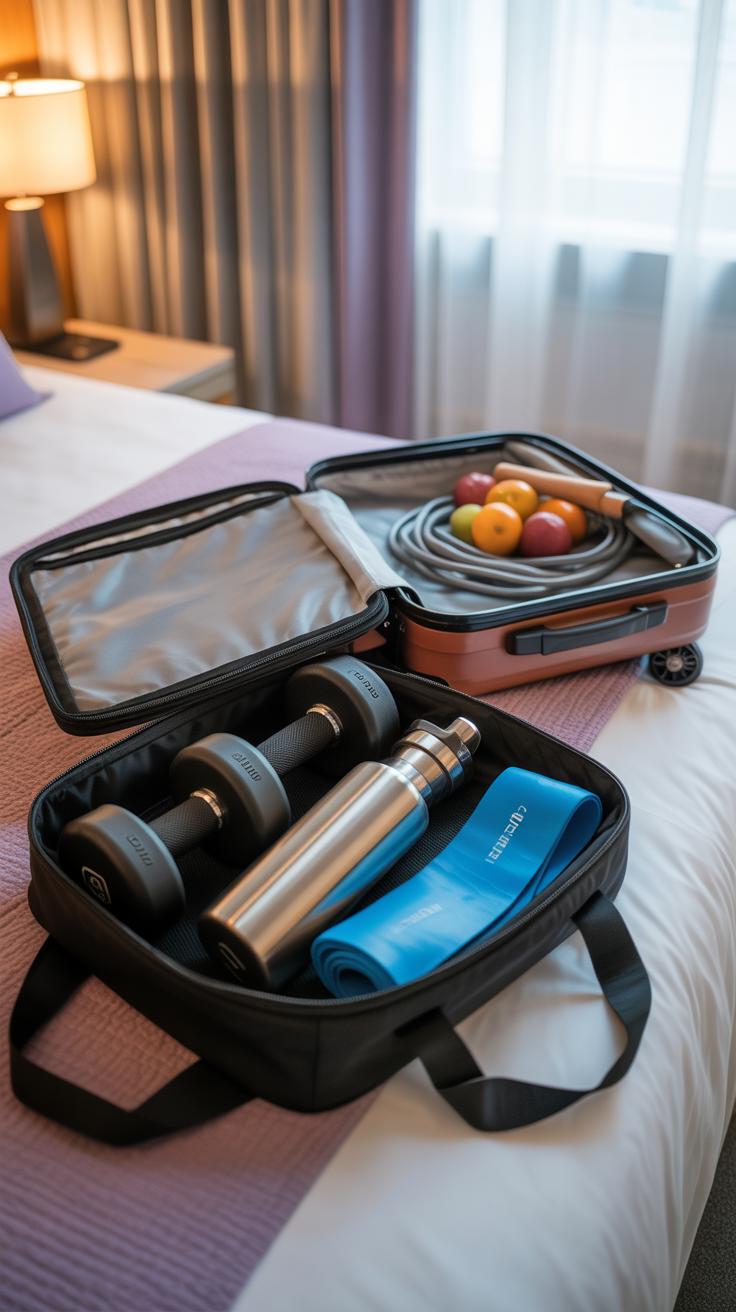
When you’re packing for quick workouts on the road, keep it simple. Resistance bands take up almost no room, yet they offer a surprising variety of exercises. If you’ve never tried a jump rope, give it a shot—it’s a perfect cardio option that fits in your bag easily. A lightweight travel mat can also come in handy for floor work like planks or stretches, especially if hotel carpets feel less than inviting.
Some people swear by small dumbbells or ankle weights, but honestly, they can get heavy fast. If you want to bring a bit of extra challenge, look for adjustable or collapsible tools. At the very least, have something that won’t weigh you down or make your suitcase bulge uncomfortably.
Packing Tips to Maximize Space and Utility
Rolling clothes and stuffing gear inside shoes might sound basic, but it really helps free up space for your workout essentials. Put the flattest items, like bands or mats, along the walls of your luggage. Resist the urge to bring the whole gym; instead, think about what fits—and what you’ll actually use. Avoid bulky items that require charging or special care.
You could stash your jump rope in your carry-on’s side pocket for quick access during layovers or airports. And frankly, sometimes unpacking only part of your bag—say, the workout gear—is easier than digging through a full suitcase mid-trip. The question is, what do you really need for those quick sessions? Keeping gear portable might mean skipping one piece that feels “nice to have,” but won’t get used.
Avoiding Common Travel Fitness Mistakes

Skipping Workouts Due to Lack of Time or Motivation
It’s easy to skip workouts when traveling—busy schedules, unfamiliar surroundings, or just plain exhaustion can shut down any motivation. Sometimes, it’s not really about time but how you feel. If you catch yourself thinking “I’ll do it tomorrow,” maybe you’re just overwhelmed or tired. To push past that, try breaking your workout into tiny chunks—five minutes here, ten there—and don’t stress about intensity every day. A quick bodyweight circuit in your hotel room can be enough to keep momentum. Also, packing lightweight gear like resistance bands can help you feel prepared, even if you’re not in the mood for a full sweat session.
Remember, some movement beats none. Even a brisk walk exploring new cities counts. Ask yourself what small action feels doable today rather than aiming for a perfect workout every time. That mindset can make a real difference.
Ignoring Nutritional Needs While Traveling
Poor nutrition on the road sneaks up on many travelers. It’s tempting to grab fast food or sweets when you’re tired or distracted. Skipping meals or bingeing on unhealthy snacks can leave you sluggish, mess with your focus, and hurt your energy for workouts or sightseeing. Staying on track doesn’t mean being strict or sacrificing enjoyment. It means balancing indulgence with meals rich in protein, fiber, and healthy fats. Carry simple staples—nuts, fruit, or protein bars—that don’t spoil easily and can tide you over between meals.
Also, try to stay hydrated. Drinking water can be overlooked, but dehydration really saps stamina. If you plan ahead, it’s easier to avoid that “hanger” feeling and keep your body fueled. What’s tricky is that sometimes healthy choices aren’t obvious or convenient, so a little planning can pay off. It might not feel like a big deal at the moment, but those small meal decisions add up.
Tracking Progress on the Road
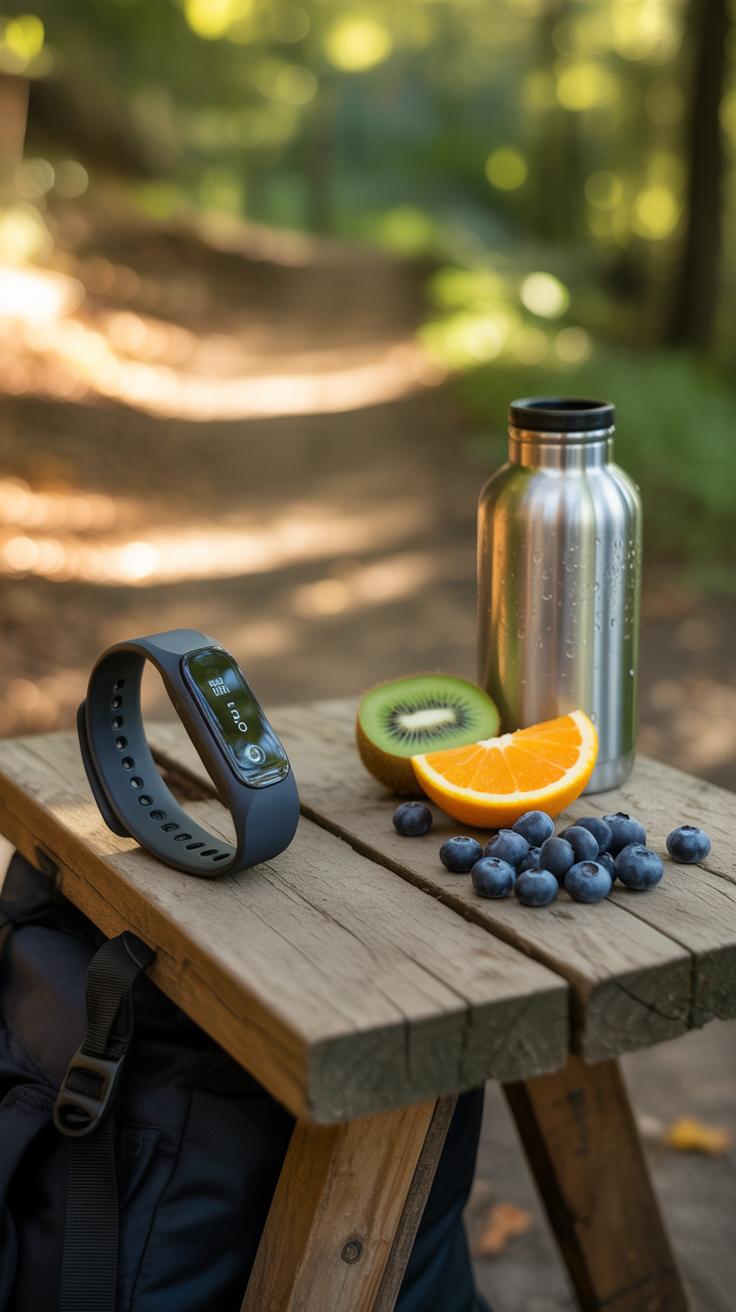
Keeping tabs on your fitness while traveling isn’t always straightforward. You’re in new places, routines shift, and motivation can wane. But tracking progress—even loosely—can make a surprising difference in staying on course. You don’t need complex systems; sometimes, simple tools work best.
Smartphone apps are a common go-to. Apps like MyFitnessPal for food, Strava or Fitbit for workouts, help you log activities and meals quickly. They offer insights on calories burned or consumed, but more than numbers, they keep you aware. Wearing a device, like a smartwatch, adds ease; it gently nudges you with reminders or measures daily steps and heart rate. Though sometimes, the constant data can feel like too much. I often find a balance by glancing at stats once a day, not obsessing.
A fitness journal might feel old-fashioned but jotting down your workouts, energy levels, or how you feel before and after exercise gives context beyond numbers. For example:
- Was your energy lower on a given day?
- Did the quick bodyweight circuit improve your mood?
- How consistent were you in squeezing in workouts amidst travel plans?
Simple measures go a long way. Track how your clothes fit, your sleep quality, or daily enthusiasm for activity. Sometimes, progress is less about weight or reps, more about how you feel moving through the day.
Ultimately, it’s about what nudges you to keep going once the excitement of a new city starts to fade. What methods seem doable? Which tools feel like added stress? Experiment. The road isn’t the same every day, and neither should your approach be.
Real Traveler Examples and Tips

Case Studies of Successful Fitness on Trips
Take Emma, for example. She’s a consultant who often hops between cities and countries. Her secret? Short bodyweight circuits in her hotel room—usually 15 to 20 minutes—and packing protein-rich snacks like nuts and jerky to avoid fast food traps. She admits some days are harder than others but sticks to a simple routine she’s comfortable with.
Then there’s Raj, a passionate hiker. When he can’t hit local trails, he turns to quick HIIT sessions in the mornings or even brisk walks around the neighborhood. What stands out is how he schedules workouts around sightseeing times, treating them as part of the day’s activity rather than separate tasks. It keeps him moving without feeling like a chore.
Practical Advice for Your Own Travel Plans
What can you take from these stories?
- Prepare a flexible workout plan that fits into unpredictable schedules—think under 30 minutes, no equipment needed.
- Keep easy, healthy snacks on you to dodge unhealthy airport or roadside options.
- Use daily activities like walking or exploring as opportunities for movement instead of forcing separate workout blocks all the time.
- Don’t stress if some days feel off. Consistency over perfection matters—a 10-minute routine still counts.
- Experiment—maybe mornings work better, or short sessions spread throughout the day. Find what clicks with your energy and itinerary.
Honestly, balancing food, fitness, and fun while traveling is a bit of a personal puzzle. You might start with one small habit and end up tweaking it repeatedly. That’s okay. The key is simply to keep moving and stay mindful of what you’re eating without overcomplicating things.
Conclusions
Maintaining fitness on the road requires planning and simple strategies that fit your lifestyle and travel plans. Quick workouts can keep your strength and energy intact, while thoughtful food choices fuel your body effectively. Together, these actions support your health, even when on tight or changing schedules.
By using this checklist, you can enjoy your travels with confidence, knowing your fitness and nutrition are managed. Staying consistent with short exercise and mindful eating allows for a balanced, fun, and healthy travel experience.