
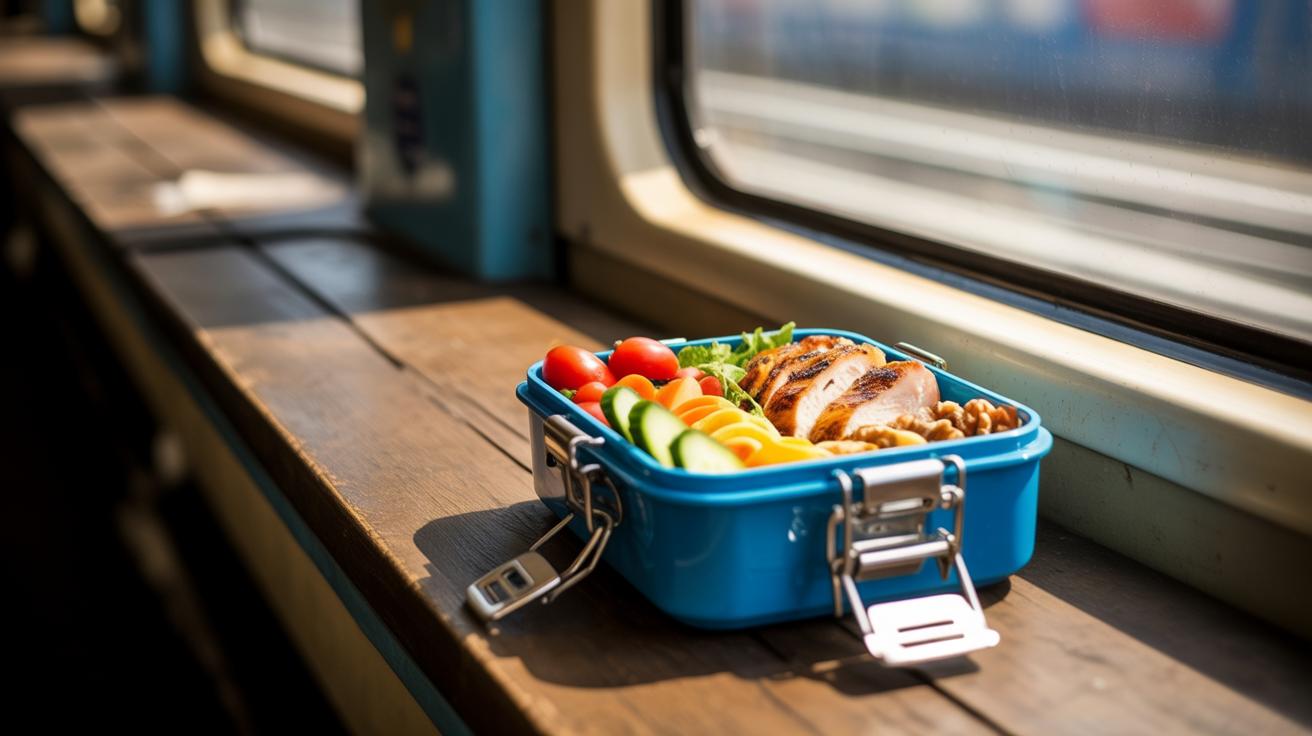
Making Smart Food Choices on the Road
Eating well on the road can be a challenge, especially when you’re trying to keep up with health and fitness goals. Travel often means different schedules, limited food options, and temptation to indulge in less healthy choices. But with the right food choices, you can stay energized and on track regardless of where your journey takes you.
This article will guide you through practical ways to make smart food decisions during travel. You will learn how to plan meals, select nutritious options, and navigate common obstacles. By understanding these strategies, you can keep your body fueled and support your fitness goals while enjoying your travel experiences.
Setting Travel Nutrition Priorities

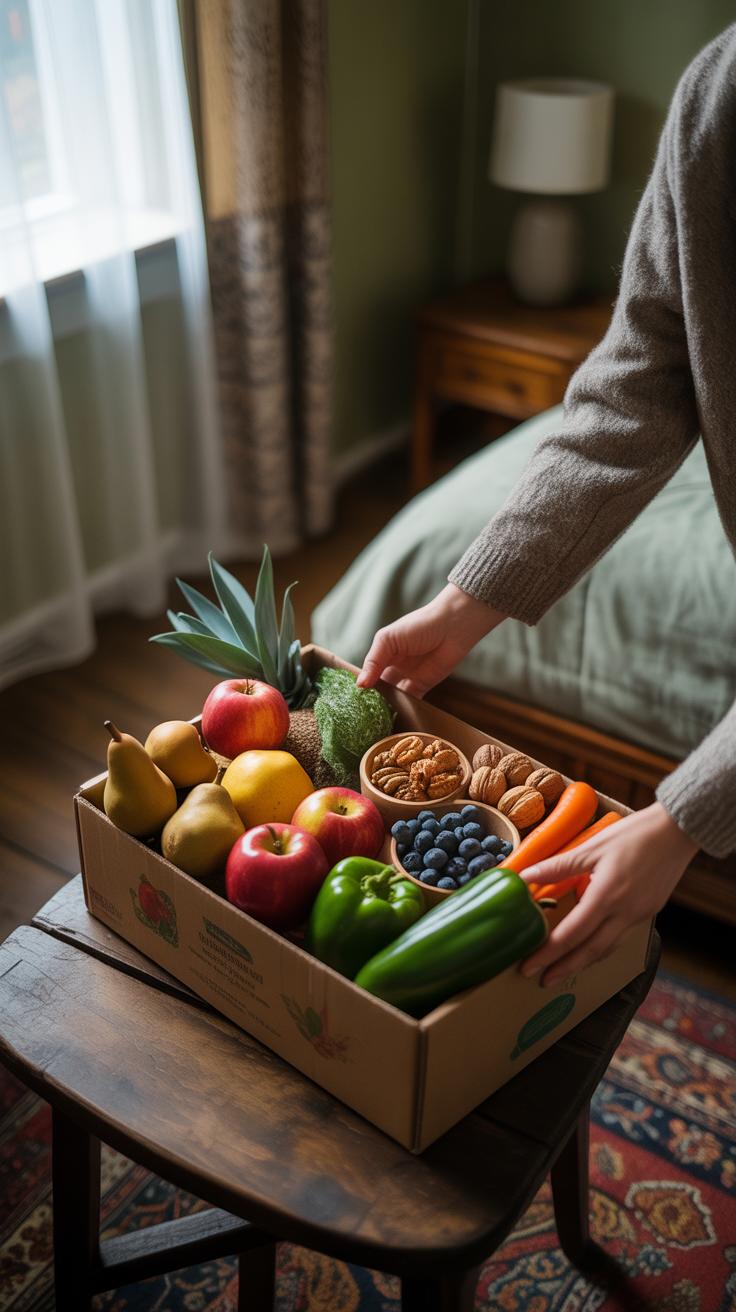
Before you hit the road, think about what your body really needs to keep moving well. Your macronutrient needs—proteins, fats, carbohydrates—won’t change dramatically, but how much of each might shift depending on your plans. Are you walking city streets all day or lounging by a beach? The more active you expect to be, the more carbs you’ll likely need for energy. If strength training is part of your trip, protein becomes a bigger focus.

Hydration is key, but not just drinking water randomly. Plan how much you’ll need based on climate, activity, and travel mode. Hot weather or long flights? That ups the water game. Some people don’t realize how easily dehydration sneaks up with travel stress and different time zones.
Also, consider any dietary quirks. Allergies, food intolerances, or specific diets like keto or vegan require upfront planning to avoid frustration or, worse, health setbacks. This means scouting meal options or packing smart snacks. It’s almost like packing your health along with your clothes.
Why Nutrition Planning Matters
You might think you can just eat whatever’s available. Trust me, that usually backfires. Poor nutrition during travel often leads to feeling sluggish, bloated, or downright cranky. Sometimes people gain weight or lose muscle because they didn’t plan—and that can put a real damper on fitness goals.
Beyond discomfort, skipping planning risks gut issues, blood sugar crashes, or dehydration—all of which make traveling less enjoyable and less productive. You want to have energy to explore, not be stuck in your hotel room recovering.
In my experience, travelers who prepare food-wise tend to enjoy their trips more and bounce back faster from jet lag and fatigue. Nutrition planning puts you in control—it’s not about perfection but about supporting your body so your trip supports your goals, not the other way around.
Identifying Your Dietary Needs on the Road
Figuring out what your body needs during a trip isn’t always straightforward. First, consider what you actually plan to do. Hiking, sightseeing, or just working from a cafe? Each requires different fuel.
Think about trip length, too. A weekend getaway versus a month abroad changes how flexible you can be with food choices. Plus, your fitness goals matter. Are you aiming to maintain muscle, lose weight, or just keep energy steady? These aims shape your daily eating.
Take a moment before traveling to jot down what usually works for you—what foods keep you energized, what triggers discomfort. This little reflection can guide better choices when options look overwhelming.
Sometimes, you might discover your diet needs to adjust—more protein when activity spikes, or simpler meals in a busy travel schedule. That’s okay; it’s part of the process. Think of it as fine-tuning your way to feeling your best while on the move.
Packing Smart Foods for Travel
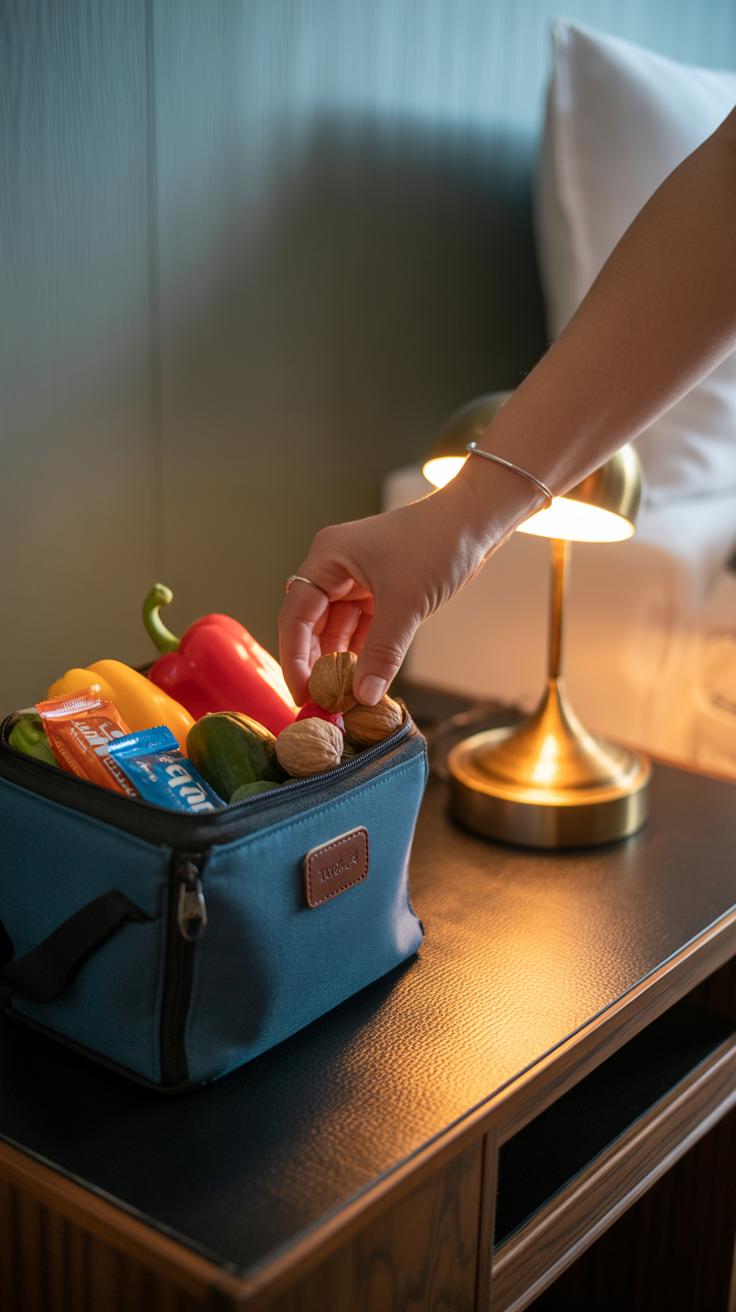
When planning what to bring on your trip, think about foods that stay fresh without refrigeration and travel well in a bag. Non-perishable options like mixed nuts, dried fruits, and whole grain crackers are staples I often rely on. They don’t spoil easily and provide sustained energy, which is handy during long travel days or unexpected delays.
Protein bars or nut butter packets also make great choices. They’re compact, less messy, and usually balanced in carbs and protein, which can help keep hunger at bay better than sugary snacks. You might want to try roasted chickpeas or seaweed snacks too—they’re not just tasty but add variety to your travel food stash.
To pack safely, consider resealable containers to avoid spills and keep portions controlled. A small insulated cooler can keep fresh items like yogurt or cheese chilled if you must bring them along. I find layering different snack packs in a clear, zippered pouch helps keep things organized and easy to grab without rummaging too much.
Is there a method you find yourself returning to when packing food? Maybe your favorite snack combinations feel comforting on the road, or you’ve learned the hard way what doesn’t hold up well. Either way, having a few smart, portable foods ready makes staying on track feel less like a chore and more natural.
Choosing Nutritious Local Meals
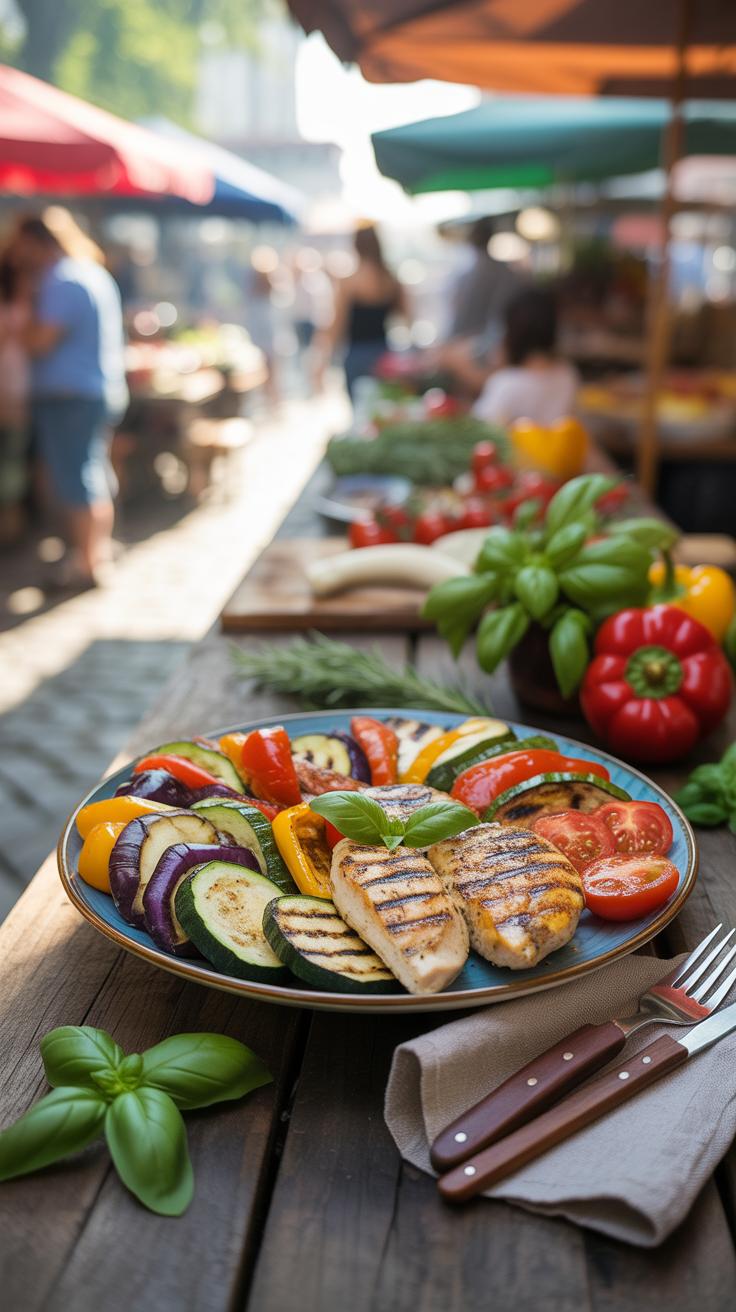
When you’re in a new place, the local food scene can be a bit overwhelming—and tempting. Choosing meals that fit your health and fitness goals means thinking beyond just what sounds tasty. Look for dishes that offer balance: lean proteins, vegetables, whole grains, and reasonable portions. Sometimes, it’s less about the dish itself and more about how it’s prepared.
For example, if you find a local grilled fish with a side of steamed greens, that’s often a safe bet. Compare that to a deep-fried entrée drenched in sauce—even if it’s a regional specialty. Fried foods can quickly pack on extra calories and unhealthy fats.
Look for fresh ingredients and simple cooking methods like grilling, steaming, or roasting. Asking about sauces or dressings can also help you avoid hidden sugars or fats. Sometimes, that sauce you thought was harmless turns out to be creamy or loaded with salt. Picking a vegetable-heavy option often supports your goals better than heavy starchy sides.
Ask Before You Order
Don’t hesitate to ask the server or chef what’s in a dish or how it’s made. Phrases like “Is this dish made with much oil?” or “Can you tell me what kind of sauce is served with it?” work well. You might say, “I’m trying to keep things light—can you recommend something less oily or heavy?”
Sometimes, places are happy to modify dishes. Requesting to swap fries for salad or asking if a sauce can be served on the side often helps. A simple “How is this prepared?” can reveal if it’s fried, steamed, or baked. It takes a moment but knowing can make a difference.
It’s okay if you feel unsure—menus aren’t always clear. Restaurant staff usually appreciate your interest in ingredients. Occasionally, though, you might get vague answers. That’s when you have to trust your judgment, or stick to simpler, more familiar choices.
Comparing Local Dishes for Nutrition
When faced with a few local options, try to break down the components. Take, for instance, two dishes from the same region: one might be a stew heavy on meat and broth, the other a salad mix with some grilled protein. The salad probably supports your fitness goals better, but it depends on the details.
Ask yourself:
- Is the dish rich in vegetables?
- How much fat and sugar does it likely contain?
- Are the cooking methods adding calories—like frying or cream-based sauces?
- Does it include lean protein or mostly carbs?
For example, in some cuisines, rice dishes come with beans or lentils, great for fiber and protein. But a similarly named dish could be served with fatty meat or rich creams. Spotting these differences helps you stay on track. Sometimes a simple soup or a grilled kebab with salad beats a complex casserole with unknown ingredients.
It’s a bit of detective work, sure. But it’s possible to enjoy your meal and stick to your health aims at the same time.
Managing Portion Sizes Away from Home
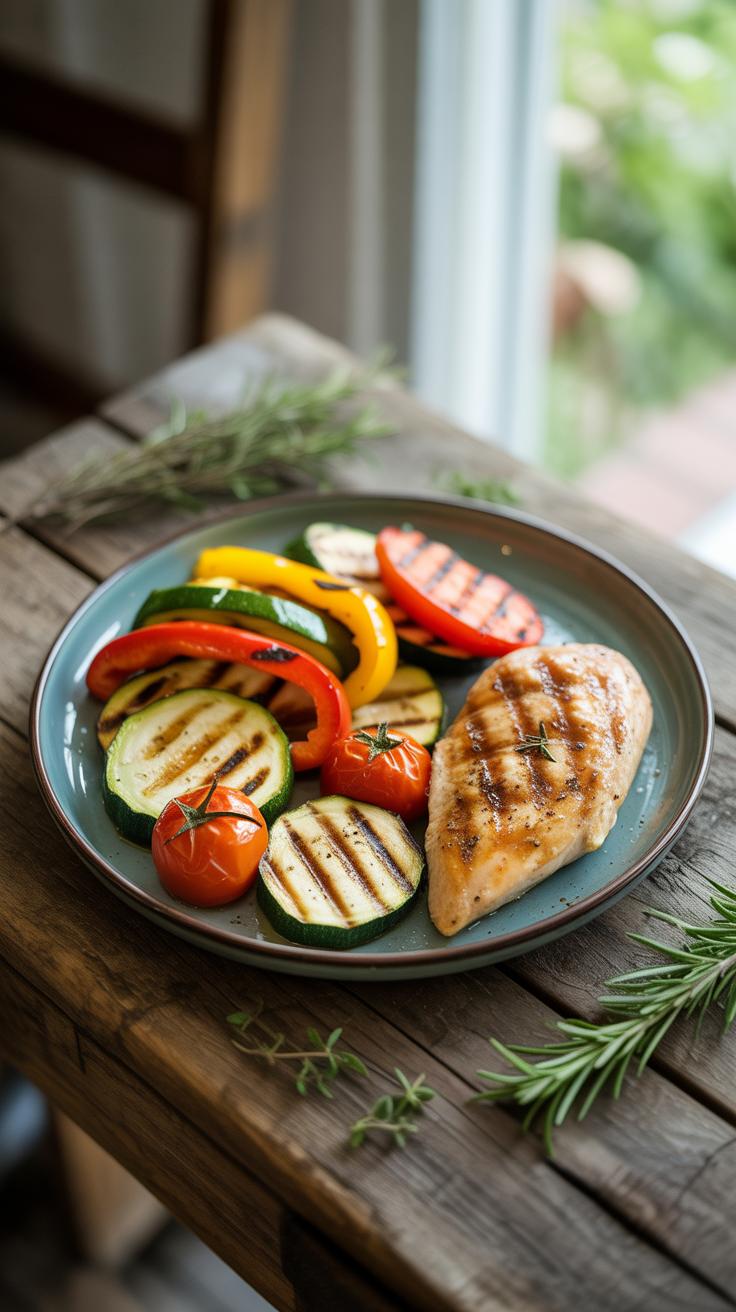
Keeping portion sizes in check while traveling can feel tricky, especially when you’re surrounded by unfamiliar menus or bigger-than-usual servings. But this is crucial if you want to keep your health and fitness goals on track. Overeating often sneaks in unnoticed on the road, partly because we’re distracted or eager to try new foods. You might think, “Well, just this once,” and before you know it, the portions have doubled.
One practical approach is using visual portion guides—without lugging around a food scale. For example, a serving of protein should roughly match the size of the palm of your hand (not including fingers). Carbohydrates like rice or pasta? A fist-sized portion usually works. Fats such as butter or oil? Think about the size of a thumbnail—small, but enough to flavor your meal.
Buffet or all-you-can-eat settings can be the toughest test. It’s easy to pile your plate high, feeling obliged to “get your money’s worth.” Instead, try these tactics:
- Scan all options first, then pick a few items you really want to enjoy.
- Start with a small plate to avoid loading up excessively.
- Eat slowly, giving your body time to signal fullness.
- Consider sharing dishes or saving half for later if possible.
What about those moments when you feel like sampling everything? That’s normal and okay now and then. Just try to keep your portions consciously moderated to avoid tipping the scale against your goals. It’s a balancing act, sometimes awkward, but you can usually find a way that feels right for you.
Hydration Strategies On the Go
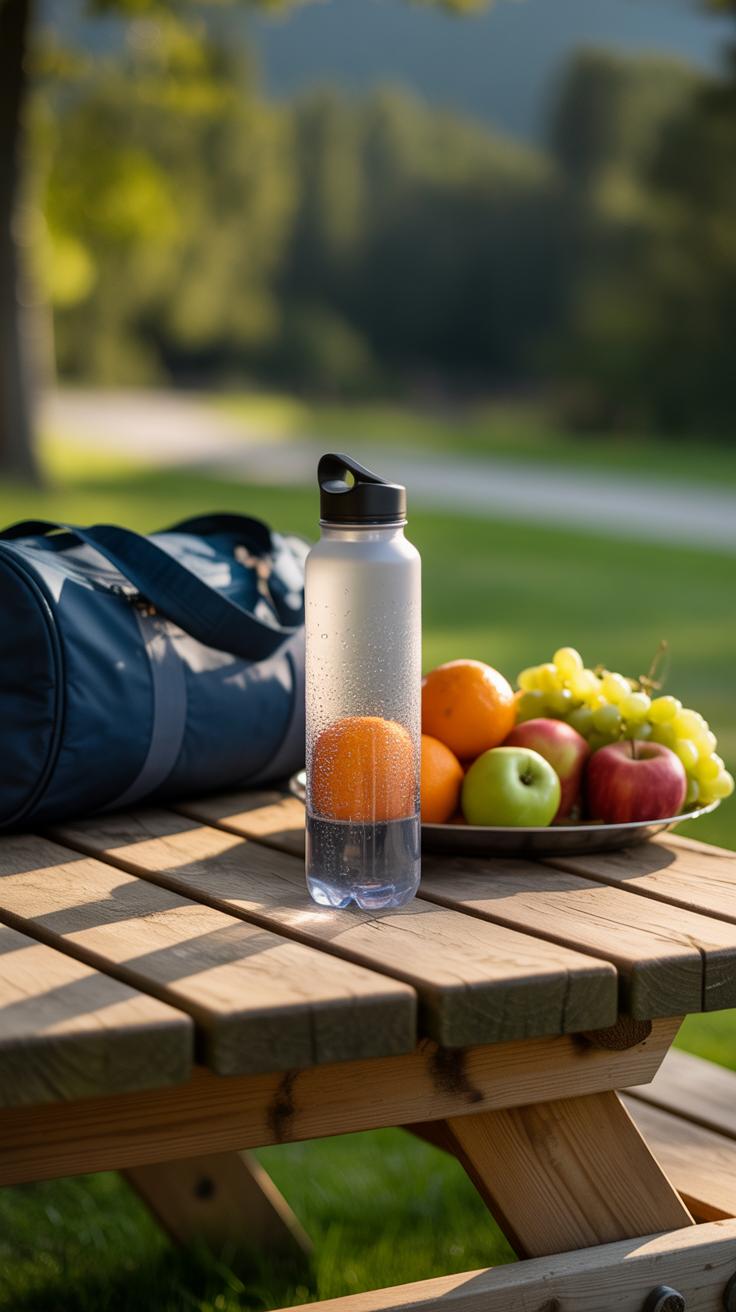
Hydration plays a pretty big role in how your body performs, especially when you’re moving around a lot during travel. When you’re rushing from airport to hotel or hiking in a new city, it’s easy to forget to drink enough water. But even slight dehydration can sap your energy and slow your recovery after workouts or long walks.
Staying hydrated isn’t just about quenching thirst—it affects digestion, muscle function, and mental sharpness. So, if you want to keep up with your fitness goals on the road, hydration deserves some serious attention. It may even help you avoid headaches or that sluggish feeling that too often sneaks in while traveling.
Here are some tips to keep fluids flowing:
- Carry a reusable water bottle and refill it whenever possible.
- Set reminders on your phone to take a sip every 30 to 45 minutes.
- Eat water-rich foods like cucumbers, oranges, or watermelon as mini-hydration boosters.
- Limit alcohol and caffeinated drinks in excess, since they can increase fluid loss.
Water Intake Recommendations
The general advice for adults is around 2 to 3 liters of water a day, but travel can change the game. Sitting on a dry airplane or moving through hot climates might push your needs higher. On long flights, you might find yourself needing more, yet noticing less thirst—which complicates things.
Try to listen to your body but don’t rely only on thirst signals; sometimes you’re already a bit dehydrated by the time you feel it. If you’re sweating more, dealing with dry air, or just physically active, extra fluids make sense. Maybe carrying a water bottle a bit larger than usual is a good idea.
Choosing Hydrating Beverages
Water should be your go-to, but it’s not the only option for staying hydrated. Some drinks can help and even add flavor, if you’re bored with plain water.
- Herbal teas—lukewarm or cold—they hydrate without caffeine or sugar.
- Coconut water offers electrolytes and a bit of natural sweetness.
- Freshly squeezed fruit juices, diluted with water, provide hydration plus vitamins.
- Vegetable broths—warm and savory, useful on cooler travel days or after a workout.
Sometimes, a little variety helps because sticking to plain water all day—especially when your routine is off—can become tiresome. Just watch out for sugary sports drinks or sodas; they might hydrate, sure, but bring extra calories and often too much sugar.
Healthy Snacking Options While Traveling

Finding snacks that keep you energized and avoid the pitfall of unhealthy temptations on the road isn’t always easy. You want something that’s both satisfying and practical. Some snacks stand out because they’re easy to pack and eat anywhere—think nuts, fresh fruit like apples or bananas, or even carrot sticks. These aren’t just filler; they offer real nutrition and slow-burning energy.
Trail mix with a mix of raw nuts and dried fruit often works well. Though, be mindful—dried fruit can sneak in sugar, so pick varieties with no added sweetness. Yogurt cups or cheese sticks, if you have a cooler, provide protein and calcium without fuss.
What about veggies? Snap peas or cherry tomatoes travel fairly well and give you fiber and vitamins. If you like something a bit denser, roasted chickpeas or whole-grain crackers can do the trick. Each offers a crunch that satisfies without derailing your energy levels.
Do you ever notice how easy it is to give in to chips or candy when you’re near a kiosk? Having one or two portable, nourishing snacks can change the game—plus, they often taste better and leave you feeling… well, just better.
Portable Snacks That Fuel Fitness
When you’re on the move, snacks that combine protein, fiber, and healthy fats can help maintain stamina. Think about jerky, but choose natural varieties without additives—that way, you get the protein punch without extra junk. Nut butters in single-serve packets are also a handy option: peanut, almond, even cashew packs travel well, offering fats and protein that keep hunger away longer.
Seeds—pumpkin or sunflower—are great for a fiber and fat boost. They’re small, light, and don’t need refrigeration. Adding a hard-boiled egg to your travel pouch isn’t always convenient, but if you can swing it, eggs provide complete protein and are very filling.
Protein bars often get a bad rap, but some brands focus on clean ingredients and minimal sugar. Just double-check the label because many hide a surprising amount of processed sugars or fillers. When done right, these snacks can bridge long gaps between meals without dragging your energy down.
Avoiding Sugar and Processed Foods
When you’re traveling, sugary and processed snacks might seem like quick fixes, but they usually backfire. They cause rapid spikes in blood sugar, followed by crashes—leaving you tired and craving more sugar. Plus, many processed snacks are low in real nutrition, so they don’t support your fitness goals in the long run.
Learning to spot these less helpful options can be trickier than it sounds. Watch out for labels packed with sugar under different names—like corn syrup, dextrose, or maltodextrin. Also, when a snack has a long shelf life, it often means preservatives and added chemicals. These can disrupt digestion and energy levels.
Instead, focus on whole, simple ingredients. Nuts, seeds, plain yogurt, fresh fruit—these give you a steady supply of nutrients. That doesn’t mean you have to avoid snacks that taste good, just be a bit more curious about what’s inside your package. Isn’t it a little surprising how often something that sounds healthy can hide a handful of additives?
Adjusting Eating Patterns for Travel Days
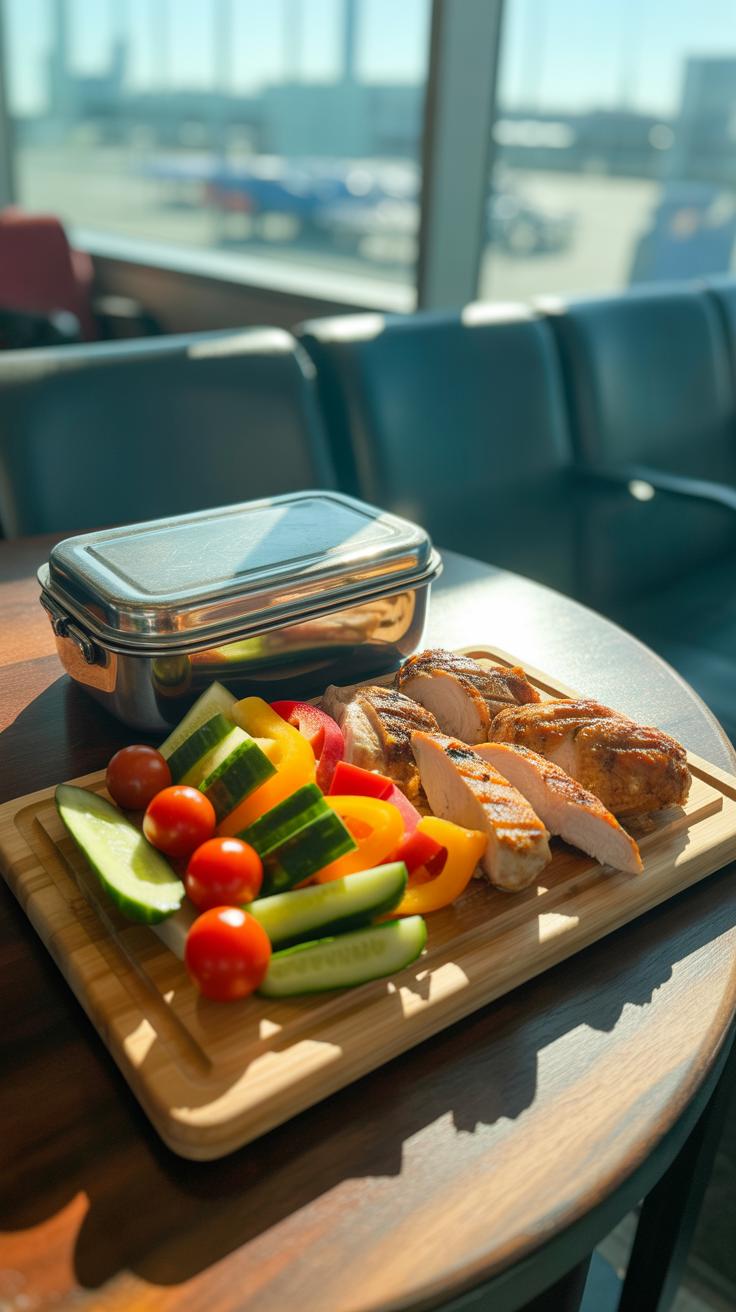
Travel often throws your usual meal routine off balance. You might find yourself eating earlier or later than normal—or skipping meals altogether. Changing time zones adds a twist, making your body unsure when it’s truly time to eat. You can try shifting your meals gradually to match the destination’s schedule a day or two before you leave. It’s a bit tricky, but it can help reduce discomfort and keep your energy from crashing.
When you can’t prepare in advance, focus on smaller, more frequent meals rather than big, heavy ones. This is kinder on your digestion during long rides or flights. Take note of hunger cues but don’t feel pressured to eat just because it’s ‘meal time.’ You might not be hungry at usual hours, and that’s okay.
Meal Timing Tips for Flight Days
Flight days call for some planning around when to eat. Before you board, try to have a balanced meal that includes fiber and protein. Heavy meals can bog you down, so keep fats and simple carbs in check. During the flight, snacks are your friend but pick wisely—nuts, fruit, or a small sandwich work better than anything fried or sugary.
After landing, your body will be adjusting, so aim for light but nourishing food to help reset your system. It’s tempting to binge or starve after the flight, but neither aids recovery. Drinking water is crucial too; dehydration can make fatigue worse and confuse your hunger signals.
Handling Jet Lag with Food Choices
Jet lag messes with your internal clock, and food timing can help your body catch up. Align meals with local time as soon as possible—even if you’re not very hungry. Bright, natural foods—think vegetables and lean proteins—can support alertness and recovery. Some swear by avoiding caffeine and heavy meals close to bedtime to get better sleep. Others find light carbs help promote restful nights.
Try to eat consistently at local meal times each day. This signals your body to adapt faster. It’s not a perfect fix, though. Sometimes jet lag persists despite your best efforts, which can be frustrating. But adjusting what and when you eat is one of the simplest tools you have at your disposal.
Interpreting Nutrition Labels on the Road
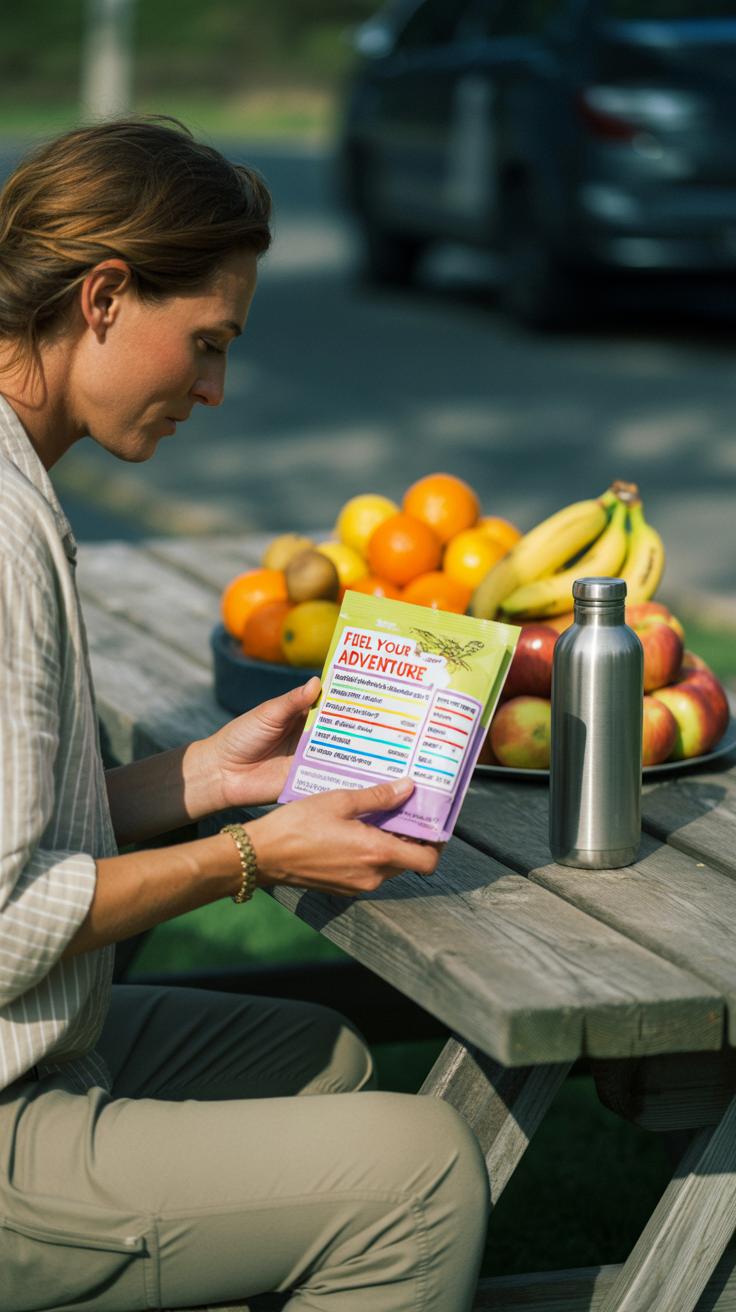
When you’re traveling, reading nutrition labels can feel like decoding a secret message, especially if the language or format isn’t familiar. Still, knowing what to look for can make a real difference in sticking to your health goals amid new foods and products.
Focus on a few key elements first:
- Calories: Watch how much energy a serving provides. It helps keep track if you want to maintain or lose weight.
- Fat: Notice not just the total fat but also the type. Saturated fats tend to be less beneficial than unsaturated.
- Sugar: This one can sneak up on you, especially in processed snacks or drinks.
- Protein: A higher amount usually indicates a more filling option, which is handy on the road.
Sometimes labels use unfamiliar terms or measures. For instance, in Europe, calories might be shown as kilojoules too. But don’t stress about exact conversions; rough estimates often work fine.
Ingredient lists can be trickier. Words may be in another language, or use scientific names you don’t know. You might recognize certain terms—like “glucose” or “lactose”—by their roots or guess based on common prefixes. Don’t hesitate to use translation apps or photos if it helps, even if it feels a bit slow.
Remember this: a label’s design varies widely but the basics remain. Focus on what affects your body most. It’s never perfect, but gradual familiarization makes you better at spotting good choices—sometimes just by quick glances.
Balancing Indulgence and Restraint
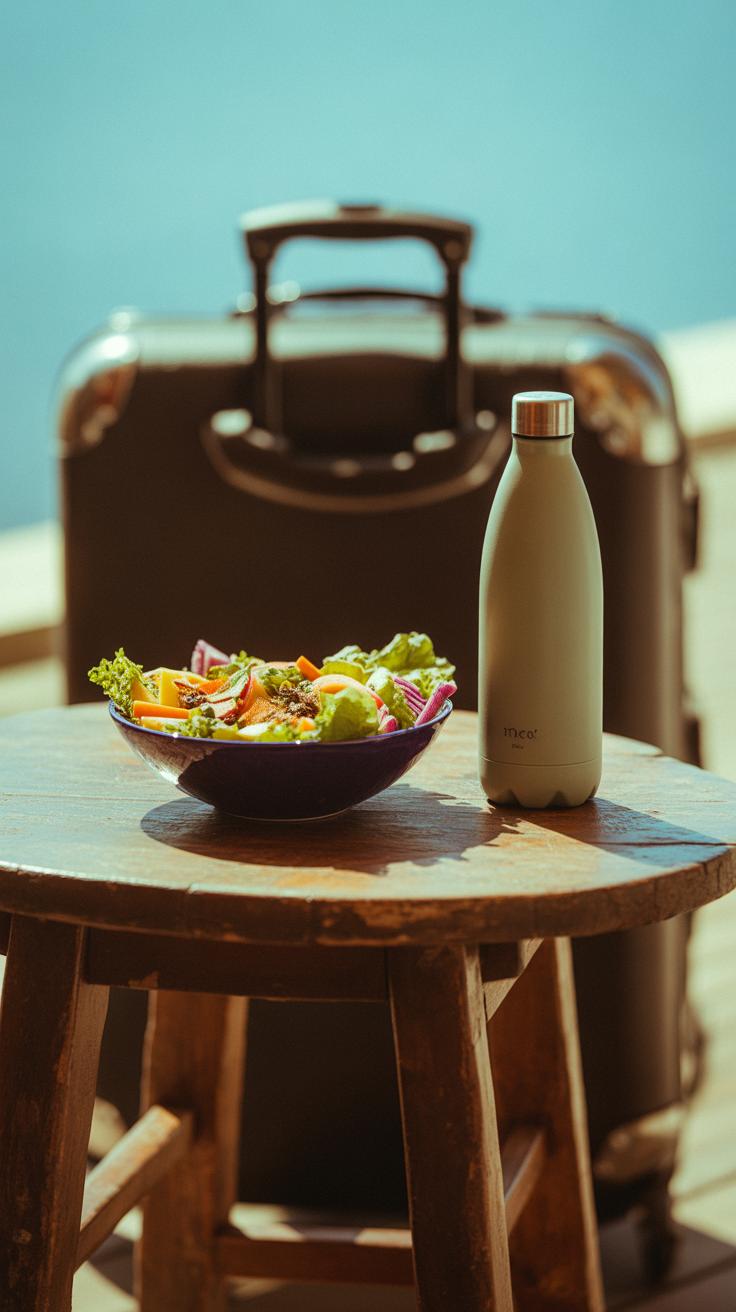
Traveling often means encountering tempting local foods that are hard to resist. It’s almost part of the experience, right? Yet, the challenge is enjoying these treats without feeling like you’ve thrown your fitness goals out the window. The key might be in balance rather than strict rules. Can you savor a rich dessert and still feel good about your choices the next day? Probably, yes.
Try to sample smaller portions of those indulgences instead of going all-in. A tiny taste can satisfy your curiosity and cravings without taking you off track. Also, pairing those treats with something nourishing, like fresh fruit or a protein-rich snack later, might help even things out.
Sometimes, I find myself hesitating, thinking if one indulgence means more, but it doesn’t have to be all or nothing. It’s about mixing restraint with enjoyment. You don’t want to miss out, but you don’t want to feel bloated or sluggish either.
Setting Limits Without Missing Out
Setting boundaries doesn’t mean depriving yourself. It’s possible to enjoy local specialties mindfully. Some simple strategies could help:
- Choose one or two indulgent items per day rather than multiple.
- Eat slowly and pay attention to how your body responds; don’t rush because you fear missing out.
- Balance the indulgent meals with lighter, nutrient-dense ones.
- Stay hydrated—sometimes thirst masquerades as hunger or craving.
- If buffet-style dining is involved, prioritize favorite dishes first.
When I travel, I sometimes jot down what I want to try ahead of time, then stick to that list. It keeps random or excessive eating in check, making the indulgence feel more intentional.
Rewarding Healthy Travel Choices
Recognizing your good choices in travel food can feel oddly satisfying. It’s easy to overlook small wins, like picking a grilled chicken when fries are available. Rewarding yourself doesn’t mean abandoning your plan.
You might cheer yourself up with a small local treat after a day of walks or hikes, a moment to connect the healthy effort with a tasty reward. It reinforces the balance instead of framing indulgence as failure.
In some trips, I’ve found that celebrating a healthy meal with a dessert as a treat—just a modest portion—keeps morale up. It sends a signal to yourself that you deserve enjoyment but on your terms.
Do you think it’s possible to maintain a sense of progress and pleasure simultaneously? I believe so, though it takes some trial and error to find your rhythm on the road.
Tracking Progress and Adjusting Choices
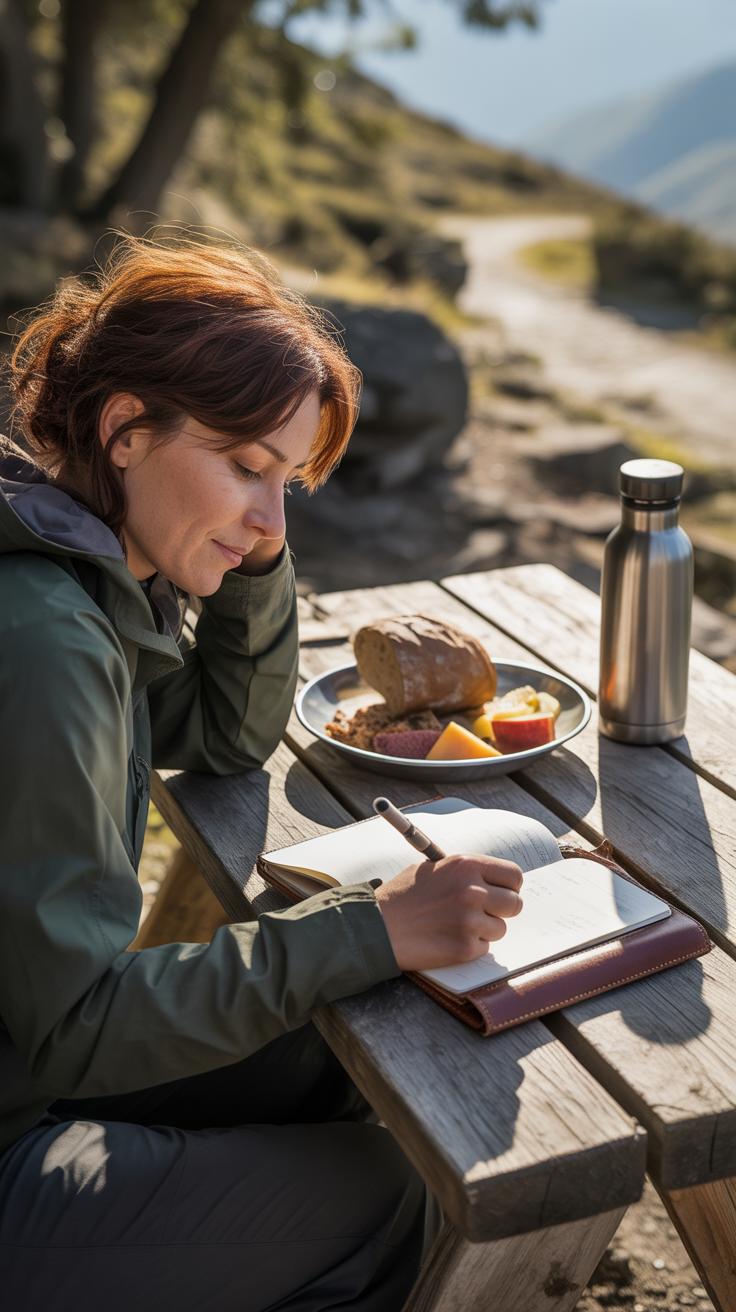
Simple Ways to Track Nutrition on the Road
Keeping an eye on your nutrition while traveling doesn’t have to feel like a chore. Many travelers worry that tracking meals means endless logging or complicated apps, but it can be much simpler. A quick photo of each meal can serve as a helpful record—sometimes just glancing back at your pictures reveals more about your choices than you might expect.
Jotting notes in a small notebook or a simple notes app can also do the trick. You don’t need to count every calorie or gram of protein if that feels overwhelming. Instead, aim to note the type of foods and any obvious patterns, like snacking late or skipping veggies.
Apps designed for quick logging, like MyFitnessPal or Lose It!, work well if you want more detail but still keep it low-pressure. Setting timers or reminders to check in with yourself once a day helps too. It can be as minimal as listing meals and one or two snacks, with a brief note on how you felt—hungry, satisfied, or maybe sluggish.
Making Adjustments Based on Results
When you review your tracked data, look for trends rather than obsessing over one off day. Did you notice more energy on days with higher protein or more veggies? Perhaps skipping breakfast led to overeating later. These clues guide small tweaks.
For example, if you feel sluggish after a carb-heavy dinner, experimenting with leaner proteins or adding greens might make a difference. Or if late-night snacking creeps in, finding a better bedtime routine or a filling, healthy snack could help.
Sometimes you’ll find your goals require adjustment too—maybe your activity level changed during travel, or your appetite shifted with the new routine. Being flexible helps. Remember, the purpose of tracking is not perfection. It’s about gaining insight to make small changes that keep you on track without stress. So, what patterns have you noticed that surprise you? Could a different choice tomorrow bring you closer to your goals?
Conclusions
When traveling, thoughtful food choices make a difference. Prioritizing balanced meals, including protein, fiber, and healthy fats, can help maintain energy and fitness levels. Preparing snacks and understanding local food options empower you to avoid unhealthy temptations.
By applying the tips discussed here, you will find it easier to stick to your health goals without feeling restricted. Travel does not have to mean putting your wellness on hold. Instead, it can be an opportunity to embrace new foods and routines that complement your lifestyle.