
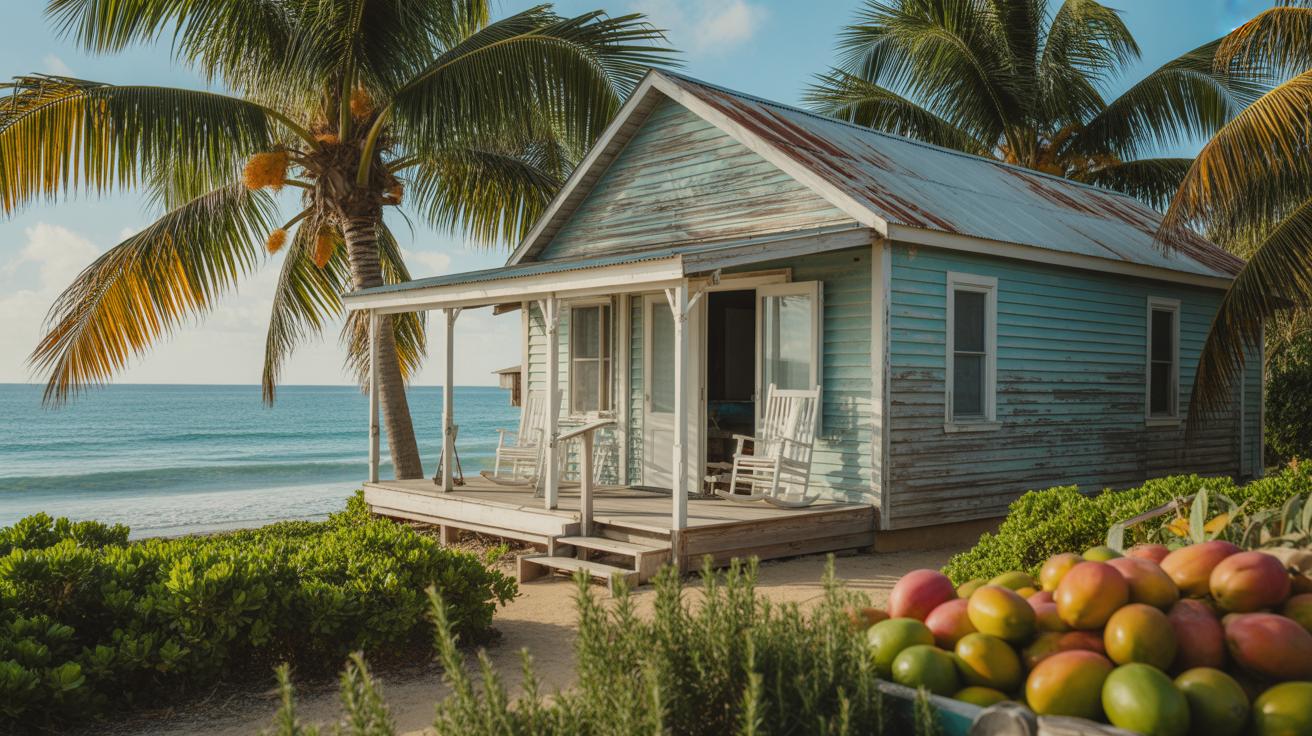
What It Really Costs to Own a Dream Beach House
Dream beach houses offer a unique lifestyle combining serene surroundings with access to healthy, fresh foods. If you love the ocean and want to lead a healthier lifestyle, owning a beach house may be appealing. But understanding the costs of buying and maintaining a beach house is important.
This article breaks down the expenses linked to dream beach houses for those who care about health and fresh food options. We examine factors that influence costs, how beach living supports wellness, and budget tips for health-conscious food lovers looking to own a beach home.
What Makes Beach Houses Costly

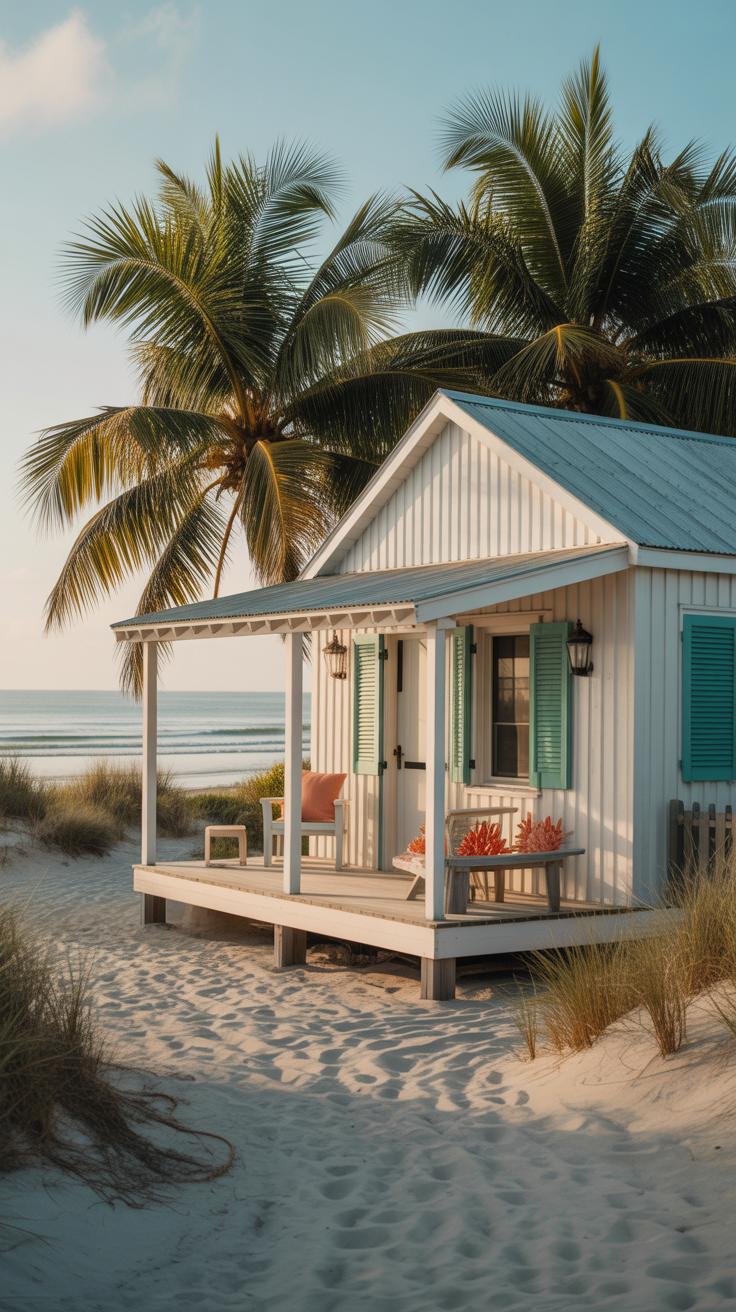
Beach houses often come with a higher price tag than inland homes, and it’s not just the view that drives up costs. Location plays a huge role—being right on the coast where space is limited pushes prices up sharply. If you think about it, there’s only so much shoreline, and many want a slice of that. Rarity alone makes beach properties more expensive, but there’s more beneath the surface.

Materials need to hold up better near the ocean. Salt air, humidity, and constant exposure to sun demand stronger, sometimes pricier, materials to avoid wear and tear. You might find yourself paying extra for things like corrosion-resistant metals or treated wood that lasts longer in this environment.
Foundations, too, are trickier near the coast. Sandy soil isn’t exactly the most stable base. Builders often must dig deeper or use piles driven into the ground, which adds complexity and costs. Sometimes the soil needs reinforcement or specialized drainage systems to fight erosion or flooding risks. It’s not just about putting a house on sand—the structure has to stand firm against shifting ground and ocean spray.
Are these costs worth it for a dream beach house? That might depend on your priorities. But it’s clear those extra factors—the location’s scarcity, special materials, and sturdy foundations—combine to create a price that’s often steep.
Comparing Beach House Costs by Region
When thinking about buying a beach house, the location can make a huge difference in your budget. The costs don’t just vary by how fancy the house is, but also by where it sits on the coast and what kind of upkeep it demands. For example, beach properties in the Northeast often come with a hefty price tag, especially around places like Cape Cod or the Hamptons. Winter storms and salt air mean you’ll spend more on maintenance — replacing siding or dealing with flooding isn’t uncommon.
Down South, maybe Florida or the Carolinas, homes can be more affordable upfront, but hurricane season adds a layer of uncertainty and unexpected expenses. On the West Coast, the Pacific Northwest is more affordable than California’s coastal enclaves but expect more rain and potential mold issues. California’s coast, especially around Malibu or Santa Barbara, pushes prices sky-high, where buying a modest home might be out of reach for many.
Internationally, prices swing even more. For instance, beachfront villas in Mexico or Costa Rica often cost less than comparable homes in Australia or the French Riviera, but different countries mean different taxes, ownership rules, and insurance considerations. It’s not just about the sticker price; ongoing costs can vary dramatically because of local weather, amenities, and legal fees.
What’s your tolerance for unexpected costs? And how much do you care about being in a certain spot? These questions shape what you might really pay in the end.
How Beach Living Supports Health
Living near the beach does more than offer scenic views; it can actually have a real impact on your physical and mental health. Some studies suggest that being close to saltwater environments can help reduce stress levels. And while the connection isn’t always straightforward, many people report feeling calmer and more relaxed when the ocean is nearby.
There’s something about the rhythm of the waves and the vast horizon that seems to encourage mindfulness. Your breathing slows down, your mind quiets, even if only temporarily. In practice, that might look like better sleep or less anxiety, but it varies from person to person.
Physical health can improve too, thanks to increased opportunities for outdoor activity. Whether it’s swimming, beach volleyball, or simply chasing kids around, living by the coast can encourage movement. It’s worth asking: do you find yourself naturally more active in that kind of setting?
Still, it’s not a universal fix. Some people might feel lonely or disconnected if they move somewhere unfamiliar despite the environment. So, the health benefits of beach living depend on individual habits and mindset as much as location itself.
Eating Fresh at Your Beach Home

The availability of fresh, healthy food near beach homes can vary quite a bit, depending on the location. Some areas boast daily fish markets where freshly caught seafood is just a short walk away. Other spots rely more on seasonal produce from local farms. It’s easy to find items like oysters, clams, or small fish varieties that are not only good for you but often cheaper because you’re buying directly from the source.
Local fruits and vegetables can also be surprisingly fresh, especially if you shop at farmer’s markets or small organic stands. Think tomatoes, leafy greens, citrus fruits, or berries that thrive in coastal climates. These choices bring vitamins and antioxidants to your plate without the long-distance shipping that increases cost and reduces freshness.
Local Seafood and Produce
Near the coast, you can usually count on access to:
- Wild-caught fish like snapper, grouper, or mackerel, rich in omega-3 fatty acids.
- Shellfish, often high in protein and minerals like zinc and iron.
- Fresh vegetables like kale, spinach, and peppers grown in nearby gardens or greenhouses.
- Seasonal fruits such as mangoes, figs, or pineapples that contribute dietary fiber and natural sugars.
Eating these foods regularly could support better heart health, lower inflammation, and improve energy levels. Yet sometimes, fresh seafood and specialty produce can push your food budget up, especially during off seasons or when supply tightens.
Budgeting for Healthy Groceries
Balancing cost and quality requires some planning. You might want to:
- Shop early in local markets to grab the freshest—and often more affordable—options before prices rise.
- Buy fish in bulk when possible, then freeze portions at home to cut down repeated trips.
- Grow simple herbs or greens at home if your property allows, cutting your reliance on pricier store items.
- Compare prices at different stores, including big supermarkets and smaller specialty markets, as costs can fluctuate widely.
- Use seasonal fruits and vegetables as your base rather than out-of-season imports; it’s nearly always cheaper.
Something I’ve found: sometimes the freshest options still feel a bit pricey, which can make you question if eating healthy near the beach really fits your budget. It’s a trade-off between convenience, quality, and cost that each person will weigh differently. But with a bit of effort, maintaining a fresh, health-conscious diet is possible without overspending. What’s your experience with sourcing fresh food near water?
Managing Utilities and Maintenance

Handling utilities in a beach house can be tricky. Expect your electric and water bills to be higher than those for a typical home. Salt air tends to make air conditioners work harder, pushing energy use up. Water costs can climb, too, especially if you irrigate landscaping exposed to dry, salty winds. I noticed my first summer there that my energy bill spiked despite careful thermostat use.
Maintenance isn’t just about fixing things that break. Routine tasks include cleaning outdoor surfaces to prevent corrosion, servicing HVAC units more frequently, and checking for mold caused by humidity. The salt speeds up rusting on metal fixtures and erodes paint, demanding fresh coats every couple of years.
Dealing with Saltwater Wear
Salt air is relentless. It seeps into wood, metal, and even window seals, causing visible wear and hidden damage. For example, I once ignored a rusty hinge only to find the whole door frame warping later. Protective finishes on wood, regular washing of exterior surfaces to rinse off salt deposits, and applying anti-corrosion sprays on metal parts help, though they can feel like never-ending chores.
Windows and doors need special attention. Salt can degrade the seals, letting moisture inside and inviting mould or rot. Keeping up with these repairs prevents more expensive damage but takes consistent effort. You might question if living by the sea is worth this constant battle.
Seasonal Maintenance Checklist
Breaking down the year, here’s a rough routine you might follow:
- Spring: Power wash siding and decks to remove salt buildup, inspect roofing, and reseal windows.
- Summer: Service HVAC, check plumbing for leaks caused by expansion, and clear gutters frequently.
- Fall: Bring in or cover outdoor furniture, check for pest infestations attracted by moisture, and touch up exterior paint.
- Winter: Run dehumidifiers if storms increase humidity, ensure heating systems work well, and watch for weather-related damage after storms.
This checklist might seem demanding, but it’s what keeps your beach house in shape—and somewhat reflective of the lifestyle trade-offs you make. Do you want the view enough to handle this upkeep?
Insurance and Safety Costs
Flood and Storm Insurance
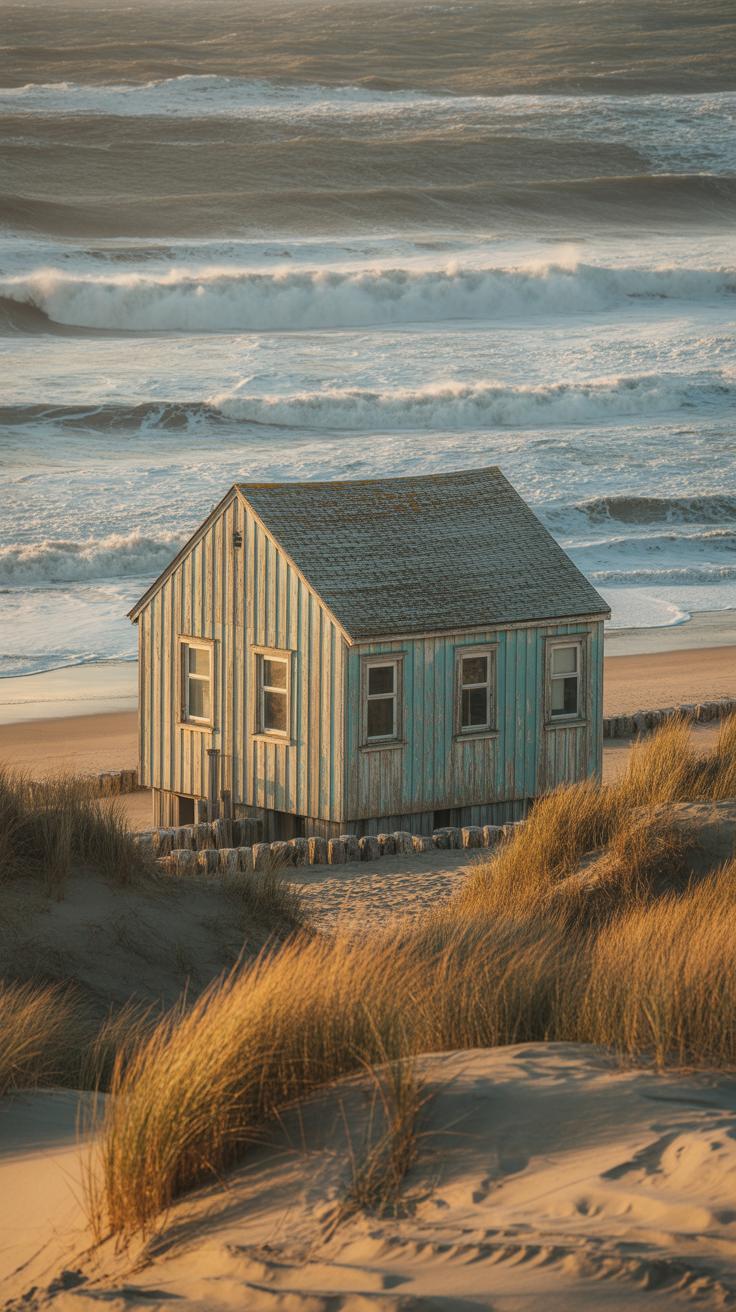
Living near the ocean means normal homeowner’s insurance often falls short. You’ll almost always need special flood and storm insurance. These policies specifically cover damage caused by rising water, storm surges, and hurricanes—risks that standard policies usually exclude. Depending on your location, flood insurance can add thousands to your annual premiums. It might feel like an extra burden, but without it, repairs after a storm could drain your savings in an instant.
Your insurer will likely require detailed property assessments before coverage. Sometimes, the risk level or previous claims history can make getting affordable insurance tricky. I remember hearing about a friend whose premium doubled after a major hurricane, even though the home wasn’t severely damaged. It brings up a question: how much are we willing to pay to feel protected?
Safety Upgrades for Coastal Homes
With the unpredictable weather and shifting sands, safety upgrades for beach houses are more than just aesthetics. Common improvements include:
- Elevating the structure on pilings or stilts to avoid flood damage and rising tides.
- Installing storm shutters or impact-resistant windows to prevent broken glass during strong winds.
- Using corrosion-resistant materials for decks, railings, and fasteners, since salt air accelerates wear.
- Reinforcing roofs and framing to withstand high winds—sometimes requiring costly construction methods.
- Setting up sump pumps or drainage systems to manage heavy rain and avoid water pooling around the foundation.
These upgrades don’t come cheap, and their necessity can vary depending on your exact location along the coast. Sometimes people debate just how much protection is enough. Do you go all in or settle on a few measures? I guess it boils down to balancing costs with peace of mind. At least, that’s what I’ve seen among several beach homeowners.
Case Study Beach House Budget
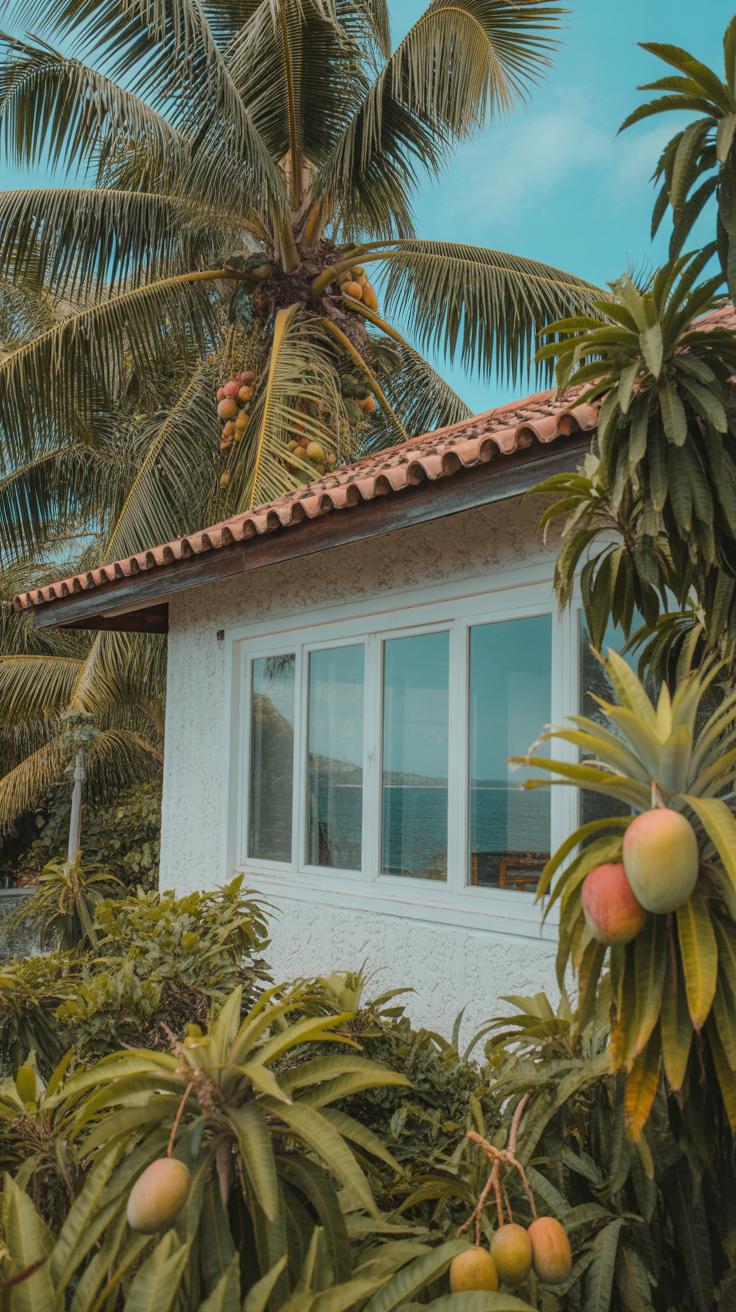
Imagine buying a small beach house priced at $350,000. Closing costs typically run about 3% of that price, so set aside roughly $10,500 for taxes, legal fees, and paperwork. Then there’s the question of immediate upgrades—suppose you want to replace old appliances, add better insulation, and repaint. Together, these might total around $15,000. So, your upfront expenses climb closer to $375,000.
Monthly expenses are a bit more predictable but still need careful thought. Utilities—electricity, water, and internet—might average $250 a month, though air conditioning in summer could spike that. Maintenance can vary; budgeting $150 monthly pads for landscaping and occasional minor repairs. Insurance, especially in a coastal zone, is about $125 each month. And food? For health and food lovers, stocking fresh, organic goods from nearby markets might add $400 monthly.
These numbers reflect a basic but realistic approach. You might stretch in some areas or save in others—there’s no perfect formula. But facing these costs upfront helps ground expectations before the dream becomes reality.
Planning Your Beach House Purchase
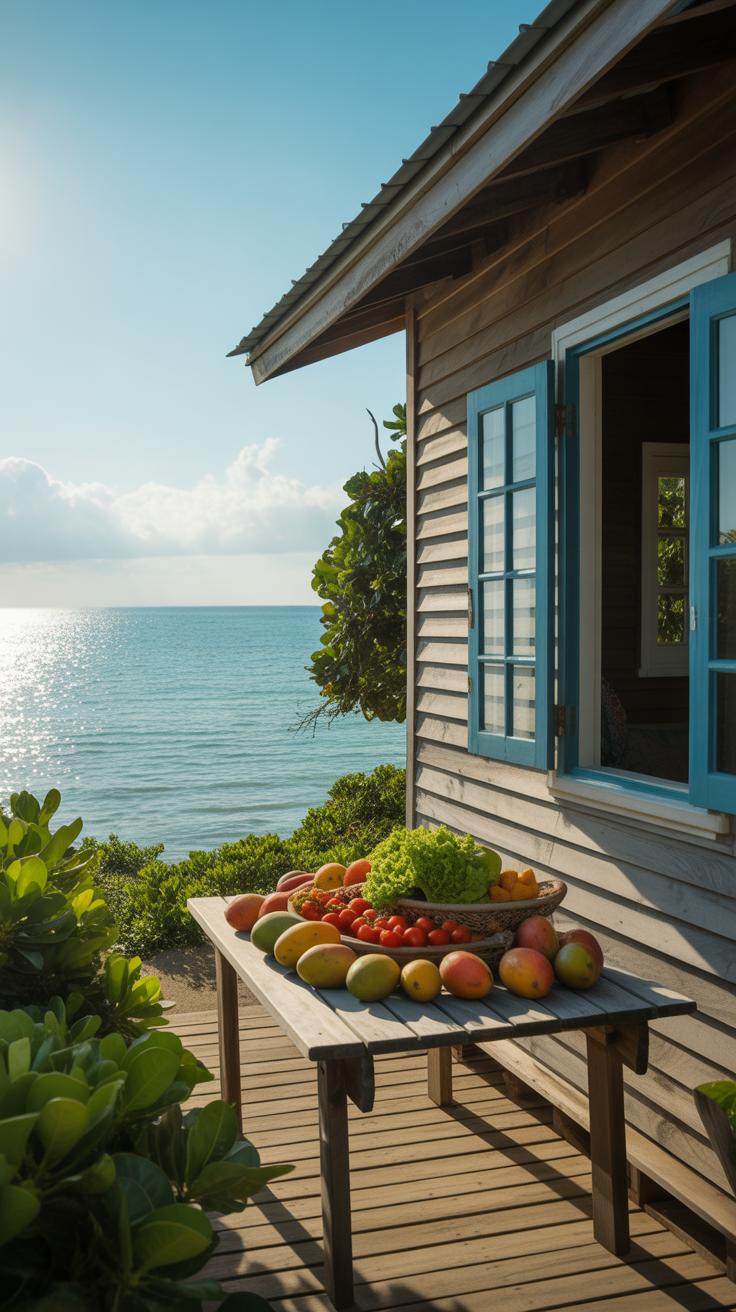
Buying a beach house isn’t just about picking the prettiest spot. You want a place that supports your lifestyle—especially if health and good food are priorities. Start by figuring out what really matters to you in a location. Is clean air a must? Or maybe access to fresh seafood markets, farmers’ markets, or places for outdoor activities? List these priorities before anything else. It helps to visit potential areas at different times of the year to get a real feel for the climate, crowds, and local food scene. Sometimes a quieter beach with fewer amenities feels healthier, but other times a livelier spot with more organic food options wins out.
Setting a budget often feels like a puzzle. The sticker price of the house isn’t the only thing. Remember to add taxes, insurance (which can be higher near water), maintenance, and maybe even community fees. Don’t forget costs for upgrades that support your health goals—like installing a kitchen suitable for meal prep or spaces for exercise. Tallies can get surprising fast. It’s useful to build a buffer, maybe 15-20% extra. That way, you’re less likely to get caught short and can focus on enjoying your dream home rather than stressing over unexpected expenses.
Tradeoffs in Beach House Features
Small vs Large Beach Houses
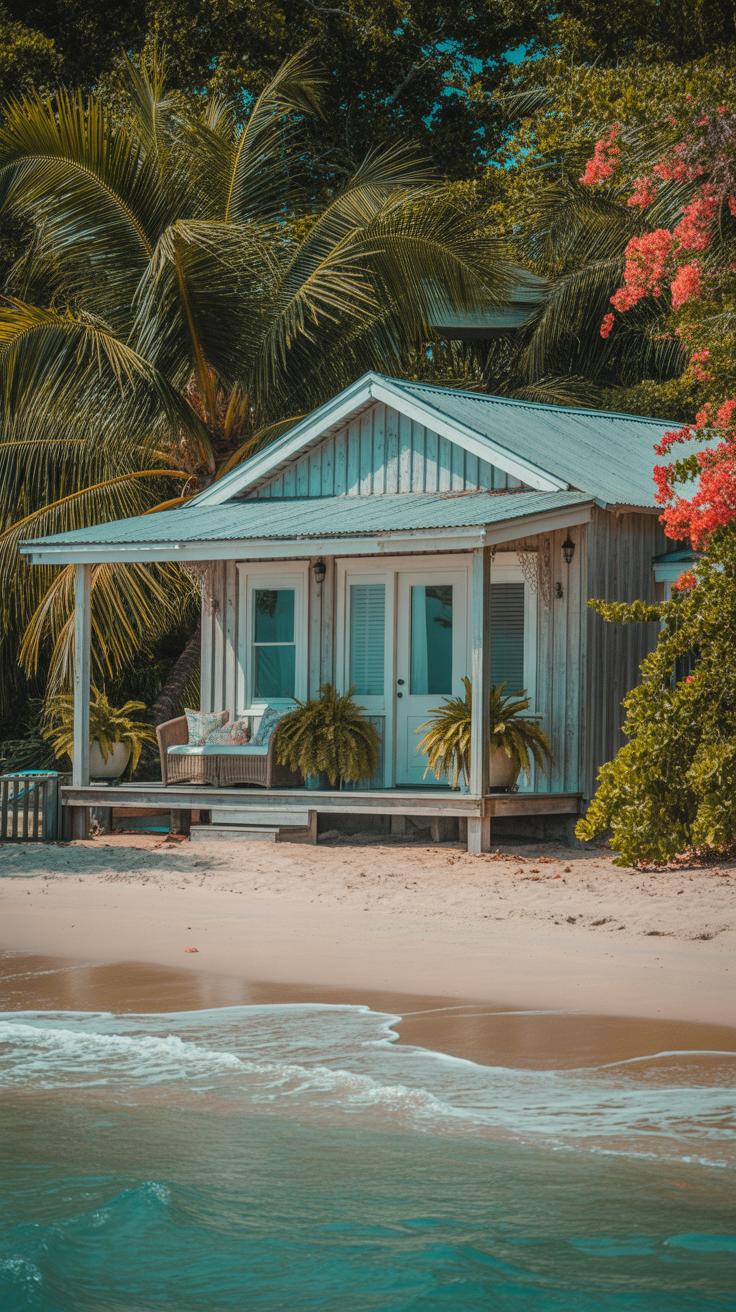
Choosing between a small and a large beach house means weighing quite a few trade-offs. Smaller homes usually cost less upfront and require less upkeep, which can be a big relief if you want to spend more time enjoying the beach than fixing things. But, smaller spaces might feel cramped, especially if you plan to invite family or friends often, or if you want extra room for hobbies or health routines.
Larger homes offer more comfort and flexibility but come with higher property taxes, insurance, and maintenance costs. You might need to hire help more often—lawn care, cleaning, repairs—which adds up. Also, bigger houses sometimes feel isolating in a way; you could lose some of that cozy, intimate connection with the beach environment simply because there’s more house to manage.
Consider your lifestyle carefully. If you value simplicity and low hassle, a small beach house can be freeing. But if you appreciate space to cook healthy meals for guests or want room for a dedicated yoga or meditation area, a larger place might fit you better.
Modern Amenities vs Natural Design
Deciding between modern amenities and natural or traditional design touches is another tough call. Modern beach houses often include smart technology, energy-efficient appliances, and contemporary materials that can reduce energy bills and improve comfort. These features might appeal if you’re health-conscious and want cleaner air quality or better water filtration systems.
On the other hand, homes designed with natural materials—think wood, stone, and open-air layouts—can promote a calmer, more grounded atmosphere. These tend to blend better with the environment, potentially improving mental well-being. Though, they may require more upkeep to withstand salt air and weather, and sometimes the initial costs are higher if you aim for genuine sustainability.
Is it better to have the convenience of gadgets or the gentle benefits of nature? Well, I guess that depends on what you prioritize: long-term health or short-term comfort. Both come with price tags and promises that might not always match reality.
Simple Tips to Cut Beach Living Costs
Energy Saving Measures
Living near the beach often means dealing with high electricity bills, especially if you want to keep the house cool or use water features. A few small changes can really help trim your monthly costs. For instance, switching to LED bulbs throughout the house drives down lighting expenses noticeably. You might also look into smart thermostats that learn your routine and adjust cooling or heating accordingly—sometimes it feels a bit like they know you better than you know yourself. Ceiling fans can reduce the need for air conditioning on milder days, and sealing any drafty windows can keep the temperature steady.
Energy-efficient appliances, though sometimes more expensive upfront, pay off over time. Maybe start with the ones you use daily, like your fridge or water heater. And if your budget allows, adding solar panels can offset your power use, but even just hanging laundry outside on sunny days cuts both electricity and environmental costs. Oddly, simple habits—turning off lights when you leave a room, unplugging unused devices—can stack up surprisingly well.
Buying Food Smartly
Food is a big part of enjoying beach life, but it can get pricey, especially when fresh seafood and produce are involved. Shopping with a plan helps. Try buying from local farmers’ markets or directly from fishmongers to get fresher items at lower prices. It’s tempting to overbuy because everything looks so good, but buying only what you need reduces waste and saves money.
Consider meal prepping to make sure nothing spoils while you’re out enjoying the beach. Freezing leftovers can make last-minute meals easier and cheaper. You might also explore community-supported agriculture programs or bulk buying deals for pantry staples. It feels better to know you’re not tossing perfectly good food. Sometimes, it’s worth adjusting your menus to the season’s bounty rather than chasing out-of-season items that cost more and lose quality.
Have you thought about growing your own herbs or small veggies? Even a windowsill garden can cut down on the grocery bill and add fresh flavor to your dishes.
Conclusions
Beach houses around ocean areas come with price differences based on location, construction needs, and upkeep. For health and food lovers, living near the beach can support an active lifestyle and access to fresh produce and seafood, though food costs may vary.
Planning carefully, understanding cost factors, and balancing lifestyle preferences can help you find a beach house that fits your budget and health goals. Dream beach houses can offer both expense and well-being benefits with the right choices.