
Staying Healthy and Fit at a Beach Resort
Taking a trip to a beach resort offers a perfect chance to relax and enjoy nature. But it also presents some unique challenges to staying healthy and fit. The temptation of rich foods, the lure of lounging in the sun, and a break from usual routines can lead to unhealthy habits.
This article provides a clear checklist to help you maintain your health goals while enjoying your beach vacation. We will cover what to eat, how to stay active, and ways to protect your well-being during your stay.
Food Choices to Support Fitness

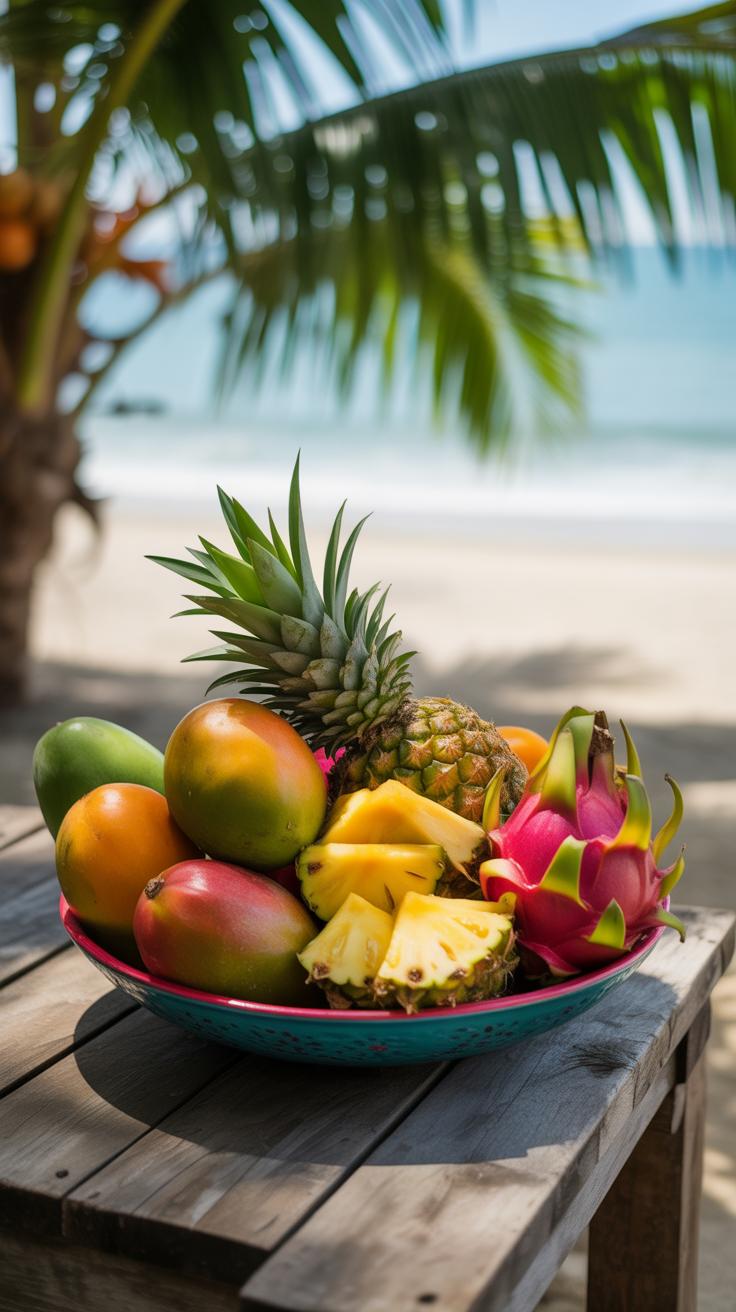
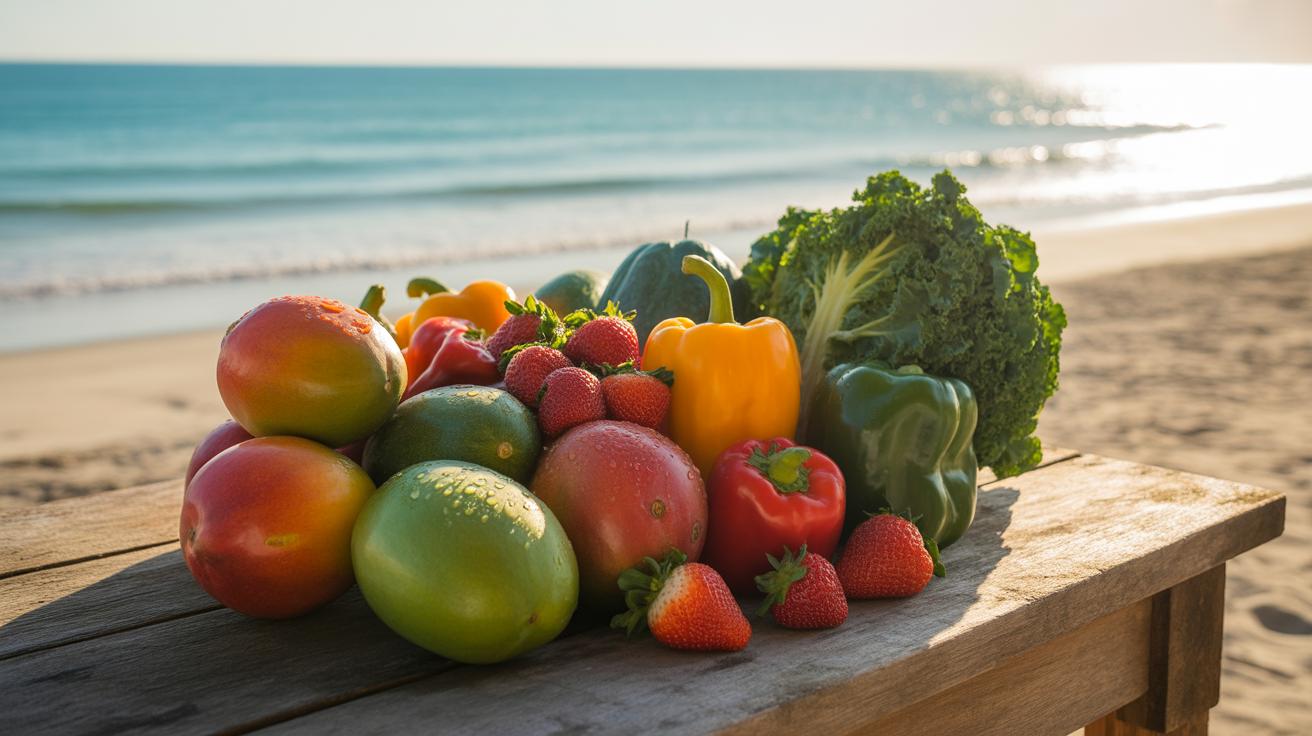
At a beach resort, the food around can be tempting—you’re on vacation after all—but making mindful choices really helps keep your fitness goals on track. Fresh, local foods often offer the best nutrition and energy. Think about picking up tropical fruits like mango, papaya, or pineapple. They’re sweet but packed with vitamins and hydration.

Vegetables, often overlooked at resorts, usually come in salads or side dishes. Grab leafy greens and colorful veggies whenever you can. They support recovery and keep your digestion smooth. And then there’s seafood—fish, shrimp, or shellfish freshly caught nearby. These are excellent sources of lean protein and healthy fats, perfect to rebuild muscles after a swim or beach run.
Portion control is tricky on vacation. Maybe try smaller plates or share dishes. That way, you taste everything without overeating. Also, hydration doesn’t just mean gulping water—coconut water or herbal teas (without sugar) can keep you hydrated and add some nutrients.
Best Local Foods for Your Body
Fresh fruit is everywhere—often sweeter and riper than back home. Bananas, guava, and star fruit provide quick carbs and potassium for energy. You might find grilled fish or ceviche on menus, which are low in fat but rich in protein.
Don’t forget local vegetables like tomatoes, cucumbers, and peppers. Often served raw, they deliver crunch and vitamins without extra calories. If grilled or lightly sautéed, they balance meals nicely.
Seafood stands out because it’s usually caught the same day and prepared simply. It’s easier to digest and helps with muscle recovery, especially if you’ve been active on the sand all day.
Foods and Drinks to Limit
Fried foods are almost everywhere—french fries, battered fish, fried snacks. They might taste great, but often drain your energy and slow recovery. It’s tempting to indulge, but maybe pick just one treat rather than a full meal.
Sugary drinks like cocktails, sodas, or sweetened juices can add a lot of empty calories. They don’t hydrate well, especially in the heat. Alcohol is another double-edged sword; a glass or two might feel relaxing, but excess can interfere with your sleep and hydration, which are both crucial for staying fit.
Sometimes, it’s hard not to overeat at buffets or all-inclusive resorts. It’s easy to forget your portions when everything looks so good. Try to listen to your hunger and fullness cues instead of second or third helpings just because the food is there. It’s not always easy, but your body will thank you.
Simple Beach Workouts to Try
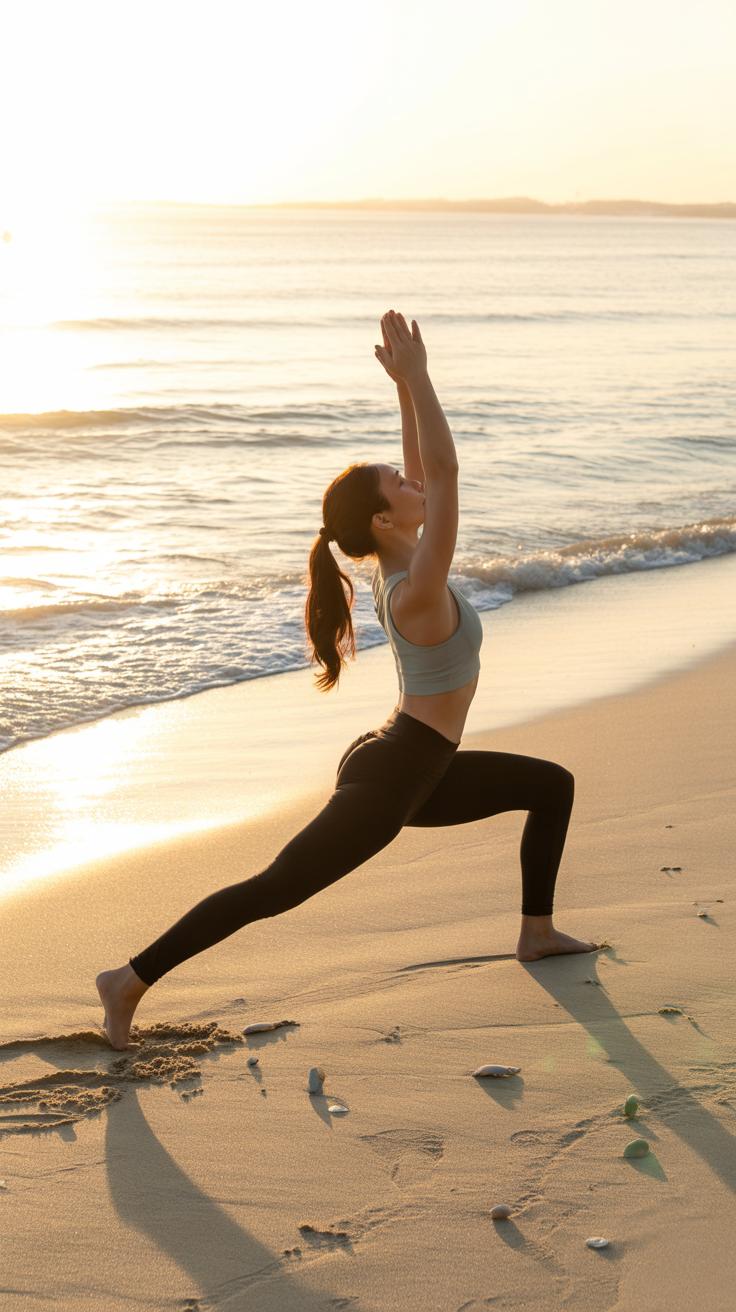
Staying active at a beach resort doesn’t have to be complicated. Walking along the shoreline is one of the easiest ways to keep moving. The uneven sand makes each step a bit more challenging, which helps engage your muscles more than walking on pavement. You might find yourself walking longer than planned just because it feels good to be near the water.
Swimming is another beach classic. It’s low-impact and works your whole body without putting stress on your joints. Even casual laps or gentle treading can raise your heart rate and improve muscle tone. If you’re not a strong swimmer, simply wading or floating can still engage muscles effectively.
Bodyweight exercises on the sand add an interesting twist to your routine. Squats, lunges, and planks are harder when your feet sink slightly with each move. This natural resistance pushes your muscles to work just a bit harder than usual. Try a few rounds of these, mixing in balance challenges for fun. You might be surprised at how much effort it takes, even for simple moves.
Overall, the beach offers a natural gym if you’re willing to try some easy workouts. Sometimes, just a short workout feels better than none at all, especially when the ocean breeze is there for motivation.
Sun Protection Strategies
Spending time at the beach is great, but the sun can be relentless. Protecting your skin from UV rays takes more than just slathering on sunscreen once. You’ll want a plan that covers sunscreen use, clothing, and even when you decide to be outside.
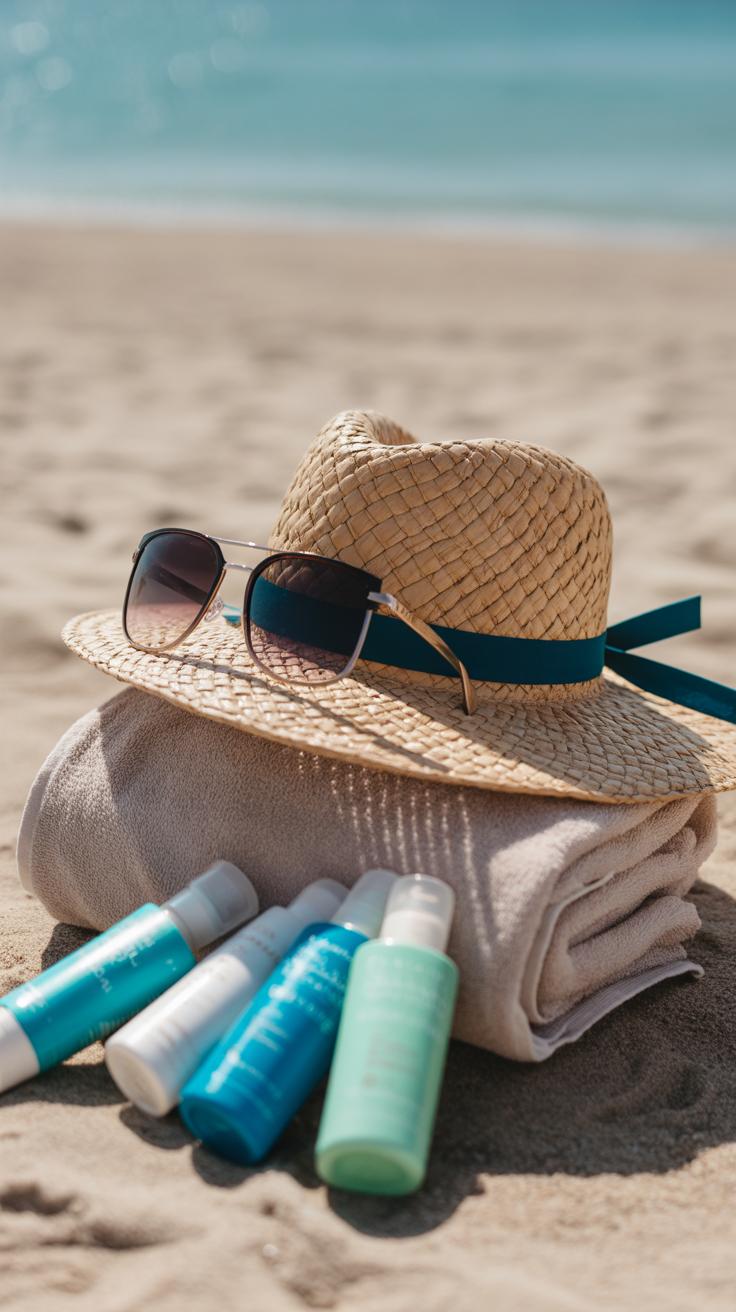
For sunscreen, look for a broad-spectrum type with at least SPF 30. That’s usually enough for most people, but if you have very fair skin or will be out all day, SPF 50 might be better. Don’t just apply it once before heading out. Reapply every two hours—more frequently if you’re swimming or sweating. Those missed spots like ears and the back of the neck tend to burn first, so give those areas attention.
Clothing also plays a big role. Hats with wide brims can shield your face and neck, but not all hats are created equal; flimsy baseball caps leave your ears exposed. Sunglasses with UV protection protect your eyes and the sensitive skin around them. Some resorts even offer UV-protective shirts that feel light but block rays—handy when you want to stay active without overheating.
Also think about timing. The sun’s rays peak roughly between 10 a.m. and 4 p.m. If you can, schedule outdoor activities either earlier or later in the day. This isn’t always easy, obviously, but even a short break indoors during peak hours can help reduce cumulative sun damage.
It can be tricky to get the balance right—you want the sun for vitamin D and that beach glow, but not the burn or worse. Balancing these steps makes that a little easier, doesn’t it?
Hydration Practices by the Sea
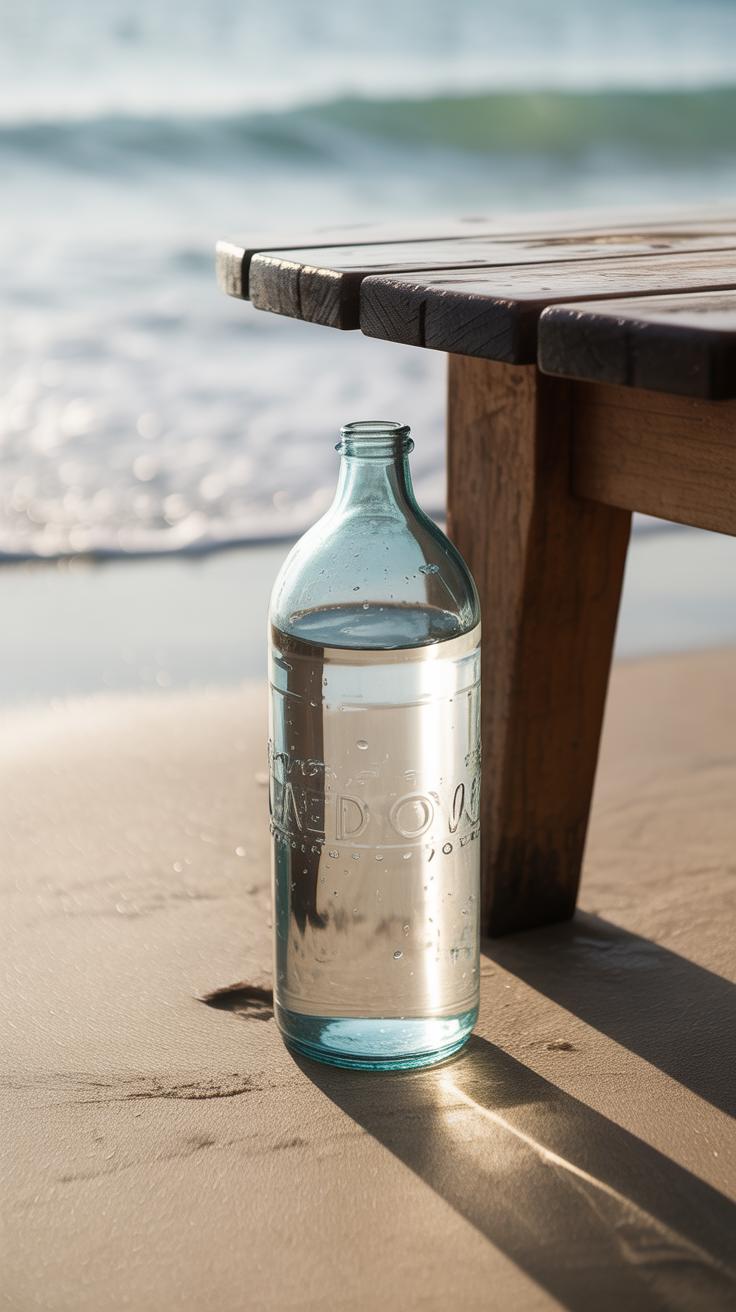
Staying hydrated at a beach resort is more than just quenching your thirst. The salty air, sun exposure, and physical activity can all speed up fluid loss without you realizing it. You might feel fine one moment and sluggish the next. Dehydration shows up as dry mouth, headaches, dizziness, or dark urine. Sometimes, these signs creep in gradually, so keep an eye on how you feel—not just during activity but even while lounging.
Water is still your best friend here, but quantity matters. When the sun is strong and the heat lingers, you’ll want to sip steadily throughout the day, not gulp all at once. A rough guide is about 3 to 4 liters daily, though if you’re swimming, jogging, or cycling, you’ll need more.
How Much Water to Drink Daily
Warm climates push your body to work harder at cooling down, sweating more to regulate temperature. This sweat means lost fluids—and vital minerals. So, aiming for roughly 12 to 16 cups (about 3 to 4 liters) of water daily seems sensible for most people at the beach. If you’re active, consider upping it by a couple of cups per hour of exertion.
Your body may demand even more, especially if you’re under the midday sun or engaging in sports. Drink little and often rather than waiting to feel thirsty, since thirst often lags behind true dehydration. If tracking exactly feels too much, simply make water your constant companion—carry a bottle, and refill regularly.
Hydrating Alternatives to Water
Plain water works, but it’s not the only option. Sometimes, you want a little flavor or some electrolyte support, especially after sweating. Coconut water offers natural electrolytes like potassium and magnesium, gently replenishing what your body loses.
Homemade fruit juices diluted with water can also help. Think orange or watermelon juice mixed with a splash of water for hydration plus vitamins. Store-bought options often come with added sugars, so homemade versions are usually better.
You might find yourself reaching for a sports drink at times, but if you’re walking or swimming casually, simpler options often meet your needs just fine. What’s your go-to? Have you noticed any drinks that keep you feeling more refreshed on the beach?
Rest and Sleep Tips on Vacation

Vacation routines rarely stick to usual patterns. The thrill of a beach resort can disrupt your sleep without you even noticing it at first. Still, good rest isn’t impossible; it just takes a bit more effort. One useful approach I’ve found is to focus on sleep hygiene—things like winding down before bed and avoiding screens or heavy meals too close to bedtime. These small habits help signal to your body that it’s time to sleep, even if the environment feels unfamiliar.
Naps can play a surprising role too. After a swim or a long walk along the shore, a short nap—say 20 to 30 minutes—can refresh your mind and body. But watch out; if you nap too late in the afternoon, it might keep you awake later. Finding that sweet spot is tricky, and your schedule might shuffle around a bit, but naps can be your secret weapon against exhaustion.
Setting a Sleep-Friendly Environment
The noises of waves are wonderful, but resort sounds—people chatting late, sliding doors, or early housekeeping—may not be so relaxing. To tackle this, consider earplugs or a white noise app if you’re sensitive to sound. Light, too, changes with unfamiliar rooms. Closing curtains or using an eye mask can block out early morning sun or resort lighting.
Temperature matters more than we remember. Rooms that feel chilly or stuffy often disturb sleep without obvious signs. Keeping the fan on or adjusting the air conditioning slightly can make a big difference. I once had a room where the AC was too cold and couldn’t figure out why I kept waking up cold. A quick tweak solved that completely.
Balancing Activity and Rest
Your energy levels depend on how you arrange activity and downtime. It can be tempting to pack every moment with exploring or sports, but your body needs recovery too. I recommend scheduling intense activities earlier in the day, leaving late afternoon or early evening for lighter, relaxing pursuits or a brief rest. This helps avoid the overtired slump many face on day two or three at a resort.
Listen to your body; if you feel drained, a rest break will pay off more than pushing through. Even stretching or slow beach walks counts as active rest. Sometimes, slowing down doesn’t mean losing out—it often means you’ll enjoy the next adventure more.
Planning Your Daily Schedule
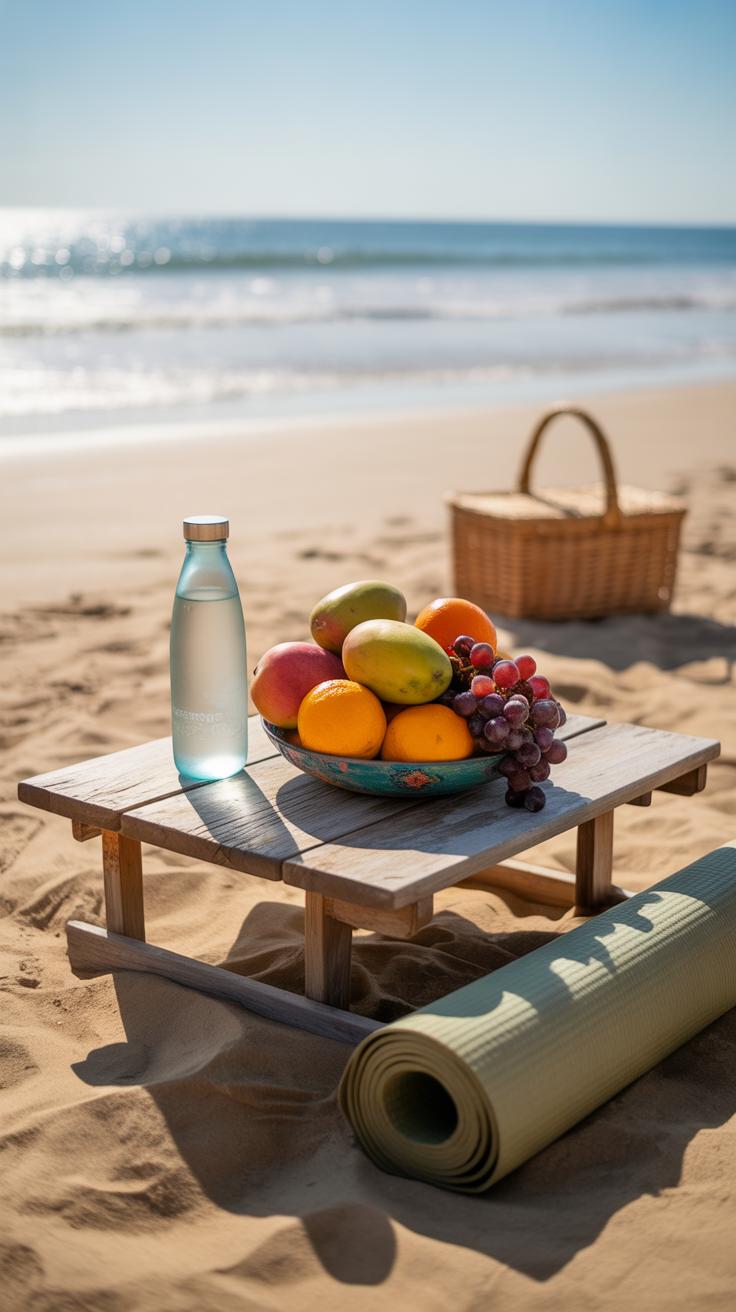
When you’re at a beach resort, your day can easily drift between too much lounging and a lack of structure that leads to skipping meals or workouts. It’s tempting to just go with the flow, but a loose plan helps keep things balanced. Think about fitting in moments for relaxation, nourishing meals, exercise, and constant hydration. Setting simple reminders or making a checklist can make a surprising difference. For instance, a phone alarm for water breaks that buzzes every hour might feel odd at first but can prevent dehydration without harsh self-policing.
Try laying out a rough daily timetable. Maybe start with a light walk or swim early in the morning when the sun is not too strong. Follow it with a healthy breakfast, then some relaxed beach reading or meditation before lunch. Afternoon could be great for a gentle yoga session or stretching. Don’t forget to slot in downtime. The body and mind need that.
But days won’t always cooperate. If rain appears, swap outdoor workouts for indoor stretching or a fitness class at the resort gym. When it’s blazing hot, avoid midday exercise and instead opt for early morning or late evening activity, and rest under shade during peak sun hours. Flexibility in your schedule is almost as important as the plan itself. It keeps you moving without making you feel trapped.
Avoiding Common Health Pitfalls
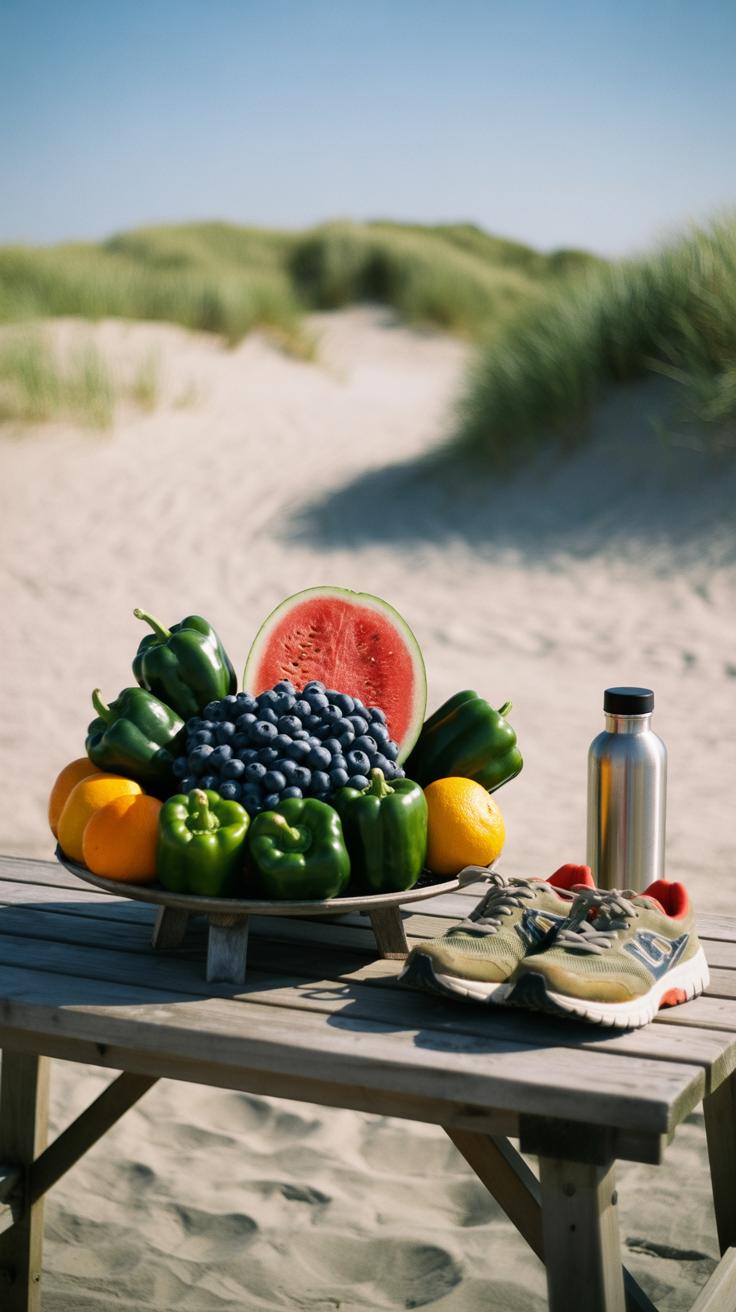
Beach resorts can be a tricky place to maintain good health, mostly because they invite relaxation and indulgence. People often let their guards down, thinking, “Well, I’m on vacation. I’ll worry about my health later.” But some common mistakes can sneak in and cause issues that might spoil your trip.
Managing Overeating and Indulgence
The food at beach resorts tends to be rich, tempting, and easy to overconsume. It’s perfectly fine to enjoy treats, but many visitors slide into overeating without realizing it. You might think, “I’ll have just one more dessert,” only to find yourself feeling sluggish before sunset.
Try these to keep things in check:
- Set small limits before you start—decide how many treats you want rather than deciding in the moment.
- Balance indulgent choices with lighter, fresh options like fruit or salads.
- Eat slowly. It sounds basic, but it helps you notice when you’re full.
- Don’t mindlessly snack by the pool; it’s easy to lose track of how much you’ve eaten.
It’s tricky, though, because vacations are also about enjoyment. So, yes, savor that ice cream—but maybe don’t make it every single day. Your body will thank you later.
Avoiding Dehydration and Heat Issues
Heat and hydration are often underestimated. You might feel fine, but subtle dehydration can creep up without clear symptoms at first. Signs like dizziness, fatigue, or headaches are red flags. Sometimes people blame jet lag or seasickness, missing the real cause.
Try to:
- Drink water regularly, not just when you’re thirsty.
- Wear lightweight clothing and a hat to protect from direct sun.
- Limit intense activity during peak afternoon heat.
- Recognize when you need shade or a break. Pushing yourself can lead to heat exhaustion, which feels like confusion, nausea, or rapid pulse.
It’s easy to forget how strong tropical sun can be. Your skin might not burn immediately, but heat stress can still set in. Listen to your body—even if that means missing a beach run or stroll. Sometimes, rest is the best option.
Examples of Active Beach Resort Days
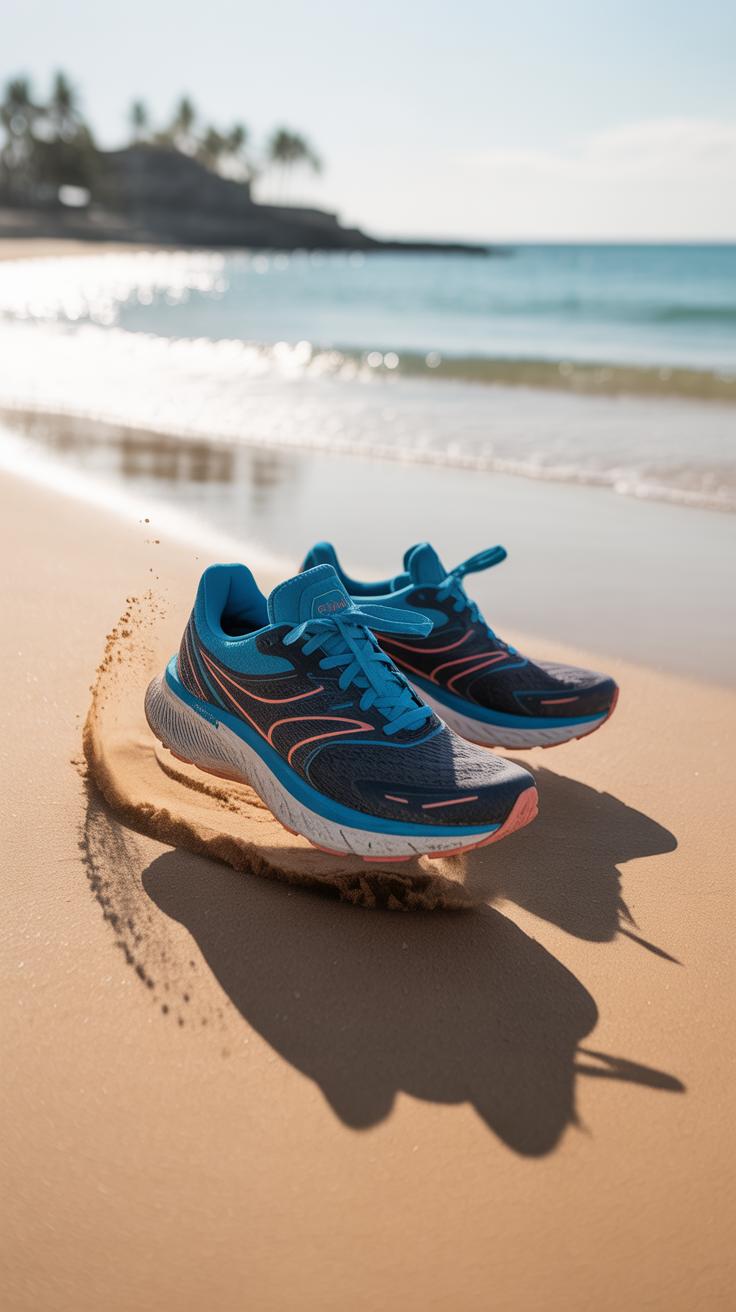
Beach Morning Routine Example
You might find that mornings at the beach set a nice tone for the whole day. Start with a breakfast full of fresh fruit—think pineapple, berries, maybe some yogurt or oatmeal if you want a little more staying power. It’s easy to overlook how much hydration matters first thing. A glass of water with a slice of lemon or a splash of coconut water can feel surprisingly refreshing and sets you up to stay hydrated.
Next, a light workout could be just the right move—something like a quick 20-minute walk or jog along the shoreline, or some sun salutations and stretching right on the sand. It’s gentle but wakes you up and gets your circulation going. If you’re feeling a bit more ambitious, a few bodyweight exercises can fit in nicely without too much fuss, maybe some squats or push-ups with the ocean view.
This approach feels doable without pushing too hard early on. Your body might thank you later, or at least you won’t start the day feeling sluggish.
Evening Activities for Fitness
When the sun dips lower, your body might not crave heavy exercise, but some gentle movement can keep you feeling good. Think about a slow-paced swim or a relaxed walk on the beach, noticing the changing colors of the sky. If swimming isn’t your thing in the evening, soft stretching or yoga helps unwind tight muscles, and it doesn’t take long.
For dinner, choosing meals that aren’t too heavy but still nourishing can be tricky. You could try grilled fish or chicken with a side of steamed vegetables or a mixed salad. Maybe a small portion of quinoa or brown rice if you want some extra energy without feeling weighed down. Simple, clean dishes often work best here—no need to overcomplicate.
This blend of mild exercise followed by a light but satisfying meal can help you sleep better. It’s subtle and effective—sometimes less really is more when winding down at the beach.
Conclusions
Staying healthy at a beach resort involves making smart choices about food, activity, and rest. By following the practical advice in this article, you can enjoy your vacation without compromising your fitness. Simple steps like planning meals, fitting in short exercises, and protecting your skin make a big difference.
Your beach resort stay can leave you refreshed and physically well-prepared to return home. Use this checklist to balance relaxation with healthy habits and make the most of your time by the sea.