
Beach Bonfire Safety Tips and Snack Ideas
Beach bonfires offer a great way to enjoy time outdoors with friends and family. They combine warmth, light, and a fun atmosphere, making any night by the shore memorable. To have a successful beach bonfire, it’s important to follow key safety rules and prepare some delicious snacks.
In this article, you will find practical tips on how to keep your beach bonfire safe and enjoyable. Also, discover snack ideas that add flavor and fun to your perfect night out. Whether you are a beginner or experienced, these tips will make your beach bonfire night both safe and tasty.
Picking a Safe Location for Your Bonfire

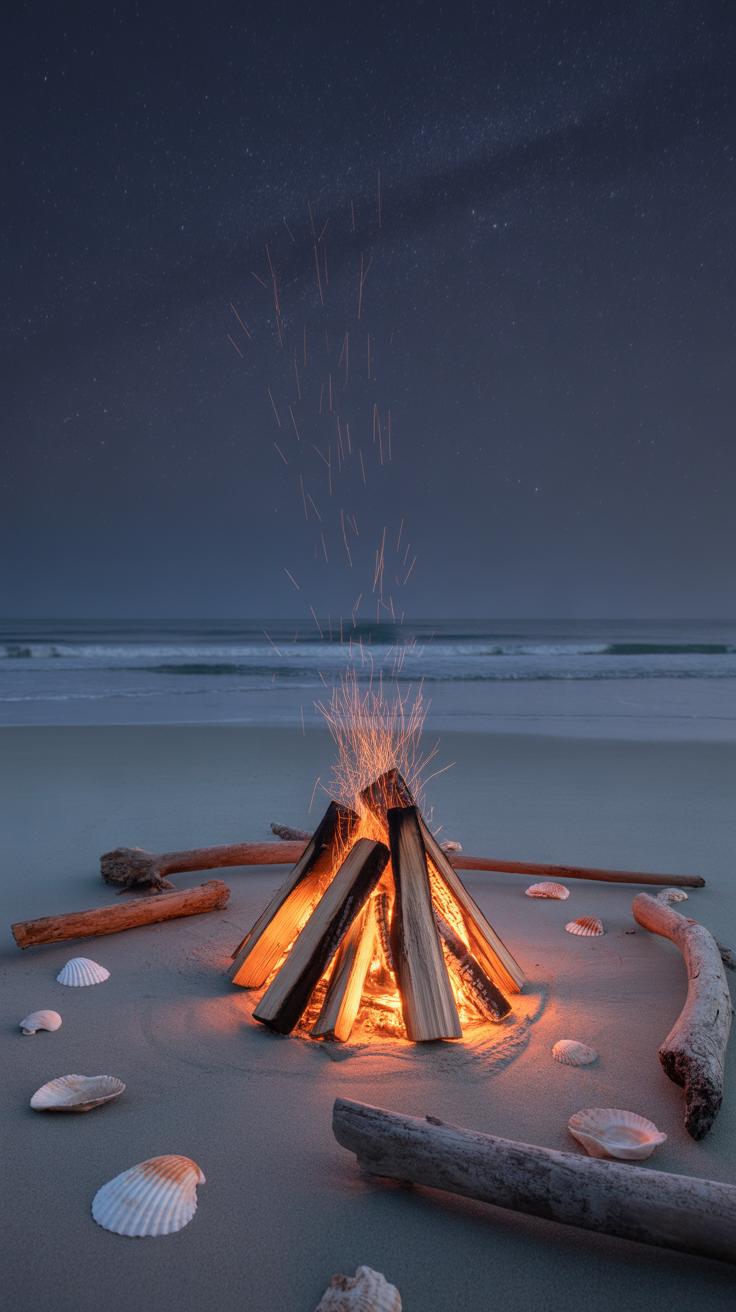
Finding the right spot for your beach bonfire isn’t just about convenience or the view—it’s about safety and respecting the environment. You’ll want to pick an area that’s far enough from any buildings, tents, or other structures. I usually aim for at least 50 feet away, but this can depend on local rules and the beach layout.

Keep your distance from dry vegetation or driftwood piles that could catch fire easily. Sometimes, it’s tempting to build close to a tree line for some wind protection, but that might increase the risk more than you expect. It’s a bit of a balancing act.
One thing I often overlook before is checking if bonfires are actually allowed at the spot. Some beaches have designated fire rings or specific zones, and ignoring that can mean trouble—not just fines but real danger to the area and yourself. A quick call to the local beach authority can save a lot of hassle later.
Checking Local Bonfire Regulations
Every beach tends to have its own set of rules—and they can vary way more than you think. Some places require permits even for small fires, others don’t allow fires during certain months or specific wind conditions. I remember showing up once without a permit, thinking it was a casual beach night, only to be asked to put the fire out. That was frustrating.
Before you pack your wood and marshmallows, try to find out exactly what’s allowed. You can usually contact the city parks department, the local fire station, or a beach management office. They often have clear guidelines on permits, banned materials, and times when fires are prohibited.
Not all the information is easy to find online. Sometimes, you have to dig through a few websites or leave a voicemail. But it’s worth the effort. Following the rules doesn’t just keep you safe; it keeps the beach open for everyone else, too.
Selecting a Fire-resistant Surface
The surface you build your fire on can make a big difference. Sand is generally the safest choice—especially wet or packed sand, which helps stop flames from spreading. Loose, dry sand might look inviting but can shift unexpectedly, causing logs to roll.
Avoid grassy dunes or areas with lots of dry leaves, no matter how flat they seem. Those surfaces can quickly turn a small fire into a bigger problem. I once saw a fire spread faster than anyone expected because the bonfire was set too close to some underbrush hidden under the sand.
Some beaches have rocky patches. Building a fire on flat stones or shell beds can help contain the heat, but be mindful—hot rocks might cause burns if you’re not careful.
Think about wind direction too—too much wind on an open surface can blow sparks farther than you’d expect, so it’s wise to choose a somewhat sheltered spot or have a windbreak nearby.
Setting Up Your Bonfire Safely
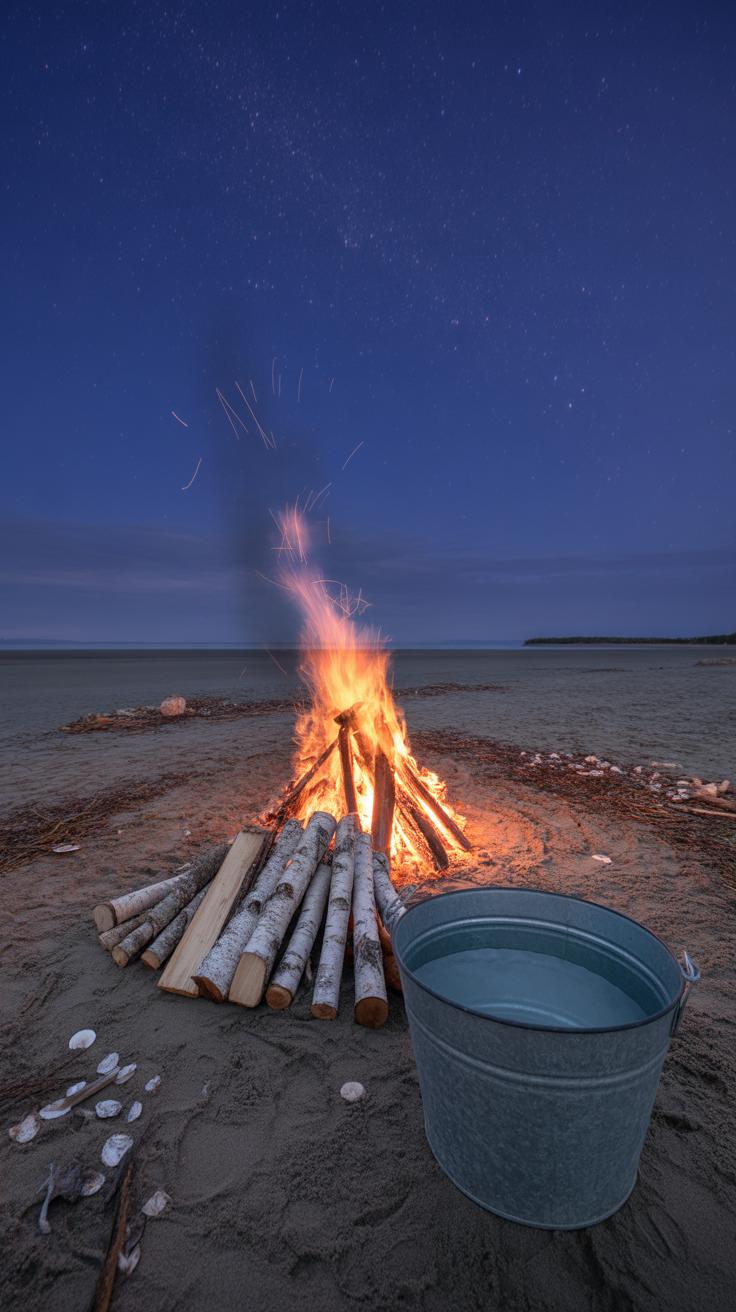
Building a bonfire on the beach isn’t just about stacking wood and lighting a match. It’s about taking certain steps to keep things controlled and safe—both for you and the environment around you. First, find a spot away from tall grasses, tents, and anything flammable. Then, dig a shallow pit, maybe six to eight inches deep, to help contain the fire.
Materials Needed to Build a Fire Pit
To keep your bonfire neat and prevent sparks from bouncing around, you’ll want to create a sturdy boundary. Stones, preferably rounded and dry, work well for this. Arrange them in a circle about two to three feet in diameter. If stones aren’t available, a metal container designed for outdoor fires can also serve this purpose. The key aim here is to stop the fire from spreading. Using driftwood or seaweed directly in the fire isn’t safe, so stick with regular firewood inside your pit.
Arranging Firewood for Controlled Burning
Stacking wood isn’t just about packing it tight; it’s almost an art of slow and steady burning. Start with small twigs or kindling in the center, loosely piled so air flows between them, which helps the fire catch quickly. Then, lean larger pieces around this core, creating a sort of teepee shape. This arrangement allows you to manage the flame’s size and burn rate better.
Don’t pile up wood too densely. If it’s too compact, the fire may smother itself. On the other hand, spreading logs too far apart wastes heat and can be tricky to keep alight. Watching how your fire breathes and adjusting the wood can make a big difference—at least, that’s what I’ve found after a few trial runs on breezy beach nights.
Speaking of breezes, pay attention to wind direction before lighting up. You want smoke blowing away from your group, tents, or nearby public areas. If it’s too gusty, building a fire might not be the best idea since sparks can easily escape. A calm, steady breeze usually helps keep the fire steady, but you may need to reposition logs or shield the pit a bit.
Bonfire Safety Checklist Before Lighting
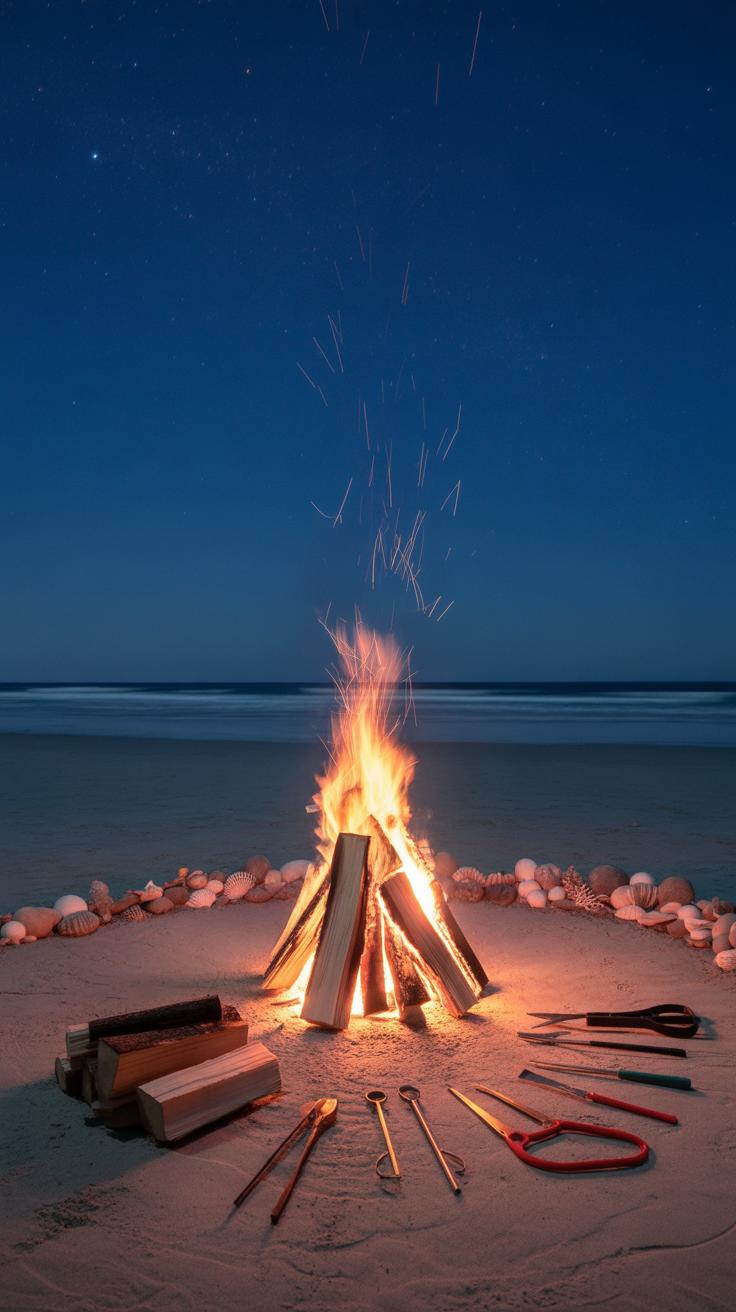
Before you even think about striking a match, there are several things to double-check to keep everyone safe. First, take a moment to look up at the sky and feel the breeze. Is the wind strong or switching directions? A calm or light breeze is usually safe, but gusty conditions can send sparks flying unpredictably. If the wind’s picking up or the sky looks ominous, maybe hold off. I’ve learned this the hard way during a beach night once when a sudden gust nearly sent embers into dry grass nearby.
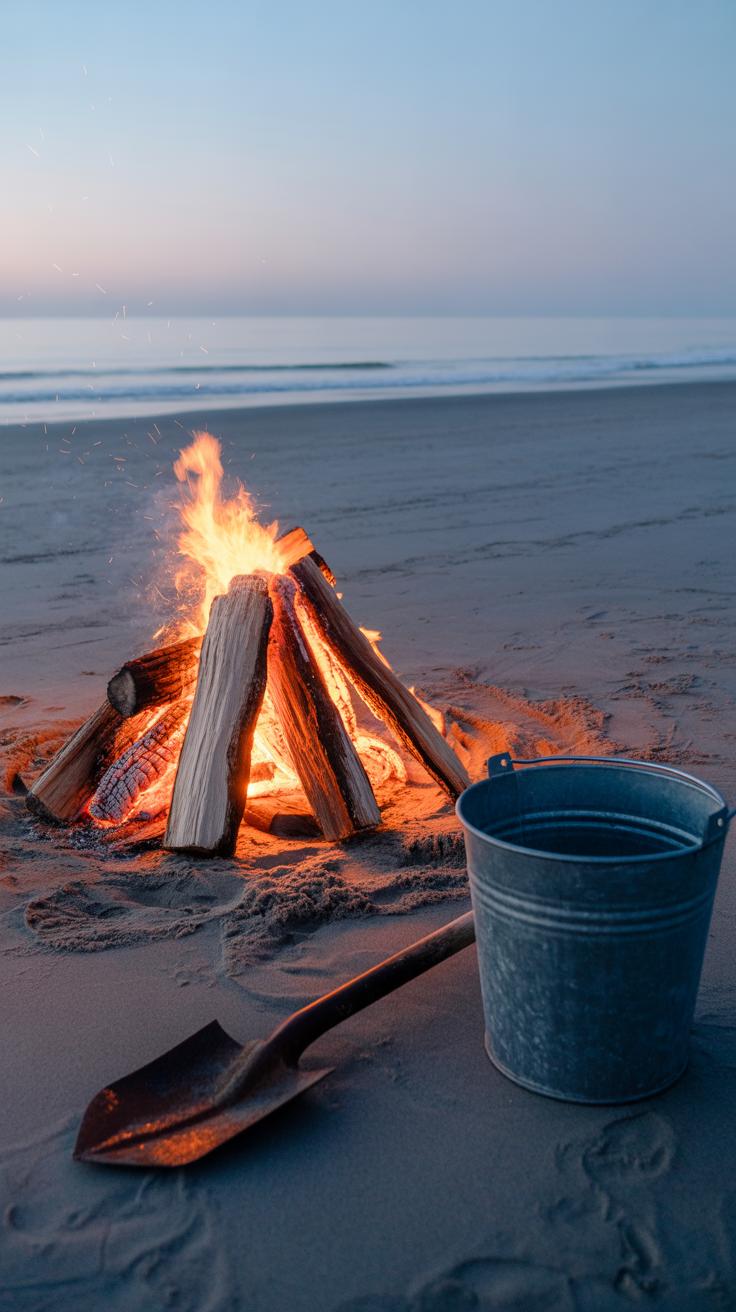
Next, make sure you have enough water within arm’s reach. Buckets filled with water, or even sand, can help control or douse the fire fast if needed. Don’t just rely on your phone’s location to call for help—that might not be quick enough. Grab a shovel too, for moving hot embers or covering the fire when it’s time to extinguish.
Finally, a fire extinguisher isn’t just for homes—it’s handy on the beach as well. Even if you’re confident, having one nearby provides peace of mind. Think about all this as your safety toolkit. It might feel like overplanning, but fires on the beach can grow much faster than you expect. So, checklist in hand: weather calm, water ready, tools gathered—then, and only then, light up.
How to Keep Your Bonfire Under Control
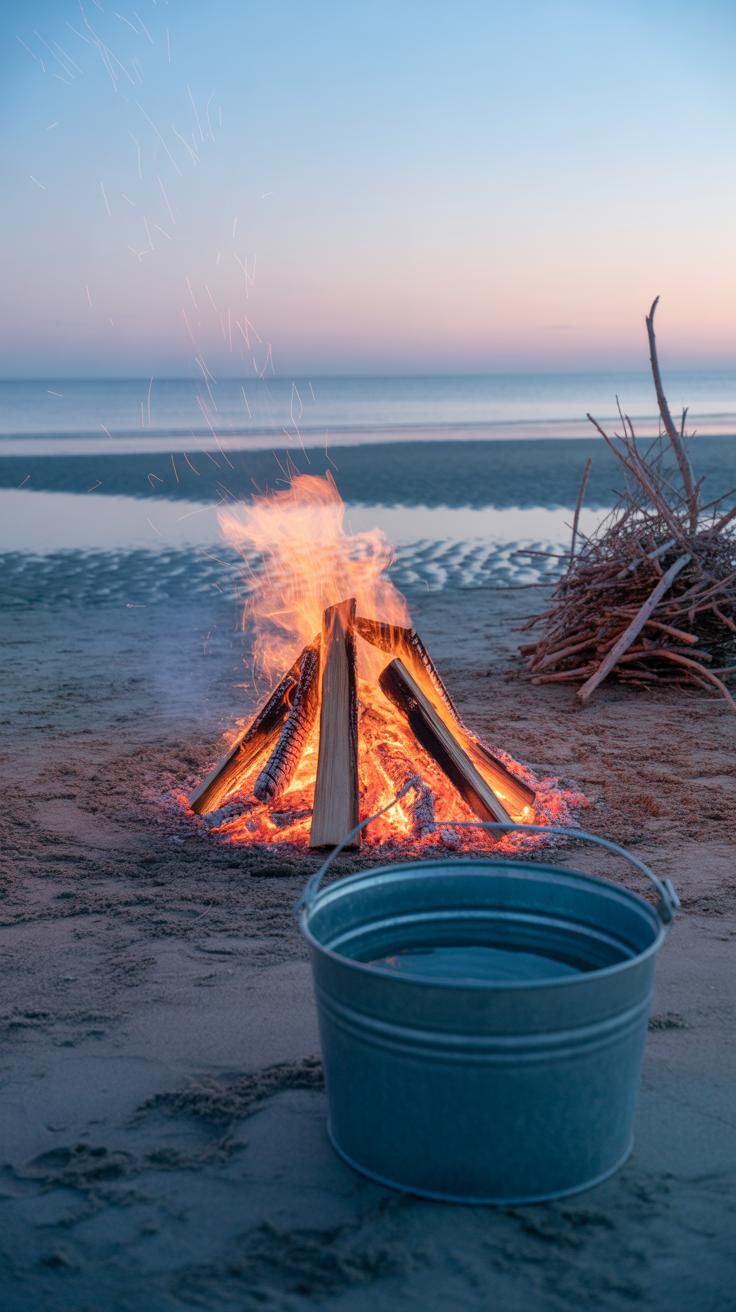
Keeping your bonfire manageable is really about paying close attention to its size and flames. I find that the biggest mistake folks make is just piling on too much wood at once. If you keep the firewood limited, say, a few manageable logs at a time, the flames stay smaller and easier to control. It’s tempting to keep feeding the fire, especially when it’s cold, but that can make the flames jump up unpredictably.
Keep an eye on the height of the flames. If they start getting high—like more than two or three feet—it’s a sign to hold back on adding more wood. Flames that tall are harder to predict, and sparks might blow farther than you’d like. Sometimes, the wind picks up just a bit, and suddenly those sparks could spread beyond your fire pit boundary. Staying alert to these changes really helps.
You should also be really careful about what goes into the fire. Burning plastics, wrappers, or anything synthetic might seem harmless, but it releases toxic fumes that aren’t good for your health or the environment. I’ve seen people toss in trash, thinking it’ll burn away clean, but the smoke smells awful and can leave the air heavy. Stick to natural wood and approved fire-safe materials only. It protects not just you but others sharing the beach.
Control comes down to small steps: limit wood, watch the flames, avoid dangerous stuff. If you do that, your bonfire stays cozy rather than chaotic. At least, that’s my experience when trying to keep things from getting out of hand.
Steps to Extinguish Bonfire Thoroughly
Using Water to Douse the Fire
When it’s time to put out your bonfire, don’t rush. Grab a bucket or two of water—maybe more, depending on the fire’s size. Pour the water slowly and evenly over the flames and embers. Avoid dumping it all at once; that can create steam and messy ash splashes. Instead, think of it like soaking the fire bit by bit, giving it time to cool. You might hear a satisfying hissing sound—that’s the fire shrinking away.
Make sure to pay special attention to all parts of the fire pit, especially where the wood has burnt down to glowing coals. Those spots can keep burning under the surface, and just a small ember left unchecked could cause trouble later. So pour water until the sizzling stops and you see no more steam bubbles.
Checking for Remaining Hot Spots
Once the visible flames vanish and the water seems to soak everything, the job isn’t quite done. Use a stick or shovel to gently stir the ashes and embers. This helps you find anything that’s still warm or glowing. If you see red or feel heat radiating, pour more water right there. It’s easy to miss those hidden hot spots that lurk beneath where the fire’s surface looks dead.
After you think the fire’s out, try feeling the fire pit edge with the back of your hand—not too close! You’re looking for warmth, not a burn. If it still feels warm, keep dousing and stirring. It can be a bit tedious, but worth the effort to avoid surprise flare-ups once you’ve left the beach. You might think you’re being careful enough simply by waiting, but fire tends to surprise us if not handled fully. It’s a bit like checking your phone for messages again when you know you shouldn’t—just needs one more look.
Planning Snacks for a Beach Bonfire Night
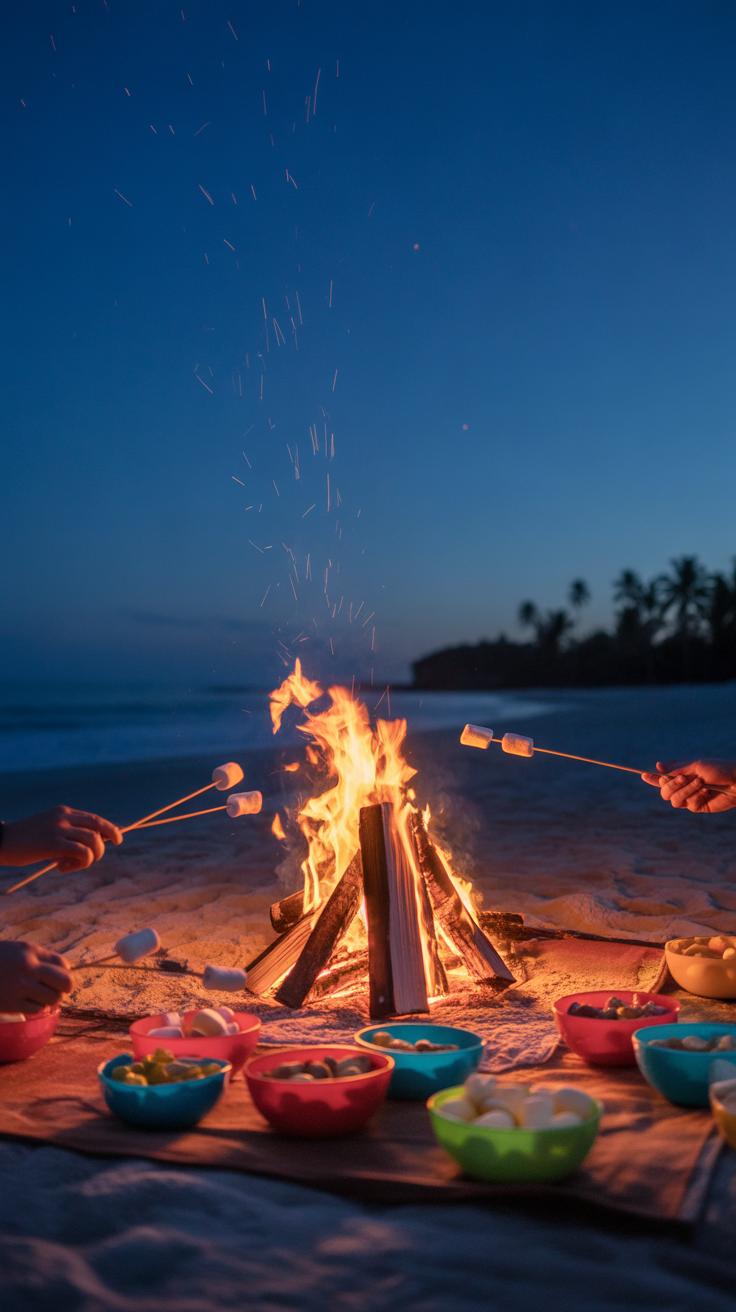
When thinking about snacks for a beach bonfire, the key is simplicity and easy sharing. You want foods that don’t require too much prep but still feel special in the flickering firelight. Think of snacks you can pass around, bite into quickly, or easily toast over the flames without a ton of fuss.
Classic s’mores are almost an essential. You can’t really go wrong with the toasted marshmallow, melted chocolate, and graham crackers combo—it’s a tried-and-true crowd-pleaser. Yet, playing with different variations can keep things interesting, like swapping chocolate bars for peanut butter cups or adding a slice of banana inside. Some friends swear by adding a sprinkle of cinnamon or a pinch of sea salt to heighten the flavors, which really makes you think—why haven’t we tried this sooner?
Besides s’mores, simple grilled treats work great. Hot dogs are popular and easy to hold over the fire, but why stop there? Grilled corn on the cob wrapped in foil or slices of bell pepper, zucchini, even pineapple can add a fresh, smoky note to your snack lineup. These options are pretty straightforward but do wonder—which grilled vegetable pairs surprisingly well with marshmallow sweetness? It’s worth trying to find out during your next bonfire.
Ultimately, planning snacks for your bonfire means balancing ease with a bit of creativity. You want enough variety to keep folks interested without packing the kitchen sink. Maybe ask yourself: What snacks make you look forward to toasting something just right? The answers are more delicious than you might think.
Healthy Snack Alternatives for Bonfires
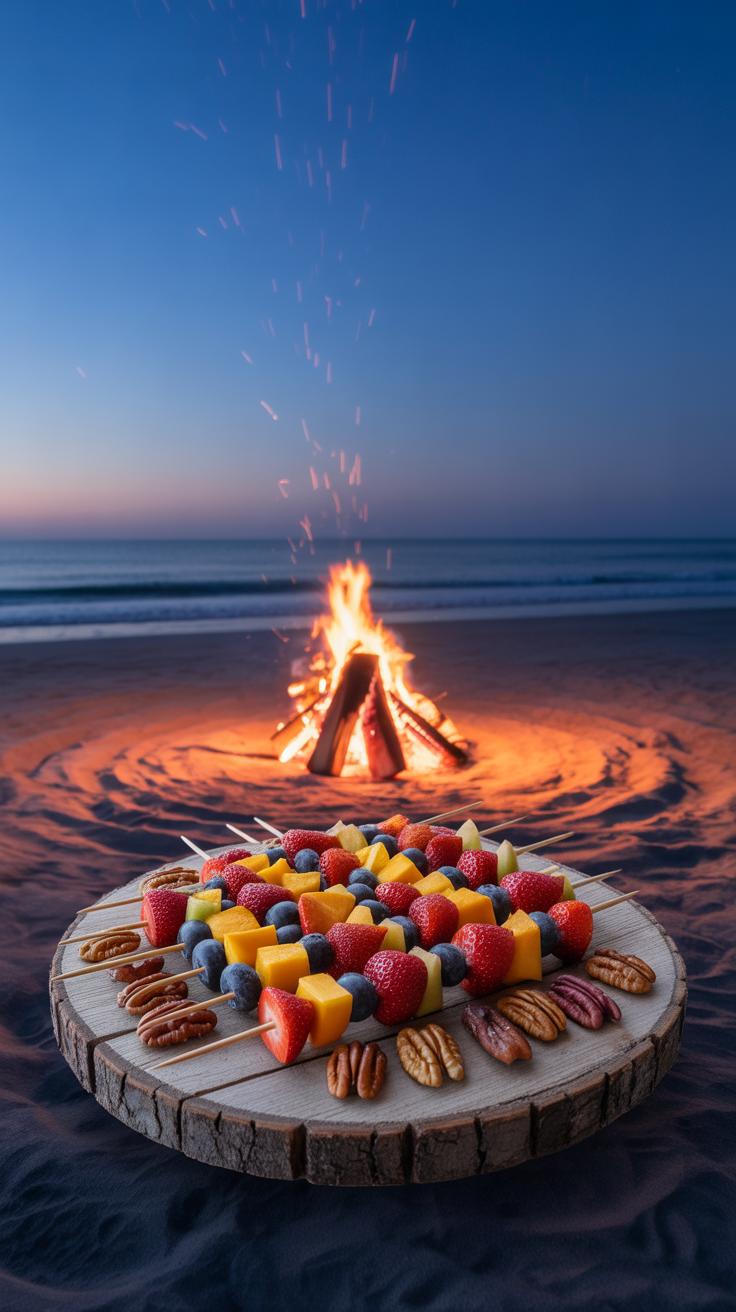
When you think about snacks for a beach bonfire, it’s easy to default to marshmallows or chips. But there are healthier, just-as-tasty options that don’t require much prep and still feel like a treat by the fire. You might be surprised how simple some of these can be once you give them a try.
Fresh Fruits and Veggies with Dips
Fresh fruits and vegetables are surprisingly portable and don’t always need refrigeration if you’re careful. Think about sliced cucumbers, cherry tomatoes, or crunchy carrot sticks—these hold up well in a cooler or insulated bag. If you want something sweet, apples, grapes, or even peeled orange segments work really well. Pairing them with easy dips adds a little flair and flavor. For example, hummus travels well and is simple to scoop with veggies. Greek yogurt mixed with a bit of honey and cinnamon makes a nice, light dip for fruit. They’re refreshingly different, and you might actually feel better about snacking without the usual guilt.
Trail Mixes and Nuts for Energy
Trail mixes and nuts are more than just convenient—they pack a nutritional punch that lasts. They provide protein, healthy fats, and fiber to keep you feeling full while you’re relaxing by the fire. You can customize trail mixes easily: toss in some dried cranberries, pumpkin seeds, maybe a few dark chocolate chips for a hint of indulgence. Nuts like almonds, walnuts, or cashews are sturdy and don’t spoil quickly, which makes them ideal for beach outings. The crunch is satisfying, and there’s something about eating handfuls of nuts that feels… well, natural around a bonfire. You might wonder if these snacks are too plain, but they balance well with other treats, and you get that boost of energy you didn’t realize you needed.
Tips for Managing Trash and Recycling
Setting Up Trash and Recycle Bins
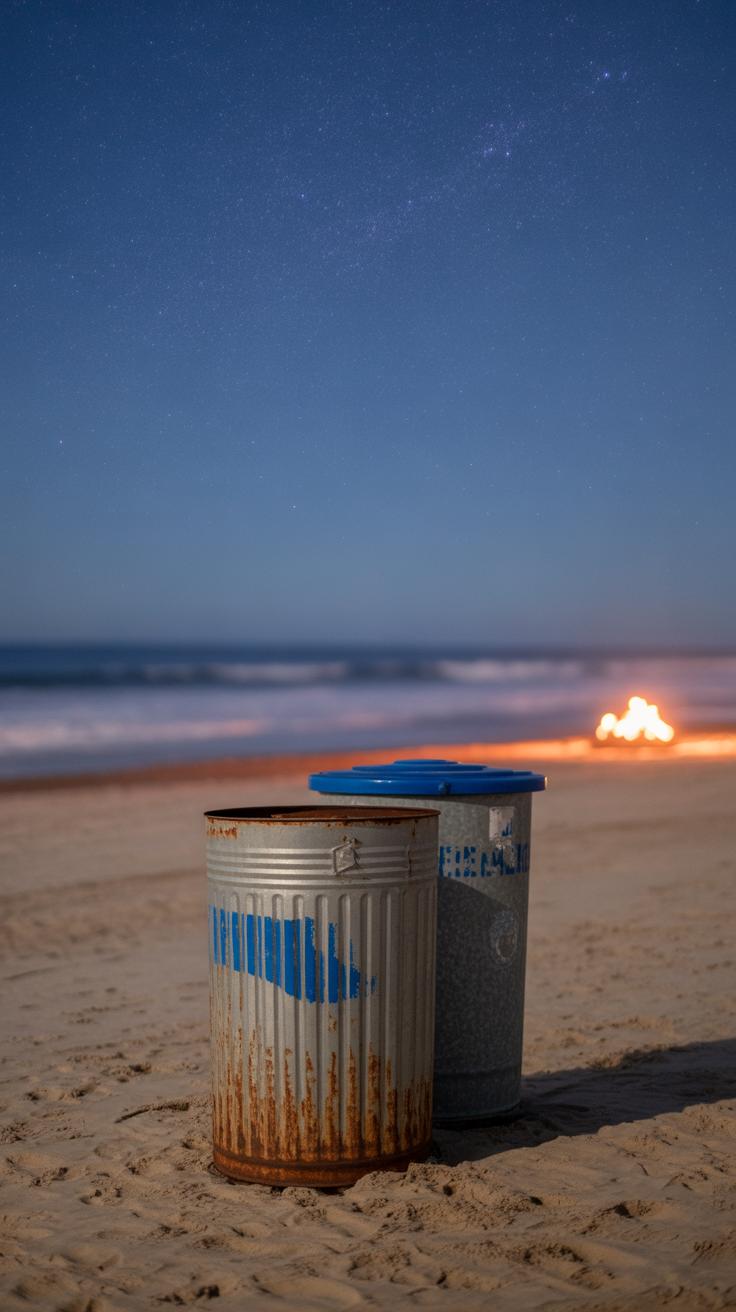
When you’re planning a beach bonfire, thinking about waste disposal early on really pays off. You might want to bring separate containers—one for trash, one for recyclables—and place them in clear, obvious spots. Think near seating areas or around where people gather naturally. If possible, label the bins simply, like “Trash” and “Recycle,” so guests aren’t left guessing. That little effort makes a big difference; people tend to follow cues when it’s straightforward. I’ve seen setups where bins are too small or hidden, and it just invites littering.
Consider lining the bins with sturdy bags, so changing them is easier. If your group’s sizable, two or three sets of stations might work better than one. That way, no one has to walk far or excuses themselves from sorting their waste.
Cleaning Up After Your Bonfire
When the fire dies down, take a moment to survey the area before you leave. Look for small scraps like wrappers, broken glass, or stray cans. These don’t always jump out but can harm local wildlife or spoil the beach’s natural beauty. You might even find half-burned paper or glass pieces, which are riskier than they seem. Avoid leaving anything behind—even small bits can be trouble.
Gather all waste and pack it out with you; many beaches don’t have ongoing cleaning services, so leaving bags behind isn’t enough. Take your time to make sure the fire pit is cold—stir the ashes to be sure, then scoop out any remaining debris. If you’re unsure about where to dispose of certain items later on, it’s better to bring them home than to leave them on site. It’s a bit more effort, yes, but it keeps the spot ready for the next group to enjoy.
Common Mistakes to Avoid at Beach Bonfires
Ignoring Local Fire Bans or Restrictions
Some people skip checking local fire bans before lighting their bonfire, and that can lead to serious trouble. These bans exist for a reason—like preventing wildfires or protecting wildlife—that’s not always obvious until it’s too late. If you ignore them, you risk fines, having your fire put out by authorities, or worse, causing a fire that spreads beyond control. It’s frustrating and honestly could ruin the whole night.
Before you even pack up for the beach, try visiting the park or city website, or call local offices to confirm if fires are allowed. These restrictions can change quickly—sometimes day-to-day—depending on weather and other factors. So checking right before your trip is a better idea than assuming things won’t change.
Overloading Fire with Too Much Wood
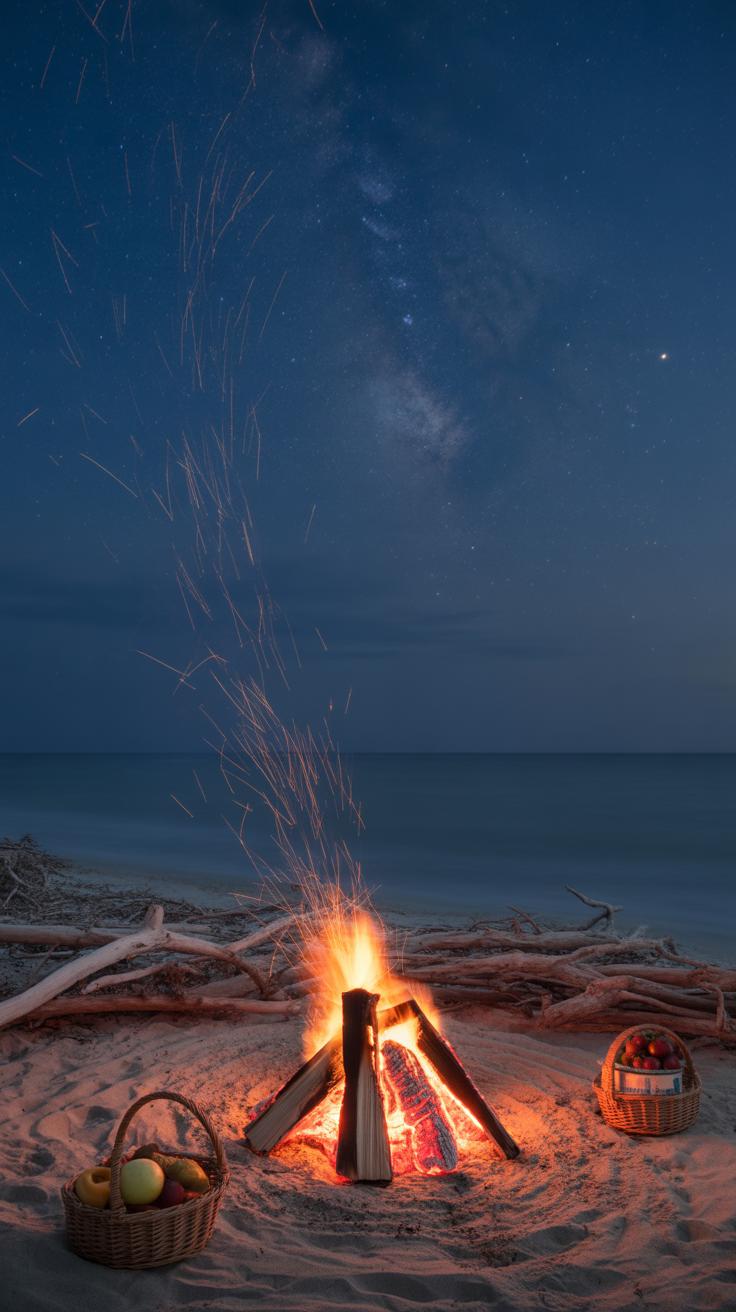
It’s tempting to pile on as much wood as possible, thinking bigger flames mean more fun or warmth. But actually, this just makes the fire harder to control. When the flames grow too large, sparks fly farther, and embers can easily catch nearby dry debris, causing a fire that spreads beyond your circle. It’s not just dangerous, it’s stressful—you might end up scrambling to put it out instead of chilling out.
A better approach is adding small pieces gradually and letting the fire breathe. You’ll get steady warmth and less risk. Also, big flames sometimes make it uncomfortable to sit close or have a relaxed conversation. So, pacing your firewood load and watching the fire’s behavior can make your night safer and more enjoyable.
Examples of WellPlanned Beach Bonfire Nights
Family-Friendly Beach Bonfire Setup
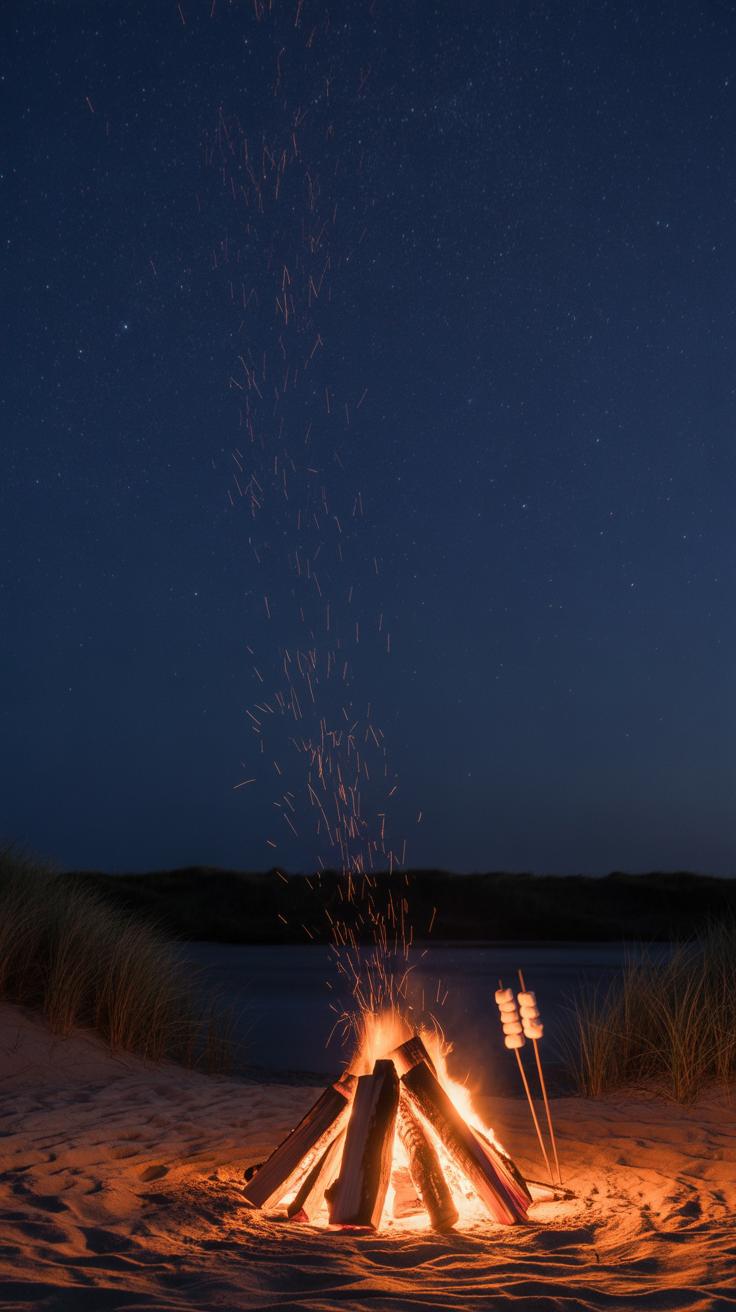
Imagine a family gathering at the beach just as the sun dips below the horizon. Parents set up a small, contained fire pit surrounded by rocks—carefully placed far from dry driftwood and away from where kids might run. A bucket of water and a fire extinguisher sit nearby, just in case.
Children sit on blankets a safe distance away, fascinated but supervised. The snacks are simple and mess-free: homemade trail mix, sliced apples, and marshmallows for roasting. The parents take turns telling stories and making sure no one gets too close to the flames. The fire never gets too big—just enough to keep everyone warm and cozy.
It’s not about fancy treats but about ease and safety. This makes the bonfire relaxing and stress-free. The kids enjoy the fire’s glow, and adults appreciate the calm environment. Maybe it’s the slow pace or just sticking to the basics, but it works.
Group Gathering with Themed Snacks
Picture a group of friends who decide on a “tropical island” theme one night. They bring colorful decorations, tiki torches, and set up a slightly larger bonfire at a spot that’s allowed by local rules. They clear the area around the fire to avoid any sparks landing on flammable materials.
They plan snacks around the theme: pineapple skewers, coconut chips, and tropical fruit salsa with tortilla chips. Someone brings a portable cooler with fresh juices, and another friend handles the fire, adding logs carefully and watching the wind direction.
Safety becomes a group effort. Everyone knows the fire rules, and there’s a designated “fire warden” who keeps an eye on embers and helps keep the circle clear. Snacks are passed around quickly, avoiding sticky fingers near the blaze. It feels lively but controlled, fun but mindful.
Does planning snacks and safety this way make the night better? For this group, definitely. It’s a balance—food, fire, friends—that you might want to try yourself.
Conclusions
Following safety guidelines at your beach bonfire helps prevent accidents and protects the environment. Always choose a legal spot, keep fire under control, and fully extinguish it before leaving. Respect others and stay aware of changing weather or local rules.
Adding simple, delicious snacks can make the experience more enjoyable. From s’mores to grilled vegetables, snacks bring everyone together around the fire. Use the tips and ideas here to plan your beach bonfire. Enjoy the warmth, food, and company safely for a perfect night out.