
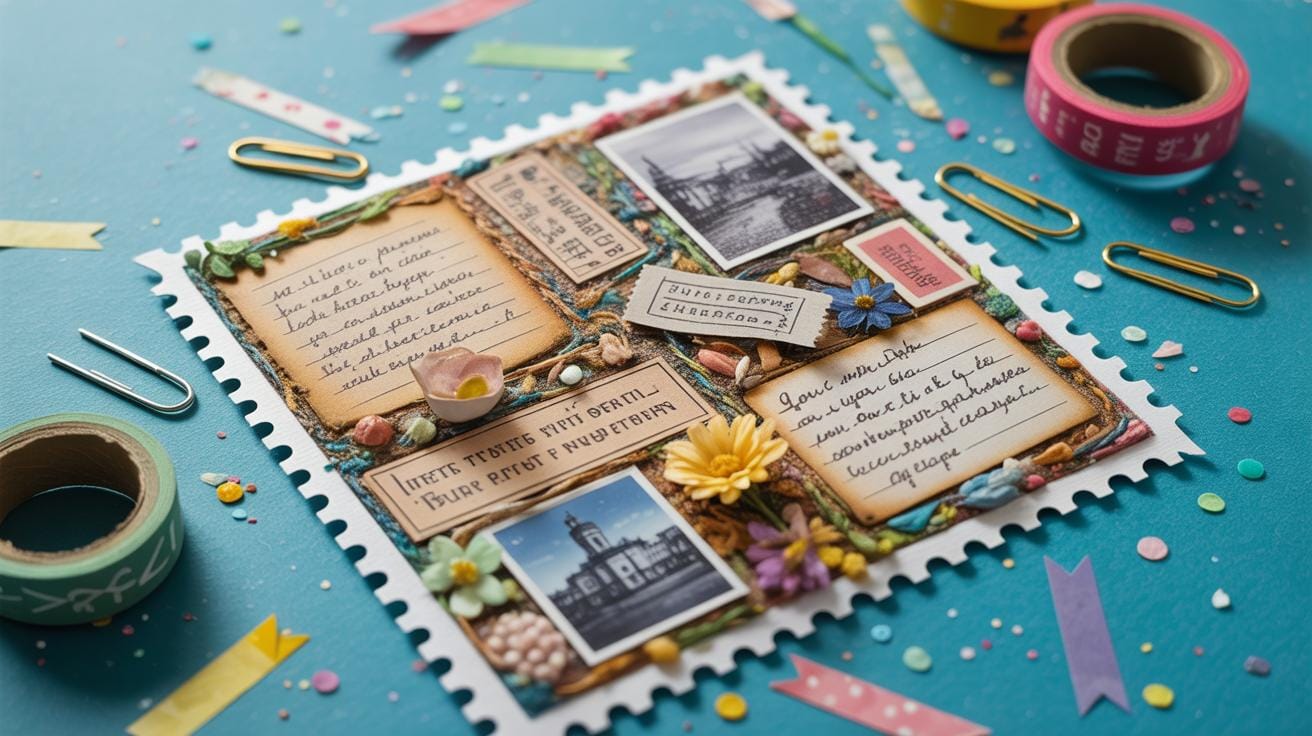
Getting Started With Tiny Keepsakes Micro Scrapbooking Tips
Essential Tools
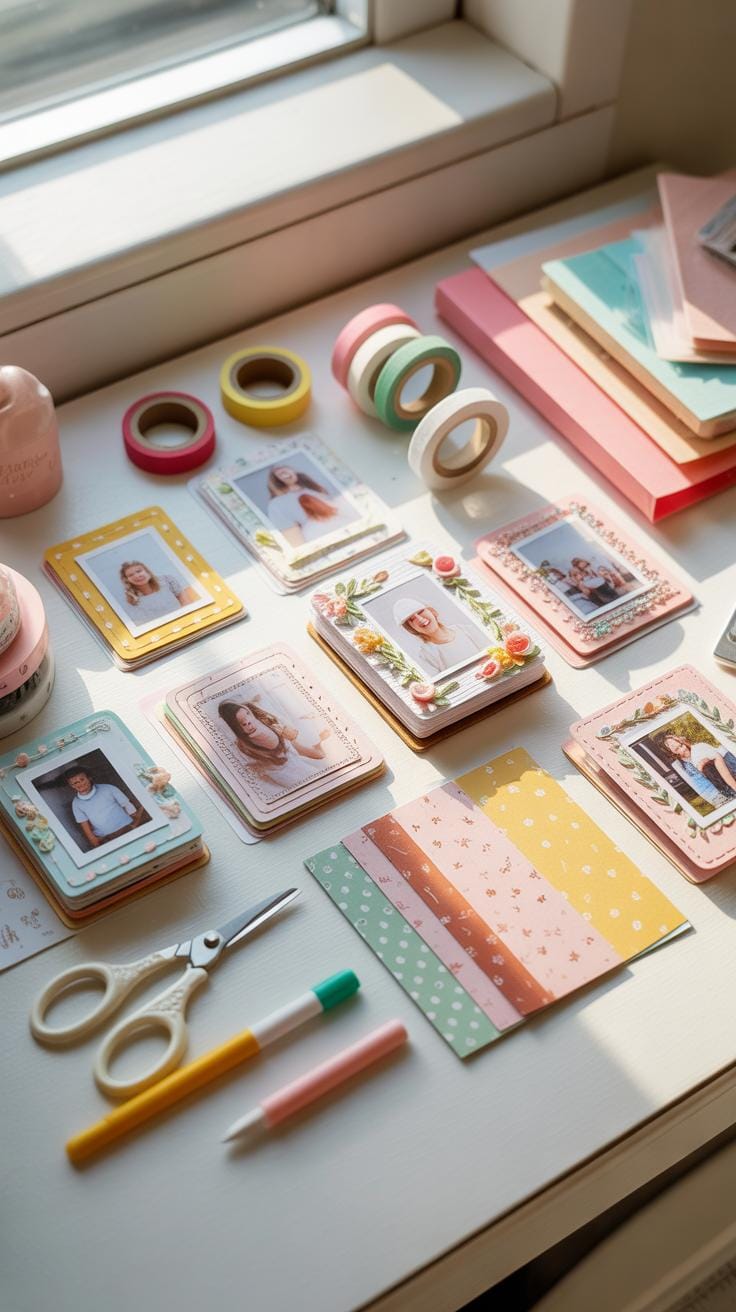
Precision tweezers and fine-liner pens form the foundation of successful micro scrapbooking. Tweezers with angled or pointed tips allow you to position delicate elements with exactitude on miniature pages, preventing fingerprints and damage to precious memorabilia. Fine-liner pens in various gauges enable detailed journaling and intricate designs within confined spaces. Quality matters significantly here; investing in professional-grade tools transforms your creative process and final results substantially.

Building your micro scrapbooking tips toolkit requires thoughtful consideration of scale and functionality. Include small scissors with sharp blades for trimming photographs and papers without fraying edges. Add a magnifying glass or jeweler’s loupe to view your work clearly and ensure precise placement. A bone folder helps create crisp creases on miniature pages, while a metal ruler guides straight cuts in confined areas. These foundational tools work together harmoniously to support your delicate artistic vision.
Creating A Portable Studio
Organizing pocket-sized supplies demands strategic thinking about accessibility and protection. Small compartmentalized boxes, fishing tackle organizers, or vintage mint tins serve beautifully as mobile studios for micro scrapbooking tips enthusiasts. Arrange adhesives, embellishments, and papers by category or color, allowing quick retrieval during creative sessions. This portable approach liberates you from stationary desks, enabling documentation of adventures wherever inspiration strikes your wandering heart.

Your portable setup should prioritize both protection and convenience for your delicate materials. Soft pouches or padded cases shield papers from creasing while traveling to favorite memory-making locations. Include compartments for different paper weights, adhesive types, and decorative elements within easy reach. A small cutting mat and portable light source enhance workspace functionality tremendously. This thoughtful organization transforms any corner into your creative sanctuary, ensuring micro scrapbooking tips remain accessible during travel, visits, or spontaneous creative moments throughout your day.
Choosing The Perfect Micro Medium From Slides To Matchboxes
Vintage Slide Mounts: Reimagining 35mm Transparency Frames
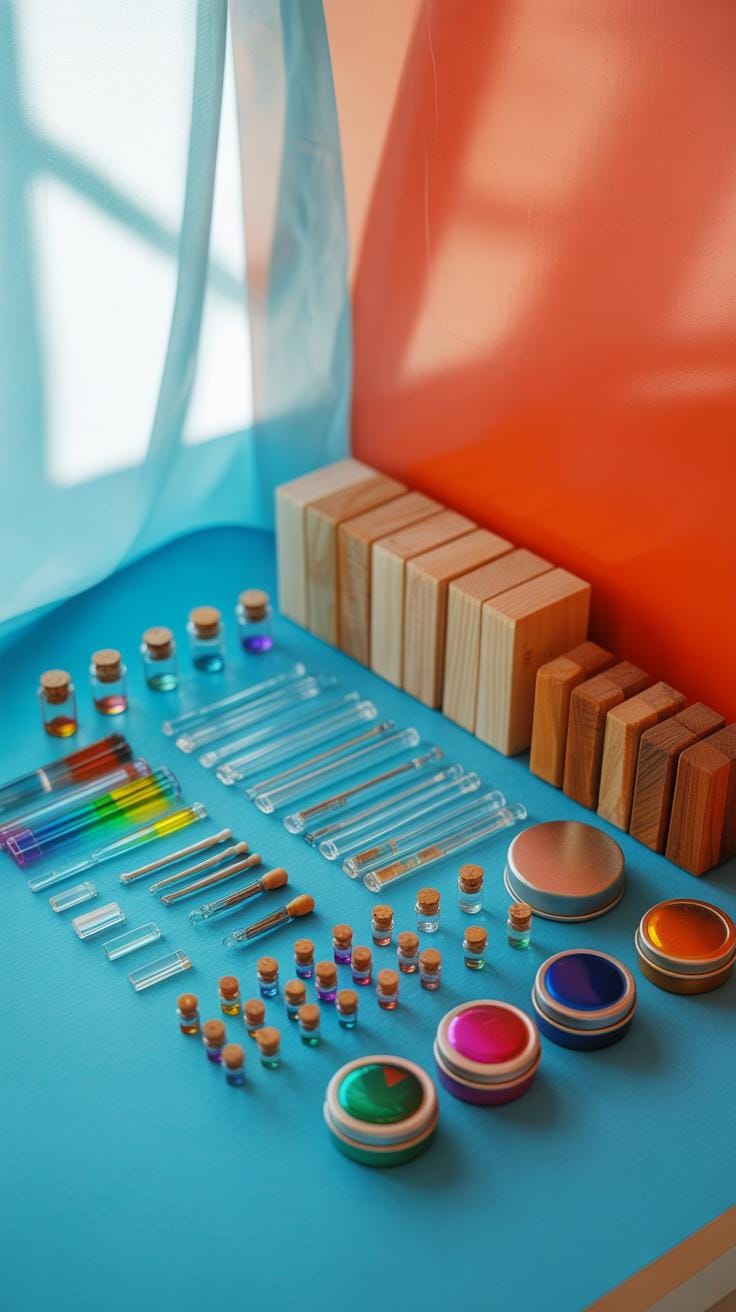
Vintage 35mm slide mounts represent a nostalgic renaissance in micro scrapbooking tips, transforming obsolete photography formats into intimate storytelling vessels. These transparent plastic or cardboard frames, once standard for projecting memories on living room walls, now serve as elegant windows into miniature narratives. The standardized 2×2 inch dimensions provide consistent proportions perfect for detailed composition, while their translucent quality allows light to dance through layered ephemera, photographs, and handwritten notes. Repurposing these frames honors both photography history and sustainable crafting practices.
When incorporating vintage slide mounts into your micro scrapbooking projects, consider the narrative potential of their transparency. Layer colorful papers, pressed flowers, or translucent vellum behind your focal images to create depth and visual interest. The frame’s built-in border naturally isolates your miniature design, making it an ideal starting point for beginners exploring micro scrapbooking tips. Mount them in shadow boxes for gallery-wall displays, or string them as delicate garlands across shelves, transforming forgotten photographic relics into contemporary art installations celebrating your most cherished moments.
In the smallest scrapbook page, cherish the grandest adventures of your heart, treasures that whisper nostalgia forever.
Matchbox Memories: Creating Three Dimensional Dioramas In Miniature
Matchboxes offer delightfully compact three-dimensional canvases for dioramic micro scrapbooking, transforming everyday objects into immersive narrative boxes. The standard matchbox dimensions—approximately 1.5 by 2.25 inches—provide surprising spatial possibilities for layered storytelling. Their inherent structure creates a natural shadow box effect, allowing you to arrange photographs, memorabilia, and decorative elements on multiple planes. This architectural advantage elevates micro scrapbooking tips beyond flat designs, inviting viewers to peer inside and discover hidden details that reward close examination and emotional connection.
Constructing matchbox dioramas involves strategic spatial planning and thoughtful material selection. Consider these essential micro scrapbooking tips for maximizing your limited space: preserve the interior box walls as compositional elements, utilize vertical layering with foam spacers to create dimension, incorporate tiny embellishments that tell specific story chapters, and leave breathing room to prevent visual overwhelm. Paint or line the interior with coordinating papers that complement your theme, whether documenting travel adventures, milestone celebrations, or everyday treasures. These intimate three-dimensional vignettes become precious keepsakes and conversation starters that celebrate life’s smallest but most meaningful moments.
The Art Of Miniature Composition Maximizing Limited Space
Focal Point Fundamentals: Arranging Elements On A Postage Stamp Scale
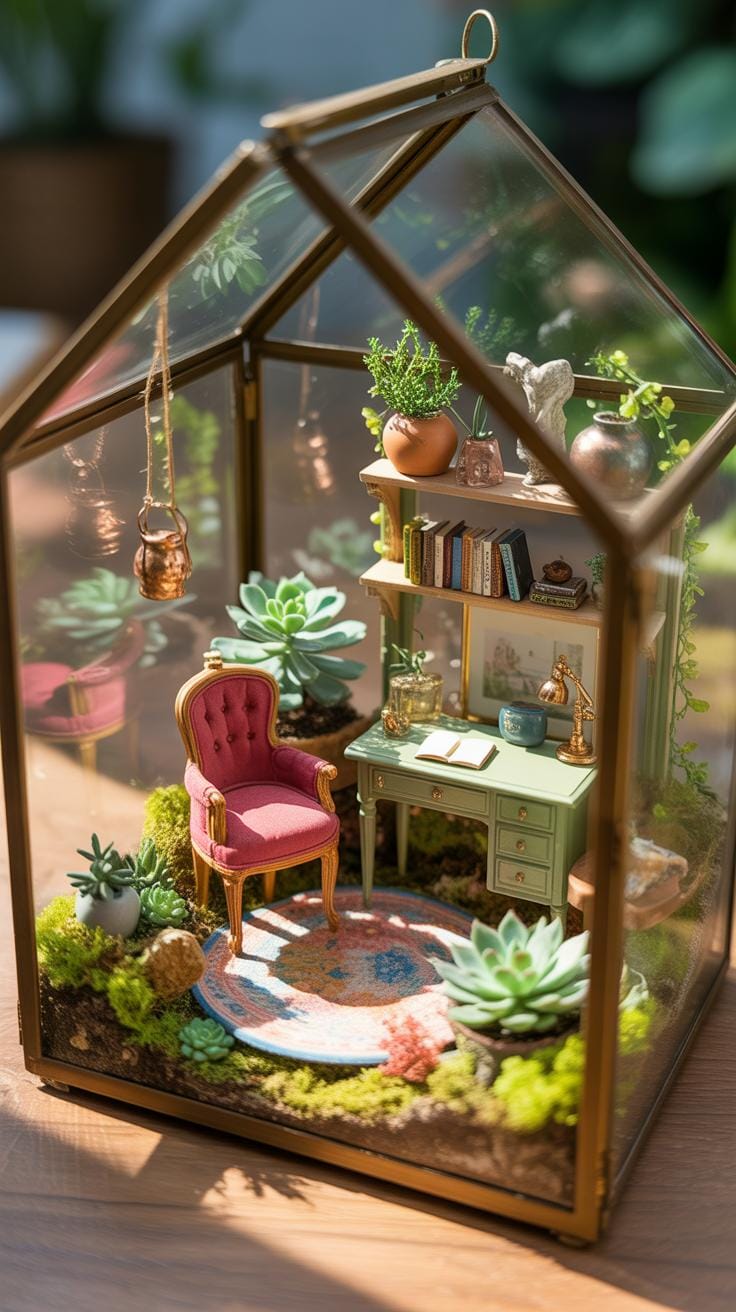
When working within the constraints of micro scrapbooking, establishing a clear focal point becomes paramount. Think of your tiny canvas as a window into memory—one element should command gentle attention while others support its story. Whether featuring a photograph, pressed flower, or handwritten date, your focal point anchors the entire composition. Begin by considering what draws the eye naturally, then position supporting elements around it with intention and restraint.
Micro scrapbooking tips for focal point arrangement involve strategic placement and sizing. Larger elements naturally attract attention, so reserve your biggest item for your main focal point. Position it slightly off-center using the rule of thirds to create visual interest. Surrounding elements should be proportionally smaller, creating a visual hierarchy that guides viewers through your miniature narrative. This intentional arrangement transforms cramped spaces into intimate, well-composed memories worthy of preservation.
Effective Layering: Adding Depth Without Excessive Bulk
Layering in micro scrapbooking requires finesse—the goal is creating dimension while respecting severe space limitations. Consider using translucent materials like vellum or tissue paper, which add visual depth without significant physical thickness. Traditional scrapbooking layers might be problematic here; instead, employ subtle elevation techniques using foam dots strategically placed behind select elements. This approach mimics the sophisticated depth found in vintage scrapbooking while maintaining the delicate, postage-stamp aesthetic.
Mastering layering involves understanding material weight and transparency. Select papers with varying opacities to create visual interest without stacking numerous thick cardstock sheets. Adhere lighter elements first, building gradually toward focal pieces. Micro scrapbooking tips recommend experimenting with semi-transparent overlays that reveal glimpses of elements beneath. This technique reminds us of classic decoupage principles, adapted beautifully for miniature formats. The result is surprising depth and visual richness within an impossibly small footprint.
Downsizing Your Memories Printing And Cropping Secrets

Printing Settings Micro
Contact sheets represent a photographer’s traditional approach to viewing multiple images simultaneously, and this technique translates beautifully into micro scrapbooking tips. By adjusting your printer settings to create thumbnail-sized prints, you can capture dozens of cherished moments on a single page. Most standard photo printing software allows you to customize grid layouts and image sizing, enabling you to print four, six, nine, or even sixteen photos on one sheet. This economical approach conserves both paper and ink while creating perfectly proportioned images for miniature layouts.
When preparing photos for contact sheet printing, consider your final page dimensions and work backward from there. Standard postage-stamp-sized layouts typically accommodate photos measuring one to two inches, making quarter-sheet or half-sheet contact prints ideal starting points. Adjusting resolution to three hundred dots per inch maintains clarity even at reduced sizes, ensuring your memories remain sharp and detailed. Many micro scrapbooking tips emphasize the importance of print quality, as smaller images amplify any imperfections in pixelation or color accuracy. Test print a single sheet before committing to larger batches, allowing you to evaluate quality and make adjustments before investing time and supplies.
Macro Cropping: Selecting The Heart Of The Image For Micro Layouts
Cropping transforms ordinary photographs into compelling focal points by isolating the most meaningful elements within each frame. In micro scrapbooking, where space is severely limited, strategic cropping becomes absolutely essential for maximizing visual impact. Rather than including entire scenes, focus on capturing specific moments—a child’s genuine smile, weathered hands holding a treasured object, or a sunset’s most vibrant hues. This intentional selectivity transforms your layouts from documentary records into emotional narratives, where every millimeter serves a deliberate purpose.
The cropping process requires thoughtful consideration of composition and storytelling. Begin by identifying what truly matters in each photograph, then mentally frame just that element. Use your printer’s crop tool or physical guides to preview potential cuts before making permanent decisions. This careful approach aligns with micro scrapbooking tips emphasizing that constraint breeds creativity—limited space forces you to become deliberate about what deserves inclusion. By removing extraneous background and focusing purely on the image’s heart, you create more powerful visual statements that resonate emotionally within your miniature layouts.
Sourcing Micro Ephemera Finding Beauty In The Tiny Details
Found Objects
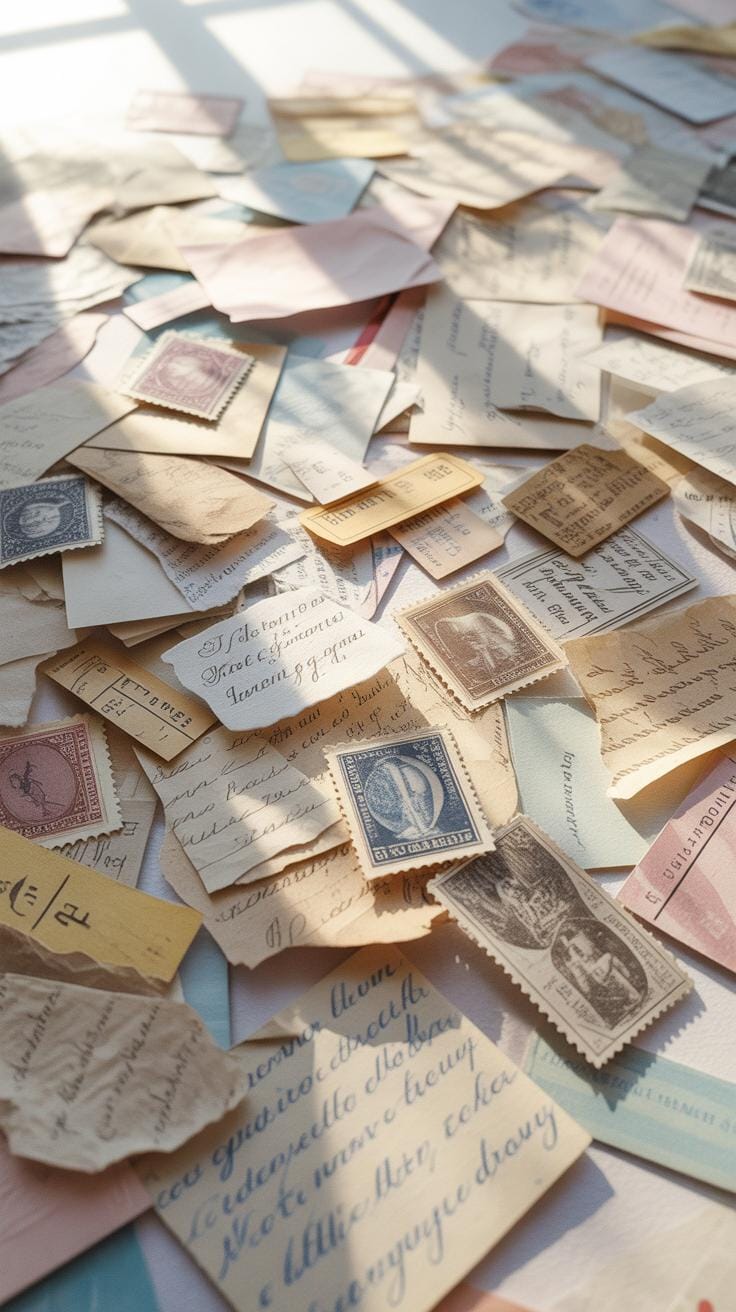
The art of collecting found objects transforms ordinary moments into treasured keepsakes. Dried petals from meaningful bouquets, pressed wildflowers from hiking trails, and delicate leaves create authentic botanical elements perfect for micro scrapbooking tips. These natural treasures add dimensional authenticity that printed embellishments cannot replicate. Ticket stubs from concerts, theater performances, and travel adventures serve as powerful memory anchors. Movie tickets, admission passes, and transportation receipts tell stories of experiences worth preserving forever.
When sourcing these precious fragments, consider preservation methods to ensure longevity. Micro scrapbooking tips emphasize pressing and drying materials flat before incorporating them into designs. Store collected ephemera in acid-free envelopes organized by category—florals, tickets, labels, vintage scraps. This systematic approach ensures you always have appropriate materials when inspiration strikes. The weathered patina and genuine imperfections of found objects create nostalgic, authentic compositions that celebrate life’s smaller, often overlooked moments beautifully.
- Dried petals and flowers from significant events
- Ticket stubs and admission passes from memorable outings
- Vintage labels, tags, and product packaging scraps
- Small handwritten notes and correspondence fragments
- Natural elements like leaves, seeds, and pressed ferns
Philatelic Inspiration: Using Real Postage Stamps As Design Elements
Postage stamps represent miniature works of art with rich historical and cultural significance. Collectors appreciate stamps for their intricate designs, vibrant colors, and thematic diversity spanning decades. Incorporating real stamps into micro scrapbooking tips adds authentic vintage appeal and international dimension. Commemorative stamps celebrating historical events, notable figures, and cultural themes become visual storytelling tools. These tiny artworks connect your micro layouts to broader narratives and personal travel memories across borders.
Sourcing stamps for your micro projects offers endless creative possibilities. Vintage stamps from estate sales and antique shops carry genuine historical patina unavailable in modern reproductions. International mail from friends provides fresh, contemporary stamps reflecting different countries’ artistic traditions. Micro scrapbooking tips suggest organizing your stamp collection by color, theme, or origin for easy selection during projects. Whether featuring classical designs or modern commemoratives, stamps elevate diminutive layouts with sophisticated visual interest and meaningful cultural storytelling.
Adhesive Strategies For Tiny Surfaces Ensuring Longevity

Precision Gluing
When working with miniature dimensions, traditional adhesive application becomes an art form requiring steady hands and specialized tools. Fine glue pens with ultra-thin applicator tips allow you to place adhesive exactly where needed without overwhelming delicate paper scraps or embellishments. These precision instruments deliver controlled, micron-level bonding that prevents the overwhelming dampness that ruins tiny layouts. Adhesive dots, though appearing simple, offer remarkable precision benefits for micro scrapbooking tips when selecting properly sized variations designed specifically for small-scale projects.
Working with adhesive on postage-stamp-sized surfaces demands patience and proper technique. Double-sided tape cut into thin strips works beautifully for securing backgrounds, while liquid glue dispensed through fine-tip bottles manages intricate detail work. Never apply adhesive generously; instead, use minimal amounts strategically placed at corners and edges. Testing your chosen adhesive on scrap pieces ensures you understand how it performs with your specific paper weights and materials before committing to finished layouts.
Archival Quality
Preserving your micro scrapbooking creations requires selecting archival-quality adhesives that resist yellowing and deterioration over decades. Acid-free glue pens and dots specifically formulated for preservation prevent the chemical reactions that cause paper browning and image fading. Premium archival adhesives may cost slightly more initially, but they guarantee your tiny treasures remain vibrant and intact for future generations to cherish and enjoy together.
Lignin-free adhesive options represent the gold standard for serious micro scrapbookers committed to longevity. These products undergo rigorous testing to meet archival standards established by preservation organizations. When selecting adhesives, verify packaging labels explicitly stating “acid-free” and “lignin-free” certifications. Your miniature memories deserve protection as much as full-sized scrapbooks, making quality adhesive selection a worthwhile investment in documentary integrity and sentimental preservation.
Journaling In Miniature The Power Of Tiny Words
Micro Calligraphy: Techniques For Legible One Word Captions
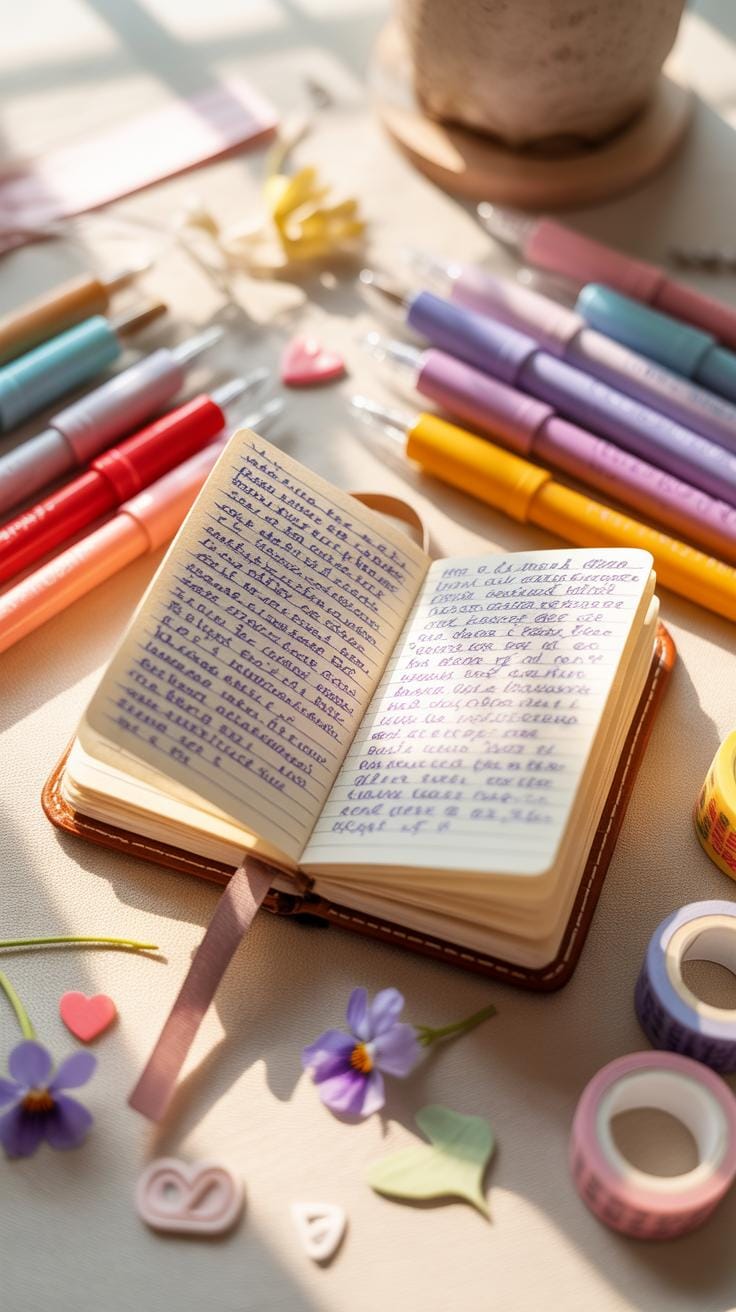
The art of micro-calligraphy transforms postage-stamp-sized spaces into intimate storytelling canvases. When working within severely limited dimensions, every letter becomes precious real estate. Begin with quality fine-tip pens—0.5mm or smaller—designed specifically for detailed work. Practice pressure control to maintain consistent letterforms without sacrificing readability. This micro scrapbooking tips foundation ensures your captions remain decipherable despite their diminutive scale, preserving the narrative essence of your memories.
- Utilize brush pens with ultra-fine tips for controlled line variation
- Practice on grid paper before transferring to your layouts
- Choose sans-serif fonts for optimal clarity at tiny sizes
- Maintain consistent spacing between letters and words
- Consider metallic or white inks against darker cardstock backgrounds
Legibility in miniature requires intentional spacing and letterform selection. Single-word captions work best for these constrained spaces—”Adventure,” “Serenity,” or “Together” speak volumes with minimal character count. Experiment with different pen angles and pressures to discover your personal micro-script style. The delicate precision required cultivates a meditative quality, transforming the journaling process into a mindful creative ritual that honors both artistry and memory preservation.
Typed Tiny Tales: Using Small Font Sizes For Mini Descriptions
Digital tools offer remarkable precision for micro scrapbooking tips involving text integration on diminutive layouts. Modern design software supports font sizes as small as six points, maintaining crisp clarity through high-resolution printing. Select typefaces engineered for legibility at reduced scales—fonts with generous spacing and distinct character differentiation prevent letterforms from blurring together. This approach democratizes tiny journaling, allowing those less comfortable with hand-lettering to participate fully in micro-scrapbooking narratives.
Printing technology has evolved to support the miniaturist’s vision with exceptional fidelity. Laser and quality inkjet printers reproduce small text with remarkable accuracy when paired with premium cardstock. Create text blocks beforehand, allowing experimentation with phrasing and layout before commitment to your precious micro-pages. This deliberate process encourages thoughtful word selection, distilling lengthy memories into poignant, concise passages that resonate within constrained dimensional boundaries while maintaining authentic emotional resonance.
Color Theory For Micro Layouts Creating Visual Impact

Monochromatic Schemes
The Power of One: Using Monochromatic Palettes for Clarity remains a cornerstone principle in design history, tracing back to minimalist movements of the twentieth century. When working within the confined dimensions of micro scrapbooking, selecting a single color family creates remarkable visual coherence. Monochromatic schemes utilize various tints, tones, and shades of one hue, eliminating color competition that confuses the viewer’s eye in miniature spaces. This approach transforms Micro Scrapbooking Tips into elegant, sophisticated layouts where every element serves narrative purpose without chromatic distraction.
Crafting depth within monochromatic micro layouts requires intentional manipulation of value—the lightness or darkness of your chosen color. Layering cream cardstock with ivory vellum and charcoal accents creates dimensional interest despite limited space. The restraint demanded by single-color palettes encourages creative problem-solving: you’ll discover how texture, typography, and strategic negative space compensate for chromatic simplicity. This discipline strengthens your overall design sensibility while producing layouts of surprising emotional resonance and timeless appeal.
High Contrast Harmony
Making Elements Pop in Small Spaces demands understanding how opposing colors create visual dynamism within restrictive dimensions. High-contrast combinations—such as navy and cream, burgundy and gold, or black and white—command attention immediately, essential when viewers encounter postage-stamp-sized layouts. These bold pairings emerged prominently in contemporary graphic design during recent decades, proving particularly effective for micro formats where subtlety risks disappearing entirely. Strategic color opposition becomes fundamental Micro Scrapbooking Tips for ensuring layouts maintain impact despite their diminutive scale.
The key to successful high-contrast micro layouts lies in establishing clear visual hierarchy through deliberate color placement. Reserve your darkest value for focal points—perhaps a title or central photograph—while using lighter counterparts for supporting elements and backgrounds. This approach prevents overwhelming viewers within limited space, maintaining clarity despite vivid color combinations. Consider balance carefully: aim for approximately sixty percent dominant color, thirty percent secondary color, and ten percent accent. This proportional framework ensures harmonious high-contrast layouts that electrify without chaos.
Storing And Displaying Your Micro Masterpieces

Pocket Sized Portfolios
Coin collector sheets and mini albums represent the perfect marriage of protection and portability for your delicate micro scrapbooking creations. These specialized storage solutions echo the vintage appeal of numismatic collecting while serving a thoroughly modern purpose. The transparent pockets cradle your tiny layouts safely, allowing you to admire each intricate detail without exposing them to dust, moisture, or accidental damage. Mini albums, often measuring just three to four inches square, transform your collection into something tangible and treasurable rather than scattered across a craft table.
Essential Micro Scrapbooking Tips for preservation include selecting acid-free and lignin-free storage options that won’t deteriorate your precious papers and photographs over time. Consider these storage approaches:
- Archival-quality coin pages with individual pockets for single layouts
- Bound mini albums with expandable spines for growing collections
- Vintage-inspired leather portfolios that add nostalgic charm to storage
- Decorative storage boxes lined with acid-free tissue paper
- Binder sleeves designed specifically for small-format pages
These containers transform preservation into an aesthetic experience, allowing you to flip through memories like opening a secret treasury. Each page turn becomes a ritual of remembrance, whether sharing these intimate snapshots with loved ones or savoring quiet moments of personal reflection and creative satisfaction.
Shadow Box Displays
Shadow boxes elevate micro scrapbooking from private collection to personal gallery, transforming your tiny adventures into contemplative wall art. These dimensional frames create an intimate exhibition space perfect for displaying your most meaningful layouts alongside three-dimensional embellishments. The contained depth allows for layering ephemera, pressed flowers, or small mementos that extend beyond traditional flat scrapbooking. Your micro creations become sculptural art pieces that catch light and invite closer inspection from visitors passing through your home.
Arranging layouts within shadow boxes requires thoughtful composition similar to gallery curation. Consider the visual flow, color balance, and thematic connections between multiple pieces when creating grouped displays. Secure items using acid-free adhesive or small museum-quality mounting tabs that won’t damage delicate papers. Whether showcasing a single elaborate layout or a curated collection telling a larger story, shadow box displays honor the meticulous effort invested in your micro scrapbooking journey while creating enduring focal points for home decor.
Micro Scrapbooking As A Mindful Practice Small But Mighty
Focus Benefits Miniature
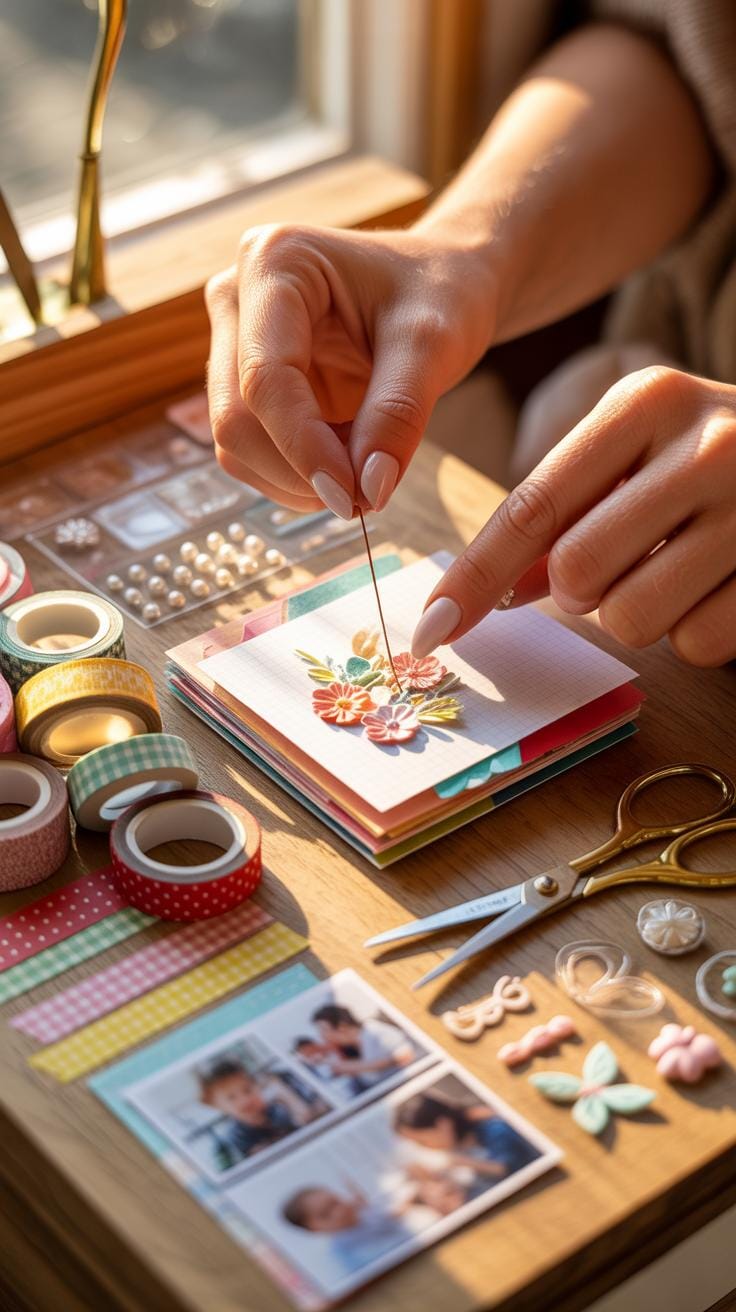
The intimate scale of micro scrapbooking naturally cultivates deep concentration and presence. Working within confined spaces—whether postcard-sized layouts or smaller—demands intentional decision-making about every element placement. This deliberate process mirrors meditative practices, encouraging you to slow down and truly engage with your memories. Micro Scrapbooking Tips emphasize how the constraints of limited space paradoxically free your mind from overwhelm, allowing creative flow to emerge naturally.
The intricate detailing required in miniature compositions sharpens your observational skills and artistic awareness. Each embellishment, journaling line, and photo placement becomes meaningful rather than excessive. This focused attention transforms scrapbooking from a hobby into a restorative practice that quiets mental chatter. Many practitioners report experiencing a Zen-like state while working on these compressed compositions, finding the meticulous nature therapeutically grounding and emotionally nourishing.
Intentional Memory Keeping
Micro scrapbooking embodies sustainable creativity by maximizing limited materials and minimizing waste. Rather than purchasing elaborate supplies for expansive layouts, this approach encourages resourcefulness with smaller quantities of quality materials. Vintage ephemera, fabric scraps, and leftover cardstock find purposeful new life in miniature designs. This conscious consumption aligns with contemporary environmental awareness while honoring the historical scrapbooking tradition of repurposing meaningful keepsakes and mementos.
Reducing your project scale naturally decreases your ecological footprint while deepening your connection to each memory documented. Micro Scrapbooking Tips highlight how smaller layouts prompt selective storytelling—you curate only the most significant moments and details worth preserving. This intentional approach celebrates quality over quantity, resulting in treasured heirlooms that require fewer resources to create. By documenting adventures on postage-stamp-sized canvases, you practice mindful preservation that respects both your memories and our planet’s finite resources.
Frequently Asked Questions

What exactly is micro-scrapbooking and why should I try it?
Micro-scrapbooking is the art of creating tiny, detailed scrapbook pages on small formats like postcards or stamps. It’s perfect for documenting adventures without requiring extensive space or supplies. This compact hobby lets you preserve memories creatively while traveling, making it ideal for adventure enthusiasts and minimalists who love meaningful crafts.
What are the essential micro scrapbooking tips for beginners starting their first project?
Start with quality cardstock, precision scissors, and fine-tip markers for detailed work. Essential micro scrapbooking tips include planning your layout beforehand, using small embellishments like mini stickers, and keeping photos appropriately sized. Begin with simple designs before advancing to complex layouts. Practice on practice sheets first to build confidence and perfect your technique.
Can I do micro-scrapbooking on a tight budget?
Absolutely! Micro-scrapbooking is naturally budget-friendly since projects require minimal materials. Use scrap cardstock from larger projects, repurpose old magazines for collage elements, and create handmade embellishments. Free digital resources offer design inspiration, and basic supplies like markers and scissors work perfectly. This hobby proves that meaningful creative documentation doesn’t require expensive supplies.