
Capturing Serene Nature Scenes on Video
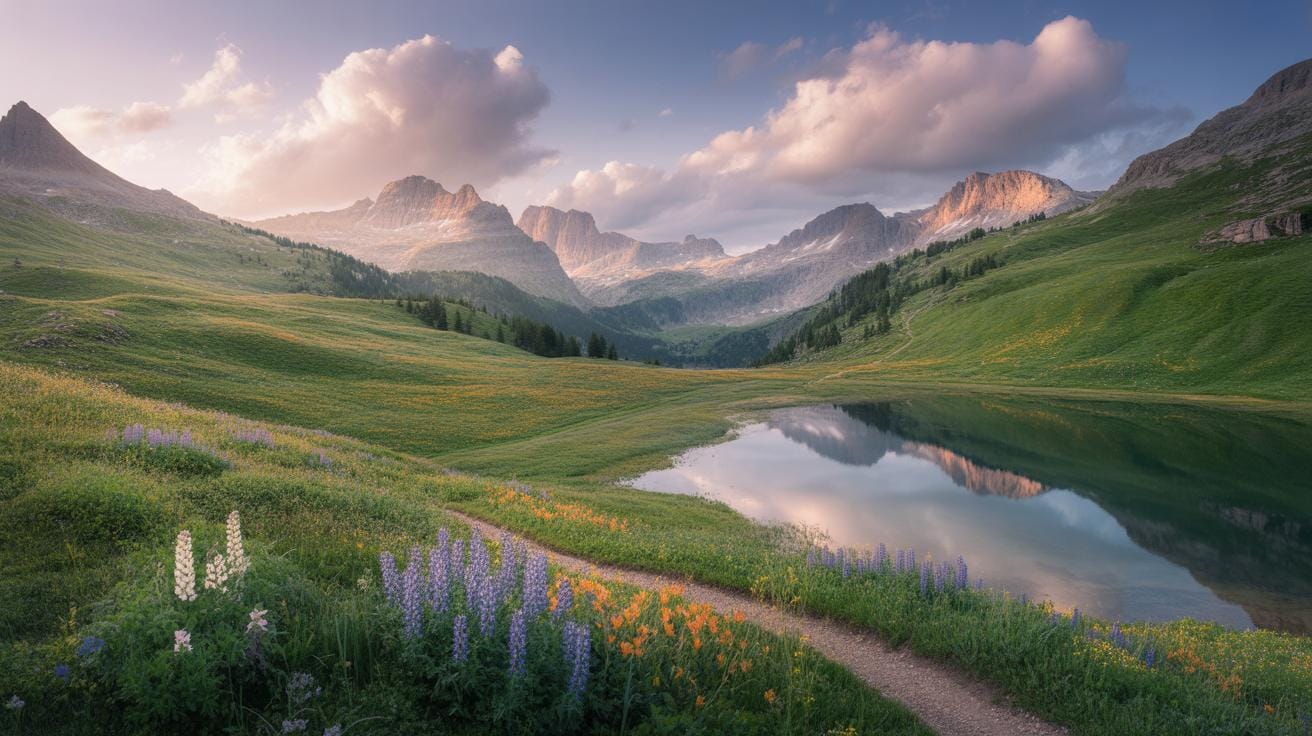
Beautiful View Video Nature Showcasing Serene Nature Scenes For Travel offers a chance to connect with the natural world through calming and inspiring visuals. Nature scenes reveal diverse landscapes such as mountains, forests, rivers, and oceans, making them perfect for relaxation and travel inspiration.
This article provides clear steps on how to capture stunning nature scenes on video. It also explains why these scenes are valuable for travelers, helping you create or choose videos that enhance your outdoor experiences and calm your mind.
Identify Best Locations For Nature Scenes
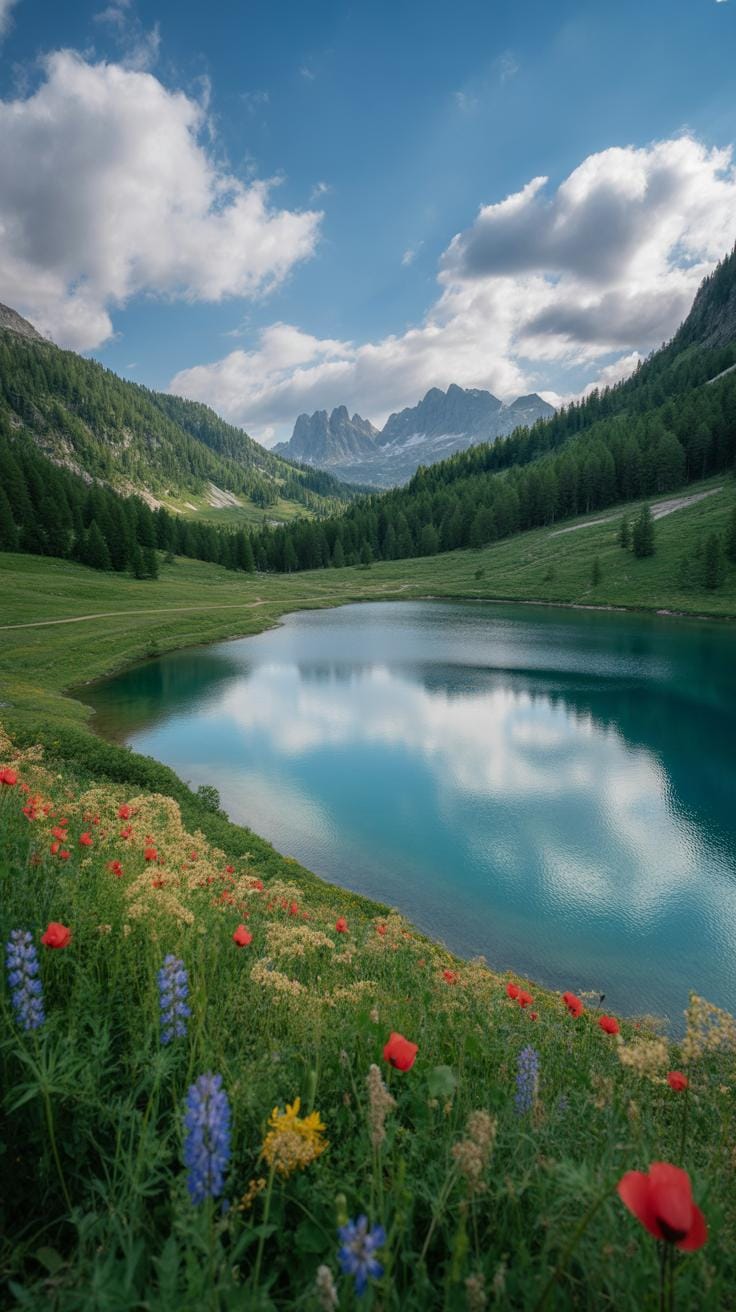
Finding the right spots to film or simply enjoy serene nature scenes can feel like a bit of a treasure hunt. You might start with places known for their natural beauty, but don’t hesitate to explore lesser-known areas either. Sometimes those quieter, less trafficked locations offer the most peaceful views and unique angles for your travel videos. A good tip is to combine research with first-hand scouting—maps, local advice, and satellite images help, but walking the area clues you into details you won’t see otherwise.

When choosing your sites, accessibility is key. You want to reach the location without too much hassle, but at the same time, a bit of challenge in getting there can keep the crowds away. Think about varied terrain—fields, mountains, water bodies—which adds depth to your scenes. Visual appeal matters too: look for unusual colors, textures, and light conditions that catch the eye. Sometimes, a spot might not be breathtaking at first glance but gains charm at sunrise or misty mornings.
Some popular serene nature spots that often come up in travel videos include Norway’s fjords for their dramatic cliffs and still waters, Japan’s cherry blossom gardens offering delicate color bursts in spring, and Canada’s national parks like Banff where vast forests meet snow-capped mountains. Each has distinct features, but you’ll find even these can feel different depending on the season or time of day. So, perhaps mix these classics with hidden gems you discover locally for a genuinely personal touch to your footage.
Setup Checklist For Nature Video Shooting
Essential Gear To Bring Along
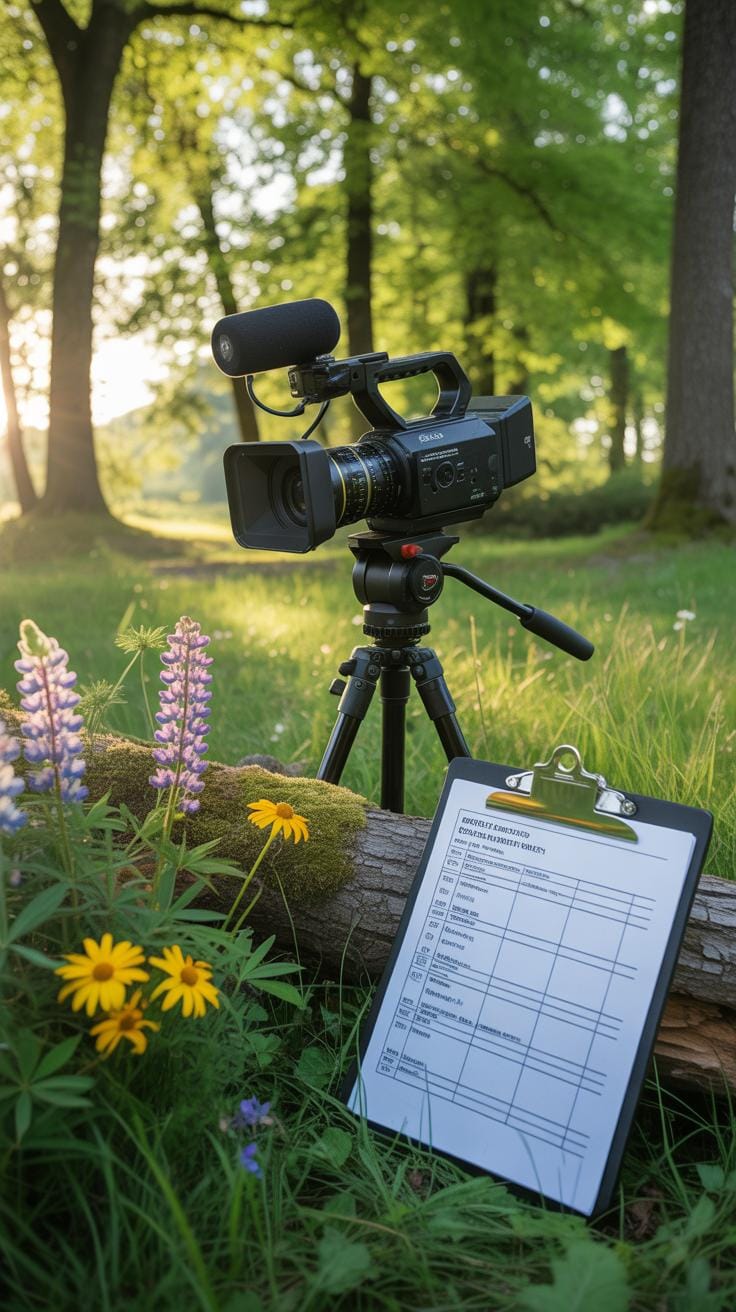
First, you must have the right gear if you want good nature videos. A reliable camera is key—preferably one that handles various light conditions well and offers manual controls.
Tripods are almost non-negotiable. I once tried steadying shots by hand; it just doesn’t work, especially for slow pans or time-lapses.
Don’t forget extra batteries and memory cards. Nature waits for no one, and running out mid-shot is frustrating.
Consider audio gear too, if you want crisp natural sounds. Directional microphones help block wind and background noise.
Sometimes, a polarizing filter helps tame reflections off leaves or water, making colors pop without oversaturating.
Environmental Conditions To Monitor
Lighting changes everything. Early morning or late afternoon light—often called golden hours—offers soft, warm lighting that makes scenes look more natural and vibrant.
Heavy clouds can diffuse sunlight nicely, but bright midday sun often causes harsh shadows. If you’re caught in midday, think about shooting shaded scenes.
Weather is tricky. Wind can shake plants, blurring your shot or messing with microphone sound. Check forecasts before you head out.
Humidity and temperature also affect your equipment—lenses might fog up, or batteries might drain faster.
Look around before you start—sometimes angles change, so scan for distracting elements like litter or unexpected human activity.
Filming Techniques For Serene Views
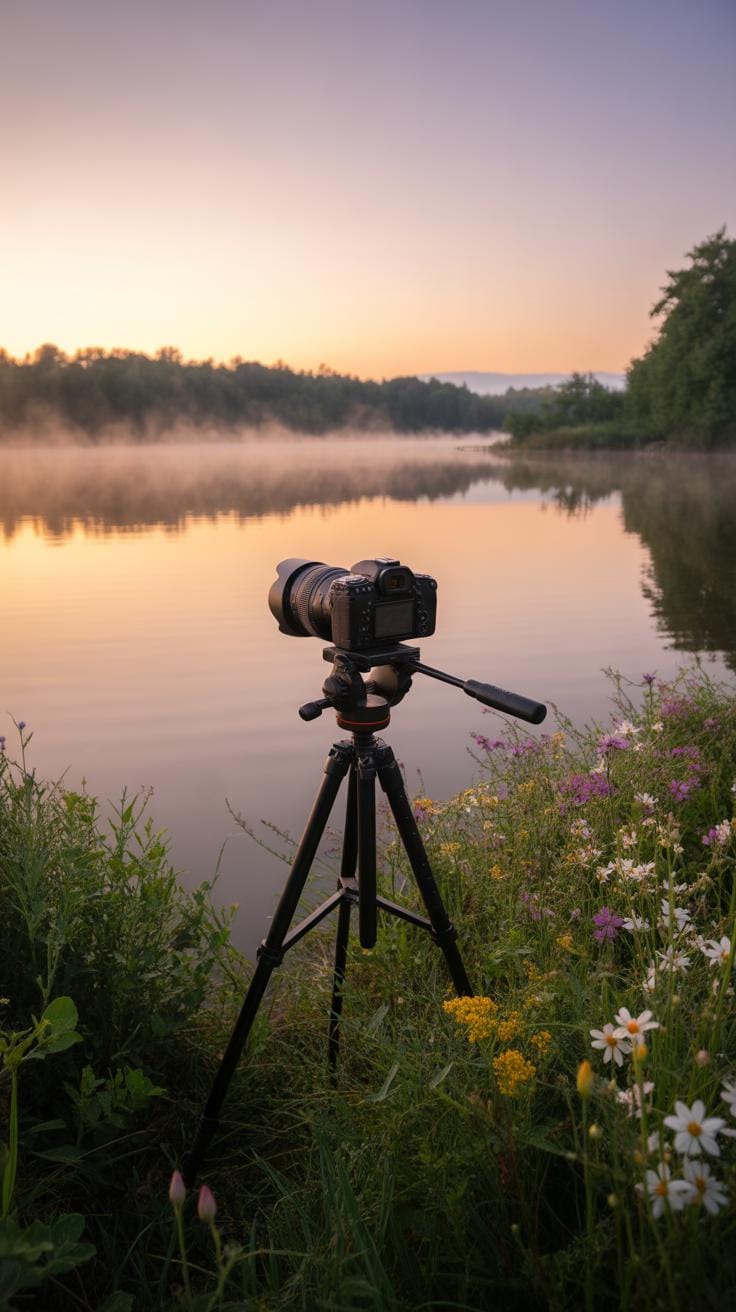
When filming serene nature scenes, the key is to keep your movements smooth and gentle. Rapid or jerky motions can break the calming vibe you’re aiming for. Think slow pans or gentle tilts over a still lake or through a leafy forest. You’ll want to keep your camera steady, so using a tripod or a gimbal stabilizer can make a big difference. Even handheld shots should be deliberate and slow.
Try to avoid zooming abruptly; instead, move the camera physically when you want to change your framing. A slow dolly or glide shot can create a peaceful rhythm. Sometimes, holding a static shot on a still scene adds to the tranquility, letting the viewer soak in the details without distraction.
Camera Movement And Angles To Use
When choosing angles, low or eye-level perspectives often work best for tranquility. These angles connect the viewer more closely with the scene — it feels like you’re standing there. Look for natural frames within the scene, like branches arching over a path or light filtering through leaves, to add layers to your composition.
Try to avoid overly dramatic angles that might create tension or drama. Instead, favor gentle curves and horizontal lines that evoke calmness. Let the scene breathe within the frame — don’t overcrowd it with too many elements. Remember, simplicity is a big part of serenity.
Settings To Enhance Visual Quality
Focus is crucial — keep your shots crisp where it counts. For landscapes or static scenes, use a smaller aperture (like f/8 or f/11) to keep everything sharp from front to back. But sometimes, selectively blurring a background can draw attention to a subject, like a blooming flower, adding a peaceful softness.
Watch your exposure carefully. Early morning or late afternoon light offers soft, warm tones without harsh shadows. Slightly underexposing your shot can preserve detail in bright areas like the sky or water reflections. Adjust the color balance towards cooler blues or gentle greens to boost the calming effect.
Finally, don’t forget about natural sound. Even subtle sounds like a breeze or a flowing stream enhance the sense of being there, which complements your visuals beautifully. What techniques have you found help put viewers in that serene place? It’s a bit of an art and science mix, don’t you think?
Edit Videos For Maximum Calm Effect

When working on nature videos, the goal is to let calmness breathe through every frame. Think about which moments really draw out the peaceful feeling—the slow sway of tree branches, the gentle ripple of water. Cut out anything abrupt or jarring. Don’t hesitate to trim clips where the light shifts too harshly or the camera moves fast; these can disturb the viewer’s sense of calm.
Color correction isn’t just about prettiness. Subtle shifts towards softer, muted tones can help soothe the eyes. You might want to reduce overly bright colors or stark contrasts that pull attention. It’s okay to keep some irregularities too—too much smoothness can feel artificial sometimes, making the scene less authentic and relaxing. It’s a bit of a balance, really.
Simple Editing Steps To Follow
Start with:
- Cutting: Remove sudden or shaky shots that break the serene mood.
- Color Correction: Soften harsh colors and bring out natural hues without overdoing it.
- Sound Integration: Layer natural sounds or calming music to support the visuals, not overpower them.
Also, don’t overlook pacing. Keeping shots longer encourages viewers to linger and absorb the peaceful environment.
Use Of Sound And Music
Sound plays a huge role in relaxation. Natural sounds like bird songs, rustling leaves, or distant water flows can deepen the feeling of being outdoors. If you decide on background music, opt for soft, slow pieces without strong beats. Sometimes, silence or very faint ambient sound can be even more powerful—making viewers lean in, listen more closely.
The challenge is to keep sound editing subtle. Over-editing can turn what should feel like a quiet moment into something distracting. Experiment with blending nature’s own soundtrack and gentle music to see what feels right for your specific clip. After all, calmness is personal, and your video should invite viewers to find their own peaceful place in it.
Social Media Tips For Sharing Videos

Posting nature videos on social media feels straightforward but there’s a bit more to it if you want your work to really stand out. Timing, for example, can make a surprising difference. Sharing when your audience is most active often boosts views, but it’s not one-size-fits-all. Instagram, Facebook, and TikTok each have peak times that shift slightly depending on your followers’ habits. It’s worthwhile to watch your analytics closely for patterns rather than guess.
Choosing platforms carefully matters too. Instagram’s visual focus suits striking nature shots, while YouTube can be better for longer, storytelling videos. TikTok’s short clips thrive on quick engagement, so perhaps bite-sized moments from your footage work there best. Sometimes mixing platforms works—you post full videos on YouTube and highlights on Instagram.
When it comes to engaging your audience, responding to comments goes a long way. It’s encouraging to see creators acknowledge feedback, answer questions, or even chat about their filming location or technique. Hashtags can attract the right crowd, but don’t overdo it—picking a few relevant tags related to the scene, location, or mood can actually help more than tossing in dozens.
What’s your experience with timing and engagement? Have you found any unexpected hacks that boost your nature video reach?
Compare Natural Vs Urban Scenic Videos
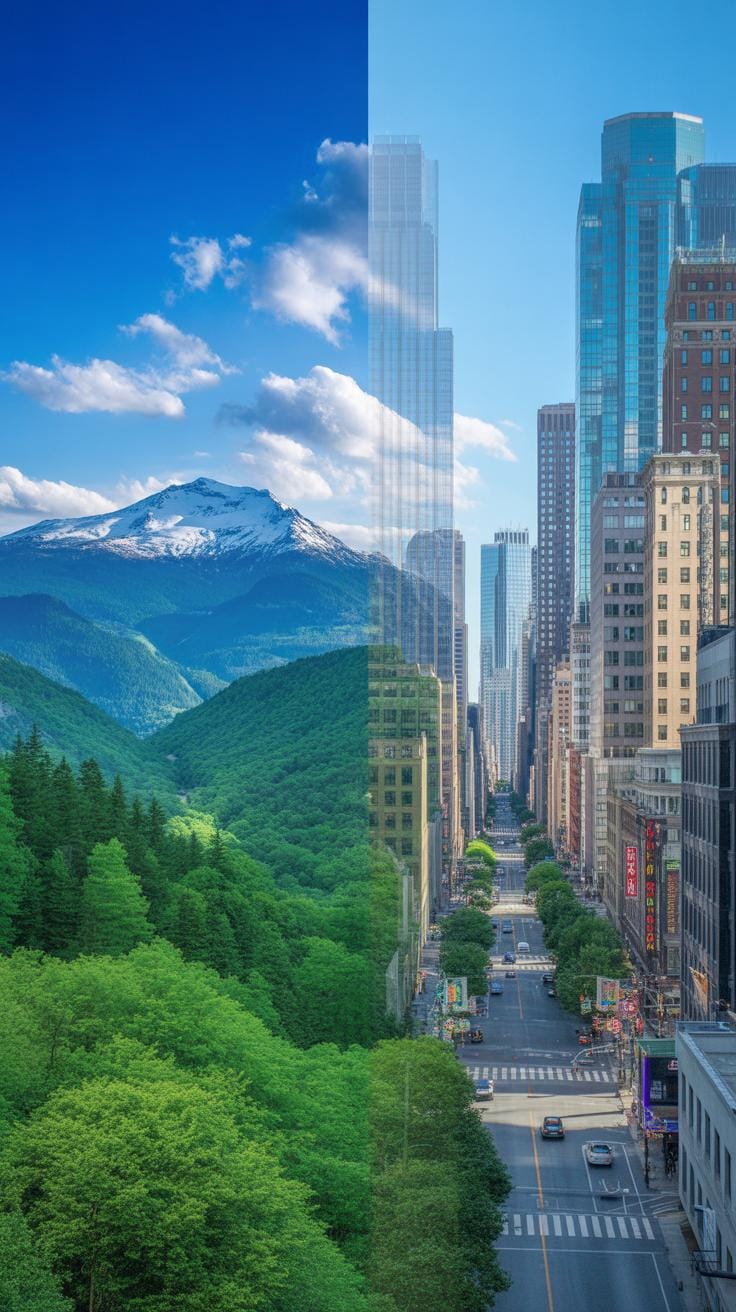
When you look at nature scenes in videos versus urban scenic shots, the differences in appeal and use for travel content stand out quite clearly. Nature scenes often offer a sense of calm and timelessness—think of a forest at dawn or waves gently lapping a shore. These visuals invite viewers to pause and breathe. Urban scenes, in contrast, provide energy and movement, capturing the buzz of crowds, colorful architecture, or city lights after dark. Their appeal lies more in the vibrancy and cultural story they tell.
Travel content creators often pick nature scenes to draw viewers who seek peace or a mental getaway. Urban videos, meanwhile, attract those curious about city life, exploring new places through human activity and design. So, what’s the real draw? Nature videos tend to emphasize quiet beauty and the raw environment. Urban scenes highlight human stories and creativity.
Visual And Emotional Impact
Natural scenes often evoke calm, awe, or even a kind of gentle melancholy. The colors are soft, the movements slow—leaves rustling, water flowing—inviting reflection. It’s almost like watching poetry unfold. On the other hand, urban scenes might stir excitement, curiosity, or even slight tension. Flashing signs, cars speeding, chatter—these visuals serve a different emotional purpose, one tied to human experience and activity.
Which resonates more depends on the viewer’s mood and mindset. I find myself drawn to the serenity of a mountainside video when needing a break, but a bustling street scene can spark a feeling of connection or possibility, especially when planning city trips.
Which Audiences Prefer Each Type
Outdoor enthusiasts, hikers, and those wishing to disconnect from daily life tend to prefer natural scenic videos. They watch to feel rooted and calm. Meanwhile, urban explorers, culture seekers, and travelers planning city visits usually lean towards urban videos, craving the pulse of the city and its diversity.
But overlaps exist. Some nature lovers enjoy city views for occasional bursts of inspiration, and urban fans appreciate nature’s restorative visuals. It’s not black and white but more of a spectrum, shaped by individual experiences and travel goals.
Checklist For Planning Travel With Nature Views
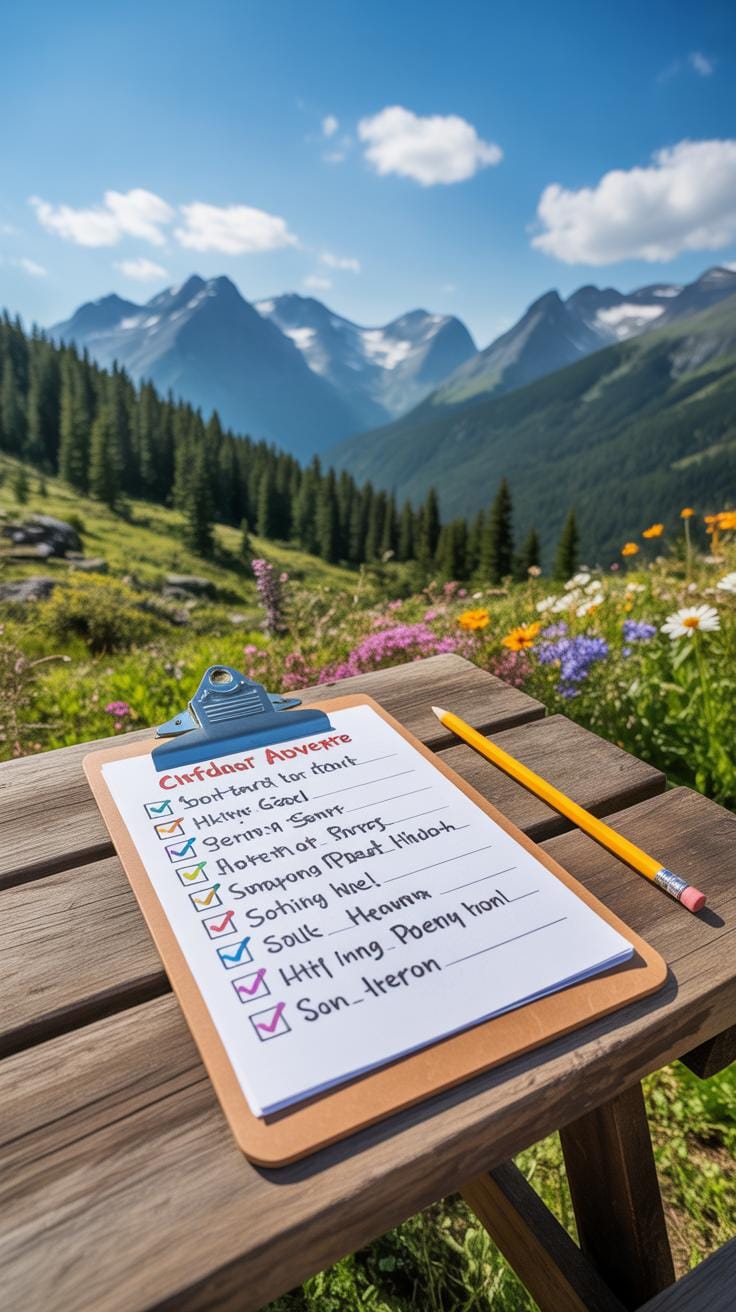
Planning a trip centered on scenic nature scenes? It’s useful to break things down step-by-step so you don’t miss important details. First, decide on the type of nature you want to explore. Are you drawn to mountains, beaches, forests, or lakes? Each requires different preparation. Once you pick a spot, research the best times to visit. Weather and seasons can change the experience drastically.
Next, map out how you’ll get there. Think about your mode of transport — car, train, or maybe a small flight? Sometimes the journey itself offers beautiful views, so plan for that too. After that, explore accommodation options — cabins, lodges, campgrounds — close to the nature scenes. It’s handy if you stay nearby, so you can soak in sunrise or sunset with minimal hassle.
Before finalizing, identify any permits or rules for access. Nature reserves sometimes have restrictions. Last, prepare a checklist of essentials based on your destination, from hiking boots to insect repellent. Having the right gear can shape your entire adventure.
Booking Accommodations And Transport
When finding places to stay near nature spots, proximity matters. You want lodging that’s not just nearby but also blends with the environment. Lodges and cabins often enhance the natural vibe, making your experience feel more immersive. Booking early is wise, especially for popular spots during peak seasons. Prices can jump quickly.
For transport, consider renting a car if public transit options are sparse at your destination. Driving gives you flexibility to explore off-the-beaten-path areas. If you prefer public transport, check schedules ahead as rural routes may run infrequently. Sometimes, combining options — say, a train to a town followed by a shuttle or taxi — works best.
Safety And Preparation Items
Nature travel demands respect for safety. Always check local weather forecasts before heading out; conditions can change rapidly. Pack layered clothes — it might be warm in the sun but chilly in the shade or at higher elevations. Don’t forget a first-aid kit; even small cuts can become tricky when far from help.
Bring plenty of water and some high-energy snacks. If you plan to hike or spend long hours outdoors, staying hydrated and fueled is non-negotiable. A map or GPS device is key, but also carry a physical map — technology can fail. Tell someone your plans, especially if going solo.
Lastly, plan for unexpected events. A flashlight, whistle, and multi-tool can come in handy. You might think these are overkill, but when you’re staring down a muddy path or waiting out a sudden shower, you’ll appreciate being prepared.
Case Study Of Serene Travel Destinations
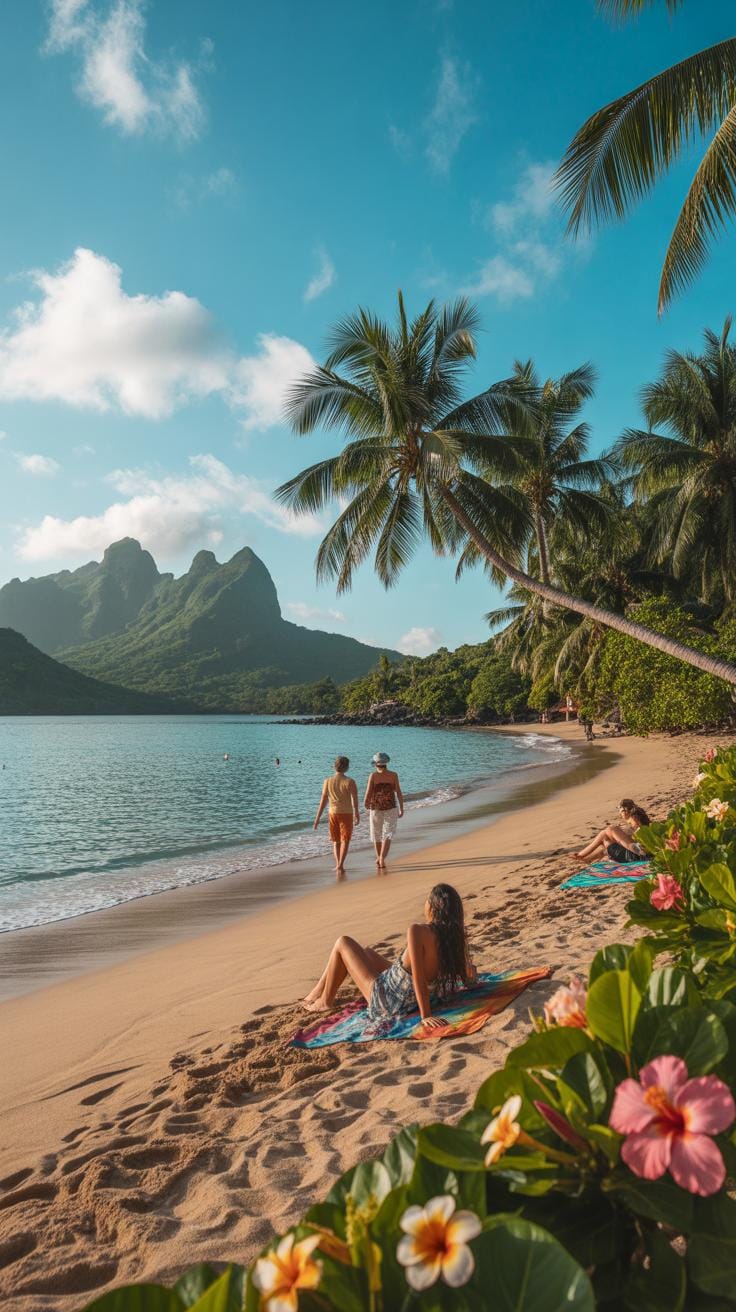
There are, of course, several travel spots celebrated for their tranquil natural settings, but a few stand out. Take, for example, Lake Bled in Slovenia, a place where calm waters mirror the sky and an island with a quaint church punctuates the view. Or the Azores, an archipelago in the middle of the Atlantic, where volcanic landscapes meet vibrant greenery and dramatic coastlines. Then there’s the Japanese town of Kamikochi in the Northern Japan Alps, offering peaceful mountain scenery and crystal-clear rivers.
Key Features Of These Destinations
What makes these places special? It’s often their unspoiled nature and the sense of stillness you find there. For instance:
- Lake Bled is known for its calm lake surface, surrounded by lush forests and hills, ideal for leisurely boat rides.
- The Azores feature hot springs, crater lakes, and stunning hiking routes that invite slow discovery.
- Kamikochi offers well-preserved wilderness with easy access to hiking trails, promoting a deeper connection with the natural world.
Each spot provides unique natural attractions but the common thread is the peaceful environment where time seems to slow down.
Visitor Experiences And Feedback
Travelers often describe these places as refreshingly quiet, almost removed from the rush of daily life. One visitor mentioned feeling a profound sense of calm just sitting by Lake Bled at dawn, watching the mist rise. Another traveler noted that the Azores offered not only beauty but also solitude that helped them recharge mentally. Kamikochi’s visitors praised the fresh mountain air and the chance to easily immerse themselves in nature without crowds.
Yet, some also mention that accessibility can be a double-edged sword: while it’s wonderful to reach these serene spots, sometimes the journey there adds a level of challenge. Still, many find that effort worthwhile for the peaceful reward. Have you considered how these quieter destinations might shift your own perspective on travel?
Conclusions
Nature scenes on video serve as a valuable tool for appreciating and promoting natural beauty. Creating these videos involves planning, choosing the right location, and understanding visual elements that engage viewers effectively.
Whether you’re using nature scenes to inspire travel or to find calm, these videos offer clear benefits. With basic steps, anyone can capture memorable natural views that promote relaxation and encourage exploration.