
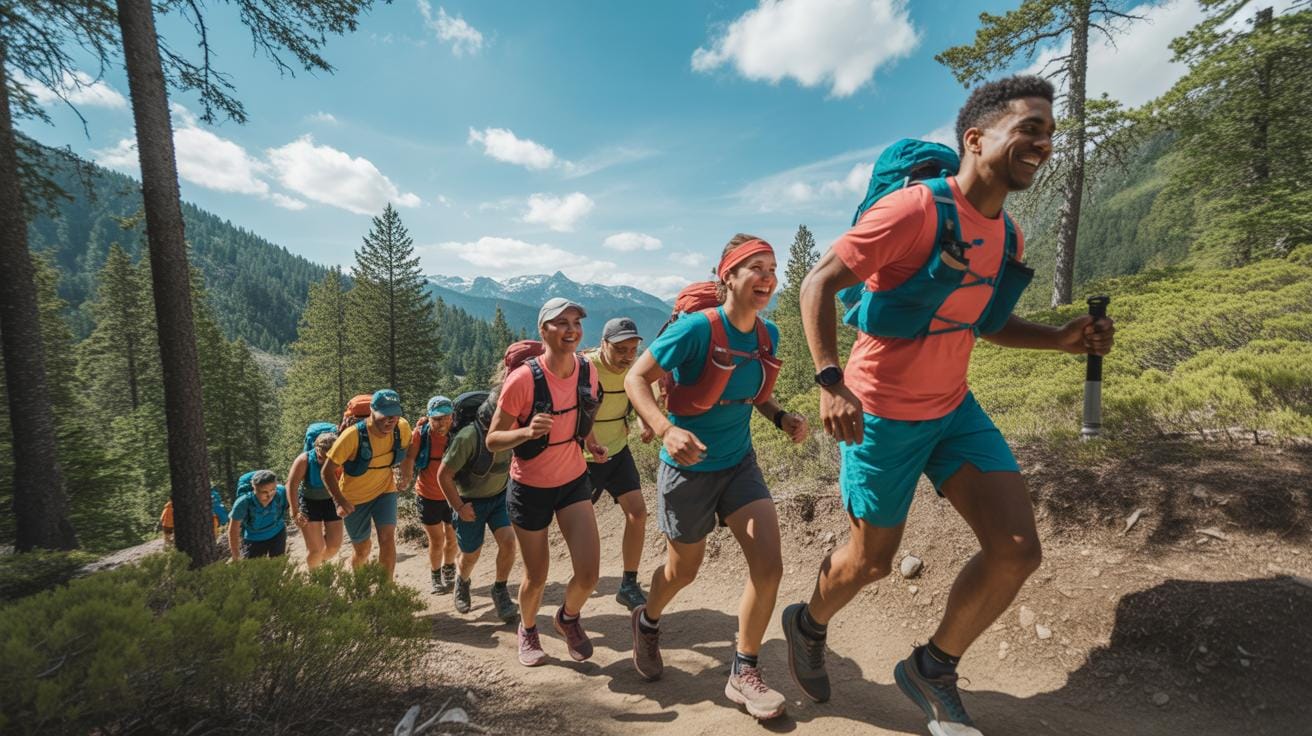
Why Outdoor Adventure Boosts Health and Fitness
Outdoor adventure combines physical activity with nature, offering a unique way to improve your health and fitness. The travel aesthetic around outdoor adventure has grown, inspiring more people to step outside, explore natural settings, and get active. Whether hiking, mountain biking, or kayaking, outdoor activities provide physical exercise that supports stamina, strength, and endurance.
This article covers why outdoor adventure matters for your health. It explains key benefits for your body and mind, how to get started safely, and what equipment you may need. You will also find examples of popular activities, advice on preparation, and a guide to keep your experiences enjoyable and healthy.
Benefits Of Outdoor Adventure
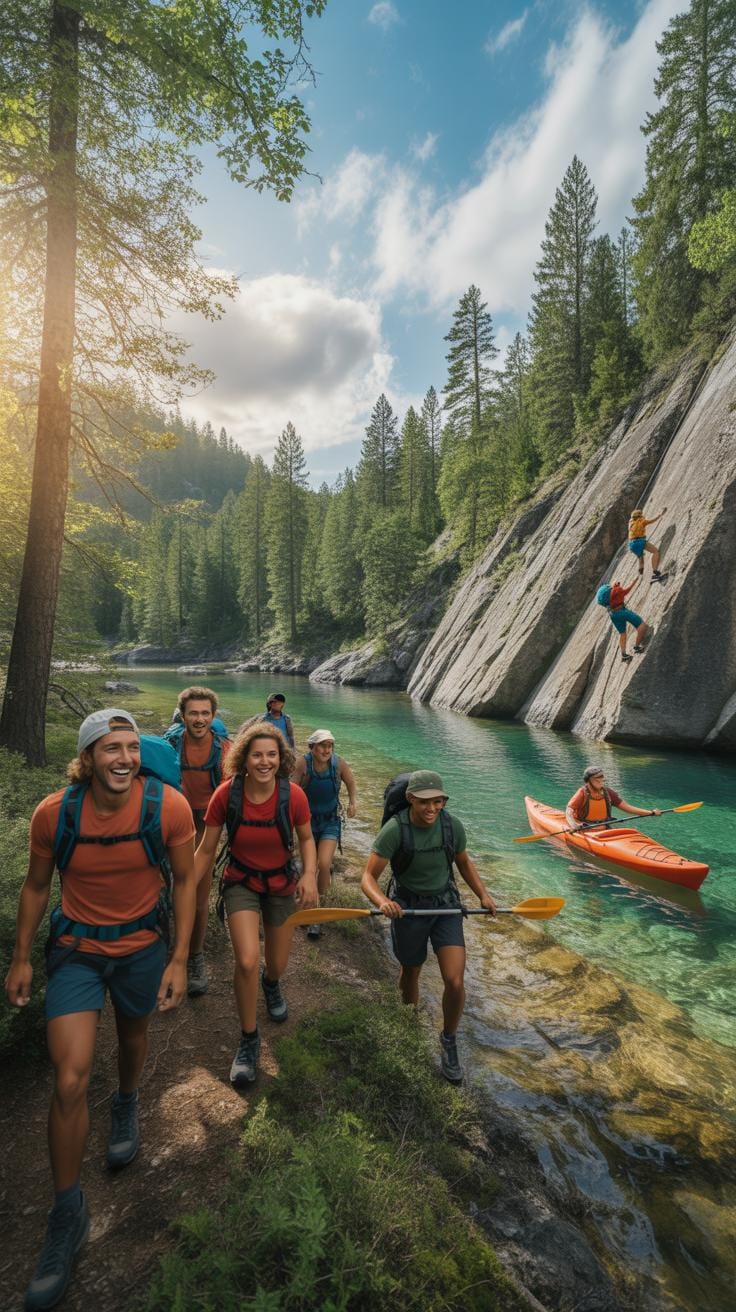
Engaging in outdoor adventure activities like hiking, biking, or kayaking can boost your physical health in several ways. These activities challenge your body beyond typical gym workouts. For instance, hiking involves walking on uneven terrain, which strengthens muscles in your legs and core while building endurance. Biking pushes your cardiovascular system and tones your lower body muscles, especially if you’re tackling trails or hills. Kayaking, on the other hand, primarily works your upper body and improves arm strength, while also building stamina.

But the benefits don’t stop at your body. Being outdoors seems to work wonders on your mental health too. Spending time in nature often lowers stress levels—you might feel calmer just hearing birds or seeing greenery. Plus, exercise triggers the release of endorphins, which can lighten your mood even after just a short adventure. You may notice less anxiety and improved focus after time spent outside moving your body. It’s curious how nature paired with physical activity can lift your mental fog and provide a clearer mind.
Thinking about these benefits, have you ever wondered why a simple walk in the park or a weekend paddle can feel so refreshing? It’s probably because outdoor adventures engage both body and mind, making them a valuable escape from everyday pressures. While the physical gains are tangible, those mental perks might be even more subtle—and perhaps more vital to your overall wellbeing.
How To Start Outdoor Adventures Safely
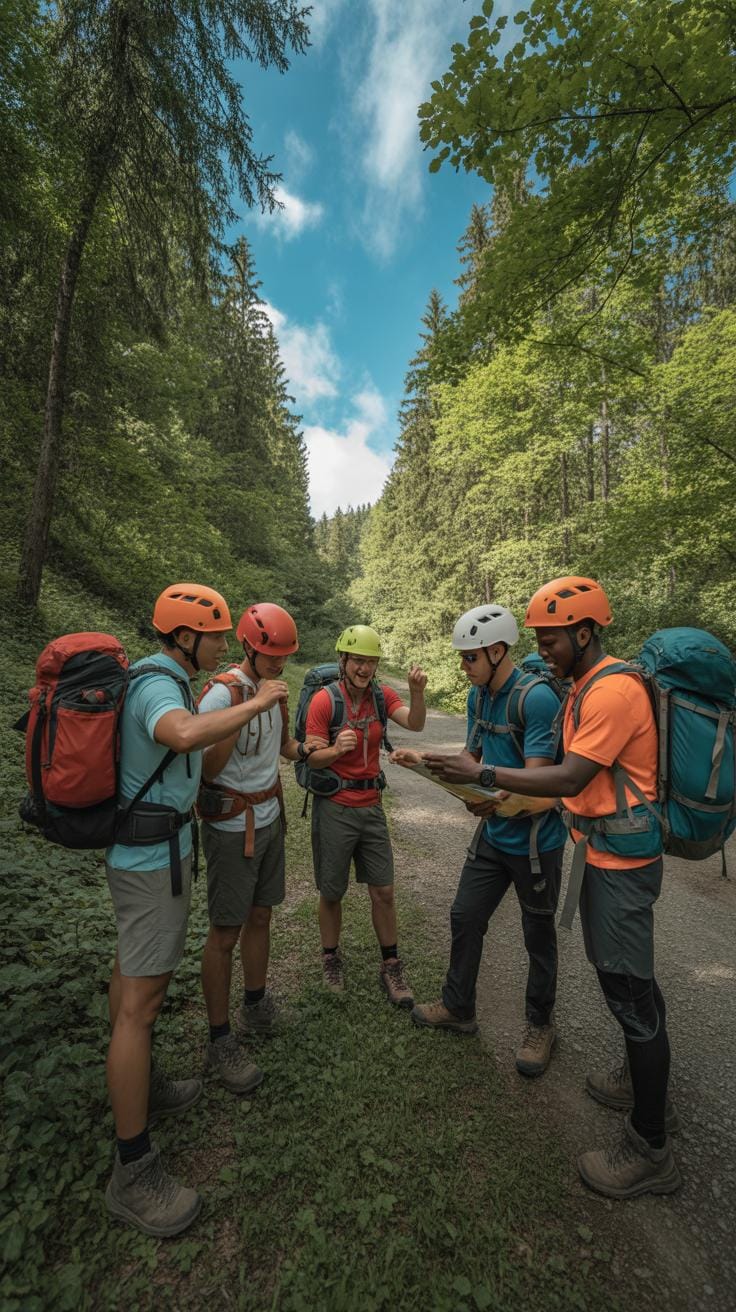
Starting outdoor adventures can feel a bit daunting if you’re new to it, but with sensible planning, it becomes manageable. First, research your chosen activity and the area you want to explore. Pick trails or routes that suit your fitness and skill level—there’s no need to tackle a tough mountain path on your very first outing. Local hiking groups or park websites often have recommendations.
Plan your day so you can return well before dark, and consider the weather forecast. Tell someone your plans and expected return time. This simple step can be a lifesaver if things don’t go as expected. Pack essentials like a map, snacks, and a charged phone, but try not to overload yourself.
Simple Preparation Tips For Beginners
Preparation doesn’t require much—it’s about the basics done right. Start with some light warm-ups before you begin; stretching your muscles helps prevent injury. Choose clothing appropriate for the weather and activity; moisture-wicking fabrics and sturdy footwear are usually good bets.
Drink plenty of water before and during your adventure. Dehydration creeps up quickly without realizing it. Don’t forget sun protection—hat, sunscreen, and sunglasses—even on cloudy days, UV rays can be strong.
Safety Basics To Avoid Common Risks
Outdoor adventures come with risks you can lower by being mindful. Carry a compact first aid kit to handle minor cuts or insect bites. Always inform a friend or family member about your itinerary—that way, someone can act if you don’t return on time.
Keep an eye on the weather. Conditions can change unexpectedly, and knowing when to retreat is crucial. Watch for slippery or unstable terrain, and avoid risky shortcuts. Taking these simple steps might seem cautious, but they’re key to enjoying your adventure without trouble.
Essential Outdoor Adventure Gear Checklist
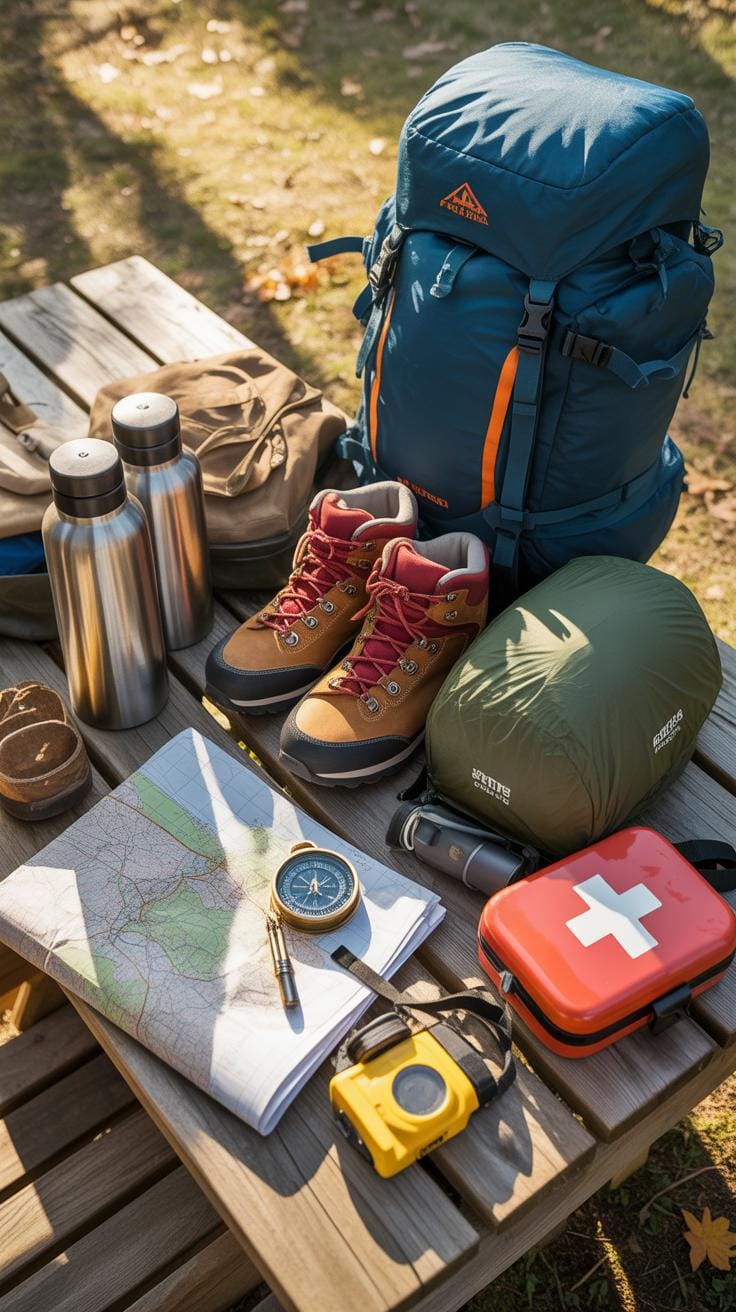
When preparing for outdoor adventures, being equipped with the right gear is crucial. Different activities demand different essentials to ensure safety and comfort.
Must-Have Equipment For Land Activities
For hiking and mountain biking, start with sturdy footwear tailored for rough terrain. Hiking boots and mountain bike shoes provide support and protection. Clothing should be breathable yet weather-appropriate—think moisture-wicking shirts and layered jackets for shifting temperatures. Navigation tools like maps, compasses, or GPS devices can prevent getting lost—don’t rely solely on your phone’s battery. Protective gear such as helmets and gloves add extra safety against falls or scrapes.
Necessary Supplies For Water-Based Games
Water sports come with their own set of essentials. Life jackets are non-negotiable; they keep you afloat even if you fall in unexpectedly. Helmets protect your head during fast-moving rafting or kayaking. Waterproof bags or dry sacks keep your belongings safe from water damage, which is easy to overlook until it’s too late. Clothing selected should dry quickly and offer protection from sun and wind. Remember, when paddling, the right gear makes a real difference between a good day and a frustrating one.
Taking time to consider each item ensures not only safety but also comfort and enjoyment in your adventure. What’s on your checklist?
Common Outdoor Adventure Activities Explained
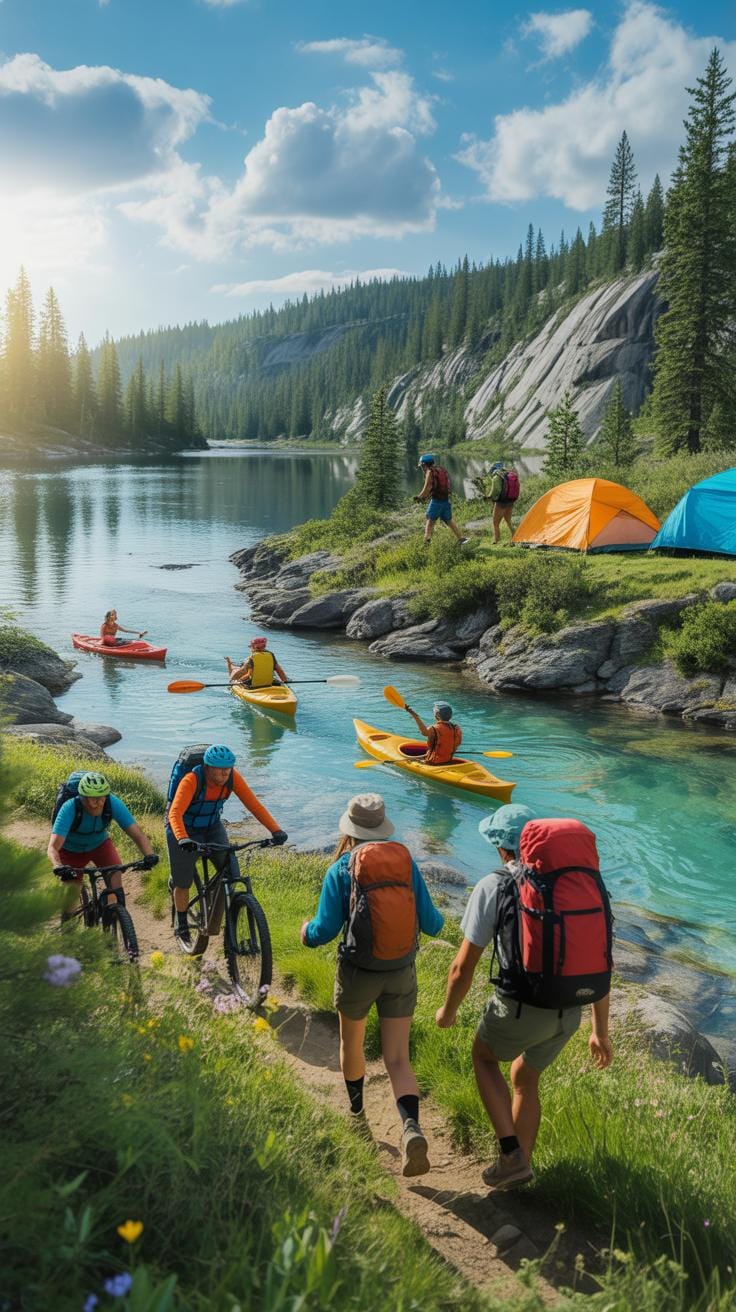
Trekking and Hiking Types and Tips
Trekking and hiking vary widely, and it’s useful to know the differences. Trekking often involves longer, multi-day journeys through rough terrain, usually requiring overnight camping or stays in huts or lodges. Hiking, on the other hand, might be just a day-long walk through forests, hills, or mountains. Expect variable physical demands depending on route difficulty and duration.
For day hikes, a simple pack with water, snacks, and basic first aid suffices. Overnight treks ask for more gear—tent, sleeping bag, cooking gear—and the ability to camp safely.
Some tips to enjoy these activities:
- Plan according to your fitness level and experience
- Check weather and trail conditions before setting out
- Wear sturdy footwear and dress in layers
- Carry enough water and food
Though trekking can be tough, it’s rewarding to immerse yourself in nature away from daily noise.
Mountain Biking Styles and Benefits
Mountain biking covers several styles, with cross country and downhill being the most common. Cross country (XC) involves long-distance rides over mixed terrain. It’s endurance-focused, demanding steady pacing and the ability to handle climbs and descents. Downhill biking is more adrenaline-packed, descending steep, rocky trails with jumps and technical features. Skills here include sharp bike handling and quick decision-making.
Both styles build strength and cardiovascular health but differ in muscle focus and intensity. XC improves stamina, while downhill hones reflexes and muscular power.
Beginners should start with basic bike control and gradually tackle tougher terrain. Protective gear is crucial to prevent injuries.
Overall, mountain biking offers a strong combination of fitness and thrill — you push your limits while exploring beautiful landscapes.
Planning Outdoor Adventures Step By Step
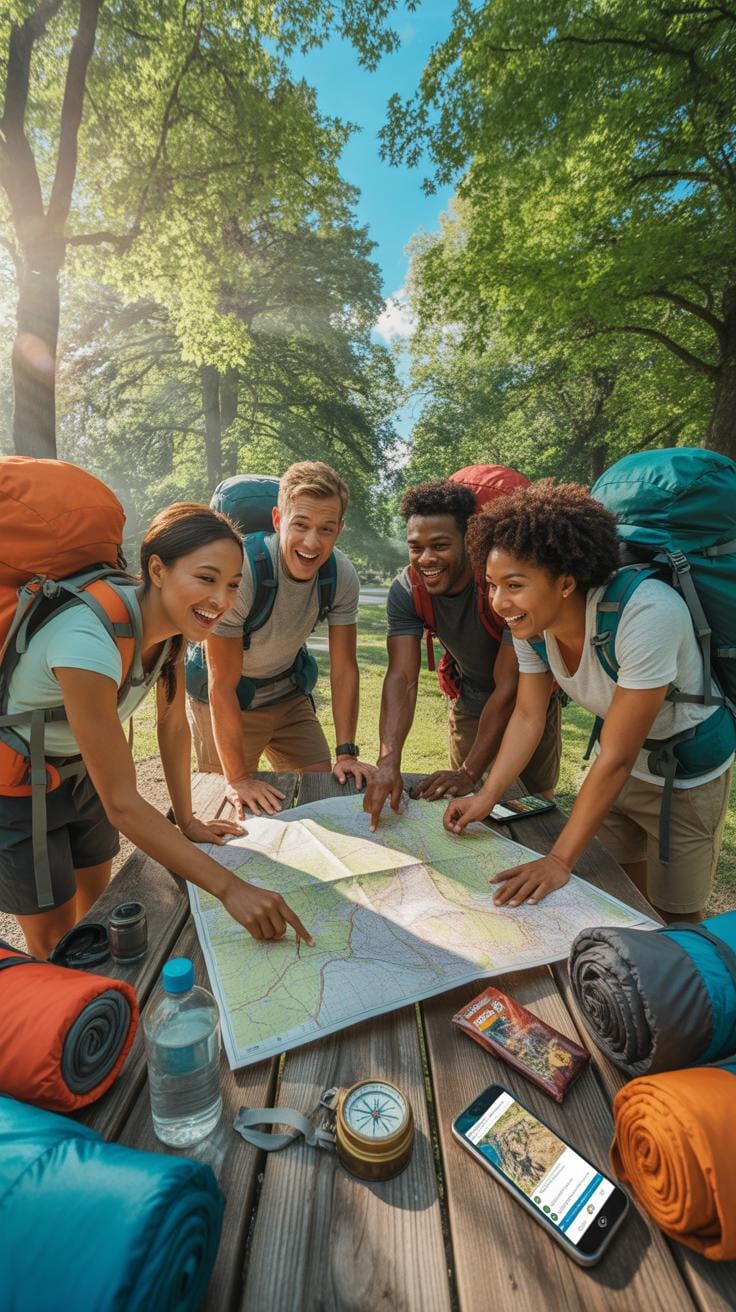
When planning an outdoor adventure, start by picking a location that fits your experience and the activity you want to try. Think about the terrain—will it be rocky trails, dense forest, or flat plains? Distance matters too; a day hike is different from a multi-day trek. Weather forecasts are key since unexpected conditions can change everything.
Next, honestly assess your skills and fitness. Can you handle steep climbs or long distances? Being realistic helps avoid trouble later. Then, gather your gear carefully. Prioritize essentials: sturdy shoes, weather-appropriate clothing, navigation tools, and enough food and water. Don’t overpack, but don’t skimp either—balance is tricky but necessary.
Finally, set a clear schedule. Plan when to start and stop daily activities so you’re not pushing yourself in the dark or catching harsh midday sun. Build in extra time for rest and unexpected delays. It might seem meticulous, but timing can shape your whole adventure’s mood and safety.
Comparing Outdoor Activities For Fitness Goals
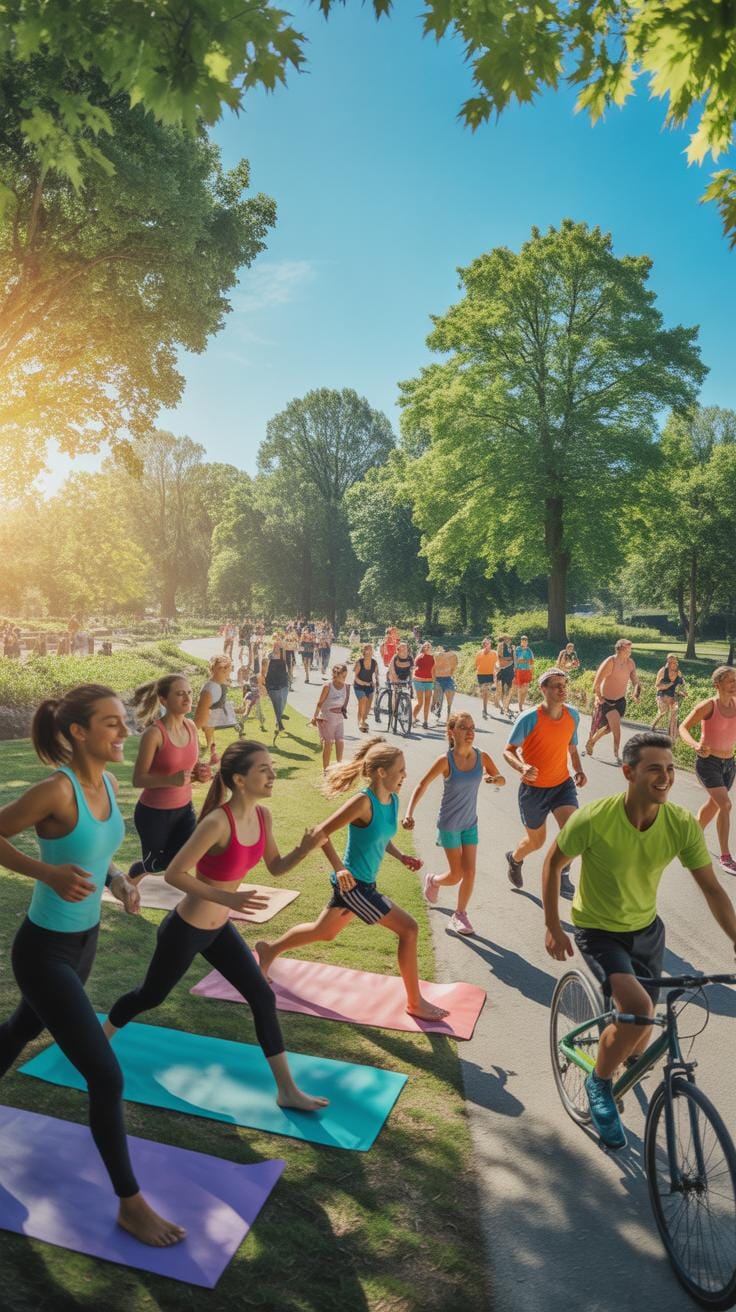
Hiking Versus Mountain Biking For Endurance
Both hiking and mountain biking improve cardiovascular endurance, though they do so differently. Hiking offers steady, weight-bearing aerobic activity, increasingly challenging when tackled on uneven terrain or up steep paths. It tends to be lower impact but slower paced, which some find easier to maintain over time. Meanwhile, mountain biking pushes your heart rate harder and faster, combining endurance with bursts of intense effort when climbing hills or maneuvering obstacles. It’s not only about steady cardio but includes short anaerobic bursts, thus potentially improving cardiovascular capacity quicker. Deciding between the two depends on your preference for intensity and joint impact. Hiking might suit those preferring steady and consistent effort, while biking offers a quicker cardiovascular boost with the thrill of speed.
Water Sports Versus Land Exercises For Strength
Coming to strength training, water sports and land exercises target muscles differently. Kayaking, for example, uses repetitive upper-body and core motion against water resistance, developing muscular endurance and functional strength. The water’s buoyancy reduces joint stress, so it feels less harsh but requires steady muscle engagement. On the other hand, climbing demands full-body power, recruiting larger muscle groups—arms, legs, and core—to support body weight. It challenges grip strength, balance, and explosive muscle moves. Climbing builds raw strength and muscle density more aggressively than kayaking. If you seek strength without joint strain, paddling appeals. For serious muscle building and functional power, land-based climbing might be preferable. Both have unique benefits, so the choice boils down to your specific muscle strength goals and physical preferences.
Tracking Progress And Staying Motivated

When you’re out there on your outdoor adventures, keeping track of your progress can be surprisingly simple. You could measure the distance you’ve covered, noting each mile or kilometer to see how far you’ve pushed yourself. Or, you might record the time you spend on your adventure—whether it’s a brisk hike or a long bike ride. These easy metrics help you see tangible improvements over time. Some folks even use calories burned as a benchmark, which adds another layer to understanding their effort.
But tracking is more than numbers. Imagine setting small, realistic goals for each outing. Maybe today you try a slightly longer trail or increase your pace. Joining a local outdoor group can boost your spirit too. Sharing experiences with like-minded people often sparks motivation to keep going. And, importantly, don’t shy away from trying new trails or activities. Variety keeps things fresh and can rekindle your enthusiasm when your energy dips.
There’s something about checking off milestones that encourages you to return. Yet, it’s okay if some days are less productive. Consistency isn’t always perfect; it’s about enjoying the journey and the steady improvements that come with it.
Examples Of Outdoor Adventure Routines
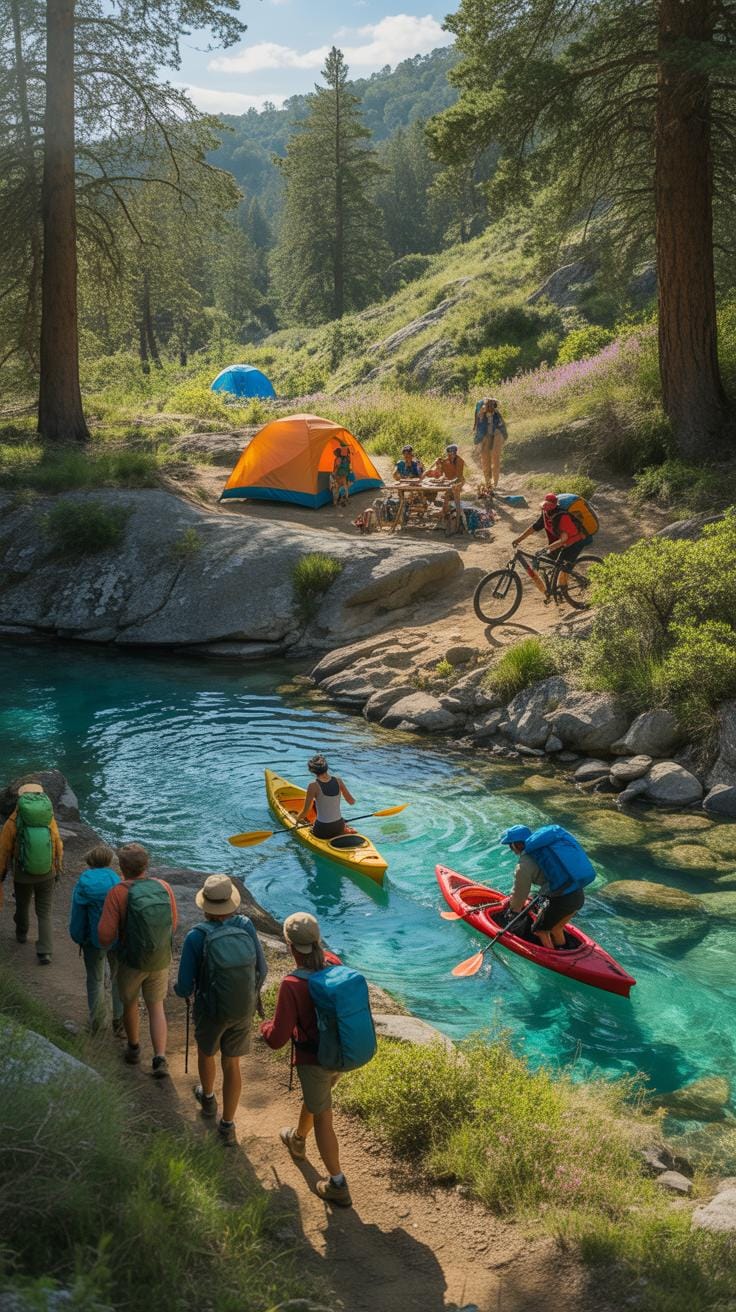
When it comes to outdoor adventure routines, mixing up the activities keeps things fresh and your body challenged. You might start with a couple of hikes per week, varying the trails to include some steep climbs or forest paths. Maybe add a biking session on a weekend, focusing on steady endurance or quick sprints.
Try sessions like:
- Trail hiking: 60-90 minutes, moderate pace, 3 times weekly
- Mountain biking: 45-60 minutes, alternating medium and high intensity, 1-2 times weekly
- Kayaking on calm waters: 30-60 minutes, steady pace, 1-2 times weekly
- Evening walks or light jogs in a park: 20-30 minutes, low intensity, almost daily
It’s about finding what feels manageable but pushes your boundaries bit by bit. You may find some days energy runs low, and that’s okay; the balance is flexible, not fixed.
Weekly Routine For Beginners
Starting out, keep things gentle. Imagine walking or light hiking for 30 minutes every other day. Progress slowly – maybe aim for 3 days a week. Slowly introduce a bike ride, no longer than 30 minutes, on weekends. Intensity stays low, just enough to raise your heart rate but not exhaust you.
You could follow a pattern like:
- Monday: 30-minute walk
- Wednesday: Light hiking, 30-45 minutes
- Friday: Rest or gentle stretching outdoors
- Saturday: Easy bike ride, 20-30 minutes
- Sunday: Rest or casual stroll
The focus here is consistency and developing comfort outside. Don’t stress reaching peak performance immediately. Your body adapts over time and that gradual build helps avoid burnout.
Advanced Routine For Fitness Enthusiasts
If you already have a solid base, challenge yourself by layering varied activities. You could incorporate interval sprints on trails, long-distance paddling, or weighted backpack hikes. Here’s an idea for intense weekly flow:
- Monday: Hill sprints + strength bodyweight exercises outdoors (45 minutes)
- Tuesday: Mountain biking with technical trails (60+ minutes)
- Thursday: Trail running, varying pace aggressively (45-60 minutes)
- Saturday: Long kayak or canoe adventure (90+ minutes)
- Sunday: Recovery hike or gentle swim
Push your limits one day, then dial back to recover the next, fostering resilience. Sometimes you might feel unstoppable, other days drained—both are parts of the process. Listening to your body sometimes means adjusting or skipping, even if you prepared a tough routine.
Conclusions
Outdoor adventure offers a practical and effective way to enhance your health and fitness through exercise in natural environments. Physical activities like trekking or cycling build strength, stamina, and cardiovascular health. At the same time, exposure to nature helps reduce stress and improve mental wellbeing.
By choosing suitable activities and preparing properly, you can safely enjoy outdoor adventures as part of your fitness routine. Start with simple hikes or rides, gather essential gear, and gradually increase challenge. Outdoor adventure supports both your body and mind, making it a valuable addition to your healthy lifestyle.