

Building a Summer Bucket Plan for Travel and Fitness
Summer offers a great chance to try new experiences. Creating summer bucket plans helps you balance travel, food, and fitness. These plans guide you to explore new places, enjoy diverse meals, and stay active.
This article shows how to build practical summer bucket plans. You will learn how to pick travel locations, decide on foods to try, and set fitness activities. By planning ahead, you make summer more memorable and healthy.
Set Clear Summer Bucket Goals


When planning your summer bucket list across travel, food, and fitness, it’s helpful to set goals that feel doable. You want objectives that spark excitement but won’t leave you overwhelmed or stuck. Clear goals give your ideas shape—think of them as simple checkpoints to keep the momentum going through summer.

Try framing your goals like this:
- Travel: Choose one or two destinations within your budget and time limits to explore, avoiding a lengthy wish list.
- Food: Identify particular local dishes or seasonal fruits to taste where you go, rather than a vague plan to “eat everything.”
- Fitness: Pick a few activities or routines you genuinely enjoy, such as morning beach walks or bike rides, and commit to those regularly.
Rather than aiming for big, unclear ambitions, focusing on steps you can realistically achieve makes sticking to your summer bucket more likely. It also helps that you can cross off those accomplishments, which feels—well, satisfying. It keeps the process motivating, even on busy or hot days.
Choosing Travel Destinations
Deciding where to go fundamentally shapes your experience. Start with these practical questions:
- What’s your budget? Factor in travel, accommodation, food, and extras.
- How far can you or want to travel? Sometimes nearby spots offer enough novelty.
- What draws you most—a beach, a city vibe, or nature escapes? Your interests guide your choice.
Consider places known for quality local foods or fitness options too. For instance, a coastal town might offer fresh seafood and easy shore runs. A city could mix culinary adventures with museums and parks. Picking destinations aligned to your summer bucket goals assembles a more rewarding trip—more than just ticking off a map point.
Selecting Foods To Try
Sampling food is a core part of travel, and picking what to try can shape memories. Lean toward local specialties—dishes or drinks unique to where you are. Often, these tell a story about culture and history you wouldn’t get otherwise.
Seasonal fruits offer another tasty angle. Finding fruits only available in summer or in specific regions can be a refreshing change to your diet and a treat you hardly get back home.
Trying a single local dish or fruit each day—even if it’s small—adds up. It’s less about a gourmet quest and more a gentle nudge to engage your senses in new ways. Maybe you discover a preference or an unexpected favorite.
Summer Bucket Plans To Boost Travel Food And Fitness Adventures
Create Travel Itinerary Checklist
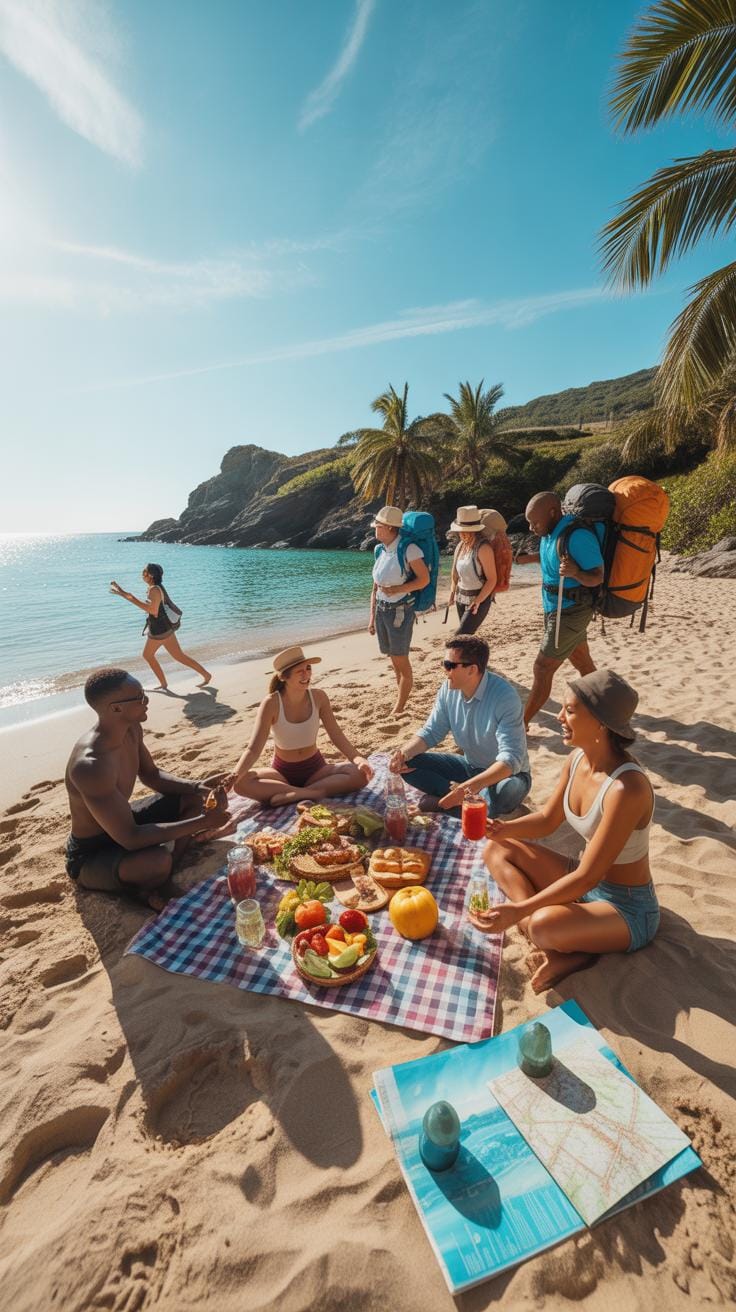
When planning summer trips tied to your bucket list, having a clear checklist can save stress and time. Start with booking—nail down flights and accommodation first. Then, pack thoughtfully, bringing essentials for food exploration and fitness. Finally, schedule activities to balance discovery and downtime without feeling rushed.
Booking Flights And Accommodation
Finding affordable flights takes some digging. Compare prices across multiple platforms, at different times of the day if you can. Reading reviews on accommodations is a must—sometimes the cheapest places aren’t the best for your needs. Look for spots near your planned activities to cut down on travel time and get a more immersive experience.
Pack Essentials For Food And Fitness
Packing for summer is tricky—you want to try new foods but keep active too. A reusable water bottle is non-negotiable; staying hydrated is crucial when exploring or working out. Don’t forget workout clothes that dry quickly, plus comfy walking shoes. Maybe throw in a small cooler bag if you plan on picnics or food markets. Balancing what you pack with what you actually need can be challenging—I’ve definitely overpacked more than once.
Plan Meals With Nutrition In Mind

When you plan summer meals, striking the right balance between taste and nutrition can feel a bit like walking a tightrope. You want those meals to be enjoyable, but also fuel your body properly. One way to start is by building your meals around fresh, whole foods—think grilled chicken or fish paired with vibrant veggies.
At the same time, don’t ditch the occasional treat. Maybe a scoop of ice cream or a sweetened lemonade here and there keeps things fun and keeps you motivated to stick with healthier choices overall. Portion control helps—small portions of your favorite indulgences don’t have to sabotage your nutrition goals.
Also, trying to incorporate lean proteins and complex carbs can give you lasting energy without feeling weighed down in the summer heat. Planning ahead and prepping your meals can reduce the temptation to resort to fast food when hunger hits unexpectedly.
Incorporate Seasonal Fruits
Seasonal fruits really shine in summer—both taste-wise and nutritionally. Fruits like watermelon, peaches, cherries, and berries are packed with vitamins like C and A, and they’re great for hydration thanks to their high water content. I find it fascinating how eating fruits in season not only tastes better but also typically has a smaller environmental footprint.
Throwing a handful of fresh berries into your morning yogurt or blending up a smoothie with sliced peaches can brighten your meals and keep you refreshed. Seasonal fruits also vary regionally, so exploring what’s locally available adds a fun, sometimes surprising twist to your diet.
Balance Treat Foods And Healthy Choices
Summer is full of tempting treats—ice cream trucks, barbecue desserts, sugary drinks. It can be hard not to overdo it. Rather than giving in to all-or-nothing thinking, try moderation. Enjoy that cone of ice cream but maybe pair it with a fresh fruit salad to keep things balanced.
Another tip is to balance your overall meal. If you know you’ll indulge in a slice of pie later, lean toward lighter options earlier in the day, like salads or grilled veggies. This approach can help you stay on track without feeling deprived or overly strict.
Sometimes, it’s about mindset too—thinking of treats as part of a varied diet rather than the enemy of fitness goals. You don’t have to discard them completely; you just find ways to enjoy them thoughtfully.
Select Fitness Activities For Summer
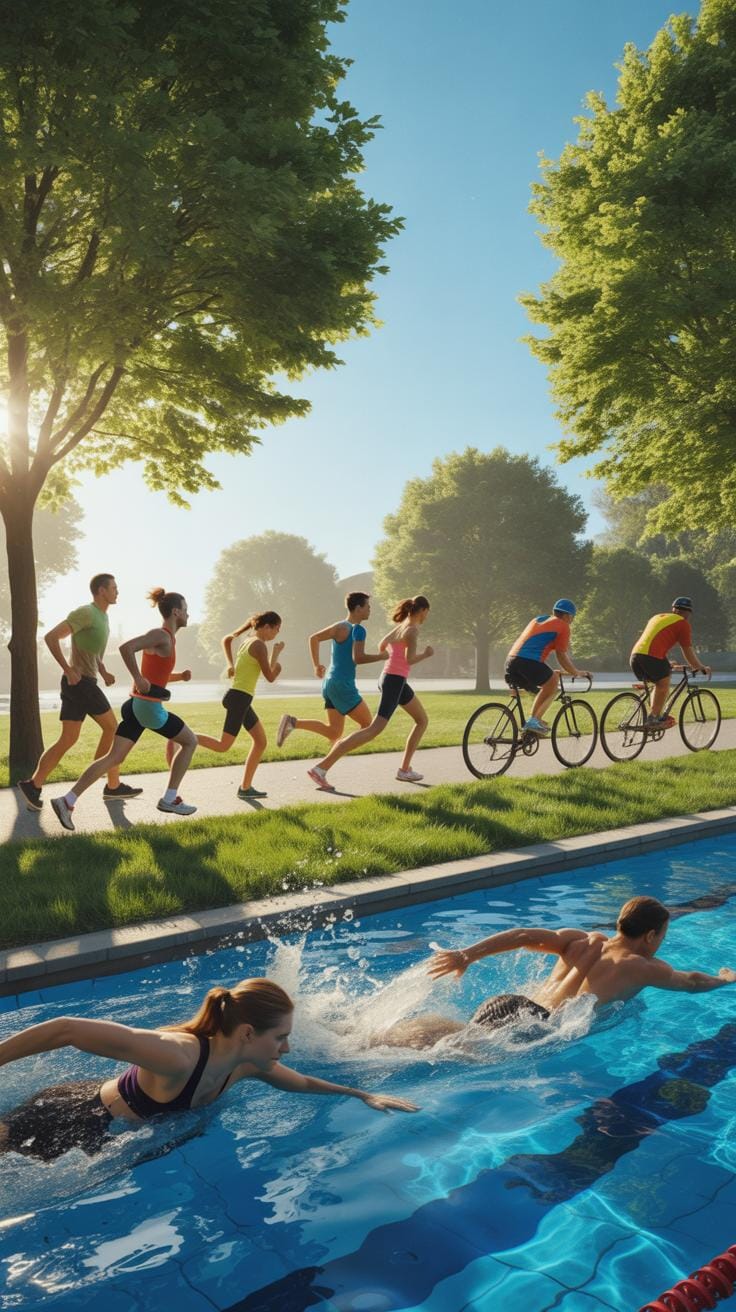
Choosing the right fitness activities for summer can really enhance your travel and adventure experiences. You want something that meshes well with your plans, weather, and energy levels—whether you’re outdoors or stuck indoors due to rain or travel schedules.
Outdoor Exercise Ideas
Summer is great for outdoor exercise. Swimming is a fantastic low-impact full-body workout that also cools you off.
Hiking is another option; it suits explorers and nature lovers. Even casual walks count—it’s about moving and discovering.
Biking offers varied intensity levels. Mountain biking on rough trails can be intense, while gentle rides in the park ease the pace.
If you want something a bit different, try paddleboarding or kayaking—they combine fitness with fun water time. Plus, early mornings or late afternoons help avoid the heat and crowds. It’s about fitting exercise naturally into adventure.
Indoor Fitness Alternatives
Sometimes, weather or location throws a wrench in outdoor plans. That’s when indoor options come in handy.
Bodyweight exercises like squats, lunges, and planks require no equipment and can be done anywhere—hotel rooms, rental spaces, even airports.
Yoga or Pilates mats are lightweight and packable, perfect for balance, flexibility, and calming your mind after a busy day.
Resistance bands add a bit of strength training without heavy gear. If you’re near a gym, try their classes or treadmills to keep up cardio without the summer sun.
Choosing indoor workouts that don’t feel like chores helps maintain your fitness even when outside isn’t an option.
Track Progress With Metrics

Keeping tabs on your summer bucket plans can feel a bit tricky at times. You might think, “How do I actually measure fun or progress?” Well, there are some straightforward ways to do this without overcomplicating things. A lot of people, myself included, find using apps makes it easier, especially for fitness. They keep things objective—steps counted, calories burned, minutes exercised. It’s like having a silent coach in your pocket.
Journals offer a different flavor. Writing down your meals, places visited, or how you felt after trying something new creates a space for reflection. It might seem old-fashioned, but pen and paper can capture moments in ways apps sometimes miss—the messy stories behind the numbers.
Photos too—don’t underestimate them. Sometimes you’ll look back and realize how far you’ve come or how many new tastes you sampled just by scrolling through your gallery. Plus, photos add something personal that words might not fully capture.
Use Apps For Fitness Tracking
Apps like Fitbit, MyFitnessPal, and Strava often come up in conversations about tracking workouts. They log everything from your steps to the intensity of your runs or swims. I’ve tried a few, and while none is perfect, they do motivate you to keep moving—plus, they give a neat summary of your progress, which is helpful.
Some even let you set reminders or challenges. Say you want a 10,000-step day or 30 minutes of cycling. The nudge from these apps can push you, even if just a bit, to stick to your fitness plans during the hot summer months when the couch can be tempting.
Record Food Experiences
Trying new foods is a big part of summer adventures. You might want to jot down not just what you ate but how it tasted and felt. Did the spicy street taco make your mouth water or leave you gasping? Was the refreshing fruit salad a perfect end after a hike? These notes can turn into a tasty diary of your culinary journey.
Whether it’s through a quick voice note, a dedicated food journal, or an app designed for food lovers, capturing these snapshots helps you remember those sensory details. Plus, they can guide you when you want to recreate that experience or avoid something less enjoyable next time.
Compare Travel Vs Staycation Benefits

Advantages Of Traveling
Traveling opens up a world beyond your everyday sights. There’s something certain about stepping into a new culture, tasting unfamiliar foods, and seeing landscapes you’ve only imagined. It’s not just fun—it’s eye-opening.
Visiting new places stretches your comfort zones and offers memorable adventures. Maybe you hike a trail you’ve never seen or explore a bustling market with colors and smells that surprise you. If you want to break routine and spark your curiosity, traveling delivers that.
The drawback? Planning can be tricky, and expenses add up quickly. Yet, for those drawn to exploration, the challenge itself becomes exciting. Perhaps what you need is a complete shift—new environments that refresh your perspective.
Advantages Of Staycations
On the flip side, staycations let you enjoy a break without the hassle of long travel or hefty costs. Staying local often means less pressure to schedule tightly, and you don’t have to worry about packing or airport lines. A staycation can feel like a chance to recharge closer to home.
You might discover local gems you overlooked before—a quiet park, a nearby museum, or a festival right in your town. It’s not just about saving money; it’s about lowering your stress and maybe even supporting local businesses, which is a nice bonus.
One risk is slipping back into daily chores, making it less restful than intended. To really benefit, try setting clear boundaries that separate your staycation from everyday life. It’s a different kind of adventure, more relaxed but equally valuable depending on what you need.
Avoid Common Summer Bucket Pitfalls
When creating your summer bucket list, it’s easy to fall into some frequent traps that can spoil your plans, especially around travel, food, and fitness.
Overpacking And Overscheduling
Trying to fit too many activities or lugging around an overstuffed suitcase often backfires. Overpacking can weigh you down physically and mentally, making spontaneous choices harder and adding stress. Too many scheduled events leave little room for relaxation or unexpected discoveries. Focusing on essentials—what really matters to you—and staying flexible allows a more enjoyable, less rushed experience.
Ignoring Nutrition And Rest
It’s common to overlook balanced meals and sufficient rest when caught up in summer excitement, but skipping these basics can drain your energy fast. Eating nutritious, easy-to-prepare foods and carving out downtime are not just good for your body; they help sustain your adventures longer. Try simple routines that blend healthy eating and adequate rest—your body will thank you, even if it feels tempting to dive into every festival or early morning hike without pause.
Use Tools For Budgeting Trips

Managing your travel, food, and activity costs during summer adventures might seem tricky, but with a bit of planning, it gets easier. One simple approach is creating a budget spreadsheet. Start by listing your main expense categories: travel (flights, gas, public transport), food (groceries, dining out), and activities (tickets, rentals). Then add columns for estimated costs and actual spending. This way, you can keep an eye on your budget as you go.
Perhaps you’re wondering about the best tools to track expenses in real time—several apps can help. Apps like Mint, PocketGuard, or YNAB (You Need a Budget) allow you to input purchases on the spot, categorizing spending quickly. Using these in conjunction with your spreadsheet can give you a double-check on your spending habits.
What’s practical is to update your budget at least every few days while traveling. Doing so prevents surprises and helps you adjust plans if necessary. Plus, it feels good to stay in control, especially if you’re juggling multiple destinations or food splurges. Give yourself some flexibility—budgets aren’t about restriction but guiding choices.
Plan Day Zero To Day Fourteen
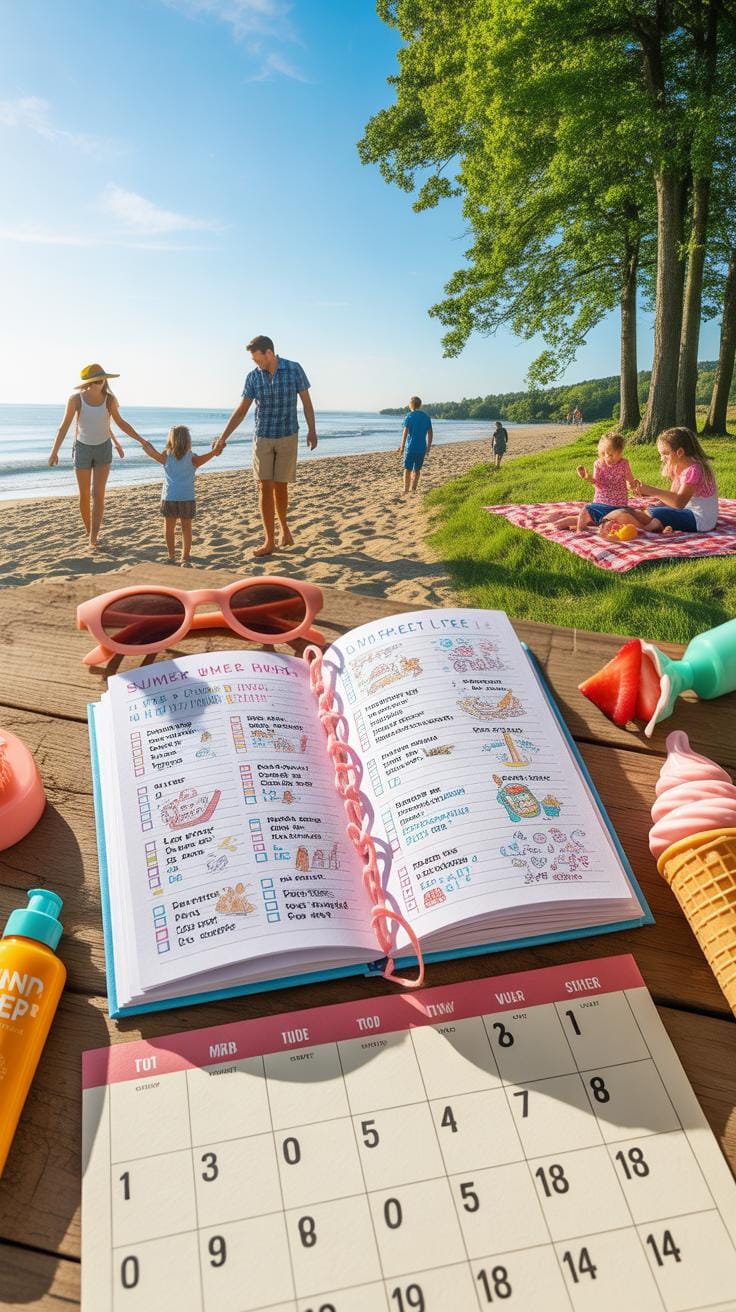
Starting your summer bucket list with a clear two-week plan can really shape the experience, though, I suppose, not every day will go exactly as planned. Here’s a simple framework that mixes travel, tasty food spots, and fitness activities.
First Week Focus On Travel And Taste
Day zero should be a relaxed travel and settling-in day; it helps to recover from the journey before diving into the vacation. Then, from Day One to Seven, plan to visit a new place each day. Aim for spots that offer a mix of culture and nature, maybe a beach one day, a historic district the next.
- Try a local specialty each evening — perhaps seafood on the coast or a unique street food in the city center.
- Have one day dedicated entirely to a food market or local cooking class.
- Consider a short day trip on a mid-week day to keep things varied.
The first week is about exploration and indulging your taste buds. But don’t forget to get some easy movement in, like a walk around town or light swimming, to stay active without feeling like a workout.
Second Week Include Fitness Challenges
Starting the second week, shift your focus toward fitness to build strength and endurance. You might begin with moderate hikes or bike rides on Day Eight and progressively increase the intensity as days go by.
- Incorporate morning runs or yoga sessions to set an energizing tone for the day.
- Try a new fitness activity that mirrors your location — for example, paddleboarding if there’s water or trail running nearby.
- Set a goal like completing a certain number of steps or calories burned each day.
- Don’t hesitate to rest if your body signals the need.
This mix allows you to balance pleasure with effort, and perhaps you’ll surprise yourself with how much stamina you can build in two weeks. You might find that some days you want to push harder, and others, you just want to relax; both are okay. Does this kind of plan sound manageable for your summer goals?
Gather Examples Of Summer Bucket Success

For many, summer bucket plans turn vague ideas into tangible memories. Take an avid traveler who combined modest budgets with local explorations and active days outdoors. By cycling through small towns in the Pacific Northwest, this person absorbed culture closely. It was less about the destination, more about engaging with the environment and community.
Similarly, a family revamped their eating habits during their summer road trip. They packed fresh produce and cooked simple, nutritious meals rather than relying on fast food. The combination didn’t just keep energy up for hikes; it created mealtime rituals that everyone looked forward to, reinforcing bonds.
Consider the story of a marathon runner who used summer evenings to jog through unfamiliar city parks while trying new health-conscious cuisines afterwards. This approach kept fitness goals intact without sacrificing the pleasure of discovery.
These examples show that with some planning, summers can be more than relaxing pauses—they can actively boost travel, food, and fitness experiences. What stops you from adapting a similar strategy this year?
Conclusions
Summer bucket plans help you enjoy travel, food, and fitness in a balanced way. They let you try fresh meals, explore destinations, and keep active. Thoughtful planning saves time and money while improving your summer experience.
Creating and following these plans ensures you return from summer feeling refreshed and healthy. Use the tips and prompts here to set your summer goals, track your steps, and enjoy tasty new dishes. Start your summer bucket plan today to make the most of the season.