
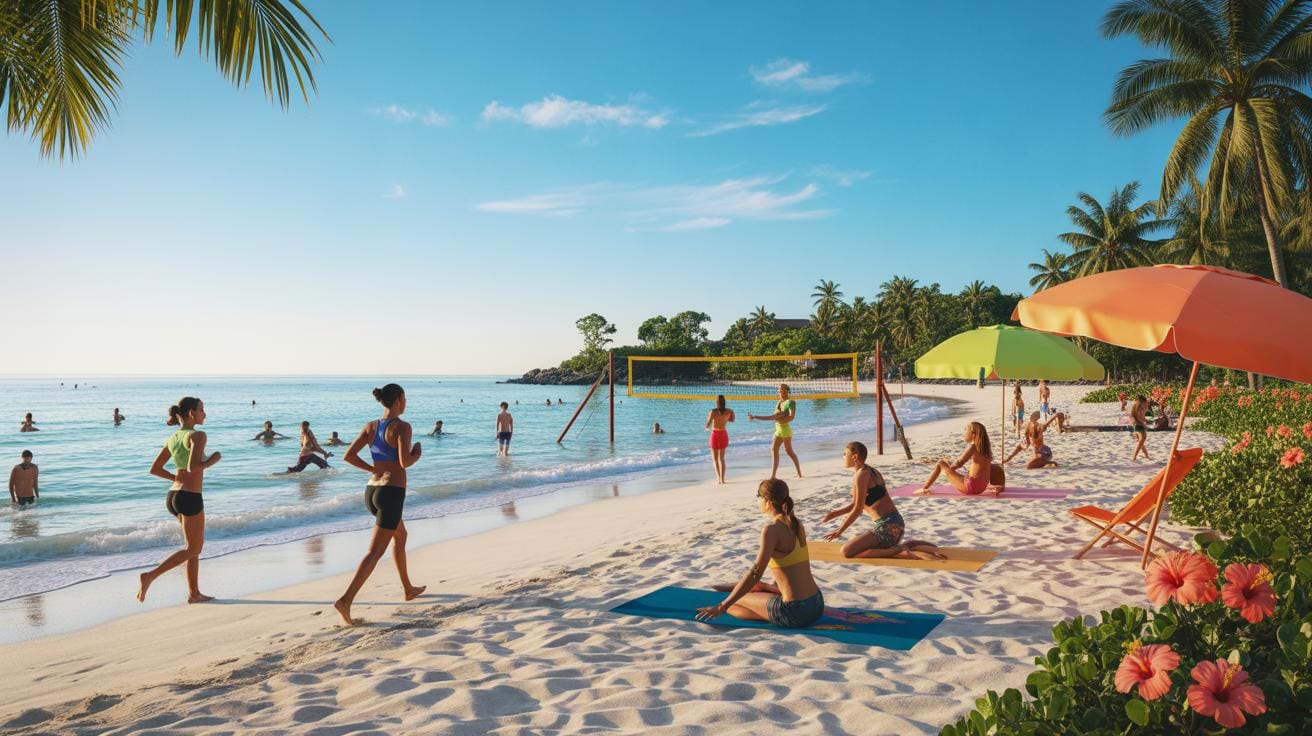
Setting Summer Goals for Healthy Beach Days
Summer is a perfect time to set goals that combine travel and healthy activities, especially by the beach. Many people seek to make the most of their summer by visiting beautiful beaches and engaging in activities that refresh both body and mind. Setting clear summer goals helps you organize your plans, manage your time, and enjoy the season fully without stress.
In this article, you will learn how to plan beach travel effectively and which healthy beach activities you can include to keep active and have fun. From travel tips to workout ideas on the sand, these summer goals will guide you to a memorable and healthy season by the sea.
Set Clear Goals For Your Summer

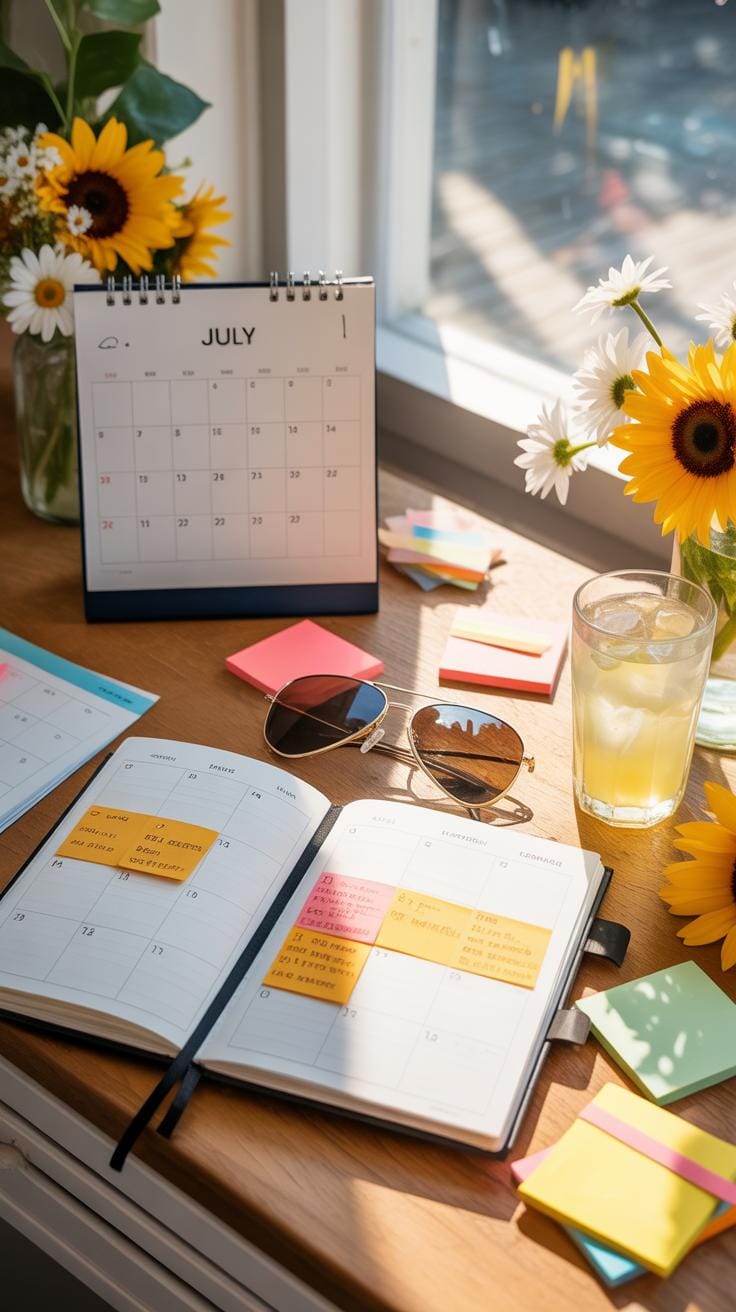
Setting clear and specific goals can make a big difference in how you experience your summer, especially if you’re aiming for beach travel and healthy activities. When your goals are focused and well-defined, you’re more likely to feel motivated and actually succeed. It’s not just about wanting to “have fun” or “get fit”—those ideas are too vague. Instead, aim for something like “walk on the beach three times a week” or “try two new water sports before August ends.”

There’s a handy approach you might want to consider called SMART goals. It stands for Specific, Measurable, Achievable, Relevant, and Time-bound. These criteria help turn fuzzy wishes into real plans you can follow. When goals meet these standards, you get clear direction, which can keep you focused and push you through moments when motivation dips.
Why do goals have this effect? Well, goals narrow your focus—your brain can prioritize actions that actually matter to reach them. They also encourage persistence; when things get tough, you’re more likely to keep going if you have a concrete target. And tracking progress builds satisfaction, making your summer activities more rewarding.
Why Goals Help Your Summer Plans
Having goals throughout summer nudges you to concentrate on what’s important and makes the days feel more purposeful. Instead of letting time slip away, you have a roadmap to follow. Imagine a goal like trying paddleboarding once a week or preparing healthy picnic meals for beach outings. These targets give you clear checkpoints and mini victories, which naturally boost your energy and enjoyment.
Goals like these improve focus—you’re less distracted by less meaningful activities—and provide motivation because it’s easier to see progress. For example, if you want to improve your swimming, setting a goal to swim 500 meters three times a week can make practice feel more intentional and less like a chore. You might even surprise yourself with how much more fun it becomes.
Steps To Create Effective Summer Goals
Here’s a simple checklist to help you form practical, achievable summer goals:
- Be specific—clarity beats vagueness every time.
- Keep it measurable—how will you know when you’ve succeeded?
- Make it realistic—ambition is good, but impossible goals just discourage.
- Set a deadline—giving yourself a timeframe creates urgency and focus.
- Plan small steps—break big goals into manageable pieces.
For example, instead of “get in shape,” try “jog along the shoreline for 20 minutes every other day.” Track your progress with a note or app, so you can reflect on your achievements. Remember, what counts is steady progress, not perfection. Adjust your goals if they feel too easy or too steep as you go along.
How To Plan Beach Travel Successfully
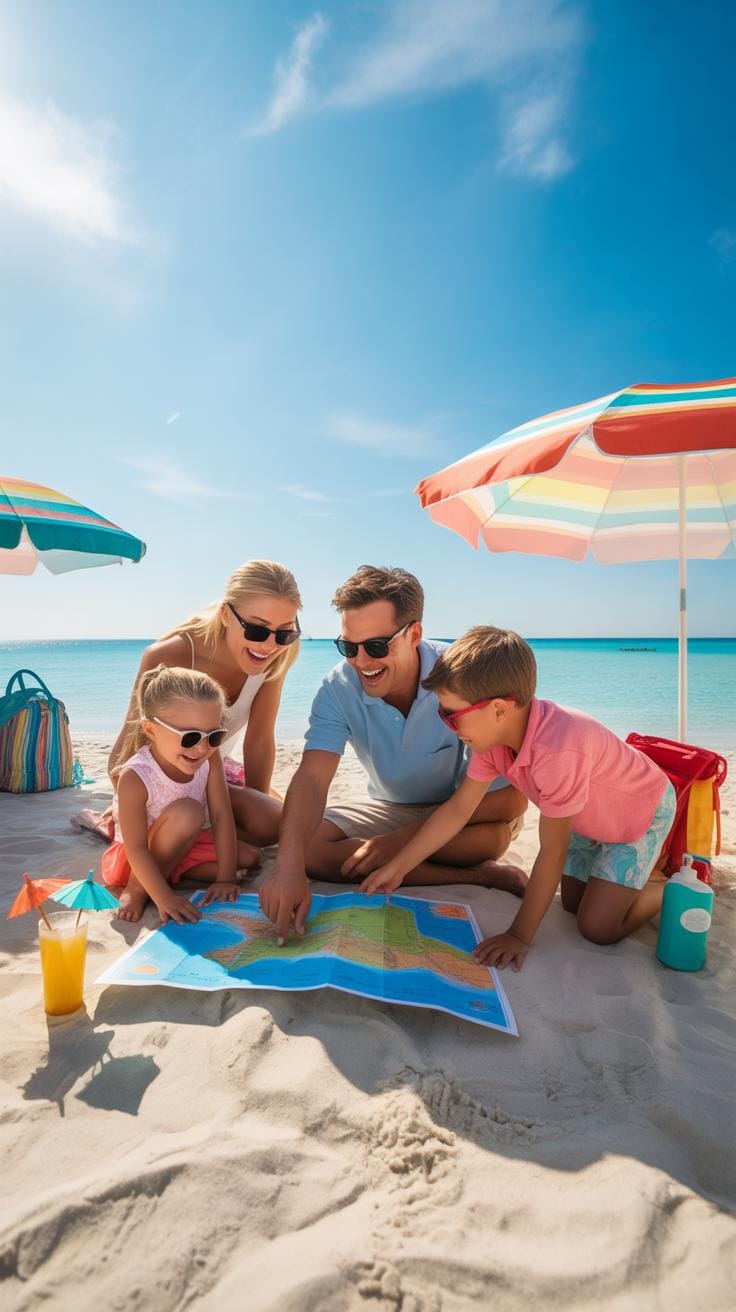
Planning a beach trip can be both thrilling and, well, a bit overwhelming if you don’t have a clear approach. First, pick a destination that fits your vibe. Do you want a lively beach town buzzing with activities? Or a quiet, secluded spot for some real R&R? The travel distance matters too — flying halfway across the world might sound fun, but it can eat up your time and energy. Consider the weather too. Beaches feel different depending on the season, and sometimes you might end up with rain when you’d hoped for sun.
Budgeting is crucial, and it’s not just about the flight and hotel. Think about meals, transport, activities, and unexpected expenses. Booking early can save money and stress. Don’t wait for last-minute deals — they’re rare and can limit your options. Packing is another challenge. Apart from your typical swimwear and sunscreen, pack something versatile. What if a chilly evening hits? Or you want to hike nearby? Also, bring gear for planned activities to avoid unnecessary rentals or purchases.
To avoid travel mistakes, double-check your bookings, have digital and physical copies of important documents, and keep some buffer time in your itinerary. You don’t want to miss that ferry or tour because you were scrambling at the last moment. It’s easy to get carried away, but pacing is key for an enjoyable beach vacation.
Choosing Your Beach Destination
When choosing your beach spot, think beyond just the beauty of the sand and sea. How accessible is it? A remote beach might be stunning but could involve complicated travel, which might not suit everyone. Check out the local weather patterns during your planned time — a rainy spell can spoil the fun. What activities speak to you? Surfing, snorkeling, beach volleyball, or just sunbathing? Different beaches offer various options.
Also, consider the vibe of the place. Are you after family-friendly or party central? Some beaches are famous for their nightlife and social scene, others might be nature preserves with limited facilities. If you’re traveling with others, everyone’s preferences need at least some attention, even if it means a bit of compromise.
Packing Checklist For Beach Travel
Packing might seem straightforward, but it’s easy to forget essentials. Here’s a checklist that I find helpful:
- Swimsuits and quick-dry towels
- Sun protection: sunscreen (reef-safe if you plan on snorkeling), hats, sunglasses
- Light clothing and a few warm layers for evenings
- Footwear: flip-flops for the beach, and sturdy shoes if you want to explore nearby trails
- Snorkeling gear or water shoes if needed
- Reusable water bottle to stay hydrated
- Beach bag with compartments to keep sand away from your valuables
- Basic first aid kit
Overpacking is tempting, but I’ve found that a lighter bag often makes for a smoother trip. And sometimes, you can buy small forgotten items locally, which isn’t always a hassle and might add to the adventure.
Healthy Activities To Enjoy At The Beach
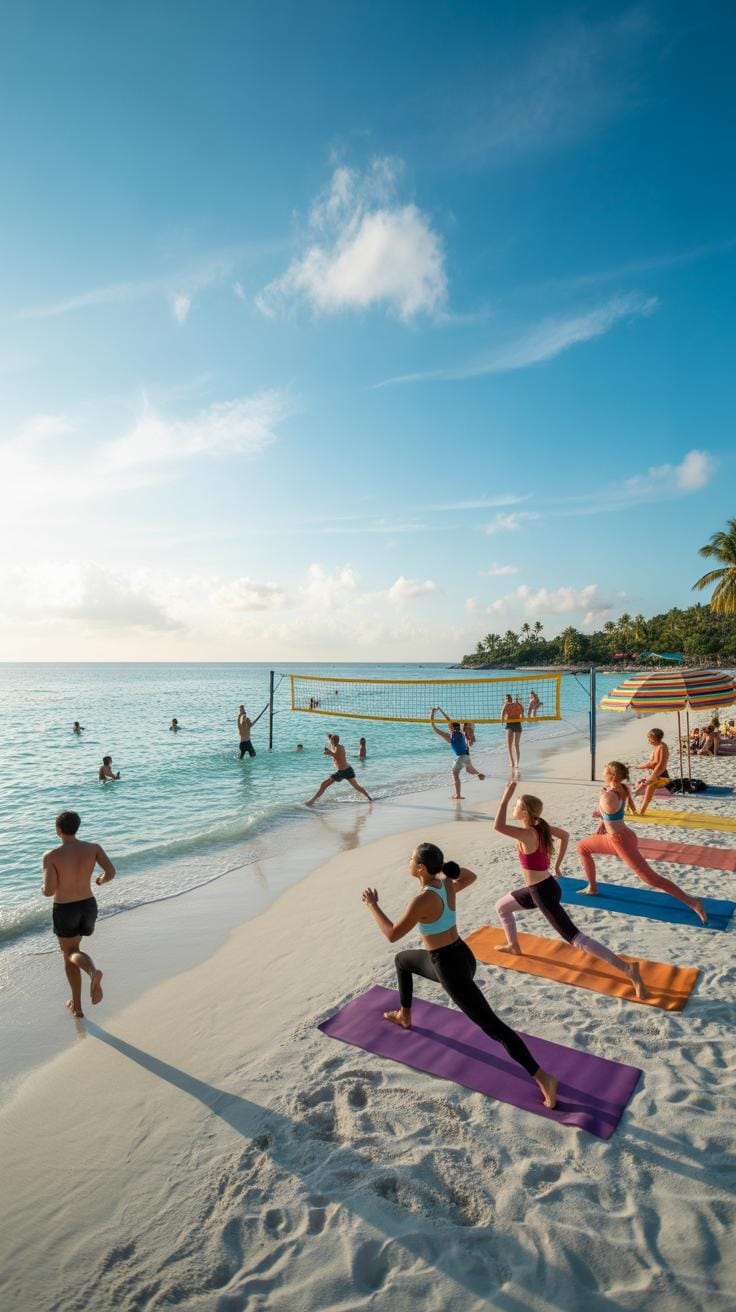
The beach offers more than just relaxation; it can be a perfect place to hit some healthy activities that don’t feel like a chore. Engaging in simple exercises such as swimming, walking, yoga, or beach sports can dramatically improve your fitness levels and reduce stress. These activities invite you to enjoy the fresh air, warm sun, and soothing sound of waves while keeping your body active and your mind calm.
Swimming is a full-body workout. It strengthens muscles and boosts cardiovascular health without straining joints––especially nice for those who might shy away from more intense exercise. Walking on the sand adds extra resistance, making each step more effective than on a flat surface, which supports weight management and improves balance.
Yoga on the beach offers calming stretches and breathing exercises that help to reduce anxiety and enhance flexibility. Even if you are new to yoga, starting with gentle poses and focusing on your breath can foster mindfulness and relaxation.
As for beach sports, volleyball and frisbee stand out for their social and aerobic benefits. You don’t need to be a pro or competitive; just a few rounds can get your heart rate up and engage different muscle groups. Plus, they are fun icebreakers if you’re traveling with others or hoping to meet people.
Start small. Maybe a 10-minute swim or a slow walk along the shore at sunrise. Maybe some light yoga after breakfast. Once you get comfortable, try organizing a casual game of beach volleyball. These aren’t just activities; they’re ways to connect with your surroundings and your well-being.
Manage Time For Travel And Activities

Balancing travel plans with your daily bursts of beach activity isn’t always straightforward. Sometimes, you might find yourself torn between wanting to explore a new coastal town and sticking to your morning jog on the sand. One way to handle this is by setting clear priorities for each day. For example, if you’re planning a long afternoon trip, maybe opt for a light beach workout in the morning to conserve energy.
Building a daily outline can really help in this regard. Jot down your intended travel times, then slot in exercise either before you hit the road or after the trip—whenever you feel most refreshed. Plus, remember to leave room for rest; the beach invites you to relax, after all, and pushing too hard can backfire.
The key is flexibility. If a plan changes—maybe the weather shifts or you find a late afternoon event—shift your activity schedule around rather than giving up entirely.
Create A Flexible Summer Schedule
Having a balanced summer schedule means everything from travel, meals, rest, to beach activities is accounted for, but without making it feel like a rigid calendar. Start with the essentials: set fixed meal times, a rough window for travel, and carve out time for sleep. Then fill in the gaps with your favorite beach activities.
For example:
- Morning brisk walk or swim
- Breakfast and some downtime
- Travel or beach exploring in late morning and early afternoon
- Lunch and brief rest
- Yoga or light stretching before sunset
This kind of schedule can help prevent overbooking your day. Plus, you won’t pine for a nap or get hangry before meals. Adapt it daily—some days you’ll want more rest, others, adventure.
Tips To Stay On Track With Your Goals
Staying motivated can be tricky when travel plans disrupt your routine. One tip is to keep your goals visible—write them down or use a phone reminder. It’s easier to lose track when you don’t see what you’re aiming for. Also, allow some wiggle room in your plans. Missed a morning swim? Maybe walk on the beach in the evening instead.
When unexpected events arise, don’t be too hard on yourself. Adjust your schedule and focus on what you can do rather than what you missed. Mix things up. Sometimes a spontaneous beach volleyball game replaces a planned run—and that counts as exercise too.
Talking to fellow beachgoers or locals can also inspire new activities you hadn’t considered. Keep things fresh. After all, the goal is to enjoy your summer, not stress over perfection.
Budget Planning For Summer Travel

Setting a budget for your summer beach travel is essential, even if the idea feels a bit limiting at first. It helps to set clear limits so you don’t overspend and face stress later. Start by thinking about your total budget—what’s the max amount you can realistically spend without pinching other finances? Once you have that number, break it down into categories like transport, accommodation, food, and activities.
The key is estimating costs smartly. Research transport options—flights, trains, buses—and note their prices for your travel dates. Do the same for lodging; hotels, hostels, or vacation rentals all vary widely. Don’t forget daily expenses like meals, snacks, and local transport once you’re there. Having detailed estimates helps avoid nasty surprises. And, saving a bit extra for emergencies? Definitely worth considering.
Estimate Travel And Accommodation Costs
You can find prices by checking official websites, travel forums, and booking platforms. Sometimes transport tickets might be cheaper during off-peak times or with advance purchases. Accommodation costs depend a lot on location and season, so it pays to compare options thoroughly. When dining out, budgeting for local eateries instead of tourist spots can reduce expenses significantly.
Estimating accurately might take some time, but it feels rewarding when you see how your plan shapes up. It’s almost like plotting your own mini adventure even before you hit the beach.
Low Cost Tips For Travel And Stay
- Book your transport and accommodation early; prices usually go up as availability decreases.
- Look for discounts—some credit cards or memberships offer travel deals.
- Consider alternative lodging, like hostels or guesthouses, which often have lower rates.
- Try traveling on weekdays when prices tend to be lower than weekends.
- Use public transport once at your destination instead of taxis.
You might think splurging is part of the summer travel ritual, but keeping things affordable can make the experience less stressful. It also means you might have funds left over for spontaneous fun—or an extra scoop of ice cream on the beach.
Safety Measures On Beach Trips
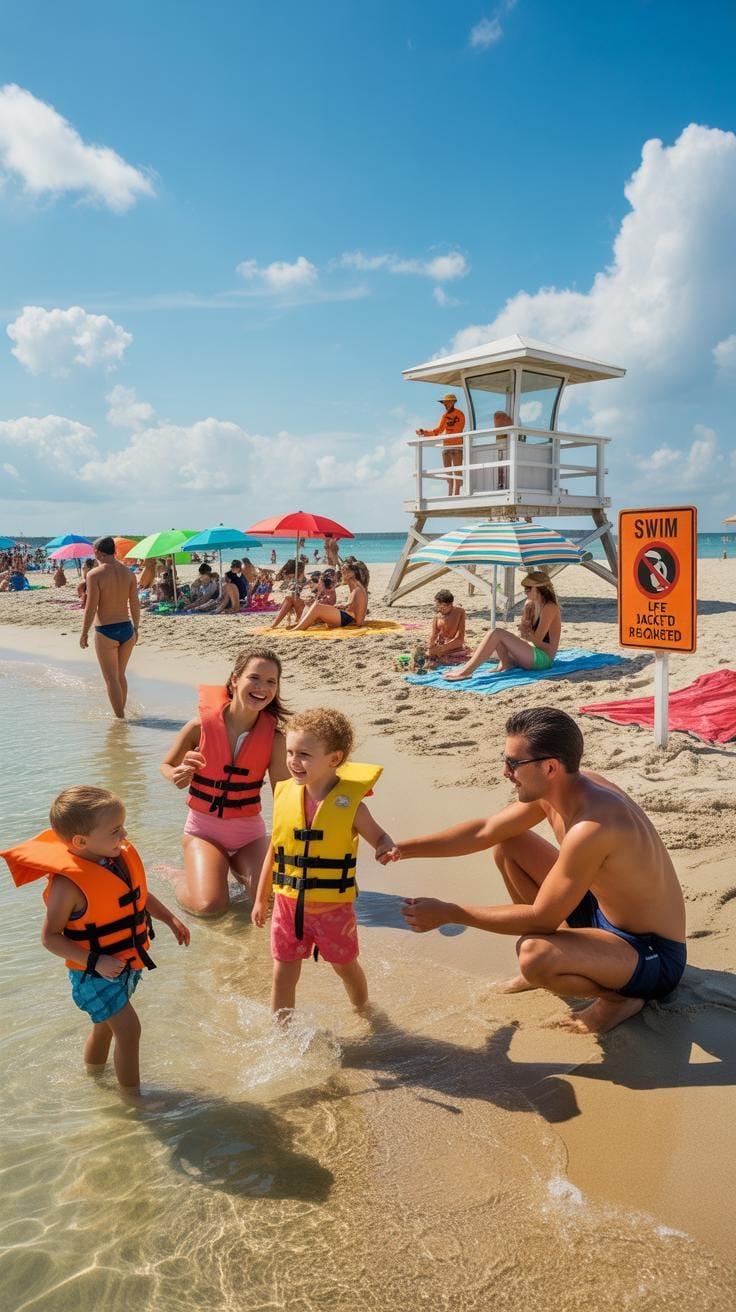
Sun Protection And Hydration Tips
Spending time on the beach means direct sun exposure, which can easily lead to sunburn if you’re not cautious. It’s not enough to just apply sunscreen once—you should reapply every two hours, especially after swimming or sweating. Wearing wide-brimmed hats and UV-protective clothing also helps reduce skin damage. You might think that occasional shade breaks are enough, but it’s better to be consistent with sun protection throughout the day.
Hydration is another critical part of your beach safety routine. Even though you’re surrounded by water, drinking from that salty sea isn’t an option. Carry plenty of fresh water and sip frequently—even if you don’t feel thirsty right away. Dehydration can sneak up on you, causing dizziness or fatigue, which isn’t ideal when you want to enjoy your day fully.
Water Safety For Swimmers
Being near the water is fun, but it comes with risks. Swimming only near lifeguard stations is a smart move—lifeguards watch for dangers and can react quickly if something goes wrong. It might seem like common sense, but sometimes people ignore beach warning flags; reds mean no swimming, yellows mean caution, and greens mean conditions are safer. Understanding these signs can prevent accidents.
Also, don’t underestimate the power of currents and tides. Even experienced swimmers can get caught off-guard. If you’re unsure, ask locals or lifeguards about the beach conditions before jumping in. And remember, swimming alone isn’t the best idea—having a buddy can make all the difference if an emergency pops up.
Track Progress On Your Summer Goals
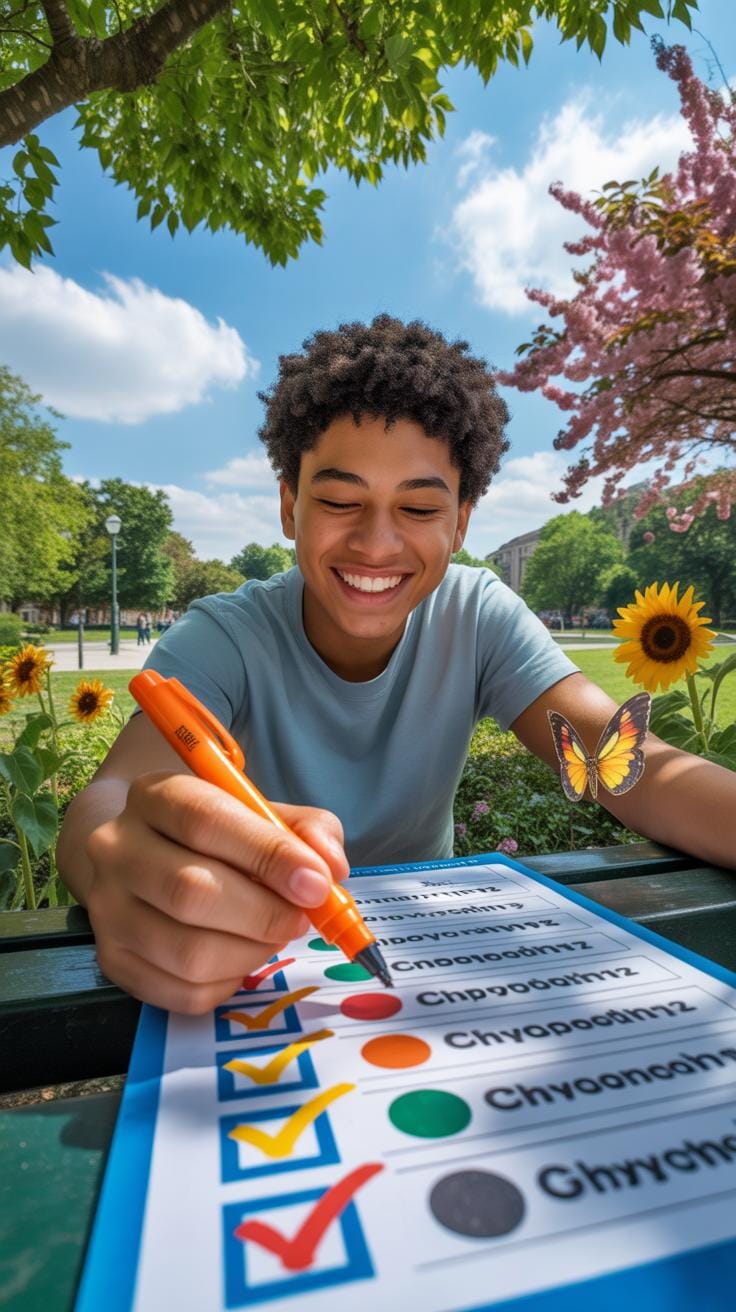
Keeping track of your summer goals can seem like a chore, but it doesn’t have to be complicated or time-consuming. One straightforward way is using a journal, whether it’s a traditional notebook or a digital version. Writing down what you achieve each day helps you see patterns—what’s working, and what maybe isn’t
Some apps can also help, like fitness trackers or travel planners that log your activities automatically or with minimal effort. You might even find it fun to snap photos of your beach trips or workouts; looking back at those images later can remind you of your progress in a more visual way.
Simple Ways To Record Your Activities
You don’t need an elaborate system to keep track. Consider a daily log where you jot down swims, walks, or sightseeing moments—just a few sentences can capture a lot. Weekly summaries can also help you reflect on the bigger picture. Here are ideas to try:
- Bullet points for each day’s main activity
- A quick tally of steps, distance, or time spent on exercises
- Brief notes on how you felt—energized, tired, or relaxed
These small notes might seem trivial, but they build a useful record without overwhelming you.
Evaluate And Adjust Your Plans
After a couple of weeks, pause and ask yourself what’s working well and what feels off. Maybe morning beach jogs are tough with your schedule, or perhaps you find a certain stretch of coastline more inspiring and motivating. That’s a good time to tweak things.
Changing your plans isn’t failure. It’s part of refining how you reach your goals in a way that fits your life better. Drop what doesn’t fit, focus on what excites you, and don’t hesitate to explore new activities. Flexibility can often lead to more enjoyment and better results.
Examples Of Beachy Summer Goals
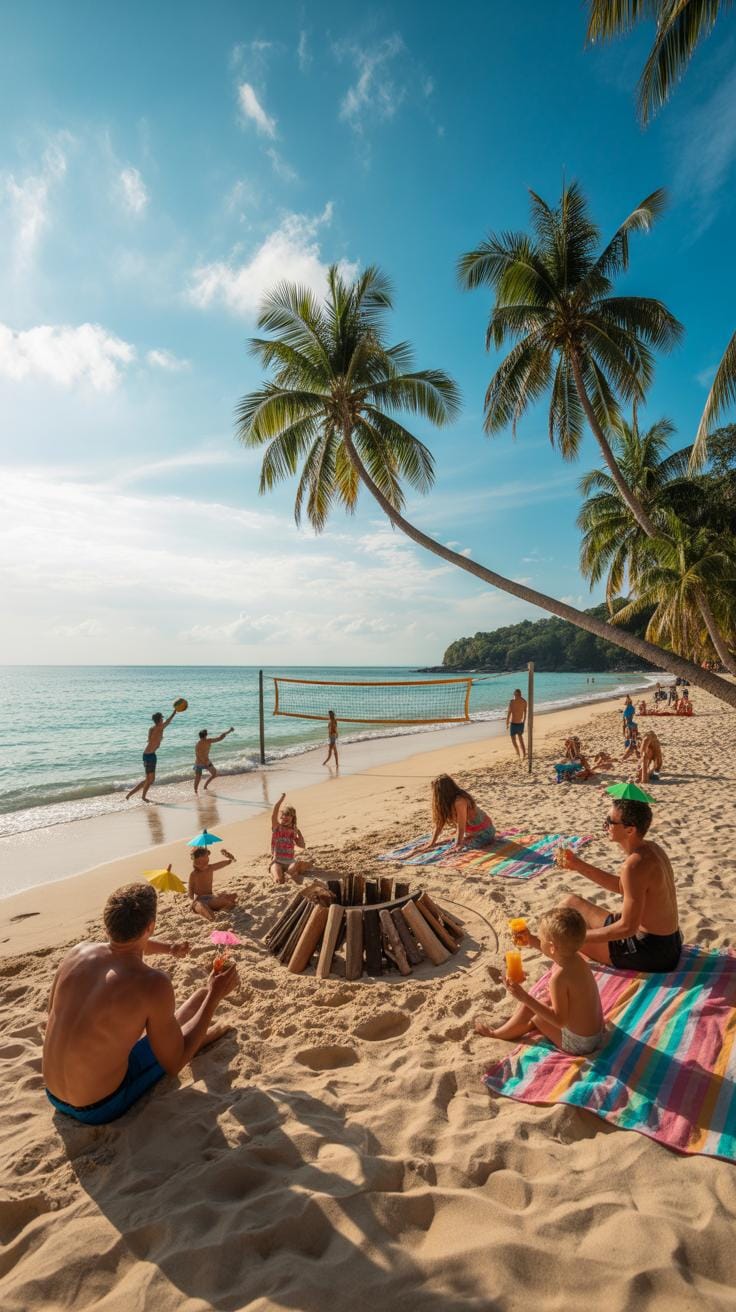
Short Term Travel And Activity Goals
Maybe you’re planning a quick weekend getaway or a week-long beach vacation. Setting simple, clear goals can help you get the most out of it without overdoing things. Consider aims like these:
- Relax on the sand for at least 30 minutes each day to recharge.
- Try a gentle morning beach walk for 20 minutes, allowing your body to wake up with fresh air.
- Swim in the sea three times during your stay, keeping it light and enjoyable.
- Attempt a beginner’s paddleboard session just once—don’t expect perfection, just fun.
These goals don’t require much commitment but encourage connection with the beach environment and basic movement. You can always tweak as you go.
Long Term Healthy Summer Routines
If your summer stretches out in weeks or months, a rhythm might be necessary. You could aim for a blend of travel and daily healthy beach activities that build consistency, like:
- Walking or jogging on the sand every morning for 25 to 40 minutes, improving endurance over time.
- Scheduling regular swim sessions, maybe two or three times per week, aiming to improve your technique or distance.
- Incorporating beach yoga or stretching routines to enhance flexibility and relaxation.
- Planning multiple weekend trips to different beaches to keep variety and motivation.
By pacing yourself and mixing travel with daily movement, these goals balance effort and enjoyment. It’s okay if you hit some days harder than others—the key is to keep moving and appreciating the beach atmosphere.
Conclusions
Setting specific goals for your summer beach travel and activities turns vague wishes into actionable plans. This approach keeps you focused and motivated to enjoy your time by the water. With good planning, you can avoid common travel pitfalls and make decisions that fit your budget and schedule.
Choosing healthy beach activities enhances your summer experience. Whether it is swimming, beach volleyball, or morning yoga on the shore, these exercises improve your fitness and wellbeing. Use the tips shared here to create a summer that combines relaxation, adventure, and health.