
The Health Benefits of Cozy Cabin Getaways
Cozy cabins offer a unique way for travelers to enjoy nature while benefiting their health. These small, warm spaces provide a retreat from busy urban life, giving travelers the chance to relax and rejuvenate. Cabin life can reduce stress and improve mental well-being by offering a peaceful environment surrounded by natural beauty.
In this article, you will learn about the health benefits of staying in a cozy cabin and discover food ideas that are easy to prepare during your trip. Whether you want to boost your mood, eat well, or find calm, cozy cabin living can support your travel goals. Let’s walk through useful tips and examples to make your cabin stays enjoyable and healthy.
Benefits Of Cabin Living

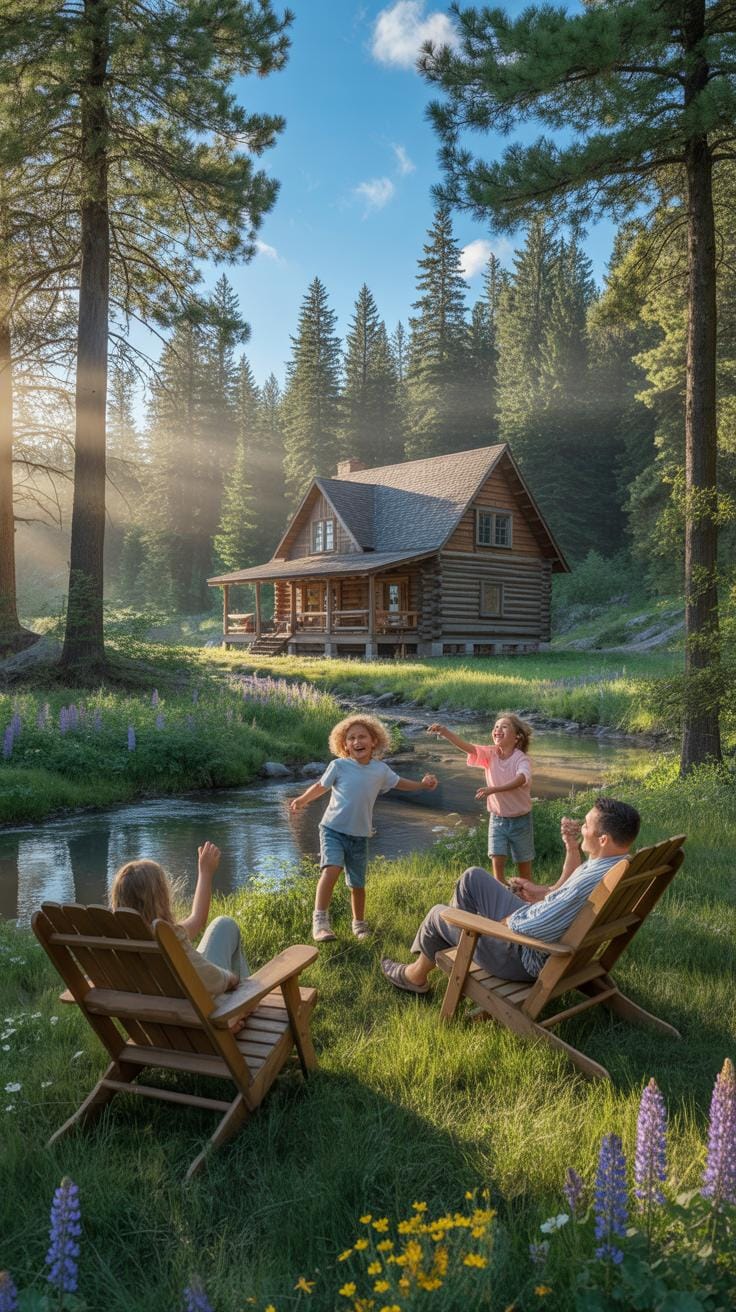
Spending time in a cozy cabin can quietly shift your mental and physical well-being in ways you might not expect. For travelers, it offers a break from daily noise and overstimulation, gently lowering stress levels. The calm and simplicity encourage mindfulness, making it easier to relax and recharge. You might notice your sleep improving, thanks to the lack of artificial light and distractions often found in urban settings.

Physical benefits come from spending more time outdoors—whether walking in fresh air or gathering wood for a fire—which can increase your activity levels without feeling like exercise. There’s also something about the slower pace of cabin life that helps reduce chronic tension and eases anxiety, even if it’s just for a weekend. Plus, the sun’s natural light during the day balances your circadian rhythm, nudging your body toward healthier sleeping patterns. It’s not only relaxation; it’s a subtle reshaping of how you feel in your own skin.
How Cozy Cabins Boost Your Health
Quiet spaces matter, and cozy cabins provide plenty of that. Reducing stress happens naturally when your environment demands less mental clutter. Imagine sitting by a crackling fireplace, surrounded by simple wooden walls—the ambiance itself invites you to breathe deeper and slow down. That atmosphere encourages calming routines, like reading, journaling, or simply observing nature.
Sleep often improves because the ambiance reduces overstimulation. The absence of screens and city noise helps your brain disconnect, which can be surprisingly hard to find at home. Relaxation comes from this slower rhythm too. Some travelers describe feeling lighter mentally after just a couple of days, though results can vary widely. It’s a bit like your mind gets permission to pause and reset.
Simple Nutritious Foods For Cabin Trips
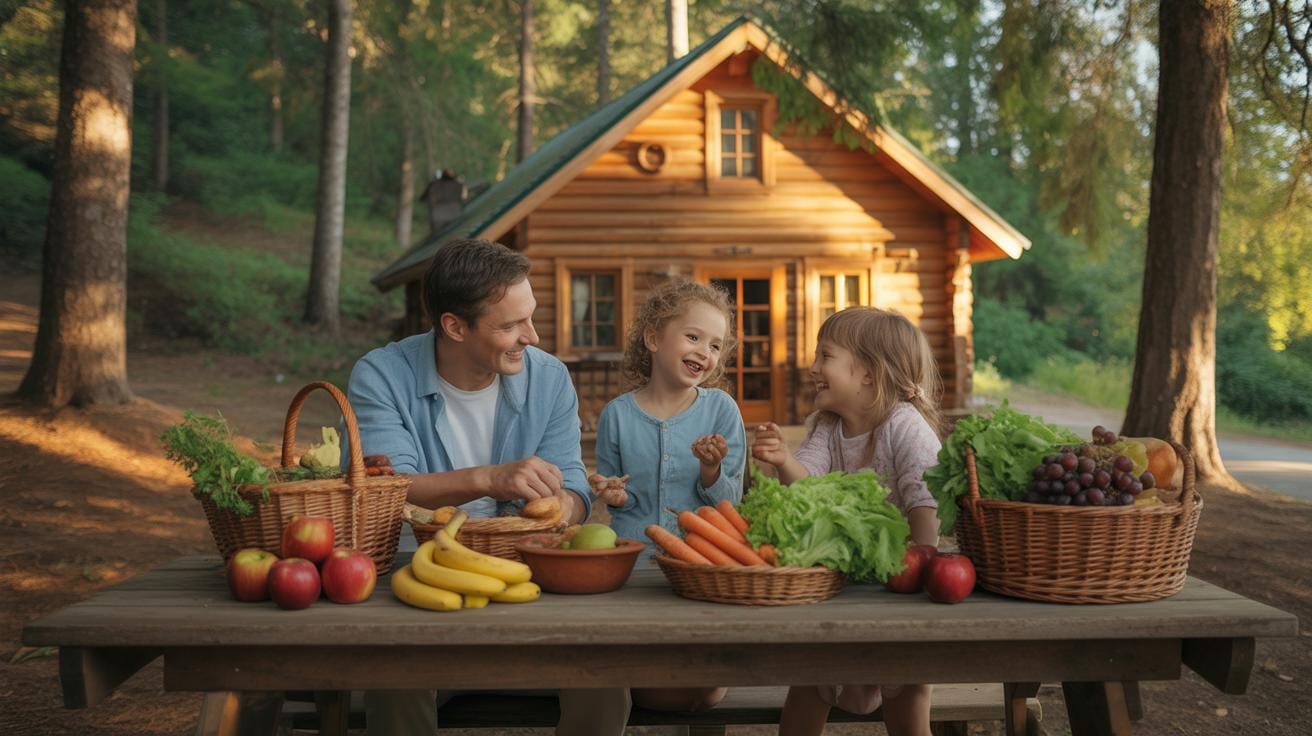
Eating well in a cabin is easier than you might think. Since space and tools are limited, focus on simple, nutrient-dense foods that don’t require much fuss.
- Oatmeal: A warm, filling start to your day that provides slow-release energy. Add nuts, dried fruits, or a spoonful of honey for variety.
- Trail mix: Perfect for snacks on hikes. Combine nuts, seeds, and dried berries—easy to carry and stores well.
- Vegetable soup: Use fresh or frozen veggies and broth. It’s warming, hydrating, and packed with vitamins.
- Eggs: Versatile and quick to cook. Scrambled or boiled, they offer quality protein.
- Fresh fruit: Apples, oranges, or bananas are sturdy choices that need no preparation but deliver essential nutrients.
Keeping meals simple helps maintain your energy and avoids the stress of complicated cooking. Maybe you’ll find that the straightforwardness makes meals more enjoyable—more about nourishment and less about the fuss.
Comparison Of Cabin Life Vs Urban Stays

Mental Calm In Cabins Versus Cities
Spending time in a cozy cabin can feel like stepping into a quieter rhythm compared to the hum of a city. In cabins, the sounds of nature—the rustle of leaves, bird calls, a gentle breeze—create a soothing backdrop that’s often missing in urban settings. Cities buzz with car horns, sirens, and a constant flow of people. Such noise overstimulation can raise stress levels and fragment focus.
In a cabin, the mental calm stems from fewer distractions and a cleaner sensory environment. This matters because mental rest helps your brain recover from daily pressures. You might find your thoughts clearer, better sleep, and an easier time unplugging from work or digital devices. Of course, some people thrive on excitement and noise; not everyone seeks quiet.
Physical Activity Differences
Physical activity tends to differ widely between cabin and city stays. Cabins often sit near hiking trails, lakes, or forests. You might find yourself walking more, exploring natural surroundings, or even chopping wood. The fresh air and varied terrain encourage movement without the artificial constraints of urban spaces.
Conversely, city stays can limit spontaneous physical activity. You may rely on gyms or structured workouts, as urban environments can be less walkable or inviting for casual exercise. Though cities offer cultural events and social opportunities, they might lack the open, natural settings that promote low-impact yet consistent activity.
So, really, choosing between cabin life or urban stays isn’t just about location. It’s about how their environments shape your mental state and physical habits. When was the last time you felt truly detached from noise and spent a day just moving outdoors without a schedule?
Checklist For A Healthy Cabin Stay
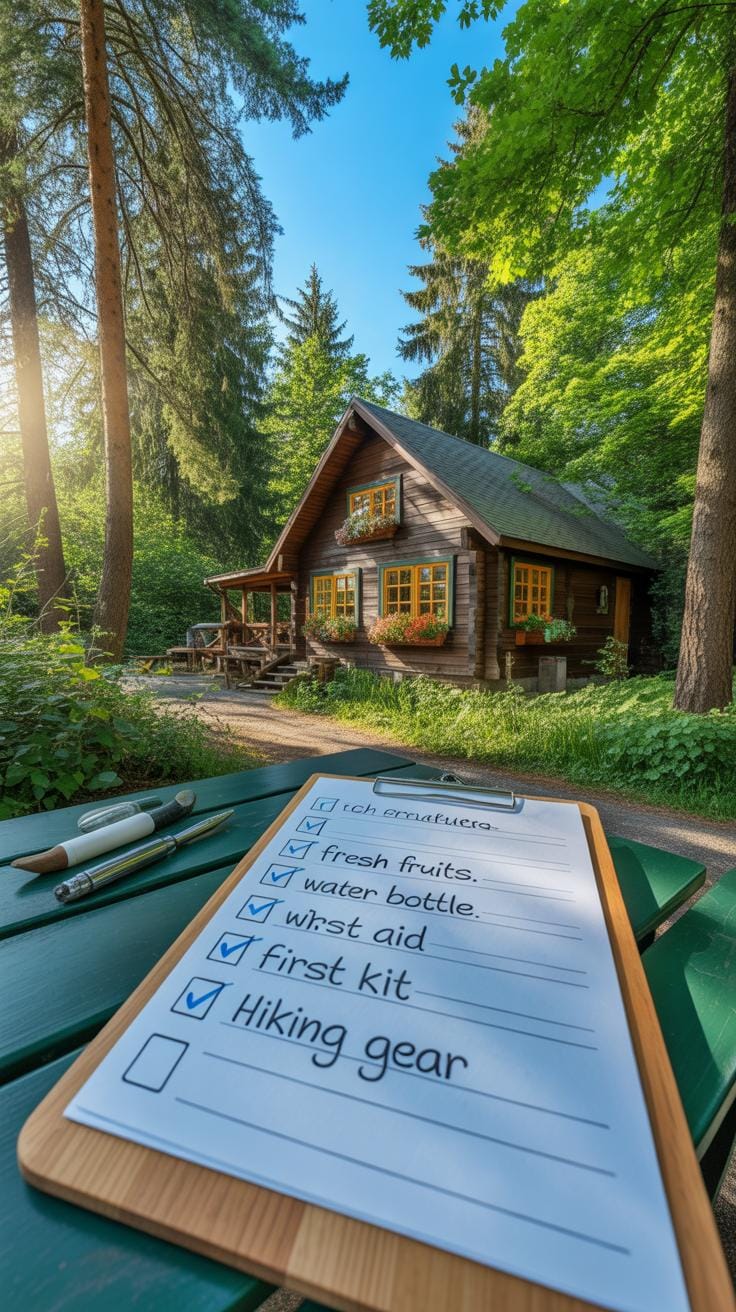
When you settle into a cozy cabin, it’s not just about the charm of the place but creating a space that feels good for your body and mind. You want to breathe easily, sleep well, and maybe, just maybe, forget a bit about the rush of daily life. Here’s a list that might help you get there.
Cabin Essentials For Comfort
A cabin stay can feel snug and welcoming or just a bit off if certain basics are ignored. Think layers of blankets—not just one heavy one. Fresh air matters; open the windows when you can, even if it’s chilly. You might want a humidifier, especially in dry, cold places, to keep your throat and skin happy. Invest in soft lighting—harsh overhead lights can kill that cozy vibe and your mood. And slippers—seriously. Having warm, comfy slippers can make a significant difference when you’re pacing wooden floors.
Food And Drink Must-Haves
Try to bring foods that are both nourishing and easy to prepare. Fresh fruits and vegetables for vitamins, nuts for quick snacks, and whole grains for sustained energy. Herbal teas or simple infused water can keep you hydrated and calm. Perhaps avoid overloading on sugary treats, even if you’re craving a bit of comfort food. Too much sugar might mess with your sleep, and, well, the peaceful cabin vibe. A well-thought-out food selection can make you feel cared for, even when you’re miles from home.
Natural Therapy In Cabin Settings
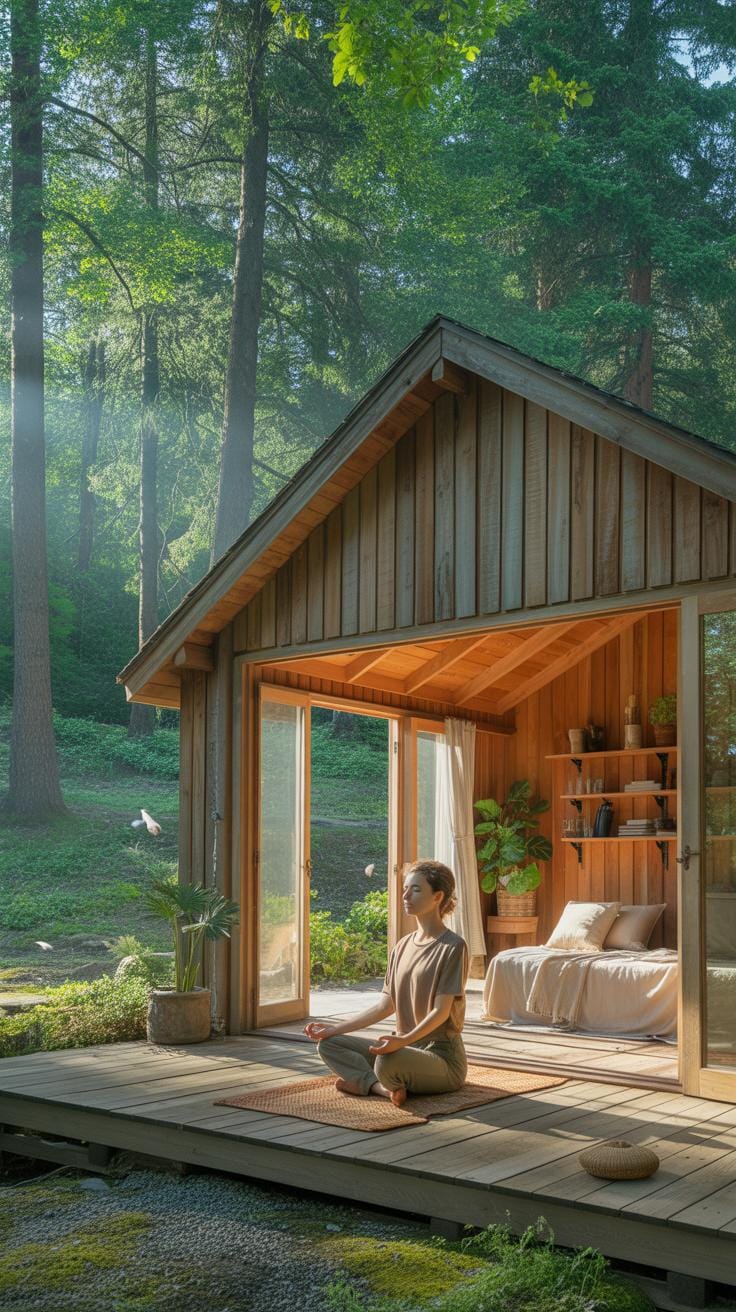
Spending time in a cozy cabin nestled in nature tends to do something subtle but noticeable for your mood and thinking. It’s like the quiet, the soft light through the windows, and the absence of usual distractions create a space where your mind can unwind almost by itself. I’ve found it easier to think more clearly and feel calmer after just a day or two. It’s not magic, really—it’s that your brain gets a much-needed break from constant stimuli.
Being surrounded by trees, fresh air, and natural sounds does more than just soothe—there is a measurable impact on your brain’s ability to process emotions and even solve problems. You might catch yourself enjoying a clearer head or needing less sleep. Some researchers link this phenomenon to what they call “nature therapy,” a fairly direct way that natural settings help reduce stress hormones and boost positive brain chemicals.
Benefits Of Nature Exposure
When you step outside into a natural environment near a cabin, something happens inside that’s hard to replicate in cities or closed spaces. Stress levels tend to drop quickly. This isn’t just a feeling; studies show lowered cortisol levels and reduced blood pressure after time in natural surroundings. That kind of calm can lead to sharper mental clarity, even a little bounce in your cognitive function.
Nature exposure helps by giving your brain less to focus on—no flashing screens or honking horns—just the rustle of leaves or birdsong. This calm reduces mental fatigue and restores your capacity to pay attention and think creatively. It’s why so many people report feeling refreshed after hiking or just sitting quietly outside.
Outdoor Activities To Try
Near most cabins, you can easily find ways to boost these health benefits with simple activities. Walking on a forest trail, slowly exploring the surroundings, or even just sitting by a stream to listen, really engage your senses in the moment.
- Take easy hikes, aiming for no pressure, just enjoyment of the scenery.
- Try some gentle yoga or stretching outdoors to connect your body with the environment.
- Birdwatch or try to identify plants, which helps focus your attention and calms the mind.
- Spend time journaling or sketching outside—it doubles as reflection and relaxation.
These simple choices let you soak in benefits. So next time you plan a cabin stay, consider how you can naturally blend rest and gentle activity to make the most of that quiet, green space.
How To Prepare Nutritious Cabin Meals
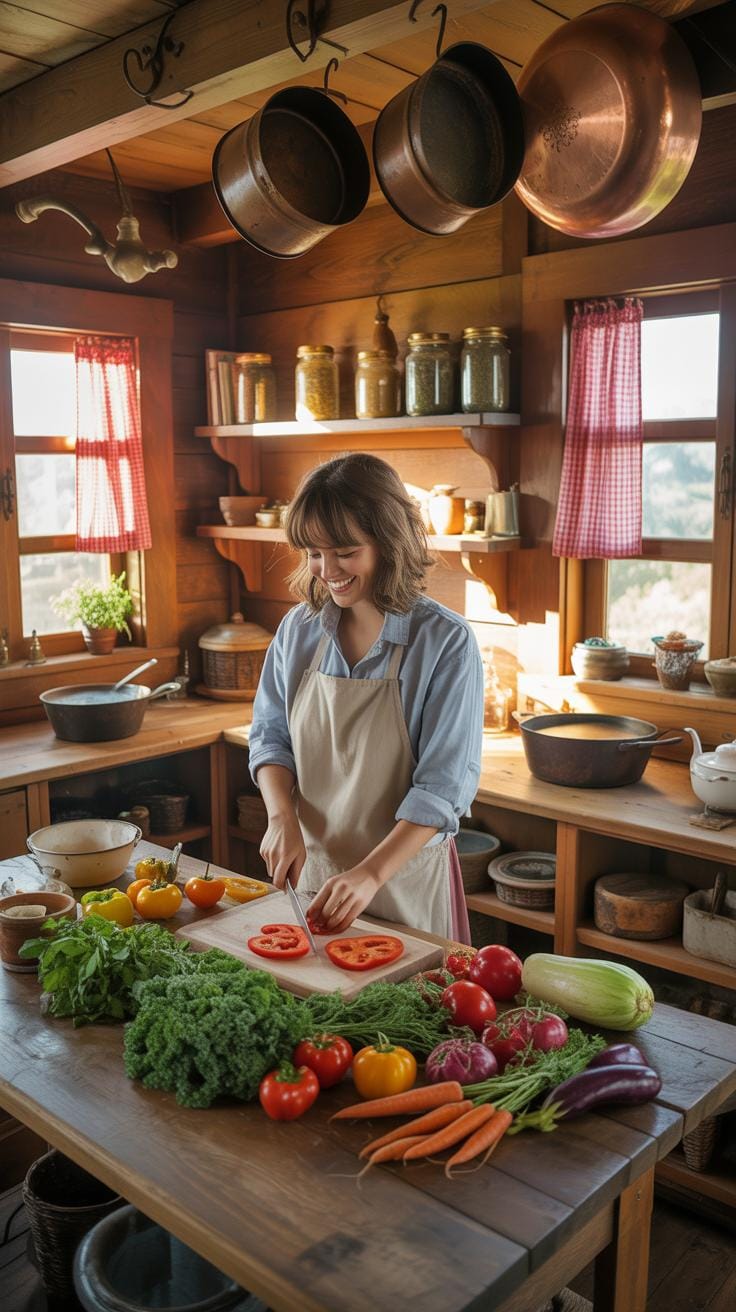
Cooking in a cabin kitchen requires a bit of creativity. You’re often working with limited counter space and fewer kitchen tools, so simplifying is key. Before you even pack, think carefully about the ingredients and utensils that travel well and offer versatility. I tend to pack a small cutting board, a sharp knife, and some basic pots and pans—it saves so much time once you’re there.
Meal planning can feel restrictive in small spaces, but it doesn’t have to be. Focus on meals that use fresh ingredients requiring minimal preparation. Think one-pot dishes or sheet-pan meals that don’t demand complex cleanup. Items like canned beans, pre-washed greens, and sturdy root vegetables stay fresh longer and don’t need refrigeration constantly.
Here are some quick recipes that work well when space is tight:
- Omelets loaded with vegetables and cheese — protein-rich, fast, and no mess.
- Stir-fried quinoa with frozen mixed veggies and a simple soy sauce dressing.
- Wraps with hummus, shredded chicken, and fresh veggies — no cooking required.
Don’t underestimate the power of a good salad bowl either. Toss together whatever fresh produce you have, add nuts or seeds for crunch, and a splash of olive oil and lemon. It feels fresh, healthy, and satisfying without demanding too much time or equipment.
Avoiding Common Cabin Pitfalls
Preventing Cabin Fever
Cabin fever is that restless, irritable feeling when you’re stuck indoors for too long—often in isolated spots like cabins. It’s not a formal illness, but it can make you feel trapped, lonely, even paranoid. I’ve noticed how a few days cooped up can stir this in me, especially during bad weather when going outside isn’t an option.
To keep cabin fever at bay, try to break the monotony. Step outside when you can, even if just for a quick breath of fresh air. Nature helps refresh the mind and mood, offering stimulation that walls and ceilings can’t provide. When outside isn’t feasible, rearranging the living space or engaging in hobbies can help interrupt the cabin-bound boredom. Keeping a routine and staying connected with others via phone or video chats also helps manage feelings of isolation.
Safe Food Handling In Cabins
Food safety in cabins needs attention since these places often lack the food storage and hygiene standards of home kitchens. Storing perishable foods correctly is vital. If refrigeration is limited, plan meals with non-perishable or ready-to-eat items, or bring coolers with ice packs.
When cooking, always wash your hands and utensils thoroughly. Clean water might not always be guaranteed, so consider bringing bottled water or using water purification methods. Avoid cross-contamination by keeping raw meats separate from veggies and ready-to-eat foods. Cooking foods thoroughly is another critical step to prevent illness—undercooked meat or eggs can cause trouble even in the quietest cabin.
Finally, dispose of food waste properly; leftover scraps can attract unwanted wildlife, which might not only disturb your stay but also pose health risks.
Tools To Enhance Cabin Life
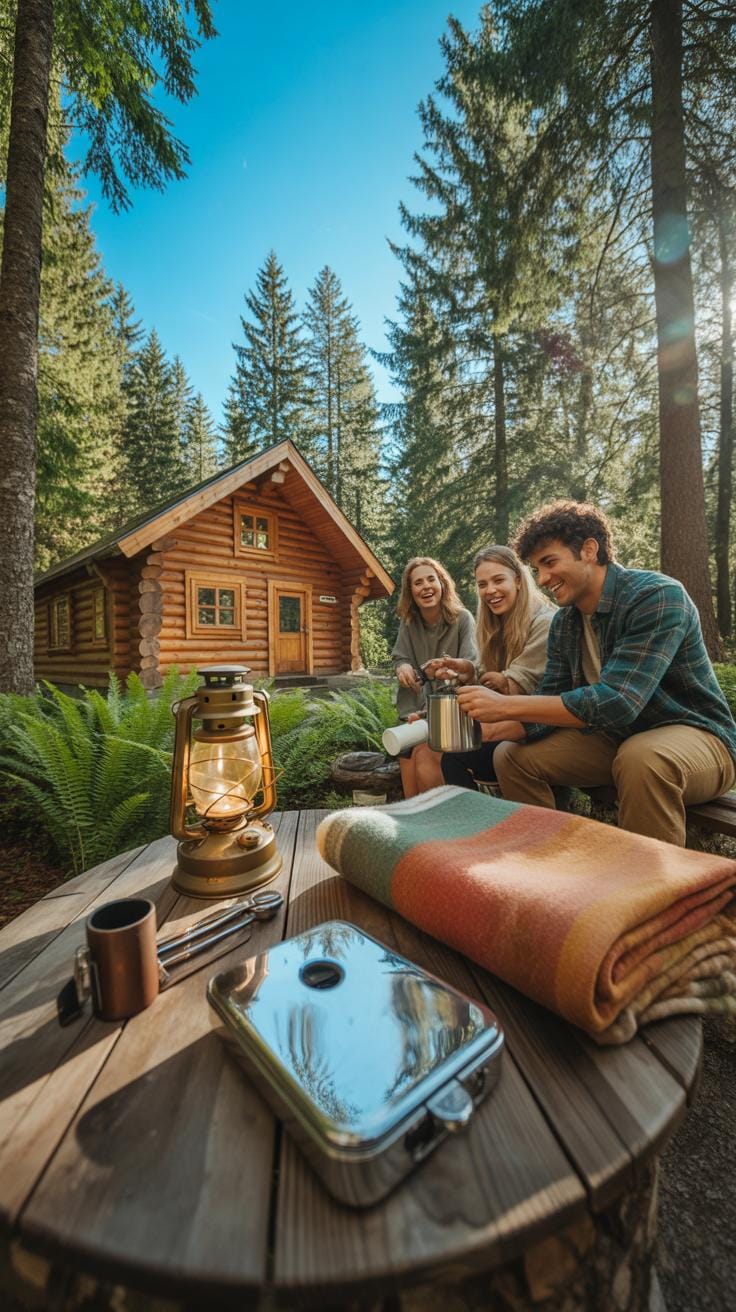
When you think about spending time in a cabin, you might imagine disconnecting from technology. Still, some simple tools can actually help you stay healthy and make your stay more enjoyable without taking away that cozy vibe. For keeping an eye on your well-being, compact health monitors are quite handy. Devices like wrist-worn activity trackers can quietly track your steps, heart rate, and even sleep quality, which is surprisingly useful since cabin environments and routines often disrupt normal sleep patterns. Some people find that tracking stress through apps paired with these devices brings awareness to tension they didn’t notice before.
Then there are apps that simplify meal planning, crucial when you want to eat well but maybe don’t want to haul a bunch of groceries or spend hours cooking. Apps like Mealime or Yummly offer customizable meal plans focusing on fresh, simple ingredients you can pack or find locally. You can plan your menu around what’s available nearby or what you brought, avoiding last-minute fast food runs or unhealthy snacks. If you’re a bit indecisive, these apps nudge you to try new recipes that fit your dietary preferences without fuss.
It’s a bit paradoxical: while cabins encourage slowing down, some tech can actually enhance that experience, making health and nutrition less of a chore and more part of your cabin routine. So, could using these tools feel like cheating? Or maybe they just make the stay healthier and more relaxed, in a practical way.
How To Create A Cozy Cabin Environment
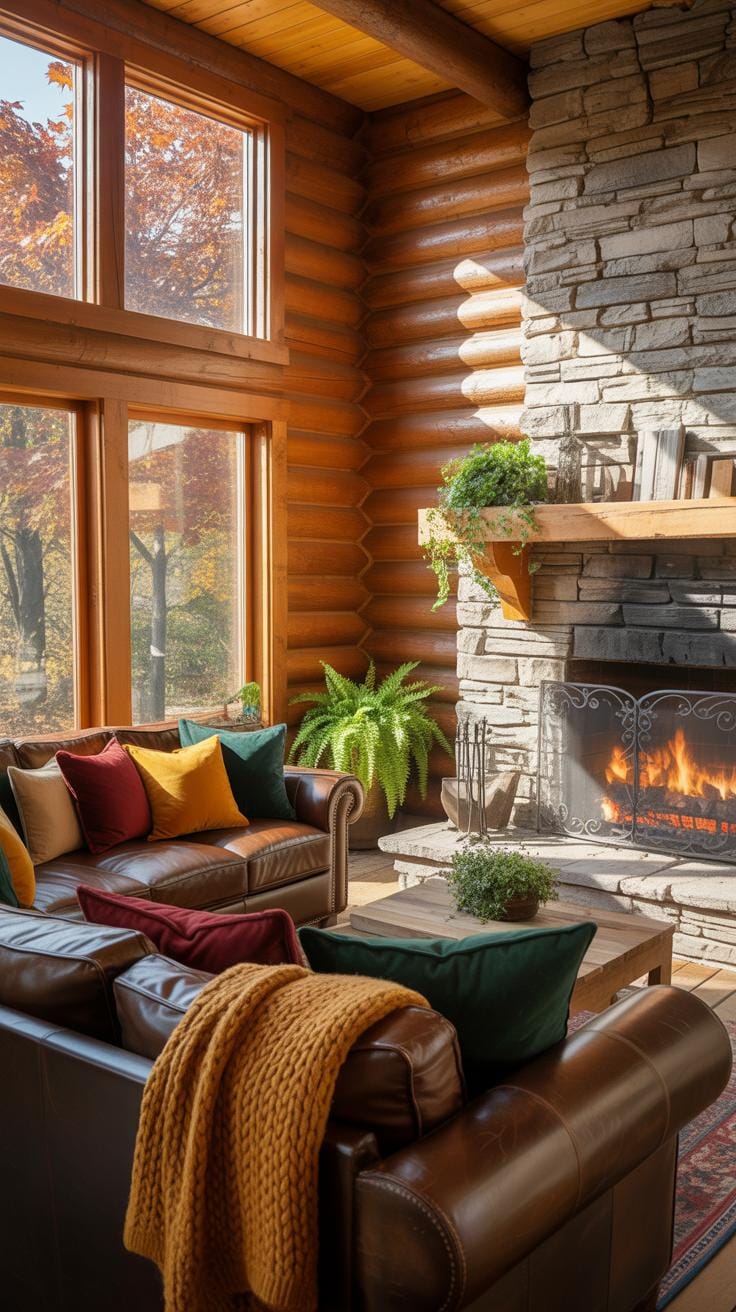
Setting up a cozy cabin involves more than just a few cute touches. To really feel relaxed and comfortable, you need to think about how lighting and temperature affect your mood and health. Soft, warm lights work best—they reduce eye strain and signal your brain that it’s time to unwind. Maybe use lamps or string lights rather than harsh overhead fixtures. If you can, dimmers are a good idea; they let you adjust light levels across the day.
Temperature matters too. A cabin feels snug when it’s cool but not freezing—somewhere around 65-70°F tends to support better sleep. You might find a small space heater or a fan useful to fine-tune the climate, depending on the season. It’s surprising how much this can change how easily you fall asleep or wake up refreshed.
Decor and furniture layout shape how you experience the space. Try arranging seating areas to face a window or a fireplace, which creates natural focal points and encourages relaxation. Choose comfy, inviting pieces rather than rigid ones. Textiles like wool throws and soft rugs can add comfort and softness underfoot. A clutter-free, simple arrangement tends to feel less overwhelming and helps your mind settle. Consider personal touches—like photos or nature-inspired art—that make the cabin feel uniquely yours. It’s these little details that invite you to linger and breathe easier.
What To Pack For A Cabin Trip
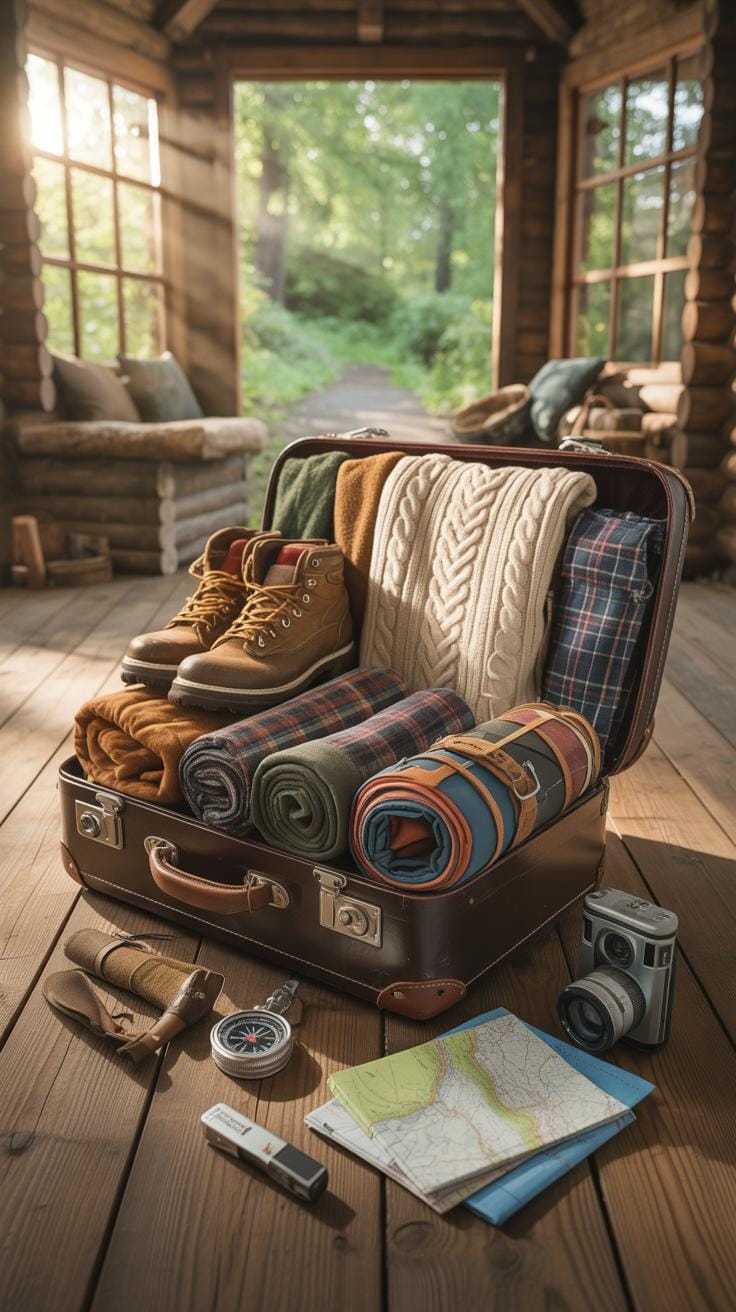
Preparing for a cabin trip means thinking beyond just clothes and entertainment. You want to cover health, safety, and the nuances of cabin life that aren’t always obvious.
Health Essentials To Bring
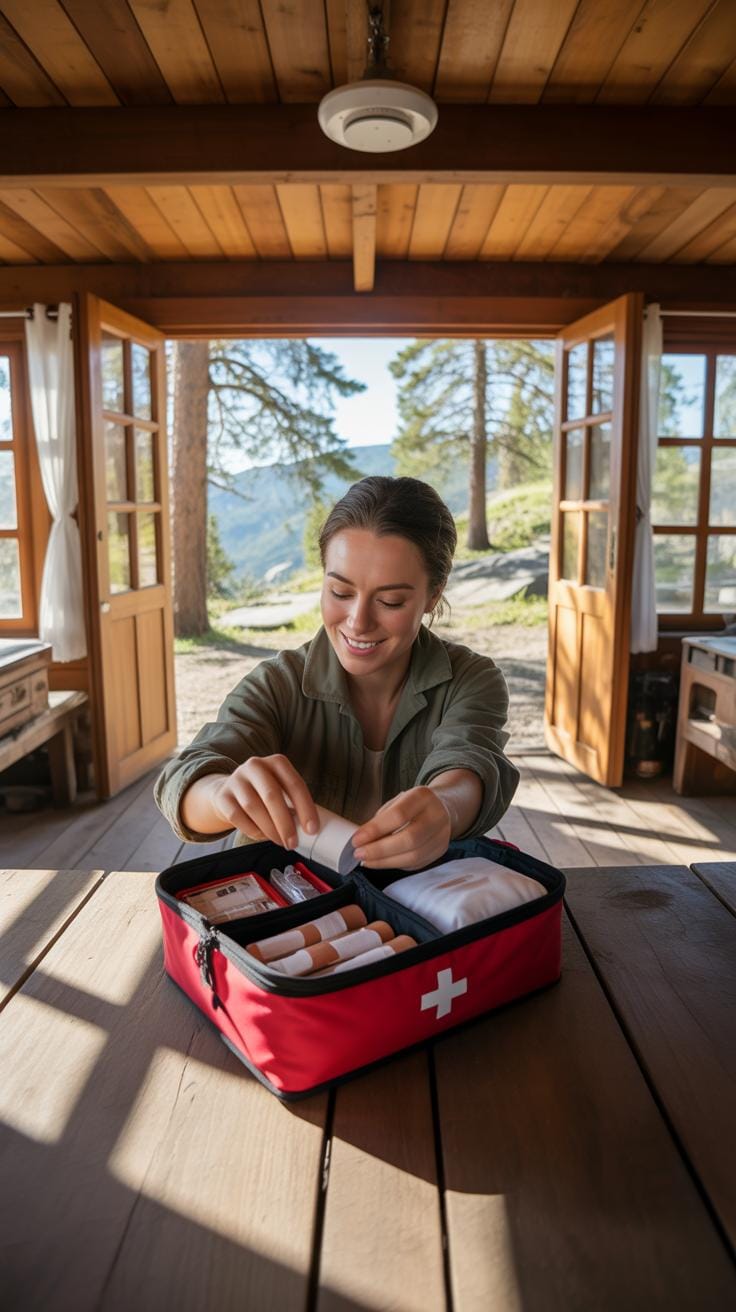
Start with a well-stocked first aid kit: band-aids, antiseptic wipes, pain relievers, and any prescription meds you rely on. Don’t forget things like insect repellent and sunscreen—if you’re surrounded by woods or near a lake, these can really save your trip.
Personal care is also key. Pack hygiene basics but add some extras like hand sanitizer and moisturizers; the cabin’s dry air might catch you off guard. Oh, and if you’re prone to allergies, bring your antihistamines. It’s better to have them and not need them than the other way around.
Food And Cooking Supplies
Cabins often come with limited kitchen gear. Think compact and multitasking: a sturdy knife, a small cutting board, and a versatile pan. You might bring a pot if you plan to cook soups or boil water for coffee or tea.
For food, lean toward non-perishable and easy-to-store items that still support healthy meals—canned beans, rice, pasta, spices, and nuts. Fresh veggies and fruits are great, but pack only what you’ll consume early on to avoid waste. And some comfort staples like oatmeal or granola bars can be lifesavers on busy mornings or during outdoor excursions.
Have you thought about how you’ll manage leftovers or store food safely? A good cooler or airtight containers can help here, keeping critters at bay and your supply fresh longer. Maybe a weekly plan isn’t necessary, but a rough outline of meals can drastically cut down stress and needless trips to the store.
Case Study Healthy Cabin Stay Example
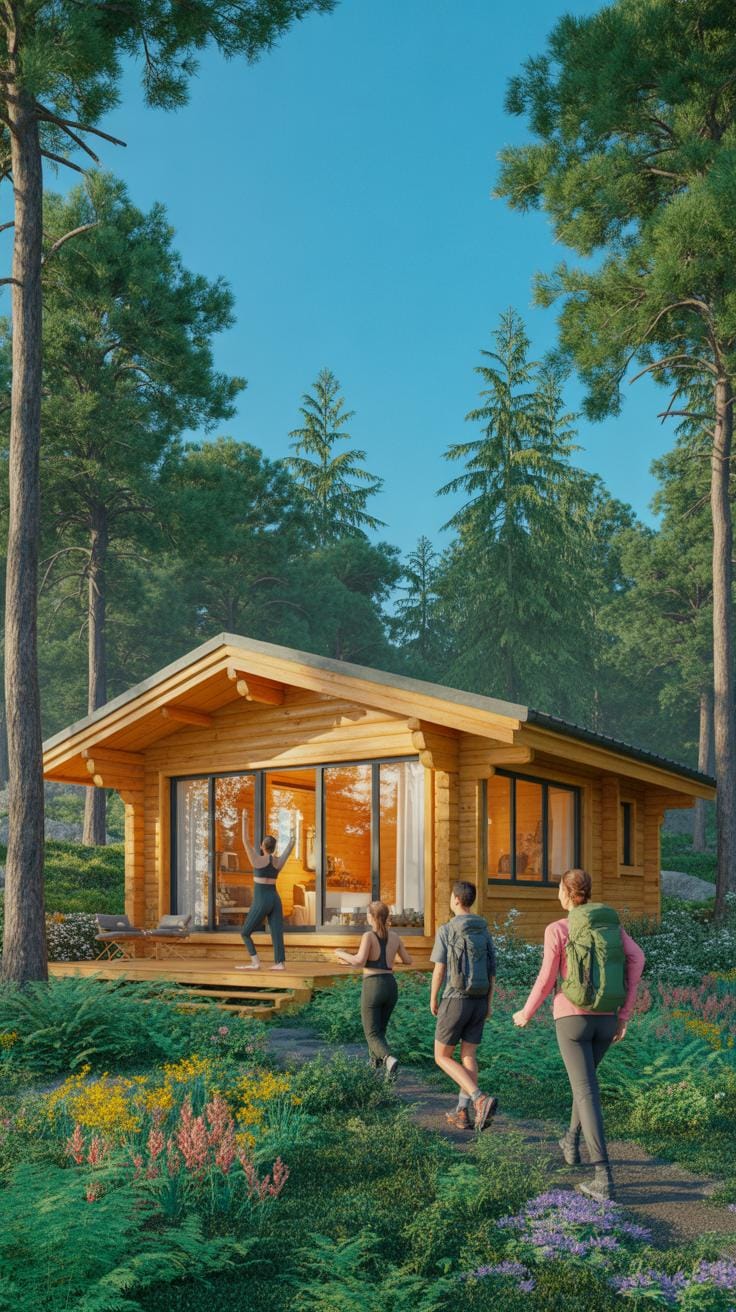
Imagine someone named Sarah, who spent a month living in a cozy cabin nestled in the woods to reset her lifestyle. She woke up each morning with the sun, shutting off distractions and tuning into nature. The air was crisp, and stretches of walking through the nearby trails helped clear her mind.
Sarah’s days followed a steady yet simple rhythm:
- Morning: Gentle yoga by the window, followed by a breakfast of oatmeal topped with nuts and fresh berries from a local farmer’s market.
- Midday: A hike or some light gardening around the cabin, then a simple lunch of vegetable soup with whole grain bread.
- Afternoon: Time for reading or journaling, with herbal tea breaks.
- Evening: Preparing a dinner of grilled salmon, steamed greens, and quinoa, finished with a small square of dark chocolate.
- Night: Unwinding by the fireplace, focusing on mindfulness before sleep.
This routine kept Sarah grounded, balancing moments of activity with peaceful rest.
Favorite Healthy Cabin Recipes
Sarah favored meals that didn’t require complicated ingredients or steps but packed a punch in health:
- Berry Nut Oatmeal: Rolled oats cooked with almond milk, topped with walnuts, blueberries, and a drizzle of honey.
- Vegetable Soup: A mix of seasonal vegetables simmered in homemade broth, seasoned lightly with herbs.
- Grilled Salmon Plate: Salmon fillet seasoned with lemon and herbs, served alongside quinoa and sautéed spinach.
- Herbal Tea Blend: A mix of chamomile and mint leaves brewed fresh each afternoon.
The meals were simple enough to prepare after walks or time spent tending the cabin, nourishing her without fuss. She often reflected that the quiet moments of cooking brought as much peace as the meals themselves.
Conclusions
Cozy cabin living offers real advantages for travelers seeking health and comfort. The peaceful atmosphere reduces stress and improves sleep, while the fresh air and nature exposure support overall well-being. Eating simple, nutritious meals enhances energy and satisfaction during your stay.
By choosing a cabin for your next trip, you can enjoy a break from routine and give your body and mind a reset. Using the food ideas and health tips shared here, you will find cabin life both fulfilling and nourishing. Embrace the calm and good health that cabins bring to your travels.