
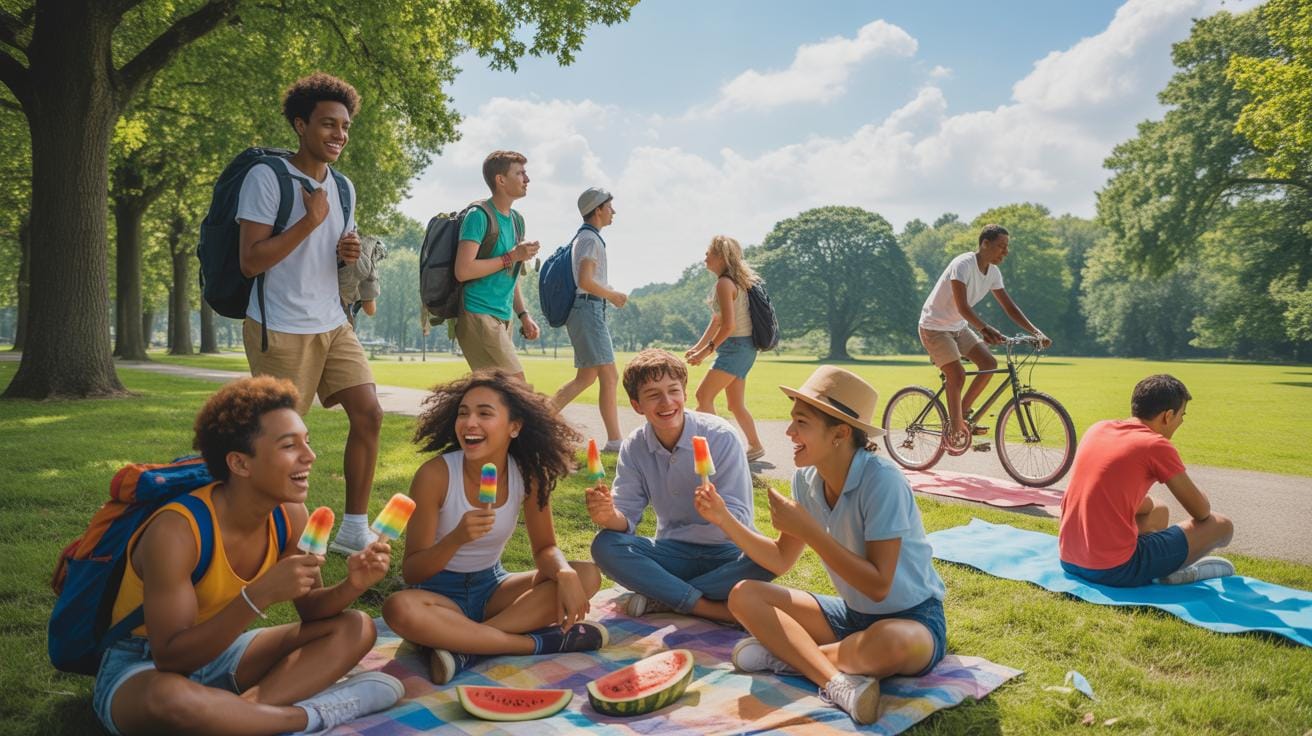
A Summer Bucket List for Teens
Summer offers a great chance for teens to explore new activities and create memorable experiences. A summer bucket list helps you organize fun plans and set goals for the vacation time. This article presents practical ideas for teens to enjoy travel, food, and fitness during the summer season.
By breaking your summer goals into travel, food, and fitness sections, you can clear what to do next. Whether trying a new dish, exploring a nearby town, or taking on a fitness challenge, the ideas here guide you step-by-step for a rewarding summer.
Plan Your Summer Trips Easily


Planning a summer trip might sound overwhelming at first, but breaking it down into simple steps can make it much easier. First, think about locations nearby — places within a reasonable drive or a short trip. This keeps things manageable and cuts down on travel stress. When you choose destinations close to home, it’s easier to come back if you forget something or if plans change unexpectedly.

Next, set a budget. It doesn’t have to be complicated. Consider costs like gas or transport, food, any entrance fees, and maybe a little extra for souvenirs or snacks. Having a budget helps keep your trip fun without worrying about running out of money.
After that, make a travel checklist. This is where you list everything you need to bring — water, sunscreen, snacks, a phone charger, and any ticket or reservation confirmations. You’d be surprised how often these essentials get overlooked!
Don’t forget safety. Always let someone know where you’re going and when you expect to be back. Stay aware of your surroundings and trust your instincts if something feels off. And of course, keep your phone charged and handy. Traveling, especially for the first time on your own, needs some caution but shouldn’t stop the excitement.
Choose Safe And Fun Destinations
When picking where to go, think about places that feel safe and are interesting. This might be a park where you can walk or bike, maybe a local museum with cool exhibits, or even a landmark you’ve never visited. You get to learn or have fun without venturing too far from familiar spots.
Also, choose places that have good facilities — like restrooms, shaded areas, or spots to grab a drink. This might sound obvious, but it really makes a difference, especially on a sunny day when you might get tired or thirsty quicker than expected.
Create A Budget And Checklist
Setting a budget means figuring out how much money you’ll need for every part of your trip. Gas or bus fares, food stops, entrance fees for attractions, and a little extra for surprises or snacks should all be factored in.
Then, write a checklist. It’s smart to have it handy when packing or before leaving. Must-haves? Water, sunscreen (because who wants a sunburn to ruin the fun?), snacks to keep your energy up, comfy shoes, and maybe a rain jacket just in case. Pack light but smart.
That checklist is also good for your safety gear – like a phone, some cash, and any medications you might need. This way, you’re not scrambling last minute wondering what you forgot. Planning trips might take some effort, but it means you can actually relax and enjoy your summer rather than stressing about what you didn’t prepare for. What would you add to your checklist?
Try New Foods For Summer Fun
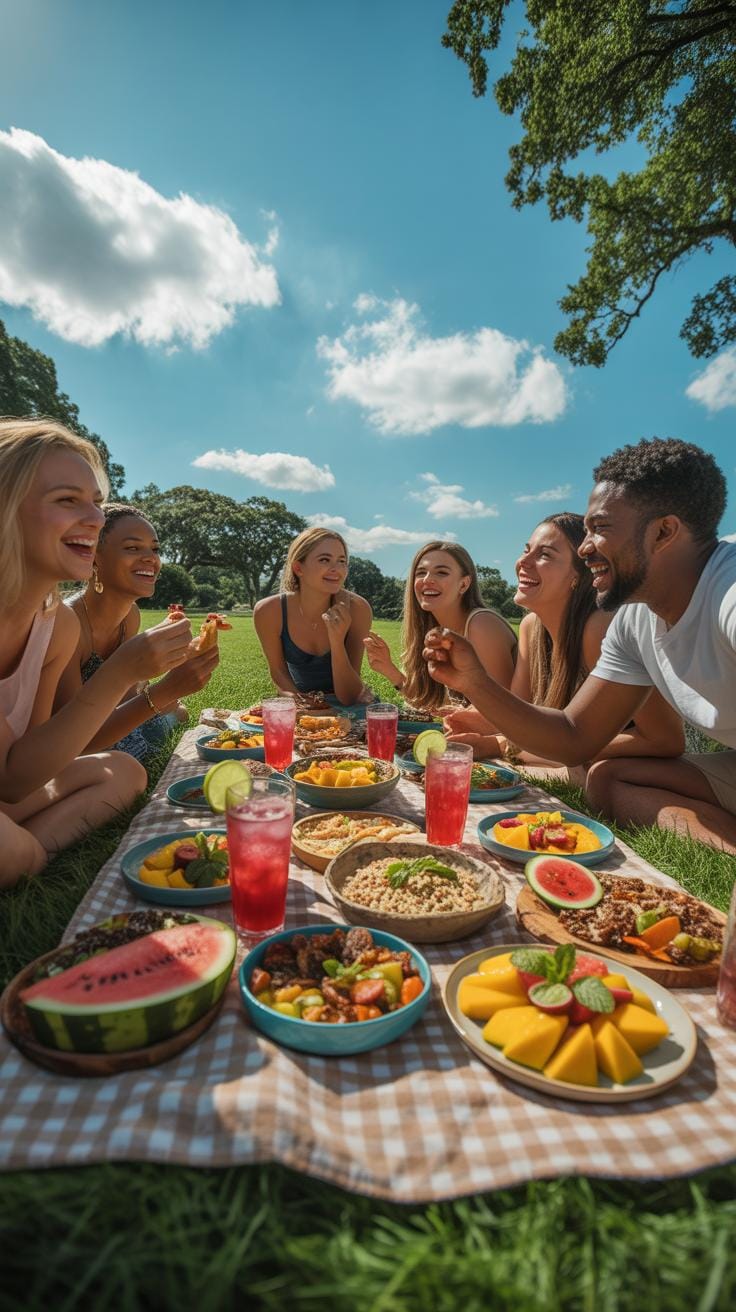
Looking for something simple yet satisfying to add to your summer bucket list? How about diving into food challenges that aren’t just tasty but a little adventurous? It might sound basic, but trying new fruits or whipping up easy dishes can actually turn your summer around. Think about sampling fruits you haven’t really enjoyed before—like peaches dripping with juice, berries bursting with tang, or watermelon that’s more than just sweet. Have you ever made your own fruit salad or smoothie? It’s surprisingly fun and lets you experiment with flavors.
Cooking doesn’t have to be complicated. Simple recipes with summer ingredients are great starters. For example, you can toss together a quick sandwich loaded with fresh veggies or blend a smoothie in minutes using whatever fruit you have on hand. Salads with crisp greens and seasonal fruits can be both refreshing and filling. This kind of food adventure is low-risk but high-reward—you get to discover what you like, develop some skills, and maybe surprise yourself.
Why not also check out local food events or markets? They’re typically buzzing in summer and offer a chance to try something new while hanging out with friends. You don’t need to be a pro chef or a foodie to enjoy these little challenges. The point isn’t perfection, but having some variety in your plate and a bit of summer fun that’s delicious, easy, and just right for your vibe.
Step Up Fitness With Daily Goals

Setting fitness goals during summer can be surprisingly simple and rewarding, especially for teens. Daily walking challenges are a great place to start. You might decide to aim for 5,000 steps daily and see how that feels. Some days you’ll breeze right past it, other days maybe not—and that’s okay. Keeping a tracker, whether on your phone or a simple pedometer, helps you stay aware of your progress. It’s satisfying to tick off a milestone and gives you a nudge to keep going.
Home workouts also deserve a spot in your summer routine. No fancy gym equipment? No problem. Exercises like jumping jacks, planks, or yoga stretches make good use of your body weight. They’re easy to fit in between other activities or hot afternoon rests. Plus, you can mix it up as you go, which keeps boredom at bay.
Think about joining a local sports team or swim club, too. It’s not just about exercise—though you’ll definitely get plenty of that. The real bonus lies in meeting new people and having a schedule that pushes you to be consistent. Swimming, for example, builds endurance while being gentle on joints. Team sports help with coordination and teach you about working with others. These experiences often turn out to be more motivating than solo workouts, because you’re part of something, not just ticking off individual goals.
Build A Checklist For Summer Achievements
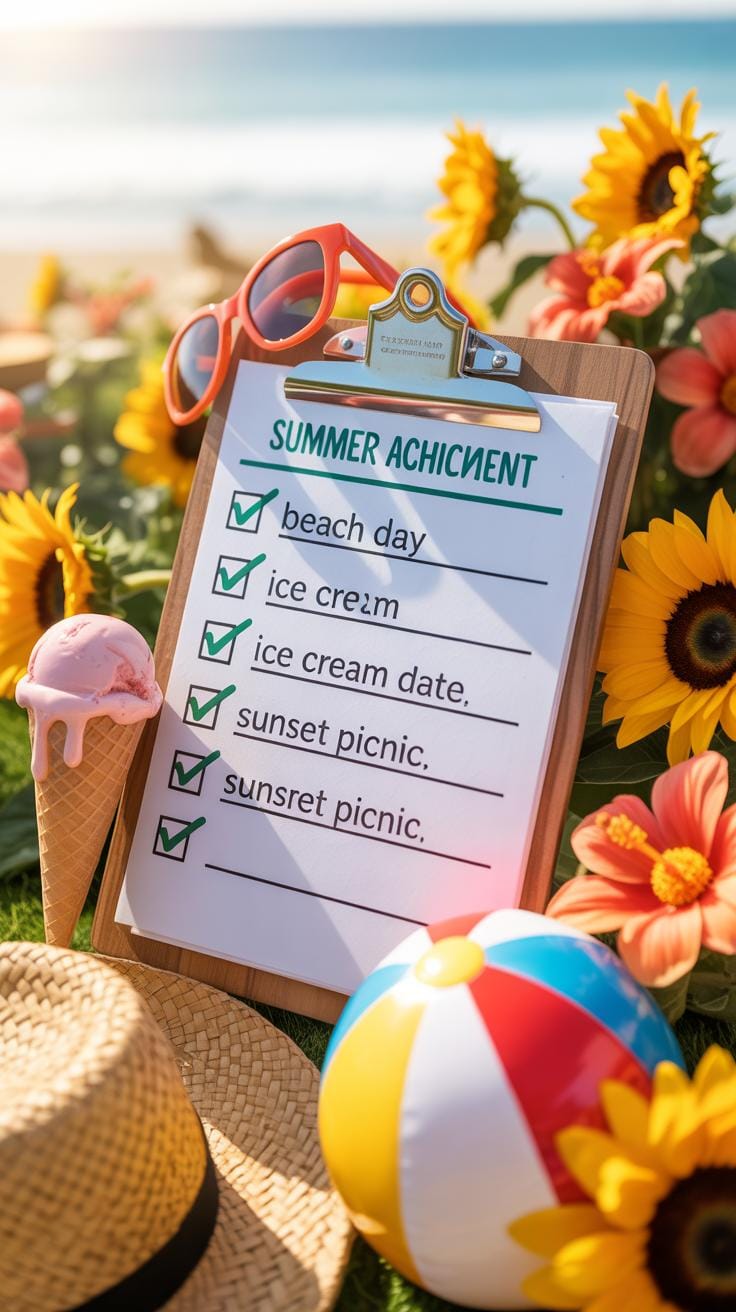
When you’re putting together your summer bucket list, a checklist can be a simple but effective guide. Think of it as your personal roadmap for experiences you want—whether it’s exploring new places, trying tasty food, or getting active.
Start by breaking your goals into categories like travel, food, and fitness. For each, jot down clear, specific tasks. Instead of “try new food,” write “eat at a local food truck” or “make homemade smoothies.” Big goals can feel less intimidating when split into small steps—like planning the route for a day trip or warming up before a run.
Keeping track can be a challenge, so find a way that clicks with you. Use a simple notebook or a bullet journal if you like writing. Or maybe try apps like Google Keep or Trello to mark off what you’ve done. These tools let you see your progress at a glance, which can be oddly satisfying.
Don’t forget: checking off a task isn’t just about completion. It’s about feeling the moment, learning something new, or maybe even shifting what you want mid-summer. Think of your list not as rules but as suggestions that guide your adventure. What’s one small step you can take today?
Compare Solo Versus Group Activities
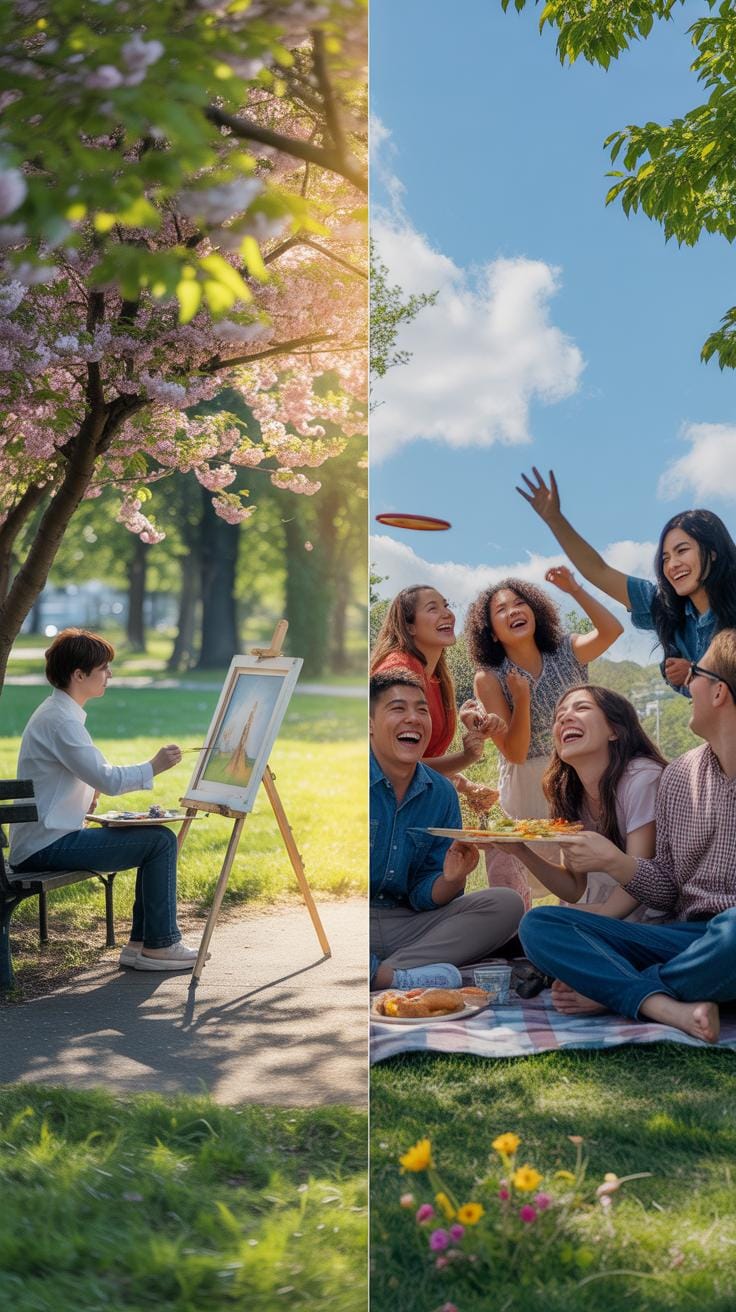
Advantages Of Flying Solo
Doing summer activities alone can really help you discover your own rhythm. When you take a solo walk, for example, you’re not just moving your body — you’re turning your attention inward. It invites a kind of focus that’s hard to find in a group setting. Cooking experiments by yourself let you trial and error at your own pace, without worrying about anyone else’s tastes or schedules. There’s a quiet confidence you build when you rely only on yourself to make the day interesting. But at the same time, being alone can sometimes feel a bit isolating or even boring, so you might find your mind wandering or your energy dipping. Maybe flying solo fits those who want space to think or enjoy calm, but it might not always keep the excitement alive by itself.
Benefits Of Group Fun
Group activities bring a different kind of energy. Playing team sports or going on group trips can push you to be more active simply because others are there to cheer you on or keep pace. There’s something motivating about not wanting to let your friends down. Social skills grow naturally, too, when you’re juggling conversations, planning, and sharing experiences. Group fun tends to sprinkle in a good dose of laughter and shared memories, moments that might feel more vivid or special. Yet, it’s not always smooth sailing — group plans can get messy, and the pressure to keep up or fit in might wear you out. So, maybe it’s not just about choosing solo or group but about what you want to gain from the moment. Which side feels like more you right now?
Find Budget Friendly Travel Options
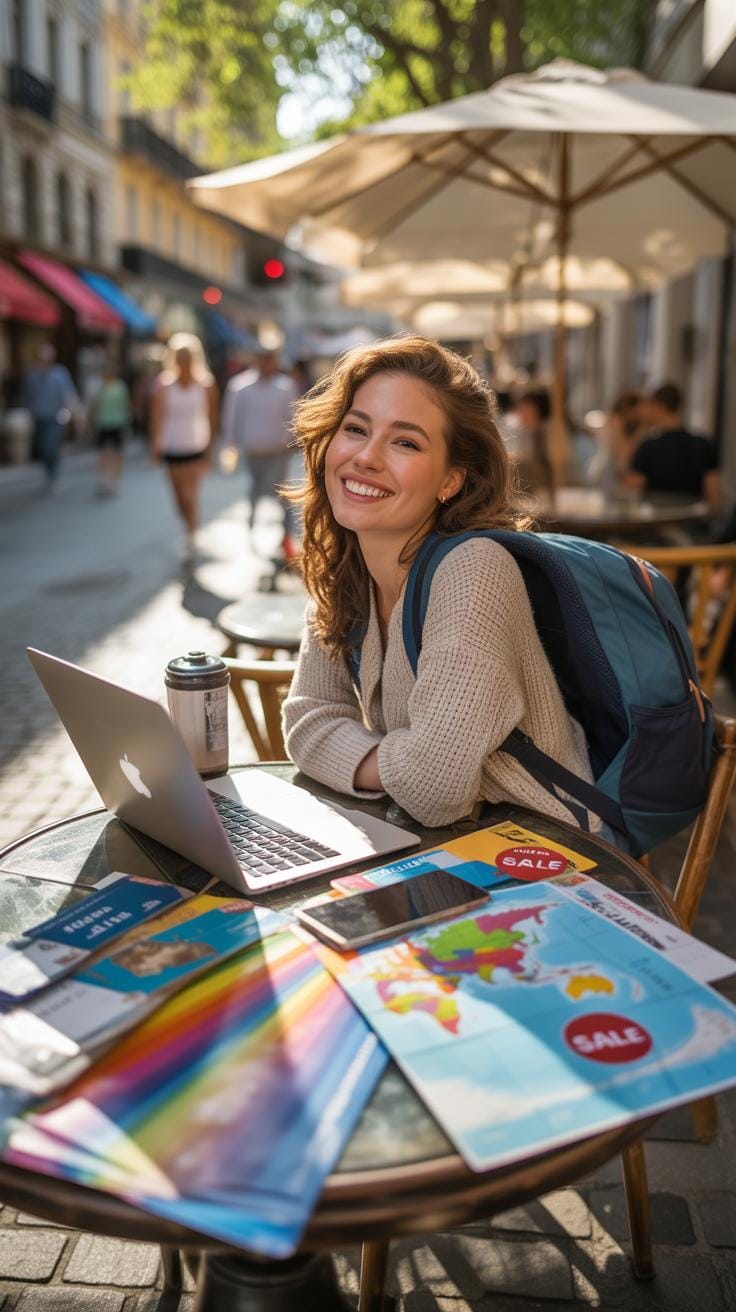
Travel can feel like a stretch on a tight budget, especially for teens and families. But guess what? There are plenty of ways to explore without emptying your wallet. Sometimes, the best adventures happen close to home, in places you might not have considered.
Plan Affordable Day Trips
Think about spots nearby that don’t require a hotel stay or expensive tickets. Local parks, nature trails, and even free museums can offer a full day of fun and discovery. When picking your destination, consider how far you’re willing to travel and the activities available. Maybe you’ve never been to that botanical garden or the city’s history museum. Sounds simple, but these outings can fill a day with new experiences without costing much.
Use Public Transport
Public transit can cut travel costs drastically, though it might need a bit of planning. Buses and trains often connect you to spots you wouldn’t otherwise easily reach. Reading schedules might feel tedious at first—don’t rush. Take your time to understand timing and routes to avoid waiting too long or missing connections. Safety is key: keep your belongings close and stay aware of your surroundings, especially if you’re traveling with friends or family. Using public transit can also give you a chance to see the city differently. It’s not just a way to get from A to B.
Mix Fitness With Family Or Friends
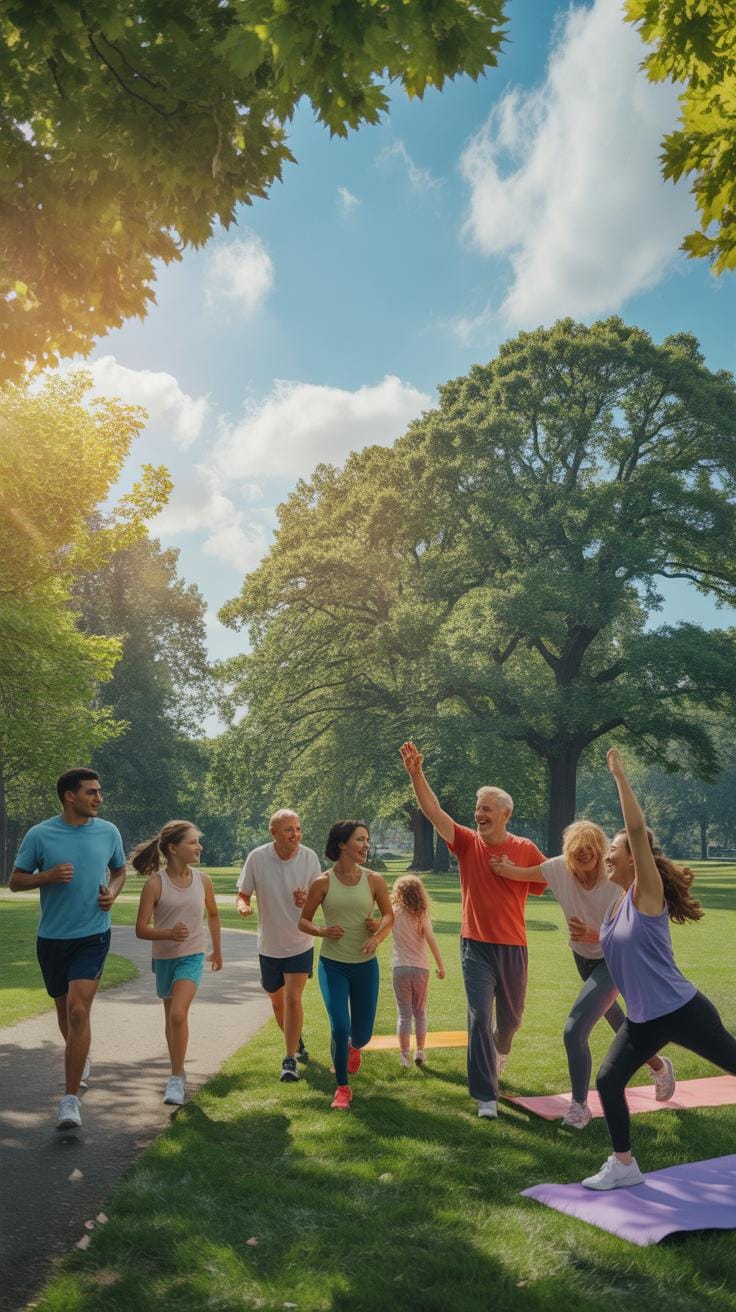
Trying to stick to your fitness goals over the summer can feel a bit dull if you’re doing it alone. One way to keep things interesting is to blend exercise with social time. Family bike rides, for instance, can turn a routine workout into a shared adventure. You get the fresh air, the exercise, and some quality bonding time all at once.
Or maybe you could start a hiking group with friends or neighbors. Even casual lunchtime walk clubs provide a great way to break up the day and chat while moving. It’s kind of surprising how motivating it feels to have others around, making each step less of a chore and more of a social event. Plus, having others to hold you accountable might just be the push you need to stay consistent.
Organize Group Fitness Days
Planning group fitness activities can add an extra layer of fun and motivation to your routine. Think about organizing weekend hikes or maybe a friendly sports day. These events encourage everyone to get moving without it feeling like work. Sometimes just knowing there’s a group event coming up makes you want to prepare a little more, making your fitness goals seem less abstract.
Setting a regular schedule for these gatherings can also help cement a habit—it’s not just fitness; it’s an occasion. Imagine the extra laughs and the side chats you might miss out on if you worked out solo all the time. So, why not try planning something that everyone can look forward to?
Join Local Clubs Or Teams
Joining a local fitness club or sports team introduces a whole new social layer to working out. Beyond the obvious physical benefits, these groups offer community and a sense of belonging. Whether it’s soccer, swimming, or even dance, being part of a team shapes your summer in unexpected ways.
Finding and joining these groups is often easier than it seems. Community centers, online neighborhood boards, or local gyms frequently post opportunities. Often, these clubs welcome beginners, so it’s worth trying even if you’re not an expert. You never know—this might be the summer you find a new passion or meet lifelong friends.
Create Food Challenges That Teach Skills

Food challenges can be great for teens to develop practical cooking and nutrition skills in an engaging way. Taking on a new recipe weekly, for instance, pushes you step-by-step through cooking basics without feeling overwhelming. You might start with something simple like pasta with homemade sauce or an easy stir-fry. These small victories build confidence.
Trying ethnic cuisines is another way to expand both your palate and cultural understanding. Taste involves a lot more than just flavor—it’s connected to traditions and stories. Maybe you try a dish from Thai, Mexican, or Ethiopian cuisine. When eating out, picking well-reviewed, clean restaurants or cooking familiar versions at home helps keep the experience safe. It’s a chance to learn about ingredients, cooking methods, and nutrition all at once.
Food challenges ask you to step outside routine and get hands-on. Sometimes the dish doesn’t turn out as expected, but that’s where the learning happens. What caused it? What will you try next time? It’s a way to practice patience, flexibility, and curiosity—skills that matter beyond the kitchen too. So why not make your summer deliciously educational?
Evaluate Your Summer Progress Often
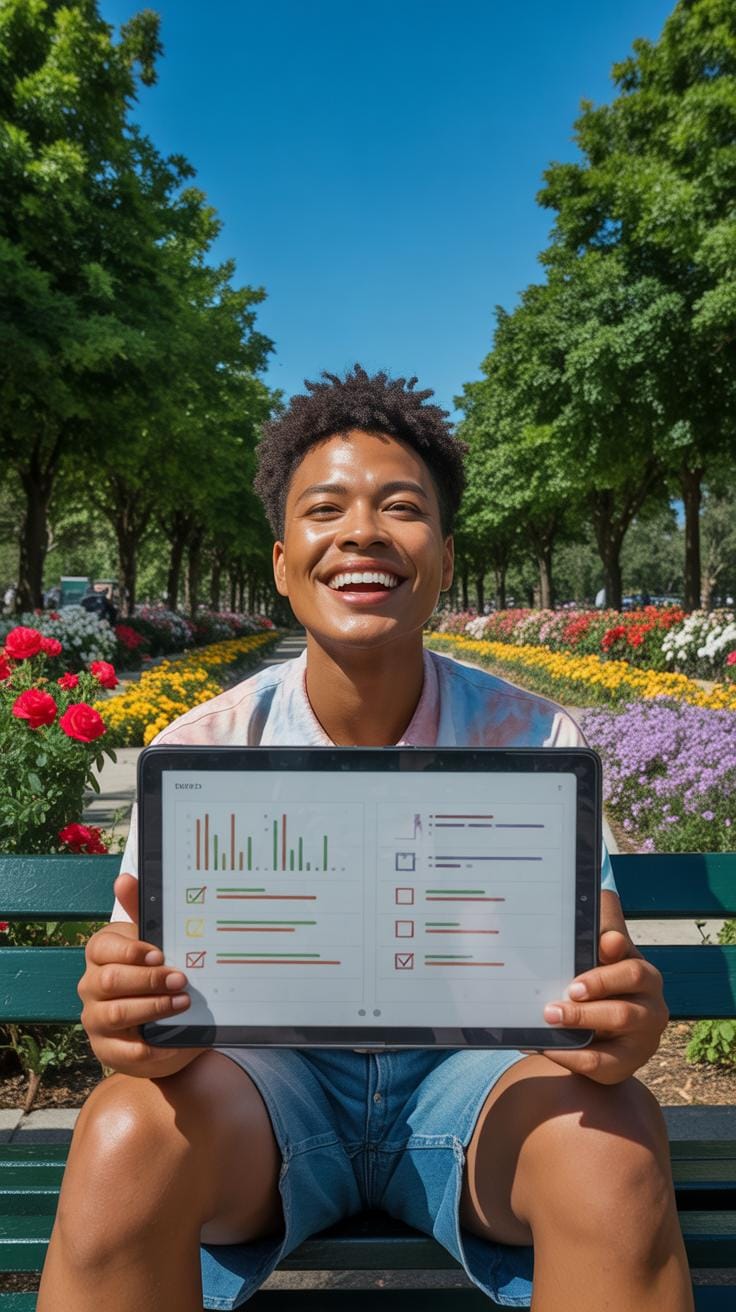
Checking in on your summer bucket list is more than just ticking off boxes. It’s about staying connected to what you truly want out of your summer. When you pause to assess, you might realize some goals no longer excite you or, perhaps, a few have become too easy. This reflection can be surprisingly motivating, keeping your summer fresh and engaging.
Check Goals Weekly
Every week, carve out a little time to review your list. This doesn’t have to be a big deal—maybe a quick journal entry or a casual chat with a friend or family member. Writing down what you’ve done and what you’re excited about next helps solidify your plans. Plus, sharing your progress can spark new ideas or encouragement.
Adjust Plans When Needed
It’s perfectly okay to tweak your bucket list. If a goal feels overwhelming, break it down or swap it out for something more doable. Conversely, if something becomes too simple, challenge yourself to take it further or add a twist. The key is to keep the list fun and balanced—too hard, and it might become a chore; too easy, and it loses its appeal. Remember, you’re crafting a summer to enjoy, not to obsess over.
Conclusions
A well-planned summer bucket list keeps you motivated and adds excitement to your vacation. Travel, food, and fitness ideas offer balance and make the most of your free time. Keep a list you can check off as you complete each activity to see your progress and enjoy your successes.
Use these ideas to build your own summer projects. Find fun destinations, taste new foods, and stay active. A summer spent with clear goals and varied activities becomes more rewarding and memorable. Take action and make your summer count.