
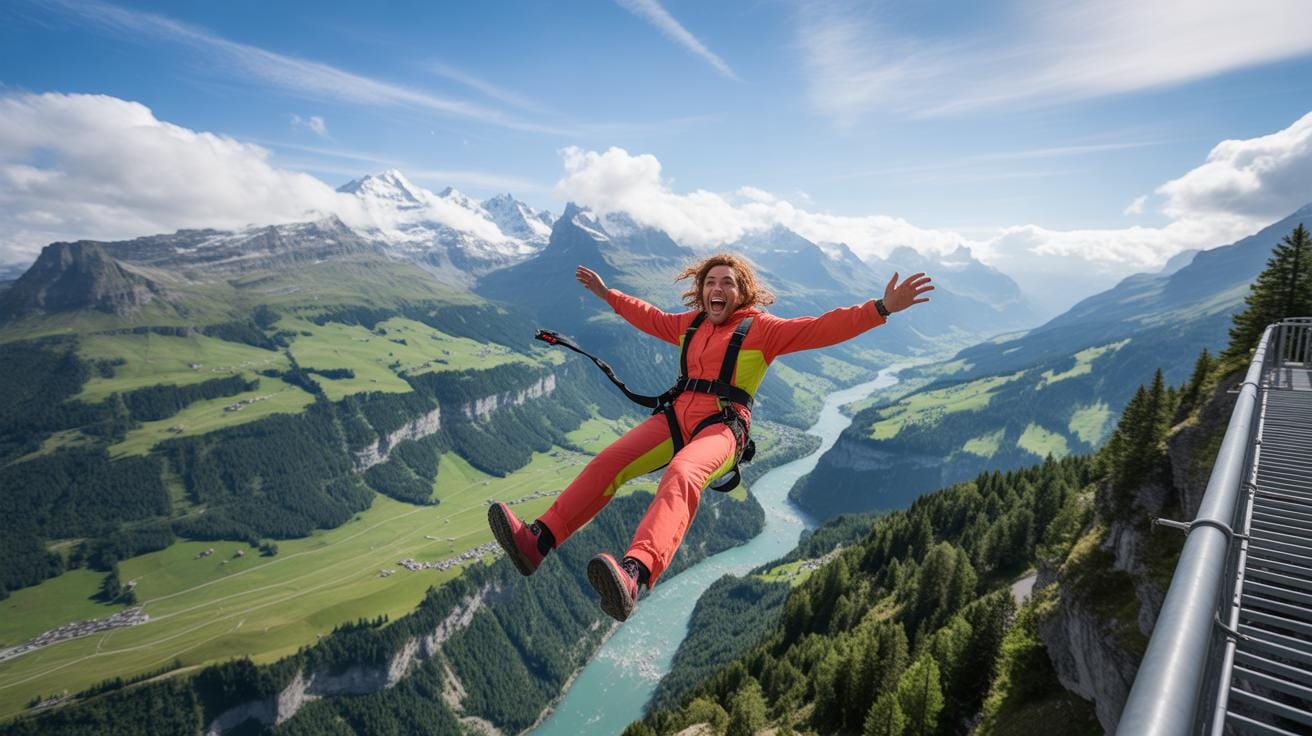
Bungee Jumping Against Switzerland’s Scenic Backdrop
Bungee jumping combines thrill and natural beauty, especially in Switzerland, where adventure meets aesthetic landscapes. Here, you experience diving from great heights tied to elastic cords while surrounded by stunning views. The activity’s appeal partly lies in the balance between adrenaline and the scenic environment.
Switzerland offers iconic bungee jumping sites that attract adventure seekers. This article covers how bungee jumping works, the safety checks involved, why Swiss landscapes enhance the experience, and what to expect as you prepare for your jump.
Bungee Jumping Setup And Safety
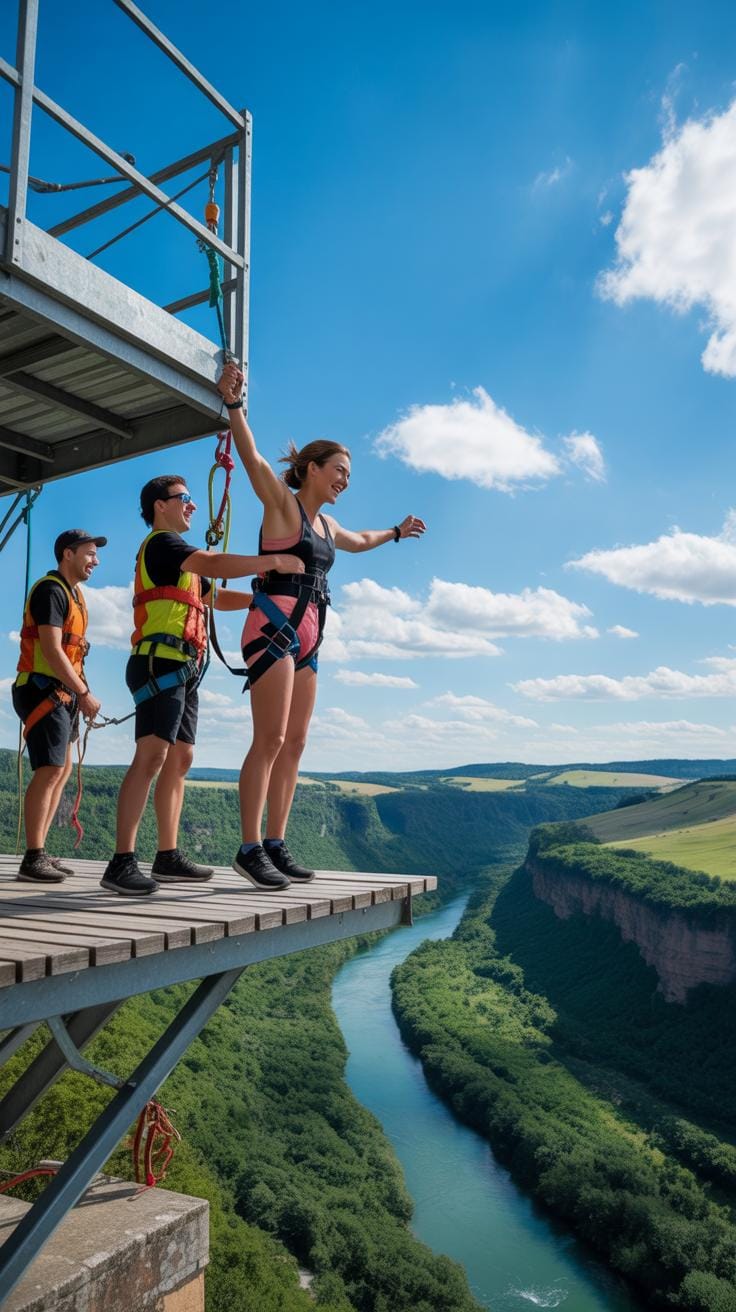
The backbone of bungee jumping setups in Switzerland usually revolves around sturdy jumping platforms. These platforms can be built on bridges, cliffs, or cranes, giving jumpers that breathtaking drop. The construction aims to ensure a solid foundation because even a slight move can be unsettling. Not all cords are created equal either. Swiss operators typically use high-quality, multi-strand elastic cords made from natural rubber with protective outer sheaths. What’s interesting is that the cords are carefully matched to each jumper’s weight and the jump height to prevent excessive force on the body.

Regarding safety protocols, there’s a surprisingly detailed checklist that guides the whole operation. Before any jump, the equipment undergoes multiple inspections. Staff need certification, and emergency plans are in place — including rescue teams trained for swift action. It’s clear that safety isn’t just an afterthought; it’s central to the entire setup. But can safety ever be completely guaranteed in such an extreme sport? That’s a question maybe only jumpers wrestle with deeply.
Key Safety Measures For Bungee Jumpers
Before you leap, your harness and cord setup are checked rigorously. Jumpers are usually weighed beforehand — to ensure the cord elasticity fits their mass. The staff walk you through the posture during the jump, which might feel a bit nerve-wracking but is essential. And well, you must honestly disclose if you have health issues; it’s not the place for fibbing.
During the jump, keep your body straight and avoid jerky movements, which could stress the cord. The operator’s commands are critical. I’ve heard some jumpers feel overwhelmed by adrenaline and forget instructions briefly, which can be risky. There’s a quiet balance between thrill and control in those few seconds.
Essential Gear And How It Works
The bungee cord is the obvious centerpiece—it’s designed to stretch and recoil, gently saving you from a hard landing. Then there’s the harness, which securely wraps your ankles or full body. Ankle harnesses are the most common, but sometimes full-body harnesses are preferred for extra safety or comfort.
Helmets may be optional depending on the jump site, but they offer some protection against bumps, especially on cliff jumps. The gear is calibrated and tested repeatedly to handle repeated loads, and the slightest wear prompts replacement. It all sounds maybe a bit too intense, but that’s the price for the thrill, isn’t it?
Choosing Your Swiss Bungee Spot
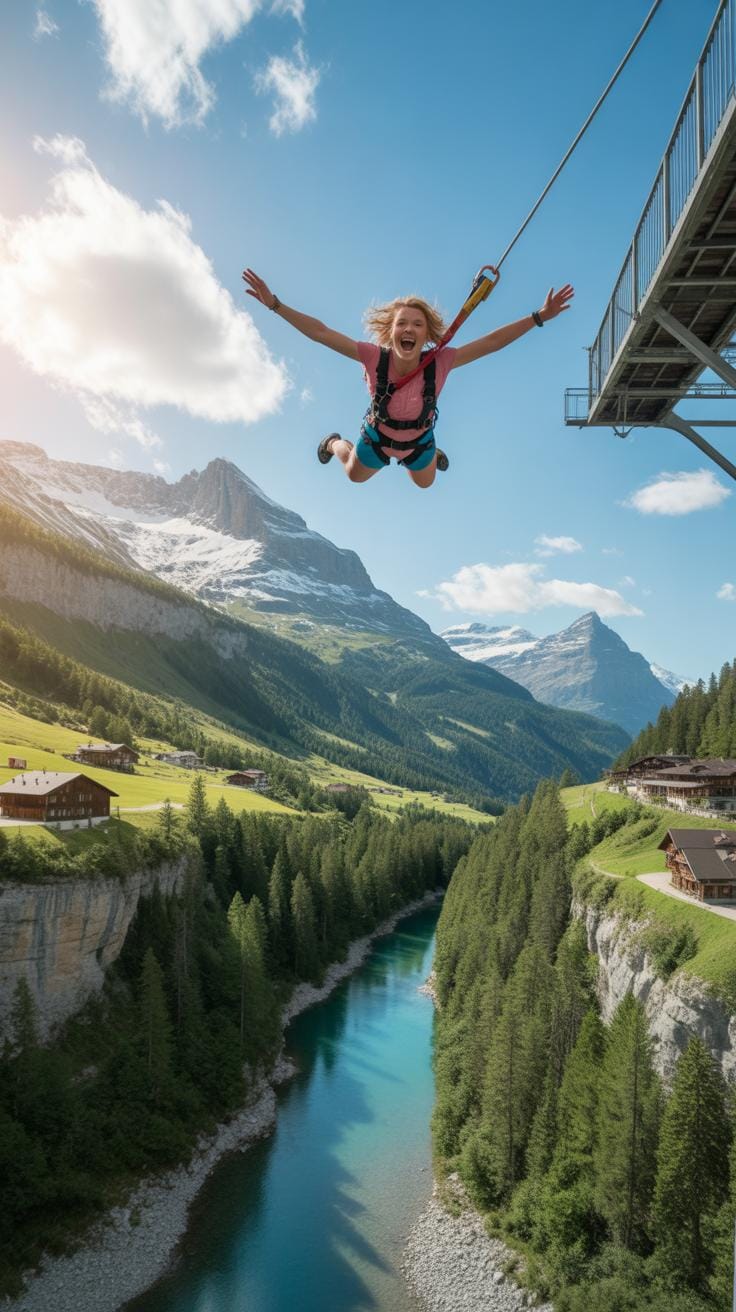
When it comes to picking a bungee jumping spot in Switzerland, you have some standout options. Each site offers unique scenery, jump heights, and access quirks, which makes choosing the right place a bit of a personal puzzle. Here are a few popular locations:
- Verzasca Dam – This one’s famous worldwide because of its impressive 220-meter (720 feet) height. The dam’s sheer drop makes the jump unforgettable, but the remote valley means it’s a bit of an adventure just to get there.
- Rheinfall – Jump here to get close to Europe’s largest waterfall. The jump height is lower, roughly 50 meters, but the roaring water adds a thrilling soundtrack.
- Tatrapoint in Interlaken – This offers a good balance of height and accessibility, surrounded by the alpine beauty of the Bernese Oberland.
Picking depends on what you want — daredevils might chase the highest jump, while some prefer breathtaking views paired with easier travel. It’s not one-size-fits-all.
Top Scenic Views From Jump Sites
The views you get during a Swiss bungee jump? Hard to beat. At Verzasca, for example, your eyes take in a deep turquoise reservoir surrounded by rugged mountains. It’s like falling into a painting. Near the Rheinfall, you see the mighty river cascade down rocky cliffs, which feels intense and powerful — a kind of wild majesty.
Interlaken’s site is close to charming lakes and snow-capped peaks, offering a mix of calm and grandeur. Honestly, sometimes the views distract you so much you almost forget you’re about to jump.
How To Access Jumping Locations
Getting to these sites ranges from straightforward to slightly tricky. Verzasca Dam is the furthest out. Most travelers take a train to Locarno and then a bus or taxi for the final stretch. The Rheinfall area is easier to reach by train, with Schaffhausen station nearby.
Interlaken is well-connected by major rail lines, making it a convenient base if you want easier travel plus the option to hit other outdoor activities. In all cases, planning ahead helps. Transport schedules might not always sync smoothly with jump times — something to keep in mind.
Bungee Jump Versus Other Adventure Sports
Risk Levels And Thrill Factor Compared
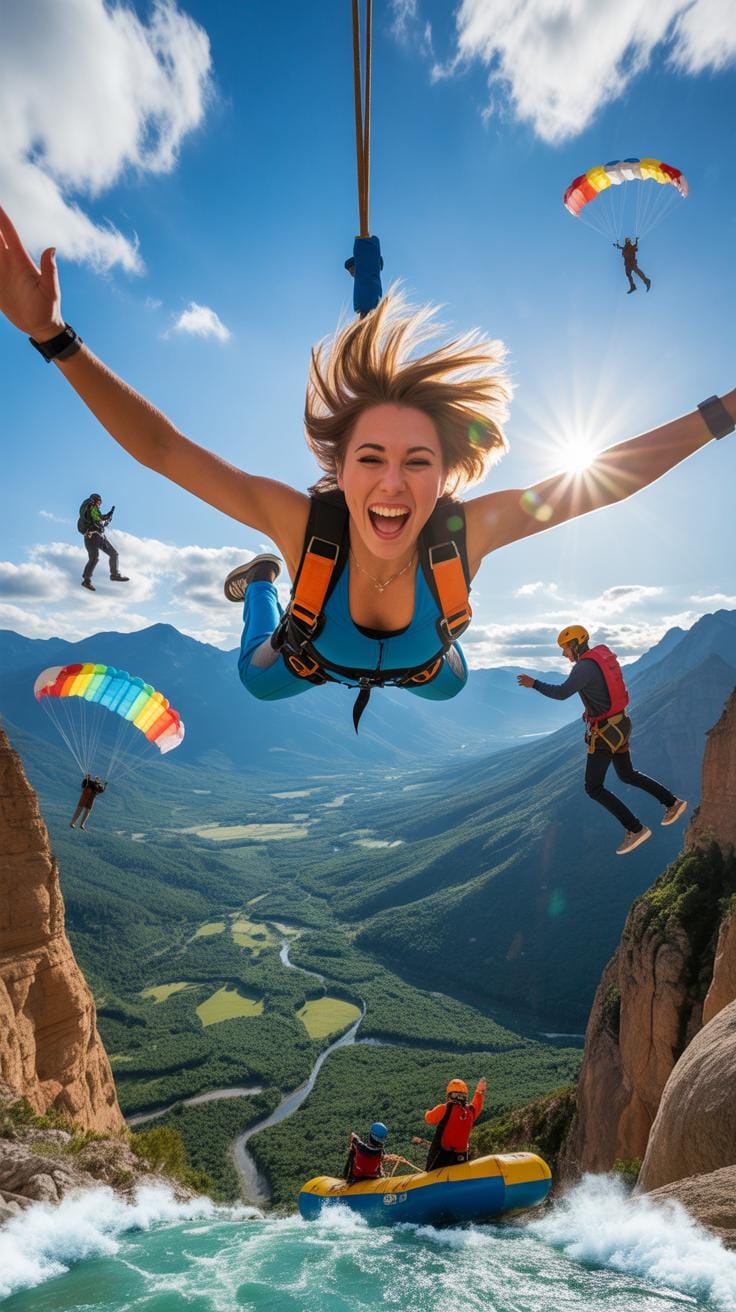
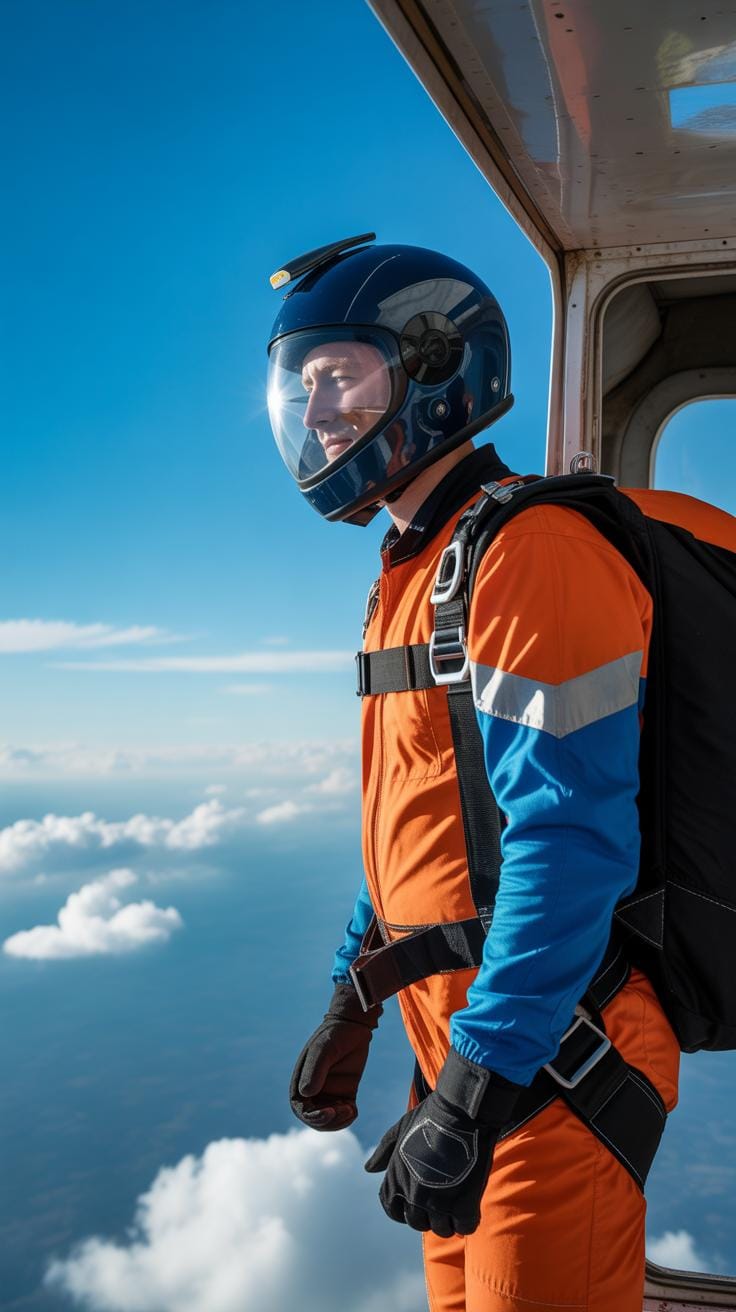
Bungee jumping, in Switzerland or elsewhere, delivers a very specific kind of rush. The sudden drop and the elastic rebound produce an intense, short burst of adrenaline that’s almost unmatched. It might feel riskier because the jump is so close to the ground, but actual danger can be surprisingly low when the setup is professional. Paragliding and skydiving, on the other hand, involve longer air-time and more variables—weather, wind, proper equipment handling. Both can feel less immediate in terms of raw terror, but carry risks over the flight duration. Skydiving includes free-fall from thousands of feet with a parachute, a longer exposure to potential issues. Paragliding is steadier, more peaceful, until turbulence hits.
Scenic Experience Differences
The views during bungee jumping contrast sharply with those while paragliding or skydiving. The jump spots often place you close to striking cliffs, deep gorges, and rushing rivers, and you feel the surroundings as you fall. But it’s a brief visual encounter. Skydiving shows an almost panoramic sweep of the Swiss Alps and countryside—sprawling space and grand vistas better savored over the longer descent. Paragliding is more like a slow, scenic glide, offering time to appreciate the landscape. In bungee jumping, it’s the quick, visceral connection to a singular spot, whereas the other aerial sports offer a kind of wandering perspective from above.
Bungee Jumping Equipment Checklist
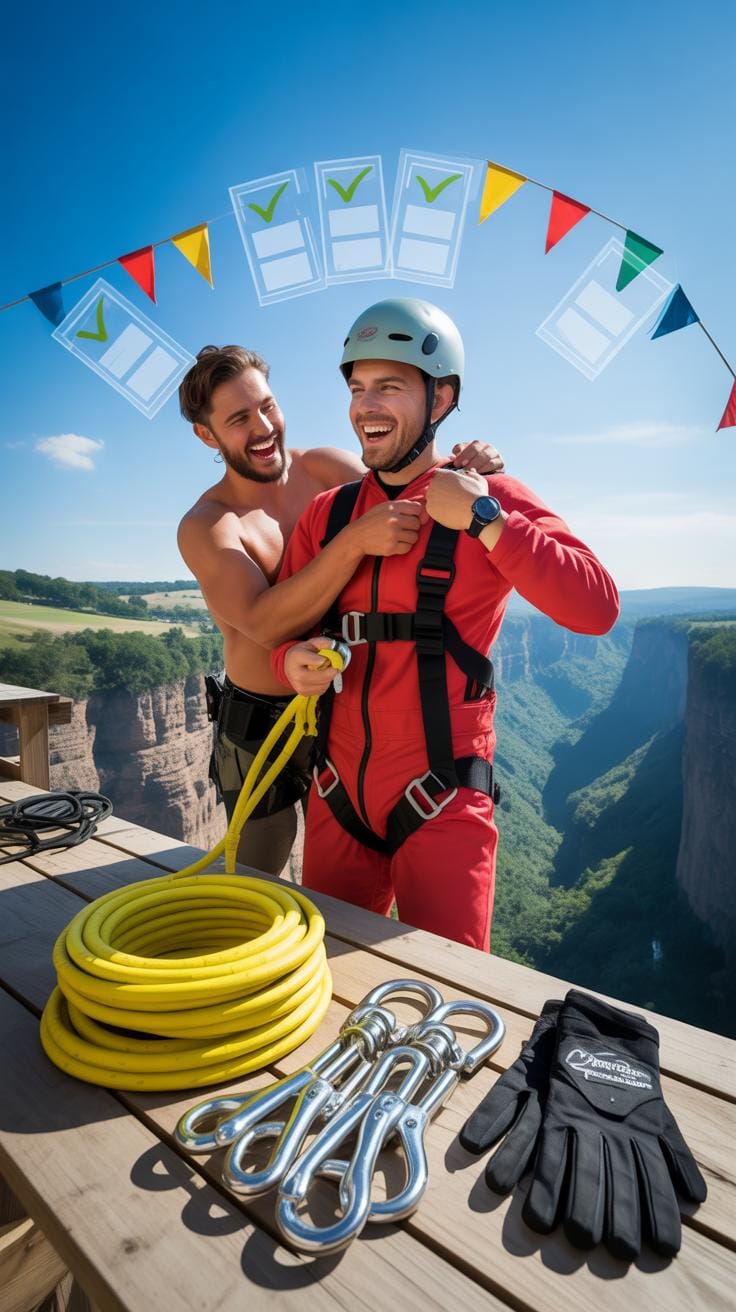
When it comes to bungee jumping, your safety gear is everything. You can’t just jump in with any equipment. Here’s a checklist to help keep you secure:
- Harness — Make sure it fits snugly and all buckles lock properly.
- Bungee Cord — Inspect for any signs of wear, fraying, or damage.
- Carabiners and Connectors — Check locks to verify they’re fully closed and undamaged.
- Helmet — Confirm it fits well, no cracks, and chin straps are secure.
- Anchor Point — Double-check it’s firm and reliable to support your weight.
Skipped any of these? That would be risky at best.
Pre-Jump Gear Inspection Process
Before you leap, take the time to examine every piece of your equipment. Start by visually scanning the elastic cord carefully; it should look uniform without any nicks or tears.
Next, test the harness by tugging gently on each strap. It shouldn’t give way or feel loose. Don’t forget to confirm all metal parts, like carabiners, spin freely and lock tightly without hesitation.
You might feel tempted to rush through this stage, but a slow, methodical check often saves trouble later. The team supervising your jump usually assists in this process, but being proactive can’t hurt.
What To Wear For Bungee Jumping
Choose clothes that let you move freely but aren’t baggy enough to catch on gear. Avoid scarves, loose jackets, or anything that might flap during the jump and cause distractions.
Shoes should be secure and supportive—closed-toe trainers work best. Flip-flops or sandals just won’t do since they might slip off mid-air, and nobody wants that surprise.
Layering might be wise if you’re jumping in cooler weather, but make sure outer layers are tight enough to stay in place. Oh, and remove any sharp accessories—rings, watches—that could snag your equipment.
Booking And Costs For Swiss Bungee Jumps
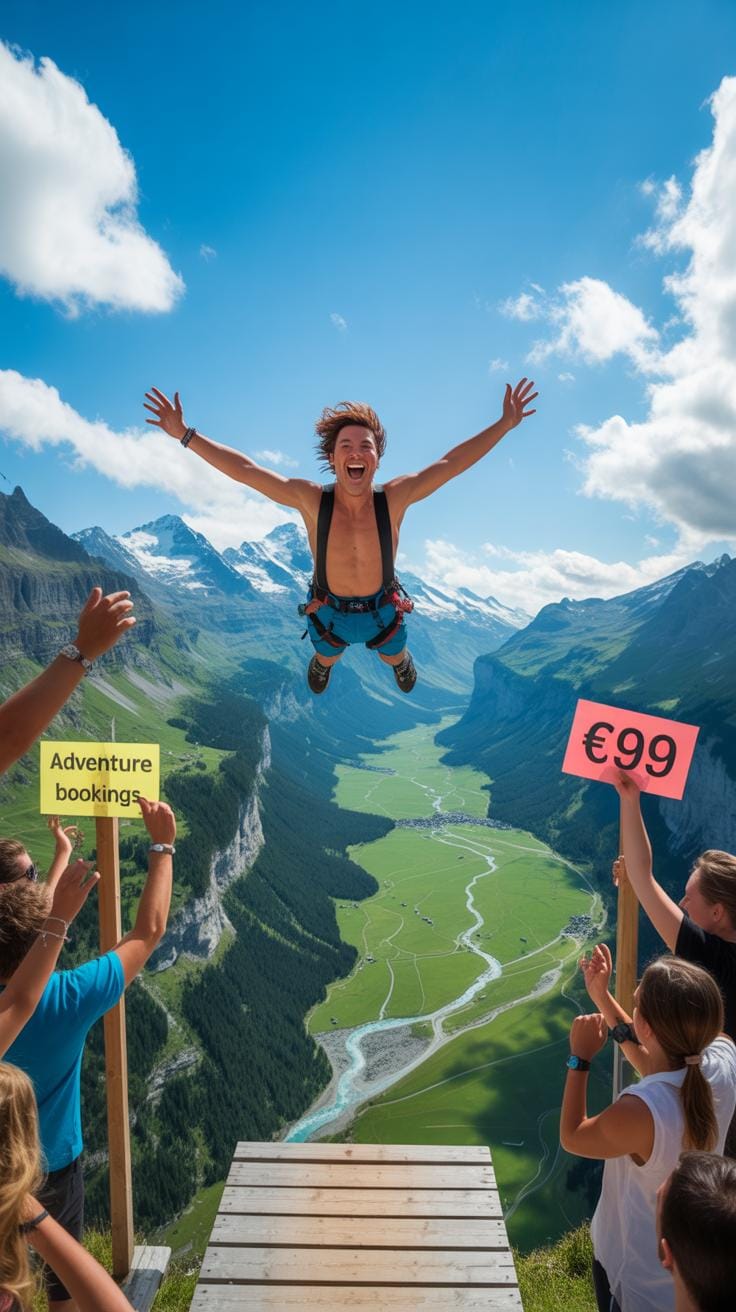
Booking a bungee jump in Switzerland usually starts online or over the phone. You’ll often find official websites or booking platforms where you reserve specific dates and times. First-timers might feel a bit overwhelmed by the paperwork, but it’s mostly health declarations and liability waivers—standard stuff. Don’t forget to bring an ID and possibly a medical certificate if required. Some operators are quite strict about age and weight limits, so double-check those before booking.
Costs typically range from around 150 to 250 Swiss Francs. That price generally includes your jump, the harness rental, and a safety briefing. Some places offer video or photo packages for extra fees, which can tack on another 50 or so francs. There are sometimes modest discounts if you’re booking as a group or if you jump more than once, but that depends on the operator.
Prepare for a few hidden extras—insurance or local taxes might be added at checkout. Booking early, especially in peak seasons, is smart since slots fill up fast. Curious about what happens after you book? Most operators send confirmation emails with instructions and tips to prepare physically and mentally. And yes, they remind you again about waivers before your jump; they take safety seriously, as you’d expect.
Preparing Mentally For Your Jump
Relaxation Techniques Before Jump
Jumping off a platform, tethered to a bungee cord, can stir up all sorts of tension inside you. One of the most effective ways to calm those nerves is focused breathing. Try inhaling through your nose slowly for a count of four, hold for four, then exhale gently through your mouth. Repeat a few times. It’s simple but quite grounding.
Some folks find it helpful to picture themselves already having completed the jump, feeling that rush and relief. This mental rehearsal can quiet the wildest what-ifs lurking in your mind. Sitting quietly and focusing on the present – not what might happen – can adjust your mindset. Perhaps try soft music or a gentle mantra to reassure yourself.
Handling The Moment Of Jumping
Right at the edge, your body screams for retreat, but your mind can steer the show if you allow it. One trick is to zero in on a single clear thought – like “step forward gently” – rather than the whole leap. This narrows your focus and keeps overwhelm at bay. You might also count down from five, steady and deliberate. It’s a little mental anchor.
Another approach I’ve heard from jumpers is to trust the process and the equipment fully. Trying to analyze anything at the very moment usually makes fear louder. Instead, giving yourself permission to just follow through can surprise you with a confident plunge. It’s strange, isn’t it? Fear feels so big but fades almost instantly once you jump. That brief hesitation is normal; don’t rush to conquer it, just acknowledge and move.
Step By Step Bungee Jump Process
Arrival And Safety Briefing
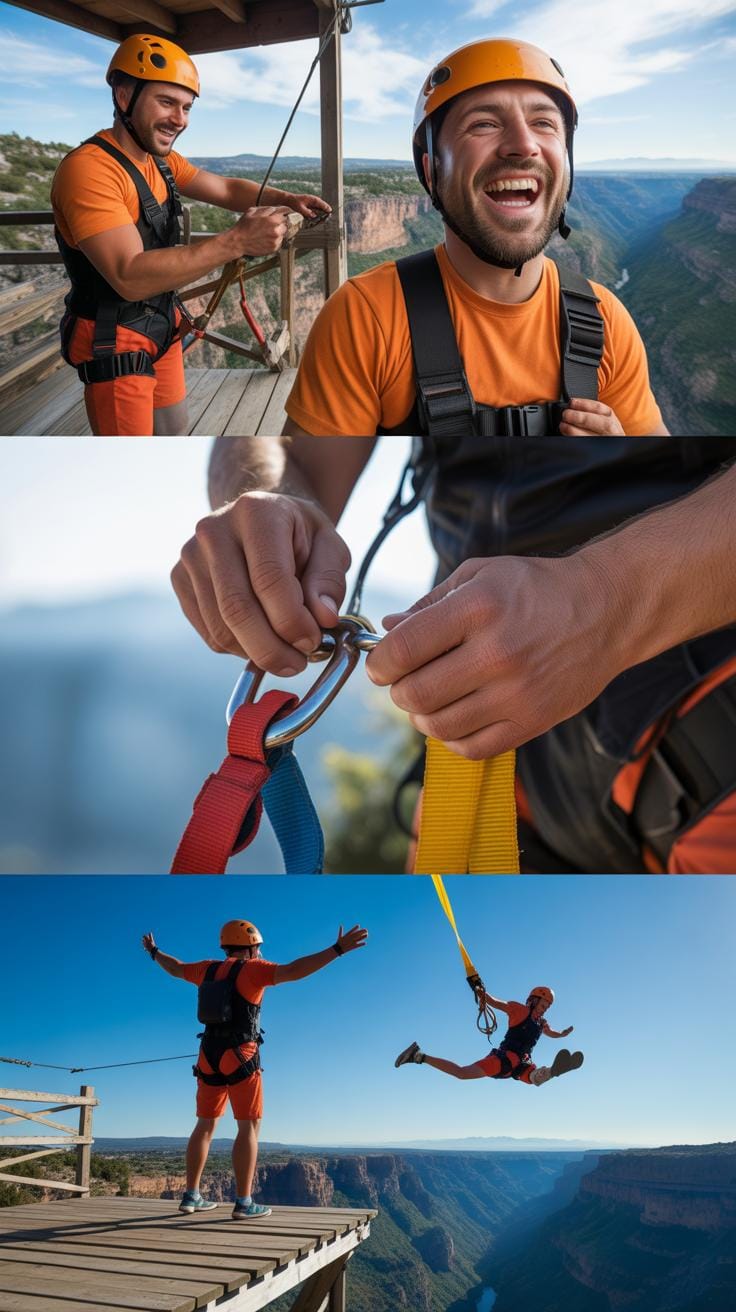
When you arrive at the bungee jumping site in Switzerland, the atmosphere is a mix of excitement and nerves. The staff usually greet you warmly, ready to guide you through the process. They start by checking your identification and signing a waiver form — it’s standard procedure, but it helps set the tone that safety is taken seriously.
Next comes the safety briefing, which is quite thorough. The instructor explains what you’ll experience at every stage — from how the harness will be fitted to instructions on the jump itself. You’ll learn about the equipment, especially the crucial bungee cord and how it works to absorb the shock of the jump.
They also cover emergency protocols, though honestly, the chances of anything going wrong are low. You might be asked questions about your health or any previous injuries, so they can tailor the safety measures just for you. It’s about making sure you’re comfortable and fully informed before proceeding.
The Jump And Landing Procedure
When it’s time to jump, you’re equipped with a harness that’s double-checked by the crew — and sometimes triple-checked. They attach you securely to the bungee cord. The moment before the jump often feels stretched out, maybe with a few breaths held in suspense.
Then you step off the platform. The free fall is sudden and intense, lasting a few seconds before the cord stretches and rebounds, creating the signature up-and-down motion. Most jump sites, especially in Switzerland, are located over stunning landscapes — so you get breathtaking views mid-air, if you can manage to look around.
Landing is gentle and controlled. The team often helps guide you back to the platform or a boat if the jump is over water. They’ll stabilize your position to ensure you land safely. You’ll feel an immediate rush of adrenaline, and staff are there to support you emotionally too, as the experience can be overwhelming — in a good way, mostly.
Weather Effects On Your Jump
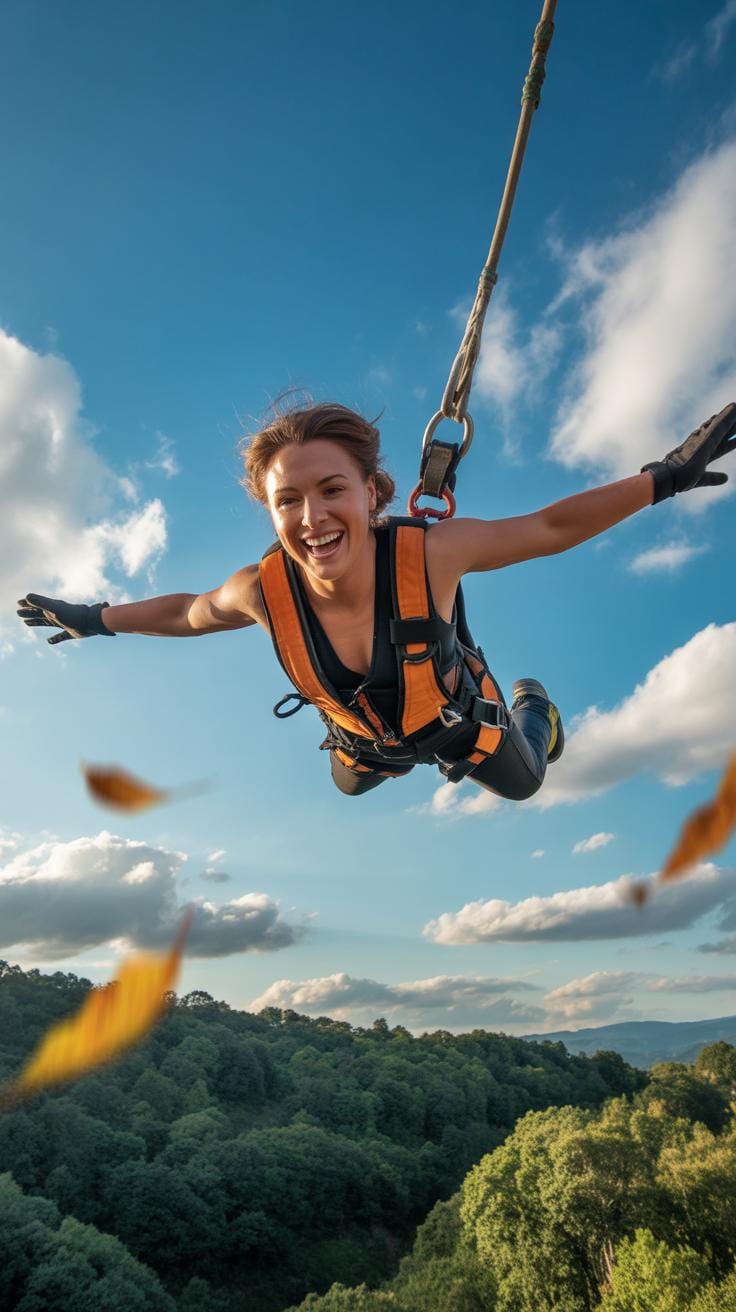
Weather plays a surprisingly big role in your bungee jumping experience. It’s not just about comfort, but safety is at the heart of it. Strong winds can sway your jump—sometimes wildly—and that’s not something anyone wants mid-leap. Rain might make surfaces slippery and could also affect the harness and ropes, adding risk.
Sky conditions matter too. Thick fog or low clouds can reduce visibility for the jump crew, making it hard to monitor the jump and respond quickly if something goes wrong. Lightning storms are a firm no-go; beyond the obvious danger, the metal setup and elevated platforms increase risk significantly. Cold weather isn’t outright unsuitable, but it can make the jump feel more intense, and the gear might behave differently.
Ideal Weather Conditions For Jumps
Calm days with light or no wind? Those are best. Clear skies help the team monitor the jump safely and let you take in the views that often make the jump unforgettable. Mid-temperature—neither too hot nor too cold—works well, keeping you comfortable. Dry conditions also mean better grip and less equipment wear.
Morning for the jump? Sometimes it’s quieter and wind picks up later in the day, but this varies. So, a bit of patience and watching the skies matters. You’ll notice that operators often watch forecasts carefully and may suggest delaying jumps to catch these optimal moments.
Weather Delays And Rescheduling Policies
If the wind picks up or storms threaten, jumps often get delayed. When visibility drops or rain comes in heavy, the crew has to call things off or pause. Rescheduling can depend on the operator’s policies. Some make it easy—offering refunds or free rebookings. Others might hold your spot for a day or two but have stricter rules for cancellations.
Sometimes, weather delays feel frustrating—but they underline how safety is prioritized. The unpredictability can be annoying, but it’s better than rushing into conditions that could cause accidents or spoil the jump. Checking in advance on the operator’s rescheduling terms can save surprises. And if you’re flexible, those extra moments waiting might even build the excitement more.
Common Questions About Bungee Jumping
Is Bungee Jumping Safe For Everyone?
Bungee jumping isn’t for everyone. If you have heart problems, high blood pressure, or neurological conditions, it’s best to avoid it. Pregnant women should definitely steer clear, as well as anyone with recent injuries or joint issues. Even if you feel okay, it’s wise to consult a doctor before booking that jump. Many operators also have their own safety restrictions — age limits, weight limits — so you’ll need to check those, too.
Safety gear, strict protocols, and expert supervisors make this activity generally safe for the right candidates. But still, the physical strain and adrenaline rush can be intense, so being honest about your health is key.
What Does A Jump Feel Like?
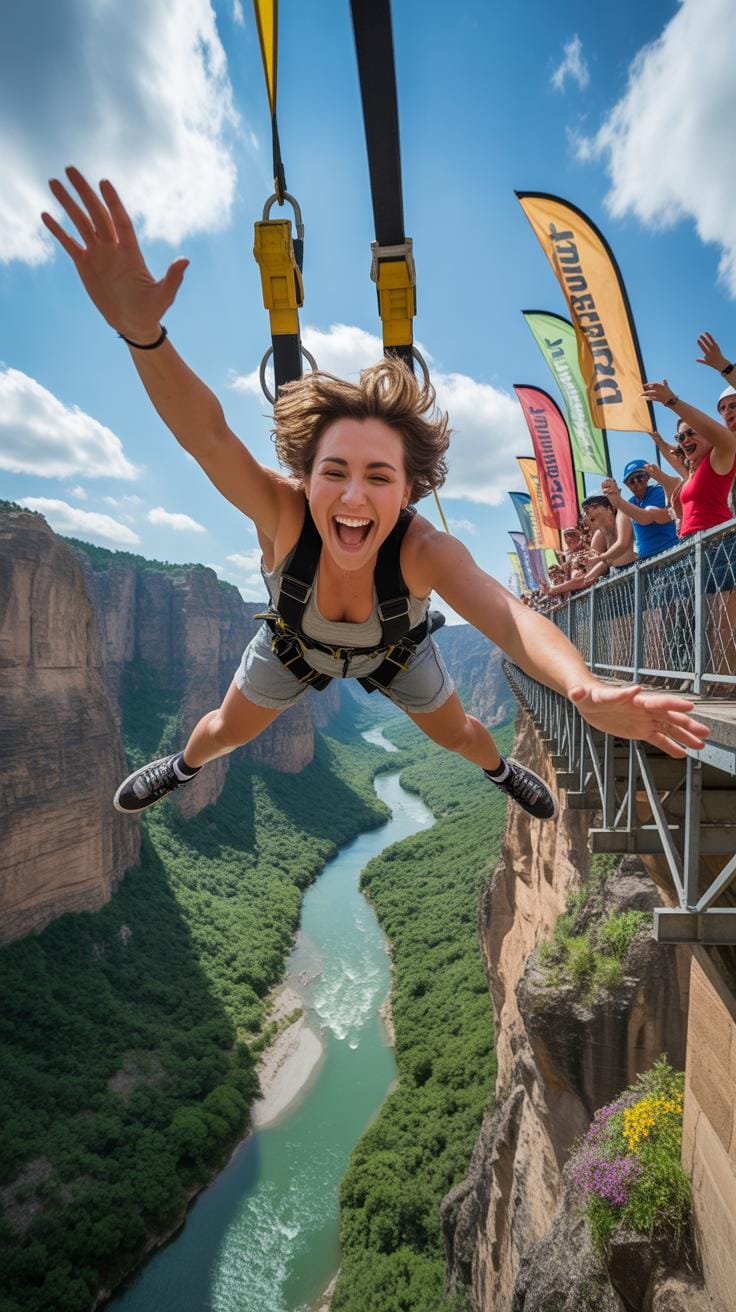
The moment you step off the edge, there’s this sudden rush — your stomach drops like being on a fast roller coaster. Then the bungee cord stretches and you feel pulled back up, swinging and bouncing. It’s a mix of weightlessness and a strange kind of resistance. Some people describe it as thrilling and freeing; others feel a bit overwhelmed or even momentarily disoriented.
You’ll likely notice your heartbeat racing, and maybe your breath catching. It’s not just a physical feeling but also an intense mental experience. Jumpers often talk about a wide range of emotions — excitement, fear, euphoria — sometimes all at once. That’s part of what makes bungee jumping memorable and, for many, addictive.
After Your Jump What To Expect
Physical Effects And Recovery Tips
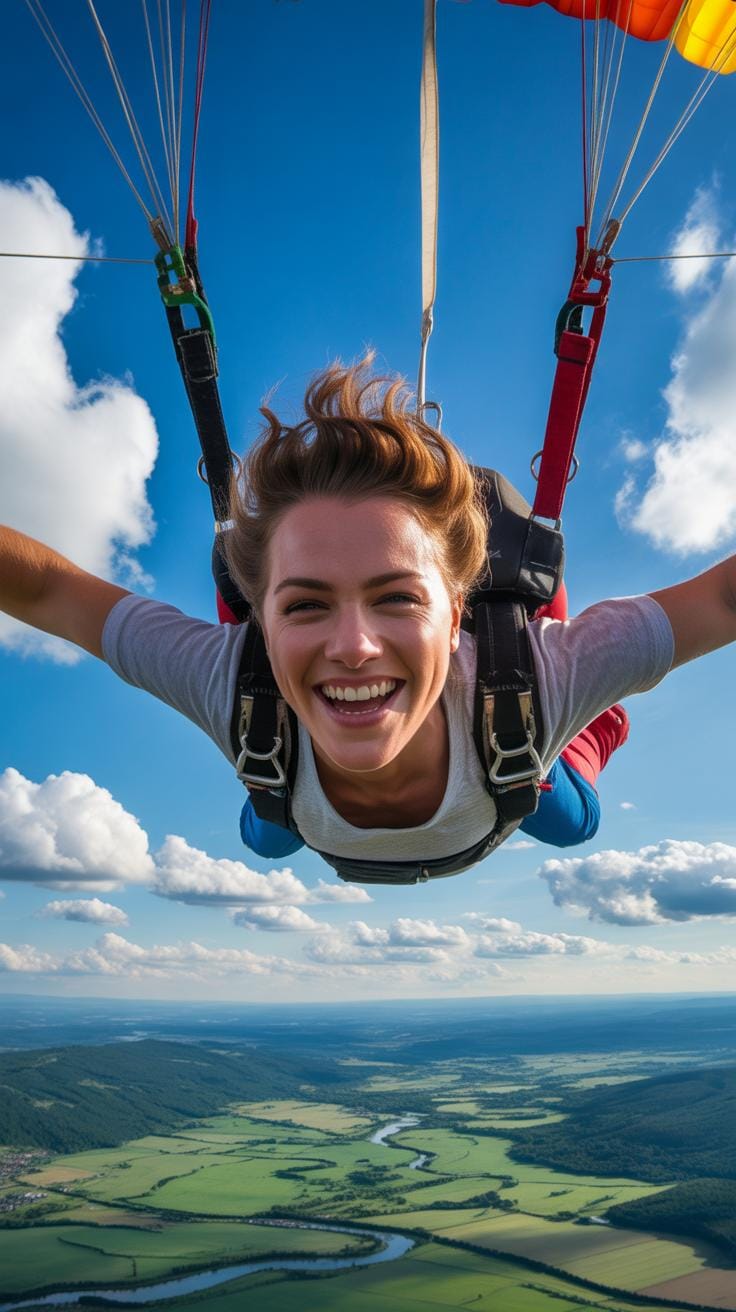
Right after your bungee jump, you might notice a rush of sensations—your heart pounding, legs shaky, and maybe a tingling feeling from the adrenaline. Some people feel a bit dizzy or even nauseous for a short while. It’s normal. Your body has just undergone a sudden drop and quick rebound, which can leave muscles feeling tense or slightly sore. Taking a few moments to sit down and breathe deeply can help ground you.
Try to rest quietly for a bit, avoiding abrupt movements. Drinking water is good to help rehydrate, especially if you were anxious beforehand. Stretching lightly might ease some muscle tightness, but don’t push yourself too hard right away. Sleep is a great healer, so if possible, allow your body to unwind fully later with a good nap or night’s rest. Small pains often fade within a day or two.
Emotional Responses And Sharing Your Experience
The feelings after a jump can be a complex mix. Relief and exhilaration often blend with exhaustion. Some people find themselves briefly overwhelmed—perhaps a little shaken by what they just did. Others might feel incredibly proud, almost buzzing from the accomplishment. It’s not unusual to experience a quiet moment of reflection or even unexpected tears.
Sharing your story can help make sense of those emotions. You might want to talk to friends, write in a journal, or join online groups where people swap their bungee tales. Hearing others’ experiences can normalize your feelings. And sometimes, retelling the jump—even clumsily—lets the excitement settle into something more tangible. What part of the jump surprised you the most? Asking yourself questions like this can deepen your connection to the experience.
Conclusions
Bungee jumping in Switzerland offers a unique blend of extreme sport and natural beauty. Understanding the safety measures and gear helps you feel ready and secure for your adventure. The spectacular Swiss vistas add to the thrill and make the jump memorable.
Whether you seek an adrenaline rush or want to appreciate the alpine scenery, Swiss bungee jumping delivers a balanced experience. Following safety advice and knowing what to expect helps you enjoy the moment fully and safely.