
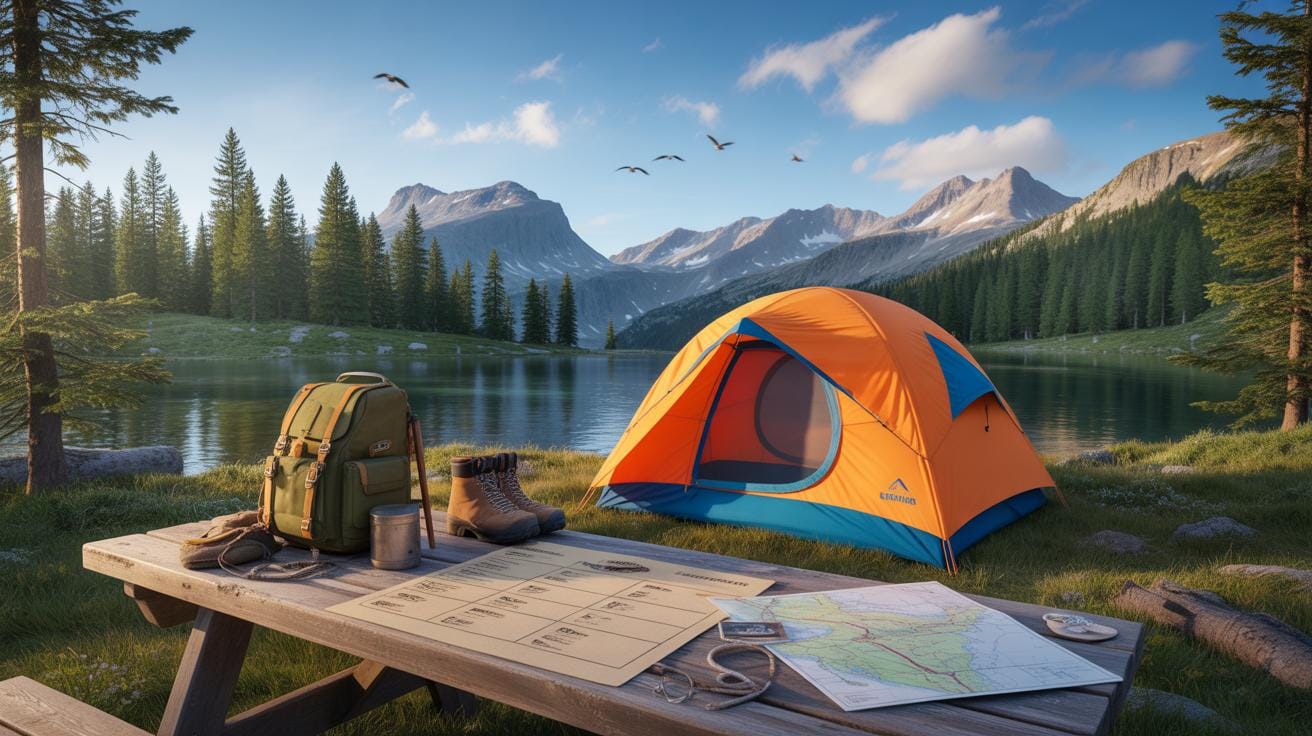
A Checklist for Scenic Wilderness Camping Trips
Adventure aesthetic travel combines the thrill of outdoor exploration with a style that highlights the beauty and rawness of nature. This article presents a practical Adventure Aesthetic Travel Checklist For Wilderness Camp And Camping Views. It focuses on what you need to prepare and how to pick locations that not only offer a great camping experience but also visually stunning views.
You will find clear advice on packing, selecting gear that complements the adventure aesthetic, and tips on capturing memorable moments during your camping trip. Whether you are new to wilderness camping or looking to enhance your experience, this checklist will help you enjoy your trip with style and comfort.
Packing Essentials For Adventure Camping
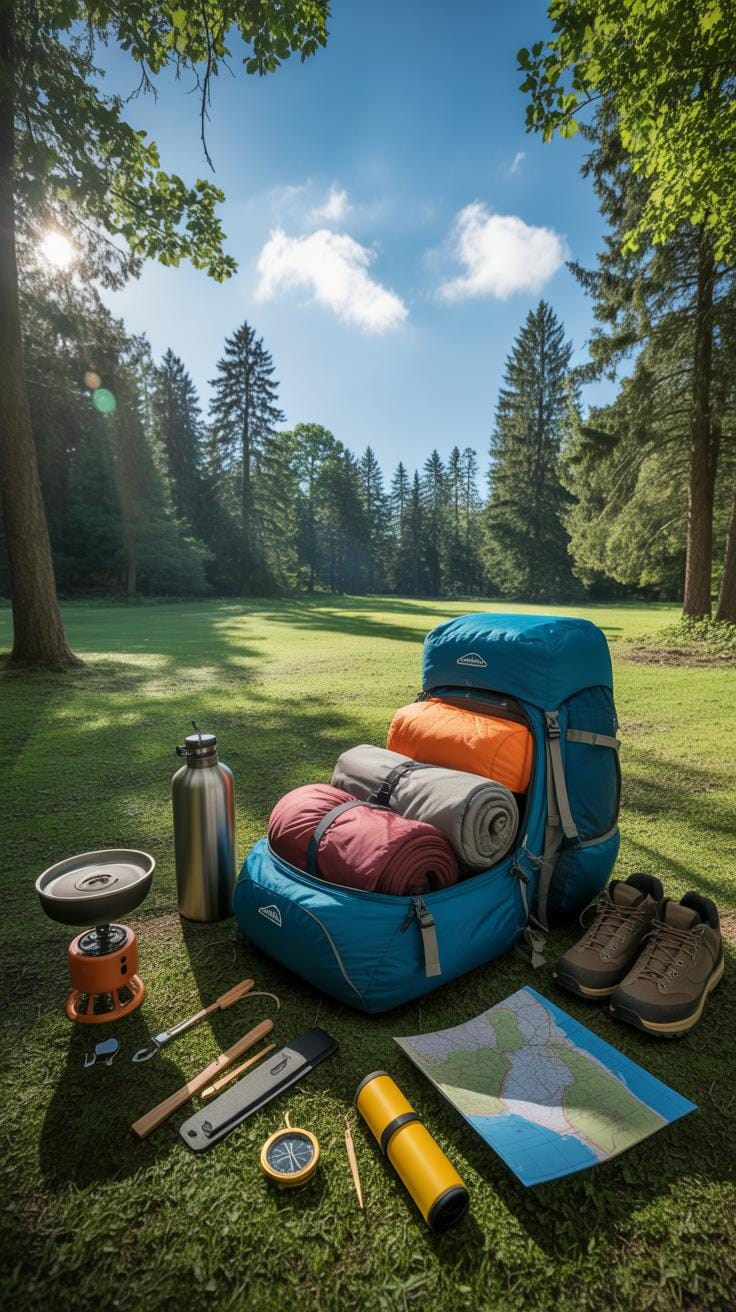
When preparing for an adventure aesthetic camping trip, your packing list needs to balance practicality with a distinct vibe—think rugged but thoughtful. You need the basics, of course: shelter, clothing, food, and tools. But what often gets overlooked is how these items contribute to the overall experience beyond their function.

For shelter, a sturdy tent that matches the environment—something not too flashy but definitely designed for the outdoors—is essential. It’s about blending convenience with a style that complements your adventure mood. Sleeping bags should keep you warm through the night but still be lightweight. Add a sleeping pad for comfort and insulation. These aren’t just items; they set the mood for your nights under the stars.
Food-wise, pack simple, nutritious options that fuel your day—think trail mix, dried fruits, and easy-to-cook meals. You want to spend less time fussing over meals and more time absorbing the surroundings. Tools like a reliable multi-tool, fire starters, and a compact stove can make all the difference when things don’t go exactly as planned.
Shelter And Sleeping Gear Checklist
Start with a tent that is weather-appropriate, not too bulky but capable of withstanding sudden shifts in conditions. A three-season tent is often a sweet spot for most climates. Include a durable sleeping bag rated for expected temperatures and a sleeping pad that cushions and insulates you from the ground.
Consider bringing a lightweight tarp or footprint to protect your tent bottom. A camping pillow or stuff sack filled with clothes can provide extra neck support. Don’t forget a compact, portable lantern or headlamp—they contribute both to safety and the ambiance of your campsite.
Clothing Choices For Weather And Style
Picking the right clothing involves more than just function; it’s about maintaining that adventure aesthetic mood. Opt for breathable, moisture-wicking fabrics layered smartly. For cold weather, thermal base layers combined with a fleece or down jacket work well without feeling overdone.
- For wet conditions, a waterproof jacket and pants are crucial—but look for pieces that have a rugged, classic outdoor look rather than flashy gym wear.
- In warmer climates, lightweight long sleeves and hats protect from sun and bugs while keeping the aesthetic casual and thoughtful.
- Footwear should be sturdy but able to fit with your overall style: hiking boots with a bit of character or trail shoes designed for both utility and appearance.
Have you ever wondered if your gear can influence the way you feel in the wilderness? The right items not only protect you but reinforce the atmosphere of adventure and exploration that you hope to create.
Selecting Camping Locations With Scenic Views
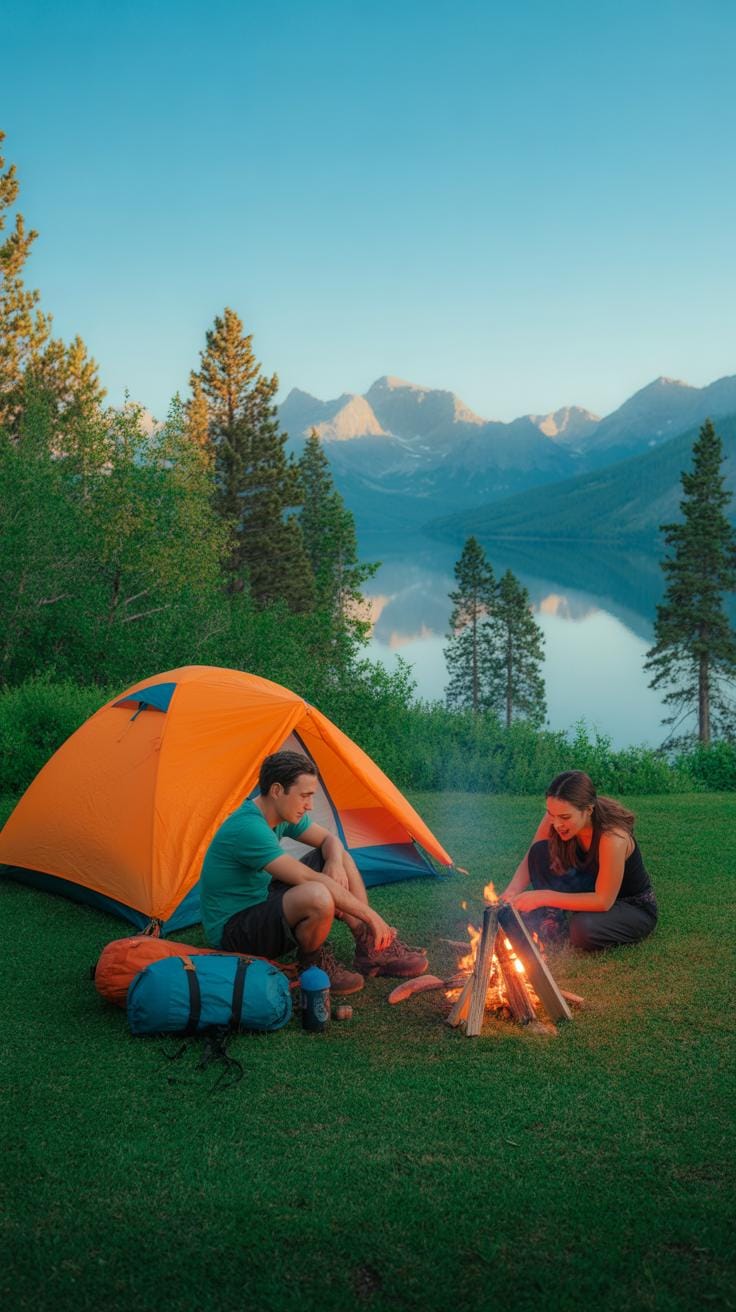
Choosing a wilderness campsite that offers stunning views can truly shape your adventure, giving it an added layer of enjoyment. But how do you pinpoint those gems? First, tap into detailed maps—topographic ones can reveal peaks, valleys, and water bodies giving clues about scenic spots. Combine this with browsing camping websites where users share personal reviews and photos; you’ll get a sense of what to expect visually. Reading through recent reviews is a good check—someone might mention a fantastic sunset spot or a nearby lookout that’s not immediately obvious from the map.
When you’re at the site, consider several factors to judge if the view is worth it. Look at the openness of the space—does it face a ridge or water, or is it enclosed by dense trees? Natural light varies throughout the day, so think about how sunrise or sunset will hit the space. Sometimes, a site near a lake or overlooking a valley can change your entire camping vibe. Surroundings matter too—wildlife activity, the sound of a stream, or a clearing with wildflowers can add that extra aesthetic kick. Picking your spot here might require walking around a bit to explore, but trust me, it pays off when you’re sipping your coffee with a breathtaking scene.
Organizing Your Camp Setup Efficiently
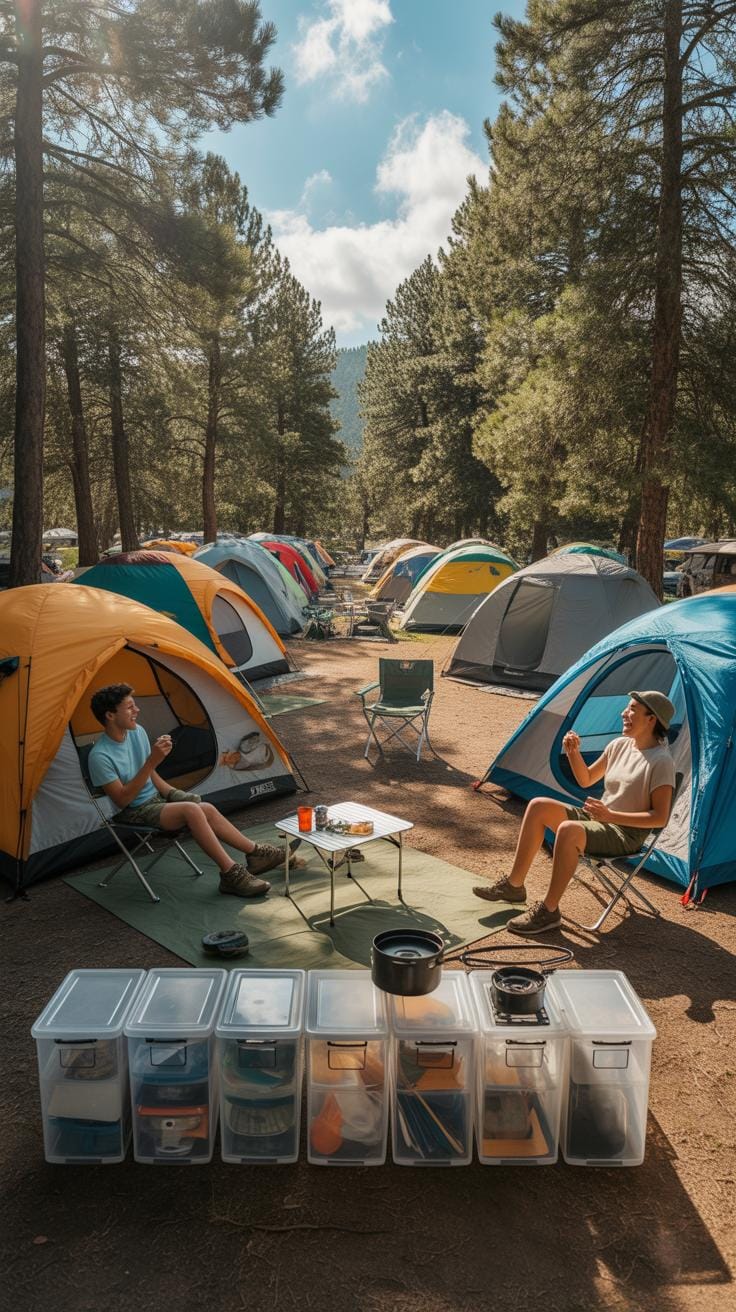
Setting up camp is not just about tossing your tent anywhere flat. You want your space to serve you well, but also to feel good—like it belongs right there in the wild. Think about where you place your tent first. It should be practical—close enough to water, sheltered from wind—but also neat. Facing the door away from the sun can keep inside cooler. It’s little things like that, really.
Then there’s the chairs and cooking area. Arrange them so they create a cozy little nook but don’t clutter your space. I like my chair slightly angled, giving a casual vibe. For cooking, keep tools close but organized—your life gets easier, and your setup looks intentional, not rushed. Plus, a tidy cooking zone cuts down on critters finding your snacks.
Incorporate natural elements you find nearby—wooden logs make great stools. Scatter smooth stones for a little border around your fire pit. You don’t want to take from nature, so just use what’s already there and place it thoughtfully. Maybe even weave in some low-lying plants as a natural carpet or divider. It gives your camp a calm, grounded feel without shouting “human presence.”
Choosing Gear That Supports Adventure Aesthetic
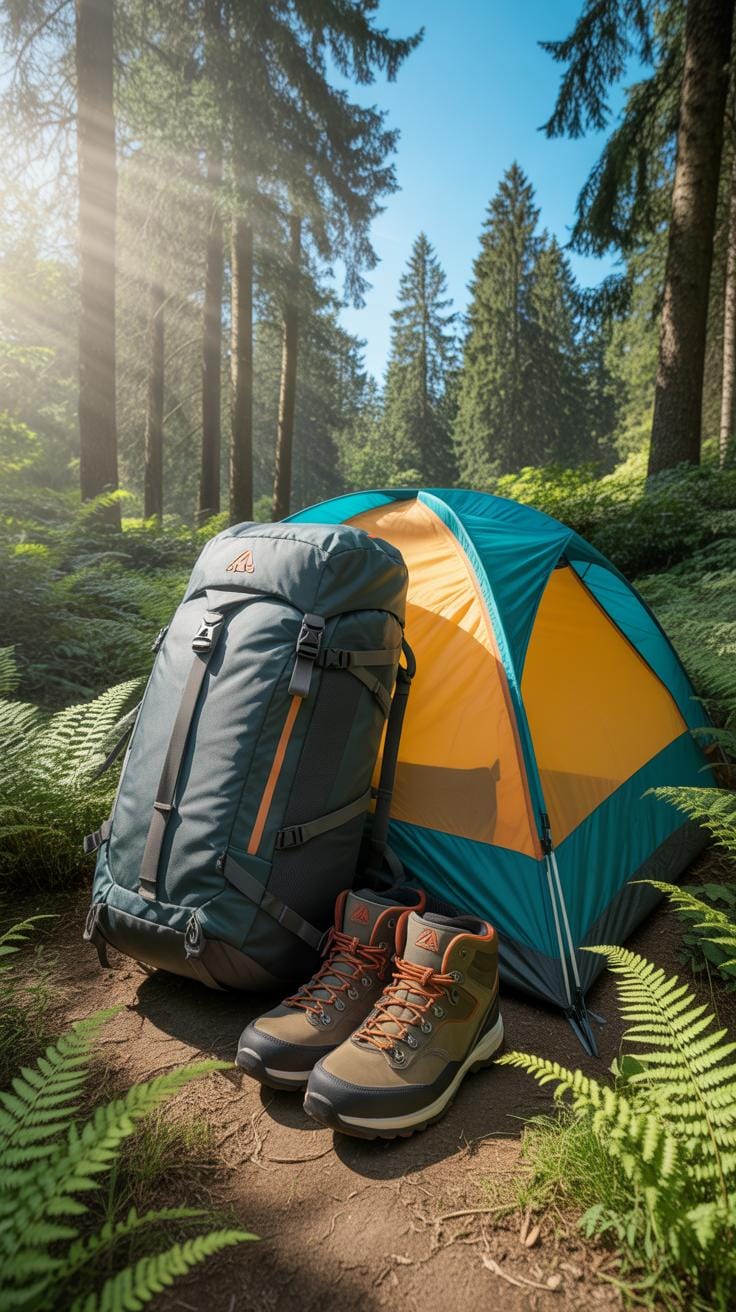
Selecting camping gear isn’t just about function — it also shapes your experience and the vibe of your adventure. When picking equipment, think beyond durability and weight. Consider how it looks and feels against the wilderness backdrop. A well-chosen piece can blend utility with style, giving your camp an intentional, spirited edge.
Materials play a huge part. Natural fibers like canvas and leather often age gracefully, gaining character with use. Synthetic materials, while lightweight and resilient, can still offer texture and muted colors that don’t scream “high-tech gear.” It’s a subtle balance — you want practical items without clashing boldly with the environment.
Materials And Colors That Blend With Nature
Colors matter more than many realize. Earth tones — olive, tan, deep browns, and greys — harmonize well with woodland or mountain settings. Bright colors might make you easier to spot (something to consider for safety), but they can break the visual calm. Textured materials like rugged canvas or matte-finished metals can add to that grounded, natural feel.
Think of your gear as part of the landscape, not an intrusion. By mirroring the colors and textures around you, your setup looks more cohesive and purposeful. It’s less about matching every detail perfectly, more about an overall sense of belonging with the surroundings.
Multi-use Items To Reduce Load
Light travel and a neat aesthetic often go hand in hand. The more your gear does double duty, the less bulk you carry — and that’s freeing. For instance:
- A bandana can serve as a headscarf, towel, or pot holder.
- A stove that doubles as a pot saves space.
- A jacket with removable liners adapts to various temperatures.
These choices keep your pack lighter and give your gear a purposeful, efficient charm. There’s something satisfying about skillful minimalism that feels both practical and stylish. Have you tried packing multi-use gear before? Notice how it shifts your whole mindset about what’s necessary and what’s just extra weight.
Safety Tips For Wilderness Camping
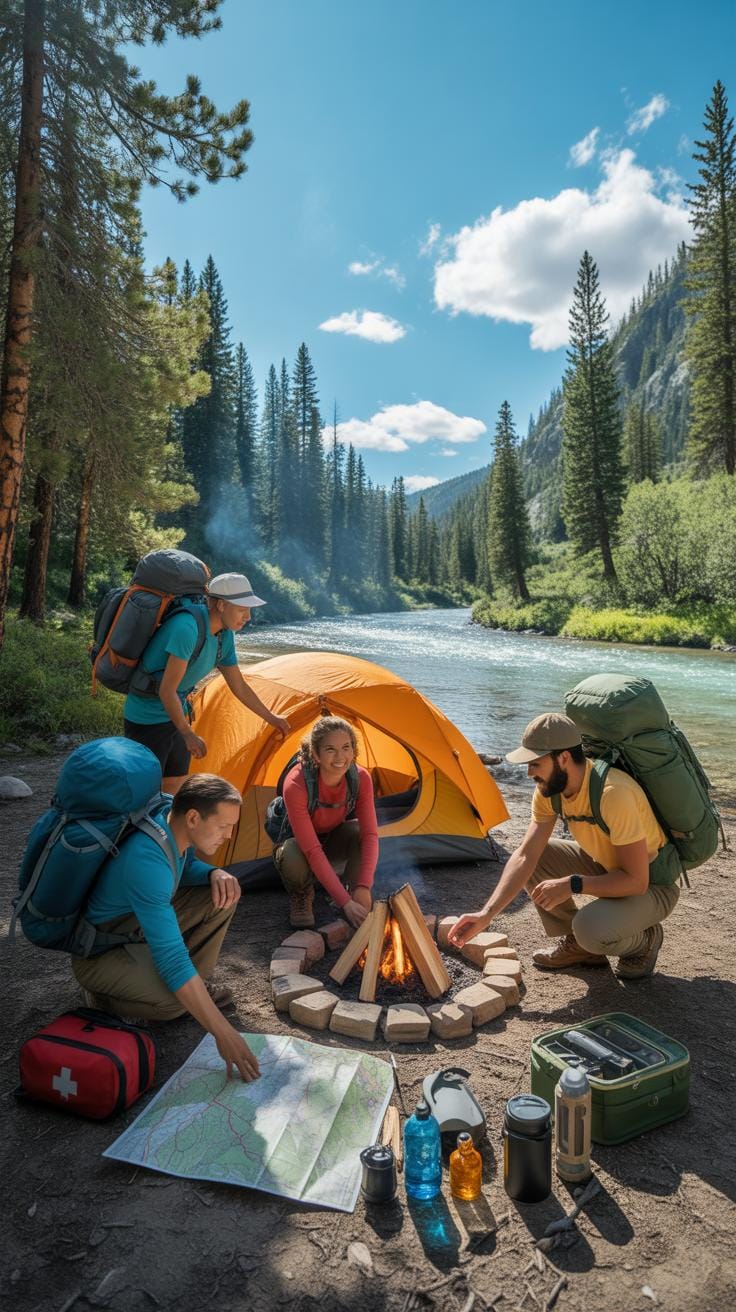
Camping far from town means you must think hard about safety. Health risks like dehydration and exposure to extreme cold or heat can creep in quickly. Sometimes, the very air carries threats like poisonous plants or insects. Your body might respond in unexpected ways.
Environmental dangers also lurk. Unstable terrain or sudden storms can turn a pleasant trip into a risky ordeal. Always check weather forecasts before heading out but keep in mind conditions may shift unexpectedly.
Carrying a well-stocked first aid kit is essential. You want to be ready for cuts, burns, insect bites, or allergic reactions. Remember, help might be hours or days away.
Communication devices such as a satellite phone or emergency beacon are worth the extra weight. Cell signal may vanish in the wilderness, so having alternative means to call for aid can save lives.
When it comes to wildlife, respect wins. Don’t feed animals or leave food scraps behind. Keep your campsite clean. Wildlife is unpredictable and can be drawn to human scents, causing dangerous encounters. Stay alert.
Many people underestimate the importance of these basic precautions until they find themselves in trouble. Ever thought you’d really need that compass or map? Probably not—until you do.
Take nothing but pictures. Leave nothing but footprints. That’s a phrase many have heard, but in practice, it’s tough to follow perfectly. Still, striving to disturb as little as possible helps keep wild lands healthy for the next visitor. Your safety and the environment are tightly linked here.
Food Planning And Cooking Outdoors
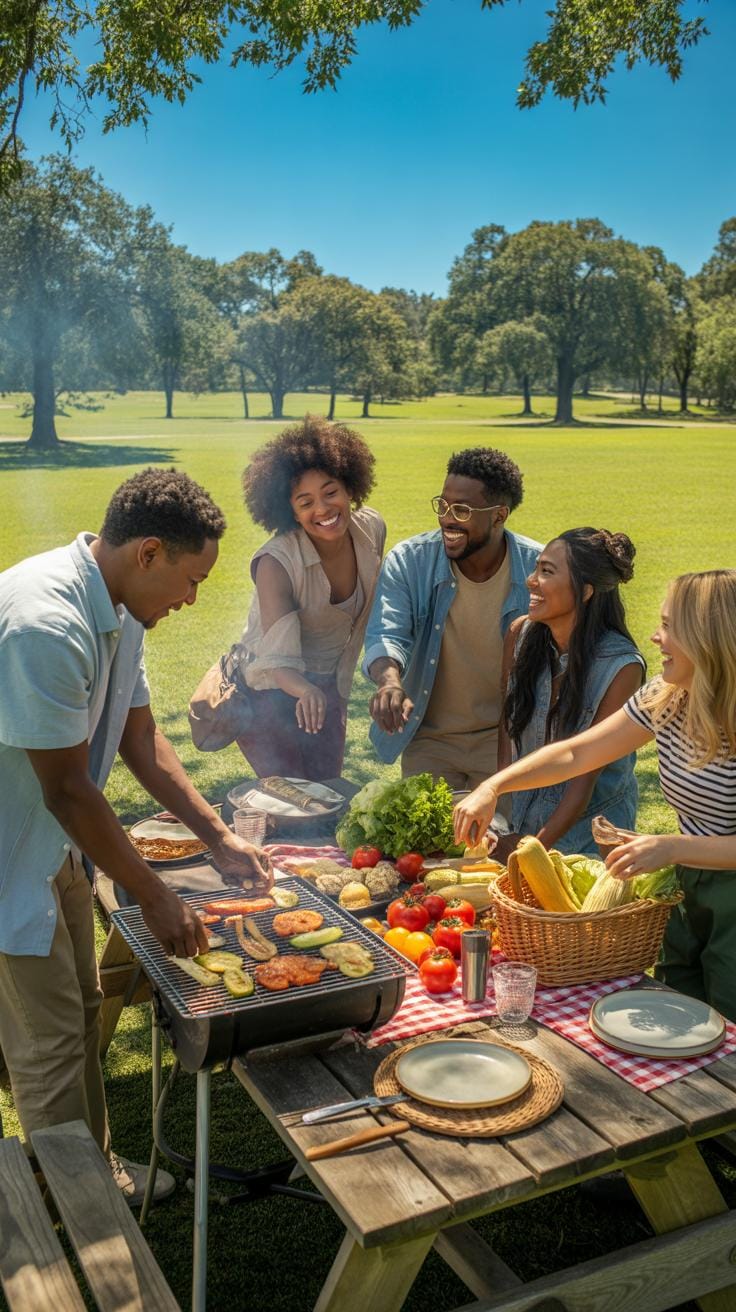
Choosing the right food for your adventure camping often feels like a puzzle—balancing between lightweight packing and nutritional needs. You’ll want items that don’t spoil easily, pack compactly, and fuel you through hikes or chilly nights. Think dried fruits, nuts, and grains—they take up less space and provide solid energy.
When packing, separate foods into meal groups. This avoids rummaging through your bag endlessly late at night, which, honestly, can be a bit frustrating. Use airtight containers or resealable bags to keep everything dry and avoid attracting critters. Don’t forget to bring a small trash bag; leaving no trace is part of the deal, right?
Preparing meals outdoors demands flexibility. Sometimes you might only have a campfire, other times a portable stove grants more control. Plan meals that don’t require too many utensils—one pot meals can save a lot of time and reduce cleanup.
Easy Meals For Camping Trips
Simple does not have to mean boring. You might start with hearty oatmeal mixed with dried berries or nuts for breakfast. Lunch could be wraps filled with canned tuna or nut butter paired with fresh veggies that can survive a day or two in your pack, like carrots or cucumbers.
Dinner tends to be the most elaborate outdoor meal. Think pasta with a pre-made sauce, or instant rice paired with dehydrated soups or chili. These meals often take little cooking time, which is perfect when you’re tired from a day out.
Snacks are essential to maintain energy, so have a stash of granola bars, jerky, or trail mix ready. They keep you going without having to stop for a full meal.
Using Campfire And Portable Stoves
Cooking on a campfire offers a unique experience, but it’s not always the easiest or cleanest. You’ll need a stable setup—a grate or rocks arranged carefully. Avoid cooking directly on open flames if you want more control; embers provide steady heat that’s less likely to burn your food.
Portable stoves provide convenience and speed. They are lighter to carry and work well even in damp conditions. It’s worth practicing setting one up before your trip so you’re not fumbling with it outdoors.
Always consider wind direction and safety when cooking. Place your stove or fire away from tent fabric and dry brush. And clean your cooking tools right after eating to avoid lingering smells that attract wildlife.
Capturing The Adventure Aesthetic Through Photos
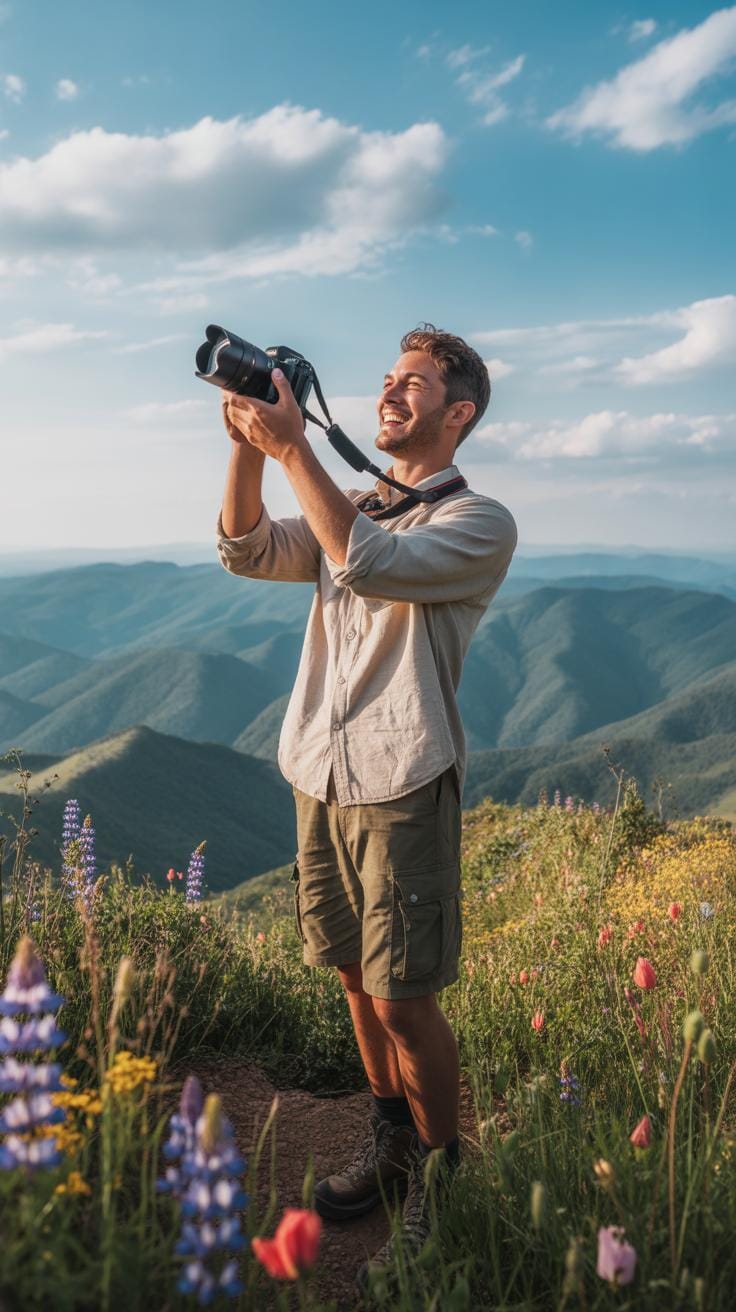
Photos are often the closest thing you have to reliving an outdoor trip, but capturing the adventure aesthetic isn’t just about snapping quick pictures. It’s about showing the mood, the quiet moments, the rawness of nature alongside the small details of your camp life. You want to reflect the feeling—the slightly unpredictable, rough-around-the-edges vibe of wilderness camping. I’ve found close-up shots of weathered hands setting up a tent or steaming coffee in a chipped mug tell a story just as well as wide shots of sprawling views. Sometimes, focusing on those imperfect, intimate scenes captures more than just a nice photo.
Best Times For Natural Lighting
Light can make or break your photos, but it’s tricky because natural lighting shifts quickly outdoors. Early mornings and late afternoons often offer the most flattering light—soft, warm, and gentle on the eyes. Midday sun, on the other hand, can be harsh and flatten details, but it sometimes works if you want sharp contrasts or strong shadows for drama. I feel the golden hour just before sunset gives photos a quiet magic; the way light falls on trees or tents then just feels right. Don’t forget to snap some shots at dusk or dawn when the light is low and colors turn subtle and mysterious.
Framing Shots To Highlight Scenic Views
Think beyond just pointing the camera outwards toward the scenery. Including elements in the foreground, like branches or your campsite gear, can add layers that draw the viewer deeper into the picture. Sometimes centering the horizon line feels static—experiment with off-center compositions to create movement or tension. Also, pause for a moment before clicking. Is this scene telling part of your whole experience, or is it just a pretty view? Framing a shot that includes a hint of human presence—an arm reaching out, a hat resting on a log—can connect the wildness with your personal story, making the photo feel alive rather than staged.
Checklist For Daily Camp Tasks
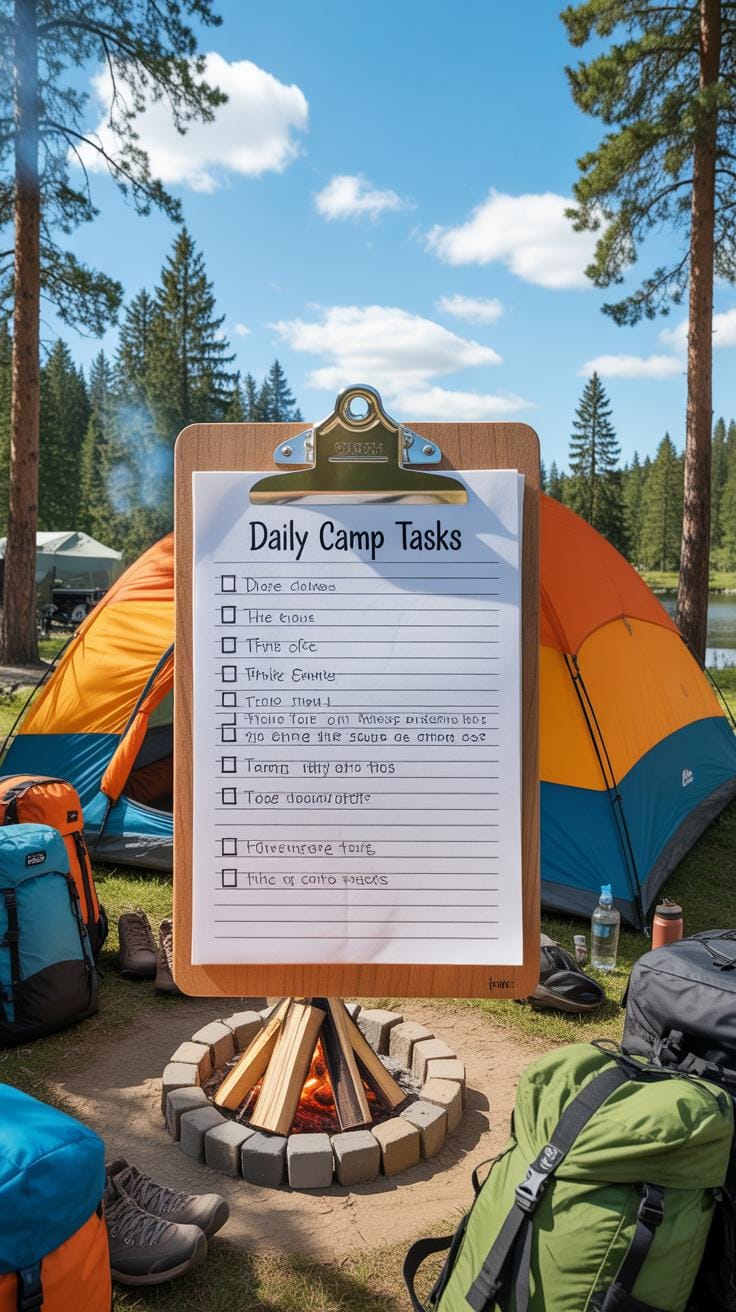
Setting Up And Breaking Down Camp
Setting up camp can feel like a puzzle sometimes. You need to find the right spot—flat, sheltered, and not too close to water—and then pitch your tent efficiently. Start by clearing debris and rocks from the ground. Lay down a footprint or tarp first; it protects your tent floor and keeps moisture at bay. Stake the tent corners firmly, but don’t overtighten—allow some give for wind gusts. Assemble your sleeping bags, air mattresses, and gear in a designated area to stay organized.
Breaking down camp is almost a reverse but demands equal care. Dry your tent if possible to avoid sogginess and mildew. Pack gear methodically to prevent damage. Leaving no trace is crucial, so double-check for any forgotten items or trash. This step may seem tedious, especially after a long day, but it smoothens your next adventure.
Maintaining Cleanliness And Order
Cleanliness at camp is more than a nicety; it directly impacts your comfort and safety. Trash management should be a daily priority. Carry resealable bags or containers for waste, and always pack it out if there isn’t a designated disposal spot. That prevents attracting unwanted wildlife, which might be tempting but potentially dangerous.
Personal hygiene can be tricky in the wild, though simple practices help. Use biodegradable soap away from water sources, and consider wet wipes for quick freshening. Organize a spot for dirty dishes and clean them promptly—leftovers can invite critters. It might sound strict, but this order helps keep your environment pleasant and your mind at ease during the trip.
Does maintaining this routine feel like a chore at times? Maybe, but the payoff—peace of mind and a smooth experience—is worth it. Are there shortcuts you’ve found helpful? Sometimes small habits create the biggest difference in your adventure’s feel.
Common Pitfalls And How To Avoid Them
Overpacking Or Underpacking Gear
Many campers struggle to find the right balance between bringing enough gear and carrying too much. It’s tempting to pack every “just in case” item, but that extra weight can weigh you down during hikes and dampen your adventure spirit. On the other hand, underpacking might leave you without essential tools or clothing when conditions change. One practical approach is to make a detailed list based on your specific trip and review it critically—ask yourself if each item is truly necessary or if there’s a lighter alternative.
Try to pack versatile gear that serves multiple purposes, like a lightweight jacket that handles rain and wind. I’ve found it helpful to lay out everything and remove one or two items that seem borderline. Sometimes you realize you’re just packing out of habit, not actual need. Start with essentials and add only what you genuinely might use.
Ignoring Weather And Terrain Factors
Checking the weather forecast isn’t just a preliminary step—it should guide your entire packing and preparation process. Terrain matters just as much. A soggy trail demands different footwear than dry ground. Without proper consideration, you risk discomfort or worse, safety issues. You might think a sunny forecast means light gear, but mountain weather can shift quickly. It’s almost never as simple as clear skies or clouds.
Researching the terrain beforehand helps too. Rocky, uneven paths require sturdy boots, while sandy or muddy areas might benefit from waterproof options. Often, campers overlook this and end up with blisters or soaked shoes that spoil the day. For me, checking detailed trail reports or user reviews online has saved many trips. It’s a bit of extra work but easy to forget nonetheless. Would you rather carry slightly more or face a cold, wet night without the right jacket? That question helps keep decisions grounded.
Improving Future Adventure Camping Trips
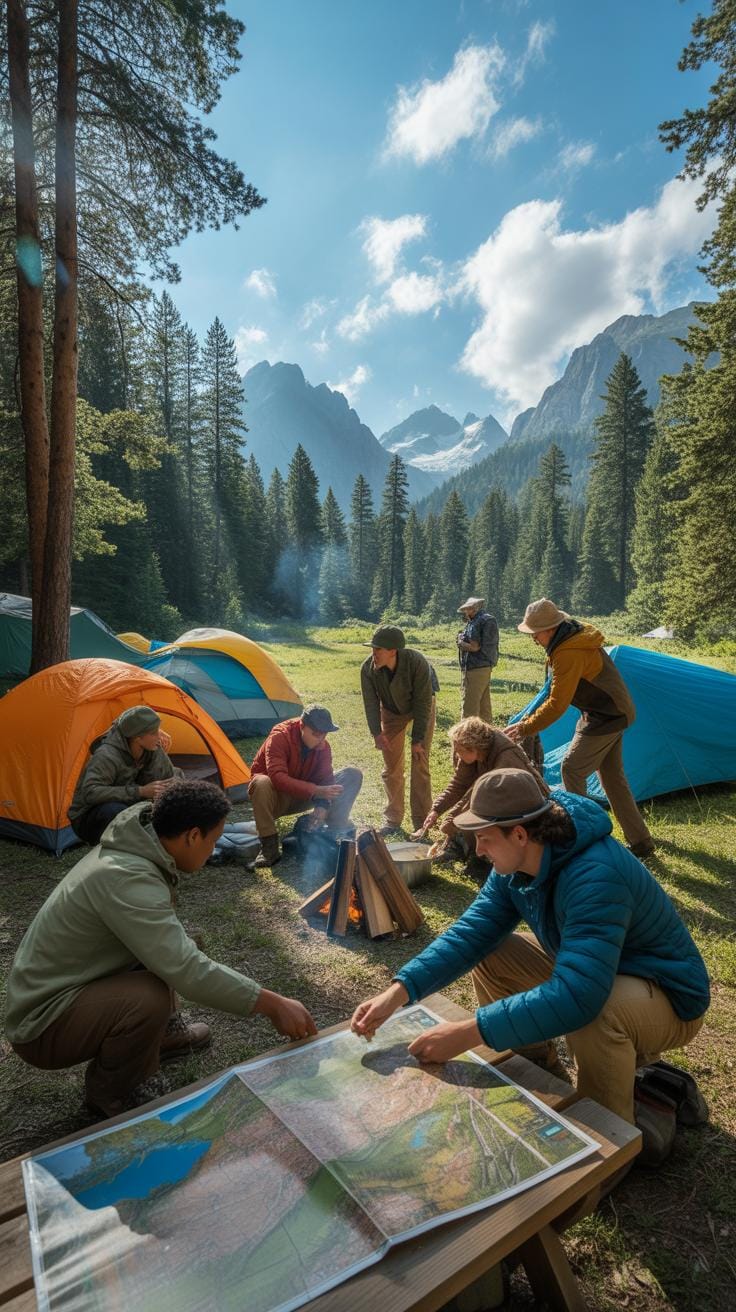
After returning from an adventure, it’s natural to think about what went well and what didn’t. But sometimes, we don’t spend enough time really digging into those details. Did your gear perform as you expected? Was the location truly the right fit for your plans? Maybe your routine seemed flawless at first but felt cumbersome halfway through. These are the moments to pause and reflect, even if it feels a bit tedious or you’re unsure where to start.
Try to jot down your observations right after the trip while memories are fresh. Think about specifics—did your tent handle the wind? Was your food supply sufficient? Did you feel prepared for sudden weather changes? This kind of reflection isn’t just about listing problems; it also celebrates the little wins that made your experience worthwhile.
When it comes to planning ahead, don’t hesitate to tweak your checklist and habits based on what you’ve learned. Maybe upgrading a particular piece of gear seems necessary, or choosing a different route will offer a more enjoyable or safer experience. Some adjustments might feel minor but could make all the difference in comfort and safety.
There’s no perfect formula; every trip is different, and what worked once might not suit your next adventure. Maybe you want to carry lighter packs but worry about sacrificing some comfort. These decisions are part of the adventure’s ongoing challenge.
So, how do you balance lessons learned with the thrill of trying new things? That’s your puzzle to solve each time you prepare to leave the familiar behind.
Conclusions
Sticking to a well-planned checklist ensures your adventure camping trip is both safe and enjoyable. Paying attention to the aesthetic elements, like the look and vibe of your camping setup and location, enriches the experience. Each item on your checklist has a specific purpose to make your trip smoother.
Choosing the right wilderness spot and preparing properly allows you to focus more on the views and less on troubles. Following this guide helps you build trips that balance function with style, letting you connect deeply with nature and take home beautiful memories.