
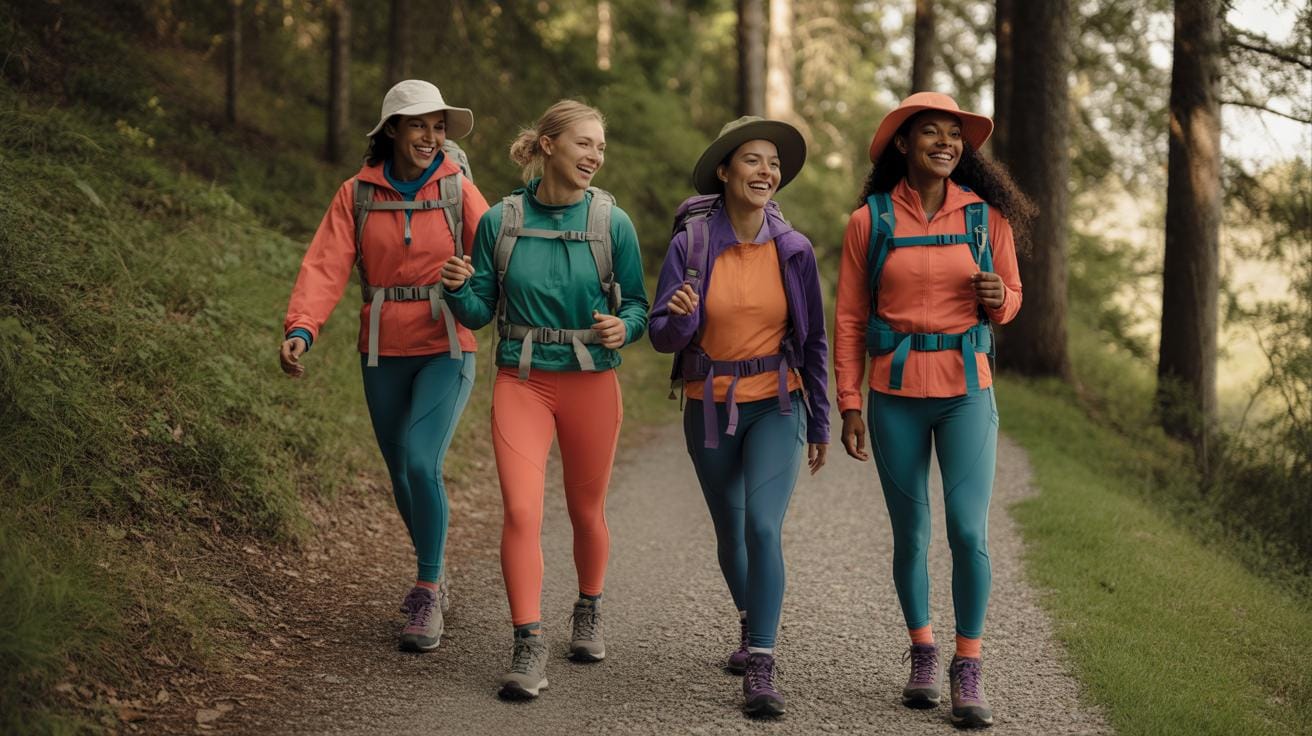
Hiking Outfits for Women That Balance Comfort and Style
Choosing the right hiking outfit can make your outdoor adventure enjoyable. Cute hiking outfit ideas for women focus on comfort and style. When you wear the right clothes, you feel better, move easier, and look great on the trail. This article covers how to pick hiking clothes that keep you comfortable and stylish during your hikes.
We will talk about what to wear, why it matters, and how to combine pieces for the best hiking look. You will find tips on fabrics, layers, footwear, and accessories. Let’s help you create hiking outfits that work well and look nice for your next trip outdoors.
Choosing Fabrics For Comfort

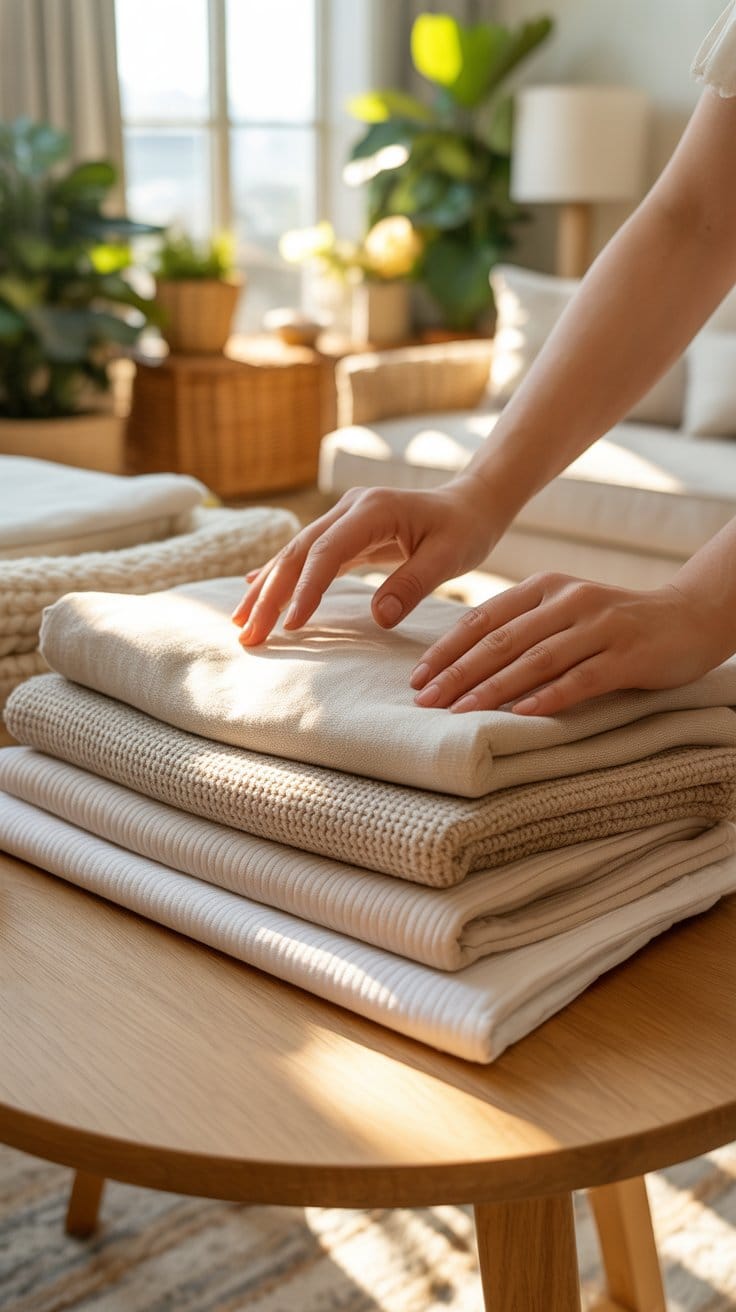
When putting together your hiking outfit, fabric choice plays a bigger role than you might think. Breathability is key—your skin needs to breathe, especially during those tough uphill climbs. Look for materials that can pull sweat away from your body; moisture-wicking fabric really helps prevent that clammy, uncomfortable feeling. Durability counts too. Your clothes will inevitably rub against rough branches or rocks, so fabrics that hold up to wear and tear are preferable.
Natural Vs Synthetic Fabrics

Okay, let’s talk cotton versus polyester, which is a big debate among hikers. Cotton feels soft and natural, and it’s super comfortable when dry. But when it gets wet—whether from sweat or rain—it stays wet and heavy, and that can chill you quickly. Polyester and other synthetic fabrics dry faster and wick moisture away better, which is why many prefer them for active hiking. On the flip side, synthetics can sometimes feel less breathable or less eco-friendly, depending on who you ask.
Layering With Fabrics For Warmth
Layering fabrics cleverly can make your hike more comfortable in changing temperatures. Start with a moisture-wicking base layer made from synthetic or merino wool. It’s close to your skin and manages sweat well. Then, add an insulating middle layer like fleece or a lightweight wool blend to trap warmth. Finally, a windproof or waterproof outer layer protects you from the elements. Layering means you’re ready to peel off or add back on as you go, which is crucial when the weather shifts unexpectedly. I remember once thinking I’d just wear one thick shirt, and ended up freezing halfway through the trail—it’s a tricky balance.
Best Clothing Layers For Hiking
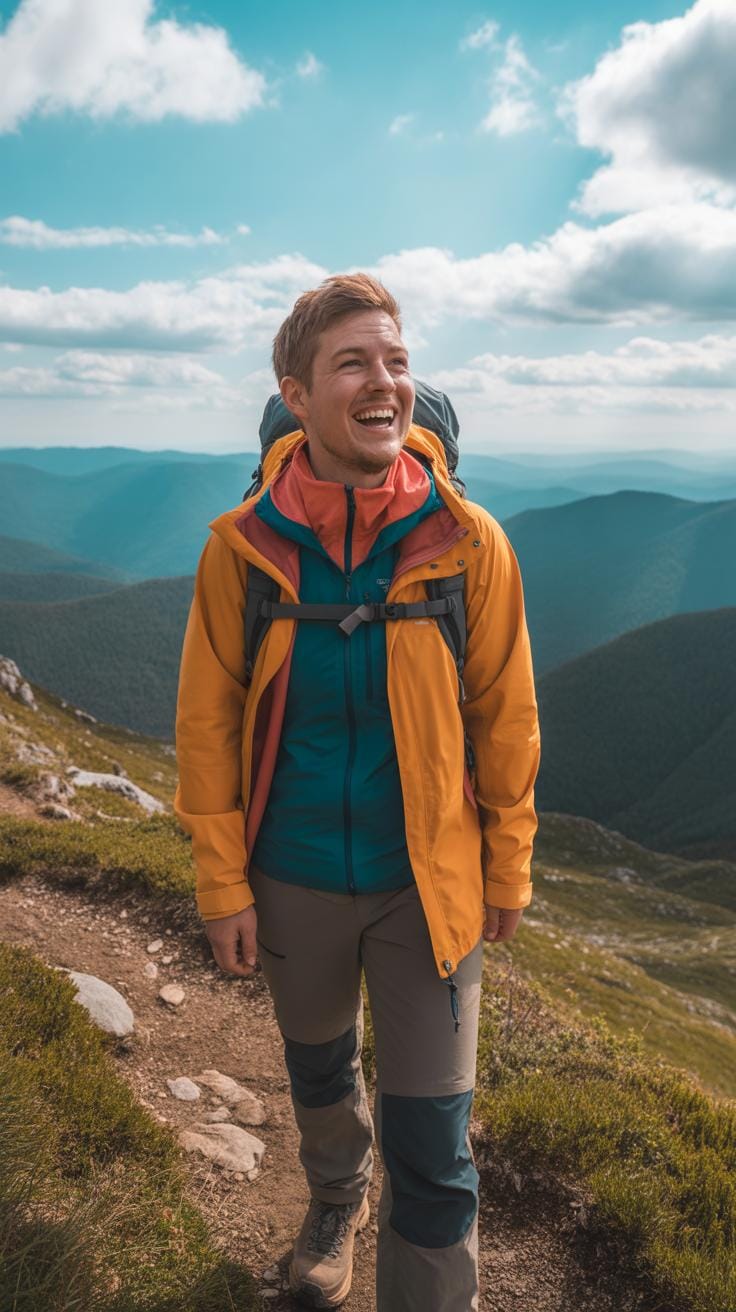
When it comes to hiking outfits for women, layering is key—but not just for style. Each layer has a role that can make or break your comfort on the trail. The basic system involves three layers: base, mid, and outer. Think of them like parts of a team, working to keep you dry, warm, and shielded from the elements. The base layer manages moisture, the mid layer insulates, and the outer layer protects against wind and rain. But the reality is that sometimes the lines blur. For example, a fleece might serve as insulation on a cool day or as a light outer layer if you’re lucky with weather.
Choosing the right pieces for each layer depends on the hike’s intensity, weather, and even your own body’s quirks. It’s common to over- or under-layer without realizing it. Too often, hikers just grab a jacket or sweater without thinking about how those layers work together.
Base Layers For Moisture Control
Base layers aren’t just there for warmth, although they do that too. The main job is managing sweat. Your skin can get clammy quickly on a hike—and when moisture sticks, the cold follows. Why does that matter? Well, damp skin often leads to discomfort and even chilling, especially when temperatures drop or wind picks up.
A good base layer wicks moisture away from the skin and spreads it out so it evaporates faster. Materials like merino wool or synthetic fabrics usually handle this best. Cotton, on the other hand, absorbs sweat but doesn’t dry quickly, which is something to avoid. Sometimes, you might wonder if a thicker base layer means warmer—sometimes it does, sometimes it just traps sweat without letting it escape. So, picking the right thickness for your activity and conditions is a bit of an art.
Insulating Middle Layers Vs Shell Layers
Mid layers provide insulation by trapping body heat, but there’s a catch: you don’t always want them on. On warmer days or during intense uphill climbs, piling on insulation can lead to overheating. In these moments, a lightweight, breathable mid layer or skipping it altogether might feel better.
Shell layers, on the other hand, are your shield against wind and rain. They’re usually waterproof or windproof but don’t do much for warmth by themselves. Wearing a shell without insulation can feel chilly, but combined with the right base or mid layer, it becomes essential. The dilemma is when the weather changes rapidly—should you carry both or risk freezing?
It’s common to adjust layers frequently on the trail—maybe starting with a mid layer, then switching to just the base and shell as you warm up. It’s not unusual to feel conflicted about what to keep on or take off. Still, having a flexible layering system that matches the trail and weather remains one of the best ways to stay comfortable and perhaps even enjoy the unpredictable moods of the outdoors.
Footwear Selection Guide

When picking hiking footwear for women, comfort and the type of terrain play big roles. There are mainly two choices: hiking shoes and hiking boots. Hiking shoes feel lighter, almost like regular sneakers and are great for well-maintained trails with less rugged conditions. They let your feet breathe more, which can be a relief in warm weather.
Boots, on the other hand, offer better ankle support and protection, which can be essential on rocky or uneven paths. They’re typically heavier, so they might slow you down a bit, but that extra support could spare you from injuries. If you’re carrying a heavy backpack or tackling rougher terrain, boots are often better. But for shorter day hikes, shoes usually do the job just fine.
Now, don’t overlook socks and insoles. Good socks wick away sweat and can prevent those annoying blisters, making your hike way more comfortable. Insoles provide extra cushioning and can really support arches and heels, especially if you plan to cover miles. Sometimes, adding insoles makes even lighter shoes feel like custom-made heaven.
So, think about where you’re going, how long you’ll be out, and what kind of support your feet need. It’s alright to prefer shoes one day and boots another—comfort can be pretty personal and flexible here.
Accessorizing Your Hiking Outfit
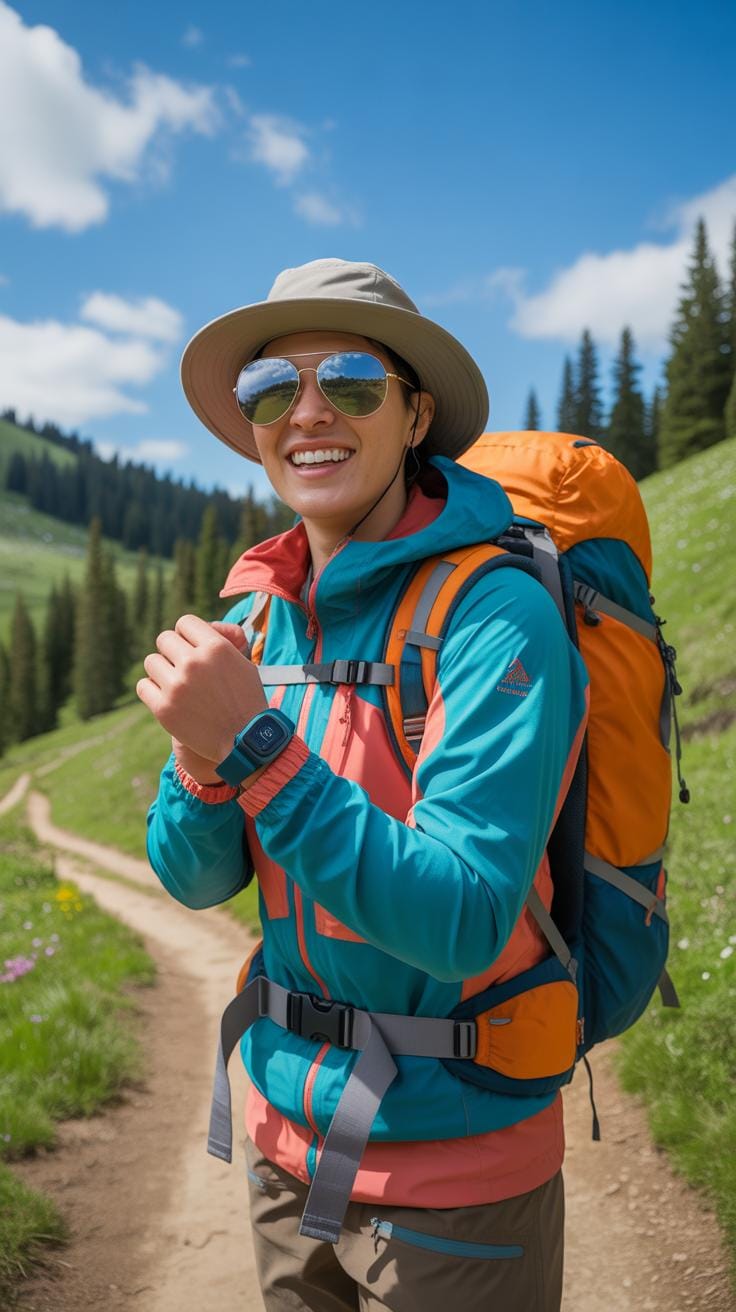
When it comes to hiking, accessories are more than just extras—they can make a real difference in comfort and style. For women, choosing the right accessories often means balancing practical needs with personal taste, which isn’t always easy to get just right.
Hats, Sunglasses, and Gloves
Hats do more than add charm; they shield your face and neck from harsh sun rays. A wide-brimmed hat offers better coverage but can feel bulky. Sometimes, a cap with a UV protection fabric suffices and looks sporty. Sunglasses are not just about style —good quality UV-protected lenses shield your eyes from glare and harmful rays, reducing fatigue on bright trails. Gloves might sound unnecessary for summer hikes, but lightweight gloves can protect your hands from sunburn or thorny bushes. In colder weather, insulated gloves add warmth and can be surprisingly stylish if you pick colors that complement your outfit.
Backpacks and Hydration Packs
Backpacks are the foundation of your hiking outfit. Choosing one isn’t just about capacity; fit and weight distribution matter too. Look for adjustable straps and ventilation. Stylish options do exist—brands like Salomon and Merrell craft functional packs that also catch the eye, but they often come at a higher price. Hydration packs combine hydration convenience and pack utility, making them great for longer hikes. The trick is finding one with easy-to-access pockets and a comfortable reservoir. Sometimes, going minimal with just a hydration pack can even boost your style by keeping gear streamlined and light.
Colors And Patterns For Hiking
Neutral Vs Bright Colors
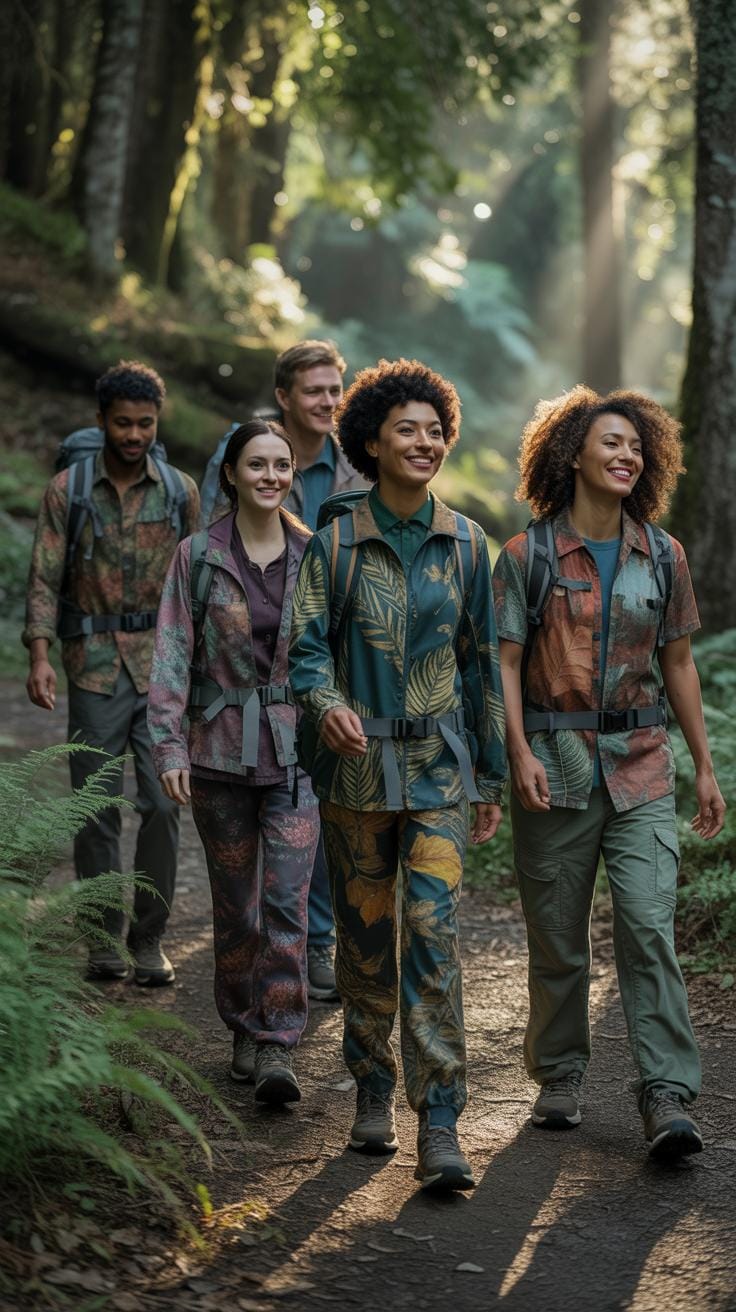
When choosing colors for hiking outfits, you might find yourself torn between neutral tones and bright shades. Neutral colors like beige, olive, gray, and brown blend well with the natural surroundings, which can be especially calming if you want to feel more connected to nature. They also tend to hide dirt and stains better, which is great on long trails when your clothing sees a lot of wear. But then, bright colors have their perks too—they boost visibility, which can be a safety factor if you’re hiking in areas with hunters or dense woods. Plus, they add a cheerful pop to your outfit and can keep spirits up on a gloomy day. You might start with the practical neutral shades and then add a bright accessory like a scarf or hat to balance both style and function.
Patterns That Work Outdoors
Patterns aren’t just for fashion; they have a role in how you present yourself in the wild. Camouflage patterns are popular because they mirror the environment’s textures, and they work well if you want to avoid drawing attention—think of bird watchers or photographers trying not to startle wildlife. On the other hand, geometric patterns or soft florals can look surprisingly good on trails without being overwhelming. These choices express personality, making your hiking gear feel more personal. Stripes or color blocking can help break up the outfit visually, creating a sleek look that feels intentional. Just remember, patterns might show wear differently, so consider how the fabric ages. It’s a subtle way to bring your style outdoors without overthinking it.
Outfit Ideas For Different Seasons
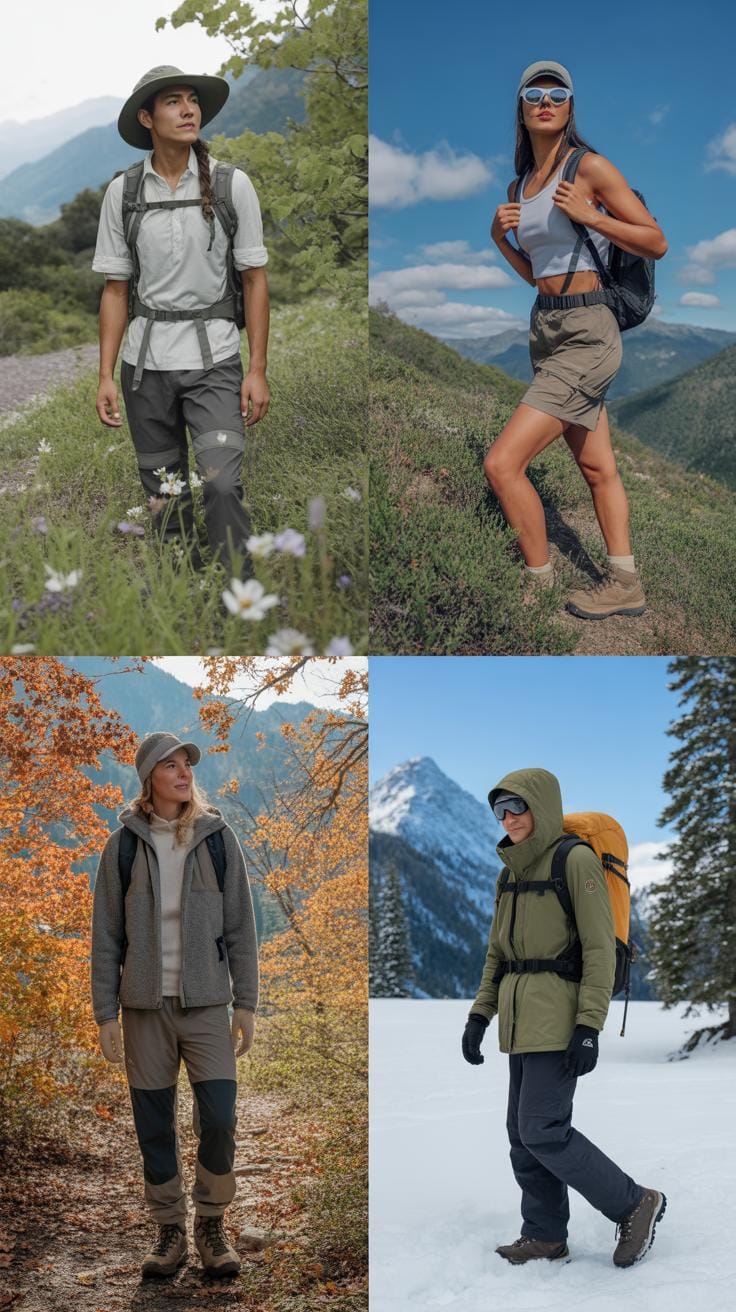
When choosing a hiking outfit, women face quite the balancing act between comfort and weather adaptability throughout the year. On spring hikes, layering is key. You might start with a moisture-wicking base layer, add a lightweight fleece, and top it with a windbreaker or rain jacket. Spring mornings can be chilly but afternoons warm up fast, so versatility helps.
Summer is where breathability shines. Opt for loose-fitting, light fabrics that allow air flow but also shield you from sun damage. Long-sleeve shirts made from sun-protective materials and a wide-brimmed hat can keep your skin safe while helping regulate temperature.
As leaves turn in fall, consider earth tones in moisture-wicking layers. A mid-weight jacket with some insulation works well, along with durable hiking pants that can handle damp trails. Sometimes, fall weather teases you with warmth or suddenly cools off—flexibility is your friend.
Winter hiking? Now, that’s a different story. Insulated jackets paired with thermal base layers form the foundation. It’s about trapping warmth and shedding moisture. I’ve learned to bring a balance of synthetic and wool fabrics to stay dry and cozy, avoiding cotton. Plus, invest in good gloves and a warm hat—extremities get cold fast.
Lightweight Options For Hot Weather
In hot weather, the goal is to stay cool without sacrificing protection. Breathable fabrics like nylon blends or lightweight polyester offer moisture-wicking abilities, pulling sweat away from your skin. Options with mesh panels let air circulate, which feels surprisingly refreshing on tough climbs.
For sun protection, long sleeves may seem counterintuitive, but trust me, they help more than short sleeves. Lightweight, UPF-rated shirts create a breathable shield against harsh rays. A large-brimmed hat or cap with a neck flap adds extra defense. Sunglasses are a must—not just style, but essential glare blockers.
To sum up, think airy but covered. A loose fit encourages airflow, preventing overheating and sunburn alike. You might find yourself balancing sweat and sunscreen better than you expect with the right gear.
Insulated Sets For Cold Hikes
Winter hiking outfits are all about layering strategically. Start with a base layer that wicks sweat. Merino wool or synthetic fabrics are favorites since they keep moisture away without losing warmth. Next, an insulating mid-layer—fleece or lightweight down—traps heat efficiently.
Finally, a waterproof, windproof shell rounds out the setup. It keeps snow and wind at bay while letting moisture escape. Remember, overdoing insulation causes sweating, which then chills you. I’ve learned that adjusting layers during breaks actually saves energy and comfort.
Don’t forget hands and feet—thermal socks, insulated boots, and waterproof gloves complete the look. If your toes or fingers get cold, it won’t matter how nice the rest of the outfit is. So pack smart, think layers, and stay aware of changing conditions as winter trails can surprise you.
Packing Checklist For Day Hikes
Must-Have Clothing Items
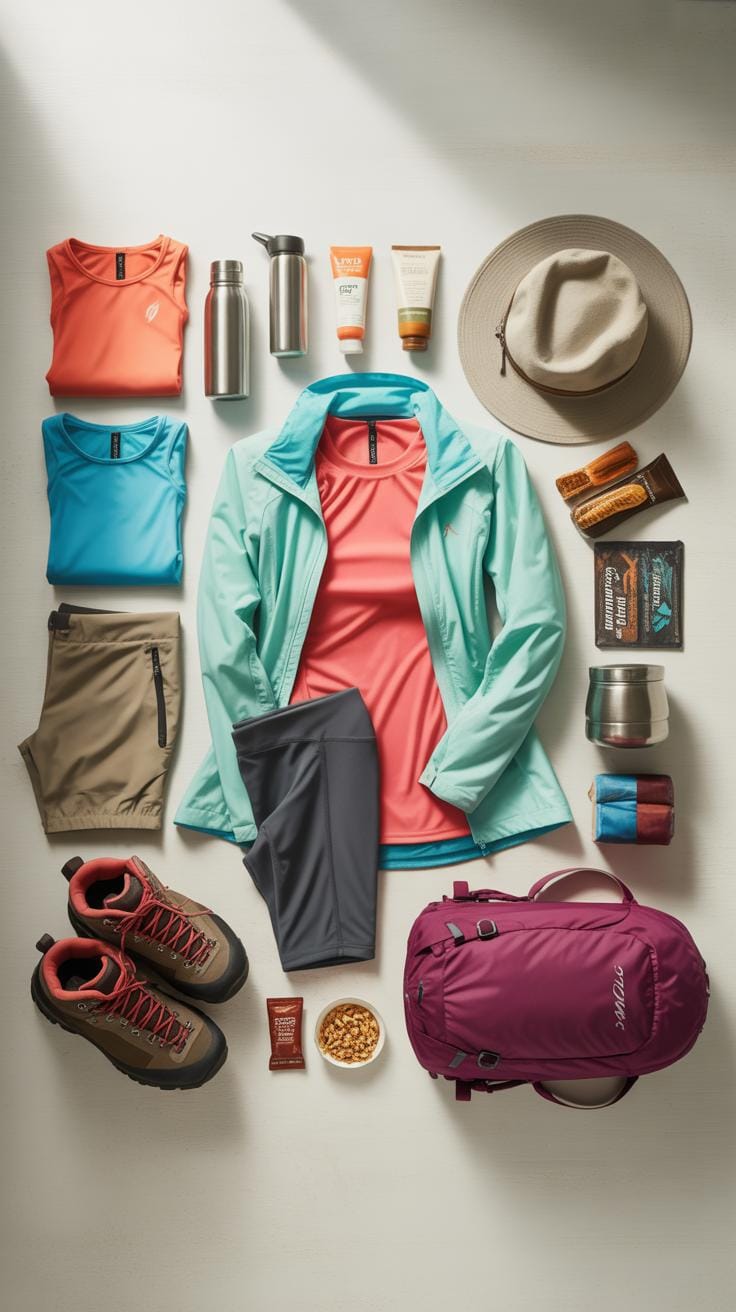
When packing for a day hike, especially as a woman wanting both comfort and style, focus on a few essentials that work well together. Start with moisture-wicking base layers; these keep sweat away and prevent chills. A breathable t-shirt or tank top made from synthetic or merino wool is ideal.
Next, bring comfortable hiking pants or leggings that offer some stretch but protect you from brush or bugs. Shorts are fine too, if the weather’s warm, but think about coverage. A lightweight, long-sleeve shirt can double as sun protection.
Good hiking socks are often underestimated, but trust me on this; a pair designed for trails will save you from blisters. And don’t forget a sturdy pair of hiking shoes or boots with good grip. Your feet will thank you after a few miles.
Extras For Changing Weather
Weather can shift without warning. A compact rain jacket, preferably waterproof but breathable, is essential to have packed even if the forecast looks clear. You might feel a little bulky carrying it, but the relief if it pours makes it worth it.
Think layering—throw in a warm fleece or light insulated jacket, especially during cooler seasons or if you’ll be hiking at higher elevations. A hat and gloves can fit in your pack easily and may come in handy when the wind picks up or when resting at the summit.
Lastly, consider a buff or light scarf. It’s multifunctional—it can protect your neck from sun, cover your face in dust, or provide just an extra layer of warmth. These small additions can make a surprising difference, even if you hope not to use them.
Common Outfit Mistakes To Avoid

When putting together a hiking outfit, women often stumble over a few predictable pitfalls. Maybe you’ve experienced it too—starting a hike only to realize your clothes haven’t quite thought through the trail’s demands. One common snag is wearing cotton in conditions that turn damp or cold. Cotton soaks up moisture, retains it, and then chills you when temperatures drop or when you’re stationary. This can quickly turn a pleasant hike into an uncomfortable ordeal. Instead, fabrics like wool or synthetic blends that wick moisture away are better choices for staying dry and avoiding that clammy feeling.
Another frequent error is overlooking the fit and support of your footwear. Shoes or boots that don’t align with your foot shape or fail to cushion impact can lead to blisters, sore feet, and even injuries. It’s tempting to pick stylish hiking shoes, but if they don’t offer your arches proper support or can’t handle uneven terrain, you’ll pay the price. Take time to try on boots in the store, walk around, and even test them on varied surfaces if possible. Prioritize fit and support—your feet will thank you, even if that means less flashy choices.
Both these mistakes—wearing cotton in wet or chilly weather and skimping on footwear quality—stem from underestimating the environment and your body’s needs. It’s okay to want to look good while hiking, but comfort and functionality should take center stage. Have you ever ignored these tips and regretted it halfway through the trail? Learning from those moments sharpens your sense of what truly works for you, blending style with sensible choices.
Hiking Outfit Examples And Looks
Casual Hiker Look
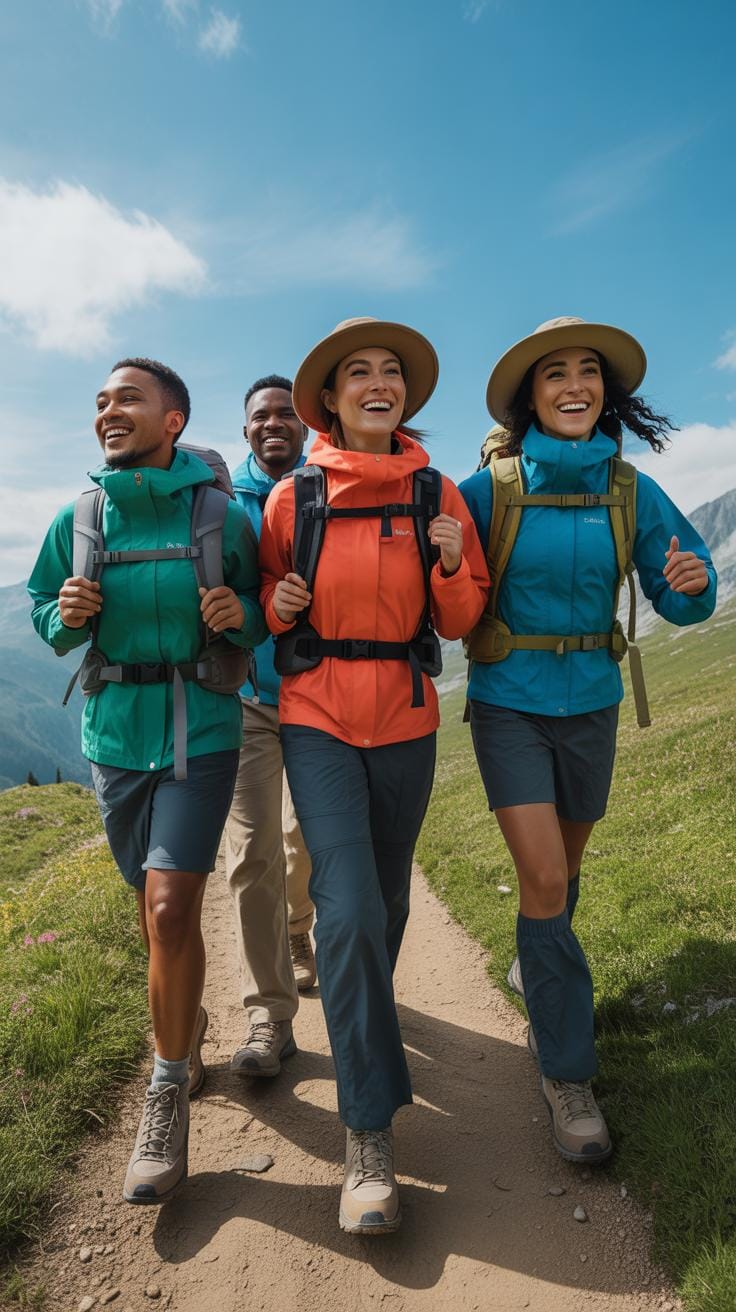
If your trail plans are laid-back and the day promises easy terrain, dressing for comfort and simplicity works best. Think of a lightweight moisture-wicking t-shirt paired with stretchy leggings or breathable joggers. These fabrics help keep sweat in check but still feel soft against your skin, so you don’t feel restricted or overheated.
Layering with a thin, zip-up fleece or hoodie is a good idea—it’s just enough if the temperature dips but won’t bulk you up. Footwear? Stick with sturdy trail sneakers over heavy boots. They protect your feet but feel less cumbersome on an easy stroll.
Don’t forget simple extras like a wide-brim hat and a small daypack to carry essentials without weighing you down. This look focuses on easy movement with a casual style that suits a brief nature escape without hauling bulky gear.
Serious Trekker Ensemble
Now, if you’re gearing for a longer and rougher hike, the outfit shifts to support durability and versatility. It’s a balancing act of staying warm, dry, and protected while carrying extra supplies.
Start with a moisture-wicking base layer to pull sweat away, then add an insulating mid-layer like a fleece or lightweight down jacket. The outer layer should be a waterproof, breathable shell to fend off wind and rain. Hiking pants made of tough nylon or a blend with some stretch can resist abrasions and dry quickly.
Footwear moves up to heavy-duty hiking boots with ankle support and rugged soles for uneven paths. A larger backpack with adjustable straps can hold water, snacks, extra layers, and emergency gear. And yes, having trekking poles can really help on difficult terrain, though that’s more about gear than clothing.
This ensemble is all about being prepared for the unexpected while still incorporating comfort, so you can tackle the trail length and challenge without fussing over your outfit.
Maintenance And Care For Hiking Clothes
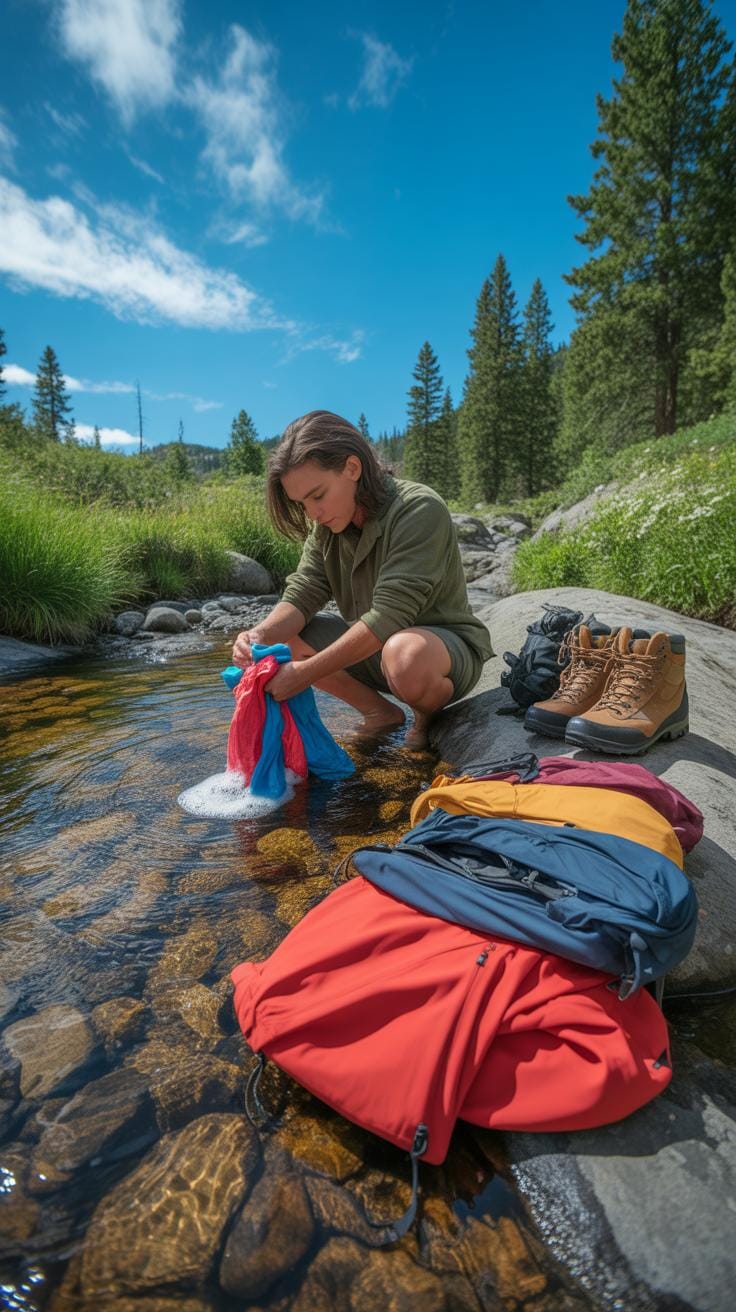
Keeping your hiking clothes fresh and long-lasting takes some effort, but it’s worth it. After all, your comfort on the trail depends a lot on the condition of your gear. Dirt, sweat, and frequent use can break down fabrics faster than you might expect. I think being a bit mindful about maintenance can keep your favorite shirt or jacket feeling almost new.
Washing And Drying Tips
Different fabrics need different care. For synthetic materials like polyester or nylon, cold water washes are best. Hot water can damage the fibers or make them lose their shape. I usually avoid fabric softeners because they tend to reduce the fabric’s breathability and wick properties. For wool hiking clothes, gentle detergents meant for wool are key. Machine drying might seem convenient but air drying prevents shrinking and preserves the fabric’s natural fluffiness.
If you’re washing waterproof or water-resistant gear, a specialized cleaner is helpful to maintain protective coatings. And always zip up zippers, fasten Velcro, and turn clothes inside out to reduce friction and wear during washing.
Storing Hiking Clothing Safely
Between hikes, how you store clothes matters. Keep them in a dry, cool place away from direct sunlight to avoid fading and fabric deterioration. It’s tempting to just toss damp clothes into a corner, but that invites mold and odor. Always ensure they are fully dry before storing.
I like using breathable fabric bags rather than plastic, which traps moisture. Hanging lightweight items can help them keep their shape, but bulky clothes like insulated jackets do better folded loosely. Adding a small sachet of cedar or lavender can gently keep pests away, though that’s more about peace of mind than necessity.
Have you ever noticed a musty smell from a jacket you left folded too long? Yeah, sets you back, right? Taking care of your hiking clothes isn’t super complicated but it’s one of those small things that, if ignored, can annoy you on the trail when you least expect it.
Conclusions
Picking a good hiking outfit means choosing clothes that fit well and feel good. Comfort and style can go together on the trail if you pick the right fabrics and layers. You want clothes that breathe, protect, and let you move easily. Shoes should support your feet and match the terrain. Accessories like hats and backpacks add to your outfit’s function and look.
Remember, your hiking outfit impacts your hike. Try out different pieces and find what works best for you. Use the tips here to build outfits that keep you comfortable and ready for adventure while looking great. Enjoy your hikes with confidence in your cute and practical hiking clothes.