
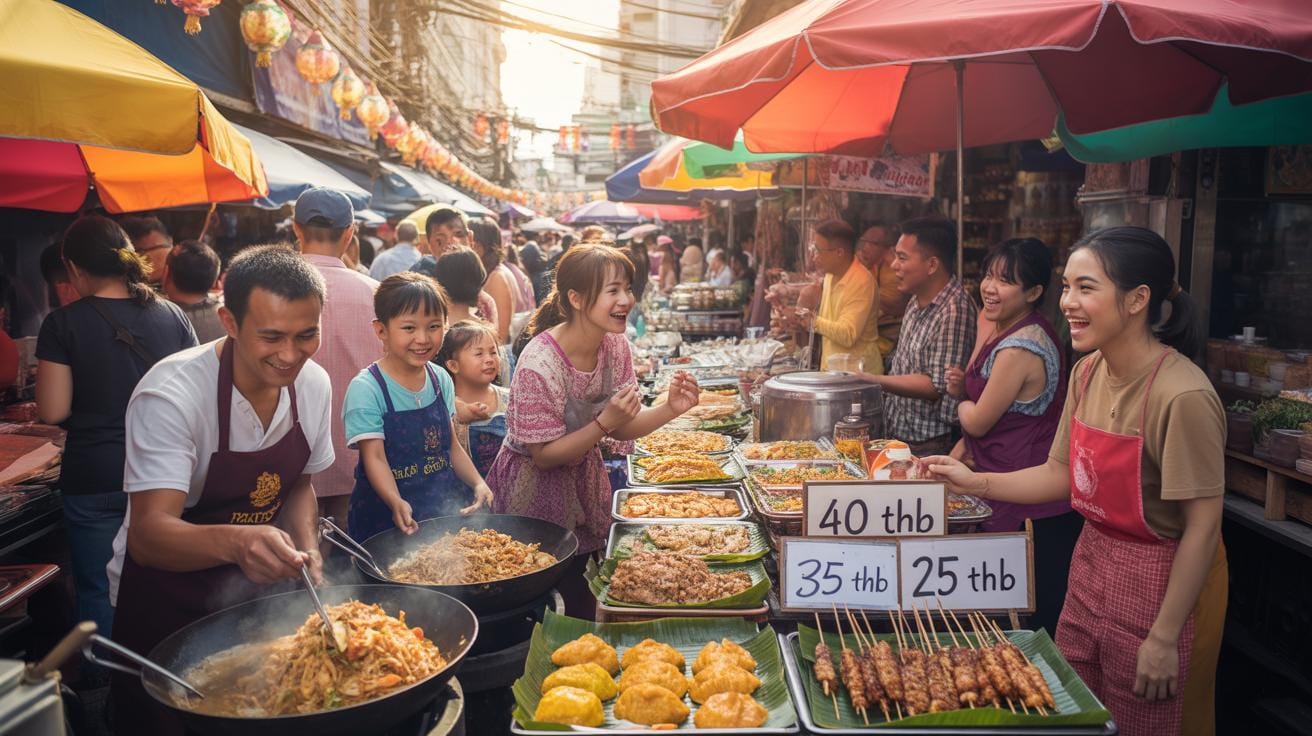
Comparing Prices Across Thai Street Food Vendors
Thai street food offers delicious and affordable meals on bustling streets. You can find a variety of dishes sold by different vendors in local markets. Prices vary depending on several factors. This article looks into those price differences and what affects the cost.
We will compare costs across multiple vendors in local markets. You will learn why prices change and how to choose the best vendors for tasty food that fits your budget. Understanding the cost variations can help you enjoy Thai street food wisely.
Basics Of Thai Street Food Pricing

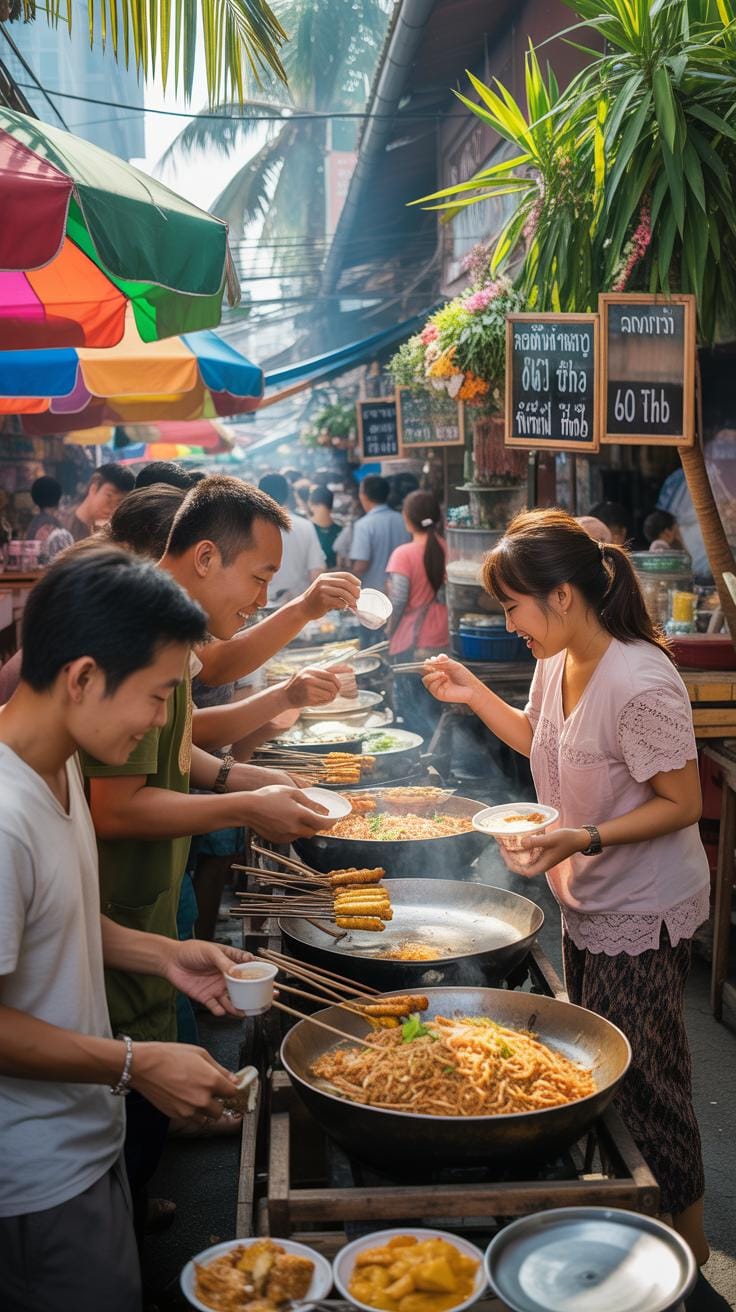
When you look at street food in Thailand, the base price usually depends on a few key things. Mostly, it’s the type of dish and portion size. Simple dishes like a plate of fried rice or a basic noodle soup often start around 30 to 50 baht. These are straightforward meals, typically served in modest portions—just enough for one hungry person but nothing too extravagant.

More complex meals—say, a seafood stir-fry with extra ingredients or a multi-layered dish like khao soi—can push the price higher, often hitting 70 to 120 baht or even more. These require more time, skill, and ingredients, so you’re paying not just for food but effort too. Sometimes, the difference in preparation makes a big jump in price that might feel a little steep if you’re only comparing portion sizes.
Serving sizes also influence price. Some vendors offer smaller portions at lower prices, targeting quick snacks or light meals. Others might serve larger, more filling plates that cost more. And then there’s the question of extras—like a side of chili sauce or an extra egg—that can add a few baht here and there. It all adds up, but the pricing generally reflects what you get on your plate.
Ingredients Impact On Food Costs
Ingredients play a big role in how much you’ll pay at a street food stall. Fresh seafood, for example, naturally costs more than chicken or pork. A vendor serving grilled shrimp or fish has higher ingredient expenses, which you can almost always see reflected on the menu. It’s a catch: fresh seafood tastes better but hits your wallet harder.
Then there’s the choice between imported spices and local herbs. Local herbs like basil, cilantro, or kaffir lime leaves are cheap and plentiful, especially if the vendor grows them or sources nearby. Imported spices, on the other hand, bring up prices slightly. They’re not common but can pop up in fusion dishes or places that want to market a more “unique” flavor.
Quality also varies. Some vendors use premium rice or organic vegetables, and yes, these cost more even if they’re subtle elements in the dish. You might not always notice the difference right away but your taste buds and, well, your budget will. That said, some vendors balance price and ingredient quality differently, so not every seafood dish is pricey and not all chicken dishes are cheap.
Vendor Experience And Setup
Vendor experience heavily influences pricing too. More experienced chefs tend to charge a bit more because their food has a reputation, a particular taste, or finesse you can’t find everywhere. You might spot these vendors by their neat stalls, organized layouts, or even small queues of regulars.
Setup and hygiene standards also come into play. A clean, well-maintained stall suggests the vendor invests time and money into the business—this can lead to slightly higher prices. On the flip side, newer or less experienced vendors might offer lower prices to attract customers or because they don’t have the same overhead costs.
This dynamic means you sometimes pay a premium for trust and consistency. I’ve often thought about how much I’m willing to pay for a meal that feels safer or tastes reliably good compared to something cheaper but riskier. It’s a balance you weigh each time you choose where to eat on the bustling streets of Thailand.
Local Market Location And Price Variations
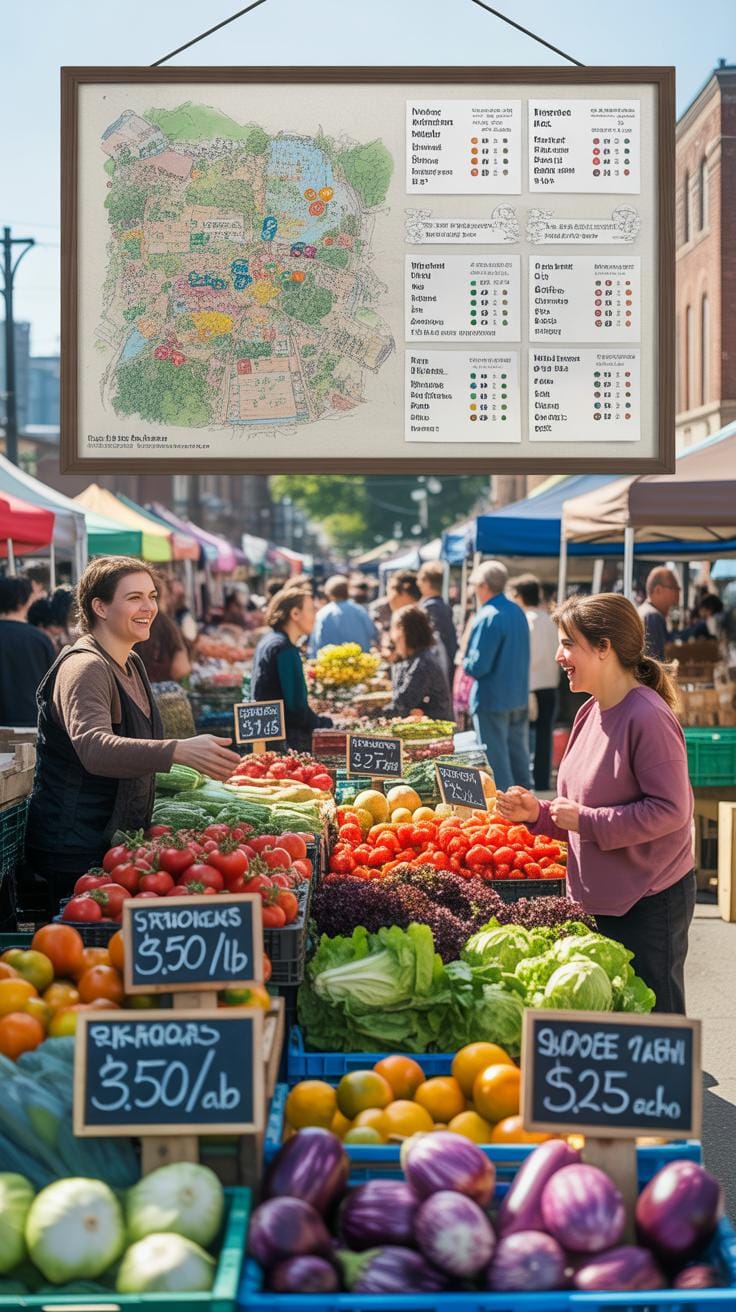
Prices for Thai street food vary quite a bit depending on which market you visit. Take Chatuchak Market in Bangkok, for example—it’s large, popular, and packed with tourists. Vendors here often charge more for the same dishes you might find cheaper elsewhere. If you head to smaller markets like Or Tor Kor, still in Bangkok but less touristy, you’ll notice prices drop noticeably. That difference seems linked not just to demand but also to the market’s reputation and the customer base.
In northern cities like Chiang Mai, markets such as the Sunday Walking Street offer a range of prices too. You can get a spicy sausage for half what it would cost at a similar stall back in the capital. This shows how location affects price beyond just city versus rural. Yet, it’s not always straightforward—sometimes even within the same city, prices jump from one market to the next for reasons that aren’t clear immediately, maybe rent costs or vendor competition.
Foot traffic plays a big role in pricing, naturally. Busy markets with lots of tourists can support higher prices because many visitors are willing to pay for convenience or ambiance. Quieter neighborhood markets, where locals shop, tend to have cheaper food. That said, sometimes quieter spots surprisingly price certain items higher, perhaps to offset fewer sales or because they source ingredients differently. It’s something to keep an eye on when you’re hunting for bargains.
When you compare urban markets, like those in Bangkok, to rural ones, the difference can be striking. Vendors outside major cities often sell similar dishes for much less. Part of this is due to lower operating costs, but also the simpler supply chains in place—local ingredients don’t need to be shipped far, which keeps prices down. On the other hand, urban sellers might face higher rents and transportation costs, which they pass on to customers.
So, if you’re planning to explore Thai street food and want to save money, consider where you eat just as much as what you eat. Maybe it’s worth taking a little extra travel time for a market with fairer prices—or at least knowing what to expect depending on where you find yourself. What markets have you visited, and how did their prices feel compared to others? It’s a bit of a puzzle with no single answer.
Popular Thai Dishes Cost Breakdown
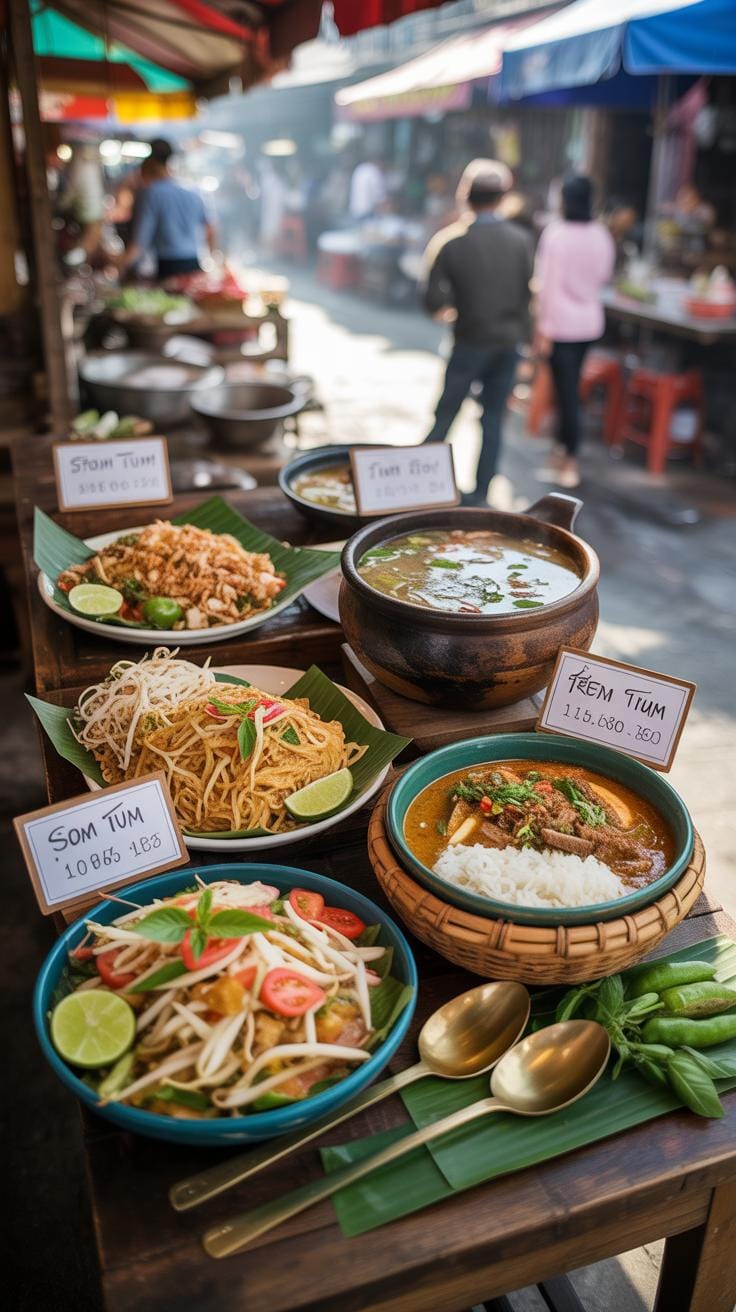
When you walk through a typical local market in Thailand, the prices for popular street foods are surprisingly consistent, yet sometimes small differences catch your eye. Take Pad Thai, for instance—a beloved dish you can find almost everywhere. On average, a plate from a street vendor costs around 40 to 50 baht. Some stalls might charge a bit more if they add extra shrimp or use a fancier tamarind sauce, but generally, it stays within this range. I remember ordering Pad Thai near Chiang Mai’s Sunday market for 45 baht, and it was both filling and flavorful.
Som Tum, the spicy green papaya salad, usually runs slightly cheaper, often between 30 to 40 baht per serving. It’s often sold alongside grilled meats, which hover around 25 to 50 baht per skewer depending on the type of meat. Pork and chicken skewers usually stay at the lower end, while beef or mixed seafood can push prices up just a little. These prices can shift based on location and the vendor’s reputation, but overall, this is the ballpark.
These dishes remain popular partly because they balance affordable pricing with satisfying portions. Vendors keep costs low, partly by using local ingredients—things you can grow or source easily—and by sticking to recipes that don’t require expensive extras. But prices do span a spectrum, which leads us into the next facet of street food pricing in Thailand.
Affordable Staple Dishes
Some dishes just keep their prices low, probably because they’re so common and ingredients are readily available. Here are a few you’ll often see listed under 40 baht:
- Pad Kra Pao (stir-fried holy basil with meat)
- Khao Man Gai (chicken rice)
- Jok (rice porridge)
- Grilled Pork Skewers
These dishes stay inexpensive largely thanks to simple preparation and staple ingredients. Vendors often prepare large batches or pre-cook parts at home, cutting down time and waste. Also, the daily turnover is high; quick sales mean they can work with thinner profit margins. One could argue this steady demand is what really drives affordability.
Higher Priced Specialty Foods
Not every street food item fits the budget category though. Some specialty foods fetch noticeably higher prices, sometimes two to three times that of the staples. For example, Khao Soi, a Northern Thai coconut curry noodle soup, often costs around 60 to 80 baht due to its richer ingredients and more complex preparation. Another example is fresh seafood dishes sold street side, like grilled river prawns or squid. These can easily cross the 100 baht mark per serving.
Higher prices often come from ingredient costs, scarcity, or preparation time. It’s not unusual for a vendor to charge more if the dish requires importing seafood from coastal areas or specialty herbs. Also, a dish that’s considered a “luxury” or crafted with more skill might have a price tag that reflects those factors. So, if you spot a street food stall charging double for something that looks similar to a cheaper dish, consider what elements are mixed into that price. Sometimes, you’re paying more for subtle taste nuances or exclusivity rather than just ingredients alone.
Buying Tips To Save Money On Street Food
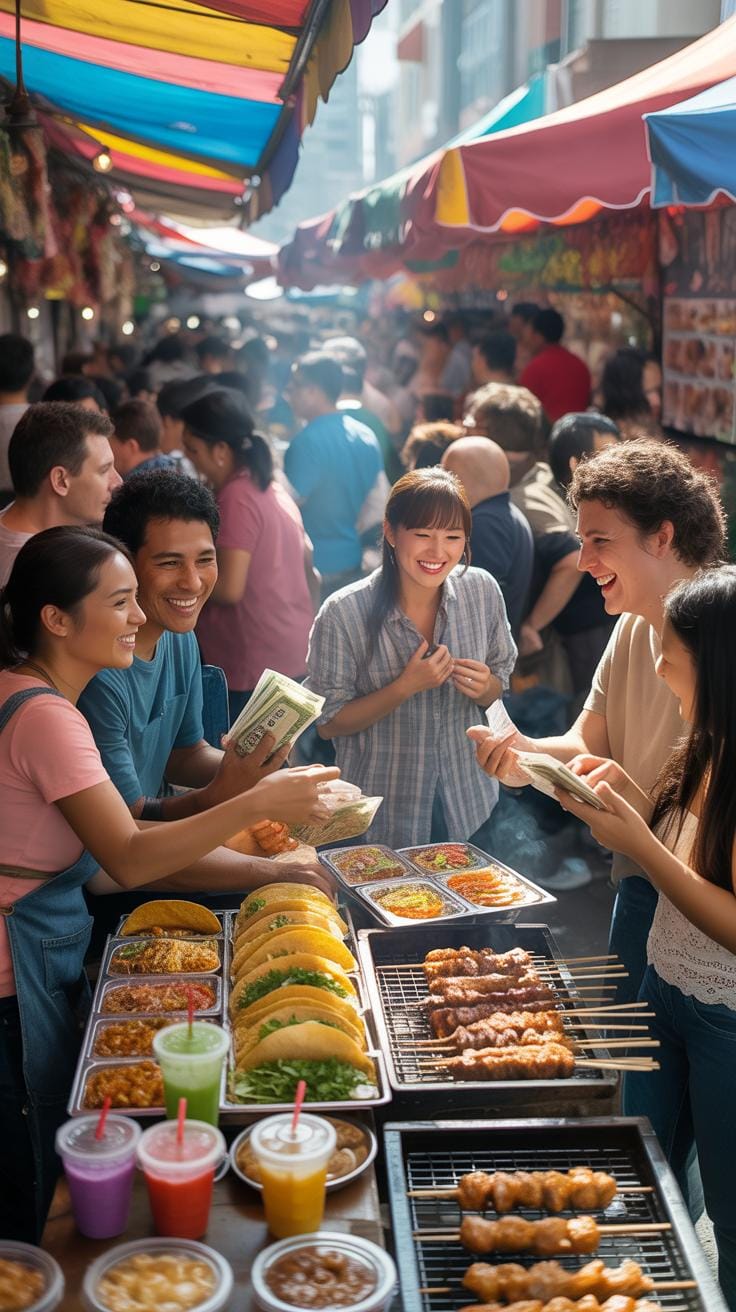
Finding cheaper street food vendors isn’t just about spotting the lowest price. There’s a bit of an art to it, one that involves some paying attention and a little patience. I think bargaining can actually work in your favor, but only if you approach it right. Try starting with a polite offer slightly below the asking price, especially if you’re buying multiple items. Vendors often expect some haggling, but not every stall is open to it—watch their reactions and adjust.
Timing plays a surprising role too. Toward the end of the market day, some sellers prefer to clear out their stock rather than pack it up again. Sometimes prices drop by 10-20%, though it’s not guaranteed. Early mornings might have fresher ingredients but tend to be pricier, so mid-morning or late afternoon can be sweet spots.
When choosing dishes, simpler or noodle-based options tend to cost less than seafood or specialty dishes. Sticking to local favorites often means better prices. You might find a pad Thai stand cheaper than grilled squid, even within the same market.
How To Spot Bargain Vendors
Finding affordable vendors without giving up quality requires some observation. First, look at the vendor’s setup—cleanliness matters, but a no-frills stall is often cheaper than a fancy one with signage and seating. Menus with clear prices posted usually lead to smoother transactions. Avoid places where prices seem vague or only shown after asking—that can get tricky.
Crowd size is a pretty good clue, but not the whole story. Busy vendors usually turn over food fast, which means freshness, but sometimes small stalls offer deals to get more customers—these are worth checking out, especially if the vendor looks friendly and the food smells good.
Also, consider vendors in the market’s less central areas. They might not get as much foot traffic but compensate with better prices. It’s a bit of a gamble on quality sometimes, but not always. You learn something new every street corner.
Best Times To Buy For Lower Prices
The market’s rhythm influences prices more than you might expect. I’ve noticed evenings often bring small discounts, especially once the main meal rush is over. Vendors want to avoid wasting food, so prices can dip after 7 or 8 PM. Weekends, oddly, may be busier and pricier, while weekdays tend to have more flexible pricing.
Special market days or festivals can cut prices or add bundle offers. Though vendors capitalize on crowds, competition can push prices down slightly if you compare stalls. Watch for when a vendor starts packing up—it might be your chance to ask for a deal.
There’s no guaranteed “best time,” but if your schedule’s flexible, experimenting with different times could pay off. Sometimes waiting around a bit feels a little risky—what if the food runs out? But if you’re patient, you might stumble on a genuine bargain.
Comparing Street Food To Restaurant Costs
Price Differences For Similar Dishes
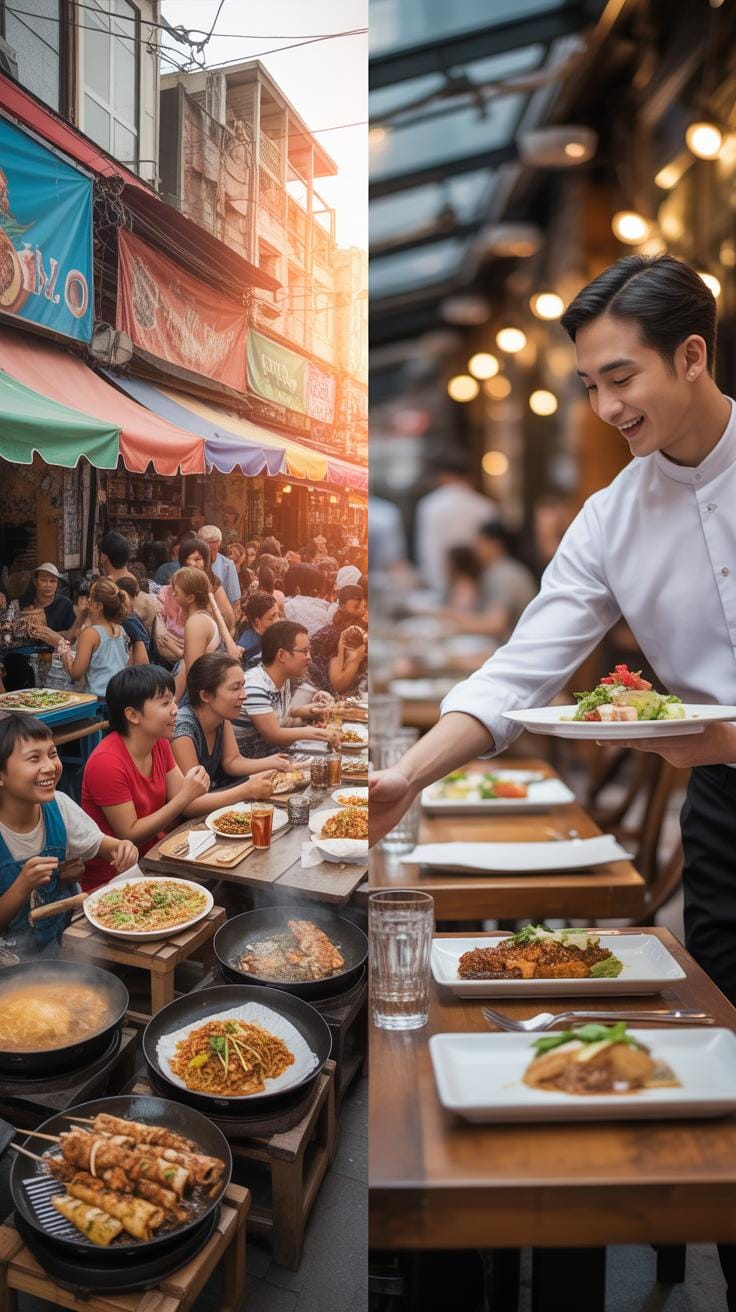
Looking at typical dishes like Pad Thai or Som Tam, street food vendors usually charge between 30 to 50 baht. In casual restaurants, those same meals can easily run from 80 up to 150 baht. The flavor might be similar, but the price gap is noticeable. Of course, restaurants add service charges and sometimes a small cover fee. You’re also paying for air conditioning or a table to sit at—things street vendors don’t offer.
Take grilled satay skewers, for example: On the street, three skewers might cost 40 baht, while a restaurant dish of the same can be 90 baht or more. Sometimes, restaurants include extras like a dipping sauce with more variety or a side salad, but that comes at a cost you might not need.
When To Choose Street Food Over Restaurants
Street food works best when you want quick, inexpensive meals without fuss. Say you’re exploring a busy market or traveling light—you grab a plate from a vendor and keep moving. It’s also a chance to try authentic cooking styles rooted in local tradition that don’t always translate inside a restaurant’s more standardized menu.
That said, sometimes the setting at a restaurant fits better—maybe you want to sit down with friends or avoid the heat. But if your priority is value and a genuine taste experience, street food usually comes out ahead. The convenience factor is real too; no waiting staff, no tipping, just eating what you want, when you want.
How Seasonal Changes Affect Prices
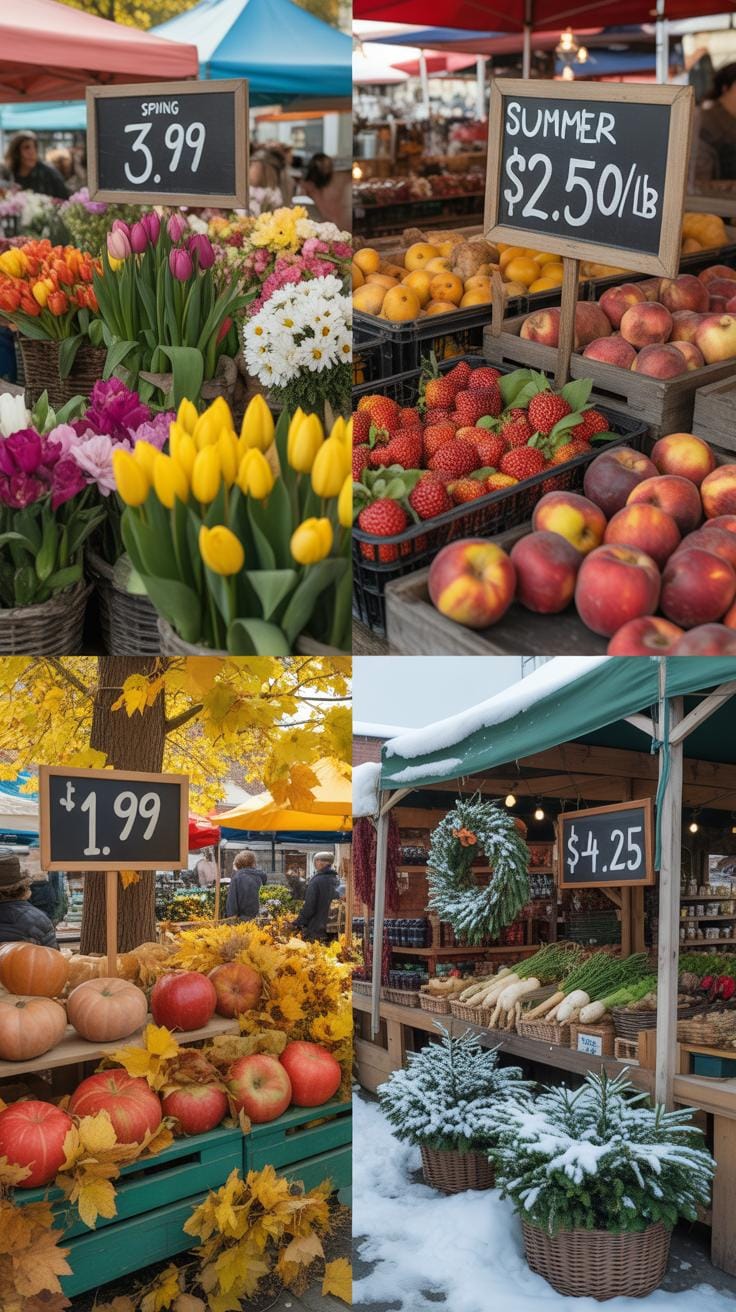
Seasons have a clear impact on what ingredients street food vendors can access and, naturally, on their prices. When the monsoon hits, some fresh vegetables and herbs become scarce or more expensive. On the other hand, dry seasons might boost availability of certain fruits, though seafood can become pricier due to rougher seas. So, if you notice dishes like tom yum goong costing more during certain months, it’s often because fresh shrimp are harder to source.
Consider mango sticky rice—the price of mangoes spikes when they’re out of season. I remember once seeing vendors charge noticeably higher rates just before the mango season kicked in. Sometimes the adjustments are subtle but affect overall cost steadily.
Ingredient Supply During Different Seasons
Thailand’s tropical climate means many ingredients cycle through short windows of abundance. For example:
- Mangosteen and durian come in summer, raising fruit prices outside these months.
- Seafood like squid and shrimp vary in price depending on fishing seasons and weather conditions.
- Fresh herbs and leafy greens fluctuate, especially during cooler months.
Vendors face price swings that reflect these changes. One seafood stall near the coast reported shrimp prices jumping by 30% during rainy spells due to limited catch. This forces some street sellers to rethink what they offer or how they price dishes.
Menu Adjustments And Price Fluctuations
Vendors often tweak menus when ingredients get scarce or expensive. Sometimes they swap pricier toppings with alternatives or reduce portions without much announcement. For instance, a pad see ew vendor might replace fresh morning glory with more cabbage when leafy greens are costly.
Prices on certain popular dishes can creep up subtly over peak seasons. Vendors don’t always change posted menus immediately, but they might ask if you want less of an ingredient or suggest a similar cheaper option. It’s a way to keep profits without losing customers.
Have you noticed these small shifts when ordering? It’s a quiet dance between supply, demand, and weather that interacts directly with what lands on your plate and what you pay for it.
Role Of Food Safety In Pricing
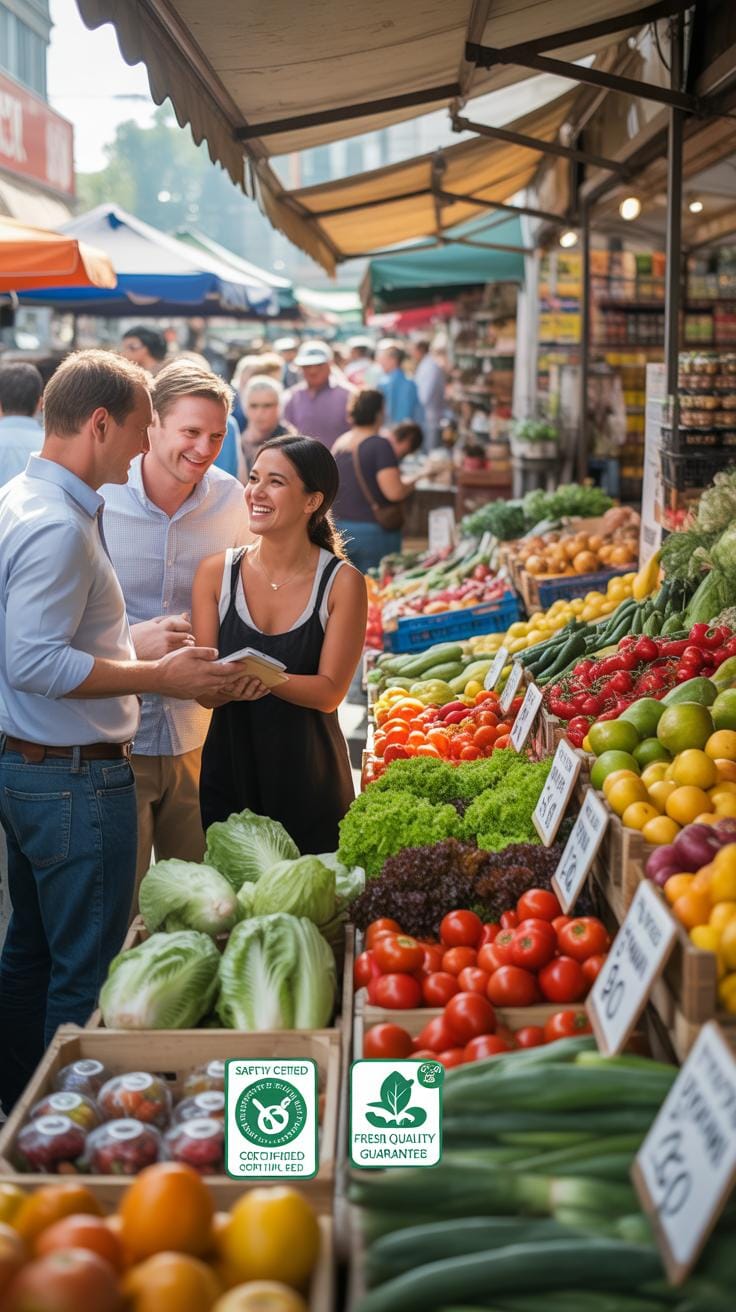
Food safety plays a more than subtle role in how street food vendors price their dishes. Vendors who stick to higher hygiene and safety standards tend to have higher costs. These costs often get passed down to the customer, making their food slightly more expensive. It might seem obvious that cleaner stalls mean higher prices, but the reasons behind it are a bit more complex.
Keeping a food stall clean isn’t just about wiping down surfaces. Vendors have to invest in things like proper storage containers, safe water sources, and regular cleaning supplies that don’t come cheap. Some also pay for pest control or proper refrigeration, which can add up monthly. Imagine buying good quality gloves, sanitizers, or even upgrading cooking equipment so food doesn’t get contaminated—that all costs money.
From personal experience watching markets in Bangkok, vendors who look spotless and organized often price their Pad Thai or grilled pork a few baht higher. It’s not just the costs; these vendors tend to attract buyers who notice the difference. Many customers, including myself sometimes, decide it’s worth paying a small premium for peace of mind.
Some people, though, might not care as much. Street food is, after all, partly about spontaneity and budget. So vendors have to balance the cost of safety with what their customers are willing to spend. But the trend remains clear—safer food usually comes at a bit of an extra price. You might wonder if all customers really value this enough? Mostly yes, but it depends on the day, the stall, and even the dish.
Case Study Of Bangkok Street Food Pricing
Popular Markets With Varied Price Points
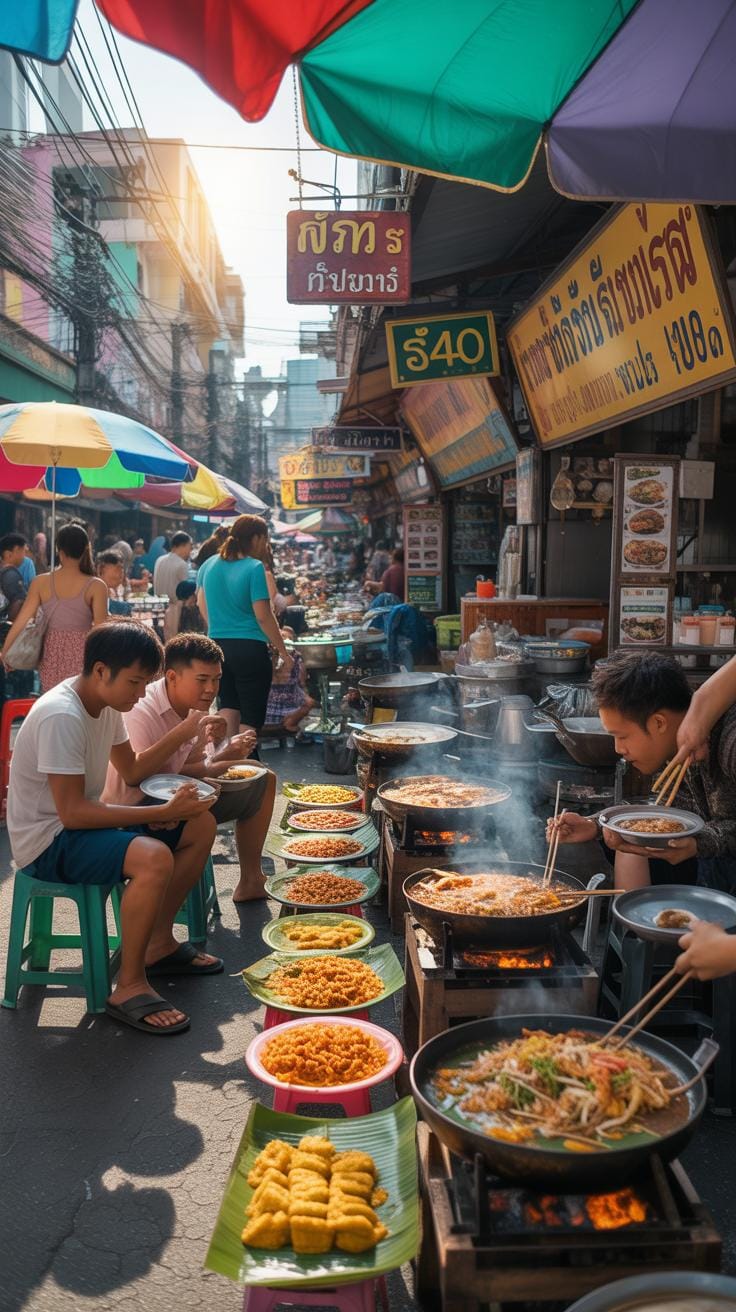
Bangkok’s street food scene behaves quite differently depending on where you go. Take Yaowarat, the city’s Chinatown. Here, prices for dishes like pad thai or grilled satay can range from 40 to 80 baht, depending on the vendor’s location within the market and the quality of ingredients. Street carts closer to main roads tend to charge a little more, leaning toward 60 to 80 baht, while stalls deeper into alleys often sell the same dish for 40 to 50 baht.
Then there’s Chatuchak Market, popular with both locals and tourists. You’ll find noodle dishes selling for anywhere between 30 to 70 baht. Vendors near the tourist-heavy sections generally set prices at the higher end, sometimes even above 70 baht. But wandering a little off the beaten path reveals smaller stalls offering similar meals for around 30 to 45 baht. This price gap reflects not just location but also foot traffic and tourist appeal.
Lessons From Bangkok Vendor Pricing
From this price variation, you might guess a few things about Bangkok’s street food pricing. Location matters a lot, yes, but it’s not just about rent or footfall. Vendors closer to tourist centers or main streets can charge a premium because customers expect a bit more comfort or better presentation—even if the food’s pretty much the same.
Then, ingredient sourcing impacts pricing. Vendors using fresh, local ingredients like organic herbs or high-grade meats often set higher prices. For example, one stall in Chatuchak offers freshly squeezed juices and charges 50 baht, while a neighboring vendor serving very similar fruit blends sells at 30 baht, probably relying on cheaper, frozen inputs.
You can also see how vendor experience and reputation come into play. Longer-standing vendors might charge more not just because of quality but because they’ve built trust. It makes you wonder—what are you really paying for? Food, location, or a bit of both?
Conclusions
Cost differences in Thai street food depend on location, ingredient quality, and vendor style. Knowing these factors helps you pick vendors that match what you want to spend. You can still enjoy good food without overspending.
Choosing where to buy is as important as what you buy. Local markets offer options for every budget. Watch prices, compare vendors, and enjoy authentic tastes that street food brings.