
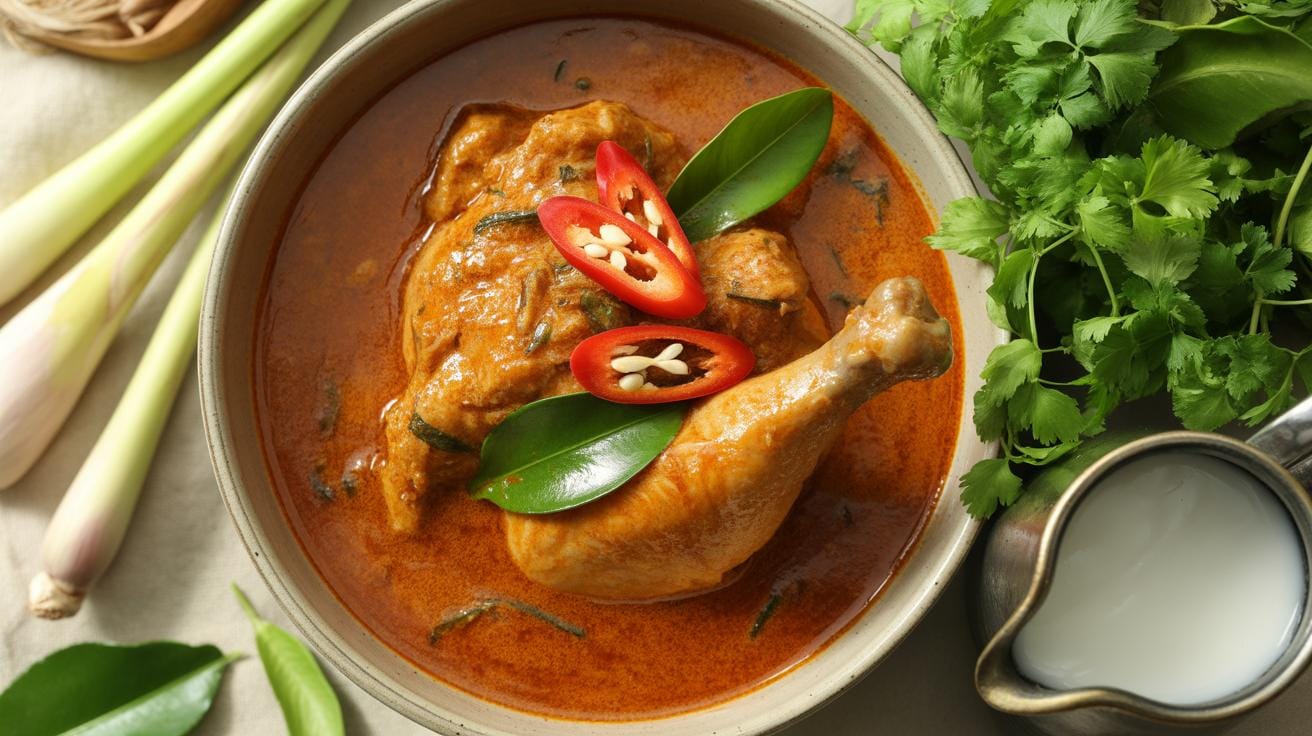
The Nutrition and Flavor Behind Panang Curry Chicken
Panang Curry Chicken offers a blend of flavors and nutritional value packed in a rich, creamy sauce. In this article, you will explore its key nutritional benefits and distinct flavor profiles. You will understand why this Thai dish stands out among curries and how it impacts your health.
We will look at the main ingredients, their nutrition, and how the dish delivers taste. This guide aims to equip you with useful knowledge about Panang Curry Chicken to help you make informed food choices and appreciate its culinary qualities.
Panang Curry Origins And Cooking Method

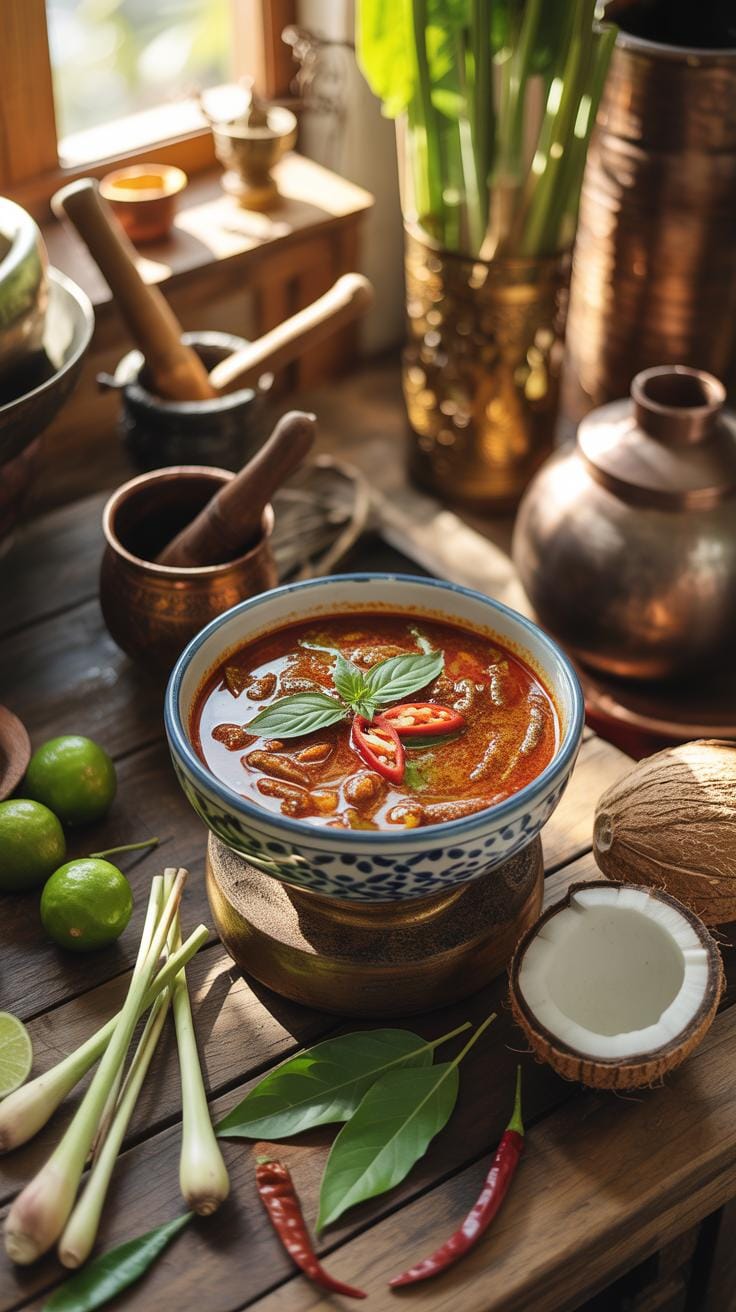
Panang curry traces back to Central Thailand, where it likely developed as a milder, less soupy alternative to other Thai red curries. The name “Panang” is linked to the Malay Peninsula region, which hints at some cross-cultural influences, though the curry itself took on a distinct Thai identity. It’s a dish built around a rich, thick sauce that’s almost velvety—mainly due to the way coconut milk and curry paste interact during cooking.
The core cooking method starts by gently frying the curry paste in coconut milk, not just oil. This step is crucial because the fat in the coconut milk helps release the complex aromas and deep flavors from the paste’s chilies, herbs, and spices. Once the coconut milk separates a bit and the paste cooks through, it turns into a thick, fragrant base.
From there, you add your protein—often chicken—and let it simmer slowly so it soaks up all that flavor without becoming tough. The sauce thickens further as it reduces, with ground peanuts occasionally stirred in to boost texture and add a subtle nuttiness. This balance between coconut creaminess and spice is what makes Panang curry stand out.
History Of Panang Curry In Thailand
Panang curry’s history in Thailand is somewhat murky but fascinating. It seems to have evolved alongside other regional curries like Massaman and red curry but carved out a niche as something a bit sweeter and less fiery. Southern Thai culinary traditions, influenced by Malay cooking, left marks on Panang’s flavor palette—especially in the use of aromatic spices and nuts.
Unlike green or red curry that often bursts with herbaceous sharpness, Panang strikes a more grounded tone. Thai food culture tends to value balance, and Panang leans toward a smoky, pleasant richness rather than overwhelming heat. It’s found in homes and temples alike, sometimes prepared during special occasions, although it’s also a popular staple among Thai restaurants catering to a broad audience.
What I find interesting is how Panang highlights how Thai cuisine absorbed and transformed external influences, making them local without losing originality. You might wonder—does Panang curry hint more at Central Thailand or southern traditions? Probably both, to some degree, which makes its story a bit layered and open to interpretation.
Essential Cooking Techniques For Panang
Cooking Panang well is more about subtle art than rushing. The first step—frying the curry paste gently in coconut milk—needs attention. You don’t just dump paste into hot oil; instead, start with a bit of coconut cream and stir patiently. This allows the paste to bloom and the fat to carry the flavors, making the sauce creamy and aromatic.
Simmering the meat slowly after adding it is another key point. Quick cooking might leave the chicken dry or prevent the sauce from thickening properly. You want to keep the heat moderate and give time for the flavors to meld and the texture to soften. Some cooks add crushed peanuts toward the end—something you might not expect, but it helps thicken the sauce naturally and gives a pleasant bite.
These techniques make a difference you can taste. Skipping or rushing the frying step can result in a watery, underwhelming sauce. I’ve tried shortcuts and noticed the distinct lack of depth afterward. So, if you want a proper Panang, patience with the coconut milk and paste mixing is essential, as is letting the curry simmer until it looks and smells just right.
Main Ingredients In Panang Curry Chicken
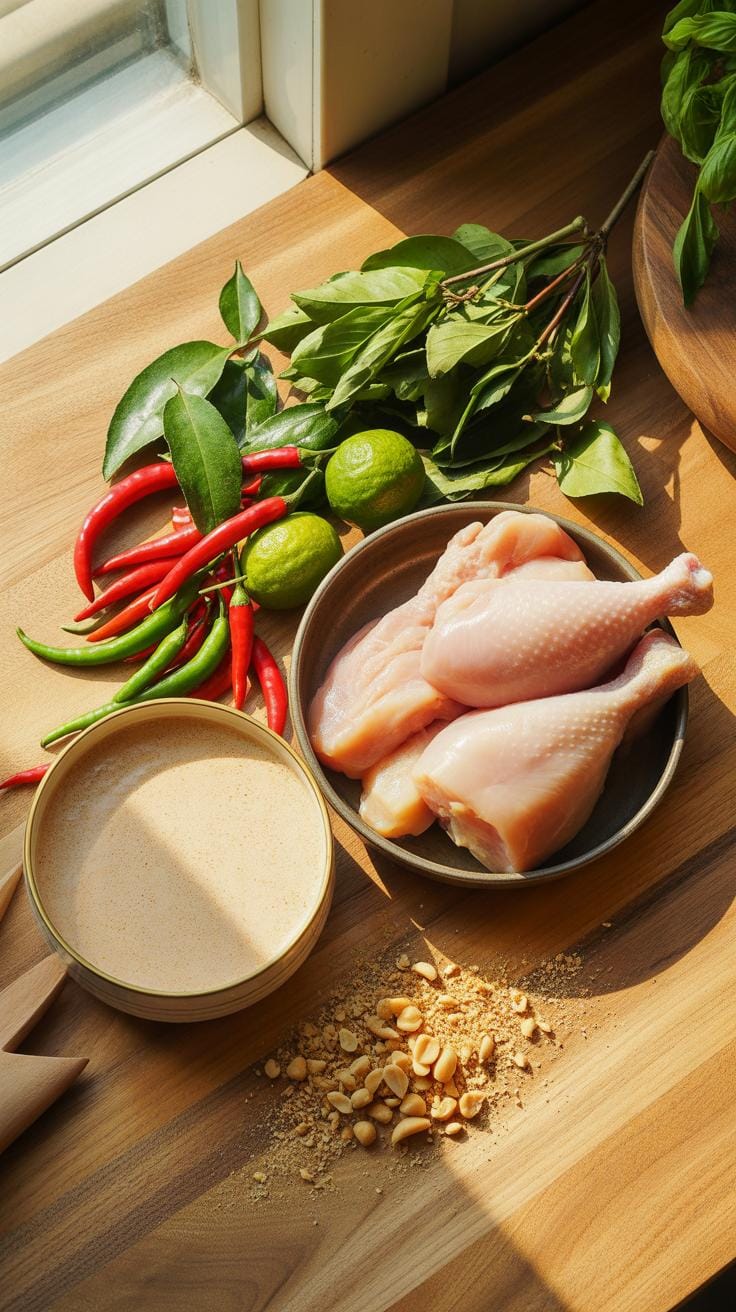
Panang curry chicken centers around a few main ingredients, each playing a distinctive role in both flavor and nutrition. The chicken acts as the primary protein source, providing the dish with a satisfying and hearty base. Its mildness also lets the other flavors shine without overpowering the palate.
Coconut milk is key here—it gives the curry its rich, creamy texture and adds a good dose of healthy fats, which helps balance the spices and soften the heat. You might find, as I did when first trying this dish, that the creaminess makes everything feel more indulgent, even though it’s mostly natural fat.
The curry paste is where much of the magic happens. Made from a blend of dried red chili, lemongrass, galangal, cumin, coriander, and garlic, it brings depth and aroma. Peanuts, often ground and mixed in or added on top, contribute a subtle nuttiness and a bit of crunch. They can tone down some of the spice’s bite and add a textural contrast that’s hard to ignore.
Kaffir lime leaves are not just garnish; they add a fragrant citrus note that refreshes the palate between bites and cuts through the richness. Their flavor might seem faint at first but linger thoughtfully.
Role Of Curry Paste And Peanuts
The curry paste’s complexity comes from its variety of herbs and spices. Fresh galangal and lemongrass offer a sharp, almost peppery brightness, while dried chilies provide heat that can range from mild to fiery. Coriander and cumin seed add earthiness and a touch of warmth, and garlic grounds the flavors with its pungency.
Peanuts play a dual role. When incorporated into the paste, ground peanuts thicken the sauce and bring a creamy, nutty undertone that balances the spice. If added as whole or chopped, they add texture, providing contrast to the smoothness of the coconut milk.
Without peanuts, the dish feels different—less rounded and sometimes sharper in spice. So, they’re not just a garnish; they’re a flavor and texture bridge, connecting the heat with the creaminess.
Importance Of Chicken And Coconut Milk
Chicken stands out as more than just protein; it’s a neutral canvas that picks up the intricate flavors from the curry paste and coconut milk. The protein content is significant for satiety and nutrition, which means the dish isn’t just flavorful but also fulfilling.
Coconut milk enriches the dish with saturated fats that create that signature silky texture. This fat also helps mellow the spicy elements, making it easier on the palate, especially if you’re sensitive to heat. But, interestingly, if used sparingly, coconut milk can let the curry’s sharp notes come through more clearly.
Together, the chicken and coconut milk form a balance: lean protein tempered by smooth fat, making each bite layered and satisfying without feeling heavy or greasy. If you ever play around with the ratios, you notice how the flavors shift—there’s a delicate but real interaction between these ingredients.
Detailed Nutritional Breakdown Of Panang Curry
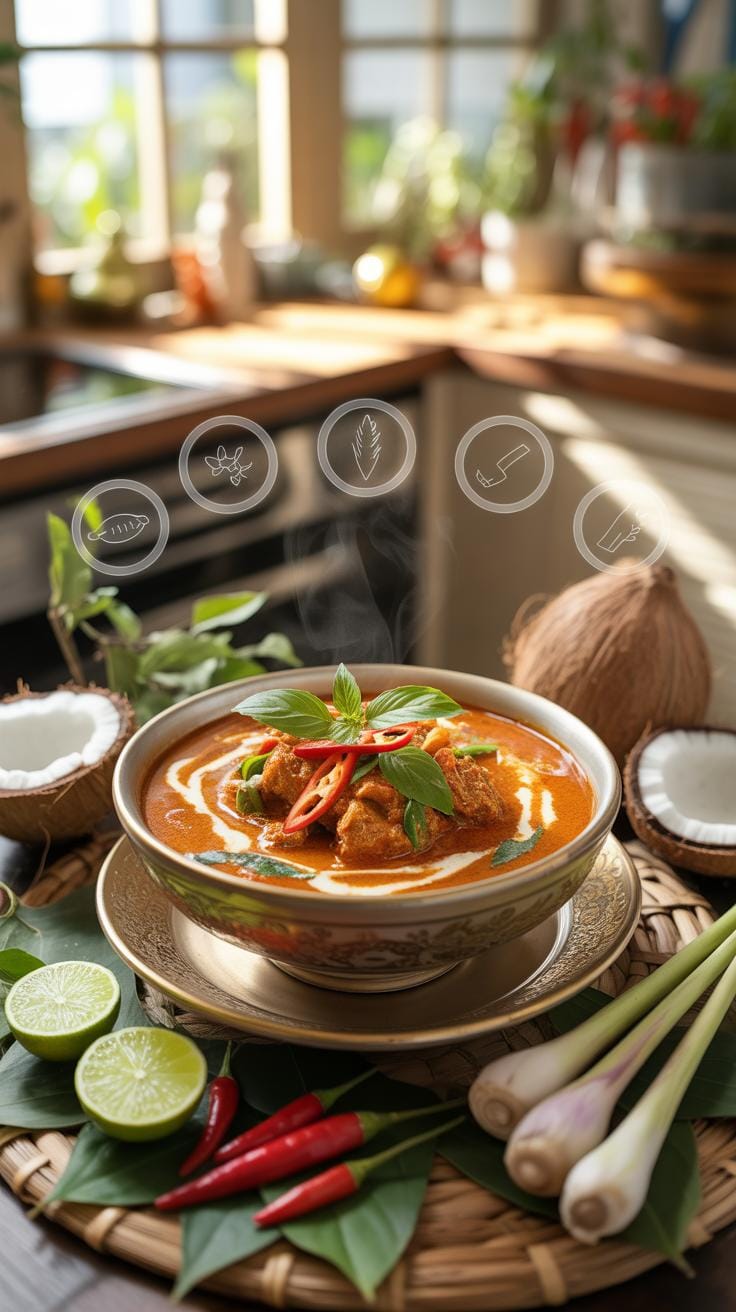
Panang Curry Chicken offers a balanced mix of calories, proteins, fats, and carbohydrates, each coming from distinct ingredients. A typical serving ranges around 400 to 500 calories. Most of these calories come from the fat content, which includes coconut milk and the natural oils from the curry paste. You’re looking at roughly 25 to 30 grams of fat per serving, with saturated fat being a considerable part due to the coconut milk.
Protein mainly comes from the chicken, often delivering about 25 grams per portion, which is quite decent for a single dish. Carbohydrates are comparatively lower, around 10 to 15 grams, mostly sourced from added ingredients like palm sugar and some vegetables such as kaffir lime leaves or bell peppers included in the curry.
On the micronutrient front, this dish carries some surprising benefits. Coconut milk provides magnesium and potassium, both important for muscle and nerve function. The red chili in the curry paste offers a dose of vitamin C, though you might not get as much as from fresh fruit. Beyond that, Panang Curry also contains iron, courtesy of the chicken and some spices used in the paste, supporting healthy blood function.
Of course, the actual nutrient content can shift a bit depending on the recipe used, especially the amount of coconut milk and sugar. But overall, it’s a dish that supplies a good mix of energy and nutrients, alongside unique antioxidants from herbs and spices that aren’t always obvious when you glance at the plate.
Panang Curry Versus Other Thai Curries
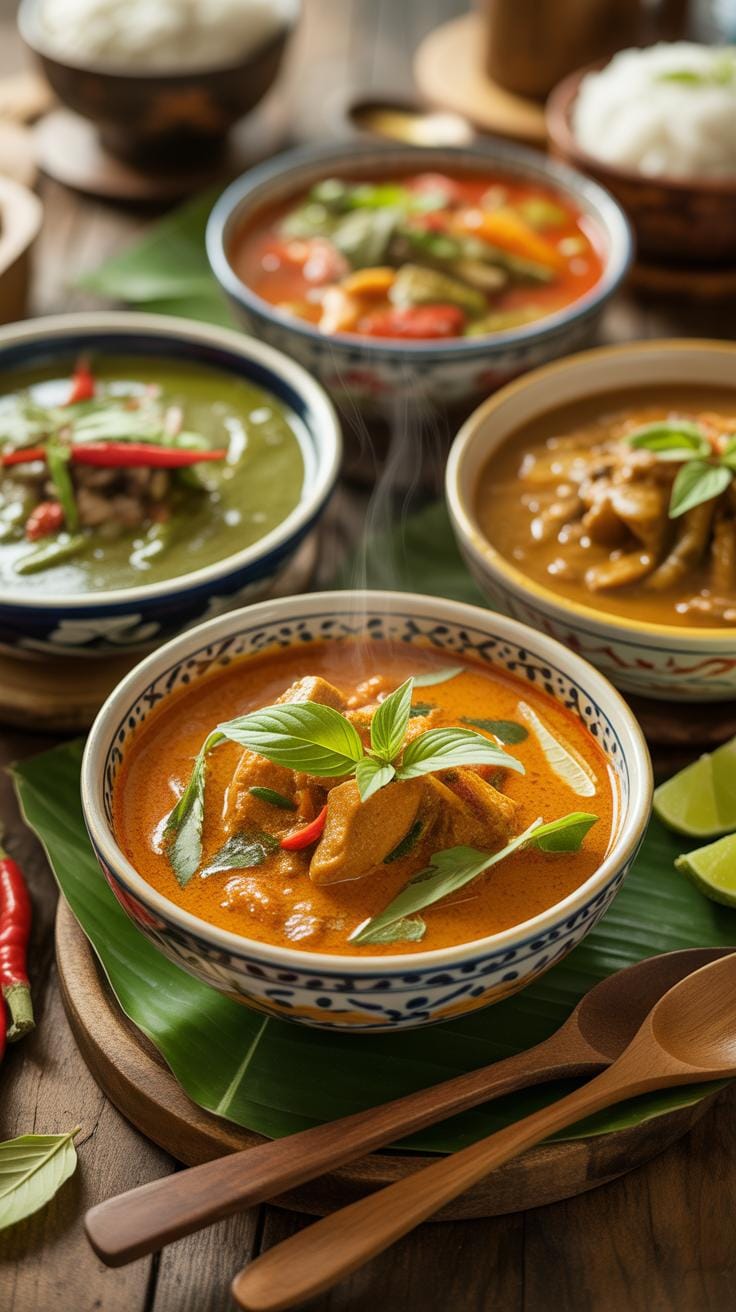
Flavor Differences Among Thai Curries
When you taste Panang curry, you’ll notice its mild sweetness and subtle nutty undertones, quite unlike most other Thai curries. It’s less fiery than the red curry, which tends to have a sharper heat from dried chilies. Green curry, by contrast, feels more herbal and fresh, often with a strong punch of coriander and basil that Panang tends to avoid. Massaman curry feels richer, leaning on spices like cinnamon and cardamom, which gives it a more earthy, almost Middle Eastern vibe—Panang sticks closer to peanut and coconut cream notes.
It’s tricky sometimes to put the exact difference into words. Panang isn’t just “less spicy”; it has this creamy thickness that balances sweetness and that gentle heat. And the nuttiness—often from ground peanuts—shifts it away from the sharper or more vibrant flavors of the others. You might find yourself wondering why you prefer one over another and realize it has less to do with heat and more to do with texture and aroma.
Nutritional Comparison Of Curries
Panang curry usually comes with a decent amount of calories and fat, mostly from coconut milk and peanuts. Compared to green curry, which often uses lighter coconut milk, Panang can be richer and a bit heavier. Red curry’s calories can be quite close, but the fat content might be lower, depending on how much coconut milk is used. Massaman, with its inclusion of potatoes and sometimes peanuts too, can have a higher calorie count and more carbs.
Protein levels across these curries are fairly similar when chicken or beef is the base, but Panang’s nut content adds a little extra protein and healthy fats not as common in green or red curries. So, if you’re looking for something slightly more filling and with more fat to slow digestion, Panang might hit that spot. Still, nutritional values can vary a lot with recipes, so it’s not a straightforward comparison.
How To Cook Panang Curry Chicken Step By Step
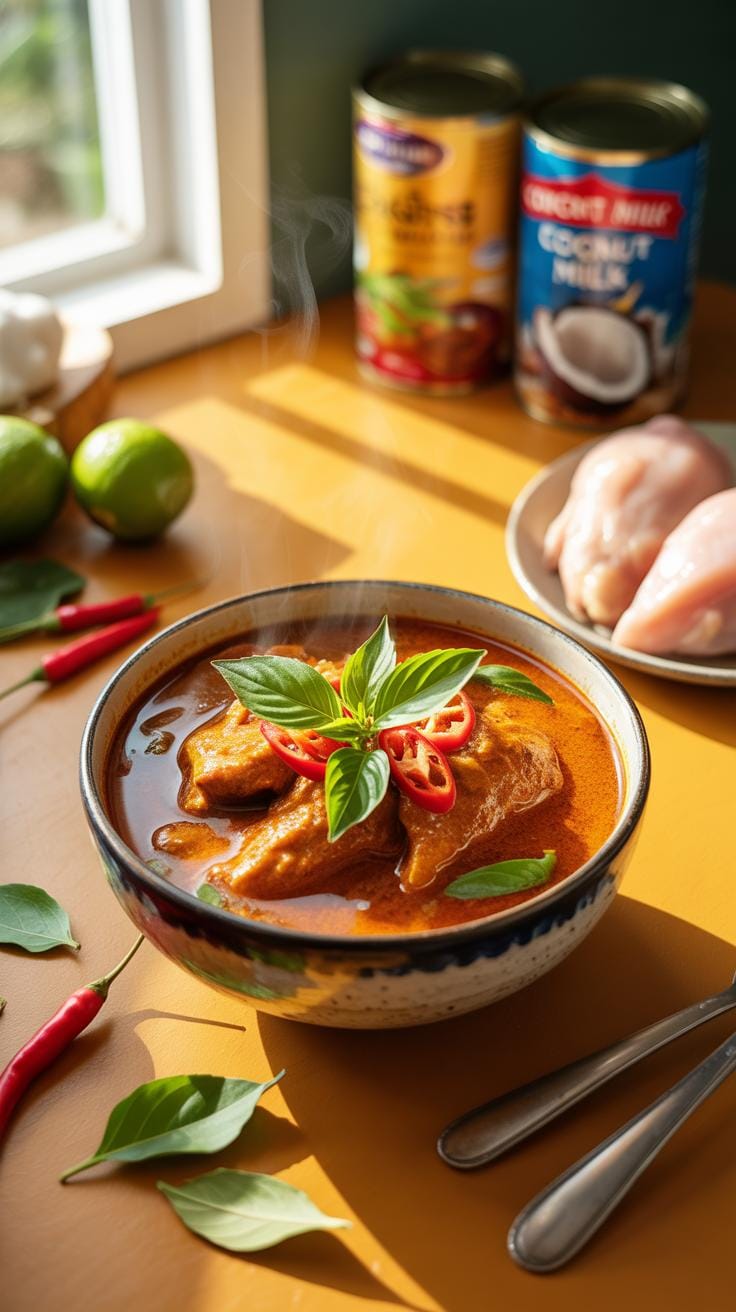
Preparation Of Ingredients And Paste
Start with fresh chicken—boneless thighs work best for tenderness, but breasts are okay if that’s what you have. Cut the meat into bite-sized pieces, about one inch each, so they cook evenly and soak up the curry flavors. For the vegetables and aromatics, chop kaffir lime leaves finely; these add a sharp citrus note that really lifts the dish. Slice or crush garlic and shallots; they are the base of the paste’s depth.
Making your own Panang curry paste can be a small project but is rewarding. Blend dried red chilies (soaked to soften), coriander seeds, cumin, lemongrass, galangal, and shrimp paste into a coarse but balanced mixture. This rough texture helps release flavors when fried. If pressed for time, store-bought paste works too, but fresh ingredients do make a notable difference—maybe subtle, but real.
Cooking Process To Achieve Best Flavor
Begin by heating a few tablespoons of oil in a pan over medium heat. Add the curry paste and stir-fry it carefully, allowing its complexity to unfold. The aroma should deepen and darken slightly, but don’t let it burn—patience here pays off. Then, pour in coconut milk slowly, stirring to combine the rich creaminess with the spicy paste. This step tempers the paste and creates that signature velvety sauce.
Now add the chicken pieces. They need to simmer gently in the sauce, about 20 minutes or until fully cooked and tender. Stir occasionally, making sure each piece is coated. Kaffir lime leaves can be added now or just before serving, depending on how intense you want the citrus taste. A sprinkle of sugar balances heat and richness, while fish sauce brings essential umami. Taste carefully at the end—sometimes a bit more salt might be needed to hit that perfect balance.
Does the sauce feel too thick? A splash of water or broth thins it without losing richness. Cooking times and heat matter—a rapid boil will toughen chicken and mute subtle flavors. Slow and steady works best, even if you’re in a hurry and tempted to rush. After simmering, let the curry rest a few minutes off heat to let flavors marry. Your patience will pay off in a dish that tastes much better than expected.
Checklist For Buying Ingredients For Panang Curry
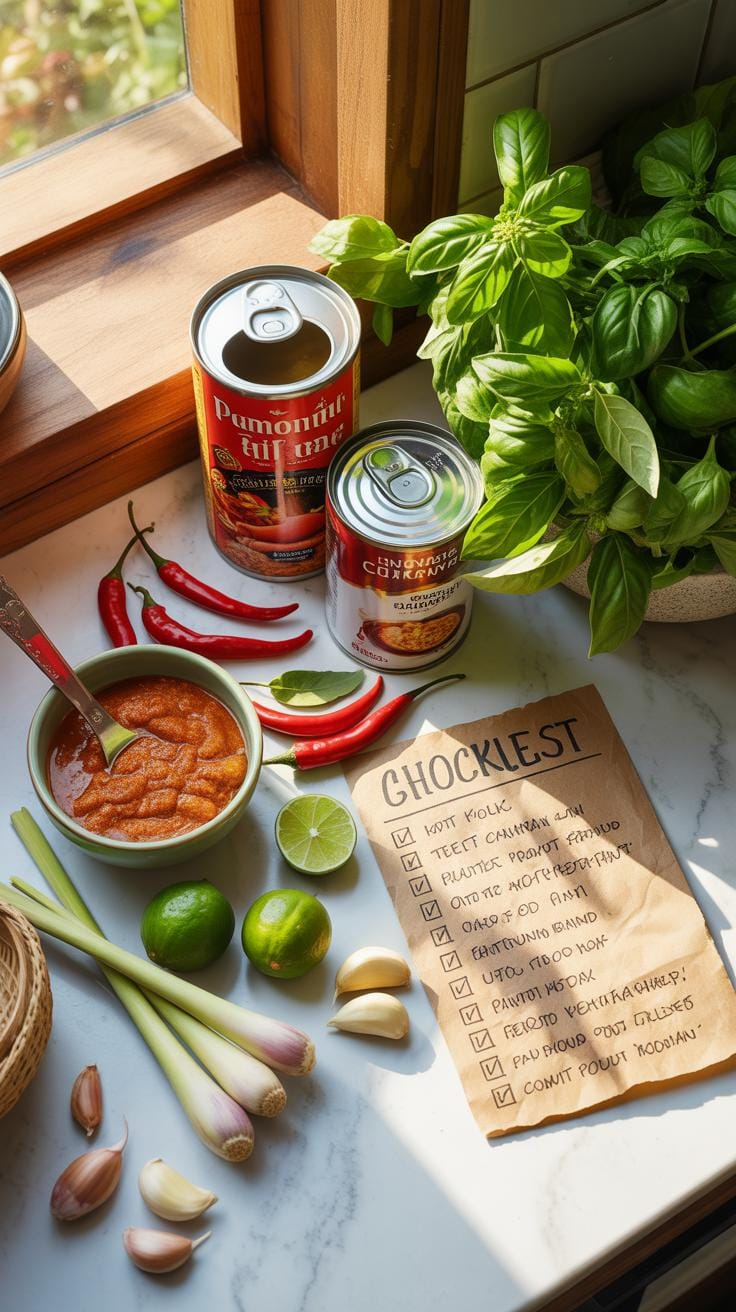
When preparing Panang Curry Chicken, you’ll want to gather a handful of essential ingredients to get that authentic flavor. Start with chicken—bone-in pieces add more flavor, but boneless works fine too. Freshness matters here. Look for skin that’s pale pink without any off smells. If fresh chicken is hard to find, frozen chicken thawed properly can work, though the texture might be slightly different.
Coconut milk is a must-have, and picking the right kind can make or break your curry. Full-fat coconut milk usually gives a richer, creamier dish. Check for cans that list only coconut and water as ingredients, avoiding added preservatives or stabilizers. If you want a lighter version, light coconut milk or a mix with cream is an option, but mind that the taste will change.
Fresh herbs make a big difference, and kaffir lime leaves are among the key ones. If you don’t see fresh leaves, dried versions are okay but won’t provide the same burst of flavor. Similarly, Thai basil and coriander bring freshness, but if you can’t find those, regular basil and parsley can serve as stand-ins, though the taste shifts.
The Panang curry paste itself deserves some attention. Making it from scratch is rewarding but takes time. Buying a good-quality ready-made paste can save you trouble. When shopping, look for pastes with visible spices and no excessive artificial additives. If fresh ingredients for homemade paste—like galangal or shrimp paste—aren’t available, you might rely on store-bought but adjust seasoning as needed.
In short, focus on freshness where it counts: chicken, coconut milk, and herbs. Don’t hesitate to adapt slightly, but be ready for subtle changes in flavor when using substitutes.
Health Benefits From Key Panang Curry Ingredients
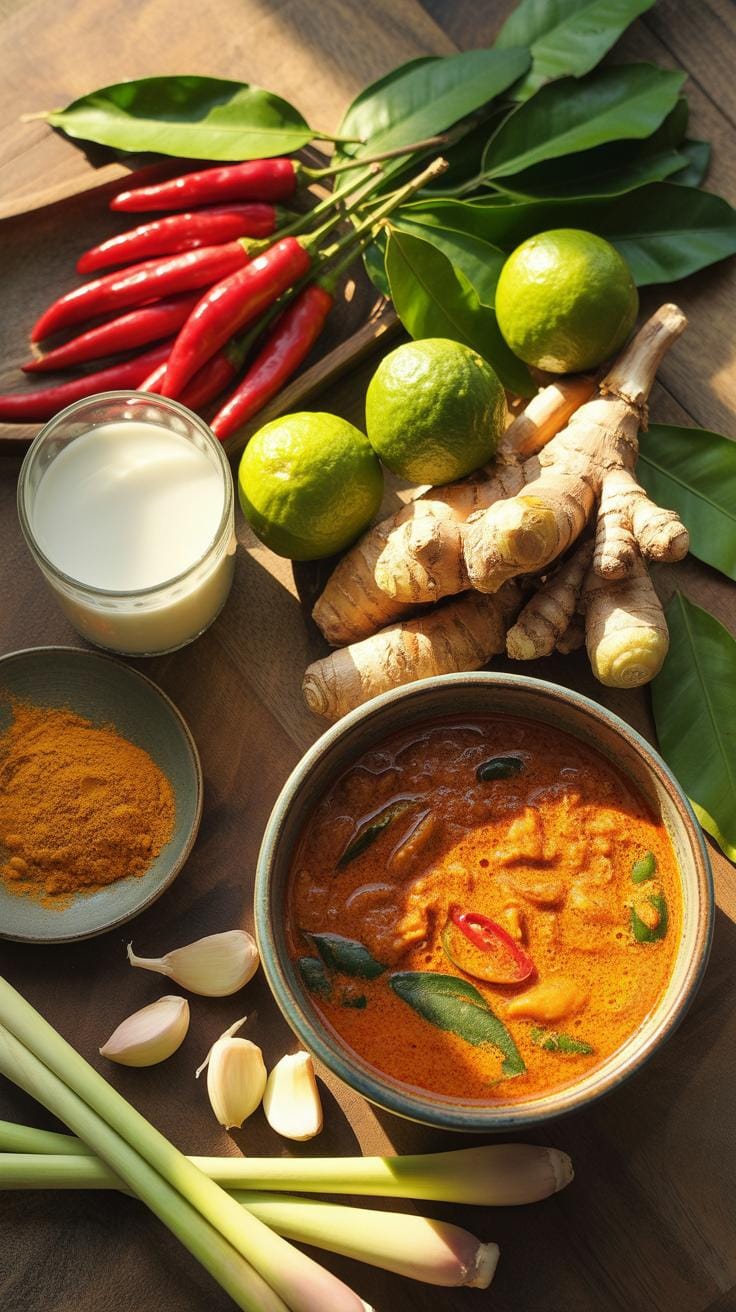
Panang curry chicken isn’t just about bold flavors; it packs some notable health perks through its main ingredients. Take the spices, for example—they’re full of antioxidants that your body can really use. Those antioxidants might help reduce inflammation and protect your cells from damage. It’s easy to overlook how much health these little spices bring to the table.
Then there’s coconut milk, which is rich in medium-chain triglycerides (MCTs). These fats are quite interesting because they’re processed differently by your body compared to other fats—you might find them easier to burn as energy rather than store as fat. I’ve noticed that dishes with coconut milk can keep me feeling satiated longer, though that may vary person to person.
Peanuts aren’t just a crunchy texture in Panang curry—they offer healthy fats and protein. These nutrients support muscle repair and provide a steady energy source. The combined effect of all these ingredients creates a dish that’s more than comfort food; it’s a modest nutritional boost wrapped in rich, complex flavors.
Nutritional Advantages Of Spices And Herbs
Spices like galangal, lemongrass, and kaffir lime leaves do more than add aroma and taste. Galangal contains compounds that many studies link to improved digestion and anti-inflammatory properties. Lemongrass has antioxidants too, and it’s been traditionally used to help soothe upset stomachs. Kaffir lime leaves bring vitamin C along with unique oils, which might aid detoxification.
If you ever brewed lemongrass tea after a heavy meal, you might have an idea how these herbs gently support digestion. The synergy among these herbs can be quite subtle, yet it seems to refresh that heavy or sluggish feeling after eating. What’s curious is that while their effects aren’t drastic individually, together they make a difference you can often sense.
Health Effects Of Coconut Milk And Peanuts
Coconut milk is a standout for its content of medium-chain triglycerides. These fats are readily absorbed, providing quick energy instead of being stored. Some people find this helpful for maintaining energy during the day. But it’s also quite calorie-dense, so balance is key.
Then there’s the role of peanuts, a regular ingredient in Panang curry paste and garnish. Peanuts contribute heart-healthy monounsaturated fats and some protein, which can help keep you feeling full. Their combination with coconut milk’s fats makes the dish rich but balanced in a way that might not feel overly heavy.
Interestingly, while both coconut milk and peanuts add fats, their types differ in how your body uses them. You might wonder if these fats together are beneficial—it often depends on your overall diet and lifestyle. Still, they bring a nutritional depth that matches the curry’s deep flavors. It’s a curious blend to consider when you’re thinking about health and indulgence on your plate.
Common Mistakes When Making Panang Curry
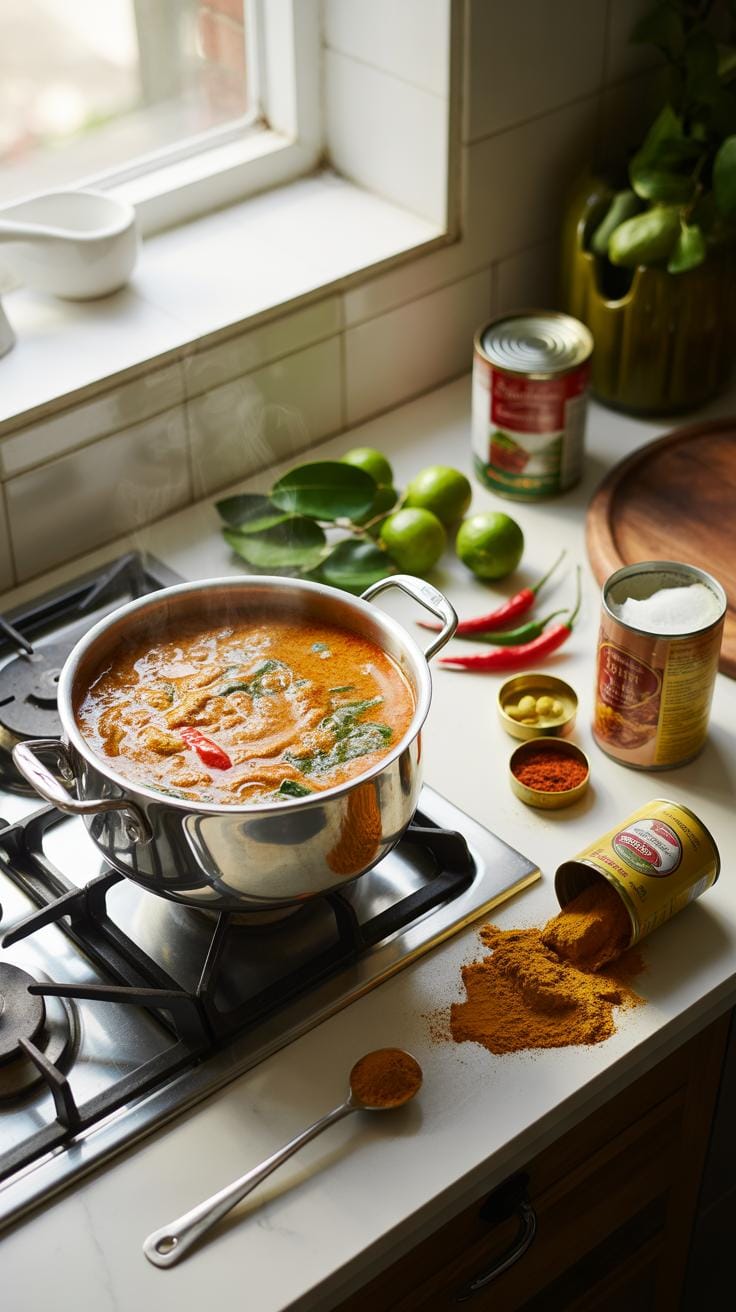
Avoiding Overcooking And Balancing Flavors
One frequent error when making Panang Curry Chicken is letting the chicken cook for too long. Overcooked chicken becomes dry and loses its tenderness, which throws off the entire dish’s texture. I’ve found it’s better to add the chicken pieces just when the curry paste is ready and cook them quickly until just done. It’s tempting to leave it simmering to “develop” flavors, but that often backfires.
Another point worth mentioning is the coconut milk. Pouring in too much can dilute the curry’s natural richness and mask the complex spice profile. The dish might turn overly creamy and mellow, losing that signature balance between spicy, salty, and sweet. It’s a delicate dance—too little coconut milk, and the curry feels dry; too much, and the flavors become muted.
Mistakes In Frying Paste And Ingredient Ratios
Stir-frying the curry paste is critical, but many overlook how easy it is to burn it. You want to fry until fragrant, not blackened. The difference is subtle but huge. Burning the paste imparts bitterness and ruins the base flavor. It’s usually best to do this on medium heat and keep it moving.
Getting the fish sauce and sugar right can be tricky, too. Some add too much fish sauce, making the dish overly salty; others go heavy on sugar trying to balance it, which can end up tasting cloying instead of pleasantly sweet. I’ve noticed that adjusting these ingredients gradually and tasting frequently helps. But there’s always a risk of second-guessing yourself. Why is it so hard to get that perfect harmony? Perhaps it’s just the nature of Panang Curry—delicate yet demanding.
Examples Of Serving Panang Curry Chicken
Traditional Thai Serving Suggestions
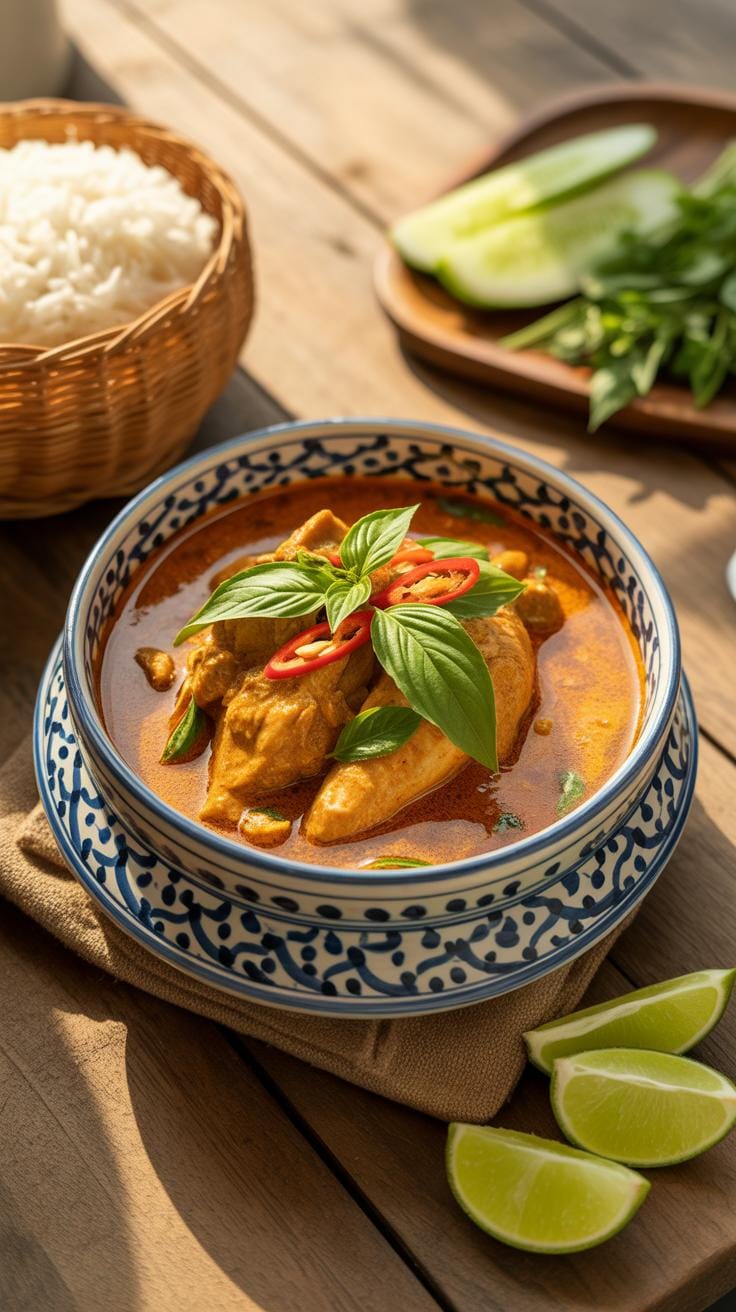
Panang Curry Chicken usually shines when paired with plain jasmine rice. The rice’s subtle fragrance balances the curry’s richness, making each bite smooth and satisfying. You can’t go wrong with simple steamed vegetables alongside, like sliced cucumbers or steamed green beans—they offer a fresh, crisp counterpoint to the creamy curry sauce.
Often, a small bowl of sliced red chilies in vinegar or fresh herbs like Thai basil accompanies the dish, adding layers of flavor and a bit of heat boost if you like. Presentation tends to be straightforward in a traditional setting: the curry ladled neatly over the rice on a round plate, garnished lightly with kaffir lime leaves or crushed peanuts to bring out subtle textures.
Modern Variations And Presentation Ideas
In more contemporary kitchens, Panang Curry Chicken can take on new forms. For example, serving it over rice noodles instead of rice creates a different texture and makes the dish feel lighter. I once tried it tossed with wide rice noodles, and the curry clung beautifully to them, making each mouthful a little more indulgent but still balanced.
Another idea is turning Panang Curry into a kind of “curry bowl,” layering the chicken with quinoa or roasted vegetables. Presentation-wise, think of using shallow bowls and contrasting colors—maybe a sprinkle of chopped peanuts and fresh lime wedges for brightness. It’s not about making it overly fancy, but highlighting contrasts and inviting you to dig in. Plus, the fusion route—like a Panang curry taco with crunchy slaw—pushes boundaries, but maybe that’s a bit bold for some.
Tips For Storing And Reheating Panang Curry
Safe Storage Practices For Leftovers
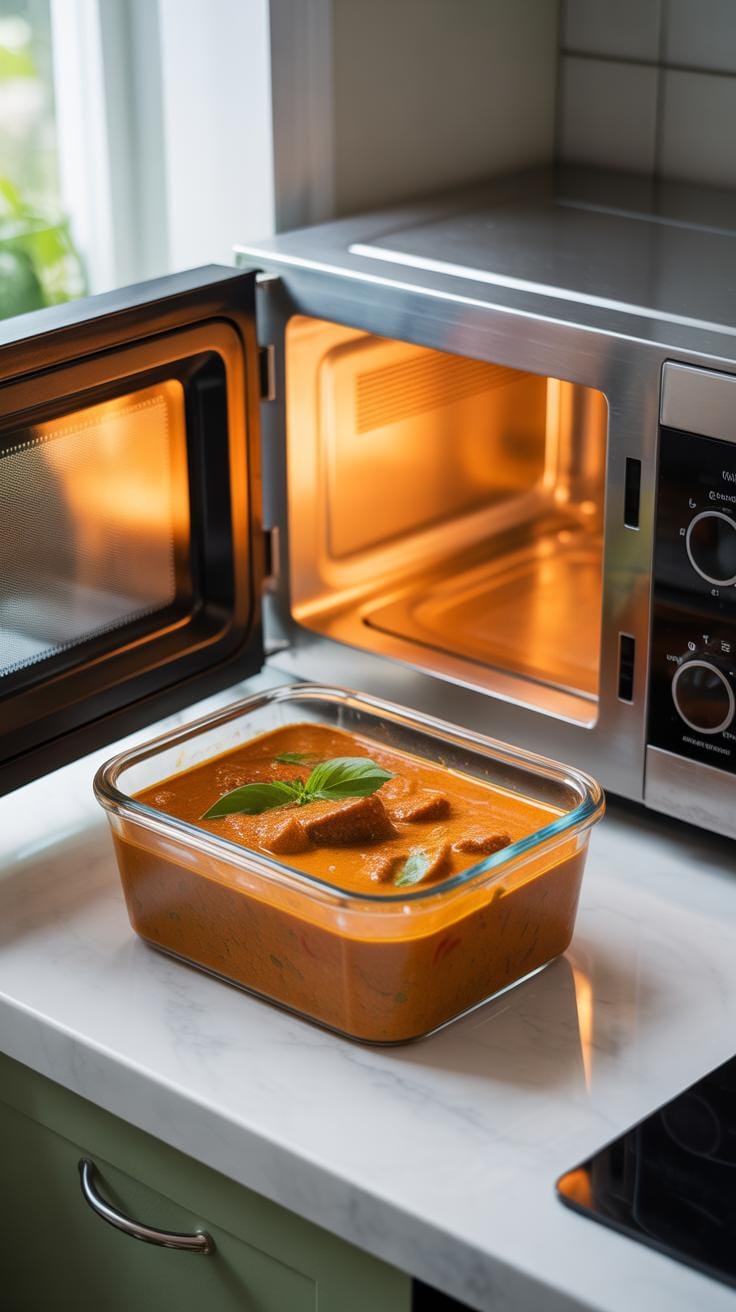
When it comes to storing leftover Panang Curry Chicken, choosing the right container makes a significant difference. Use airtight containers to keep the curry’s flavors intact and to prevent it from absorbing fridge odors. Glass containers with tight lids work well; if you only have plastic, make sure they seal properly.
In the fridge, the curry should be stored at or below 4°C (39°F) and ideally consumed within three days. If you want it to last longer, freezing is your friend. Freeze in meal-sized portions to avoid thawing too much food at once—this keeps the curry tasting fresher. Remember, Panang is rich in coconut milk, and that can separate after freezing, so it’s good to give it a stir when reheating.
Reheating Techniques To Preserve Flavor
Reheating Panang Curry gently really preserves its creamy texture and tender chicken pieces. You can warm it up on the stovetop over low heat, stirring occasionally. This slow heat prevents the coconut milk from curdling and keeps the sauce smooth. Microwaving works too, but go for short bursts of heat, maybe 30 seconds at a time, stirring in between.
If the sauce looks a bit thickened after sitting, add a splash of water, or better yet, a little coconut milk if you have some handy—it helps bring back that silky mouthfeel. You might also find that the chicken absorbs a bit of the sauce overnight, so stirring frequently during reheating not only warms it evenly but also refreshes the dish.
Conclusions
Panang Curry Chicken combines rich taste with several nutritional benefits from its key ingredients like coconut milk, spices, and chicken. It offers an excellent source of protein, healthy fats, and antioxidants. Knowing its components helps you enjoy this dish healthily and with balance.
The flavor profiles make Panang Curry distinct with a mix of sweet, spicy, and nutty notes. Understanding what makes this dish special helps you better appreciate its place in Thai cuisine and how to prepare it well for maximum taste and nutrition.