
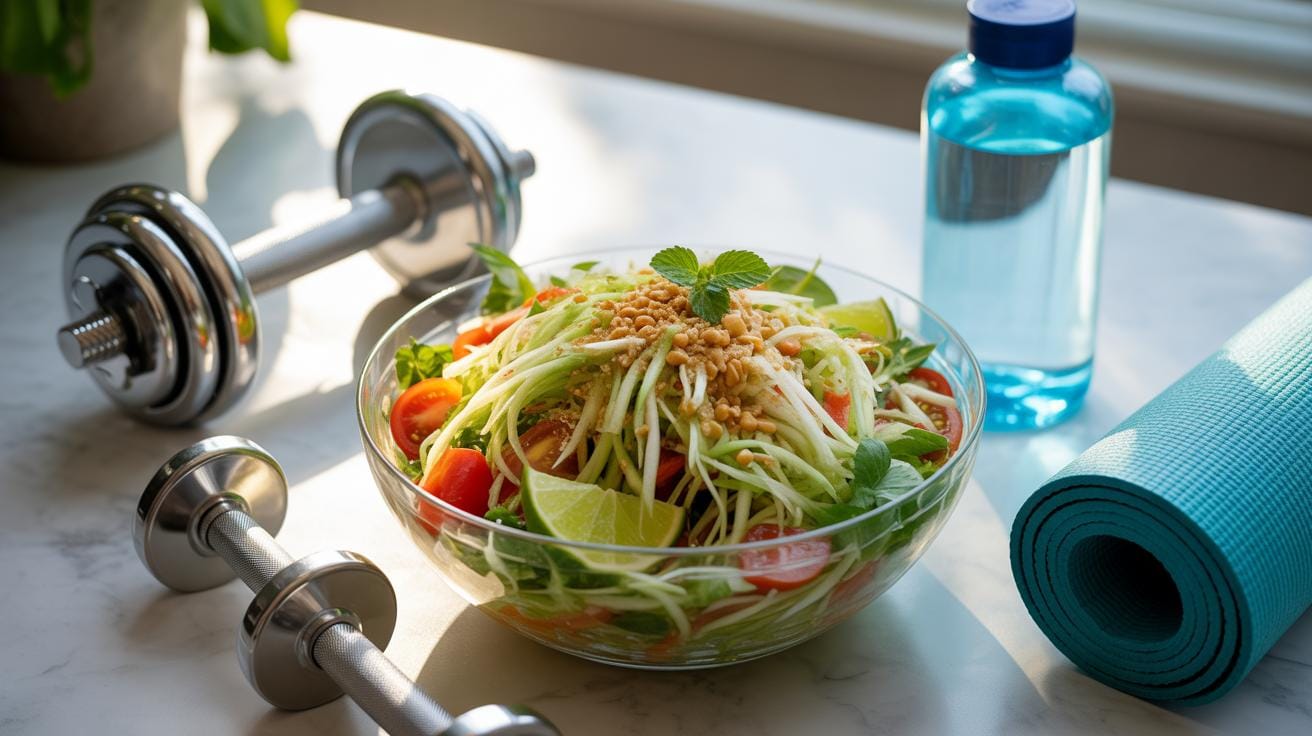
Why Green Papaya Salad Supports Fitness Goals
Green papaya salad offers a unique mix of bold flavors and valuable nutrients that can support your fitness goals. This dish, made from shredded unripe papaya, is not only tasty but also packed with vitamins and minerals important for your body’s recovery and energy levels.
For fitness enthusiasts, understanding how green papaya salad can contribute to health is helpful. This article will cover how its nutrients affect your body, practical ways to include it in your diet, and comparisons with other healthy dishes to guide your choices.
Nutritional Value Of Green Papaya Salad

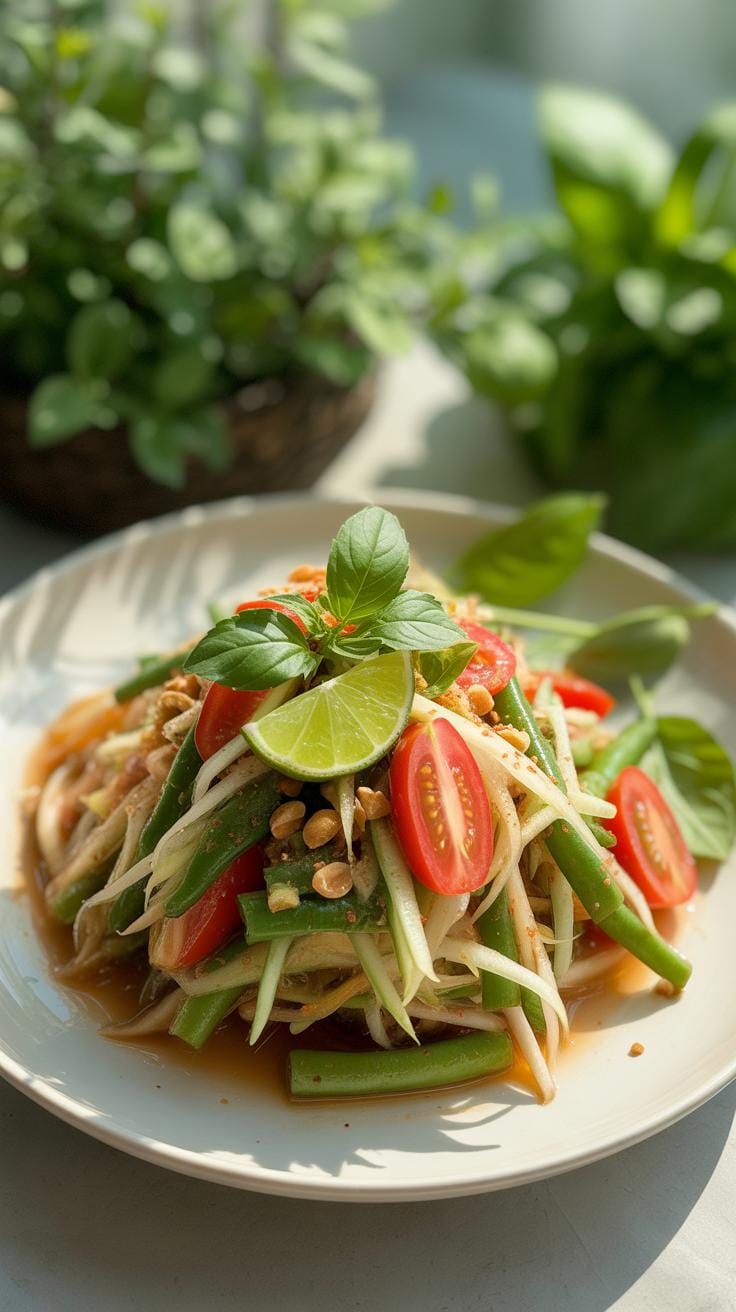
Green papaya salad is more than just a refreshing dish—it carries a range of nutrients that can support your fitness journey. The raw papaya itself is packed with moisture and fiber, both of which aid digestion and can keep you feeling fuller longer after a workout.
Since fitness enthusiasts often pay attention to micronutrients, it’s interesting to see what green papaya brings to the table: high levels of vitamins A, C, and E play important roles here.
Vitamins And Minerals In Green Papaya
Vitamin A in green papaya helps maintain healthy vision and supports immune function, which can sometimes get compromised when you’re pushing yourself hard physically. Vitamin C is probably the most talked-about antioxidant—it helps reduce inflammation and accelerates recovery by repairing tissues, which is handy after tough training sessions. Vitamin E is another antioxidant that protects cells from oxidative stress, something your body experiences during intense exercise.
Besides vitamins, green papaya contains minerals like potassium and magnesium. Potassium helps regulate fluid balance and muscle contractions, so cramps might not hit you as often. Magnesium, on the other hand, plays a role in energy production and muscle relaxation. It’s the kind of mineral that, if you don’t get enough, you might notice stiffness or fatigue sneaking in.
Protein Content Impact On Health
When it comes to protein, green papaya salad isn’t exactly a powerhouse—it has some, but not a significant amount. Still, the small protein content combined with other ingredients often added to the salad, like peanuts or shrimp, can contribute to muscle repair and recovery.
I’ve found it works well as a light protein complement rather than a main source. If you’re relying solely on the salad for protein, that might slow your progress. But paired with a proper workout meal or post-exercise snack, it’s a solid addition that supports your goals without feeling heavy.
Does it make sense to count green papaya salad as a core protein source? Probably not. But it adds enough to keep your overall nutritional intake balanced while offering other benefits you might overlook at first glance.
How Green Papaya Salad Supports Fitness
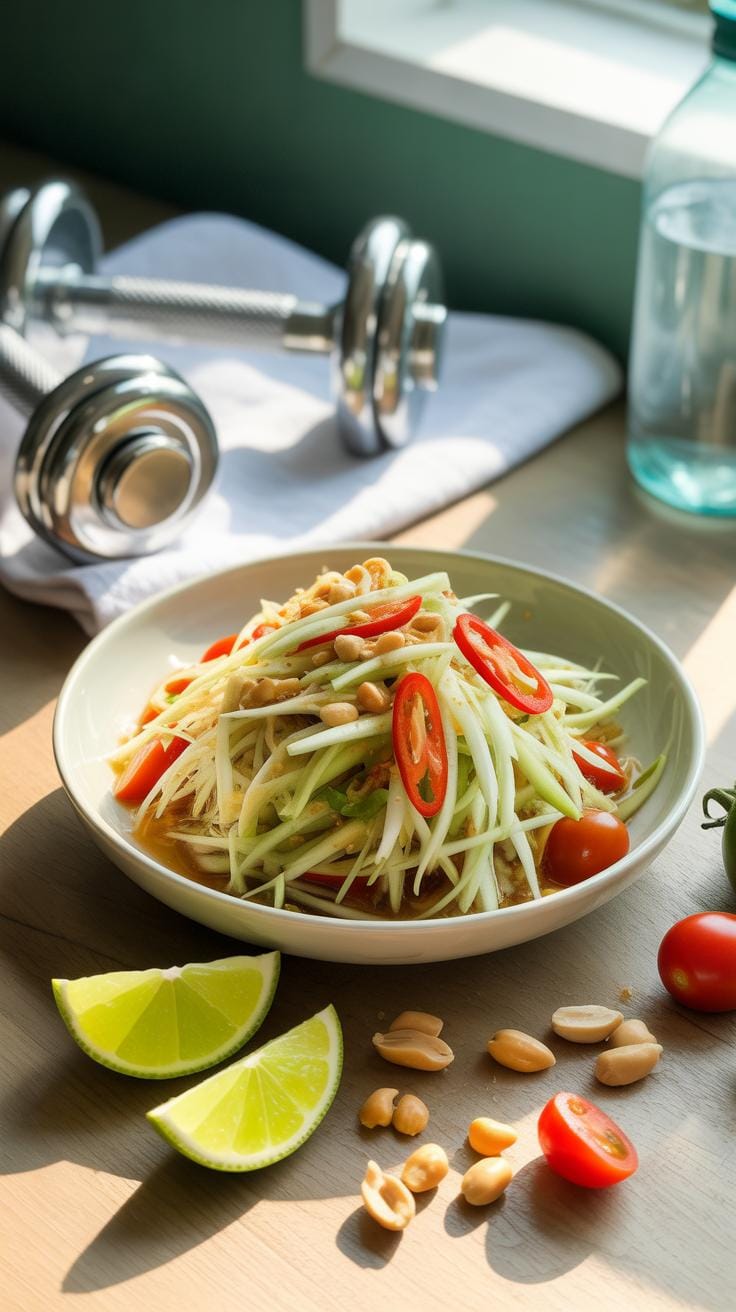
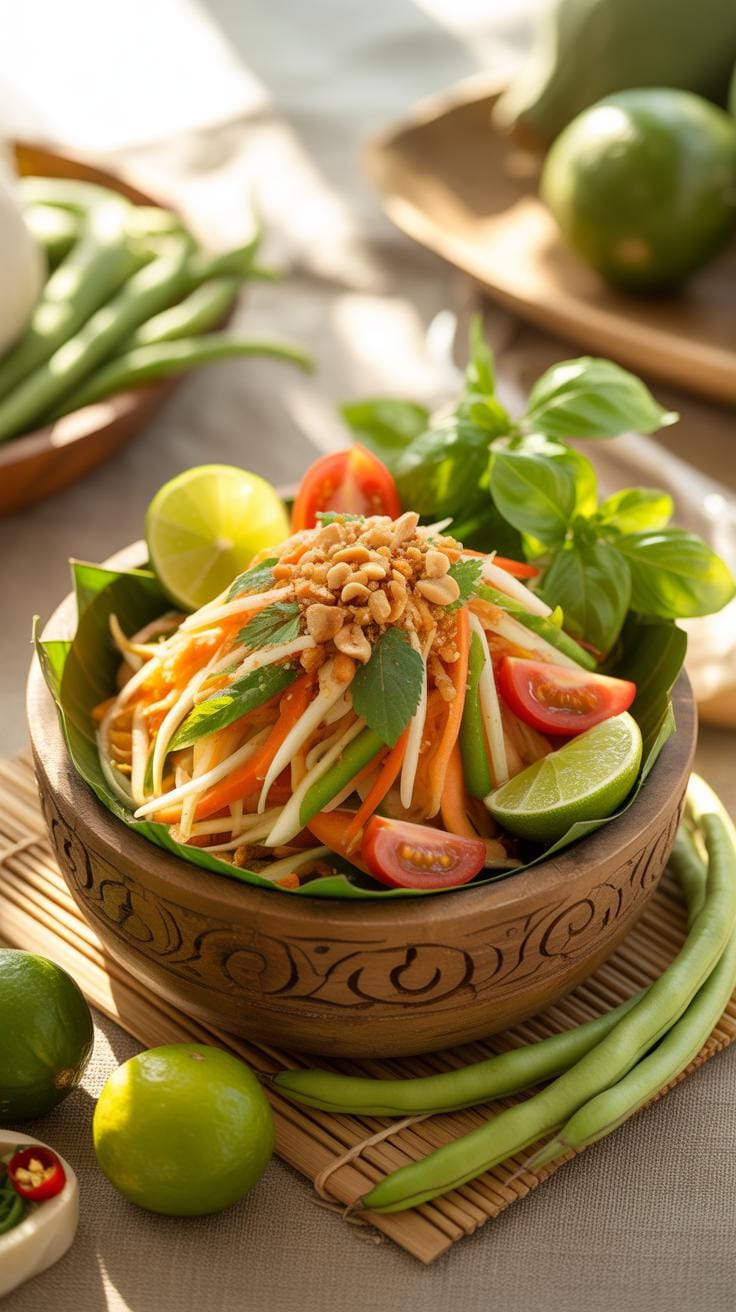
Eating green papaya salad can play an interesting role in supporting your physical fitness and recovery after exercise. The salad combines raw green papaya with ingredients like lime juice, chili, and peanuts, creating a nutrient-rich dish that’s light but quite impactful.
The enzymes found in green papaya, especially papain, break down proteins and may help reduce muscle soreness after workouts. So, if you’re someone who feels stiff or twitchy after training, this salad might aid in calming that discomfort — though it’s not exactly a miracle cure. Plus, the fiber content helps keep your gut happy, which can influence how well your body absorbs other nutrients needed for muscle repair.
Also, the fresh lime and other veggies in the salad provide a mild dose of antioxidants. This can help fight off some of the oxidative stress caused by intense exercise, possibly supporting better recovery over time. I remember trying it after a tough leg day and feeling less bloated than usual, though I can’t say if it was all thanks to the salad or just coincidence.
Incorporating green papaya salad could add a fresh angle to your post-workout meals. Not too heavy, but enough to give your body a bit of what it needs to bounce back. Have you ever noticed how sometimes the simplest dishes end up making you feel better after a session? This might be one of those cases.
Boosting Digestion And Metabolism
The enzymes in green papaya deserve a closer look because they’re somewhat unique compared to what you usually find in typical fruits or veggies. Papain, which is abundant in green papaya, helps digest proteins more efficiently. That means your body can extract nutrients from your meals faster and with less strain.
For fitness enthusiasts, this can translate into more energy available during workouts because nutrients get processed more smoothly. Think of it this way: if your stomach doesn’t have to work overtime breaking down protein-rich foods, your metabolism might keep running without unnecessary interruptions. But metabolism isn’t a simple switch, right? There’s a lot of factors involved, so papaya’s enzymes contribute, but only as part of the bigger picture.
Also, the fiber content slows digestion just enough to prevent spikes in blood sugar. That steady release of energy is helpful when you want to maintain endurance during longer training sessions. It’s not magic, but the combination of fiber and enzymes in green papaya salad pushes your digestion in a positive direction. Personally, I find it quite useful on days when I want to avoid feeling weighed down but still need sustained energy.
Hydration And Electrolyte Balance
Green papaya salad isn’t just about texture and taste; it plays a subtle part in keeping you hydrated during exercise. The salad’s base—shredded green papaya—has a high water content, which helps replenish fluids lost through sweat. But that’s only part of it.
The lime and chili in the dressing introduce electrolytes like potassium and sodium in small amounts. These minerals are key players in muscle function and fluid balance. When you work out, especially in warmer conditions, sweating depletes these electrolytes, which can cause cramps or fatigue.
Eating green papaya salad after or even before a workout could provide a gentle boost in restoring this balance. It may not replace sports drinks loaded with electrolytes, of course, but for many, it’s a more natural and tasty alternative. Plus, the crunchiness and zest make it refreshing enough that you might even crave it when thirsty or worn out.
So, do you notice your hydration feels better when you include fresh, watery veggies like green papaya salad in your meals? I’ve found that such simple additions sometimes matter more than expected in workout routines.
Green Papaya Salad Versus Other Salads
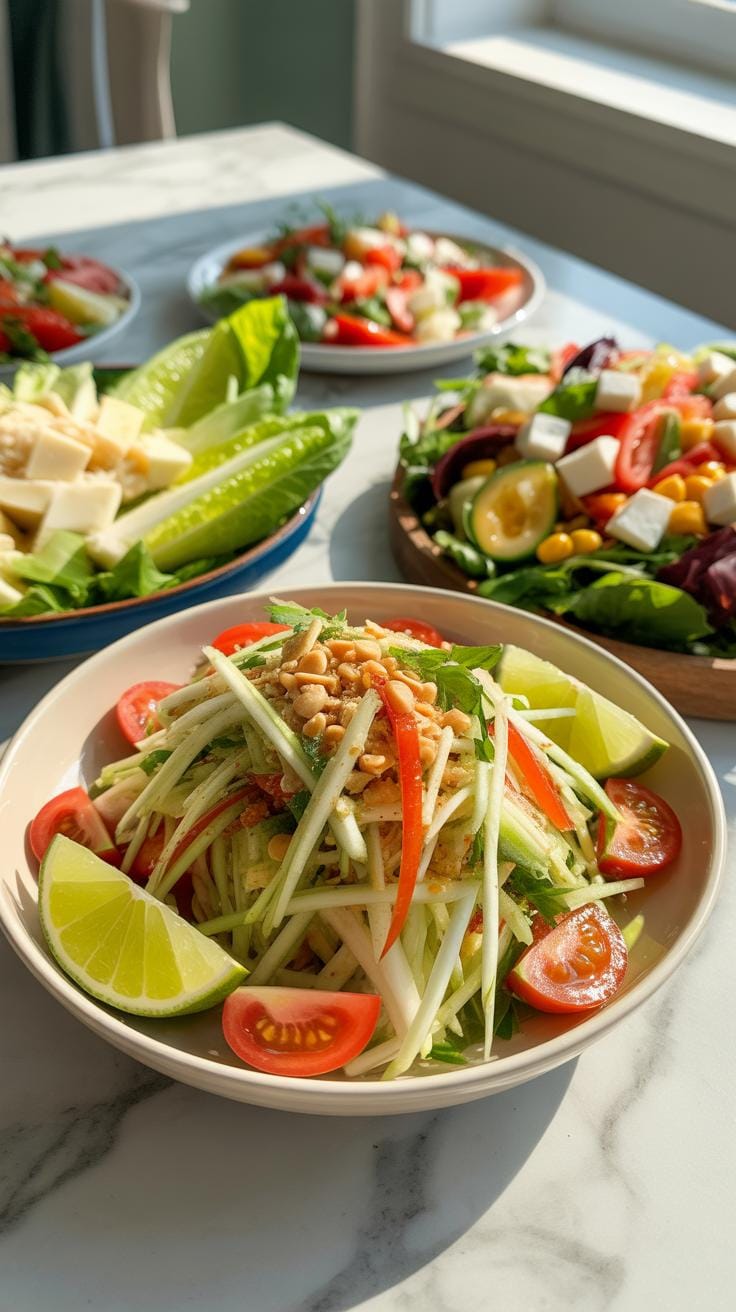
When you put green papaya salad next to more common salads, the differences pop up fast, especially if you’re watching your calories and nutrients. Unlike many fruit-based salads that can sneak in extra sugars, green papaya salad stays relatively low in sugars and calories. For example, a standard fruit salad often has natural sugars from watermelon, mango, or grapes, pushing the sugar content higher without you necessarily noticing.
Green papaya salad typically contains around 120 to 150 calories per serving, depending on how much dressing is used, with sugar levels remaining modest due to the unripe fruit. Compare this to a sweet fruit salad that easily exceeds 200 calories and carries a higher sugar load. If you’re trying to avoid sugar spikes during workouts or recovery, that difference matters.
Looking at nutrient density makes it more interesting. Green papaya salad packs fiber, vitamin C, vitamin A precursors, and some potassium, which supports muscle function. Its unripe mango or carrot cousins might offer vitamins too, but the crunch and fiber from green papaya feel unique. Most leafy green salads focus on folate and vitamin K but often lack the higher vitamin C punch found here.
One subtle point: the spicy, tangy dressing common in green papaya salad can boost digestion and add beneficial compounds—something that many plain vegetable salads miss. Still, if you prefer creamy dressings or sweetened versions, the benefits shift. So, depending on what you’re after—lower sugars, high vitamin C, or fiber—green papaya salad holds its own, but it’s not a clear-cut winner every time.
Make Green Papaya Salad At Home
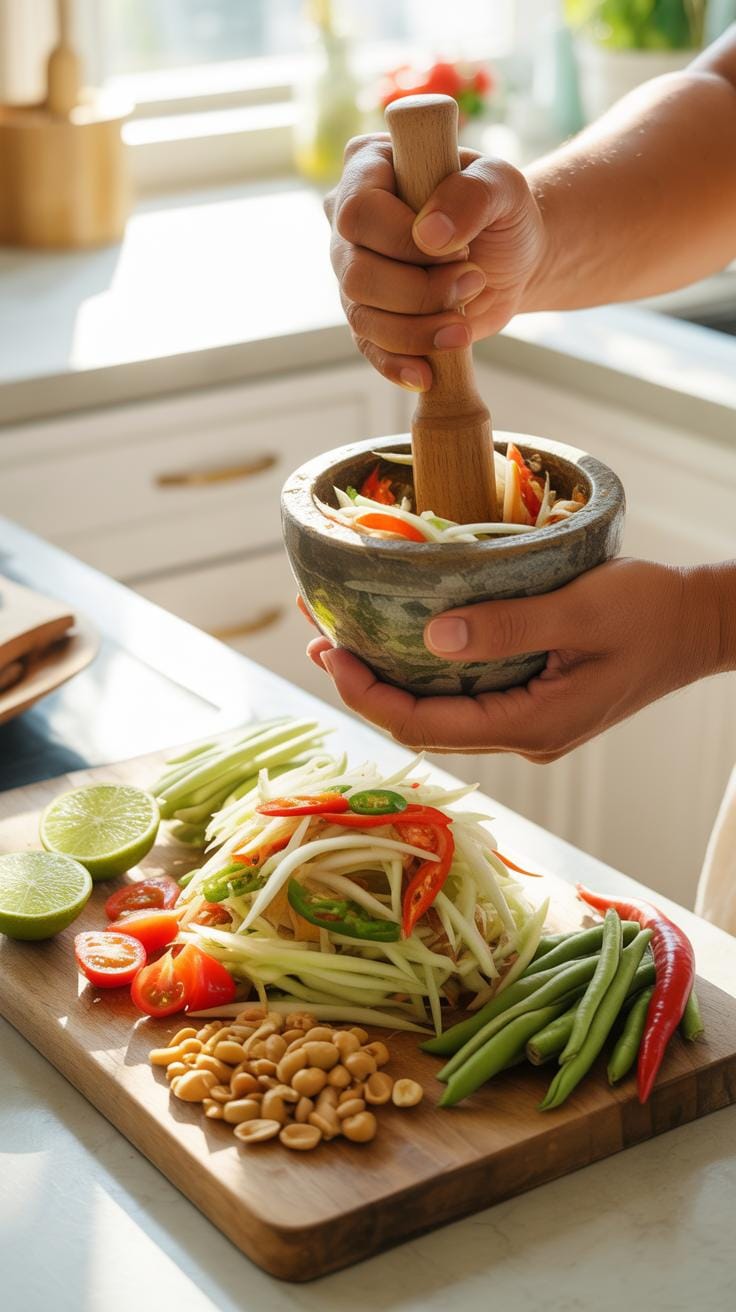
Choosing The Best Ingredients
Finding a good green papaya can be a bit tricky if you’re not used to it. You want one that’s firm, not soft or yellowing—that means it’s still unripe and perfect for salad. The skin should be smooth without too many blemishes or bruises. Sometimes, the size doesn’t matter as much as the texture. Also, look for other fresh ingredients like crisp carrots, bright green beans, and fresh lime. If the herbs look wilted, skip them; fresh herbs make a big difference in both flavor and nutrients.
When it comes to nuts or dried shrimp, if you use them, pick ones that look fresh and clean—old or stale nuts ruin the punch of the salad. Oh, and try to get natural fish sauce instead of processed kinds with extra additives. It’s those little things that matter more than you might expect. Doing this makes your salad more nutrient-dense and simply tastier.
Step By Step Preparation Process
Start by peeling the papaya carefully then shred it with a grater or a sharp knife, whichever you find easier. I tend to prefer a hand grater because it feels more controlled, but it takes a bit longer. Keep the shreds thin to keep them crisp and light. Toss the shredded papaya in cold water to keep it fresh and crunchy—don’t skip this step even if it seems like extra work.
Next, prepare your other veggies—thinly slice carrots, cut green beans into bite-size pieces, and roughly chop your herbs. Mix everything gently in a large bowl. To dress, squeeze fresh lime juice, add a little fish sauce, and a pinch of palm sugar or honey if you like a touch of sweetness. Stir it all together carefully; you don’t want to bruise the papaya shred or lose that crisp bite. Give it a quick taste and adjust seasoning—lime or fish sauce—depending on what you prefer.
This process keeps the nutrients intact and flavors fresh, which is crucial for a salad meant to serve as a fitness meal. Plus, it’s fast and satisfying. Sometimes, I wonder why more people don’t try making this simple dish at home—it just fits so well in a healthy routine.
Common Mistakes In Preparing Papaya Salad
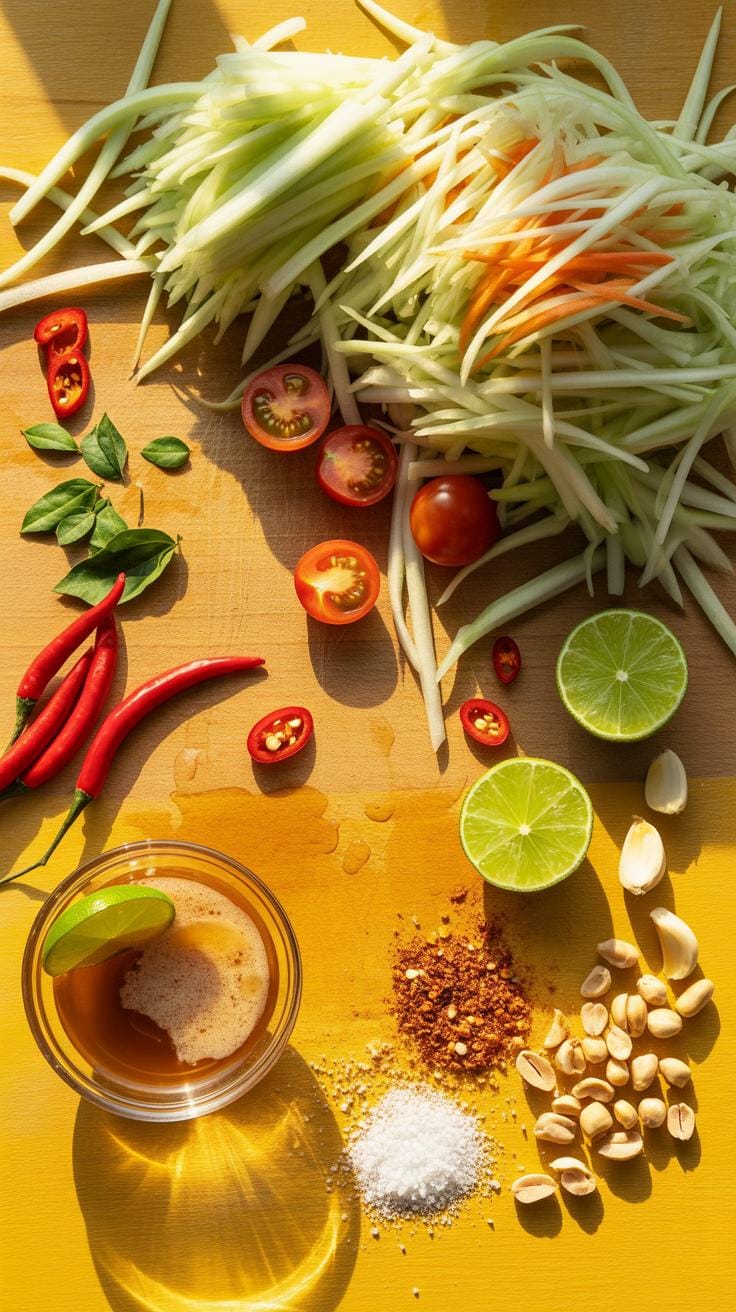
One frequent slip-up when making green papaya salad is going overboard with high-sodium ingredients like fish sauce or plain salt. It might be tempting to just pour it in for that punch of flavor, but too much sodium can overshadow the freshness and actually work against your health goals, especially if you’re mindful about blood pressure or hydration during workouts.
To keep things balanced, try cutting back on fish sauce and experiment with alternatives like lime juice or a bit of tamarind paste. These add tang without packing the same salty punch. Sometimes, a splash of low-sodium soy sauce or even a tiny pinch of sea salt does the trick—no need to drench the salad.
Another common mix-up is using ripe papaya instead of the green, unripe one. This might seem harmless—after all, it’s still papaya—but it changes the salad in more ways than one. Ripe papaya is sweeter and softer, which alters the texture and flavor profile. More so, ripe fruit has a different nutritional impact, with less fiber and less of the specific enzymes green papaya offers, which some believe aid digestion and inflammation.
If you want that classic crisp and tang, and especially if you want the particular workout recovery benefits associated with green papaya, sticking to the unripe fruit is the way to go. The wrong choice here can feel like a subtle but important misstep in making the salad truly supportive of your fitness routine.
Health Benefits Checklist For Fitness Enthusiasts

When you’re serious about working out, what you eat can make or break your progress. Green papaya salad offers several benefits that might surprise you, especially if you haven’t looked closely at its nutrients before. Here’s a quick checklist of what this salad brings to your fitness routine.
- Supports muscle recovery: The enzymes and vitamins in green papaya help repair muscle tissue faster after exercise.
- Reduces inflammation: Natural compounds in the salad ease inflammation, potentially decreasing post-workout soreness.
- Enhances digestion: Better digestion means your body absorbs nutrients more effectively, key for maintaining energy and health.
- Boosts hydration: The high water content helps you stay hydrated, especially after intense training sessions.
- Promotes weight management: Low in calories but high in fiber, it keeps you feeling full longer, preventing overeating.
These points might make you rethink what “side dish” means, especially if you value performance and recovery. The mix of textures and flavors also encourages eating something fresh and nutrient-dense rather than something overly processed—that’s a subtle but valuable advantage.
Nutrient Support For Recovery
Some nutrients in green papaya salad are quite helpful after working out. Vitamin C, for one, is a key player—it helps repair connective tissue, which can get strained during workouts. Papain, an enzyme abundant in green papaya, breaks down proteins, possibly aiding digestion and muscle repair, though exactly how effective this is isn’t fully nailed down.
Magnesium in the salad helps muscles relax and reduces cramping, which I’ve personally found useful after a tough day of squats. Also, antioxidants from the papaya and accompanying ingredients may reduce oxidative stress, something you probably face every time you push your limits. While none of these alone make a “magic potion,” their combined presence in a single meal makes green papaya salad worthy of a spot in your meal plan.
Energy Boosting Properties
Ever noticed how some meals make you crash after a workout? Green papaya salad tends to avoid that. It contains moderate carbs and fiber, releasing energy slowly and preventing sharp sugar spikes. That steady energy supports longer workouts and better focus.
Because it’s so nutrient-rich, eating this salad can give you the raw materials your body needs to make energy efficiently. But, of course, it’s not a replacement for carbs from grains or fruits; think of it more like a supplement to keep your energy steady rather than a quick fix.
So next time you’re planning your workout fuel, maybe give green papaya salad a try—not just for its taste but for how it quietly supports your energy and recovery, something that might go unnoticed otherwise.
Examples Of Fitness Meals Including Papaya Salad
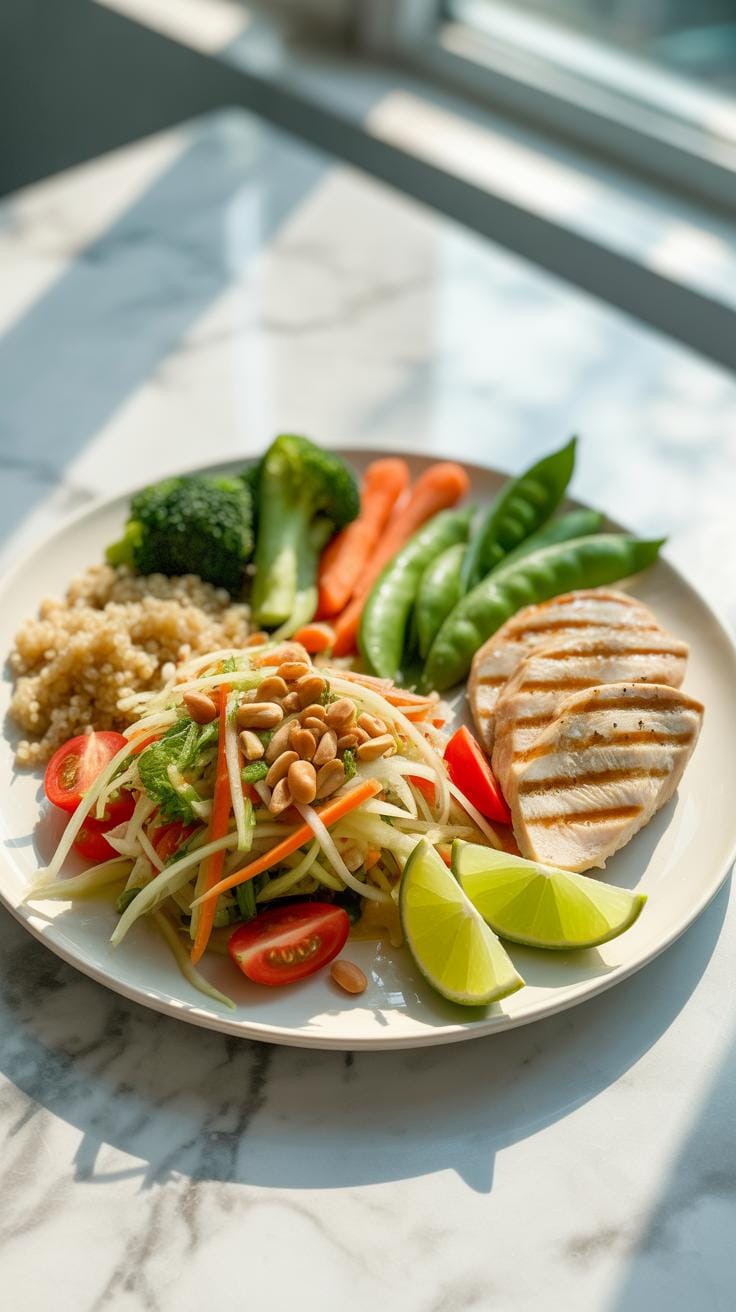
Green papaya salad can fit nicely into your fitness routine if you time it right. Before workouts, you want something that fuels you without feeling too heavy. A small bowl of green papaya salad mixed with a lean protein, like grilled chicken or tofu, can provide a good balance of carbs and protein. The salad’s natural crunch and tang help wake you up mentally, too. Try adding some sticky rice or a slice of whole grain bread for a bit more sustained energy. Eat this about 60 to 90 minutes before hitting the gym, so your body has time to digest.
After exercise, recovery meals need to focus more on rebuilding muscle and replenishing lost nutrients. Pair green papaya salad with grilled salmon or a boiled egg, and a small portion of quinoa or sweet potatoes. The vitamins in the papaya help reduce inflammation, while the protein supports muscle repair. Sometimes I like to throw in a little avocado for healthy fats—it just feels right after a tough session. This kind of meal works well within an hour post-workout, when your body is primed to soak up nutrients.
Wondering if you should eat papaya salad alone? Probably not ideal if you’re doing intense training. It works better as part of a balanced plate. Maybe experiment with different proteins or carbs alongside it and see how you feel during your workouts. The timing and combo can change things more than you expect.
Frequently Asked Questions About Papaya Salad
Is Green Papaya Salad Suitable For Weight Loss?
Green papaya salad can fit well into a weight loss plan, but it depends on how it’s prepared. The base—shredded green papaya—is low in calories and high in fiber, which can help you feel full without eating much. A typical serving has around 70 to 100 calories, which is quite modest.
That said, the dressing and added ingredients can change the picture. Fish sauce, lime juice, chilies, and peanuts add flavor and nutrients, but peanuts bring extra calories and fats. If you’re keeping a close eye on calorie intake, you might want to watch portions of those. Also, the salad’s high water and fiber content can support digestion and keep cravings down.
So, green papaya salad could be a refreshing, lighter option, but just be mindful of how much oil or sugar sneak into the dressing. It’s not magic for weight loss, but it’s a healthy choice that supports your goals.
Can Papaya Salad Cause Allergies?
Some people might react to ingredients in green papaya salad, though it’s not very common. Papaya itself can cause allergic reactions, especially if you’re sensitive to latex—there’s a known cross-reactivity there. So, if you have a latex allergy, you should be cautious or avoid it.
Other potential triggers include peanuts and shellfish, sometimes used in the salad. Peanuts are a well-known allergen, and fish sauce or dried shrimp in the dressing could cause reactions in those allergic to seafood. Signs to look out for include itching, swelling, hives, or more severe responses.
If you’re trying papaya salad for the first time or have a history of food allergies, take small bites and watch how your body responds. It’s easy to overlook since the salad feels light and simple, but allergies can be unpredictable. Better safe than sorry, right?
Conclusions
Green papaya salad is more than a flavorful dish; it provides essential nutrients beneficial for those active in fitness. Its mix of vitamins, minerals, and low-calorie profile helps fuel your body and aids recovery after exercise.
Including green papaya salad in your meals can diversify your diet and improve your nutrient intake. Its easy preparation and adaptable flavors make it a practical choice for maintaining health while enjoying food.