
Indian Street Food Culture and Its Health Impact
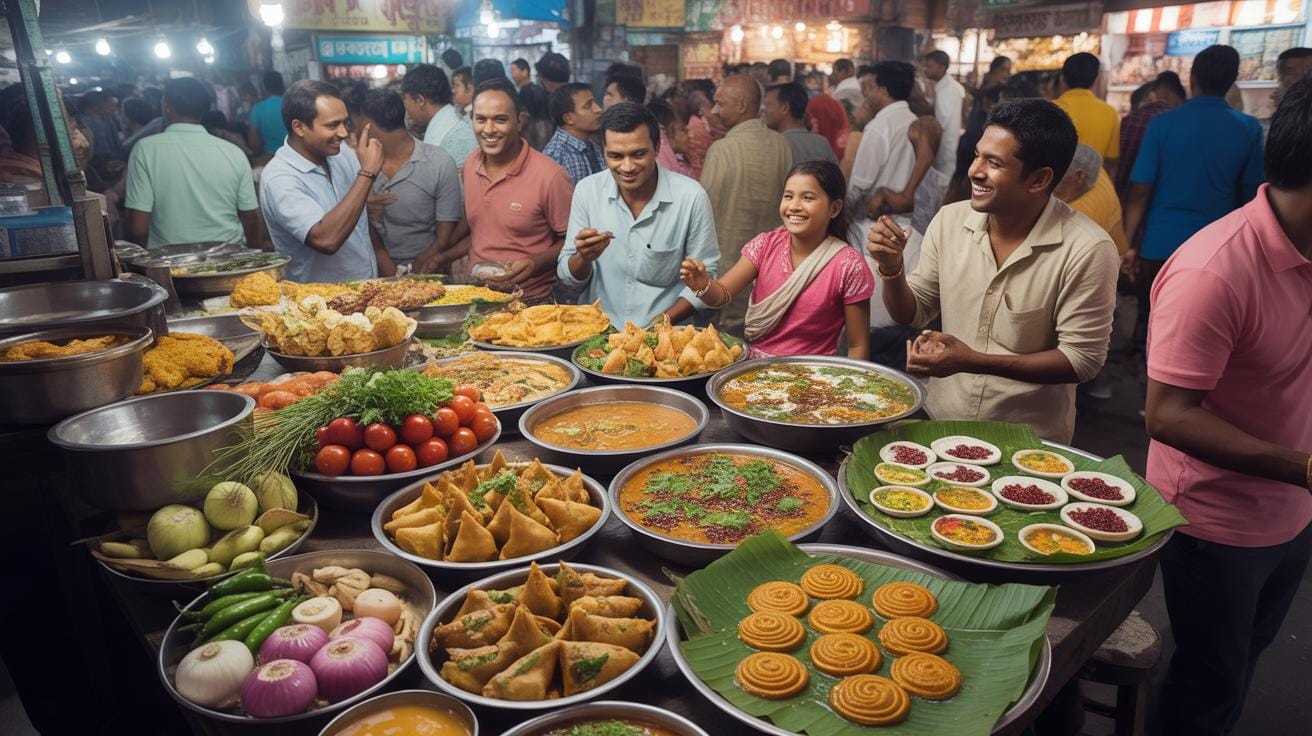
Street food is a major part of Indian culture and everyday life. From bustling city streets to smaller towns, vendors offer a wide variety of foods that reflect the rich traditions of the region. Indian street food is famous for its flavors, affordability, and availability at all hours. It feeds millions daily, cutting across social and economic classes.
This article examines the culture of street food in India and the effects it has on public health. We will discuss what makes Indian street food unique, the benefits and risks it poses, and how to enjoy it safely. Understanding the connection between food, culture, and health can help you make informed choices.
Street Food Culture In India

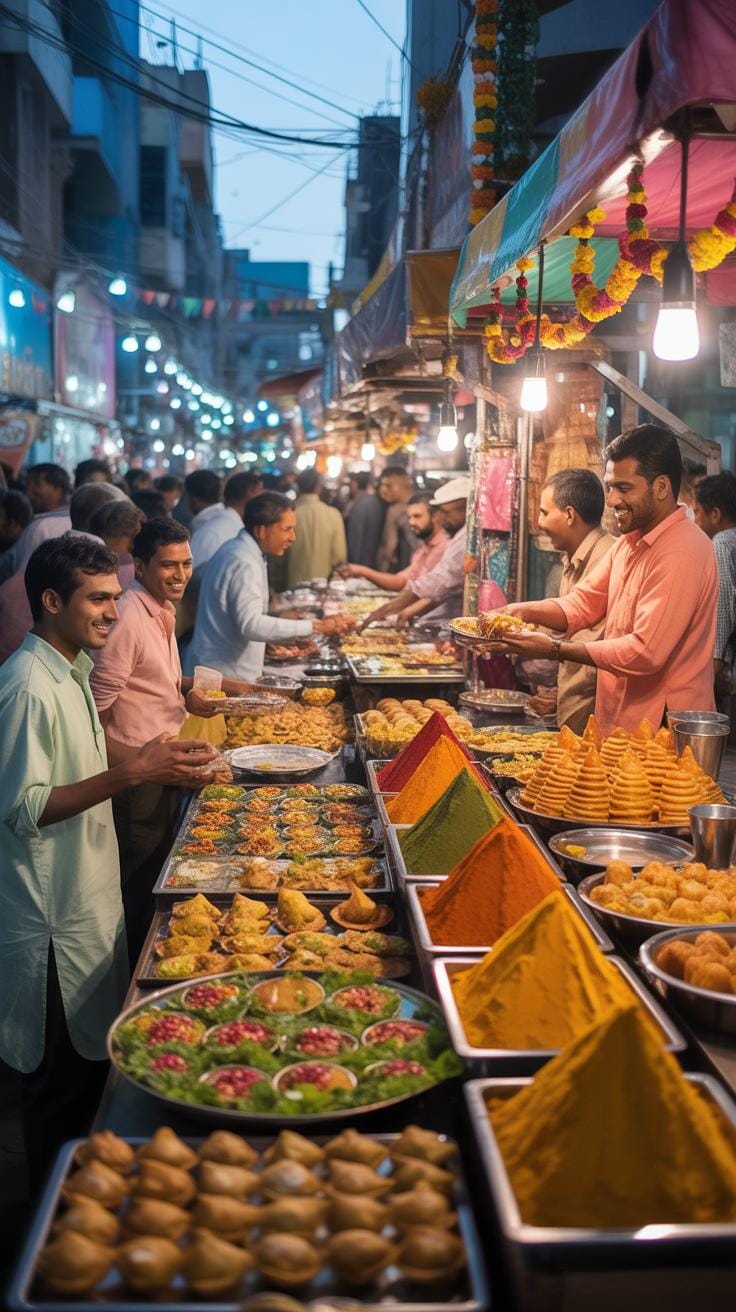
Street food in India is more than just a way to satisfy hunger; it’s woven into the everyday rhythm of life across cities and villages alike. You find street food stalls everywhere—from bustling markets to quiet lanes—drawing in a wide range of people. It brings together different social groups: office workers squeezing in a quick snack, families sharing an evening treat, or groups of friends gathering after work. This shared experience sometimes feels like an unspoken language connecting strangers.

The cultural significance goes beyond the food itself. Street food vendors often have deep roots in their neighborhoods, sometimes serving generations with familiar flavors. Eating on the street creates spontaneous interactions that you don’t often get in formal restaurants. It’s unpredictable—sometimes messy, often filling—but always rooted in local traditions and a kind of accessible enjoyment. This presence, nearly everywhere you go, shows just how embedded street food is in Indian culture.
Diversity Of Street Food Across India
India’s diversity reflects strongly in its street food, with different regions offering unique delights shaped by local ingredients and customs. Here are some popular examples:
- Mumbai: Vada Pav is the city’s famous “burger,” with a spicy potato filling fried and served in a bun, often enjoyed with chutneys and fried green chilies.
- Delhi: Chaat varieties dominate—think tangy, crunchy bites combining chickpeas, yogurt, tamarind, and spices. Preparation involves balancing sweet, sour, and spicy flavors carefully.
- South India: Dosa, a thin crispy pancake made from fermented rice and lentil batter, often paired with coconut chutney and sambar, shows the region’s love for fermented foods and savory spices.
Each dish carries its own story and preparation method, passed down and perfected through years. The ingredients reflect local agriculture, and techniques range from quick frying to slow fermentation, revealing different layers of India’s culinary heritage. It’s fascinating how these foods remain popular across generations despite changing times.
Role Of Street Food In Daily Life
Street food often fills the role of a quick and affordable meal, especially for those on tight schedules. Office workers frequently grab snacks like chaat or samosas during tea breaks. Students might rush to the nearby stalls for something quick between classes. And travelers rely on these options for instant nourishment at crowded railway stations or bus stands.
Popular times for street food usually peak during mornings, late afternoons, and evenings—times when people need energy boosts or are finishing their day. Streets near markets or commercial hubs tend to buzz with vendors selling freshly made snacks, sometimes standing or sitting casually alongside customers. The presence of street food at these moments highlights its role in keeping daily life moving—fueling people, yes, but also providing a moment to pause or socialize.
Health Benefits Of Indian Street Food
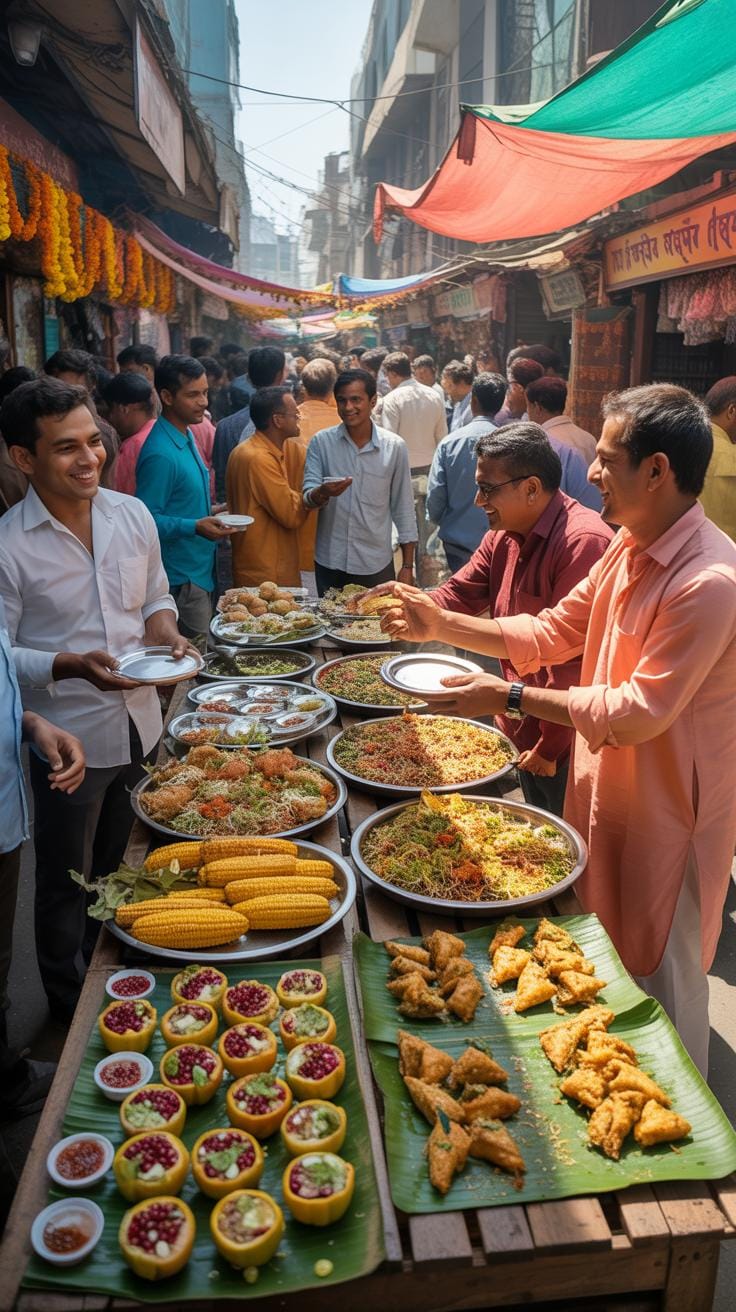
When you think of Indian street food, your mind might jump to spicy, bold, and rich flavors—but there’s more beneath the surface. Many dishes are built on a foundation of fresh ingredients that bring real nutritional value. Take chaat for example: the crunch of fresh vegetables meeting tangy spices can actually offer a decent mix of vitamins and fiber. It’s easy to overlook this when distracted by the taste, but those simple components play a role in better digestion and overall health.
Spices in Indian street food do more than just flavor. Turmeric, cumin, and coriander—common in everything from samosas to bhel puri—carry health benefits that have been recognized for centuries. Turmeric’s anti-inflammatory effects have been linked to reduced symptoms in certain chronic conditions. Cumin supports digestion and can even boost immunity, while coriander adds antioxidants that might help fight off minor ailments.
You’ll also find many dishes centered around legumes and whole grains. Lentils and chickpeas, integral in snacks like pani puri or vada pav, pack protein and fiber that keep your energy steady. It’s fascinating how these elements combine to create balanced flavors that feel satisfying but also offer some nourishment. Of course, the way these foods are prepared matters a lot, but the base ingredients often lean toward supporting health more than one might expect.
Risks And Safety Of Street Food
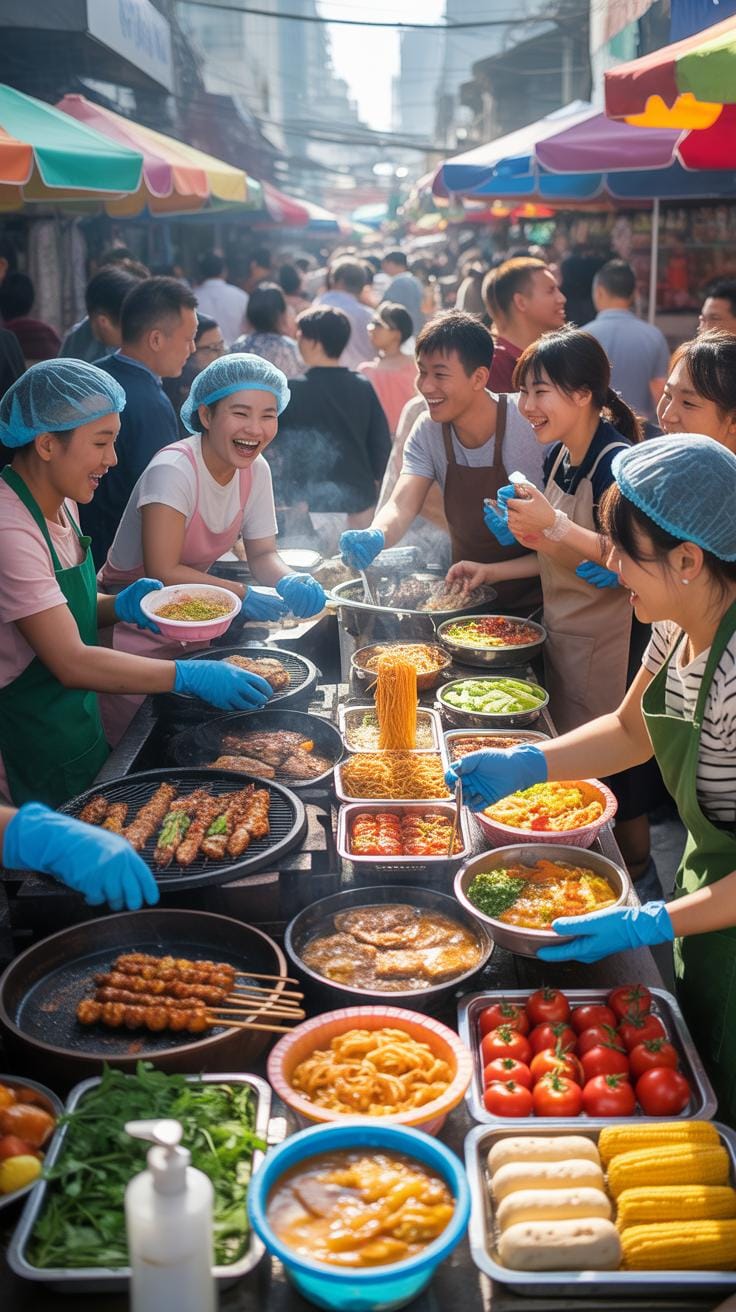
Eating street food in India is an experience full of flavor. But if you stop to think about it, there are real health risks tied to it, mostly around hygiene and how food is handled. Street vendors often work in crowded, open-air spaces where cleanliness isn’t always a priority. Sometimes, food is cooked once and then kept out for hours, or the same utensils are reused without proper washing. These practices can let bacteria and viruses spread rapidly.
It’s also a question of water. Many vendors use local taps or untreated water for washing vegetables and utensils. That water might look clean, but it can carry germs you wouldn’t expect. Combined with the chaotic environment and lack of sanitation, even freshly made snacks might be compromised.
It’s tricky because, while many vendors take care, there are always some cutting corners. That makes you wonder—how safe is your street meal, really?
Common Contamination Sources
Street food can get contaminated in several ways you might not immediately consider. For one, air pollution in dense cities, with dust and exhaust fumes, settles on uncovered food. That’s not just unpleasant; it introduces harmful particles and microbes.
Then there’s storage. Vendors often lack proper refrigeration, which means perishable items sit out in heat, encouraging spoilage. Leftovers might get mixed back in without being reheated sufficiently, too.
Water quality is another hidden problem. If the water used is dirty, everything—from washing hands to rinsing vegetables—can introduce pathogens. It’s common in urban settings where municipal water often doesn’t meet safety standards.
Choosing Safe Street Food Vendors
Picking the right stall could mean the difference between a tasty treat and a stomach ache. When you’re looking, consider these practical tips:
- Check how clean the stall itself looks—no piles of garbage or sticky counters.
- Observe if the food is cooked fresh or sitting out for a long time.
- Look for a vendor with a good flow of customers; high turnover usually means fresh food.
- Notice if the vendor handles money and food with separate hands or uses gloves.
- Ask around. A local’s word often beats what you see at first glance.
Sometimes, even if a place seems spotless, a quick sniff or glance around might reveal something off. Trusting your senses—slight smells, odd textures—can help you make safer choices. After all, it’s your health on the line.
Comparing Street Food And Restaurant Meals
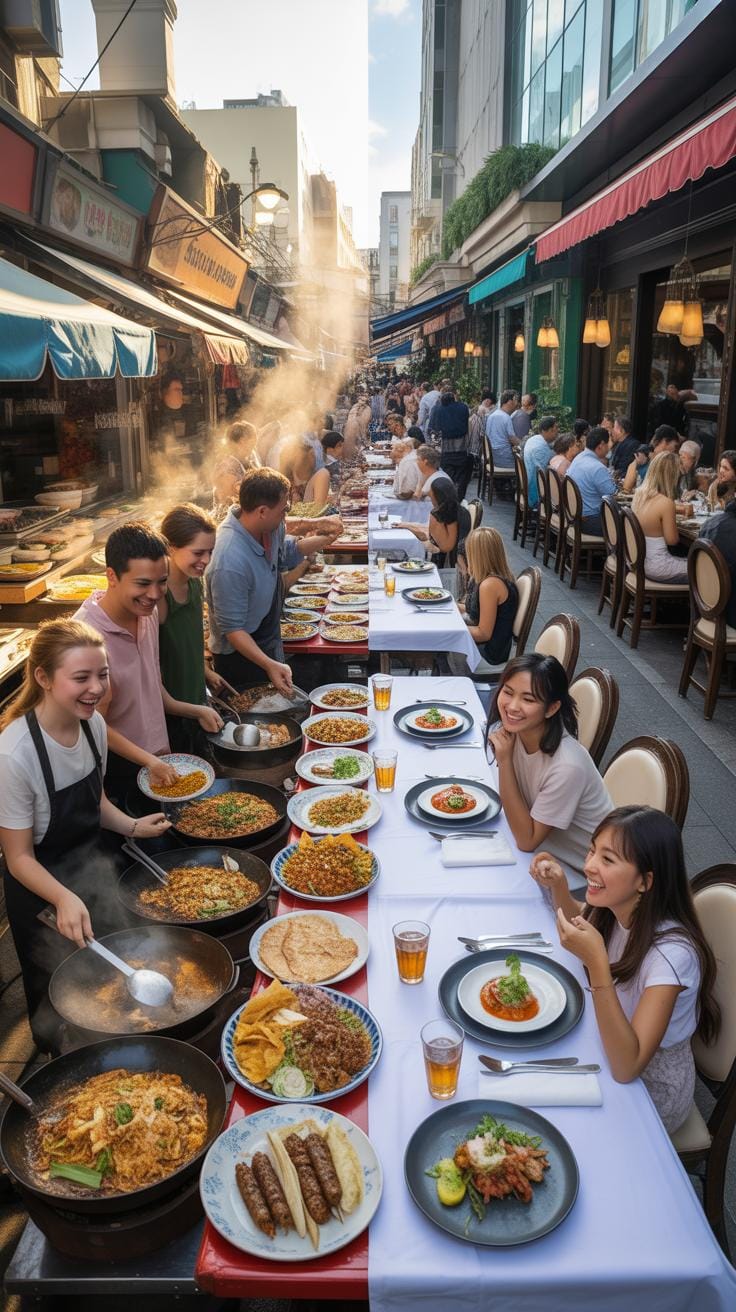
When you think about Indian street food versus restaurant meals, the differences jump out quite clearly, though some nuances might surprise you. Street food is often more affordable — the price difference can be striking. A plate of pani puri or vada pav bought from a street vendor might cost a fraction of a thali served in a modest restaurant. This makes street food accessible to nearly everyone, from students to daily wage workers.
Freshness is tricky. Street food tends to be made to order and eaten quickly, which can mean fresher ingredients on your plate. Yet, at times vendors might prepare items ahead, risking quality dips. Restaurants often have better storage but may rely on pre-prepped or processed ingredients, especially in large kitchens trying to serve many customers.
Portion sizes can vary unpredictably. Street food usually offers smaller, snack-sized portions, perfect for a quick bite. Restaurant meals tend to be larger and filling but sometimes overly so, inviting overeating.
What about health? Restaurants generally maintain higher hygiene standards—you might feel safer eating there. Still, the use of processed sauces, preservatives, or excess oil in restaurant kitchens can affect nutrition negatively. Street food, while fresh and simple in many cases, can expose you to unclean environments or unsafe water, which complicates the health picture.
So, which is better? It depends on what you value: cost, taste, convenience, or health safety. Maybe a quick street snack on a busy day, a restaurant meal when you’re looking to sit down, or sometimes both could fit your mood. The contrasts reflect more than just food—they show diverse eating habits and priorities woven into Indian culture.
Preparing Indian Street Food At Home
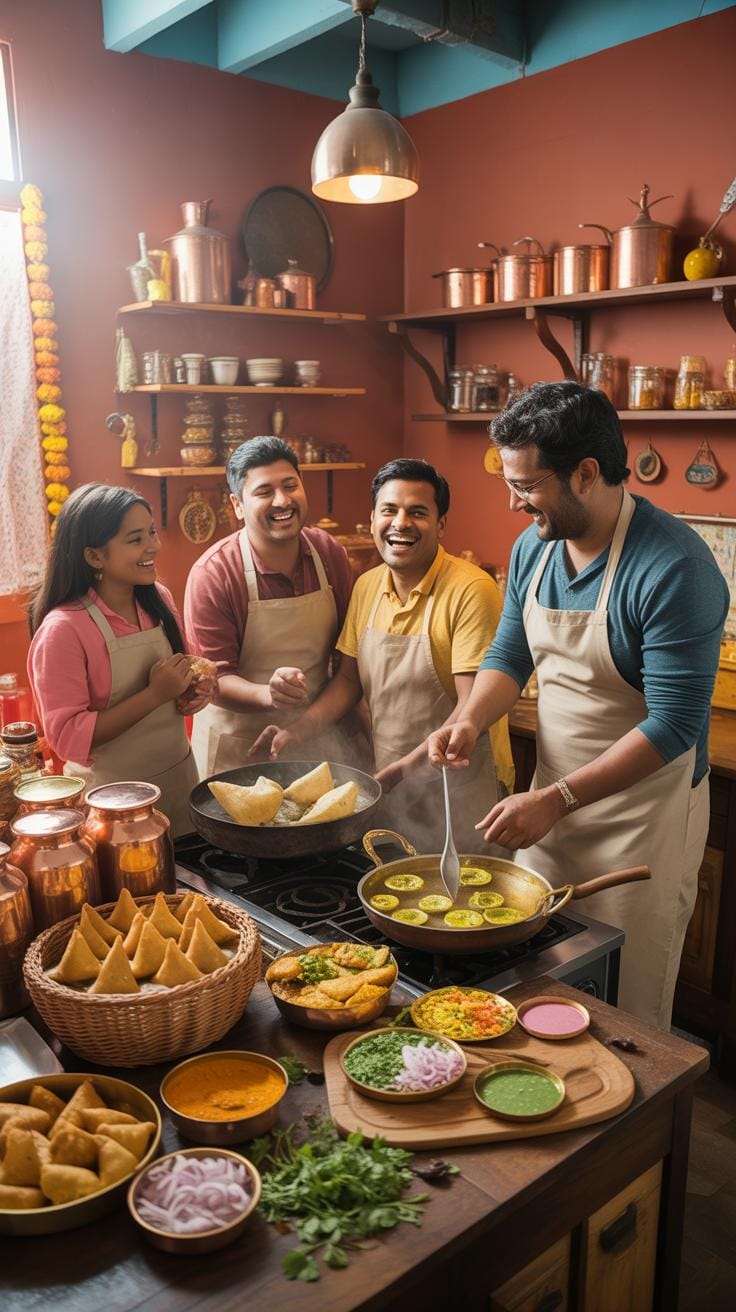
Trying to make your own Indian street food can be fun—but it’s not just about tossing ingredients together. You need a few key spices and fresh produce that bring those bold flavors alive. Think cumin seeds, coriander powder, turmeric, and garam masala. Fresh ginger and green chilies add heat and freshness. Don’t forget mustard seeds and asafoetida if you want that hit of authenticity. Mint leaves and tamarind paste are also worth having on hand for that tangy lift in chutneys or chaats.
Simple recipes work best—like pani puri or aloo tikki. For aloo tikki, boil and mash potatoes, mix with peas, chili, and salt, then pan-fry. Pani puri needs semolina or wheat flour puris, some tamarind water, and spicy mint water. The real trick is to keep things clean and fresh. Wash your hands before cooking, rinse vegetables thoroughly, and cook everything at proper temperatures. Don’t let food sit out too long. Even street vendors follow this, though sometimes it’s easier said than done.
Have you noticed how homemade versions often taste different? Sometimes fresher, sometimes missing that street’s special touch. But with care, you can enjoy the experience and flavors without risking your health. Maybe that’s the best part: experimenting, adjusting, and finding your own version of classic Indian street food.
Impact Of Street Food On Local Economy
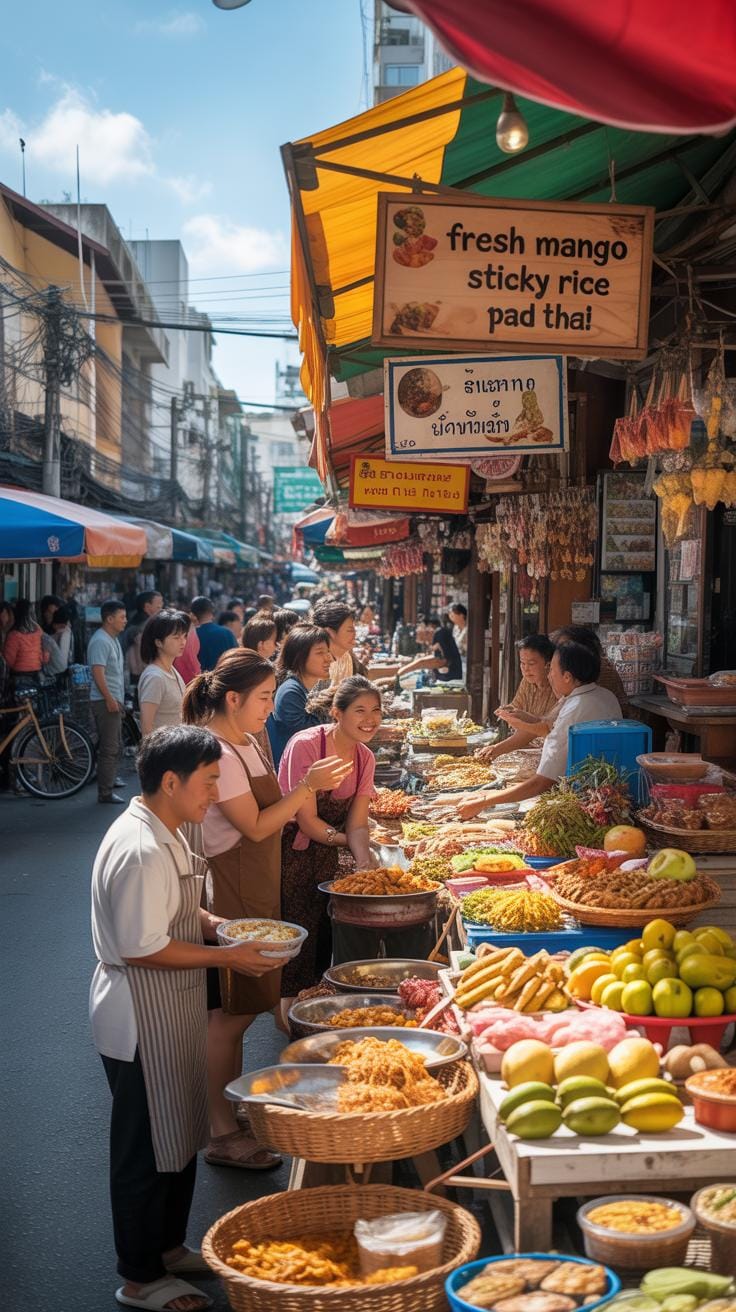
Street food plays a surprisingly big role in supporting local economies, especially in India where millions depend on it for work and daily meals. If you’ve ever wandered through a bustling market or crowded street, you’ve likely noticed vendors setting up their stalls early in the morning, ready to serve whoever passes by.
For many vendors, this isn’t just a side gig—it’s their main source of income. These jobs don’t require formal education or expensive setups, which opens doors for people from low-income backgrounds to earn a living. Think about the countless families who rely on this income. It’s not just the vendors, but also suppliers, like local farmers or small-scale wholesalers, who feel the ripple effects.
When it comes to consumers, street food provides something else: affordable meals that many might not manage to get otherwise. Those low prices mean you can grab a filling snack or quick lunch without worrying much about budgets. Of course, affordability doesn’t always guarantee nutrition—but for many people, it’s their most accessible option. And that’s something to consider when thinking about food security in cities.
It makes you wonder—how else might this informal food economy shape daily life? Do you notice this in your own neighborhood, the way small food stalls connect people beyond just money?
Common Health Issues Linked To Street Food
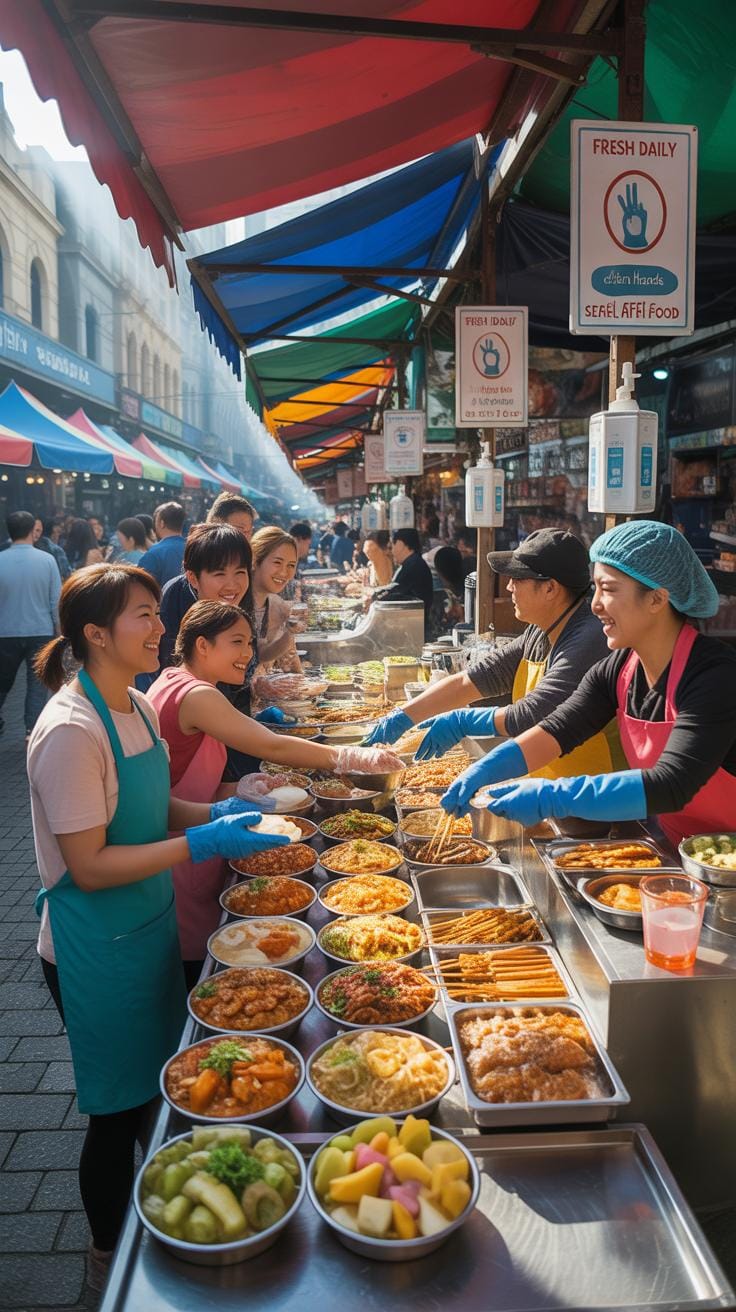
Eating street food can sometimes lead to stomach infections like gastroenteritis and food poisoning, especially when the hygiene standards are not up to mark. You might hear about people suddenly suffering from diarrhea or vomiting after enjoying their favorite snacks from a roadside vendor. These illnesses often stem from bacterial contamination, such as Salmonella or E. coli, which thrive in improperly handled or stored food.
Parasites and viruses can also cause problems, particularly if water used in food preparation isn’t clean. Foodborne illness symptoms vary, but stomach cramps, dehydration, and nausea are quite common. Of course, not everyone gets sick every time. Maybe your immune system was just strong enough, or the food was fresh that day.
Causes Of Foodborne Illnesses
Food contamination happens in many subtle ways. Cross-contamination is a big one—if raw meat touches cooked food or if the same utensils are used without washing, bacteria spread quickly. Sometimes water or ice used to cool drinks or wash vegetables carries pathogens.
Temperature control matters too. Leaving food out in the open for hours, especially in warm climates, lets germs multiply. Vendors may not have refrigeration or proper covers, which increases risk. Even flies or dust stirring around food can add to contamination, though it’s easy to overlook these factors while tasting those crunchy snacks.
Preventing Health Problems
If you want to enjoy street food but stay safe, try these steps:
- Choose stalls where food is cooked fresh and served hot. Heat kills most bacteria.
- Avoid raw or uncooked items, especially salads or fruits that aren’t peeled.
- Drink only bottled or boiled water. Ice can be risky unless you know it’s purified.
- Check if the vendor practices some basic hygiene—clean utensils, covered food, and handwashing.
- Trust your instincts—if a place looks unclean or food smells off, better skip it.
It might feel tricky to balance street food love with health concerns, but small caution can make a big difference. After all, you don’t want a memorable meal to turn into an unpleasant surprise.
Street Food Hygiene Improvements
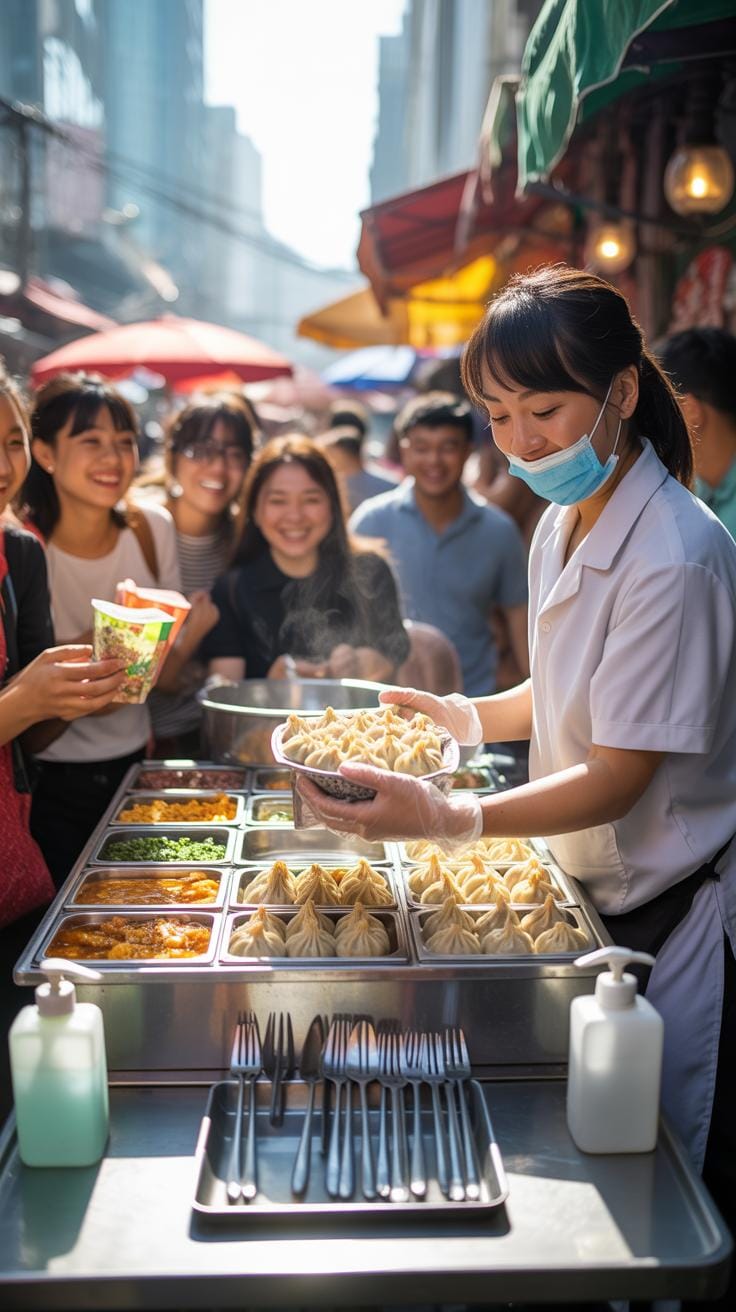
Street food vendors in India have long faced challenges related to hygiene. While food stalls often bustle with customers, the concern about cleanliness remains a crucial issue. Various methods have been introduced to address this, though progress feels uneven at times.
Some vendors have started using portable handwashing stations near their carts. It’s a simple step, but one that can make a real difference in how safe the food feels. Others have tried to keep raw ingredients covered, protecting them from dust and flies, though not everyone follows this strictly.
Waste disposal is another area where improvement is visible. In several cities, vendors now separate waste more carefully or use bins rather than just tossing trash on the street—yet, in many places, this change is still spotty.
Yet, I wonder, can small improvements scattered across the country really add up? Or is more systemic change required? Either way, these attempts at improving food hygiene among vendors show a willingness—sometimes hesitant—to shift habits for the better.
Government And NGO Programs
Multiple public health campaigns target street food vendors to raise food safety awareness. For example, local governments run training sessions teaching basics like safe cooking temperatures, avoiding cross-contamination, and personal hygiene. These sessions sometimes include distributing free gloves or sanitizer to vendors.
NGOs also play a role, often stepping in where government reach is limited. They partner with communities to train vendors in simple hygiene practices and monitor food stalls regularly. Some NGOs give out certificates or badges as marks of compliance—a kind of informal quality assurance that can encourage vendors to maintain standards.
Still, these efforts often face challenges like low attendance or irregular follow-ups. You might wonder if occasional training can really change deep-rooted habits, but these programs at least serve as reminders and provide tools to improve.
Vendor Self-Regulation Techniques
A number of vendors take hygiene seriously without outside pressure. Many start maintaining cleaner cooking spaces by wiping down surfaces frequently and protecting food from street dust.
Using gloves while serving food has caught on in some areas, though not universally. Some vendors change gloves regularly, especially when handling different food items, trying to reduce contamination risks.
Waste disposal practices have also improved among the more conscientious. Instead of throwing leftovers on the street, some vendors collect scraps separately for composting or proper garbage removal. It’s a small but meaningful shift.
You might notice this when visiting cleaner stalls—the vendor seems more organized, perhaps even proud of their workspace. These self-driven efforts suggest that when conditions or incentives align, vendors do respond positively, even if change is gradual and inconsistent.
Enjoying Street Food Responsibly
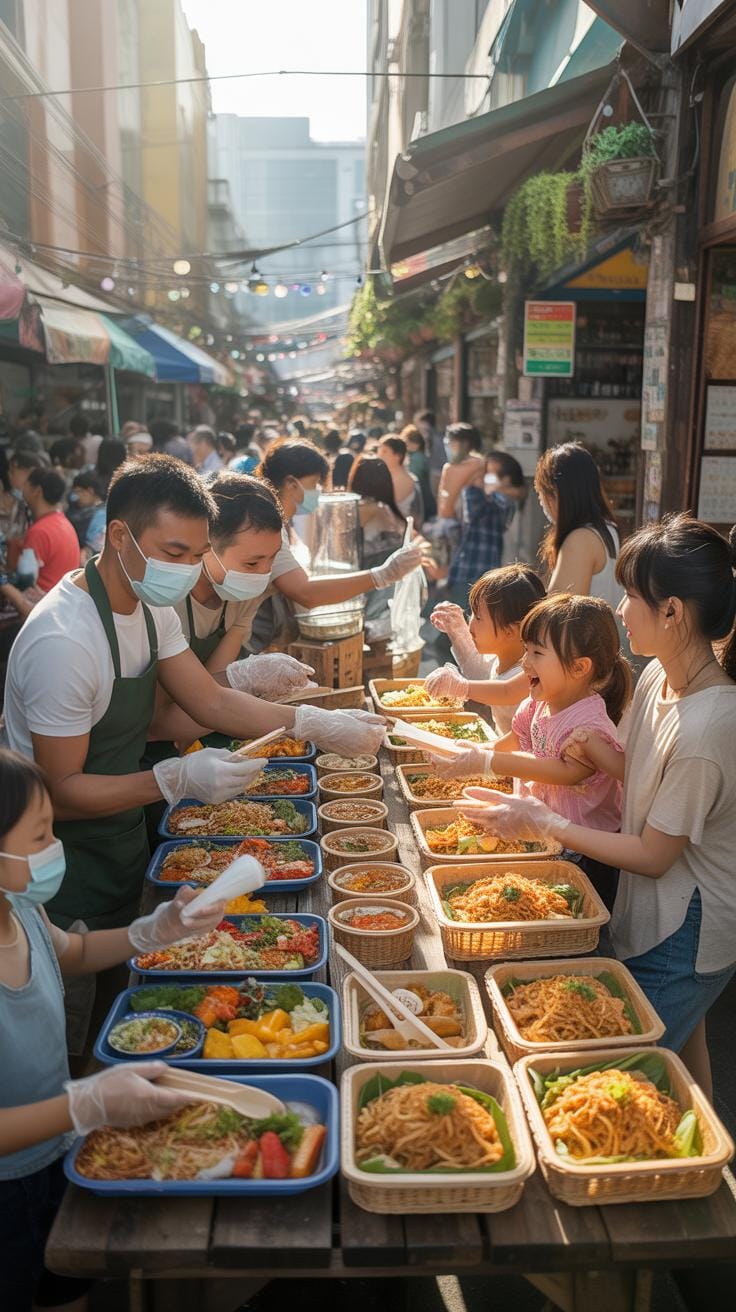
Enjoying Indian street food is about more than just taste—it’s a cultural moment, a connection to local life. But it’s also a bit of a gamble sometimes, right? So, striking the right balance between savoring flavors and staying healthy is key. When you approach a vendor, it’s fine to be curious, even a little cautious. Asking questions about how the food is prepared or what ingredients go into a dish isn’t rude; it’s smart. You might want to ask if the oil used is fresh, or if the water comes from a safe source. Sometimes vendors have been cooking for years, and their methods reflect that experience—but not always. It helps to watch for how clean their utensils and surroundings are, too.
Of course, your own habits matter a lot. If you can, wash your hands or at least use sanitizer before you dig in. I know it’s tempting to jump right into the snack or chaat—you’ve been craving it all day! But those few seconds of hand care really pay off. Avoiding raw foods that might have been sitting out or washed in doubtful water can reduce risks. Also, try to eat dishes that come hot off the pan or fryer. Hot food often means less chance for bacteria to thrive, which is comforting when you’re unsure.
Eating street food is a little like negotiating—a dance between excitement and caution. Don’t let fear hold you back entirely, but listen to your instincts. Sometimes, walking a bit further for a cleaner-looking stall can make all the difference. Remember, it’s your health, and your small choices matter more than you realize.
Conclusions
Street food in India is an essential cultural element, offering convenient, affordable, and flavorful meals. It brings people together and showcases regional diversity. However, it also poses health challenges related to hygiene and food safety.
Awareness and simple safety practices can help you enjoy street food without risks. The fusion of tradition and caution allows street food to remain a beloved and accessible choice in India’s food landscape.