
The Health Benefits of a Mediterranean Diet Plan
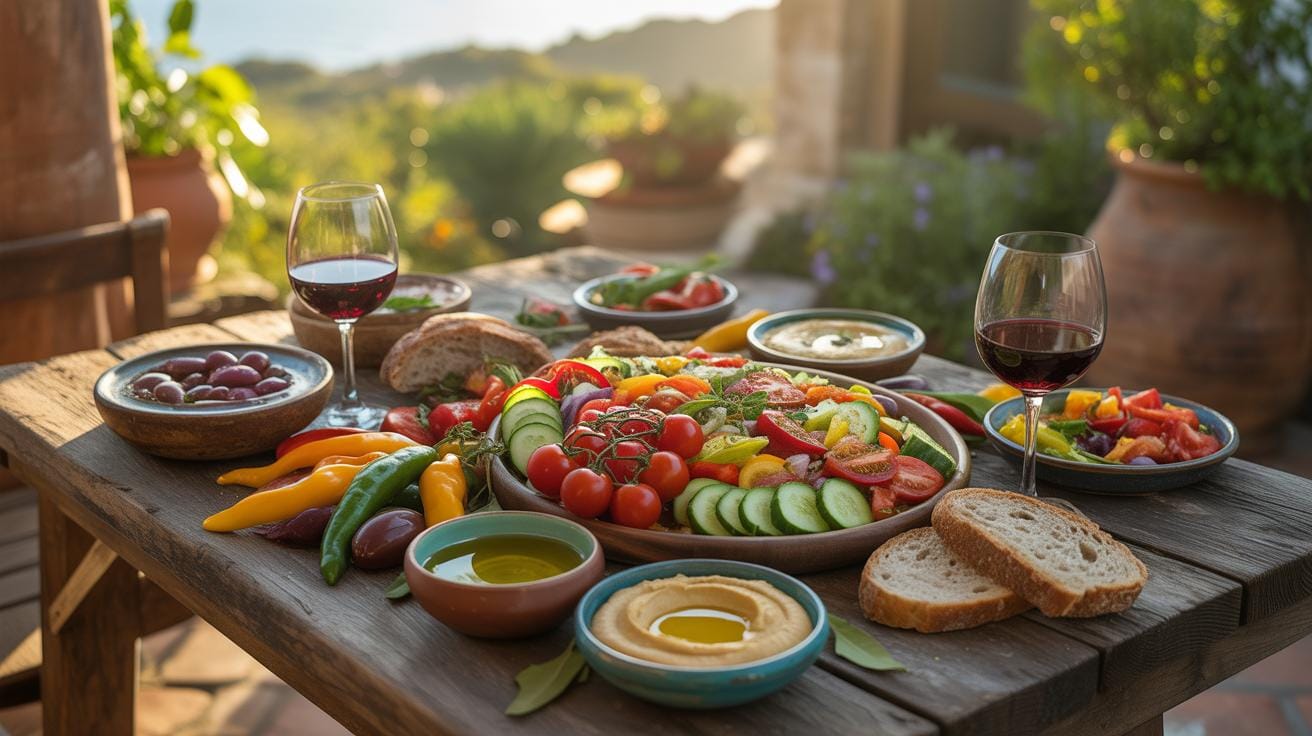
The Mediterranean diet is based on traditional foods and eating habits from countries near the Mediterranean Sea, such as Greece and Italy. It is known for including a variety of plant-based foods, fish, olive oil, and moderate amounts of dairy, while limiting red meat and sugars. This diet has been studied globally for its links to better health and longer life.
In this article, you will learn about the main benefits of the Mediterranean diet and how it can help you improve your health and wellness. We will cover what the diet involves, why it is good for your heart, and ways to include it in your daily meals.
What Is Mediterranean Diet

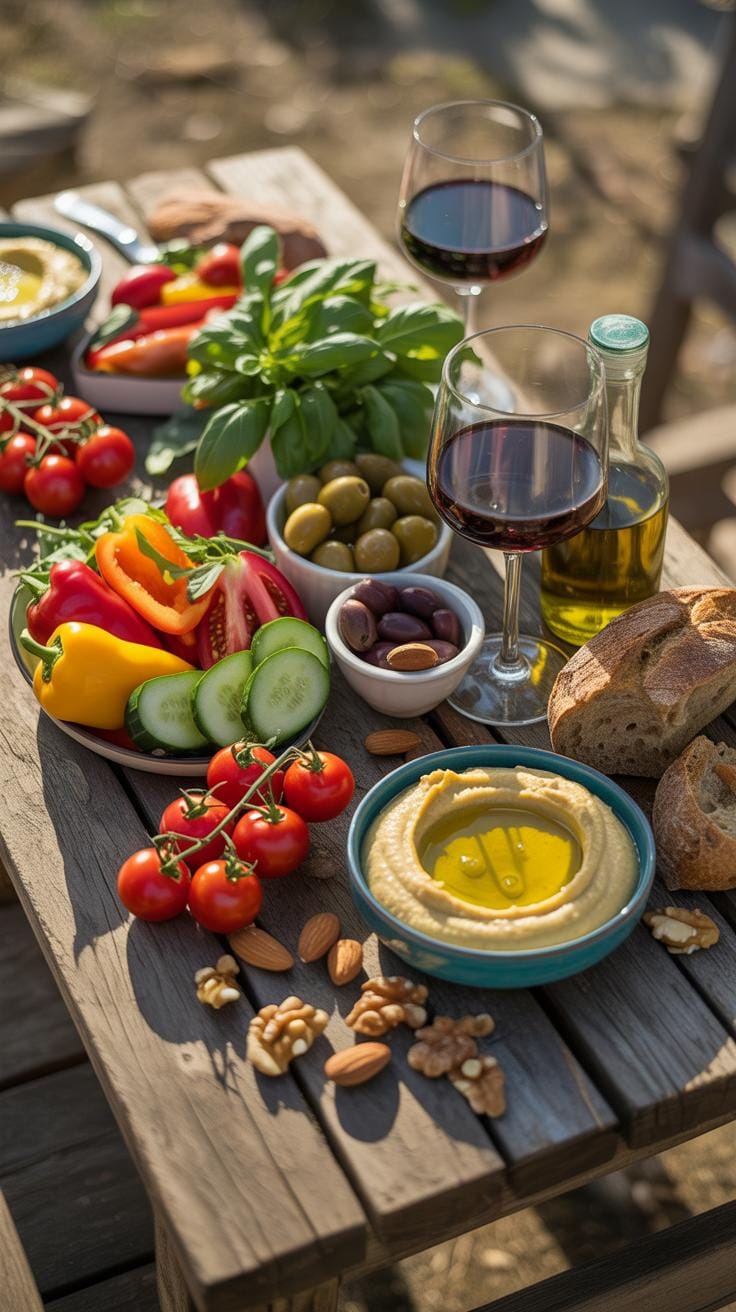
The Mediterranean diet has its roots in the traditional eating habits of people living around the Mediterranean Sea, especially southern Italy, Greece, and parts of Spain. It’s not just about the food but also reflects cultural practices—sharing meals with family, eating slowly, and enjoying seasonal, local produce whenever possible. At its core, this diet emphasizes fresh fruits and vegetables, whole grains, legumes, nuts, and, of course, olive oil as the primary fat source.

Fish and seafood appear regularly, often a few times a week. Dairy is included but in moderate amounts—mostly cheese and yogurt. Red meat tends to show up rarely, maybe as a treat rather than a daily staple. The meals usually have a relaxed, convivial vibe, which might also contribute to the overall health benefits people find with this way of eating.
Key Foods In Mediterranean Diet
When you think of the Mediterranean diet, the most iconic ingredient is probably olive oil. It’s not just a cooking fat but a key player in flavor and health, packed with good fats and antioxidants. Legumes—think lentils, chickpeas, beans—are another central group. They offer fiber and protein and regularly replace meat in many dishes.
Nuts and seeds get a nod too, sprinkled on salads or eaten as snacks. Seafood, especially fish rich in omega-3 fatty acids like salmon, sardines, or mackerel, features prominently. Within grains, whole options such as farro, barley, and brown rice are preferred over processed ones. Each of these foods supports the diet’s overall goal: balanced, nutrient-rich eating that feels satisfying without excess.
How To Follow Mediterranean Principles
Switching to the Mediterranean approach doesn’t require a complete overhaul. You might start by swapping butter or vegetable oils for olive oil, using it generously but wisely. Prioritize plant-based meals with plenty of vegetables, legumes, and whole grains, making animal protein a smaller part of your plate.
- Eat fish and seafood a couple of times weekly.
- Include nuts and seeds for snacks or salad toppings.
- Limit red meat to occasional servings—you don’t have to cut it out, just less often.
- Choose moderate dairy like yogurt or cheese, not large amounts.
- Be mindful with sugar—pastries or sweets can be treats, not daily habits.
Portion-wise, the diet leans toward smaller servings of meat, larger servings of veggies and grains. The fats you choose matter: olive oil beats butter or margarine most days. You’ll probably notice the meals feel lighter but still leave you satisfied—without that heaviness afterwards.
Mediterranean Diet And Heart Health
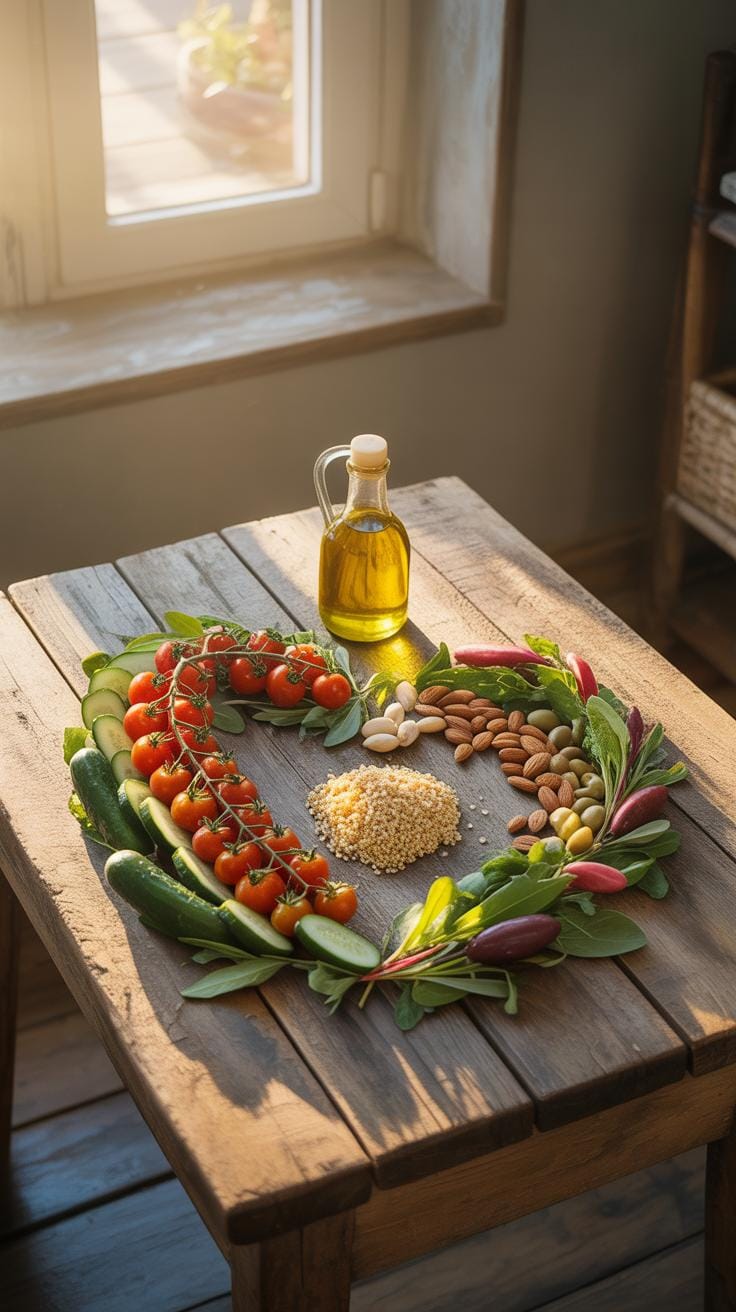
The Mediterranean diet has a strong connection to heart health, showing real promise in reducing the risk of cardiovascular diseases. This happens largely due to the diet’s emphasis on healthy fats, like those found in olive oil, nuts, and fatty fish. These fats help improve cholesterol levels by boosting HDL—the “good” cholesterol—while lowering LDL, often called the “bad” kind.
Another key player here is antioxidants. Foods common in the Mediterranean diet, such as fruits, vegetables, and whole grains, are rich in antioxidants. These molecules help protect blood vessels from damage caused by inflammation and oxidative stress, both of which contribute to heart problems.
Studies show people following this diet tend to have fewer incidents of heart attacks and strokes. For example, researchers have observed lower rates of cardiovascular mortality among Mediterranean diet adherents compared to those on more typical Western diets. It’s not a cure-all, of course, but the pattern seems clear enough to make it worth considering.
Healthy Fats Vs Unhealthy Fats
When you think about fats in your diet, the type of fat matters a lot. Olive oil—the star fat in the Mediterranean diet—is mostly monounsaturated fat, which can lower bad cholesterol and protect arteries. Contrast this with processed foods, which often contain trans fats and excessive saturated fats. These tend to raise LDL cholesterol and promote inflammation.
It’s tempting to ignore this detail, especially since fats carry more calories, but not all fats impact your heart the same way. The Mediterranean diet’s healthy fats work not just by replacing bad fats but by actively supporting heart function. For example, omega-3 fatty acids from fish reduce blood clotting risks, while olive oil’s polyphenols improve vessel elasticity.
Scientific Studies On Heart Benefits
Several major studies have looked into the Mediterranean diet’s heart benefits. The PREDIMED trial, a large randomized study, found that people who added extra virgin olive oil or nuts to their Mediterranean diet had a 30% lower risk of major cardiovascular events.
Another study tracked cholesterol changes and found consistent improvements in lipid profiles for those on Mediterranean diets, with increased HDL and decreased oxidized LDL. These changes help reduce plaque buildup in arteries, lowering chances of heart attacks.
Still, the diet’s effects go beyond cholesterol. Its combination of anti-inflammatory foods, fiber, and antioxidants seems to work together in ways that aren’t yet fully understood but clearly support heart health over time. It does make you wonder—could this be the diet worth sticking with? Maybe so, especially if your heart matters as much as mine does.
Mediterranean Diet For Weight Control
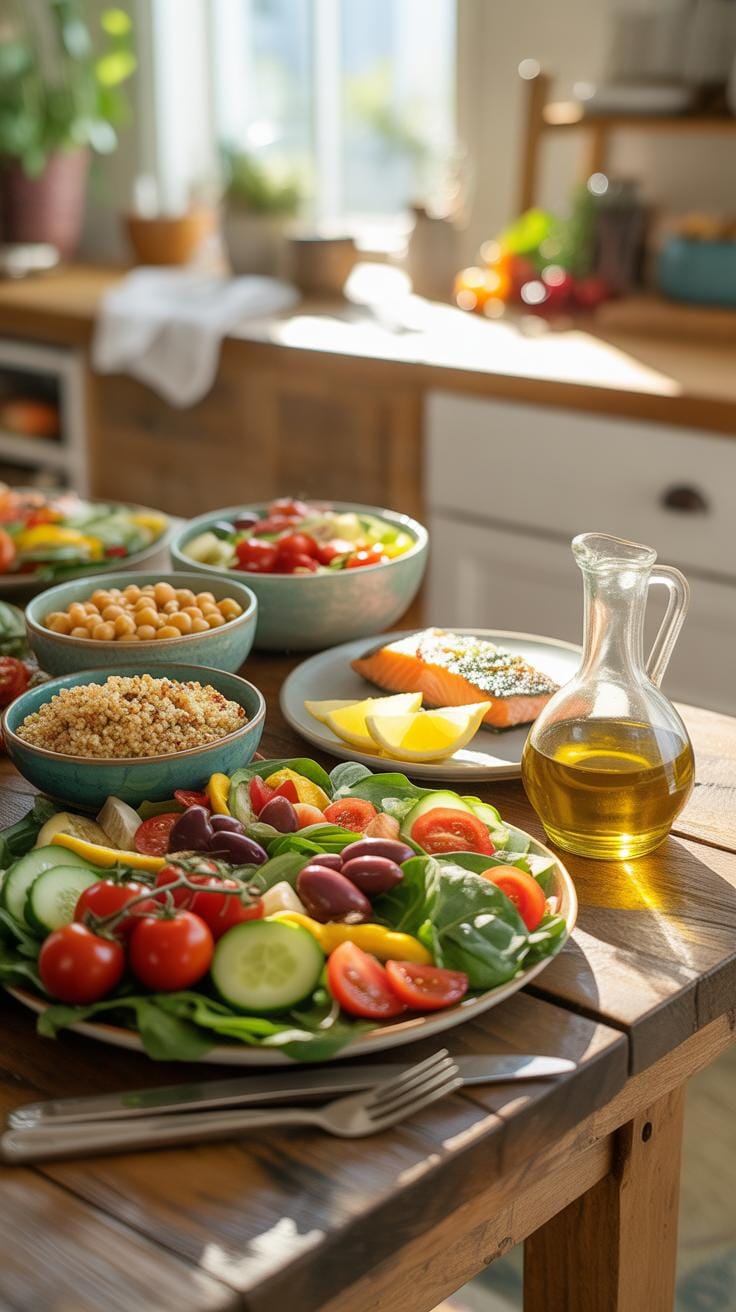
The Mediterranean diet isn’t a quick fix or one of those fad diets that promise rapid weight loss but often leave you feeling deprived. Instead, it’s based on eating whole foods—fresh vegetables, fruits, whole grains, nuts, fish, and olive oil—that together create a balanced nutritional profile. This balance makes it easier to maintain a healthy weight without obsessing over calories or cutting out entire food groups.
Unlike crash diets, which often lead to yo-yo effects, the Mediterranean diet encourages steady, sustainable changes. You’re not just eating to lose weight; you’re feeding your body in a way that supports overall wellness. It’s the type of diet that could help you lose a few pounds while still keeping your energy up during the day—or maybe avoid unnecessary snacking because you actually feel satisfied.
What’s interesting is how the focus on whole foods naturally helps curb overeating. Without processed foods full of sugar or empty carbs, your body responds differently, often leading to better portion control without much conscious effort. Have you noticed how eating a meal full of fresh veggies and protein feels more fulfilling than a bag of chips? That’s probably why this diet feels less like a sacrifice and more like a change you can keep.
Balanced Nutrition Vs Crash Diets
Crash diets can seem tempting when you want quick results. But they often rely on extreme restrictions—cutting entire food groups or slashing calories drastically. The problem is, these approaches rarely provide the nutrients your body actually needs, and that’s what makes them hard to stick with over time. You might drop weight at first, but the body’s reaction can stall progress or even lead to gaining more back.
Balanced nutrition, as the Mediterranean diet promotes, supports long-term weight control by emphasizing variety and moderation. You don’t have to starve yourself or avoid all fats; instead, you nourish your body with what it needs, which can stabilize metabolism and reduce cravings. This approach feels more sustainable, because it fits naturally into daily life. You’re not racing to lose weight quickly; you’re setting up healthy habits that last, without that anxious obsession over every bite.
Role Of Fiber And Satiety
Fiber plays a surprisingly big role in the Mediterranean diet’s impact on weight. Many foods here—like vegetables, legumes, whole grains, and nuts—are rich in fiber, which helps you feel full longer. This can make a real difference when trying to control hunger between meals, reducing the urge to grab unhealthy snacks.
Fiber slows digestion, which means your body absorbs nutrients more steadily. This not only helps with satiety, but also supports better blood sugar control. Feeling full for longer periods might help prevent overeating, especially in moments when you might reach for foods that offer quick energy but little substance.
Sometimes, it feels like fiber-rich meals stay with you—not just filling your stomach, but keeping your mind less distracted by hunger pangs. If you’ve ever tried to slim down on low-fiber diets, you might recall how hard it is to stop thinking about food. The Mediterranean diet, with its natural fiber focus, seems to address that problem pretty well. It’s a simple change, but effective for weight management over time.
Daily Mediterranean Meal Setup
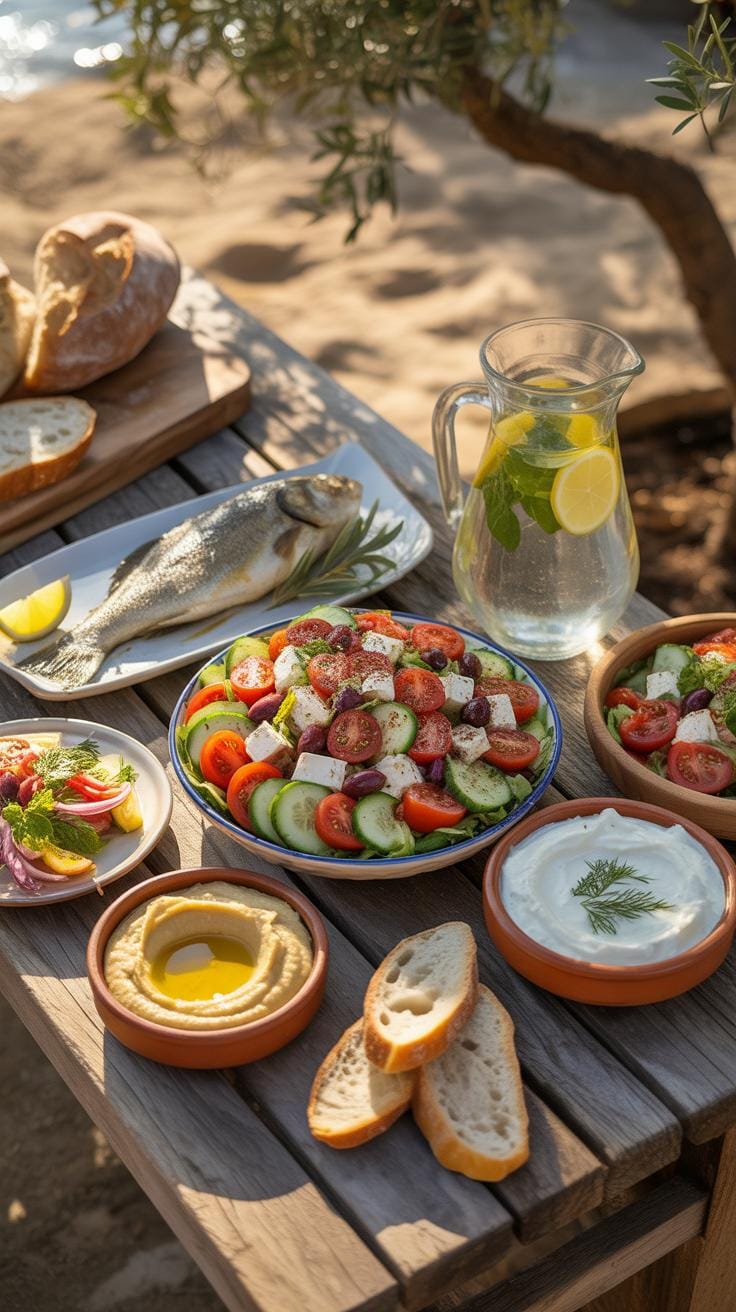
Setting up your day with the Mediterranean diet doesn’t have to feel like a chore. Think about your meals as an opportunity to enjoy fresh, simple foods rather than a rigid routine. Start by planning breakfast, lunch, and dinner around whole ingredients like vegetables, fruits, legumes, and whole grains. Maybe add some nuts or a bit of cheese for variety.
Meal timing doesn’t need to be strict, but many find eating moderate portions every 3–4 hours helps maintain energy. It’s okay if lunch happens late sometimes, or dinner is lighter on some days; flexibility works well here.
Food prep is a game-changer. Chop veggies in bulk a day or two ahead, cook grains and legumes to keep in the fridge, and portion out snacks like olives or nuts. This makes it easier to grab healthy options without second-guessing.
When shopping, list essentials like fresh旬 fruits, colorful vegetables, whole grains (think farro or barley), legumes (lentils, chickpeas), nuts, seeds, olive oil, and fish. Fresh herbs add flavor without fuss. You might surprise yourself with how satisfying simple, unprocessed foods can be after just a few days of sticking to this plan.
Meal Planning Tips
Vary your meals. Don’t rely on the same salad or pasta every day. Rotate vegetables, swap grains, experiment with different legumes. Portion control matters too; the Mediterranean diet isn’t about eating huge plates, but balanced ones with plenty of plant foods.
Include a source of protein at every meal—fish, beans, or dairy like yogurt. Sometimes, you might skip meat altogether, and that’s fine. The focus is on choices over time, not perfection every day.
Consider flavors that make you look forward to meals. A squeeze of lemon, a handful of fresh basil, or a dash of feta can elevate simple dishes. Planning ahead also means knowing when to use leftovers, so nothing goes to waste.
Shopping List Essentials
Your cart should mainly have:
- Extra virgin olive oil (try not to skip this—it’s central)
- Fresh vegetables like tomatoes, cucumbers, spinach, and zucchini
- Seasonal fruits—apples, oranges, berries, whatever’s ripe
- Whole grains such as quinoa, brown rice, or whole wheat bread
- Beans and lentils—for quick protein and fiber
- Nuts and seeds—to snack on or sprinkle over dishes
- Fish and seafood—aim for a few servings per week
- Plain yogurt or cheese, used sparingly
- Fresh herbs and spices for natural flavor
Shopping with this list keeps you aligned without complicating decisions. I often find that once these staples are in my kitchen, the rest falls into place naturally. Does your shopping routine support healthy meals or make it harder? It’s worth thinking about.
Mediterranean Diet Versus Other Diets
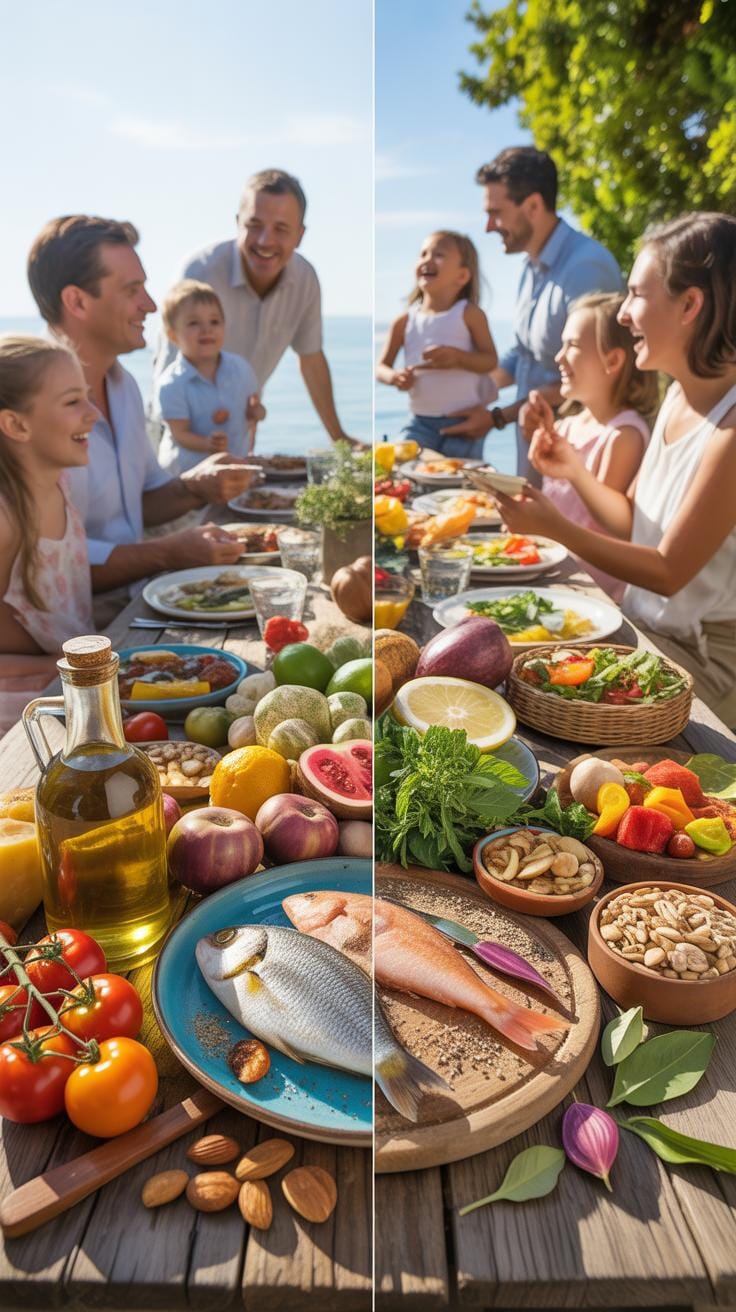
Comparing the Mediterranean diet with others like low-carb, vegetarian, or DASH diets reveals some interesting contrasts and overlaps. Each has specific goals, but they all aim for better health in slightly different ways.
Mediterranean Vs Low Carb
The Mediterranean diet encourages a wide range of whole grains and fruits, which are key sources of carbohydrates. This is quite different from low-carb diets that usually limit carbs to a minimum, focusing instead on fats and proteins. People on low-carb plans might skip bread, pasta, or even much fruit.
But, with Mediterranean, you get the energy and fiber from whole grains—think farro, bulgur, or barley—that low-carb diets often restrict. So, if you enjoy carbs but want to avoid processed foods, the Mediterranean might feel more balanced. Yet, if you’re cutting carbs strictly for weight loss or blood sugar control, low-carb might suit you better. It really depends on what you want out of your eating plan.
Mediterranean Vs Vegetarian Diet
Both focus heavily on plants, which is a strong common ground. The Mediterranean diet includes plenty of vegetables, legumes, nuts, and fruits—just like a vegetarian diet. But it also incorporates seafood regularly and allows some dairy, especially cheese and yogurt. That’s a big distinction.
Vegetarian diets exclude meat and fish entirely, which means missing out on some omega-3s found in seafood. At the same time, vegetarians might eat more diverse plant-based protein sources like tofu or seitan, less common in typical Mediterranean menus.
People often wonder which is healthier or simpler. It might come down to personal taste or ethical considerations. For example, if you appreciate seafood’s health benefits but want mostly plants on your plate, Mediterranean offers a middle path. If you want to avoid animal products more strictly, vegetarianism fits that bill. Both can promote wellness, but your choice could reflect what feels sustainable to you.
How To Avoid Mistakes In Mediterranean Diet
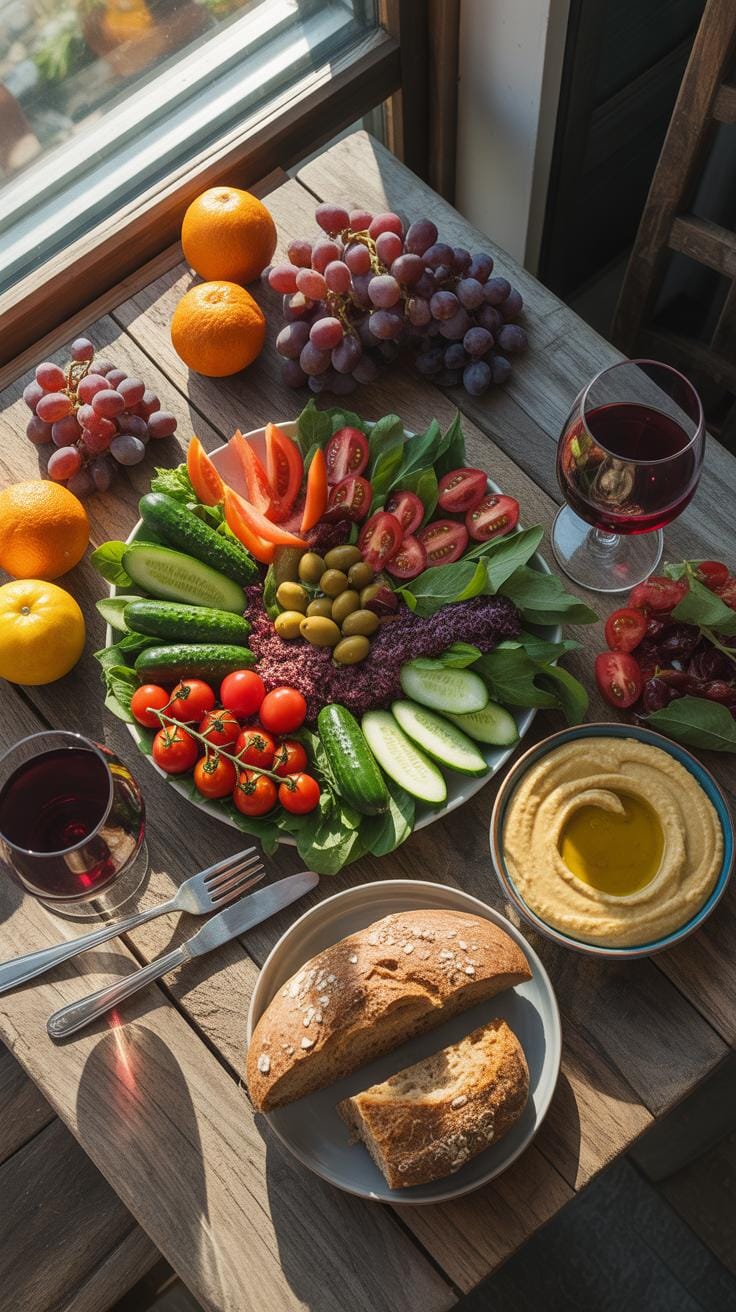
People often jump into the Mediterranean diet thinking it’s just about eating more olive oil and fish. Sure, those are key elements, but the pitfalls can sneak up quickly.
For one, some tend to overdo the healthy fats. Olive oil is great, but two tablespoons or more per meal might add excess calories without providing more benefits. It’s easy to forget that calories still matter, even if they come from “good” fats.
Another trap is relying too much on a few favorite foods. For example, having fish daily or eating lots of nuts without balancing vegetables and whole grains can disrupt the diet’s harmony. Variety matters more than people think—it’s about mixing colors and textures on your plate.
Common Eating Mistakes
Here are some frequent errors that pop up:
- Consuming large portions simply because foods are healthy.
- Skipping whole grains in favor of just fruits and veggies.
- Ignoring the need for balance by overloading on protein or fat.
- Neglecting seasonal vegetables and fresh herbs.
Sometimes, I’ve caught myself eating more pasta than I probably should, thinking, “It’s all part of the diet.” But portion sizes do matter.
Balancing Food Types Correctly
Striking the right balance of proteins, carbohydrates, and fats takes some attention but nothing complicated:
- Think of meals where veggies cover half the plate.
- Include moderate portions of lean protein like fish or legumes.
- Add whole grains, like farro or brown rice, for fiber and slow energy release.
- Use fats like olive oil and nuts in smaller amounts—not extra spoonfuls here and there.
One simple approach is to consider your plate as mostly plants, with protein and fat playing supporting roles. That’s where the Mediterranean diet shines, but you’ve got to keep an eye on how much of each you’re actually eating. Got to say, it’s more about habits than perfection. Are you watching your portions or just assuming it’s “healthy” and eating freely? That mindset changes everything.
Essential Ingredients And Tools
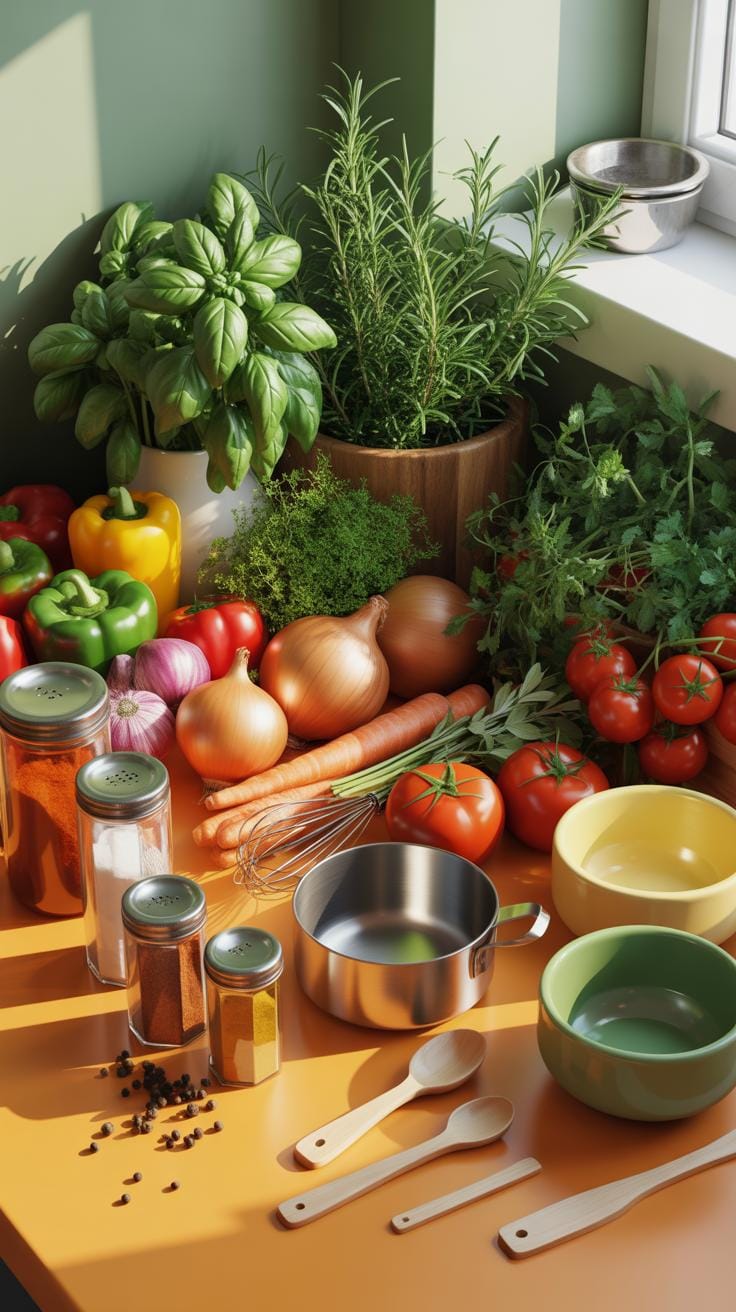
When you start cooking Mediterranean meals, fresh ingredients are really key—you’ll notice the difference in taste and texture right away. Fresh produce like tomatoes, cucumbers, leafy greens, and peppers aren’t just for color; they form the base of many dishes, bringing natural flavors that packaged or frozen versions just can’t match. Olive oil, of course, is non-negotiable—it adds depth and richness, especially the extra virgin kind. Herbs such as basil, oregano, and rosemary give your food an aromatic punch without much fuss.
Think of your pantry as the heart of your kitchen. Keep staples like dried beans, lentils, chickpeas, and a variety of spices (cumin, paprika, cinnamon) nearby. These ingredients can turn simple meals into something special, and they hold up well over time. You might find yourself reaching for lemon juice or vinegar often too—acid brightens flavors in a way oil can’t.
When it comes to tools, Mediterranean cooking doesn’t demand fancy gadgets. A good sharp knife is worth any pinch, helping you chop vegetables quickly and cleanly. A sturdy cutting board, mixing bowls, and a heavy-bottomed skillet or sauté pan cover most needs. A mortar and pestle might seem old-fashioned, but it’s great for bringing out essences in herbs and spices, whereas a simple colander is perfect for washing produce or draining pasta. Don’t overlook measuring spoons or cups if you’re precise, though many dishes tolerate a bit of winging it.
Have you ever noticed how little effort a handful of fresh basil or a drizzle of olive oil makes a platter come alive? Sometimes, keeping it simple with the right basic ingredients and tools is all you need to enjoy Mediterranean cooking at home.
Sample Mediterranean Menu Ideas
Breakfast Examples
Starting your day with a Mediterranean breakfast can be simple and satisfying. One easy option is plain Greek yogurt topped with fresh berries and a handful of nuts, like walnuts or almonds. It’s quick, packed with protein, and you get some healthy fats too. Sometimes I like to drizzle a bit of honey on top—it adds just enough sweetness without going overboard.
Another idea is whole-grain toast with mashed avocado, a sprinkle of sea salt, and a few cherry tomatoes on the side. It’s a bit more hands-on but still doesn’t take much time in the morning. If you have some extra time, adding a boiled egg can boost protein and make you feel fuller longer.
Dinner Ideas To Try
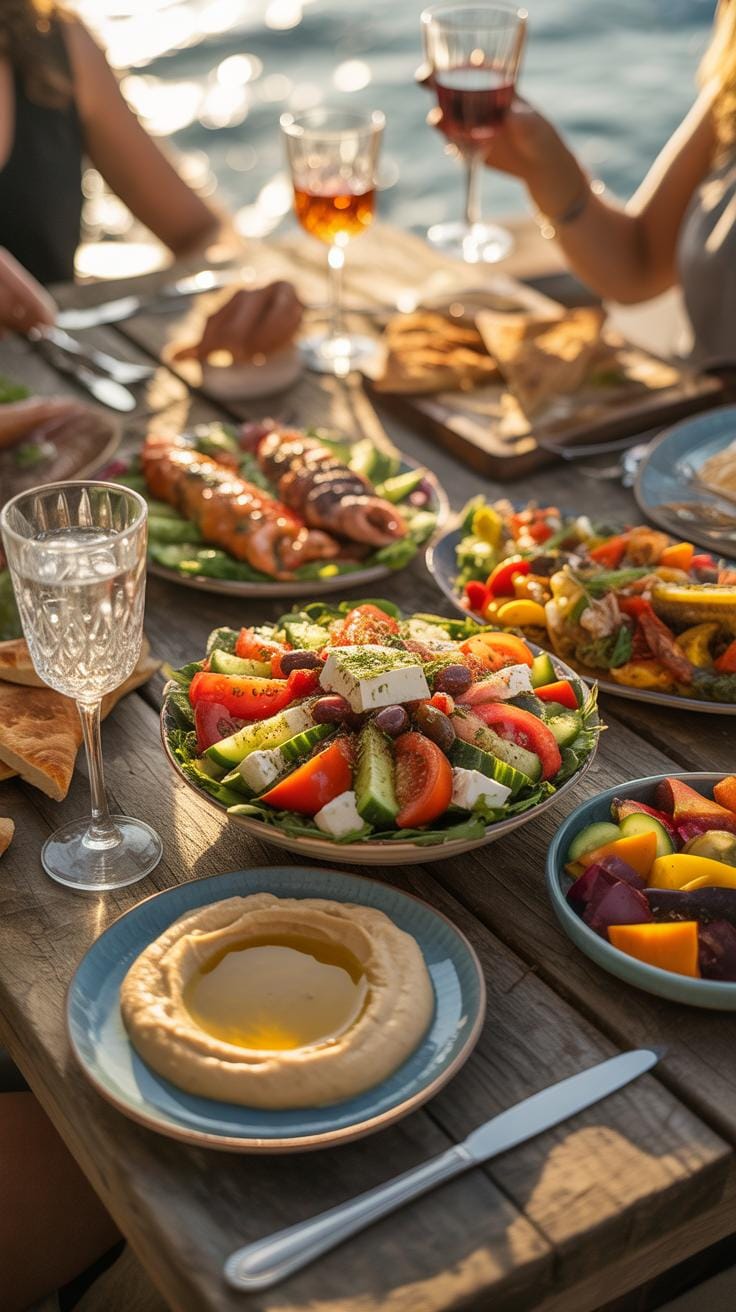
For dinner, think of a plate filled with grilled fish—say, sardines or salmon—paired with roasted vegetables like zucchini, eggplant, and bell peppers. You might toss vegetables with olive oil and herbs before roasting to keep things flavorful but light.
Something I’ve often returned to is a simple chickpea and vegetable stew served over quinoa or farro. It feels hearty but not heavy, and the combination of legumes and grains gives a nice balance of carbs and protein. Adding lemon juice or fresh parsley at the end brightens it up.
Even though simple, these dinners usually satisfy without feeling like you need to snack afterward. That’s a pretty good sign you’re getting the right balance of nutrients without complicating your evening meal prep.
Conclusions
The Mediterranean diet offers clear health advantages. Evidence shows it may reduce heart disease risk and help manage weight. Its focus on natural, plant-based foods and healthy fats makes it a practical choice to support your well-being over time.
By adopting this meal plan, you can take steps toward better health through balanced nutrition and enjoyable meals. Keep in mind simple swaps like using olive oil and eating more vegetables. Your choices can shape a healthier future starting today.